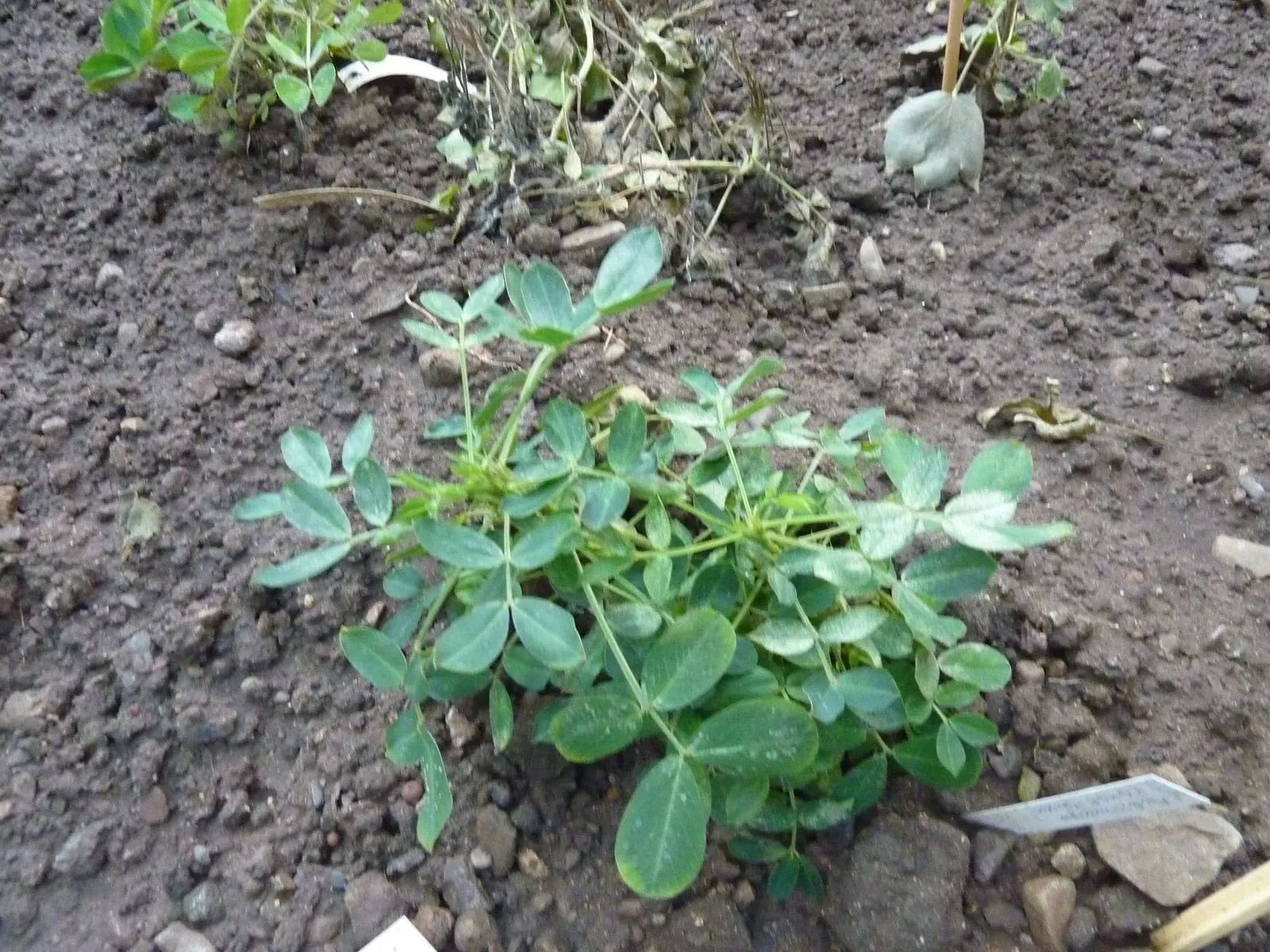
vegetable in zone 9b
Growing peanut in zone 9b
Arachis hypogaea
- Zone
- 9b 25°F to 30°F
- Growing season
- 310 days
- Suitable varieties
- 0
- Days to harvest
- 110 to 150
The verdict
Zone 9b is a genuine sweet spot for peanuts. As a warm-season legume, peanuts have no chill-hour requirement whatsoever, so the zone's mild winters are irrelevant to performance. What matters is heat accumulation and a long frost-free window, and zone 9b delivers on both counts. The 310-day growing season comfortably exceeds peanuts' 120 to 150 day maturity window, leaving ample buffer for late plantings or extended curing time in the field.
Minimum winter temperatures of 25 to 30°F are a non-factor since peanuts are warm-season annuals planted after last frost and pulled before first. The main zone-specific risk is summer heat stress during pod fill, but peanuts handle high temperatures better than most vegetable crops. Fusarium wilt pressure, favored by warm soils, is the more serious concern and deserves more management attention than the heat itself.
Critical timing for zone 9b
Soil temperature drives peanut planting timing more than calendar date. In zone 9b, soils typically reach the minimum 65°F threshold by late March or early April, allowing planting well ahead of regions further north. Virginia-type and runner-type varieties both mature in 120 to 150 days, putting harvest in August through October for a standard spring planting.
Pegging, the unusual process where fertilized flowers bend downward and push developing pods into the soil, begins roughly 30 to 40 days after planting. The zone's long frost-free season means there is little urgency at either end of the calendar. Growers can stagger plantings across March and April without risking a shortened season.
Common challenges in zone 9b
- ▸ Heat stress in summer
- ▸ Insufficient chill for most apples
- ▸ Salt spray near coasts
Disease pressure to watch for
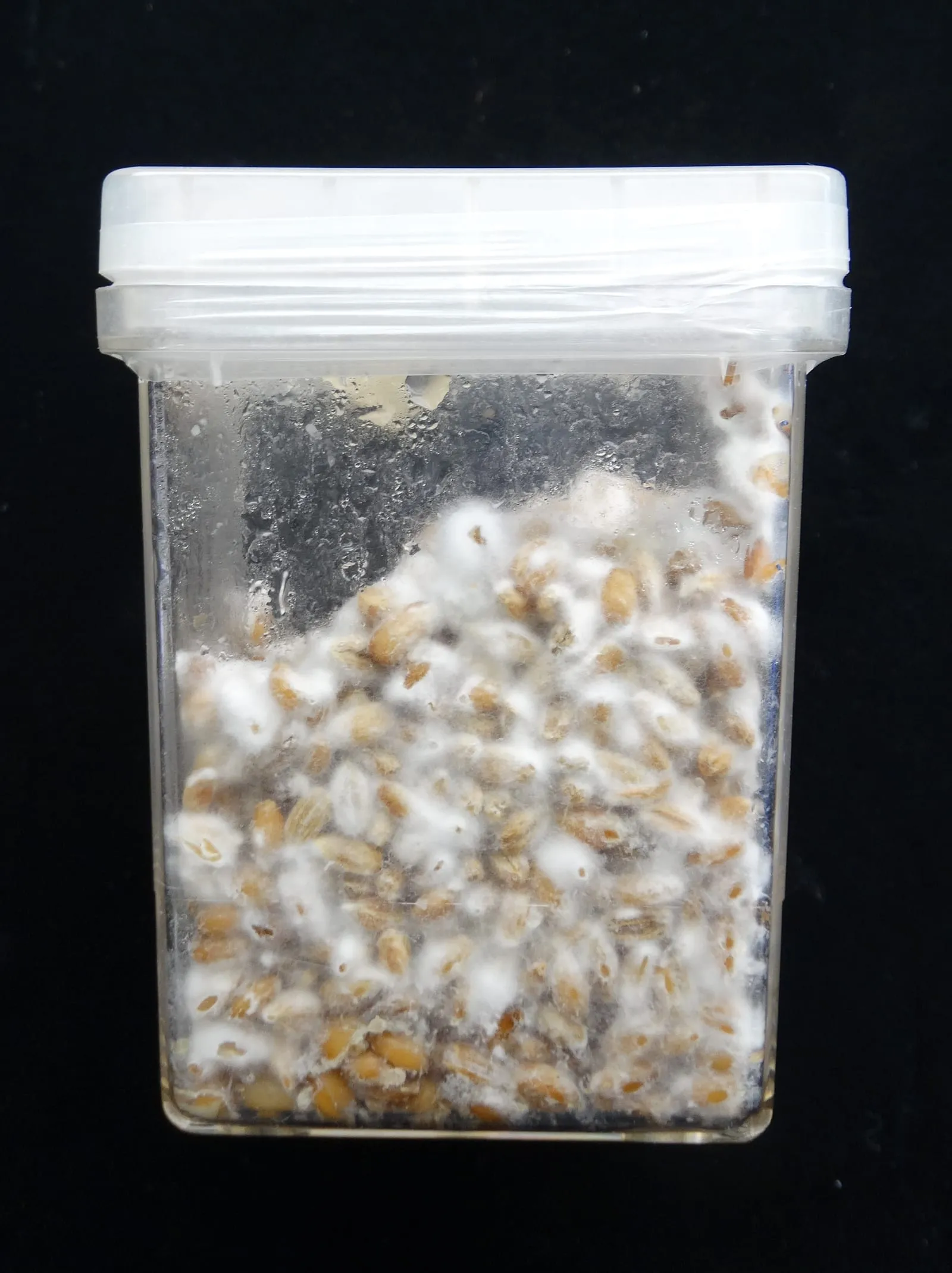
Fusarium oxysporum
Soil-borne fungal disease that plugs vascular tissue and kills affected plants. Persists in soil for many years; impossible to eliminate once established.
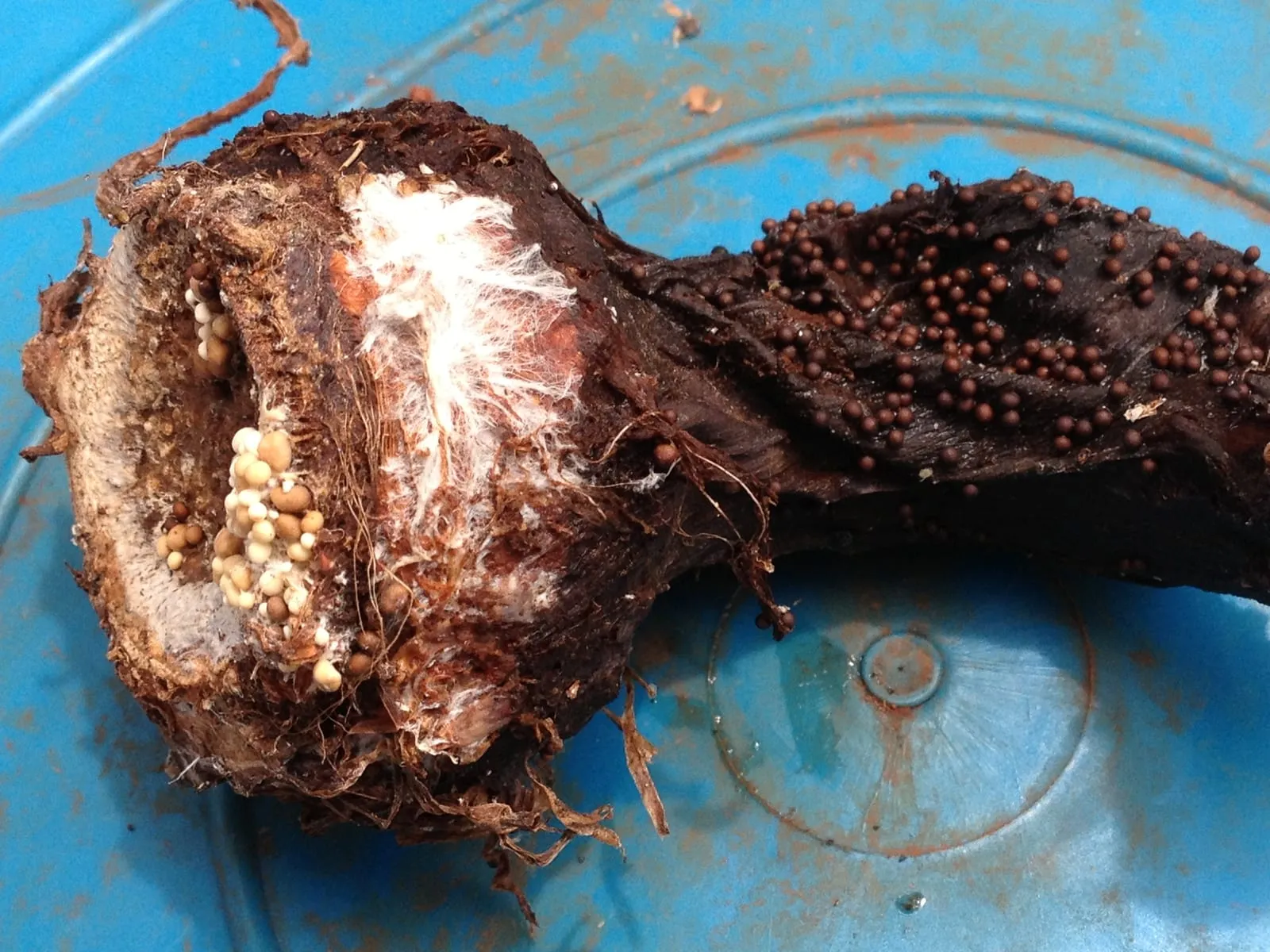
Sclerotium rolfsii
Soil-borne fungal disease most damaging in warm humid Southern conditions. White mycelial fans and small mustard-seed-sized sclerotia at the soil line are diagnostic.
Modified care for zone 9b
Fusarium wilt is the primary disease concern in zone 9b. Warm soil temperatures and any history of prior peanut or cotton production in the same ground increase risk significantly. Rotating peanuts out of a field for at least three years between plantings is the most reliable management tool available.
Summer moisture management matters more in zone 9b than in cooler regions. Pod fill in July and August coincides with heat peaks, and drought stress during this window reduces yields noticeably. Irrigation or careful planting timing to match expected rainfall patterns helps. For growers near the coast, salt spray can stress foliage; a windbreak or avoiding the most exposed positions reduces that pressure. Otherwise, the zone requires less intervention than most, and no winter protection is needed.
Frequently asked questions
- Do peanuts need a cold period to produce in zone 9b?
No. Peanuts are warm-season annuals with no chill-hour requirement. Zone 9b's mild winters have no effect on yield. What the crop needs is warm soil, a long frost-free window, and consistent moisture during pod fill.
- How do you manage Fusarium wilt in zone 9b peanuts?
Crop rotation is the primary tool. Avoid planting peanuts in the same ground more than once every three years, and particularly avoid fields with a history of cotton or other hosts. Resistant varieties, where available for the intended market type, add another layer of protection.
- When is the earliest safe planting date for peanuts in zone 9b?
Soil temperature is the reliable trigger, not calendar date. Once the top six inches of soil hold 65°F consistently, typically late March to early April in zone 9b, planting is safe. Cold soil delays germination and invites seed rot.
+−
+−
+−
Peanut in adjacent zones
Image: "Arachis hypogaea (DITSL)", by James Steakley, via Wikimedia Commons, licensed under CC-BY Source.
.JPG)
Related