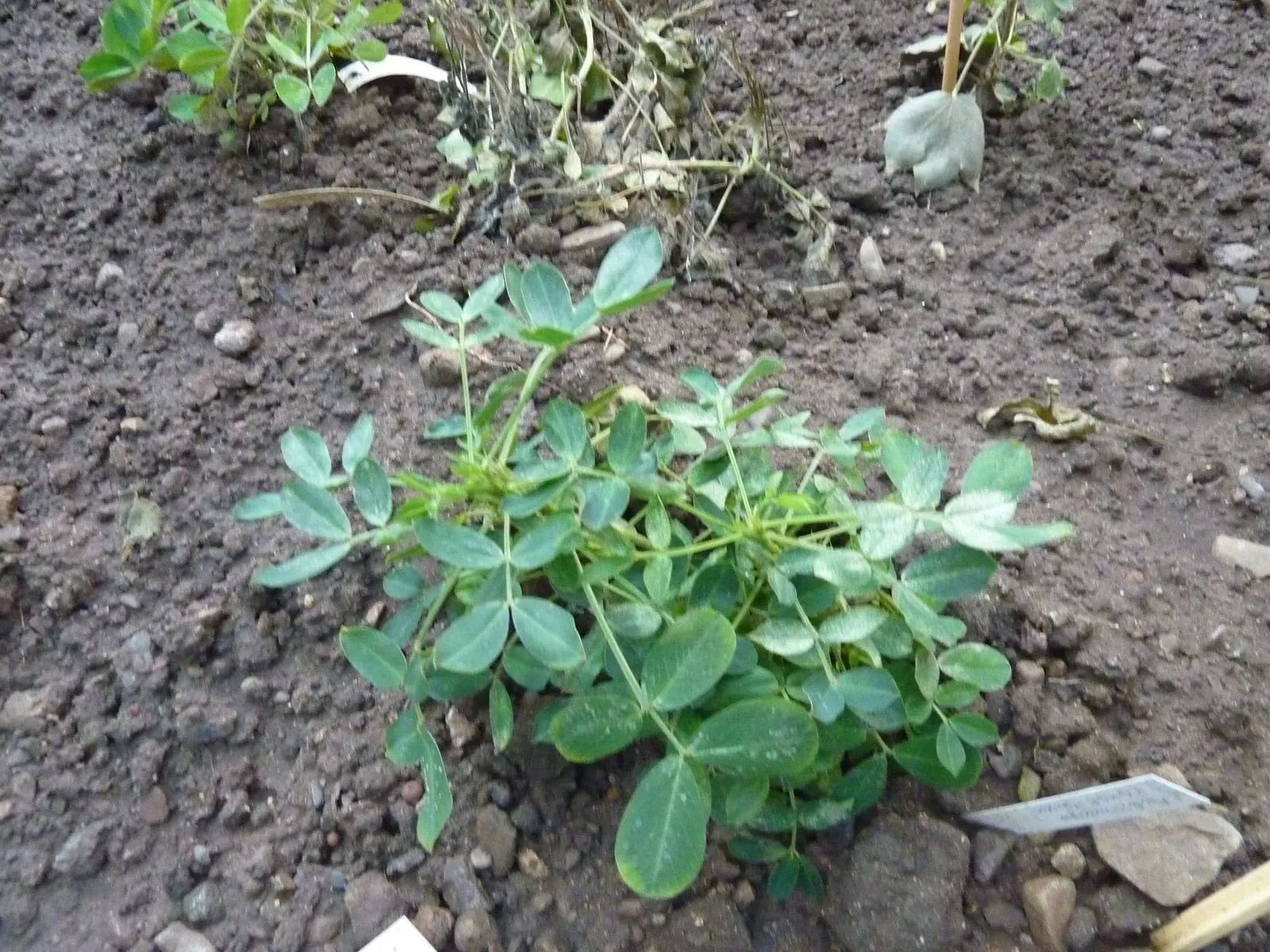
vegetable in zone 6b
Growing peanut in zone 6b
Arachis hypogaea
- Zone
- 6b -5°F to 0°F
- Growing season
- 190 days
- Suitable varieties
- 2
- Days to harvest
- 110 to 150
The verdict
Zone 6b sits at the northern edge of reliable peanut production. The 190-day growing season looks adequate on paper, but peanuts demand soil temperatures of 65°F or warmer for germination and sustained warmth through pod fill, which narrows the effective window considerably. In zone 6b, that warm window typically runs from late May through mid-September, giving growers roughly 100 to 115 usable days, depending on the specific location.
Peanuts do not have a chill-hour requirement like tree fruits, so winter dormancy is not the constraint. The binding limitation is accumulated heat from soil emergence through harvest maturity. Spanish-type peanuts, which mature in 100 to 120 days, and short-season Valencia types like Tennessee Red Valencia fit within this window, but only with careful timing and favorable summers. Zone 6b is a marginal zone for peanuts, not a sweet spot. Growers in colder microclimates, north-facing slopes, or heavy clay soils should expect inconsistent results.
Recommended varieties for zone 6b
2 cultivars suited to this zone, with disease-resistance and zone-fit annotations.
| Variety | Notes | Zone fit | Disease resistance |
|---|---|---|---|
| Spanish fits zone 6b | Rich, oily, intense peanut flavor; small reddish-skinned kernels. Roasting, peanut butter, candy. Earliest-maturing peanut, viable in warm zone 6 with full season. | | none noted |
| Tennessee Red Valencia fits zone 6b | Sweet, complex, slightly raisin-like; small red-skinned kernels with 3-4 per pod. Boiling green, roasting, candy. Productive heirloom, ornamental, kid-friendly project crop. | | none noted |
Critical timing for zone 6b
Planting should wait until soil temperature at 4-inch depth reaches a sustained 65°F, typically late May in zone 6b. Earlier planting risks poor germination and seedling rot. Bloom begins roughly 40 days after emergence, placing the flowering window in late June through July. Each peg, the stem that carries the developing pod into the soil, needs 60 to 80 additional days to fill and cure underground.
Harvest typically falls in late September through early October. The first fall frost in zone 6b arrives on average between October 5 and October 20, depending on elevation and location. That gives a narrow margin. Growers should monitor soil moisture in August and September, since peg development stalls in drought, and plan to harvest before night temperatures drop consistently below 40°F, which slows the final curing phase.
Common challenges in zone 6b
- ▸ Cedar-apple rust
- ▸ Fire blight
- ▸ Stink bugs
Disease pressure to watch for
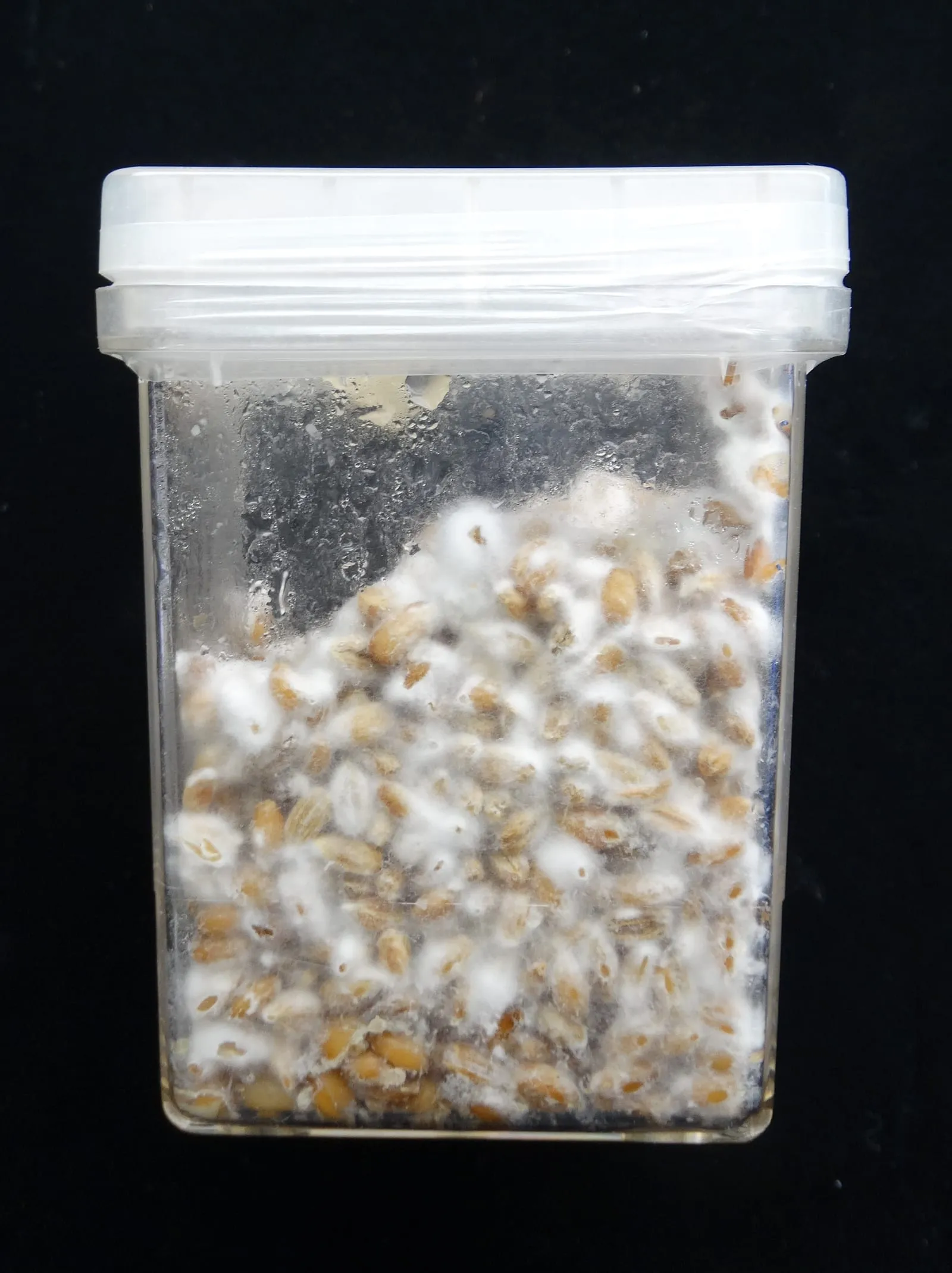
Fusarium oxysporum
Soil-borne fungal disease that plugs vascular tissue and kills affected plants. Persists in soil for many years; impossible to eliminate once established.
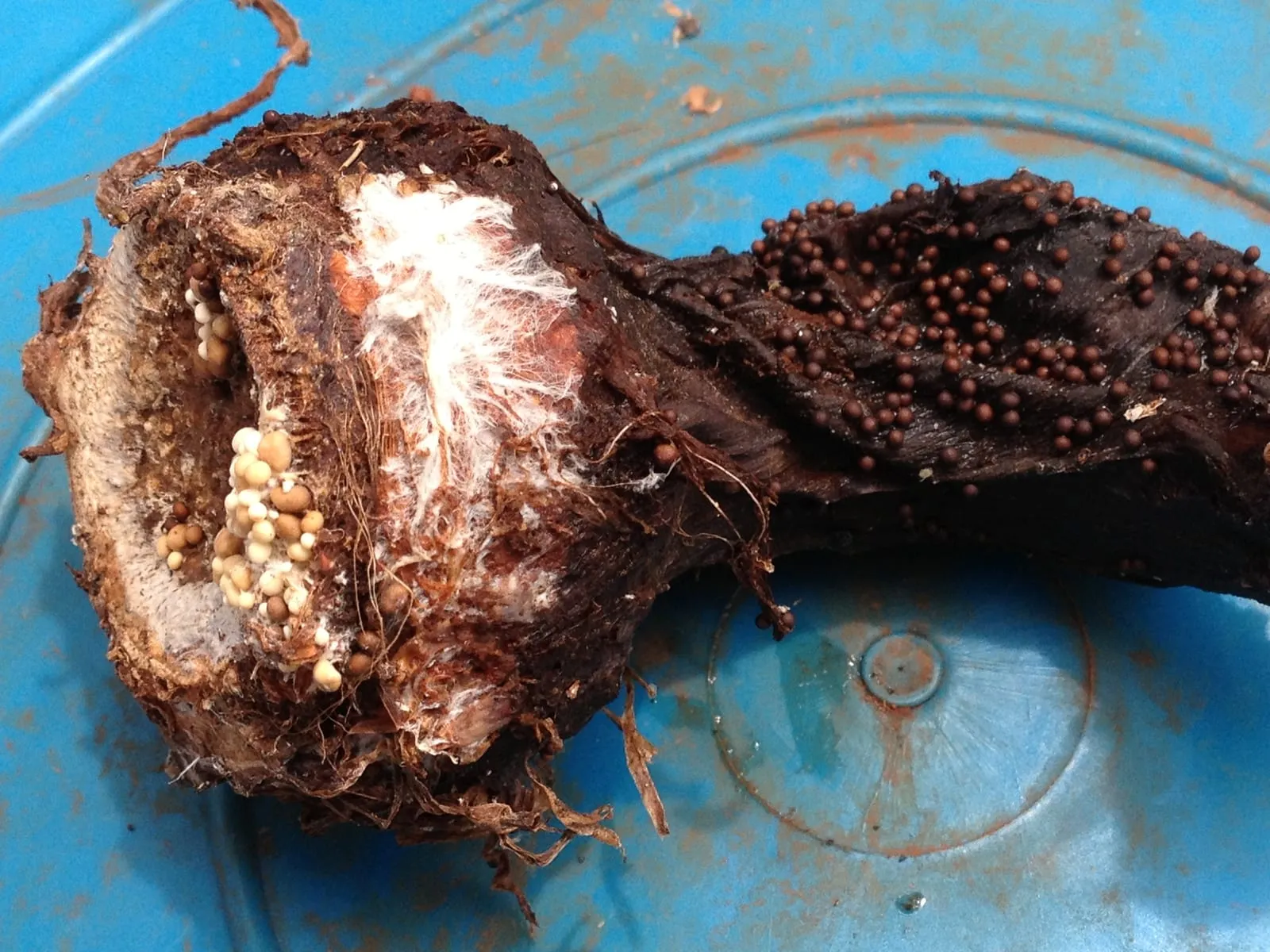
Sclerotium rolfsii
Soil-borne fungal disease most damaging in warm humid Southern conditions. White mycelial fans and small mustard-seed-sized sclerotia at the soil line are diagnostic.
Modified care for zone 6b
In zone 6b, soil warming is the first priority. Laying black plastic mulch two to three weeks before planting accelerates soil temperature gain and can shift the effective planting date earlier by 10 to 14 days. This margin matters when working with a 110-day variety against a hard October frost deadline.
Fusarium wilt pressure is the primary disease concern for peanuts in this range. The pathogen persists in soil and is worsened by cool, wet spring conditions, which zone 6b routinely delivers. Crop rotation on a three-year cycle away from legumes reduces inoculum load. Avoid planting in poorly drained areas regardless of the variety.
Stink bug feeding on developing pods can cause internal blemishing that is not visible until shelling. Scout from late July onward, particularly along field edges adjacent to woodland or soybean plantings. Controls should be timed to egg hatch, not adult sightings alone, to be effective.
Frequently asked questions
- Can peanuts grow in zone 6b?
Yes, but with significant constraints. Zone 6b is marginal for peanuts. Short-season varieties such as Spanish and Tennessee Red Valencia can reach maturity within the available warm-soil window, but growers need to use soil-warming techniques, time planting precisely, and accept that cold or wet summers will reduce yields.
- What peanut varieties work best in zone 6b?
Spanish-type peanuts and Tennessee Red Valencia are the best fits. Both mature in 100 to 120 days, which aligns with the warm-season window available before the first fall frost in zone 6b. Virginia-type peanuts, which require 130 to 150 days, are not reliably suited to this zone.
- How do I protect peanuts from Fusarium wilt in zone 6b?
Rotate peanuts away from all legume crops on at least a three-year cycle. Plant in well-drained soil and avoid low spots where water pools after rain. There are no widely available Fusarium-resistant peanut varieties for home garden scale, so cultural controls are the primary management tool.
- When should I harvest peanuts in zone 6b?
Plan to harvest in late September to early October. Check pod maturity by pulling a few plants and examining the pod interior: the inner hull should show dark veining and the seed coat should be fully colored. Do not wait for a frost warning to begin harvest; pods need to be pulled and cured before cold soil stalls the process.
+−
+−
+−
+−
Peanut in adjacent zones
Image: "Arachis hypogaea (DITSL)", by James Steakley, via Wikimedia Commons, licensed under CC-BY Source.
.JPG)
Related