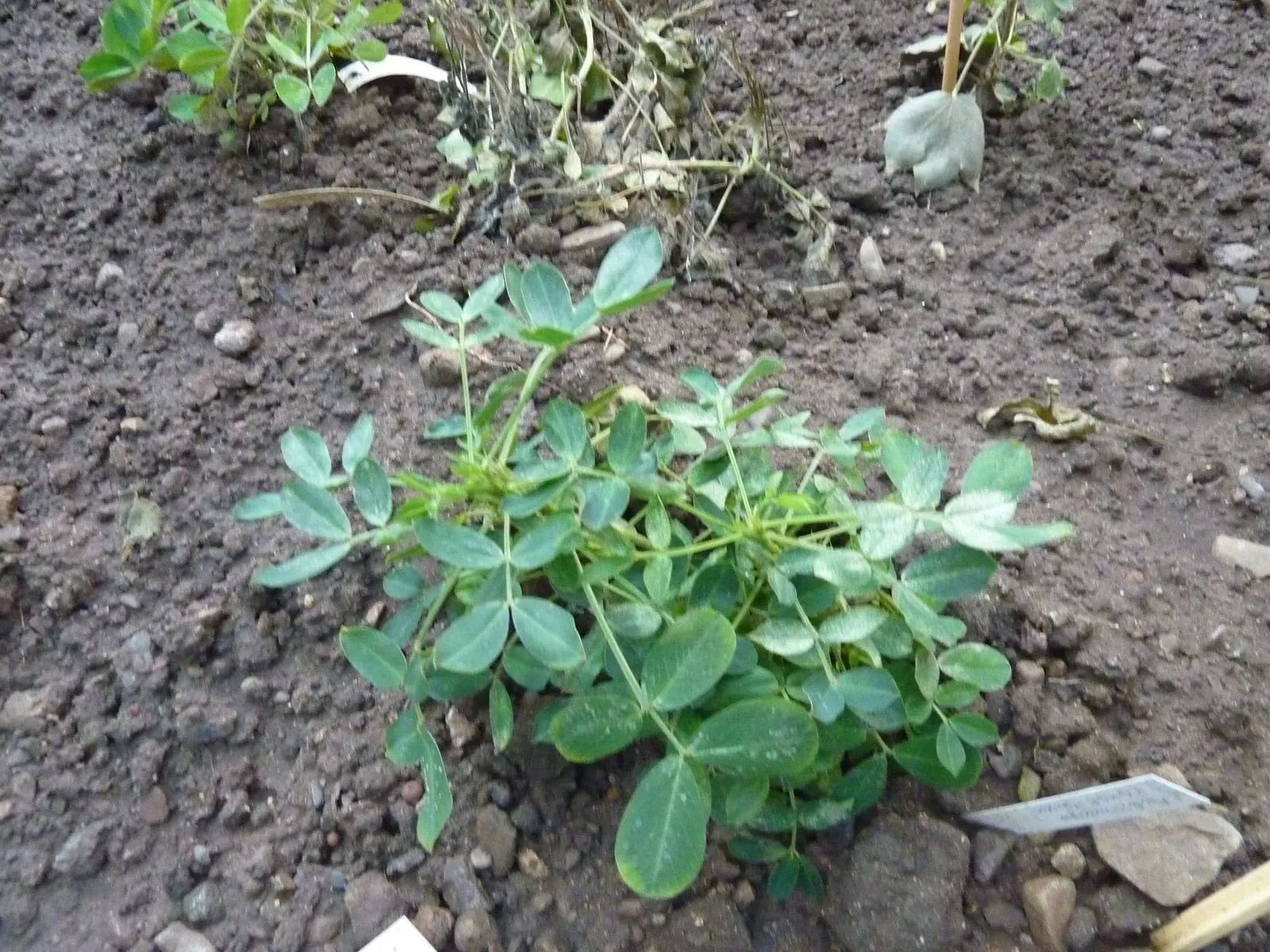
vegetable in zone 6a
Growing peanut in zone 6a
Arachis hypogaea
- Zone
- 6a -10°F to -5°F
- Growing season
- 180 days
- Suitable varieties
- 1
- Days to harvest
- 110 to 150
The verdict
Zone 6a is marginal territory for peanuts. The crop is subtropical in origin, requiring sustained soil warmth and a long frost-free window that zone 6a provides only under favorable conditions. The 180-day growing season is technically sufficient, but peanuts need soil temperatures of at least 65°F before germination and warm, consistent heat through pod fill, which puts zone 6a growers in a tight window with little room for a cool summer.
Chill hours are not a factor here; peanuts are not perennial fruiting trees that require vernalization. The real constraint is accumulated heat units and the risk of an early fall frost cutting the season short before pods mature. Spanish varieties, which mature in roughly 100 days, are the appropriate choice for zone 6a precisely because they finish before the window closes. Longer-season types (Virginia, Valencia) are not well-matched to this zone and should not be planted expecting reliable results.
Recommended varieties for zone 6a
1 cultivar suited to this zone, with disease-resistance and zone-fit annotations.
| Variety | Notes | Zone fit | Disease resistance |
|---|---|---|---|
| Spanish fits zone 6a | Rich, oily, intense peanut flavor; small reddish-skinned kernels. Roasting, peanut butter, candy. Earliest-maturing peanut, viable in warm zone 6 with full season. | | none noted |
Critical timing for zone 6a
In zone 6a, last spring frost typically falls between late April and mid-May depending on local elevation and cold-air drainage. Peanuts should not go into the ground until soil temperature at 4-inch depth reaches 65°F, which in zone 6a usually means late May. Planting in cold soil produces slow, uneven germination and increased vulnerability to soil pathogens including Fusarium.
Spanish varieties planted in late May can expect bloom in July, with pods beginning to fill through August. Harvest falls in early to mid-September, giving a reasonable buffer ahead of the first fall frost, which arrives in zone 6a roughly in mid-October. If a cool summer delays crop development, that buffer shrinks fast.
Common challenges in zone 6a
- ▸ Brown rot in stone fruit
- ▸ Japanese beetles
- ▸ Spring frost damage to peach buds
Disease pressure to watch for
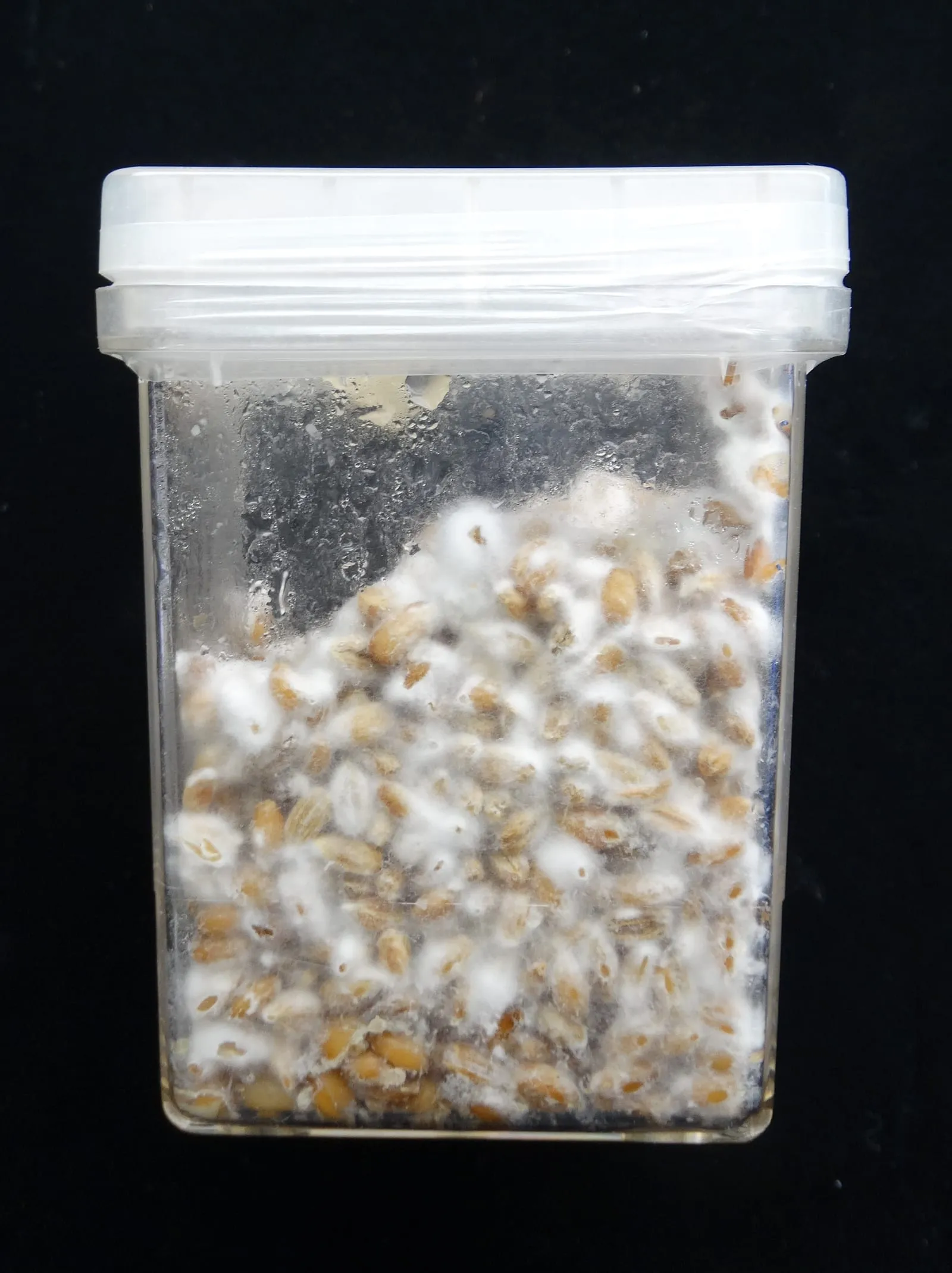
Fusarium oxysporum
Soil-borne fungal disease that plugs vascular tissue and kills affected plants. Persists in soil for many years; impossible to eliminate once established.
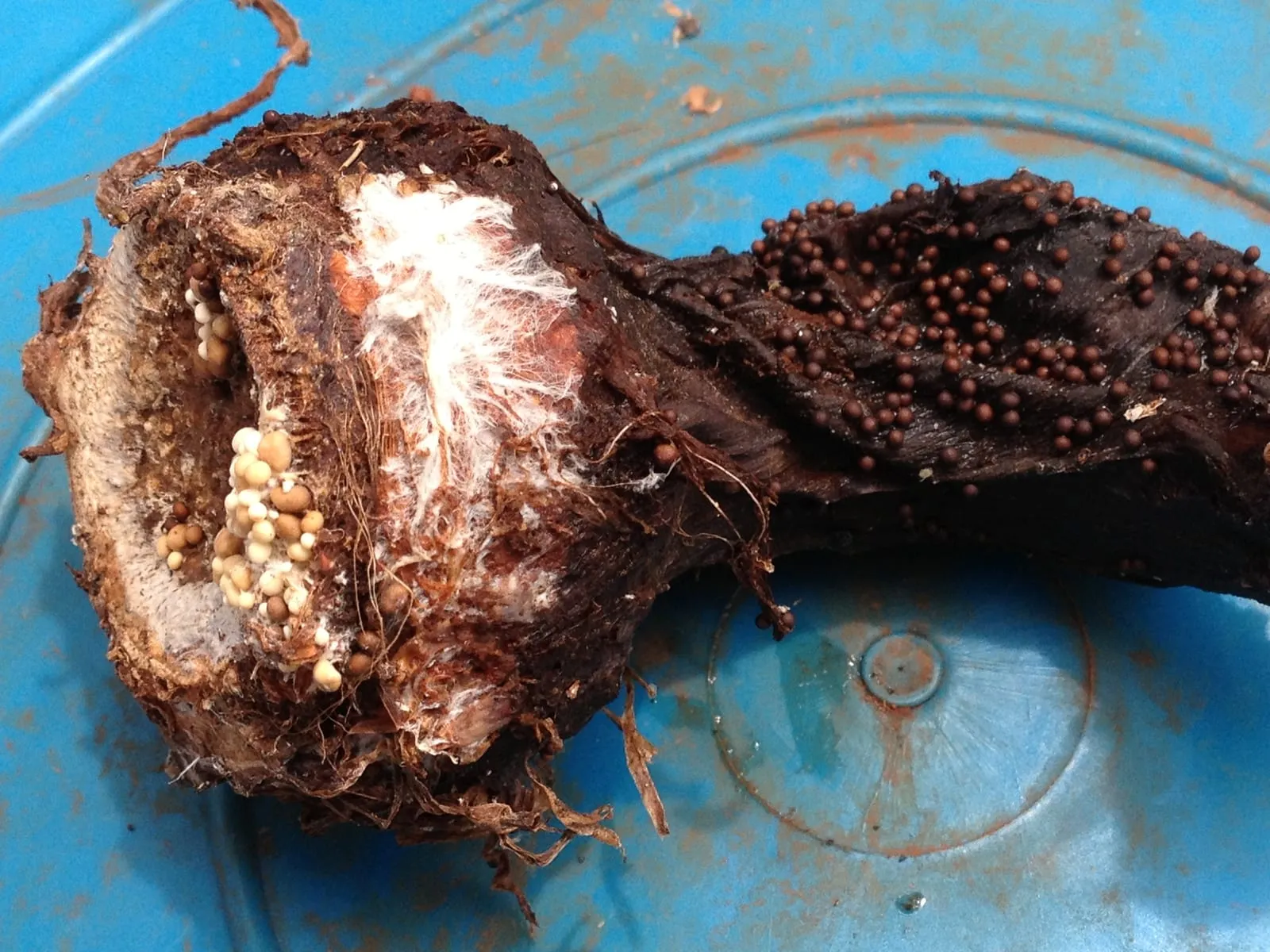
Sclerotium rolfsii
Soil-borne fungal disease most damaging in warm humid Southern conditions. White mycelial fans and small mustard-seed-sized sclerotia at the soil line are diagnostic.
Modified care for zone 6a
Zone 6a growers face a heat-accumulation problem that warmer-zone growers do not. Black plastic mulch laid before planting raises soil temperature several degrees and holds warmth through the season. A south-facing bed or slope and good drainage are worth prioritizing at site selection.
Fusarium Wilt is a documented concern for peanuts in cool, wet soils, and the slower soil warm-up in spring increases exposure risk. Crop rotation away from other legumes and solanaceous crops for at least three years reduces Fusarium pressure. Avoid overwatering during germination. Because the frost-free season provides minimal cushion, any practice that delays maturity (excessive nitrogen, shade, compacted soil limiting peg penetration) is more costly here than in warmer zones.
Frequently asked questions
- Can peanuts actually grow in zone 6a?
Yes, with early-maturing Spanish varieties and careful timing. Zone 6a has a 180-day growing season, which is enough for 100-day varieties if planting is not delayed past late May. Success depends on warm soil, good drainage, and a heat-retaining site.
- What is the biggest risk when growing peanuts in zone 6a?
A cool summer or early fall frost compressing the maturation window. Peanuts planted on time but slow to develop due to low summer temperatures may not reach full pod fill before frost. Using black plastic mulch and a south-facing bed reduces this risk.
- Why is the Spanish variety recommended over Virginia or Valencia for zone 6a?
Spanish types mature in roughly 90 to 110 days. Virginia and Valencia varieties need 130 to 150 days, which exceeds the reliable warm season in zone 6a. Planting a long-season variety here risks frost terminating the crop before pods are fully developed.
- How does Fusarium Wilt affect peanuts in zone 6a?
Fusarium Wilt is favored by cool, wet soils, conditions that zone 6a growers face in spring. Rotating away from other legumes and solanaceous crops for at least three years, combined with well-draining beds, is the primary management strategy. There are no widely available Fusarium-resistant peanut varieties for home growers.
+−
+−
+−
+−
Peanut in adjacent zones
Image: "Arachis hypogaea (DITSL)", by James Steakley, via Wikimedia Commons, licensed under CC-BY Source.
.JPG)
Related