vegetable in zone 9a
Growing swiss chard in zone 9a
Beta vulgaris subsp. vulgaris
- Zone
- 9a 20°F to 25°F
- Growing season
- 290 days
- Suitable varieties
- 0
- Days to harvest
- 50 to 60
The verdict
Swiss chard has no chill-hour requirement, so zone 9a's mild winters are not a constraint. With a 290-day growing season and winter lows that rarely drop below 20°F, zone 9a supports nearly year-round chard production. The crop is a genuinely good fit here.
The real limitation is summer heat. Swiss chard tolerates more warmth than spinach or lettuce, but sustained temperatures above 90°F trigger bolting and degrade leaf quality. In zone 9a, peak summer months typically represent a partial or full break in the growing window rather than the prime season. Fall through spring is when chard performs best, with the long frost-free period allowing multiple succession plantings.
This places zone 9a in the sweet-spot-with-a-summer-gap category. Not marginal by any measure, but growers should structure their season around heat rather than cold.
Critical timing for zone 9a
Swiss chard is grown for its vegetative leaves, not for flowering; the goal is to keep plants in leaf production as long as possible before heat forces bolting. In zone 9a, two reliable planting windows exist.
- Fall planting: September through October. Plants establish during cooling temperatures and produce through winter and into spring.
- Spring planting: February through March, ahead of rising heat.
Harvest as a cut-and-come-again crop begins roughly 50 to 60 days after direct sowing or transplant and continues until bolting ends production. Zone 9a's last frost typically falls in late January to February, so fall-planted chard carries minimal cold risk. Spring plantings face a shorter window before summer heat builds.
Common challenges in zone 9a
- ▸ Limited stone fruit options due to insufficient chill
- ▸ Hurricane and tropical storm exposure
- ▸ Citrus disease pressure
Disease pressure to watch for
Modified care for zone 9a
The primary adjustment in zone 9a is managing heat rather than cold. Shade cloth rated at 30 to 40% transmission can extend the productive season by several weeks during warm spells, though it will not prevent eventual bolting once daytime highs are consistently above 90°F. Removing flower stalks promptly when they appear delays the end of production.
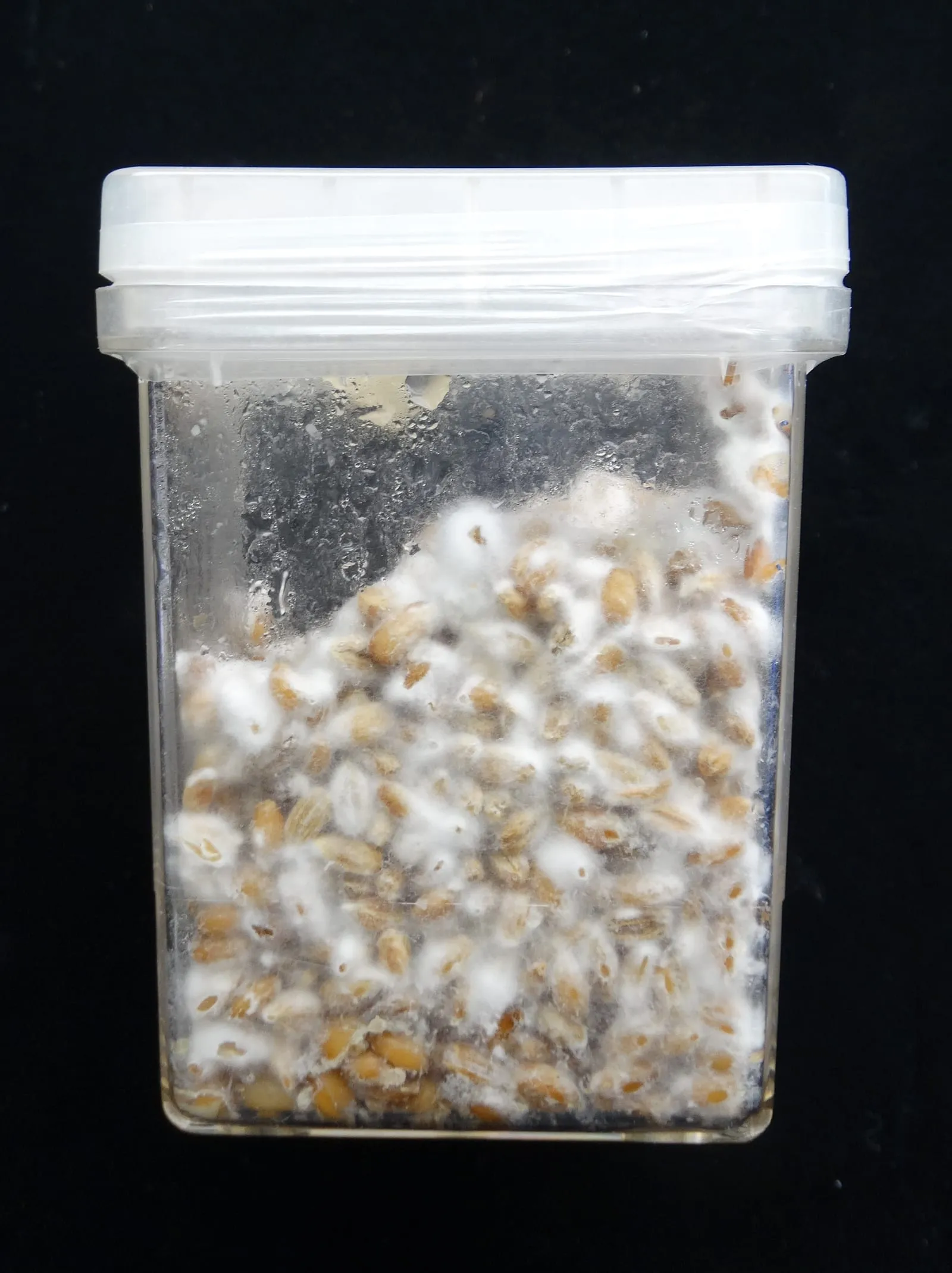
Fusarium Wilt is the crop's most significant disease risk in zone 9a soils. No commercially available Swiss chard varieties carry confirmed Fusarium resistance. The practical mitigation is a minimum four-year crop rotation away from related species (beets, spinach, lambsquarters) and avoiding low-lying, poorly drained sites where soilborne fungi persist.
Consistent irrigation during dry periods reduces heat-stress-driven bolting, but overhead watering should be minimized to limit foliar disease. Drip or furrow irrigation is preferable once plants are established.
Swiss Chard in adjacent zones
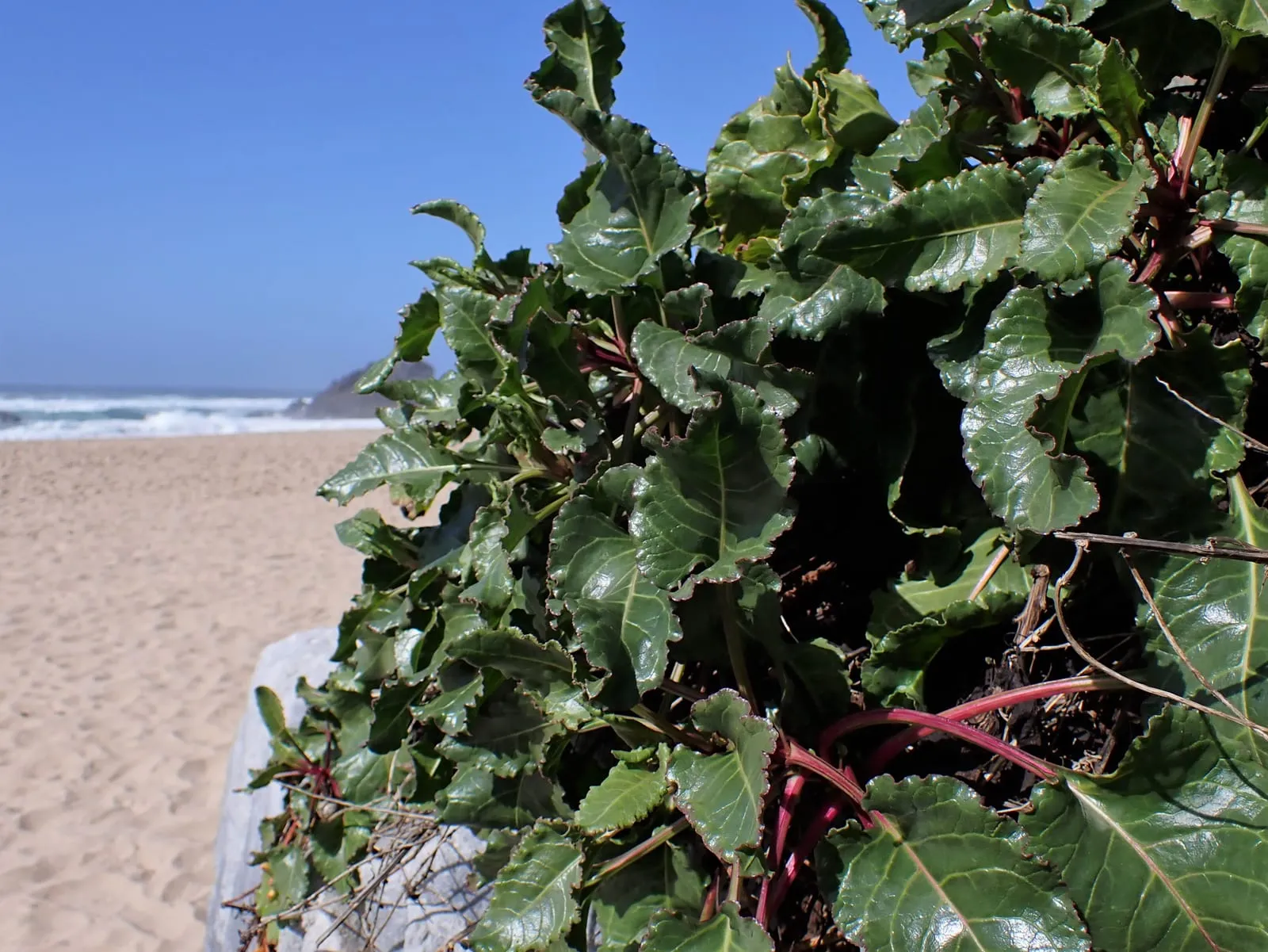
Image: "Beta vulgaris subsp. maritima kz05", by Krzysztof Ziarnek, Kenraiz, via Wikimedia Commons, licensed under CC-BY Source.

Related