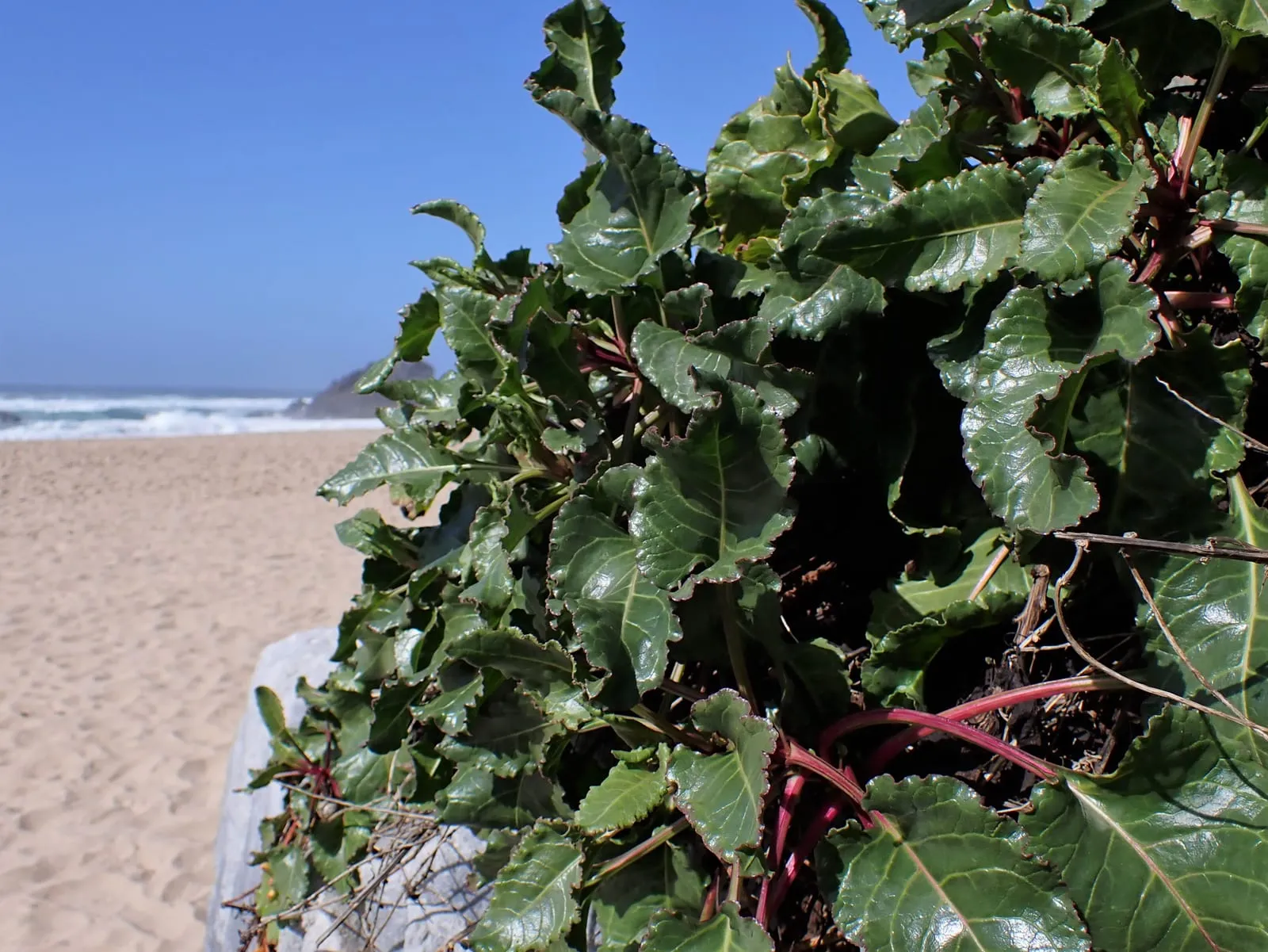
vegetable in zone 8b
Growing swiss chard in zone 8b
Beta vulgaris subsp. vulgaris
- Zone
- 8b 15°F to 20°F
- Growing season
- 260 days
- Suitable varieties
- 2
- Days to harvest
- 50 to 60
The verdict
Swiss chard is a strong performer in zone 8b, where the 260-day growing season allows multiple plantings across the cooler months. Unlike fruit trees, Swiss chard carries no chill-hour requirement, so the mild winters that limit apple variety selection here are not a direct constraint on chard production.
The real ceiling is summer heat. Temperatures consistently above 85 to 90°F trigger bolting, which ends the productive harvest window. Zone 8b growers are better served treating chard as a fall-through-spring crop rather than a summer one. Within that framework, the zone is close to ideal.
Bright Lights and Fordhook Giant are both well-matched to zone 8b conditions. Bright Lights shows reasonable bolt tolerance and produces reliably through extended mild winters. Fordhook Giant is the more cold-tolerant of the two and handles the January-February stretch better when overnight temperatures occasionally approach the zone's 15°F minimum. Fusarium wilt, documented in warmer zone 8b soils, warrants attention to crop rotation.
Recommended varieties for zone 8b
2 cultivars suited to this zone, with disease-resistance and zone-fit annotations.
| Variety | Notes | Zone fit | Disease resistance |
|---|---|---|---|
| Bright Lights fits zone 8b | Mild, slightly earthy, tender; mixed-color stems (yellow, orange, pink, red, white). Sauteing, soups, fresh salads, ornamental edible. AAS winner, productive, beautiful in mixed beds. | | none noted |
| Fordhook Giant fits zone 8b | Mild, slightly sweet; classic white-stemmed dark green-leaf chard. Sauteing, soups, lasagna. Heritage productive variety, very heat- and cold-tolerant. | | none noted |
Critical timing for zone 8b
Swiss chard does not follow a bloom calendar in the way fruiting crops do. The key threshold is bolting, which occurs when daytime temperatures climb above roughly 85°F for extended periods or when day length exceeds 14 hours. In most of zone 8b, that window runs from mid-May through September.
Two planting windows work well here. A fall planting from mid-August through October targets harvest from October through February, with days to first harvest typically running 50 to 60 days from direct sow. A spring planting from late January through early March targets harvest through May before summer heat sets in. Zone 8b's minimum temperatures of 15 to 20°F mean established plants will occasionally face frost stress, but mature chard tolerates brief dips to around 25°F without significant damage under most conditions.
Common challenges in zone 8b
- ▸ Low chill hours limit apple variety selection
- ▸ Citrus greening risk
- ▸ Nematodes in sandy soils
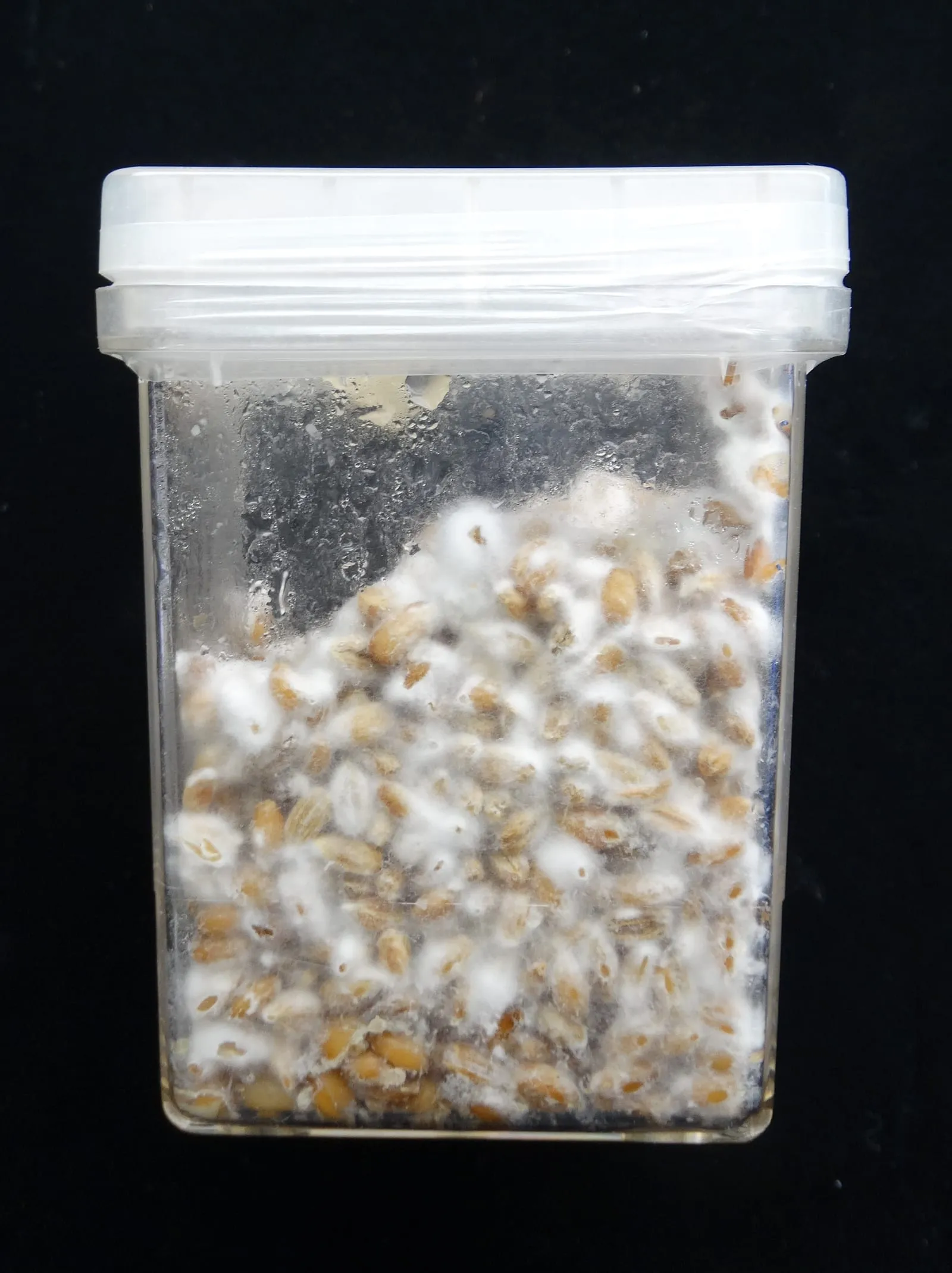
Disease pressure to watch for
Modified care for zone 8b
The primary adjustment in zone 8b is planning plantings around the summer heat window. Spring-sown chard should be harvested before mid-May; succession planting every two to three weeks extends the spring harvest season but does not push the bolting threshold.
Nematode pressure in sandy soils is a noted challenge across much of zone 8b. Incorporating 3 to 4 inches of compost at planting improves soil structure and can reduce nematode damage; biocontrol products containing Bacillus firmus offer additional suppression in known problem areas.
Fusarium wilt persists in warm soils and is the primary disease concern for chard in this zone. Rotate with unrelated crops (grasses or legumes work well) on a minimum two-year cycle, and avoid replanting beds that showed wilt symptoms. Winter protection is generally unnecessary for most of zone 8b, though a light row cover is worthwhile when extended forecasts call for multiple nights below 25°F.
Swiss Chard in adjacent zones
Image: "Beta vulgaris subsp. maritima kz05", by Krzysztof Ziarnek, Kenraiz, via Wikimedia Commons, licensed under CC-BY Source.

Related