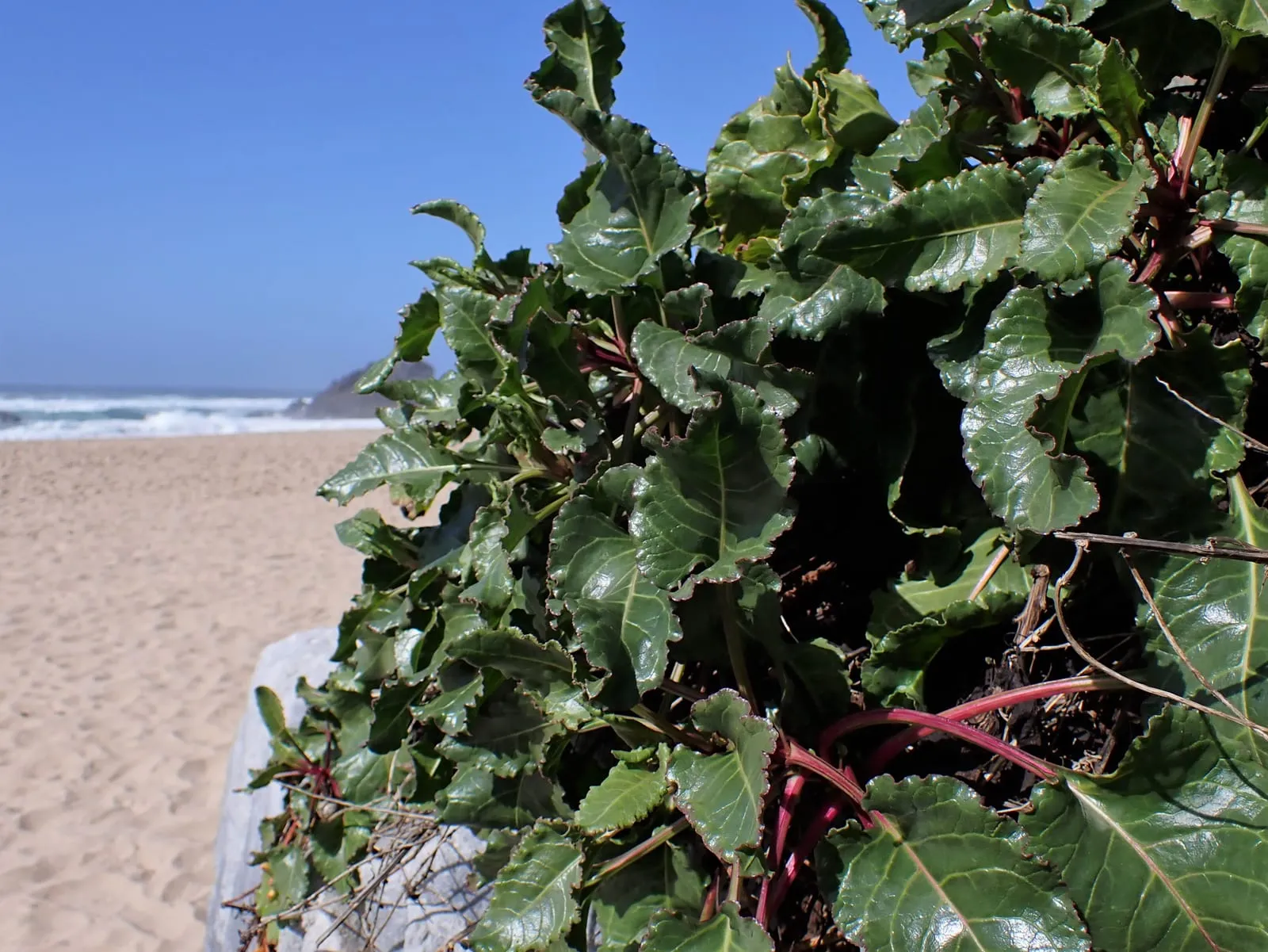
vegetable
Swiss Chard
Beta vulgaris subsp. vulgaris
USDA hardiness range
- Zones
- 3a–9b
- Days to harvest
- 50 to 60
- Sun
- Full
- Water
- Moderate
- Lifespan
- biennial grown as annual
Growing swiss chard
Swiss chard (Beta vulgaris subsp. vulgaris) is one of the more adaptable leafy greens available to home gardeners, productive across USDA zones 3a through 9b. In cold climates it tolerates light frost and can push the harvest well into autumn; in warm zones (8 and 9), it runs into trouble during midsummer heat but rebounds in fall for a second productive window. The crop matures in 50 to 60 days from transplant, fast enough to support succession plantings and fill gaps left by spent spring brassicas.
Unlike many leafy crops, Swiss chard handles moderate summer heat without immediately bolting, though persistent temperatures above 90°F accelerate flowering and degrade leaf quality noticeably. What separates a productive planting from a disappointing one usually comes down to two factors: consistent moisture and timing. Plants grown through repeated wilt-and-soak cycles produce tougher, more bitter leaves. Plantings pushed too late into summer in zones 5 and below often bolt before reaching full size.
Zone 8 and 9 growers attempting a spring crop face a narrow window before summer heat arrives; fall planting (late August through September) typically outperforms spring there. In zone 3 and 4, the season is short enough that timing transplants precisely around last frost matters more than in moderate zones. The three widely grown varieties cover most practical needs: Bright Lights for ornamental appeal and salad freshness, Fordhook Giant for reliable bulk harvest, and Rhubarb Chard for a productive border plant with strong visual distinction.
Recommended varieties
See all 3 →3 cultivars for home growers, with notes on flavor, ripening, and disease resistance.
| Variety | Notes | Zone fit | Disease resistance |
|---|---|---|---|
| Bright Lights | Mild, slightly earthy, tender; mixed-color stems (yellow, orange, pink, red, white). Sauteing, soups, fresh salads, ornamental edible. AAS winner, productive, beautiful in mixed beds. | | none noted |
| Fordhook Giant | Mild, slightly sweet; classic white-stemmed dark green-leaf chard. Sauteing, soups, lasagna. Heritage productive variety, very heat- and cold-tolerant. | | none noted |
| Rhubarb Chard | Slightly earthy, mild; deep red stems and dark green leaves. Sauteing, soups, fresh in salads. Productive heritage variety, ornamental enough for borders. | | none noted |
Soil and site requirements
Swiss chard performs best in loose, well-drained soil with a pH between 6.0 and 7.0. It tolerates slightly alkaline conditions better than most leafy greens, but pH above 7.5 can lock out micronutrients and produce pale, stunted growth. Heavy clay soils that stay waterlogged after rain invite root rot and create the uneven moisture conditions that lead to tougher, more fibrous leaves.
Full sun (six or more hours of direct light) produces the fastest growth and most productive plants. Partial shade (three to five hours) is workable in hotter zones where afternoon cover extends the season, but expect slower growth and somewhat reduced stem color intensity in the ornamental varieties.
Space transplants or thinned direct-seedings 9 to 12 inches apart in rows 18 inches apart. Crowded stands reduce airflow, invite fungal issues, and slow individual plant development. In small beds, erring toward the wider end of the spacing range pays off over a full season.
Microclimate considerations matter at both ends of the zone range. In zones 3 and 4, a south-facing bed against a wall or fence can raise soil temperatures enough to extend the growing window by two to three weeks in spring and fall. In zones 8b and 9, raised beds with excellent drainage dry out faster after summer rain events, reducing the saturated soil conditions that favor crown rot.
Common diseases
Common pests
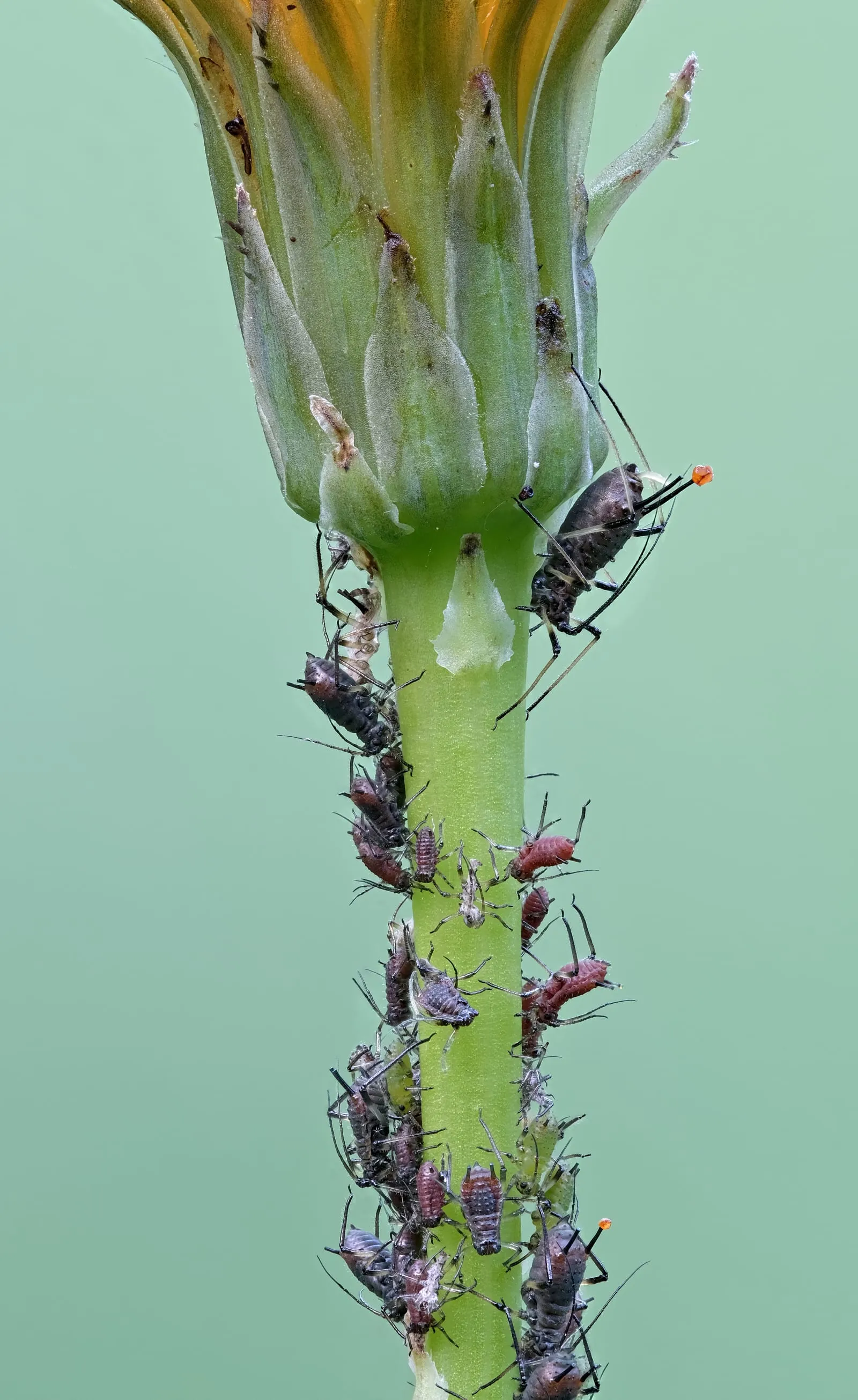
Multiple species (Aphididae)
Small soft-bodied sap-sucking insects that reproduce explosively in spring. Excrete honeydew that supports sooty mold and attracts ants. Transmit viral diseases.
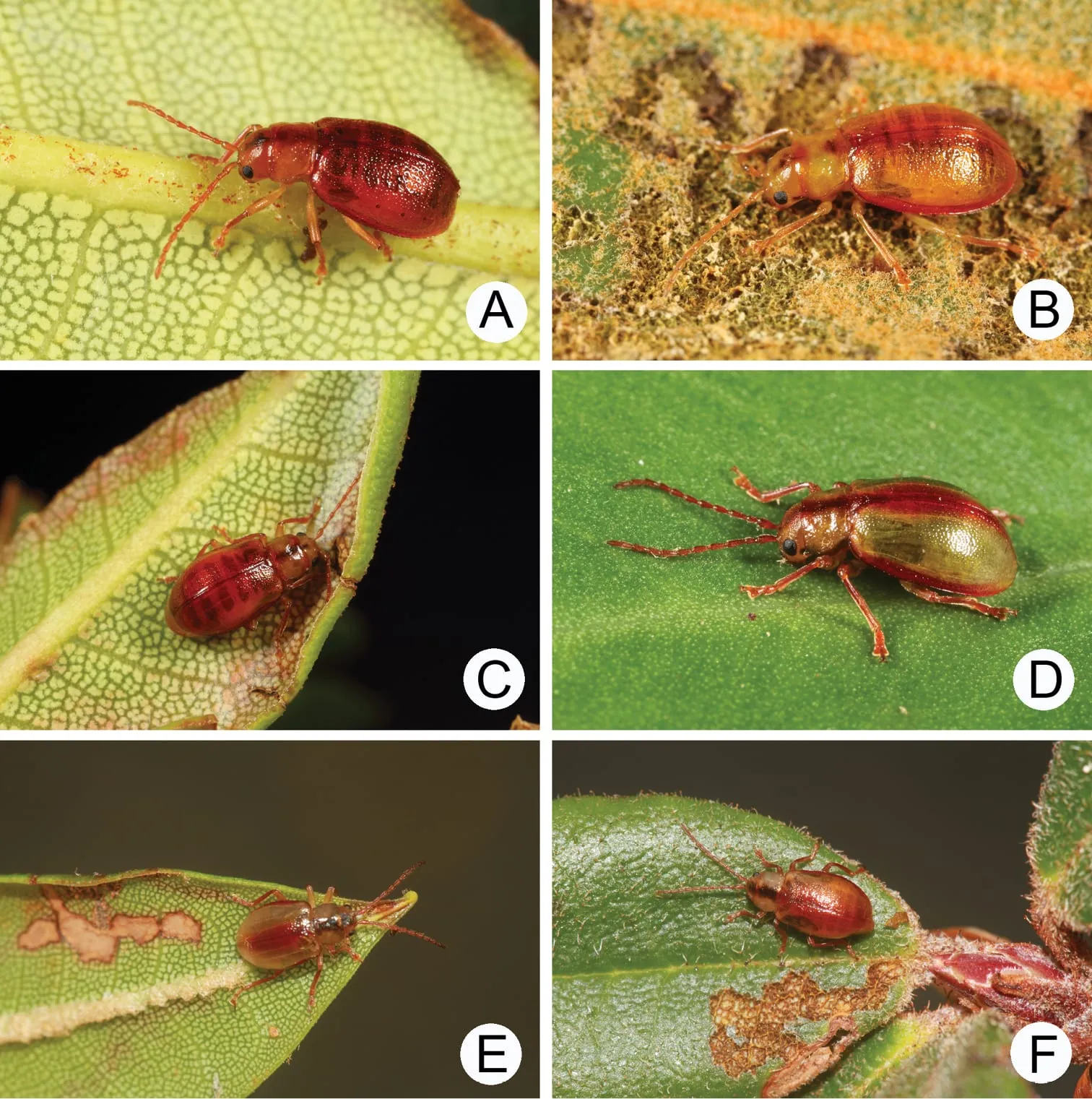
Multiple species (Chrysomelidae)
Tiny black or bronze jumping beetles that put hundreds of small holes in seedling leaves. Most damaging on direct-seeded brassicas and young eggplant.
Multiple species (Gastropoda)
Soft-bodied mollusks that feed on tender leaves and seedlings primarily at night. Damaging especially in wet years and shaded mulched gardens.

Odocoileus species
Whitetail and mule deer browse can devastate orchards and gardens, particularly in winter when food is scarce. Antler rub on young trunks kills saplings outright.
Common challenges
The most reliable path to poor results with Swiss chard is inconsistent watering. The plant does not recover well from repeated wilt-and-soak cycles; leaves produced under water stress are thicker, more fibrous, and more bitter than those grown with steady, moderate moisture. Mulching to 2 to 3 inches around the base of plants is one of the higher-return practices for this crop and reduces the frequency of intervention needed during dry stretches.
Bolt timing is the second common failure point. Swiss chard is a biennial that will flower in its first season if it experiences a sustained cold period followed by lengthening days, a process called vernalization. Transplants that go into the ground too early and experience several weeks below 50°F can bolt faster than later plantings that avoid the cold window entirely. In zones 3 through 6, targeting transplants two to four weeks after last frost rather than pushing into cold soil reduces bolt risk meaningfully.
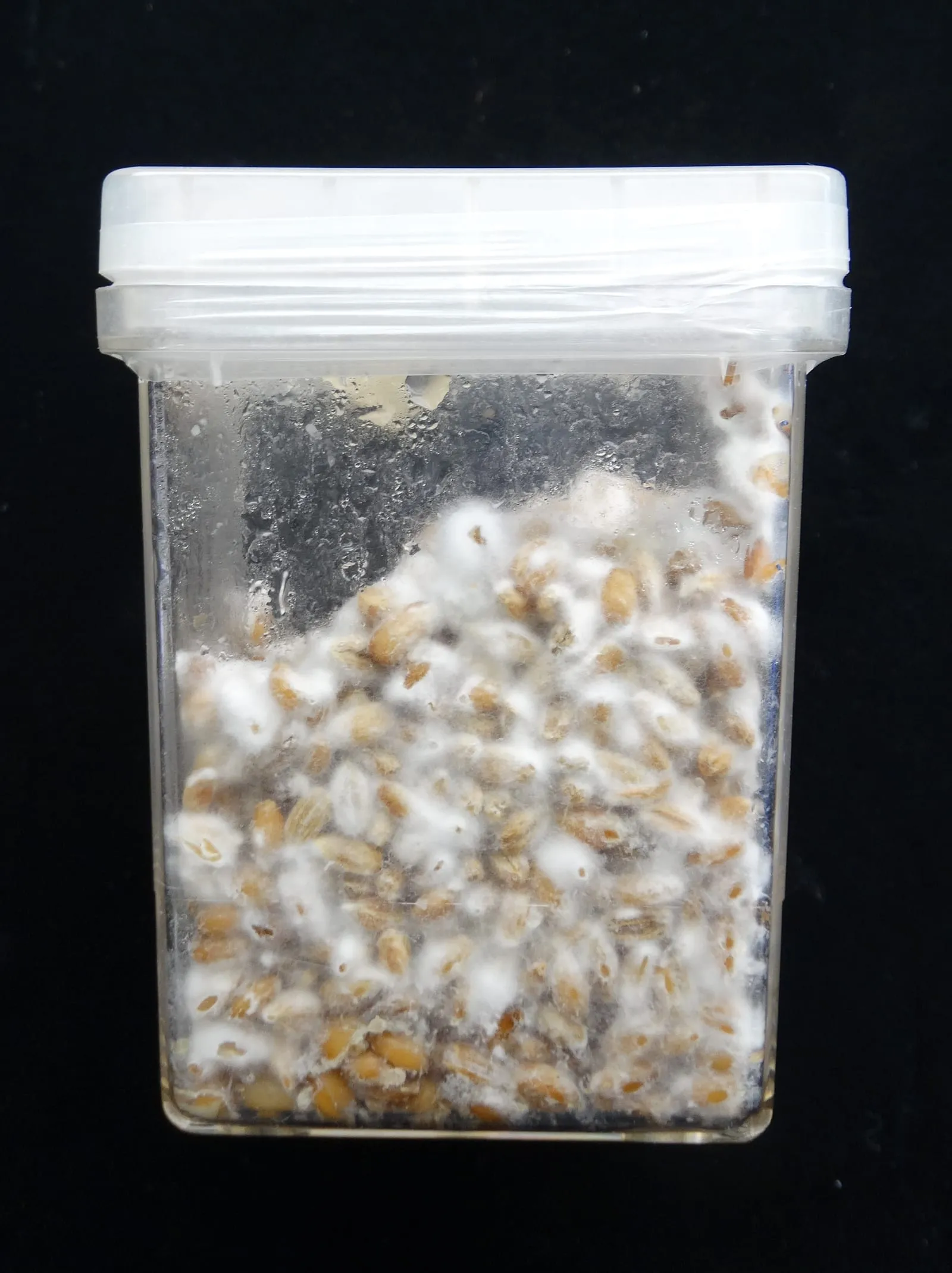
Fusarium wilt is the primary fungal disease concern in Swiss chard. The pathogen enters through the roots and progresses systemically, causing yellowing, wilting, and eventual plant death with no effective treatment once a plant is infected. Prevention is practical: use disease-free seed from reputable sources, avoid planting in beds with a history of beet or chard problems, and ensure adequate drainage. Because Swiss chard and beets belong to the same species (Beta vulgaris), rotation rules apply equally to both crops, and a two-to-three-year gap is the Cornell Chard Production standard recommendation.
Frequently asked questions
- Does Swiss chard require a chill period to produce?
No. Swiss chard is grown for its leaves and has no chill-hour requirement. It germinates in soil temperatures as low as 50°F and is productive across a wide climate range, from zone 3a to 9b. A cold period can actually trigger unwanted bolting rather than improve yield.
- How many days does Swiss chard take to reach harvest?
Most varieties mature in 50 to 60 days from transplant. Outer leaves can be removed earlier for baby-leaf use without ending the plant's productive life. The plant continues generating new leaves from the center growing point as long as that crown is not damaged during harvest.
- What USDA zones does Swiss chard grow in?
Swiss chard grows in USDA zones 3a through 9b, making it one of the broader zone-range leafy vegetables. It tolerates light frost in cool zones and serves as a reliable fall crop in warmer zones (8 and 9) where summer heat limits spring planting windows.
- Does Swiss chard need pollinators to produce?
No. Pollinators are irrelevant for leaf production. Swiss chard is wind-pollinated and typically flowers only in its second season under normal growing conditions. Home growers harvesting leaves during the first season will not encounter pollination as a limiting factor.
- What is the most common disease affecting Swiss chard?
Fusarium wilt is the primary disease concern. Caused by soilborne fungi, it enters through roots and progresses systemically, producing yellowing, wilting, and plant death. No treatment is effective once infection is established. Crop rotation (keeping beets and chard out of the same bed for two to three years) is the standard preventive measure.
- Can Swiss chard survive frost?
Mature plants tolerate light frost, typically down to 28 to 30°F, with some variation by cultivar. This cold tolerance makes Swiss chard a useful season-extension crop in zones 5 through 7, where it can remain harvestable well into October. Hard freezes below 25°F will damage or kill plants outright.
- Why is my Swiss chard bolting early?
Early bolting usually results from vernalization: transplants exposed to several weeks below 50°F followed by lengthening days interpret the cold-warm sequence as a signal to flower. Planting transplants two to four weeks after last frost rather than into cold soil reduces this risk significantly in zones 3 through 6.
+−
+−
+−
+−
+−
+−
+−
Sources
Image: "Beta vulgaris subsp. maritima kz05", by Krzysztof Ziarnek, Kenraiz, via Wikimedia Commons, licensed under CC-BY. Source.

Swiss Chard by zone
Related