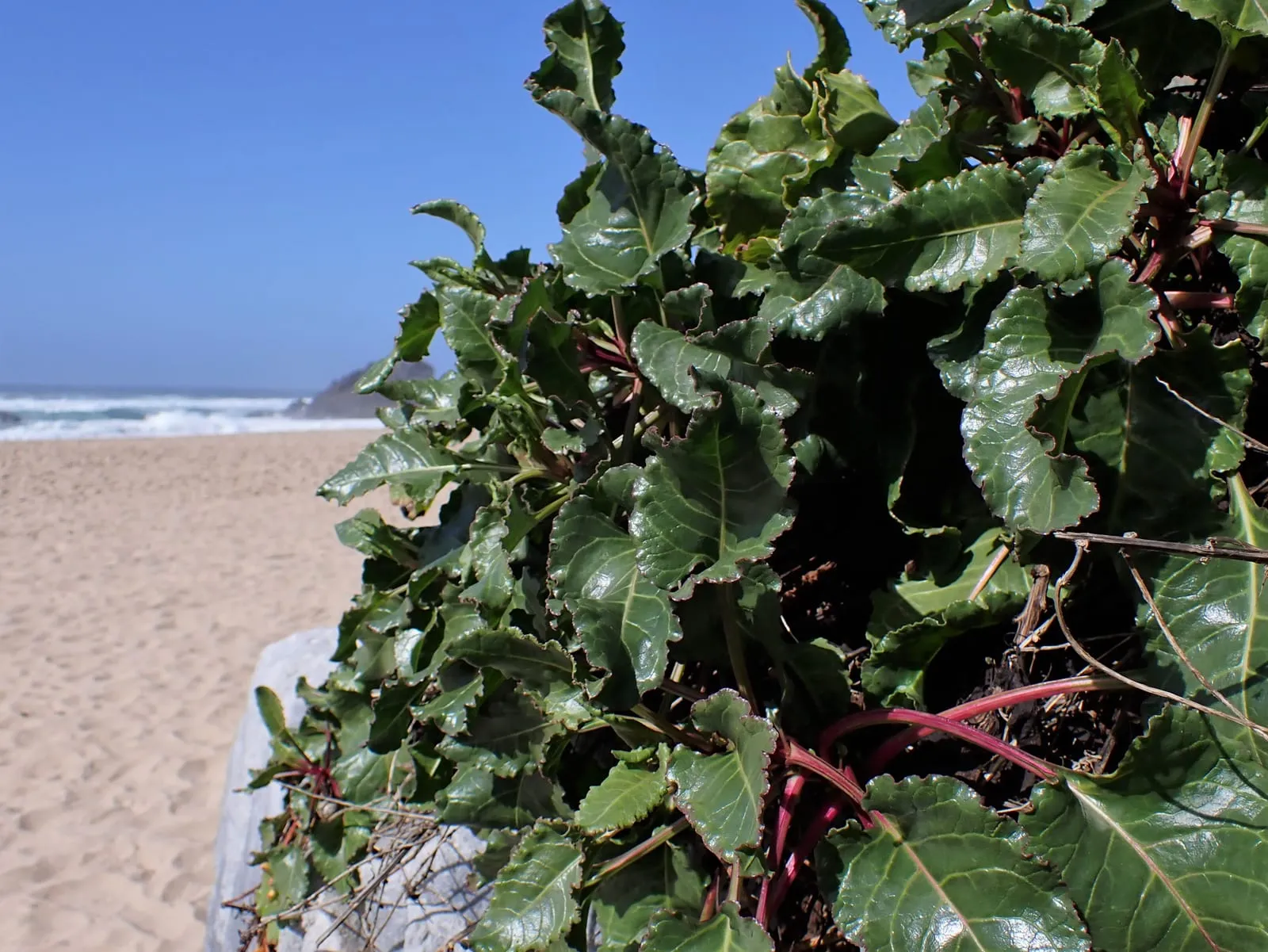
vegetable in zone 7a
Growing swiss chard in zone 7a
Beta vulgaris subsp. vulgaris
- Zone
- 7a 0°F to 5°F
- Growing season
- 210 days
- Suitable varieties
- 3
- Days to harvest
- 50 to 60
The verdict
Swiss chard is well-suited to zone 7a and performs reliably across both spring and fall production windows. Unlike fruit crops, Swiss chard has no chill-hour requirement, so the zone's winter minimum range of 0 to 5°F is relevant mainly for overwintering potential rather than dormancy break. The 210-day growing season comfortably supports two distinct plantings per year.
The zone is close to a sweet spot for this crop, with one meaningful caveat: summer heat. Sustained temperatures above 90°F, common in zone 7a from late June through August, accelerate bolting and reduce leaf quality. This makes fall plantings particularly productive, as the cooling trend from September onward slows bolting and improves texture. Established plants tolerate brief dips into the mid-20s°F, which extends harvest on both ends of the season. With light row cover, plants often persist into December. Zone 7a is not marginal for Swiss chard; it simply rewards timing adjustments that favor the cooler shoulders of the season.
Recommended varieties for zone 7a
3 cultivars suited to this zone, with disease-resistance and zone-fit annotations.
| Variety | Notes | Zone fit | Disease resistance |
|---|---|---|---|
| Bright Lights fits zone 7a | Mild, slightly earthy, tender; mixed-color stems (yellow, orange, pink, red, white). Sauteing, soups, fresh salads, ornamental edible. AAS winner, productive, beautiful in mixed beds. | | none noted |
| Fordhook Giant fits zone 7a | Mild, slightly sweet; classic white-stemmed dark green-leaf chard. Sauteing, soups, lasagna. Heritage productive variety, very heat- and cold-tolerant. | | none noted |
| Rhubarb Chard fits zone 7a | Slightly earthy, mild; deep red stems and dark green leaves. Sauteing, soups, fresh in salads. Productive heritage variety, ornamental enough for borders. | | none noted |
Critical timing for zone 7a
Direct sowing can begin 3 to 4 weeks before the average last frost date, typically late March to early April across most of zone 7a. Spring-sown plants come into production in May and remain harvestable until heat pressure in late June or July triggers bolting.
Fall plantings, started from seed in late July or early August, consistently outperform spring crops in this zone. Cooling temperatures through September and October slow bolting significantly and often produce the season's best leaf quality. The first hard frost, usually arriving in October or November, ends unprotected outdoor production. With row cover or a cold frame, harvest can extend through December. Swiss chard does not have a bloom stage relevant to harvest; the goal throughout the season is to keep plants in the vegetative phase as long as possible.
Common challenges in zone 7a
- ▸ Cedar-apple rust
- ▸ Brown rot
- ▸ Fire blight
- ▸ High humidity disease pressure
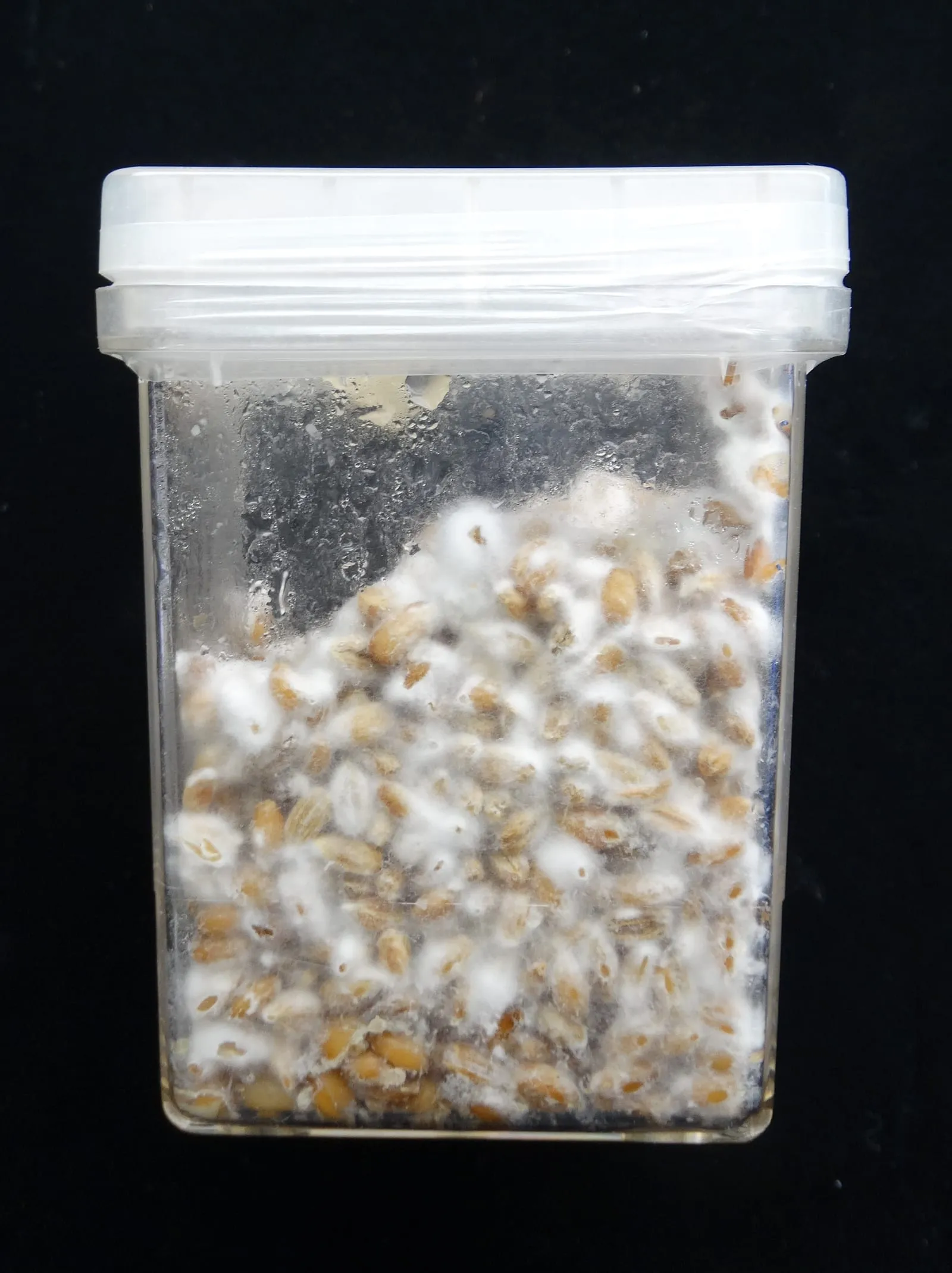
Disease pressure to watch for
Modified care for zone 7a
The primary adjustment in zone 7a is managing summer heat stress. Planting in a location with afternoon shade, or applying 30% shade cloth from July through mid-August, meaningfully extends the productive period before bolting sets in. Consistent soil moisture also slows heat-triggered stress; mulching with 2 to 3 inches of straw reduces evaporation and moderates soil temperature.
Fusarium wilt is the main disease risk to monitor. Infection is most common in heavy, poorly drained soils. Raised beds with amended, well-draining mix significantly reduce risk. Because Swiss chard, beets, and spinach share susceptibility, avoid planting in any bed that grew those crops within the previous two seasons. Zone 7a's humidity also encourages foliar fungal issues; spacing plants at least 12 inches apart improves airflow and reduces the conditions where pathogens establish. Avoid overhead irrigation where possible, or water early in the day so foliage dries before nightfall.
Frequently asked questions
- Can Swiss chard survive winter in zone 7a?
Young plants can survive mild zone 7a winters with row cover protection, particularly in locations that stay above 15°F. Hard freezes below that threshold can kill unprotected crowns. Fall-planted chard left in place under cover often resumes growth in early spring, though leaf quality declines after repeated hard freezes.
- Why does Swiss chard bolt so quickly in zone 7a summers?
Sustained heat above 90°F, combined with lengthening days, signals the plant to shift from vegetative to reproductive growth. Zone 7a's July and August temperatures regularly exceed this threshold. Afternoon shade and consistent soil moisture slow the process, but summer plantings in full sun often bolt within weeks of the heat arriving.
- Which Swiss chard varieties perform best in zone 7a?
Bright Lights, Fordhook Giant, and Rhubarb Chard all perform reliably in zone 7a. Fordhook Giant tends to show slightly better heat tolerance than the colorful stems of Bright Lights, making it a reasonable choice for spring plantings that may run into summer. All three handle zone 7a's fall conditions well.
- How do I prevent Fusarium wilt in Swiss chard?
Fusarium wilt persists in soil and has no chemical cure once established. Prevention depends on drainage, crop rotation, and avoiding replanting chard, beets, or spinach in the same bed within two years. Raised beds with amended soil reduce infection risk considerably in zone 7a's heavier clay soils.
+−
+−
+−
+−
Swiss Chard in adjacent zones
Image: "Beta vulgaris subsp. maritima kz05", by Krzysztof Ziarnek, Kenraiz, via Wikimedia Commons, licensed under CC-BY Source.

Related