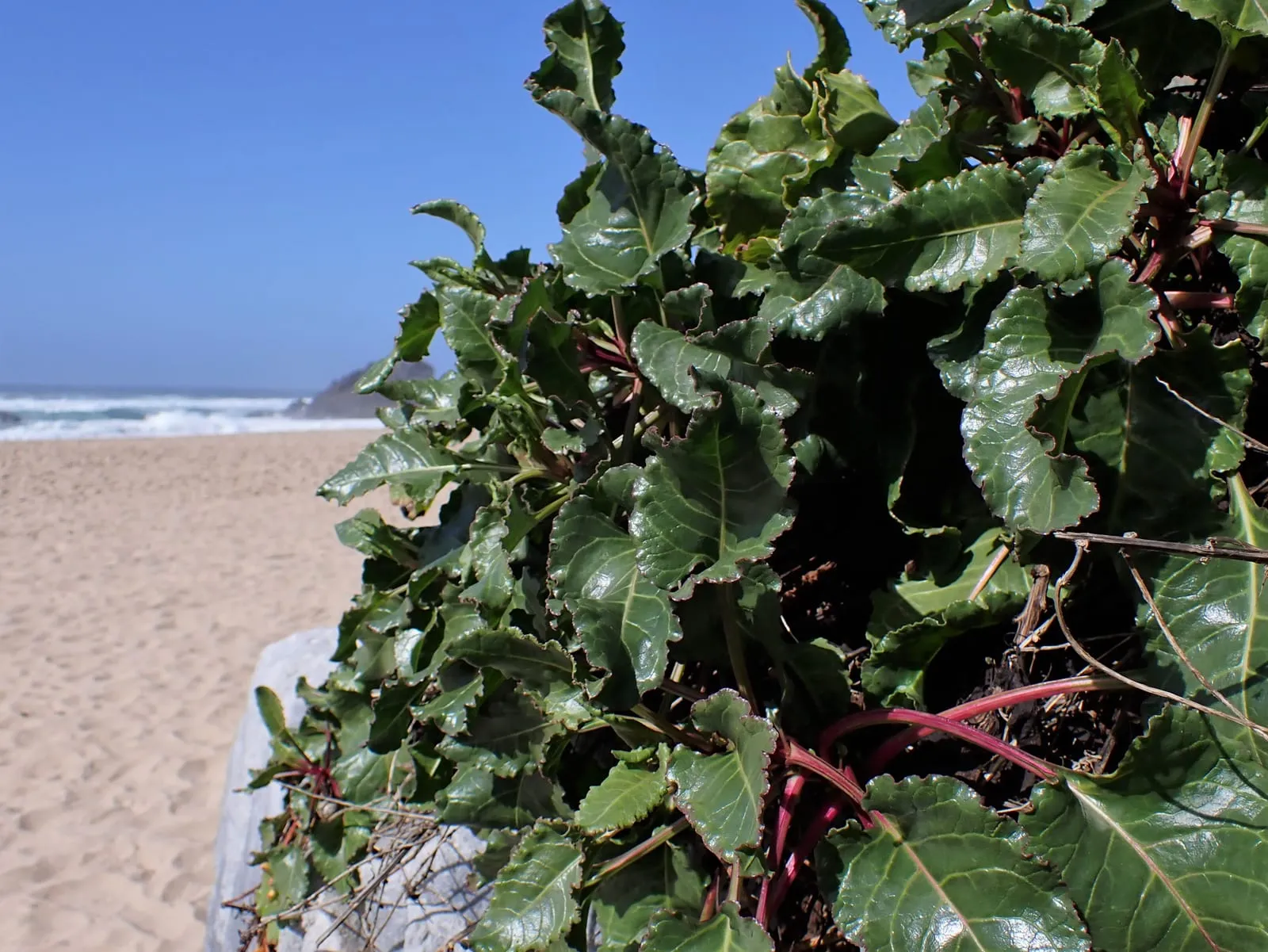
vegetable in zone 6b
Growing swiss chard in zone 6b
Beta vulgaris subsp. vulgaris
- Zone
- 6b -5°F to 0°F
- Growing season
- 190 days
- Suitable varieties
- 3
- Days to harvest
- 50 to 60
The verdict
Swiss chard is well suited to zone 6b, where the 190-day growing season and moderate temperature swings align closely with the crop's preferences. Unlike fruit trees and perennial crops, Swiss chard has no chill-hour requirement; the relevant variable is its tolerance for cold at one end and heat at the other. Zone 6b delivers on both counts. Winter minimums of -5°F to 0°F are irrelevant once the soil is cleared, and spring arrives early enough to allow a long cool-season window before midsummer heat triggers bolting.
Zone 6b is not a marginal zone for Swiss chard; it is closer to a sweet spot. The main limiting factor is summer heat, which causes premature bolting, but that is a timing and variety issue rather than a zone mismatch. Varieties like Fordhook Giant hold up better in heat than finer-ribbed types. Bright Lights and Rhubarb Chard both perform reliably through zone 6b's warm summers provided they are sown early enough to mature before peak heat.
Recommended varieties for zone 6b
3 cultivars suited to this zone, with disease-resistance and zone-fit annotations.
| Variety | Notes | Zone fit | Disease resistance |
|---|---|---|---|
| Bright Lights fits zone 6b | Mild, slightly earthy, tender; mixed-color stems (yellow, orange, pink, red, white). Sauteing, soups, fresh salads, ornamental edible. AAS winner, productive, beautiful in mixed beds. | | none noted |
| Fordhook Giant fits zone 6b | Mild, slightly sweet; classic white-stemmed dark green-leaf chard. Sauteing, soups, lasagna. Heritage productive variety, very heat- and cold-tolerant. | | none noted |
| Rhubarb Chard fits zone 6b | Slightly earthy, mild; deep red stems and dark green leaves. Sauteing, soups, fresh in salads. Productive heritage variety, ornamental enough for borders. | | none noted |
Critical timing for zone 6b
Spring planting can begin as early as three to four weeks before the last frost date, typically late March to early April in zone 6b. Swiss chard tolerates light frost, so early sowings face minimal risk. At 50 to 60 days to first harvest, spring plantings are typically cutting-ready by late May or early June.
Bolting accelerates once daytime temperatures consistently exceed 85°F, which in zone 6b usually falls in July. A second sowing in late July or early August targets the fall window, with harvest running from September through October. Fall plants often tolerate zone 6b's first light frosts and extend the harvest window by two to three weeks compared to a summer planting.
Common challenges in zone 6b
- ▸ Cedar-apple rust
- ▸ Fire blight
- ▸ Stink bugs
Disease pressure to watch for
Modified care for zone 6b
Fusarium wilt is the primary disease concern to manage in zone 6b. It persists in soil and is worsened by warm, wet conditions. Crop rotation on a three-year cycle is the most practical control; avoid planting chard or beets in any bed that has hosted them recently. Resistant varieties are not widely available, so site selection and rotation carry most of the management burden.
Stink bug pressure, common in zone 6b, increases in late summer and early fall. Row cover applied after the fall sowing germinates provides a physical barrier. Remove it once plants are established and temperatures cool, as airflow reduces foliar disease risk.
For summer plantings that will carry into fall, light afternoon shade can slow bolting and extend harvest. A low tunnel or row cover in October can add two to three weeks of usable harvest before hard frost ends the season.
Frequently asked questions
- Can Swiss chard survive winter in zone 6b?
Unprotected plants typically do not survive zone 6b's winter lows of -5°F to 0°F. However, plants covered with a cold frame or heavy row cover can sometimes persist through mild winters and resume growth in early spring. Treat it as a bonus rather than a reliable strategy.
- Which Swiss chard varieties perform best in zone 6b?
Fordhook Giant is the most heat-tolerant option and resists bolting longer into summer. Bright Lights and Rhubarb Chard both perform well in zone 6b's spring and fall windows; they are better suited to cooler-season harvests than to midsummer plantings.
- How do I prevent Swiss chard from bolting in zone 6b summers?
Bolt risk rises sharply once daytime temperatures exceed 85°F. The most reliable approach is to time plantings so the crop matures before peak heat, or to shift to a fall sowing in late July. Providing afternoon shade and keeping soil consistently moist can slow but not stop bolting once heat sets in.
- What causes Swiss chard leaves to yellow and wilt in zone 6b?
Sudden wilting with yellowed lower leaves in warm soil conditions often points to Fusarium wilt, which is soil-borne and has no curative treatment. Remove affected plants promptly and avoid replanting beets or chard in that bed for at least three years.
+−
+−
+−
+−
Swiss Chard in adjacent zones
Image: "Beta vulgaris subsp. maritima kz05", by Krzysztof Ziarnek, Kenraiz, via Wikimedia Commons, licensed under CC-BY Source.

Related