vegetable in zone 6a
Growing swiss chard in zone 6a
Beta vulgaris subsp. vulgaris
- Zone
- 6a -10°F to -5°F
- Growing season
- 180 days
- Suitable varieties
- 3
- Days to harvest
- 50 to 60
The verdict
Swiss chard is well suited to zone 6a. Unlike fruit trees, chard has no chill-hour requirement; it is grown as an annual and evaluated on season length and temperature tolerance rather than winter dormancy. Zone 6a's 180-day growing season comfortably supports two productive flushes: a spring crop started in April and a fall crop seeded in late summer. Chard tolerates light frost down to roughly 28°F when plants are established, which means zone 6a's shoulder seasons extend the harvest window well past the point where heat-sensitive crops like basil would fail.
The main limiting factor in zone 6a is summer heat rather than winter cold. Sustained temperatures above 90°F can trigger bolting across all three recommended varieties, though Fordhook Giant is the most heat-tolerant of the group. Overall, zone 6a is a productive zone for chard, not a marginal one.
Recommended varieties for zone 6a
3 cultivars suited to this zone, with disease-resistance and zone-fit annotations.
| Variety | Notes | Zone fit | Disease resistance |
|---|---|---|---|
| Bright Lights fits zone 6a | Mild, slightly earthy, tender; mixed-color stems (yellow, orange, pink, red, white). Sauteing, soups, fresh salads, ornamental edible. AAS winner, productive, beautiful in mixed beds. | | none noted |
| Fordhook Giant fits zone 6a | Mild, slightly sweet; classic white-stemmed dark green-leaf chard. Sauteing, soups, lasagna. Heritage productive variety, very heat- and cold-tolerant. | | none noted |
| Rhubarb Chard fits zone 6a | Slightly earthy, mild; deep red stems and dark green leaves. Sauteing, soups, fresh in salads. Productive heritage variety, ornamental enough for borders. | | none noted |
Critical timing for zone 6a
Sow seeds or set transplants outdoors 2 to 4 weeks before zone 6a's typical last frost, which falls around April 10 to 20 depending on specific location. Germination is reliable once soil temperatures reach 50°F. The first harvest of outer leaves begins 50 to 60 days after transplanting, putting the spring crop in full production by late May or early June.
For the fall crop, count back 60 days from the first expected frost (mid-October in most of zone 6a) and direct sow by mid-August. Chard planted on this schedule matures before hard freezes set in and continues producing through light frosts. Unlike bolting-prone greens, chard harvested before seed stalks form stays productive across both spring and fall windows.
Common challenges in zone 6a
- ▸ Brown rot in stone fruit
- ▸ Japanese beetles
- ▸ Spring frost damage to peach buds
Disease pressure to watch for
Modified care for zone 6a
Zone 6a growers face the most risk during the July and August heat peak. Chard under prolonged temperatures above 90°F loses flavor and may bolt; 2 to 3 inches of mulch conserves soil moisture and moderates root temperature. Shade cloth providing 30 to 40 percent shade extends palatability through the hottest weeks.
Fusarium wilt, caused by soil-borne Fusarium oxysporum, persists for years in infested soil. Rotating away from chard and beets for at least three seasons is the most reliable management step. No Fusarium-resistant Swiss chard varieties are currently available commercially, so selecting well-drained planting sites reduces incidence considerably.
Japanese beetles are active in zone 6a through July and will feed on chard foliage. Hand-picking in the early morning, when beetles are sluggish, is effective at small scale.
Frequently asked questions
- Can Swiss chard survive winter in zone 6a?
Established plants tolerate light frost but not the sustained sub-zero temperatures possible in zone 6a winters. With heavy mulch or a cold frame, chard occasionally overwinters and pushes early spring growth, but treating it as an annual and replanting each spring is more reliable.
- Which Swiss chard variety handles zone 6a summers best?
Fordhook Giant is generally the most heat-tolerant of the common varieties. Bright Lights and Rhubarb Chard are productive in zone 6a but may bolt sooner during extended heat above 90°F.
- When should a fall Swiss chard crop be started in zone 6a?
Direct sow in mid-August, roughly 60 days before the first expected fall frost in mid-October. This schedule allows plants to reach maturity before hard freezes while benefiting from the cooler temperatures that improve chard flavor and reduce bolting pressure.
+−
+−
+−
Swiss Chard in adjacent zones
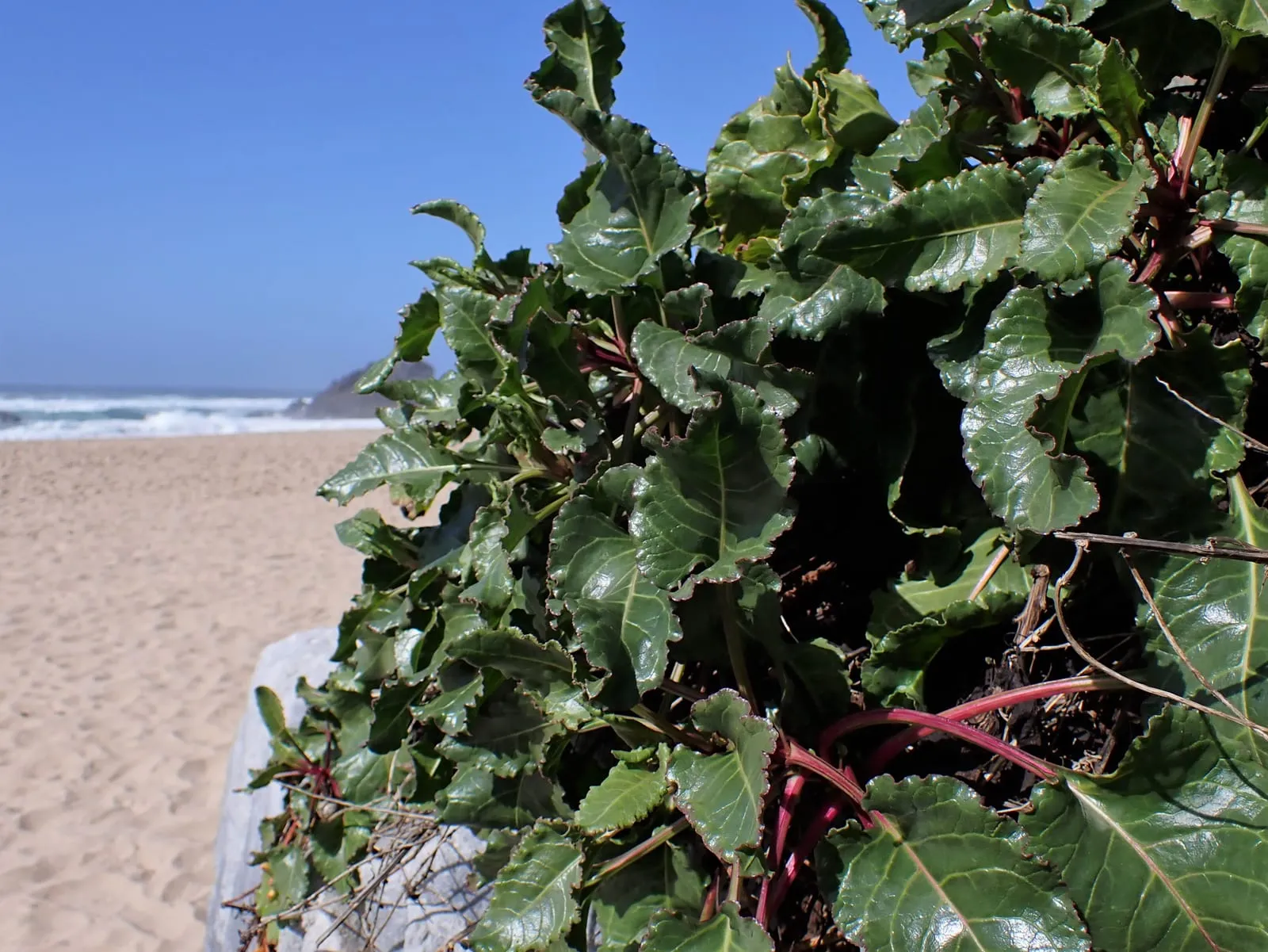
Image: "Beta vulgaris subsp. maritima kz05", by Krzysztof Ziarnek, Kenraiz, via Wikimedia Commons, licensed under CC-BY Source.

Related