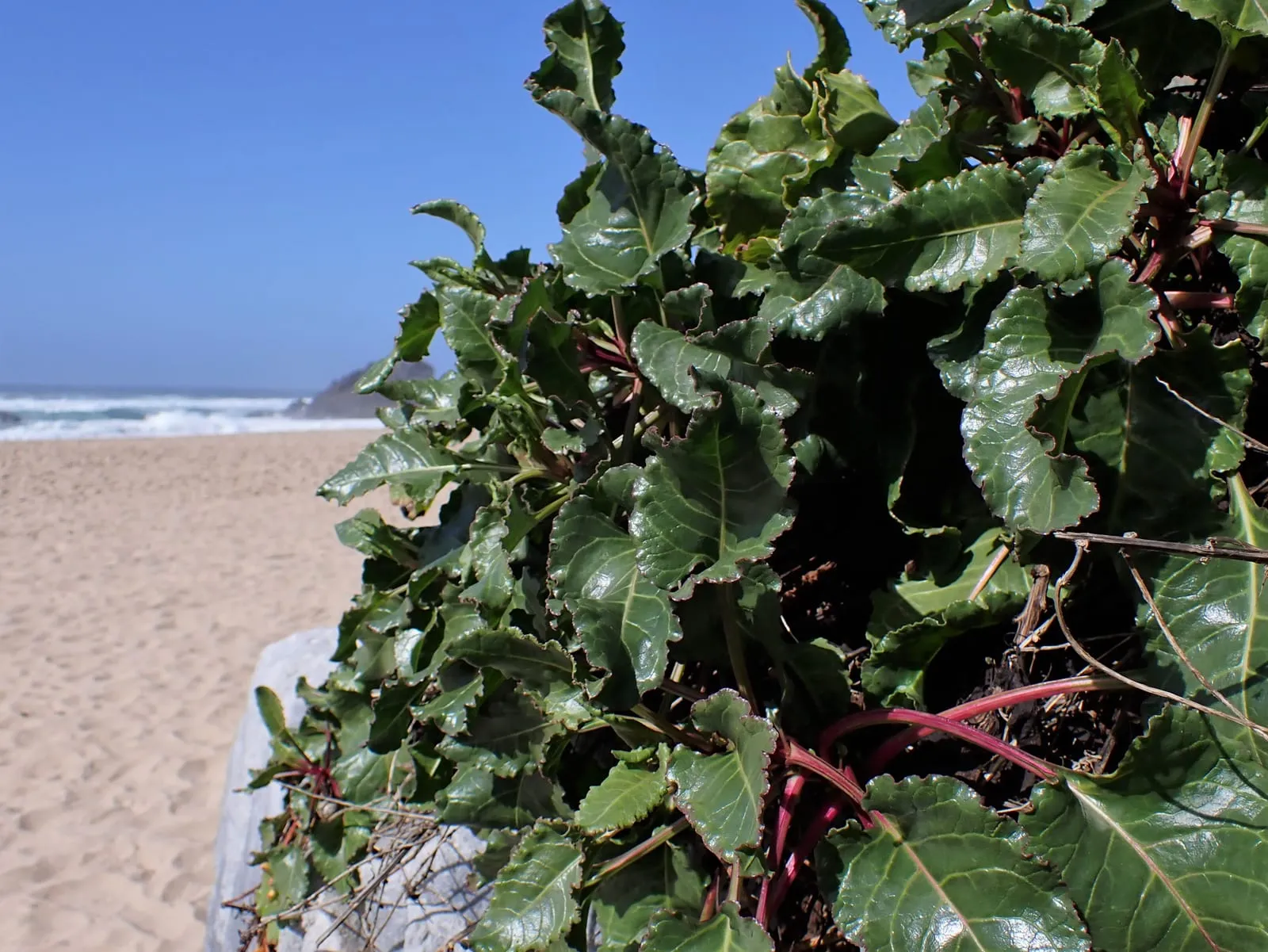
vegetable in zone 5b
Growing swiss chard in zone 5b
Beta vulgaris subsp. vulgaris
- Zone
- 5b -15°F to -10°F
- Growing season
- 165 days
- Suitable varieties
- 3
- Days to harvest
- 50 to 60
The verdict
Swiss chard is well within its productive range in zone 5b and performs reliably across the full 165-day growing season. Unlike fruit trees or perennial crops, chard carries no chill-hour requirement; the zone's minimum temperatures of -15°F to -10°F are irrelevant to its cultivation as an annual grown fresh from seed each season.
Zone 5b is a genuine sweet spot for chard, not a marginal case. The crop thrives in the cool shoulders of the season, producing tender, flavorful leaves before summer heat pushes it toward bolting. The growing window is long enough to support both a spring planting and a late-summer succession planting that carries through the first frosts of October. All three compatible varieties for this zone (Bright Lights, Fordhook Giant, and Rhubarb Chard) are reliable performers here. Fordhook Giant handles the widest temperature range across the season; Bright Lights and Rhubarb Chard are similarly resilient. None is a marginal choice.
Recommended varieties for zone 5b
3 cultivars suited to this zone, with disease-resistance and zone-fit annotations.
| Variety | Notes | Zone fit | Disease resistance |
|---|---|---|---|
| Bright Lights fits zone 5b | Mild, slightly earthy, tender; mixed-color stems (yellow, orange, pink, red, white). Sauteing, soups, fresh salads, ornamental edible. AAS winner, productive, beautiful in mixed beds. | | none noted |
| Fordhook Giant fits zone 5b | Mild, slightly sweet; classic white-stemmed dark green-leaf chard. Sauteing, soups, lasagna. Heritage productive variety, very heat- and cold-tolerant. | | none noted |
| Rhubarb Chard fits zone 5b | Slightly earthy, mild; deep red stems and dark green leaves. Sauteing, soups, fresh in salads. Productive heritage variety, ornamental enough for borders. | | none noted |
Critical timing for zone 5b
Direct sowing in zone 5b can begin 4 to 6 weeks before the average last frost, typically in early to mid-April. Chard seed germinates in soil temperatures as low as 50°F, so late-winter indoor starts are also viable. Transplants go out after hard-frost risk passes, usually mid-May.
First harvest on most varieties falls 50 to 60 days from seed. Outer leaves are cut continuously through summer. Bolting risk climbs when daytime temperatures hold consistently above 85°F, though established plants typically resume leaf production when temperatures ease in late summer. A second sowing in mid-July extends harvest into October. Zone 5b's first sustained freeze (below 28°F) arrives around mid-October; chard tolerates light frost but not repeated hard freezes without protection.
Common challenges in zone 5b
- ▸ Plum curculio
- ▸ Codling moth
- ▸ Cedar-apple rust
Disease pressure to watch for
Modified care for zone 5b
The primary adjustment in zone 5b is season extension at both ends. In spring, row covers or low tunnels allow planting 2 to 3 weeks earlier and protect transplants from late cold snaps. In fall, the same covers extend harvest 3 to 4 weeks past the first light frosts.
Fusarium wilt is the main disease risk to manage. The pathogen persists in soil, so crop rotation is the core response: move chard and related crops (beets, spinach) to a different bed each year, targeting a 3-year cycle. No Fusarium-resistant variety exists among the three common zone 5b selections, so rotation and well-drained soil are the practical defenses.
The fruit-tree pest pressures common in zone 5b (codling moth, plum curculio) do not affect chard. The more relevant pest concerns are leaf miners and aphids, both manageable with row covers early in the season or targeted removal.
Swiss Chard in adjacent zones
Image: "Beta vulgaris subsp. maritima kz05", by Krzysztof Ziarnek, Kenraiz, via Wikimedia Commons, licensed under CC-BY Source.

Related