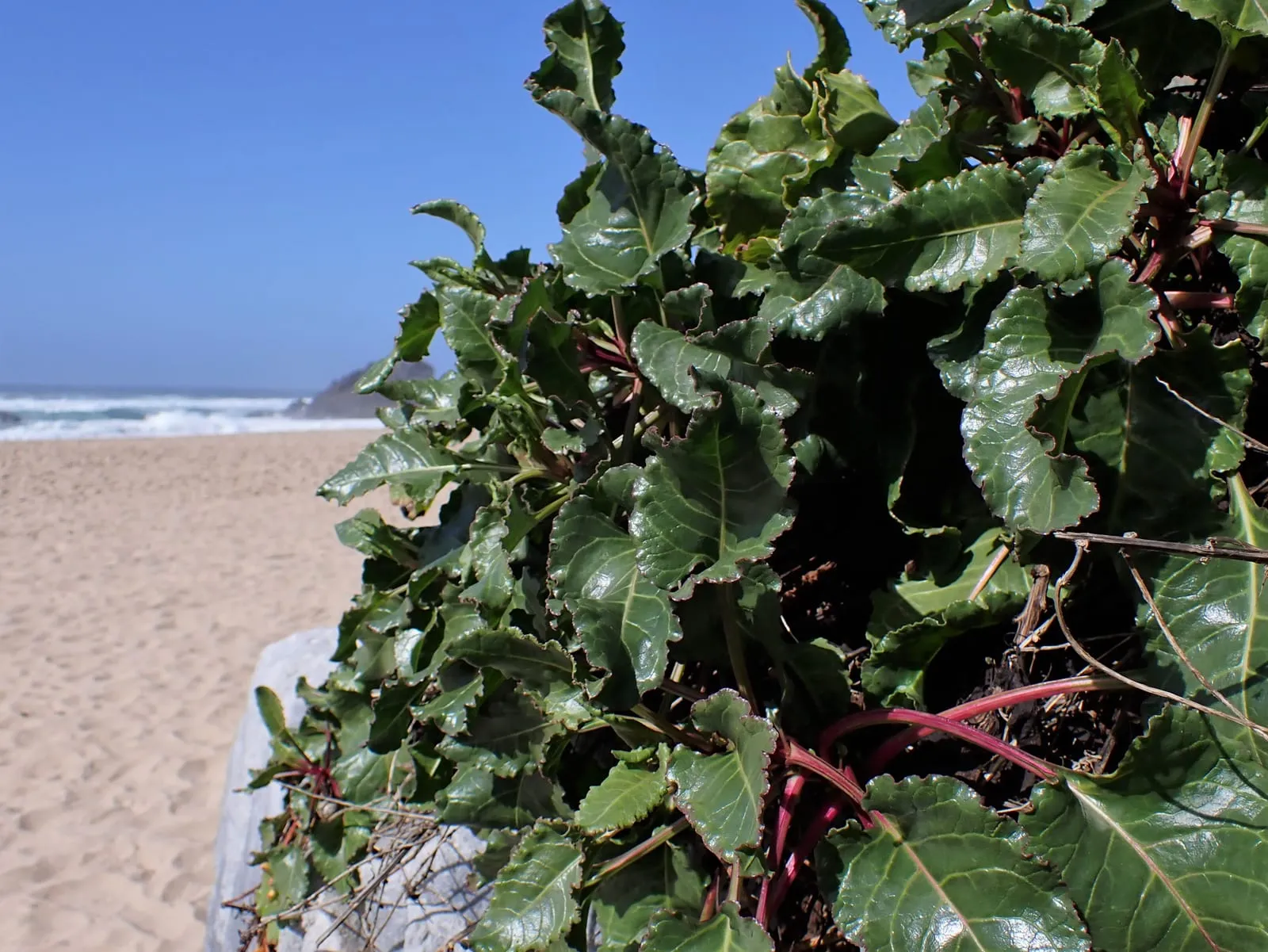
vegetable in zone 5a
Growing swiss chard in zone 5a
Beta vulgaris subsp. vulgaris
- Zone
- 5a -20°F to -15°F
- Growing season
- 150 days
- Suitable varieties
- 3
- Days to harvest
- 50 to 60
The verdict
Swiss chard is well-suited to zone 5a and performs reliably across the full growing season. Unlike fruit crops, chard has no chill-hour requirement; what it needs is cool soil for germination, moderate summer temperatures that slow bolting, and a season long enough for multiple harvests. Zone 5a's 150-day window delivers on all three. Spring starts cool, which chard prefers for establishment, and summers in zone 5a rarely sustain the prolonged heat that triggers premature bolting in southern zones. Late spring frosts, a real concern in zone 5a, are manageable because chard tolerates light frost down to around 28°F once established. If anything, zone 5a represents a sweet spot for this crop: long enough for succession plantings, cool enough to suppress the bolting pressure that shortens chard's productive window in zones 7 and warmer. Fusarium wilt is the one disease to watch, particularly in beds with a history of infected beet family crops.
Recommended varieties for zone 5a
3 cultivars suited to this zone, with disease-resistance and zone-fit annotations.
| Variety | Notes | Zone fit | Disease resistance |
|---|---|---|---|
| Bright Lights fits zone 5a | Mild, slightly earthy, tender; mixed-color stems (yellow, orange, pink, red, white). Sauteing, soups, fresh salads, ornamental edible. AAS winner, productive, beautiful in mixed beds. | | none noted |
| Fordhook Giant fits zone 5a | Mild, slightly sweet; classic white-stemmed dark green-leaf chard. Sauteing, soups, lasagna. Heritage productive variety, very heat- and cold-tolerant. | | none noted |
| Rhubarb Chard fits zone 5a | Slightly earthy, mild; deep red stems and dark green leaves. Sauteing, soups, fresh in salads. Productive heritage variety, ornamental enough for borders. | | none noted |
Critical timing for zone 5a
In zone 5a, direct sowing can begin 4 to 6 weeks before the average last frost, typically late March through early April, with transplants going out around the last-frost date (mid-May for most zone 5a locations). First harvest of outer leaves is possible 50 to 60 days from sowing. The 150-day season allows for a second sowing in mid-July for a fall crop that runs until hard freezes arrive in late September or October. Chard does not bloom in a meaningful sense for the home grower; bolting (sending up a flower stalk) signals the end of productive leaf harvest, and this usually occurs under sustained heat or very long days. In zone 5a, bolting is more likely in July and August than in spring.
Common challenges in zone 5a
- ▸ Fire blight in pears
- ▸ Cedar-apple rust
- ▸ Late spring frosts
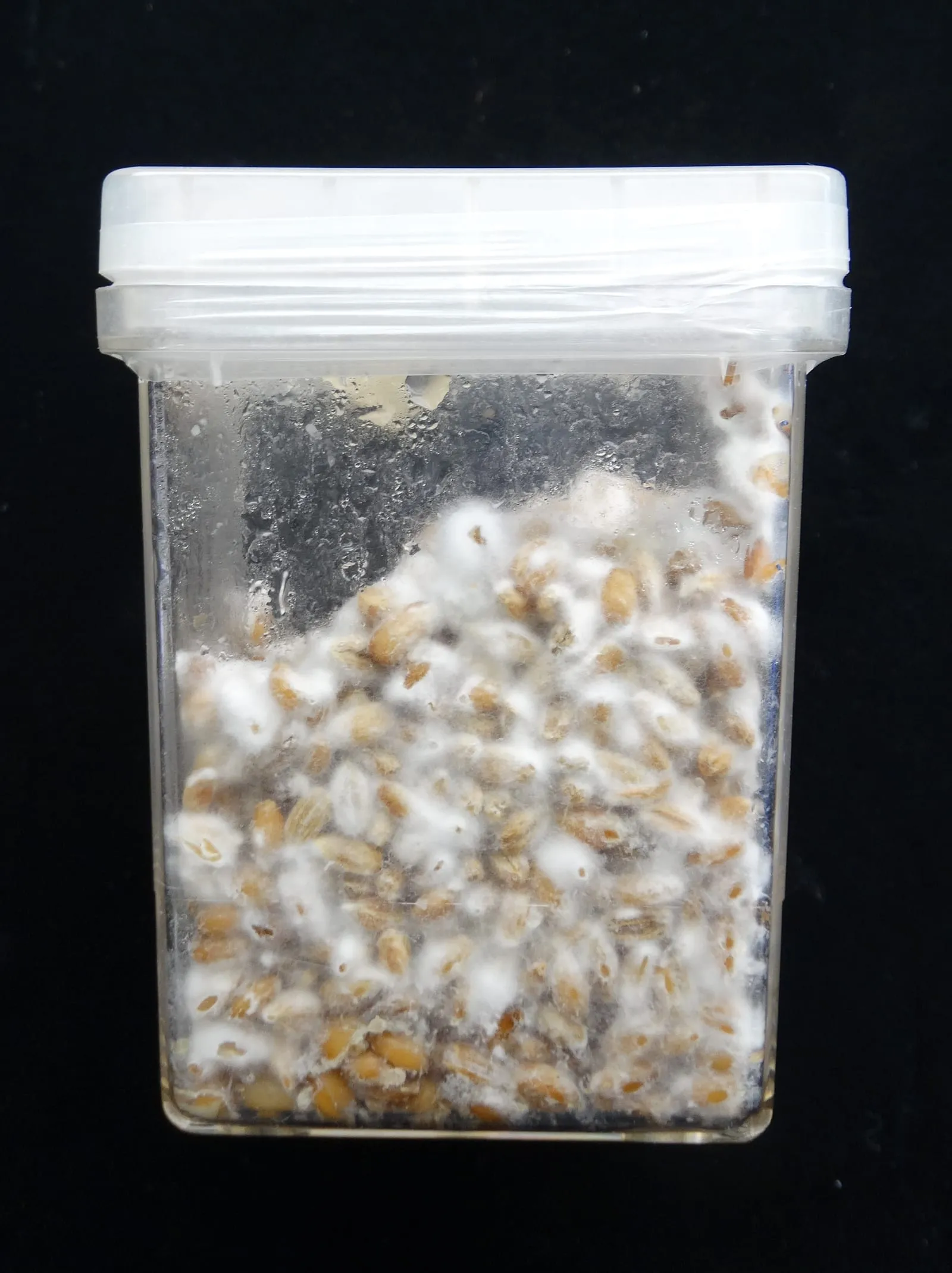
Disease pressure to watch for
Modified care for zone 5a
The main zone 5a adjustment is protecting early-spring sowings from hard freezes after germination. Row cover rated to 4 to 6°F of frost protection is sufficient and buys 2 to 3 extra weeks of season at both ends. Bolting risk in midsummer is lower than in warmer zones, but if a heat spell arrives, light shade cloth (30%) can extend productive harvest by a week or two. Fusarium wilt does not have a chemical control; the practical response is rotating chard and other Chenopodiaceae crops on a 3 to 4 year cycle and avoiding overhead irrigation that keeps soil saturated. For fall crops, succession-sown in mid-July, mulching in September helps buffer the soil temperature and extends harvest past the first light frosts, which chard tolerates well.
Frequently asked questions
- Can Swiss chard survive frost in zone 5a?
Established plants tolerate light frosts down to around 28°F without significant damage. Seedlings are more vulnerable; row cover is advisable until plants have 4 to 6 true leaves. Hard freezes below 25°F will kill unprotected plants.
- How many harvests can I get from one planting in zone 5a?
A single spring planting, harvested as cut-and-come-again outer leaves, typically produces for 8 to 12 weeks before heat triggers bolting. A second mid-July sowing extends harvest into October, giving two productive windows within the 150-day season.
- What is Fusarium wilt and how does it affect Swiss chard?
Fusarium wilt is a soilborne fungal disease that blocks water movement in the plant's vascular system, causing wilting and yellowing even when soil moisture is adequate. There is no curative treatment; prevention relies on crop rotation, well-drained soil, and avoiding planting beet-family crops in the same bed for 3 to 4 years.
- Which Swiss chard variety performs best in zone 5a?
All three commonly available varieties (Bright Lights, Fordhook Giant, and Rhubarb Chard) perform reliably in zone 5a. Fordhook Giant produces the largest leaves and handles cool springs well. Bright Lights offers the widest stem color range. Rhubarb Chard is the most visually striking and shows adequate cold tolerance for spring planting.
+−
+−
+−
+−
Swiss Chard in adjacent zones
Image: "Beta vulgaris subsp. maritima kz05", by Krzysztof Ziarnek, Kenraiz, via Wikimedia Commons, licensed under CC-BY Source.

Related