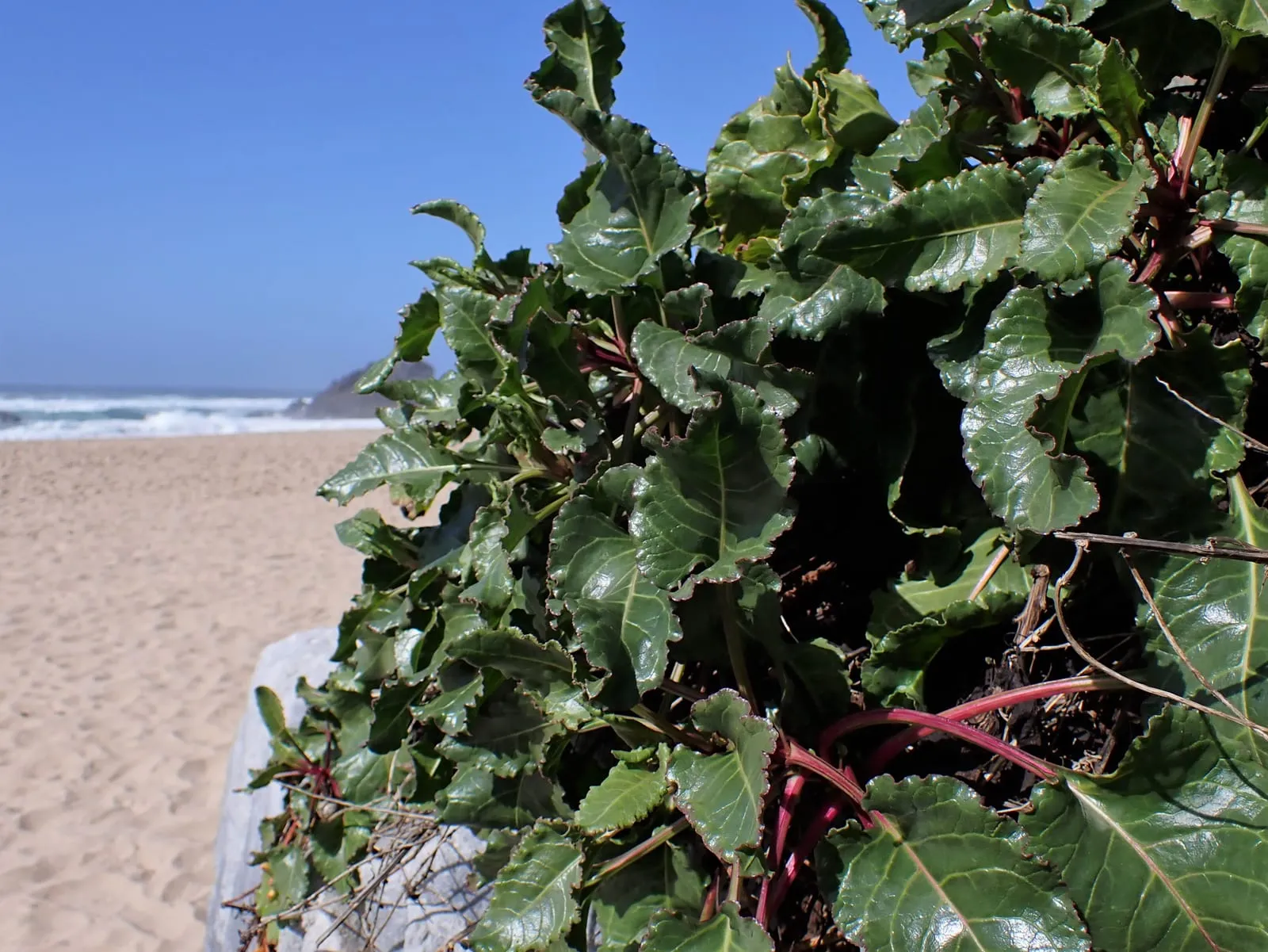
vegetable in zone 4b
Growing swiss chard in zone 4b
Beta vulgaris subsp. vulgaris
- Zone
- 4b -25°F to -20°F
- Growing season
- 130 days
- Suitable varieties
- 3
- Days to harvest
- 50 to 60
The verdict
Swiss chard is a reliable performer in zone 4b, with the 130-day growing season comfortably exceeding the crop's 50 to 60 days from transplant to first harvest. Unlike fruit trees, chard carries no chill-hour requirement, so zone 4b's cold winters present no dormancy-related constraint on the crop.
The climate's natural rhythm works in chard's favor. Cool springs produce the lush, tender leaf growth the crop does best, and zone 4b's mild summers reduce the bolting pressure that cuts seasons short in warmer regions. Established plants tolerate brief dips to around 25°F, extending both the spring planting window and the fall harvest window beyond the nominal frost dates.
Zone 4b is a sweet spot for Swiss chard, not a marginal zone. Bright Lights, Fordhook Giant, and Rhubarb Chard all perform well here without selecting specifically for cold tolerance; in this climate, variety choice can be driven by flavor preference and stem aesthetics rather than survival odds.
Recommended varieties for zone 4b
3 cultivars suited to this zone, with disease-resistance and zone-fit annotations.
| Variety | Notes | Zone fit | Disease resistance |
|---|---|---|---|
| Bright Lights fits zone 4b | Mild, slightly earthy, tender; mixed-color stems (yellow, orange, pink, red, white). Sauteing, soups, fresh salads, ornamental edible. AAS winner, productive, beautiful in mixed beds. | | none noted |
| Fordhook Giant fits zone 4b | Mild, slightly sweet; classic white-stemmed dark green-leaf chard. Sauteing, soups, lasagna. Heritage productive variety, very heat- and cold-tolerant. | | none noted |
| Rhubarb Chard fits zone 4b | Slightly earthy, mild; deep red stems and dark green leaves. Sauteing, soups, fresh in salads. Productive heritage variety, ornamental enough for borders. | | none noted |
Critical timing for zone 4b
Zone 4b last spring frosts typically fall between mid-May and late May. Transplants can go out 2 to 3 weeks before that date with row cover on hand for any late cold snaps. Direct seeding works from approximately May 1 onward, once soil temperatures reach at least 50°F for consistent germination.
First fall frost arrives in zone 4b around mid-September to early October. Because established chard tolerates light frost, outdoor harvest can continue well past that date, often through late October with minimal protection. A succession planting started in early July will mature before hard freeze closes the season and provides a second harvest window.
Harvest begins 50 to 60 days from transplanting or 60 to 70 days from direct seeding, depending on whether the harvest target is outer leaves or full heads.
Common challenges in zone 4b
- ▸ Spring frost timing
- ▸ Apple scab pressure
- ▸ Cane berry winter dieback
Disease pressure to watch for
Modified care for zone 4b
The primary adjustment in zone 4b is managing spring frost timing. Starting transplants indoors 4 to 6 weeks before the last frost date extends the effective season and reduces field exposure risk. Row covers should remain accessible through late May; a single hard frost after transplanting can set the crop back significantly even though mature plants are tolerant.
Fusarium wilt can persist in zone 4b soils for years once established. A 3 to 4 year rotation, avoiding chard and other members of the beet family (spinach, beets) in the same bed, is the practical management approach. Raised beds with amended soil reduce wilt incidence where rotation space is limited.
Soil drainage warrants more attention here than in milder zones because zone 4b soils often stay saturated deep into spring. Chard in waterlogged conditions is susceptible to root rot well before Fusarium becomes a factor. Raised beds or mounded rows address drainage without additional inputs.
Frequently asked questions
- Can Swiss chard survive frost in zone 4b?
Established chard tolerates light frost down to approximately 25°F, extending harvest into late October in zone 4b with minimal protection. Young transplants are more vulnerable and should be covered during late-May cold snaps.
- Does zone 4b's cold winter damage Swiss chard?
Chard is grown as an annual and does not overwinter in zone 4b. The cold winters are irrelevant to the crop's performance because the growing cycle completes entirely within the frost-free season. The winters do not shorten or limit the crop the way they would for perennial fruit trees.
- How do growers handle Fusarium wilt in zone 4b Swiss chard beds?
Crop rotation is the primary tool. Avoid planting chard, beets, or spinach in the same bed for at least 3 to 4 years after an outbreak. Raised beds with fresh or composted soil reduce incidence where garden space limits strict rotation.
+−
+−
+−
Swiss Chard in adjacent zones
Image: "Beta vulgaris subsp. maritima kz05", by Krzysztof Ziarnek, Kenraiz, via Wikimedia Commons, licensed under CC-BY Source.

Related