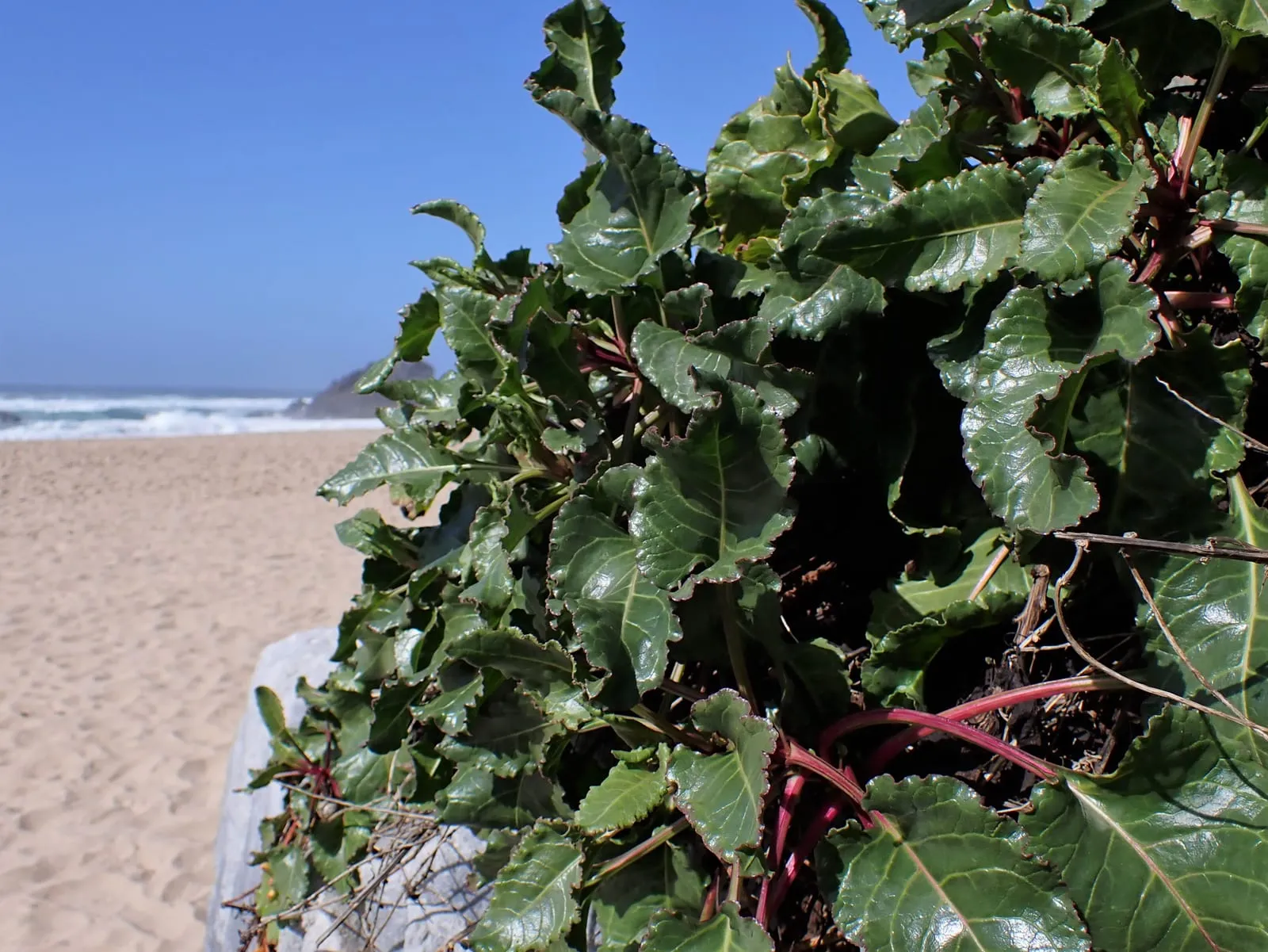
vegetable in zone 4a
Growing swiss chard in zone 4a
Beta vulgaris subsp. vulgaris
- Zone
- 4a -30°F to -25°F
- Growing season
- 120 days
- Suitable varieties
- 3
- Days to harvest
- 50 to 60
The verdict
Swiss chard is well suited to zone 4a and performs better here than many vegetables that struggle with the short 120-day growing season. Unlike fruit crops that require specific chill-hour accumulation, Swiss chard is a cool-season green that thrives in the temperature swings typical of northern zones. It tolerates light frosts (down to around 28°F), which means a zone 4a grower can push both ends of the season without losing the crop overnight.
This is not a marginal zone for Swiss chard. The cooler summer temperatures slow bolting, which is one of the primary quality problems growers face in warmer zones. Varieties like Bright Lights, Fordhook Giant, and Rhubarb Chard all handle zone 4a conditions without special accommodations. The main constraint is the compressed window between last spring frost and first fall frost, which limits succession planting rather than crop viability.
Recommended varieties for zone 4a
3 cultivars suited to this zone, with disease-resistance and zone-fit annotations.
| Variety | Notes | Zone fit | Disease resistance |
|---|---|---|---|
| Bright Lights fits zone 4a | Mild, slightly earthy, tender; mixed-color stems (yellow, orange, pink, red, white). Sauteing, soups, fresh salads, ornamental edible. AAS winner, productive, beautiful in mixed beds. | | none noted |
| Fordhook Giant fits zone 4a | Mild, slightly sweet; classic white-stemmed dark green-leaf chard. Sauteing, soups, lasagna. Heritage productive variety, very heat- and cold-tolerant. | | none noted |
| Rhubarb Chard fits zone 4a | Slightly earthy, mild; deep red stems and dark green leaves. Sauteing, soups, fresh in salads. Productive heritage variety, ornamental enough for borders. | | none noted |
Critical timing for zone 4a
In zone 4a, last spring frost typically falls between May 1 and May 15, with first fall frost arriving in mid-September, leaving roughly 120 frost-free days. Swiss chard reaches harvest in 50 to 60 days from transplant, so a crop started indoors in early April and transplanted after last frost yields cuttable leaves by late June.
Direct sowing is possible once soil reaches 50°F, usually mid-May. A second sowing in late July can produce a fall crop before the first hard freeze. Late frosts in zone 4a are a real risk into mid-May, so covering transplants with row fabric during the hardening-off period is worth the effort. Chard can tolerate a light frost in fall, extending harvest into October with minimal protection.
Common challenges in zone 4a
- ▸ Late frosts damage early bloomers
- ▸ Limited peach varieties
Disease pressure to watch for
Modified care for zone 4a
The primary adjustment in zone 4a is front-loading the season. Starting transplants indoors 4 to 6 weeks before last frost recovers the growing time that cold soil would otherwise delay. Hardening off gradually over 7 to 10 days reduces transplant shock from temperature swings common in spring.
Fusarium wilt, caused by soil-borne fungi in the Fusarium genus, persists in garden beds and can reduce stands over successive seasons. Rotating Swiss chard out of beds where beets or spinach (all Chenopodiaceae family) were recently grown reduces inoculum pressure. Zone 4a winters cold enough to kill some surface fungal spores, but deep soil populations survive. Raised beds with fresh compost help. No fungicide treatment is reliably effective once the pathogen is established, so rotation is the primary management tool.
Frequently asked questions
- Can Swiss chard survive a frost in zone 4a?
Swiss chard tolerates light frosts down to around 28°F without significant damage, making it one of the more frost-hardy leafy greens. In zone 4a, mature plants can often carry into October before hard freezes end the harvest. Young transplants are more vulnerable and benefit from row cover during cold snaps in May.
- Why is my Swiss chard bolting in zone 4a?
Bolting in Swiss chard is triggered by a combination of day length and temperature stress, not cold alone. Plants started too early indoors and exposed to extended cold during hardening off can receive a vernalization signal that accelerates bolting. Planting after soil has warmed and avoiding prolonged cold exposure at the seedling stage reduces the risk.
- How many harvests can a zone 4a grower get from Swiss chard?
With a 120-day season, a zone 4a grower can typically run two plantings: one transplanted in mid-May for summer harvest, and a second direct-seeded in late July for fall. Cut-and-come-again harvesting on the spring planting extends production well into summer before the fall crop takes over.
+−
+−
+−
Swiss Chard in adjacent zones
Image: "Beta vulgaris subsp. maritima kz05", by Krzysztof Ziarnek, Kenraiz, via Wikimedia Commons, licensed under CC-BY Source.

Related