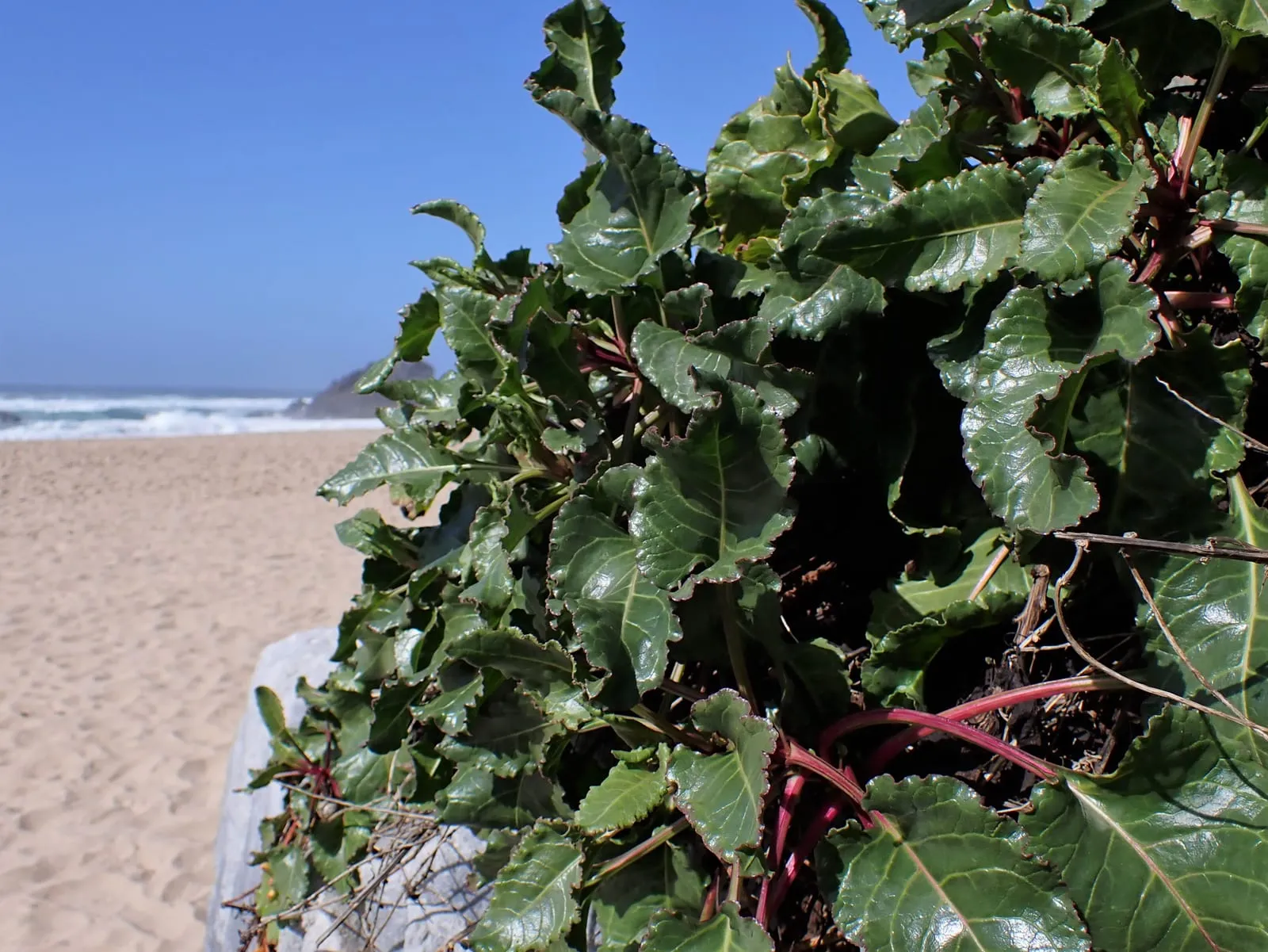
vegetable in zone 3a
Growing swiss chard in zone 3a
Beta vulgaris subsp. vulgaris
- Zone
- 3a -40°F to -35°F
- Growing season
- 90 days
- Suitable varieties
- 2
- Days to harvest
- 50 to 60
The verdict
Swiss chard is a reliable performer in zone 3a. Unlike fruit trees, chard carries no chill-hour requirement, so the cold winters characteristic of this zone (minimum temperatures of -40 to -35°F) are not a limiting factor for the crop itself. What matters is the length of the frost-free window, and zone 3a's roughly 90-day growing season is adequate. Chard reaches harvest in 50 to 60 days from direct seeding, leaving some margin for weather delays.
If anything, the cool shoulder seasons of zone 3a work in the grower's favor. Sustained heat above 85°F accelerates bolting, the shift to seed production that turns leaves bitter and tough. Zone 3a's cool nights and moderate daytime temperatures during midsummer suppress bolting and extend the productive harvest window. Both Bright Lights and Fordhook Giant are established short-season performers that suit this zone well. This is not a marginal situation for chard; the main constraint is season length, not cold hardiness.
Recommended varieties for zone 3a
2 cultivars suited to this zone, with disease-resistance and zone-fit annotations.
| Variety | Notes | Zone fit | Disease resistance |
|---|---|---|---|
| Bright Lights fits zone 3a | Mild, slightly earthy, tender; mixed-color stems (yellow, orange, pink, red, white). Sauteing, soups, fresh salads, ornamental edible. AAS winner, productive, beautiful in mixed beds. | | none noted |
| Fordhook Giant fits zone 3a | Mild, slightly sweet; classic white-stemmed dark green-leaf chard. Sauteing, soups, lasagna. Heritage productive variety, very heat- and cold-tolerant. | | none noted |
Critical timing for zone 3a
Swiss chard is grown for its leaves rather than its flowers, so bloom timing is not a relevant milestone. The practical calendar in zone 3a runs roughly as follows: start seeds indoors 4 to 6 weeks before last frost (late May to early June across most of zone 3a), or direct sow under row cover 2 to 3 weeks before last expected frost. Germination slows below 50°F, but established seedlings tolerate light frost.
Harvest typically begins 50 to 60 days after seeding. First fall frost can arrive as early as late August in some zone 3a locations, so the window between harvest start and season end can be tight. A succession sowing in mid-July may extend harvest into September if fall arrives late, but that outcome is not reliable in this zone. Row covers extend both ends of the season by 2 to 3 weeks.
Common challenges in zone 3a
- ▸ Very short growing season
- ▸ Late spring frosts
- ▸ Limited fruit-tree options
- ▸ Heavy mulching required
Disease pressure to watch for
Modified care for zone 3a
The short season demands a few adjustments compared to warmer parts of the chard's range. Starting transplants indoors adds a 2 to 4 week head start, which is meaningful when the frost-free window is 90 days or fewer. Heavy mulching conserves soil moisture and buffers late-season soil temperature drops, both important when the transition from summer to hard frost can happen quickly.
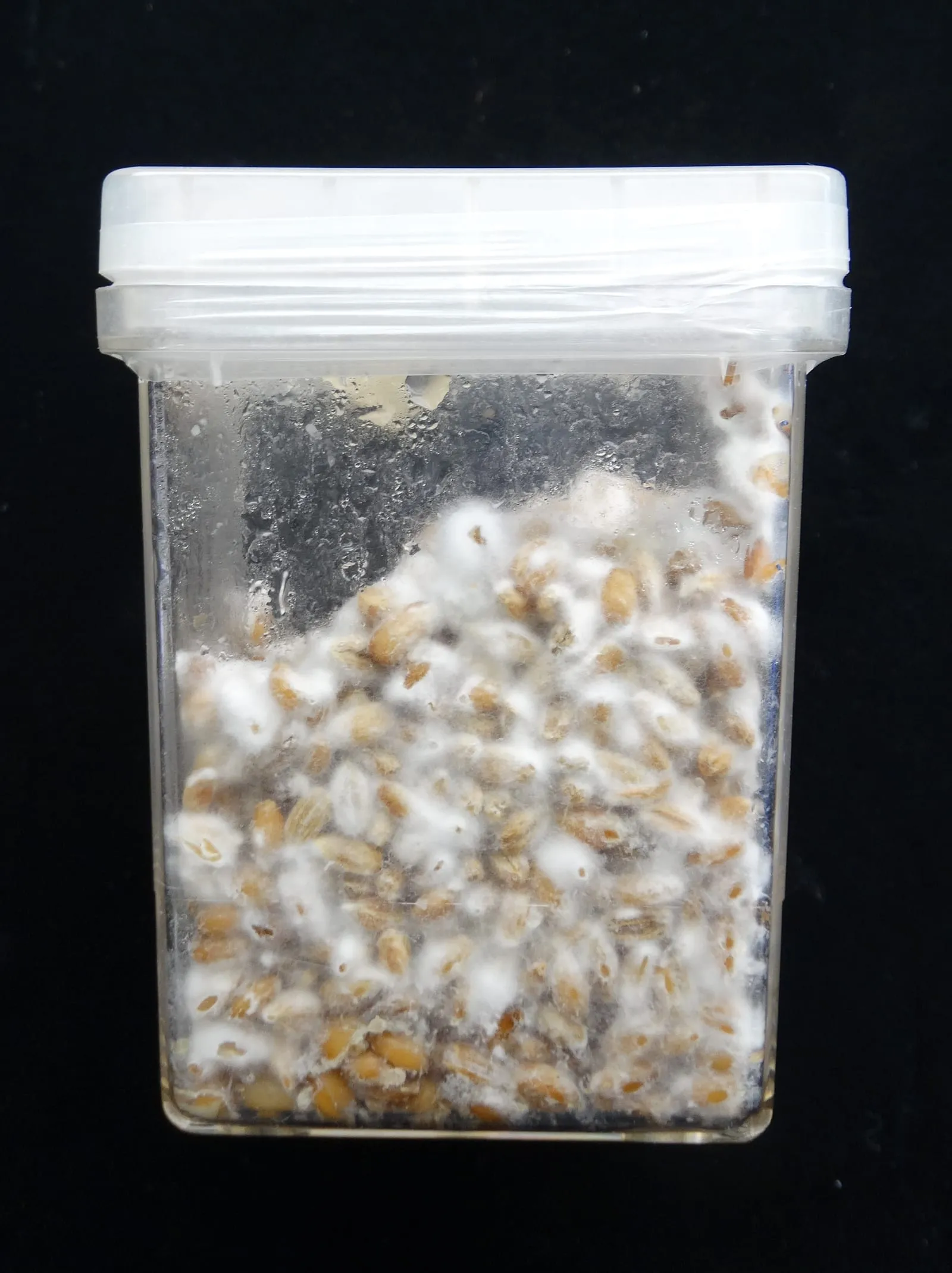
Fusarium wilt is the primary disease concern here. The pathogen overwinters in soil, so crop rotation is the main management lever: avoid planting chard, beets, or spinach (all in the chenopod family) in the same bed more than once every 3 to 4 years. No Fusarium-resistant chard varieties are currently commercially available, making rotation and well-drained soil the practical defenses.
Row cover does double duty in zone 3a: it protects against late spring frosts at the start of the season and extends harvest past first fall frost by 2 to 3 weeks at the end.
Swiss Chard in adjacent zones
Image: "Beta vulgaris subsp. maritima kz05", by Krzysztof Ziarnek, Kenraiz, via Wikimedia Commons, licensed under CC-BY Source.

Related