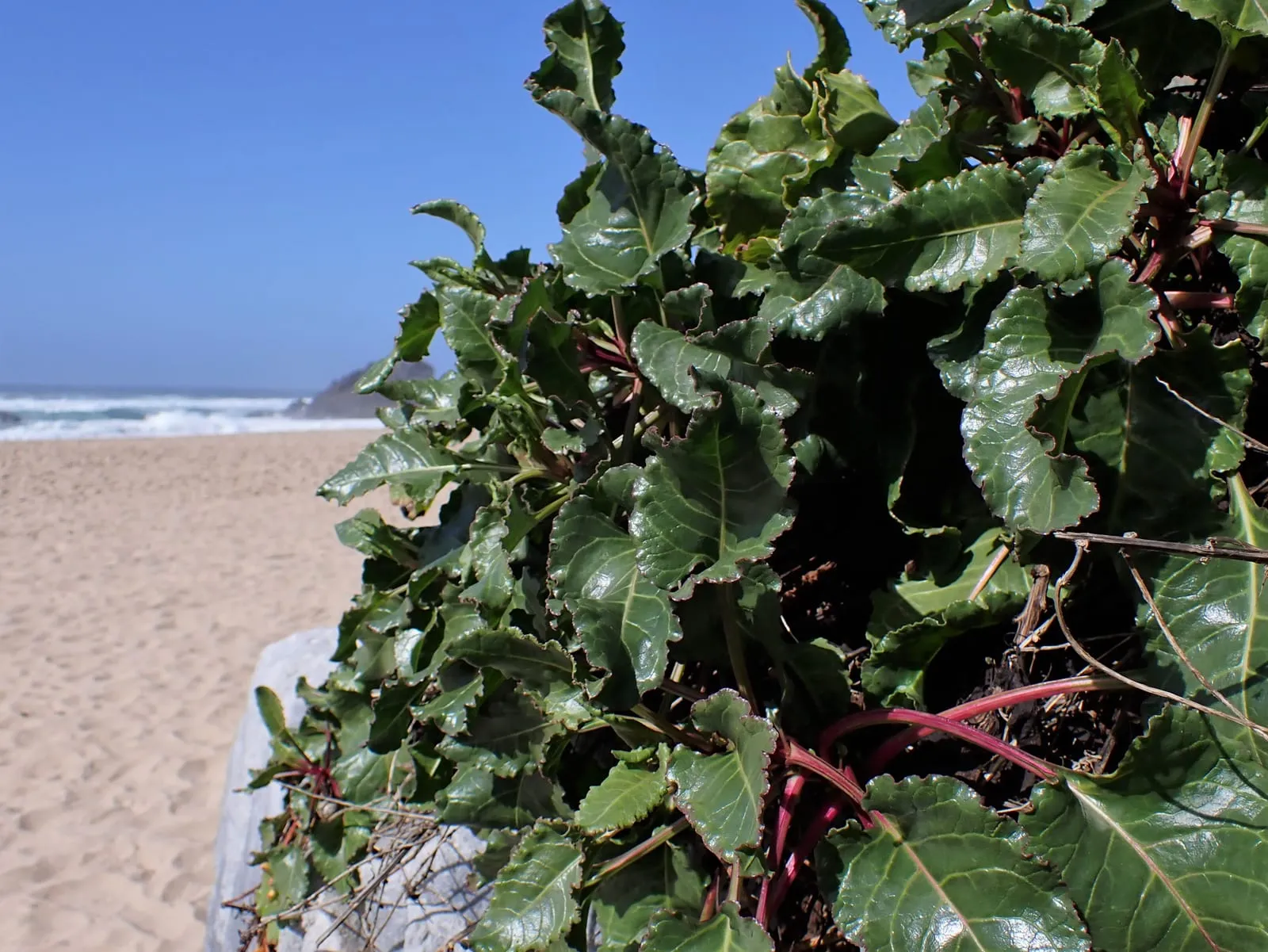
vegetable in zone 9b
Growing swiss chard in zone 9b
Beta vulgaris subsp. vulgaris
- Zone
- 9b 25°F to 30°F
- Growing season
- 310 days
- Suitable varieties
- 0
- Days to harvest
- 50 to 60
The verdict
Swiss chard is well-suited to zone 9b, and in many respects this is a sweet spot for the crop rather than a marginal one. Chard is a cool-season vegetable with no meaningful chill-hour requirement, so the zone's mild winters present no obstacle on that front. The 310-day growing season allows for multiple successions across fall, winter, and spring, with harvests possible nearly year-round except during the peak of summer.
The primary constraint in zone 9b is summer heat. Chard tolerates light frost and prefers temperatures between 50 and 75°F; sustained heat above 90°F causes bolting and leaf scorch. Growers near the coast have a meaningful advantage here, as marine influence moderates summer highs, though salt spray introduces its own management considerations. Inland 9b locations, particularly in the Central Valley or lower desert fringes, will find summer largely unsuitable for chard production and should treat it as a strictly cool-season crop.
Critical timing for zone 9b
In zone 9b, the primary planting windows are late summer into fall (mid-August through October) and late winter into early spring (February through March). Fall plantings typically reach harvest size in 50 to 60 days and can continue producing through the mild winter with minimal intervention. Spring plantings are viable but carry more risk, as warming temperatures in May and June accelerate bolting.
Frost risk in zone 9b is low. Minimum temperatures of 25 to 30°F occur infrequently and rarely persist long enough to kill established chard, though a hard freeze can damage outer leaves. The practical effect is that fall-planted chard often overwinters without protection and provides harvests well into spring before heat forces the planting out.
Common challenges in zone 9b
- ▸ Heat stress in summer
- ▸ Insufficient chill for most apples
- ▸ Salt spray near coasts
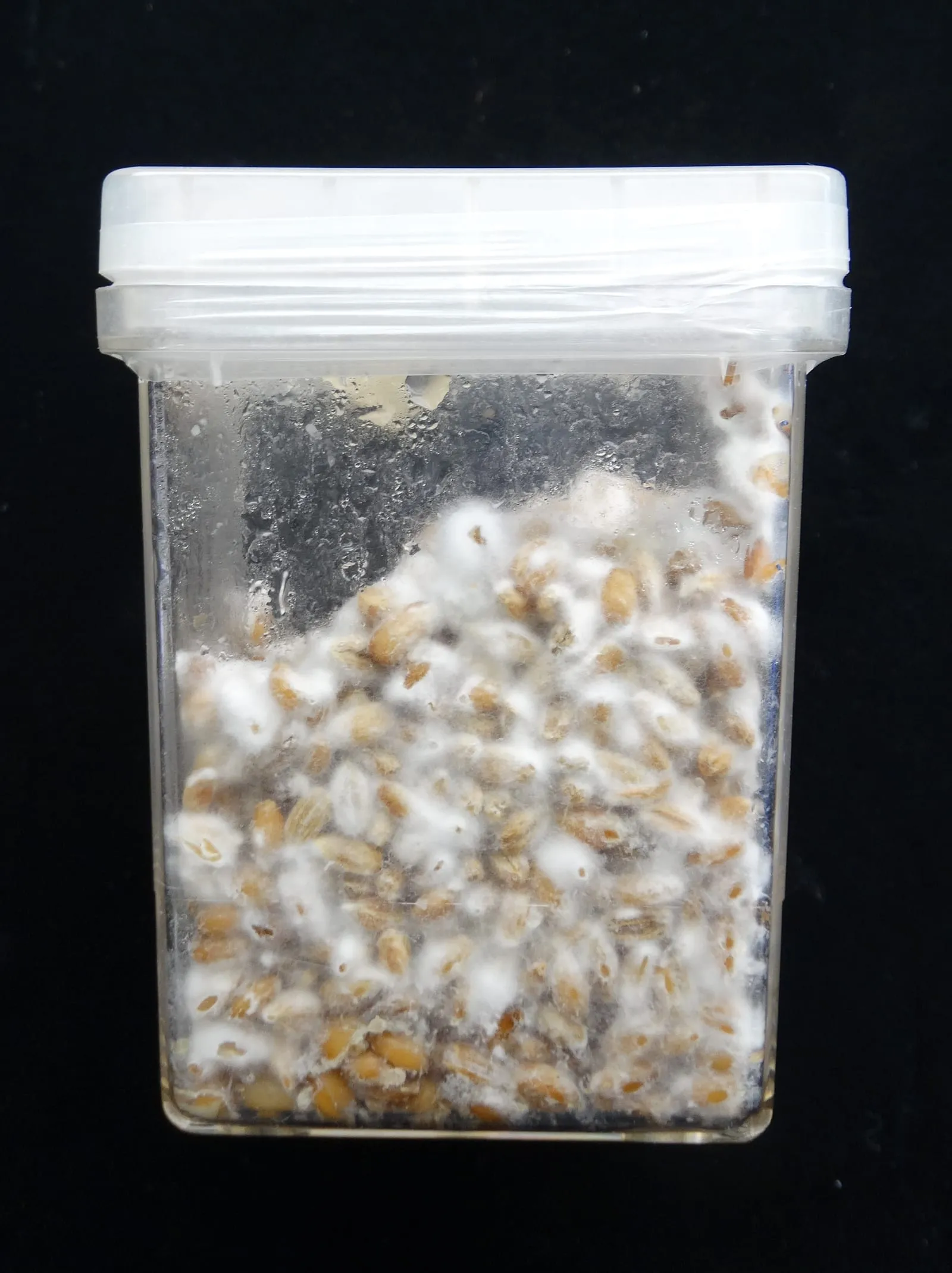
Disease pressure to watch for
Modified care for zone 9b
The main adaptation in zone 9b is shifting the production calendar to avoid peak summer. Attempting to grow chard through July and August in inland locations typically results in bolting, bitter leaves, and crop failure; a deliberate summer gap is more productive than fighting the heat.
For growers who want to extend spring production, 30 to 40 percent shade cloth can delay bolting by several weeks in exposed beds. Consistent soil moisture is also critical, as drought stress accelerates bolting independent of temperature.
Fusarium wilt is present in zone 9b soils, particularly in warm, poorly-drained beds that have hosted other susceptible crops. Crop rotation of at least two to three years between chard and other Chenopodiaceae plantings reduces inoculum buildup. There are no widely available Fusarium-resistant chard varieties at this time, so rotation and drainage management are the primary tools.
Frequently asked questions
- Can Swiss chard survive winter in zone 9b without protection?
In most of zone 9b, established chard overwinters without row cover or frost cloth. Temperatures occasionally dip to 25 to 30°F, which can damage outer leaves but rarely kills the plant. A light frost cloth on the coldest nights provides adequate insurance.
- Why does my Swiss chard bolt in spring in zone 9b?
Bolting in chard is triggered by a combination of lengthening days and rising temperatures. In zone 9b, this typically occurs in May or June. Planting earlier (February) gives more harvest time before bolting conditions arrive; shade cloth can slow but not prevent the process.
- What is Fusarium wilt and how do I manage it in chard?
Fusarium wilt is a soilborne fungal disease that blocks vascular tissue, causing yellowing and collapse. No resistant chard varieties are widely available. Rotate chard out of any bed that has shown symptoms for at least two to three seasons, and improve drainage to reduce favorable conditions for the pathogen.
- How does coastal salt spray affect Swiss chard in zone 9b?
Chard has moderate salt tolerance but repeated salt spray on foliage can cause marginal leaf burn and reduce marketable yield. Windbreaks or positioning beds on the leeward side of structures help. Rinsing foliage after heavy salt events limits cumulative damage.
+−
+−
+−
+−
Swiss Chard in adjacent zones
Image: "Beta vulgaris subsp. maritima kz05", by Krzysztof Ziarnek, Kenraiz, via Wikimedia Commons, licensed under CC-BY Source.

Related