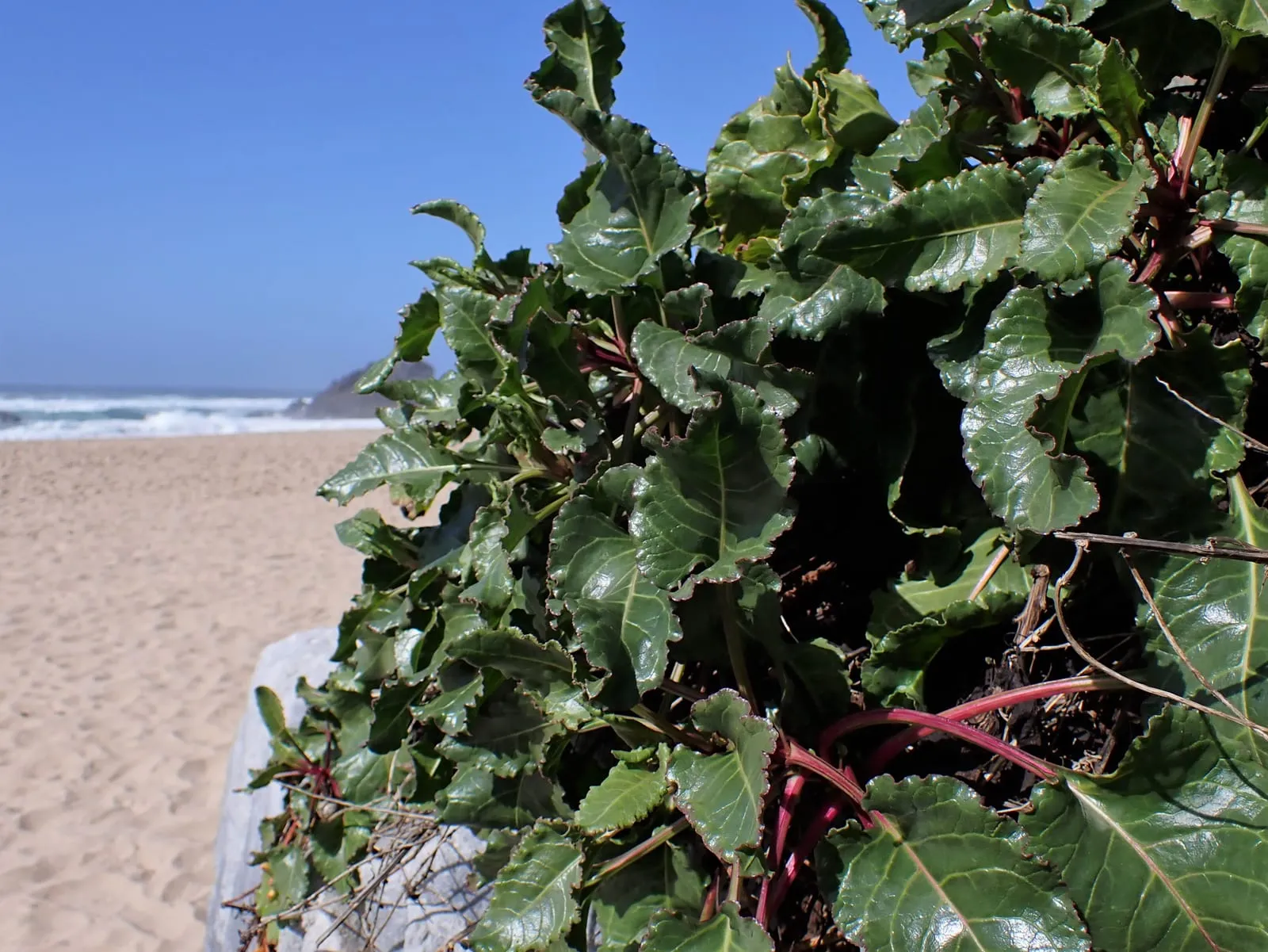
vegetable in zone 8a
Growing swiss chard in zone 8a
Beta vulgaris subsp. vulgaris
- Zone
- 8a 10°F to 15°F
- Growing season
- 240 days
- Suitable varieties
- 3
- Days to harvest
- 50 to 60
The verdict
Swiss chard is a reliable performer in zone 8a, though the timing strategy matters more than the zone itself. Unlike fruit crops, chard has no chill-hour requirement, so the zone's mild winters are an asset rather than a constraint. The 240-day growing season comfortably accommodates two full chard cycles: one from fall through winter, and a shorter spring run before summer heat arrives.
The heat-stress challenge flagged for zone 8a cool-season crops is the real variable to manage. Chard handles heat better than spinach or lettuce, but sustained temperatures above 90°F will trigger bolting and reduce leaf quality. Among the compatible varieties, Bright Lights and Fordhook Giant are notably bolt-resistant and well-matched to zone 8a conditions. Rhubarb Chard tolerates warmth reasonably but tends to show quality decline earlier in an extended hot spell. Treated as a fall, winter, and early spring crop rather than a summer one, zone 8a is a comfortable fit.
Recommended varieties for zone 8a
3 cultivars suited to this zone, with disease-resistance and zone-fit annotations.
| Variety | Notes | Zone fit | Disease resistance |
|---|---|---|---|
| Bright Lights fits zone 8a | Mild, slightly earthy, tender; mixed-color stems (yellow, orange, pink, red, white). Sauteing, soups, fresh salads, ornamental edible. AAS winner, productive, beautiful in mixed beds. | | none noted |
| Fordhook Giant fits zone 8a | Mild, slightly sweet; classic white-stemmed dark green-leaf chard. Sauteing, soups, lasagna. Heritage productive variety, very heat- and cold-tolerant. | | none noted |
| Rhubarb Chard fits zone 8a | Slightly earthy, mild; deep red stems and dark green leaves. Sauteing, soups, fresh in salads. Productive heritage variety, ornamental enough for borders. | | none noted |
Critical timing for zone 8a
The primary planting windows in zone 8a are late September through early November for a fall-winter crop, and late January through early March for a spring run. Last spring frost in zone 8a typically falls between mid-February and mid-March, which allows outdoor transplants earlier than in colder zones.
Fall-planted chard generally produces through December and January with little protection. Hard freezes at or below 20°F can damage outer leaves but rarely kill established plants rooted before the cold arrives. The spring window closes by late April to early May as daytime highs begin climbing. Chard sown hoping to extend into summer will decline in leaf quality and bolt before harvest volumes justify the effort in most zone 8a locations.
Common challenges in zone 8a
- ▸ Insufficient chill hours for some apple varieties
- ▸ Pierce's disease in grapes
- ▸ Heat stress on cool-season crops
Disease pressure to watch for
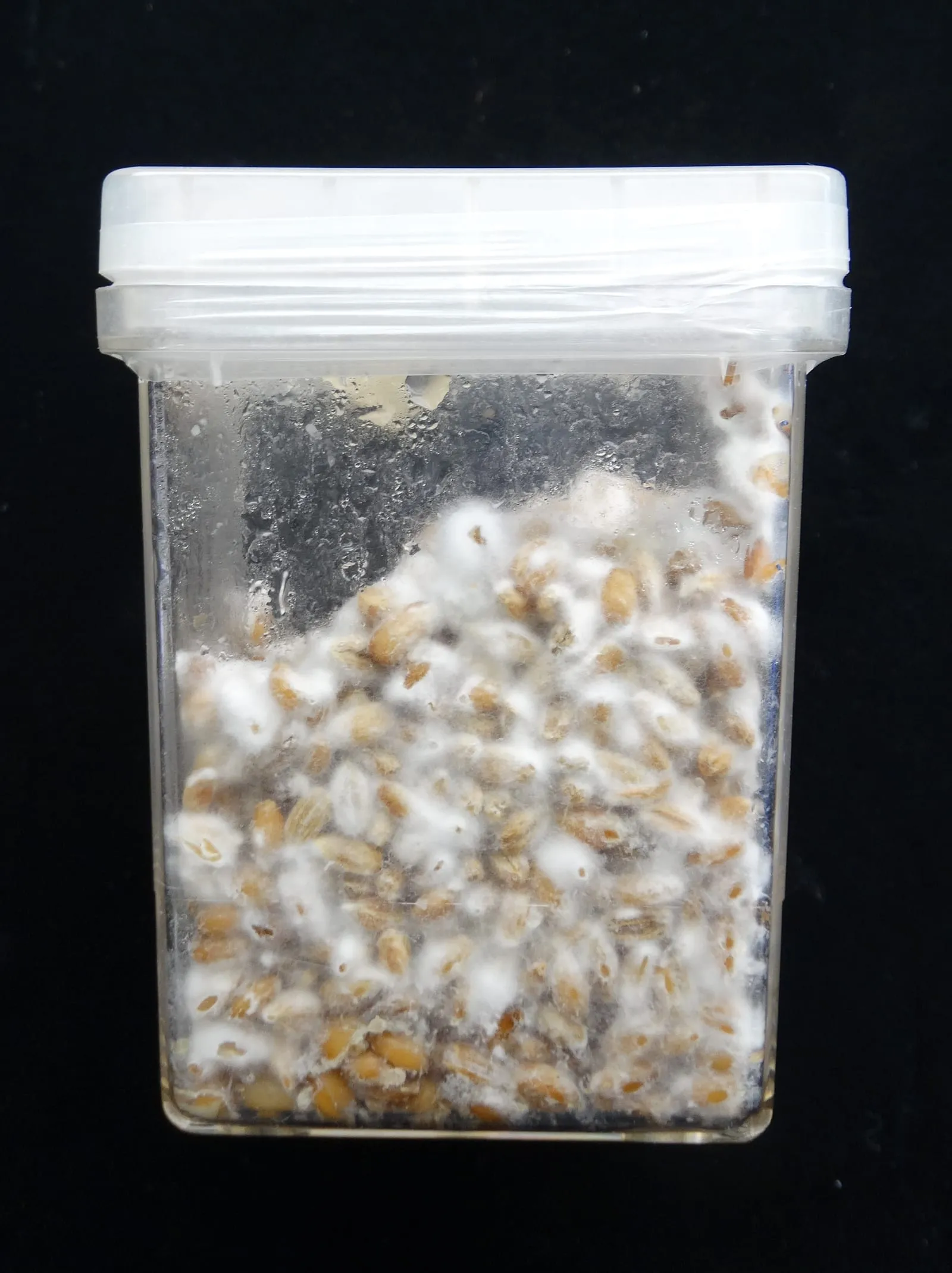
Modified care for zone 8a
The primary adjustment in zone 8a is treating chard as an outside-summer crop rather than a year-round green. Plantings that stretch into warm weather benefit from 30 to 40 percent shade cloth during afternoon hours to slow bolting and maintain leaf quality. Heavy mulch around the base moderates root-zone temperature and conserves moisture during warm spells.
Fusarium Wilt, the main disease concern for chard in this zone, is soil-borne and has no effective chemical control once established in a bed. The practical management approach is crop rotation of at least three years between chard and other chenopod-family crops such as beet and spinach. Overwintered plants in zone 8a generally do not need row cover, but protecting plants during hard freezes below 20°F preserves outer leaf quality and extends the productive harvest window into late winter.
Frequently asked questions
- Can Swiss chard survive winter outdoors in zone 8a?
Established chard plants tolerate zone 8a winters well. Outer leaves may sustain damage during hard freezes at or below 20°F, but the plant typically survives and resumes growth. Covering with row cover during the coldest nights preserves harvest quality without requiring more protection than that.
- Will Swiss chard bolt in zone 8a summers?
Yes. Sustained daytime highs above 90°F trigger bolting and reduce leaf quality in most chard varieties. Bolt-resistant selections like Bright Lights and Fordhook Giant slow the process, but shade cloth and consistent moisture only delay rather than prevent the outcome. Summer is generally not a viable production window in zone 8a.
- How do I manage Fusarium Wilt in zone 8a chard beds?
Fusarium Wilt is soil-borne with no practical chemical remedy. Rotate chard and other chenopod-family crops (beet, spinach) on a minimum three-year cycle. Avoid replanting in any bed where wilting or stunted growth appeared previously. Improving drainage also reduces pathogen pressure.
+−
+−
+−
Swiss Chard in adjacent zones
Image: "Beta vulgaris subsp. maritima kz05", by Krzysztof Ziarnek, Kenraiz, via Wikimedia Commons, licensed under CC-BY Source.

Related