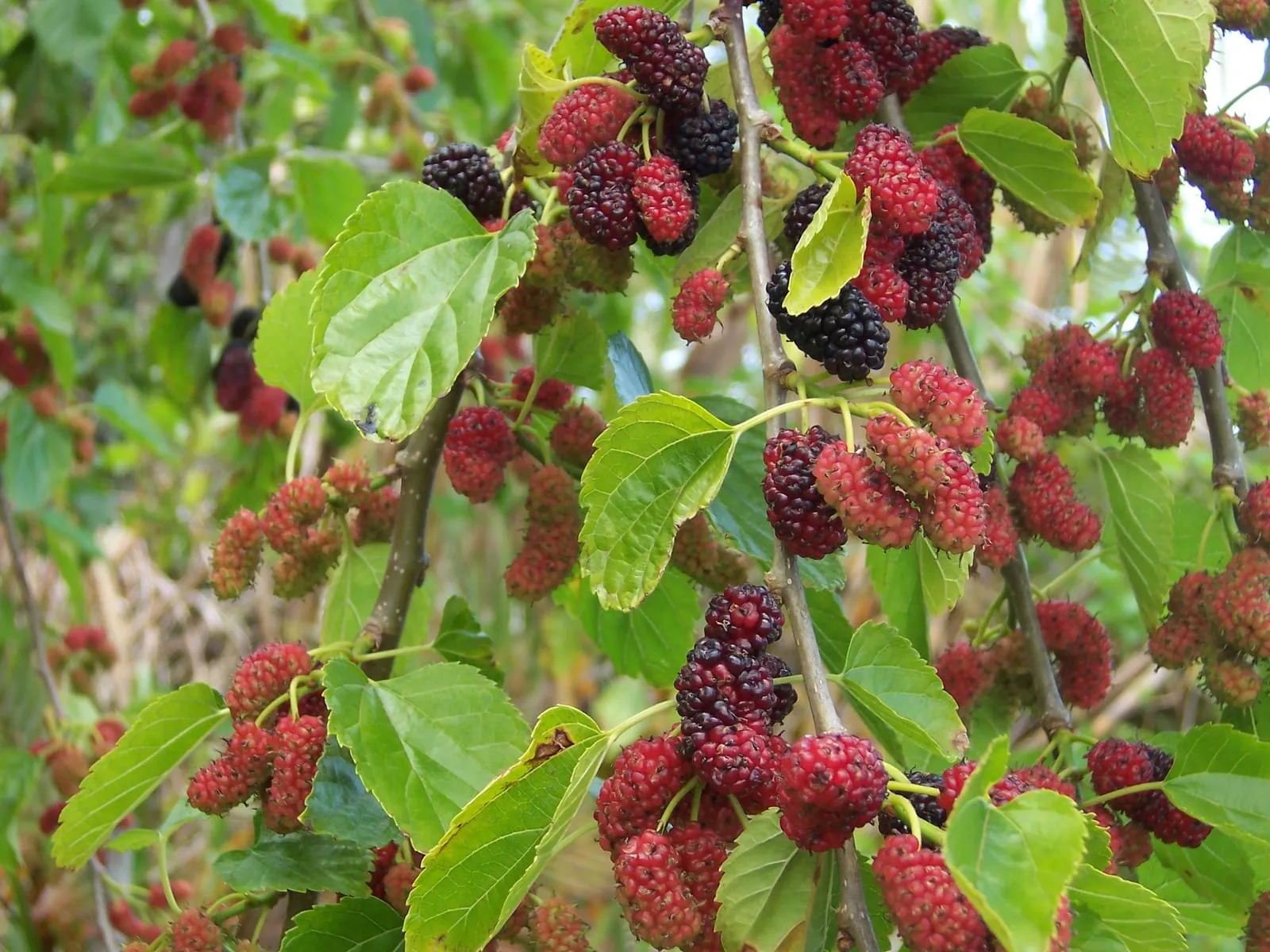
fruit tree in zone 9a
Growing mulberry in zone 9a
Morus species
- Zone
- 9a 20°F to 25°F
- Growing season
- 290 days
- Chill needed
- 400 to 600 below 45°F
- Suitable varieties
- 1
- Days to harvest
- 60 to 90
The verdict
Zone 9a sits at the warm edge of mulberry's practical range. Most mulberry selections require 400 to 600 chill hours, and zone 9a accumulates roughly 100 to 350 hours in most winters, depending on location and elevation. That gap makes standard mulberry selections unreliable here.
The Pakistan variety is the exception that makes zone 9a workable. It carries a lower effective chill requirement than the species average and has a track record of productive fruiting across the Gulf Coast, southern California, and Florida. For growers outside those pockets, chill accumulation should be monitored closely, because a warm December can push a marginal zone into genuine failure territory.
This is not a sweet spot for mulberry, but it is not an outright exclusion zone either. Success depends heavily on selecting Pakistan specifically and accepting that low-chill years may produce poor crops or erratic flowering.
Recommended varieties for zone 9a
1 cultivar suited to this zone, with disease-resistance and zone-fit annotations.
| Variety | Notes | Zone fit | Disease resistance |
|---|---|---|---|
| Pakistan fits zone 9a | Very sweet, mild, almost candy-like; long red-black fruit (2-3 inches). Fresh eating standout when ripe. Needs warmth. | | none noted |
Critical timing for zone 9a
In zone 9a, mulberry typically breaks dormancy in late January through February, earlier than in zones farther north. Bloom follows within a few weeks, often in February or early March, before most frost risk has fully passed. The last freeze probability in zone 9a is generally near late January or early February, so there is some overlap between late frost events and early bloom, though damage is infrequent.
Harvest runs from late April through June, with peak production in May across most of the zone. The 290-day growing season provides ample time for fruit development, and the extended warm period means later-forming fruit still matures fully. In coastal areas with hurricane season beginning in June, early-fruiting selections have an advantage since most of the crop comes in before storm season peaks.
Common challenges in zone 9a
- ▸ Limited stone fruit options due to insufficient chill
- ▸ Hurricane and tropical storm exposure
- ▸ Citrus disease pressure
Modified care for zone 9a
Summer heat is the primary management consideration in zone 9a. Mulberry tolerates heat reasonably well compared to stone fruits, but prolonged periods above 95°F combined with low humidity can stress trees and cause fruit to ripen unevenly or drop prematurely. Consistent irrigation during fruit swell, roughly April through June, reduces that risk without overwatering the root zone.
Wind exposure from tropical systems is a real concern. Trees in open or coastal sites should be kept to a manageable height through annual pruning to reduce wind load. Fruit losses to storms during late-season crops are possible but rarely affect tree health.
Winter protection is generally unnecessary in zone 9a. Established mulberry tolerates the 20 to 25°F minimum temperatures the zone records, though young trees in their first winter benefit from light mulching around the root zone during cold snaps.
Frequently asked questions
- Can mulberry grow in zone 9a?
Yes, but variety selection is critical. Standard mulberry selections need 400 to 600 chill hours, more than most zone 9a winters reliably provide. The Pakistan variety, with its lower chill requirement, is the most dependable choice for this zone.
- When does mulberry fruit ripen in zone 9a?
Harvest in zone 9a typically runs from late April through June, with peak production in May. The warm winters and long growing season push the fruiting window earlier than in cooler zones.
- Does mulberry need winter protection in zone 9a?
Established trees do not. Mulberry handles the 20 to 25°F minimums typical of zone 9a without damage. First-year trees benefit from root mulching during hard freezes, but this is a precaution rather than a necessity.
+−
+−
+−
Mulberry in adjacent zones
Image: "Morus alba fruits", by B.navez, via Wikimedia Commons, licensed under CC-BY Source.

Related