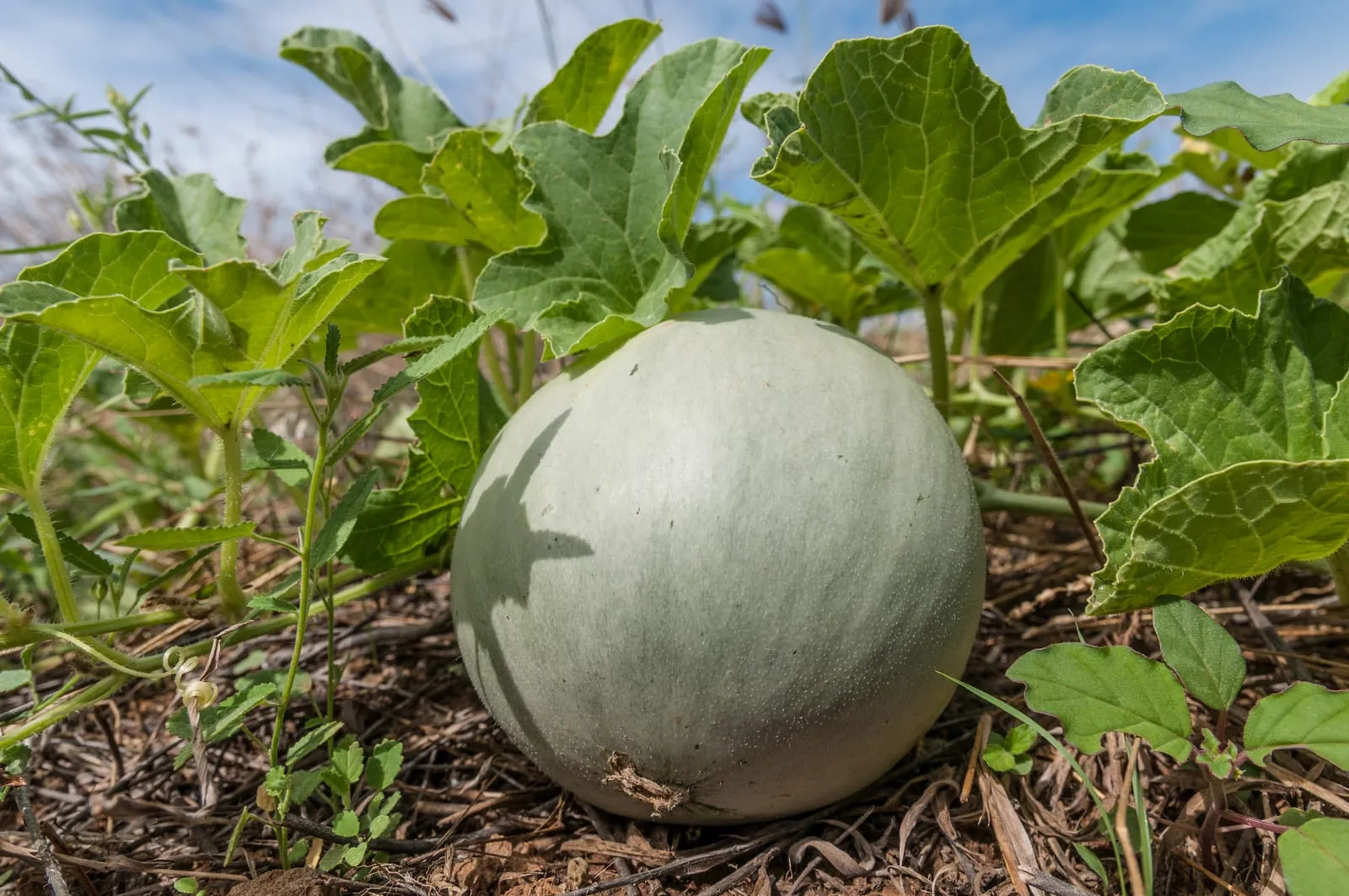
vegetable
Melon
Cucumis melo
USDA hardiness range
- Zones
- 5a–10a
- Days to harvest
- 75 to 100
- Sun
- Full
- Water
- Moderate
- Lifespan
- annual
Growing melon
Melon (Cucumis melo) rewards gardeners across zones 5a through 10a, though performance varies considerably across that range. In the warm, long-summer climates of zones 7b through 10a, melons are reliable and productive with minimal coaxing. In zones 5 and 6, the window is tight: most varieties require 75 to 100 frost-free days with sustained warmth, and a cool, wet summer can cut yield sharply even in an otherwise favorable zone.
The difference between a productive planting and a frustrating one usually comes down to three factors. First, soil temperature at planting: melons stall and rot in cold soil, and waiting until the soil reaches a consistent 65°F matters more than the calendar date. Second, pollinator access during flowering: melons bear separate male and female flowers, and fruit set depends entirely on insects transferring pollen between them. A garden isolated from pollinators, or one where flowers open during rain, will have poor fruit set regardless of plant health. Third, harvest timing: unlike tomatoes, melons do not continue ripening after they leave the vine. Picking even a few days early produces fruit that smells and tastes of almost nothing.
Variety selection matters within the supported zone range. Charentais and similar European types deliver exceptional flavor but demand heat and careful timing. Heritage varieties like Hale's Best are more forgiving and better suited to the variability common in zone 5 and 6 summers. Honeydew types are late-ripening and belong in zone 7 and warmer.
Recommended varieties
See all 4 →4 cultivars for home growers, with notes on flavor, ripening, and disease resistance.
| Variety | Notes | Zone fit | Disease resistance |
|---|---|---|---|
| Hale's Best | Sweet, perfumed, deep cantaloupe flavor; classic salmon-fleshed netted melon. Fresh slicing, fruit salads. Heritage variety, productive, the home-garden cantaloupe standard. | | none noted |
| Charentais | Intensely sweet, perfumed, complex; small French green-fleshed melon. Fresh out of hand, with prosciutto. Connoisseur's choice, picky about ripening but unmatched in flavor. | | none noted |
| Honeydew | Sweet, cool, mild; smooth pale-skinned green-fleshed melon. Fresh slicing, fruit salads. Late-ripening, needs warm climate, stores longer than cantaloupe. | | none noted |
| Galia | Sweet, perfumed, complex banana-pineapple notes; pale green flesh under netted skin. Fresh slicing, salads. Israeli-bred, productive in warm gardens. | | none noted |
Soil and site requirements
Melons prefer light, well-drained soil with a pH between 6.0 and 6.8. Heavy clay slows root development and holds excess moisture at the crown, which invites rot and creates conditions favorable to fungal disease. Where garden soil is dense, raised beds or mounded rows improve both drainage and soil temperature.
Full sun is non-negotiable: 8 or more hours of direct sun per day. Even partial shade delays ripening and suppresses sugar development. South-facing slopes or beds positioned clear of tree canopy are the better choices.
Spacing should be generous. Hills 4 to 6 feet apart in rows 6 to 8 feet apart allow vines to sprawl without crowding. Dense plantings increase humidity at the leaf level and intensify powdery mildew and downy mildew pressure as the season progresses.
In zones 5 and 6, black plastic mulch over raised beds provides a measurable advantage. It warms the soil 5 to 10 degrees compared to bare ground, extends the effective growing season, and reduces splash-borne inoculum from soil. Row covers over transplants in late spring hold heat during cold nights and delay exposure to cucumber beetles.
Consistent moisture during fruit development improves both size and sugar content. Irrigation that wets foliage regularly increases disease pressure; drip or soaker hose beneath mulch is preferable to overhead watering.
Common diseases
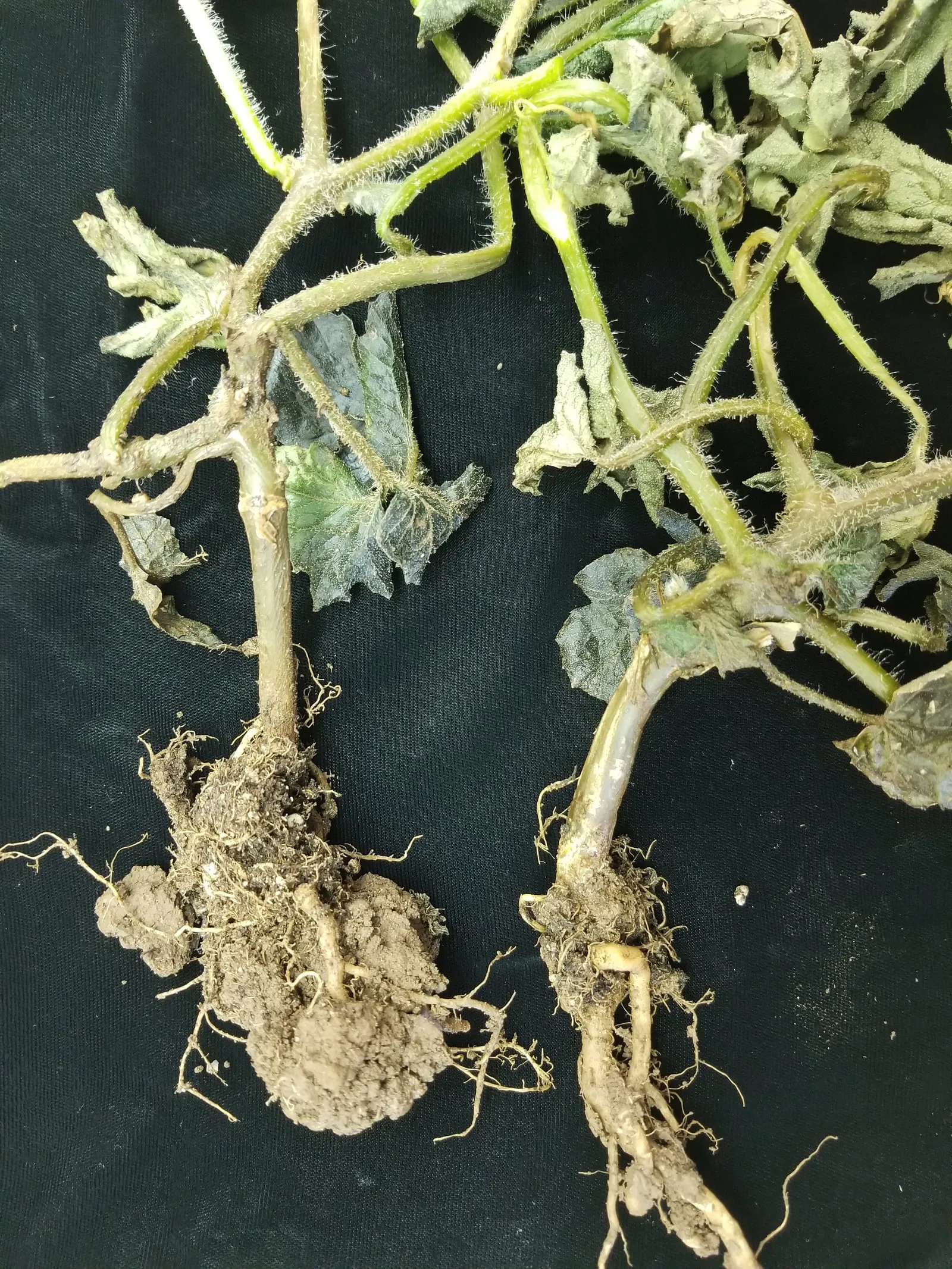
Erwinia tracheiphila
Bacterial disease vectored exclusively by cucumber beetles. Once a plant is infected there is no recovery; whole-plant collapse follows.
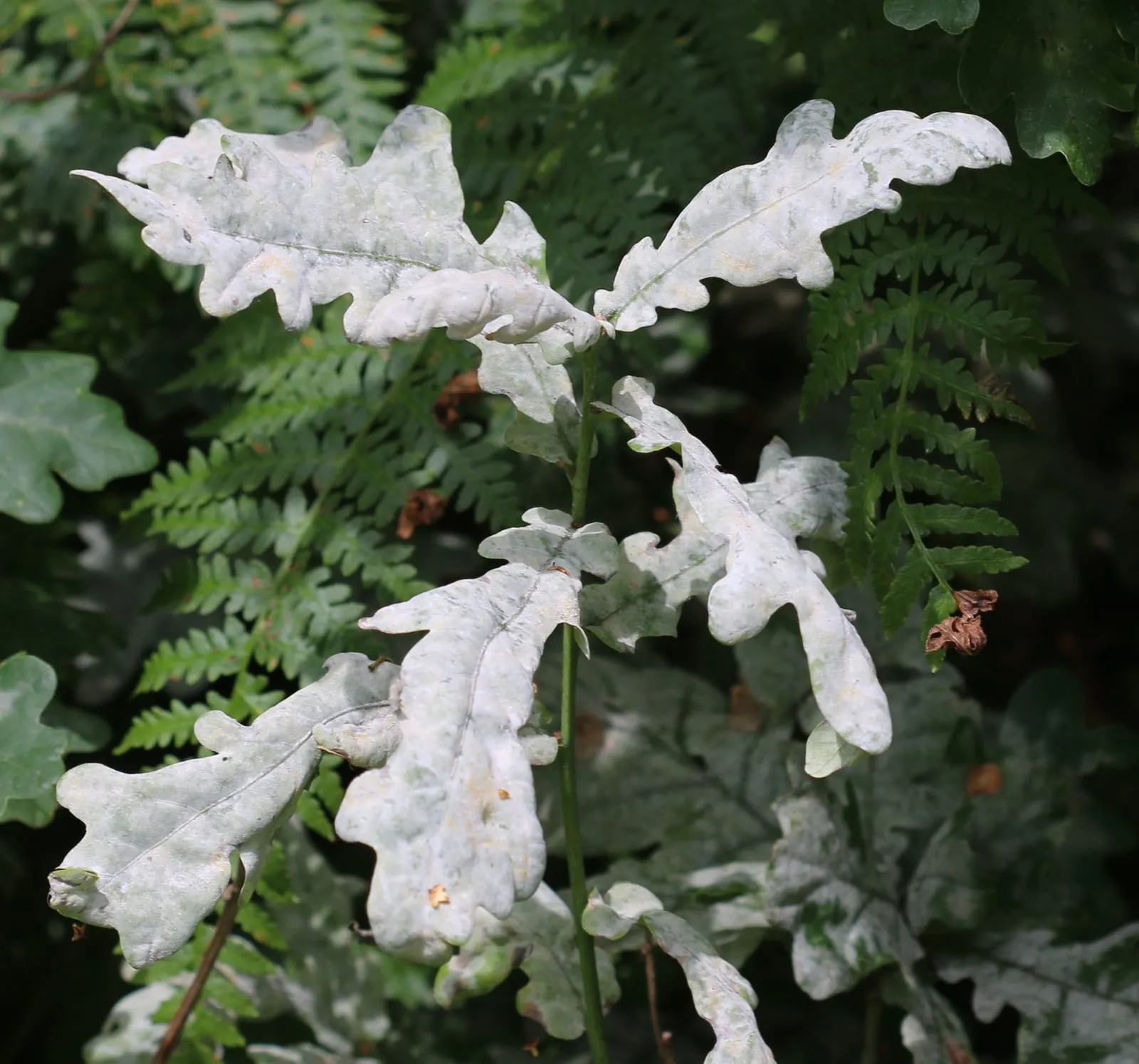
Multiple species (Erysiphales)
Surface-feeding fungal disease producing white powdery growth on leaves and stems. Reduces yield by stealing photosynthate and accelerating senescence.
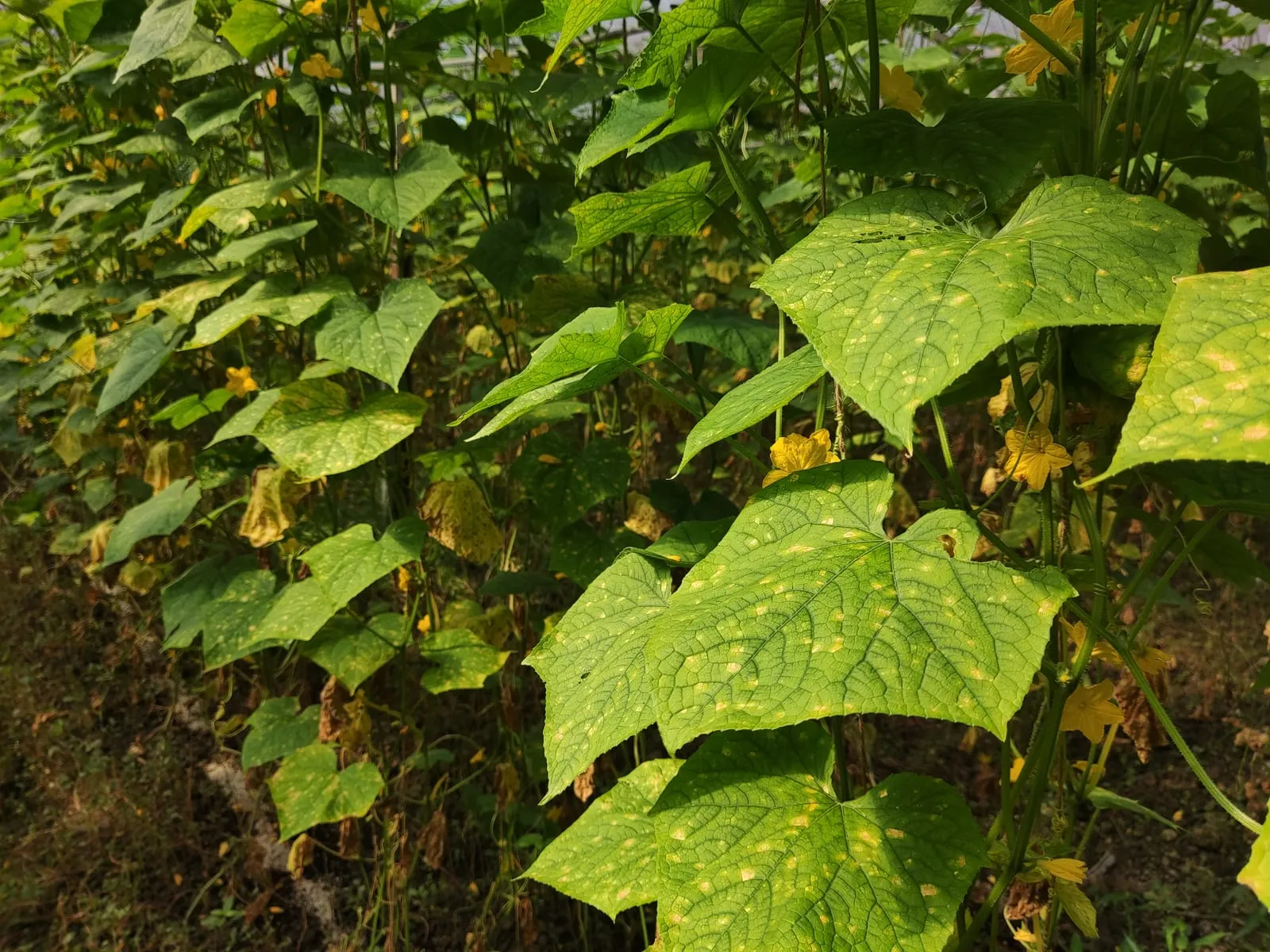
Pseudoperonospora cubensis (cucurbits) and others
Water mold (oomycete, not a true fungus) that thrives in cool damp conditions. Spreads rapidly through cucurbit and brassica plantings on wind-borne spores.
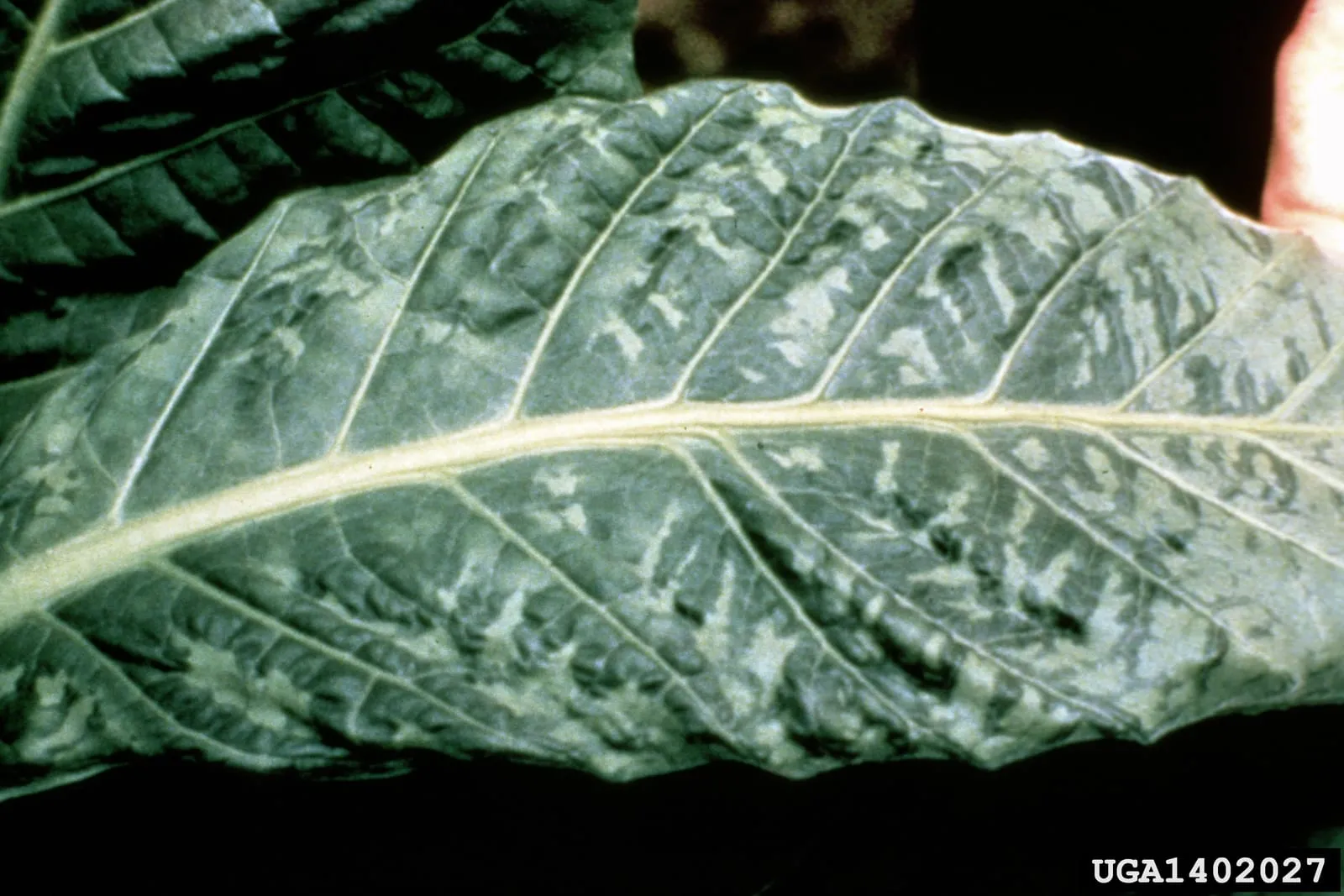
Cucumber mosaic virus, Tobacco mosaic virus, and others
Family of plant viruses producing mottled yellow-and-green leaf patterns. Vectored primarily by aphids; some are seed-transmitted or spread by handling tools and tobacco products.
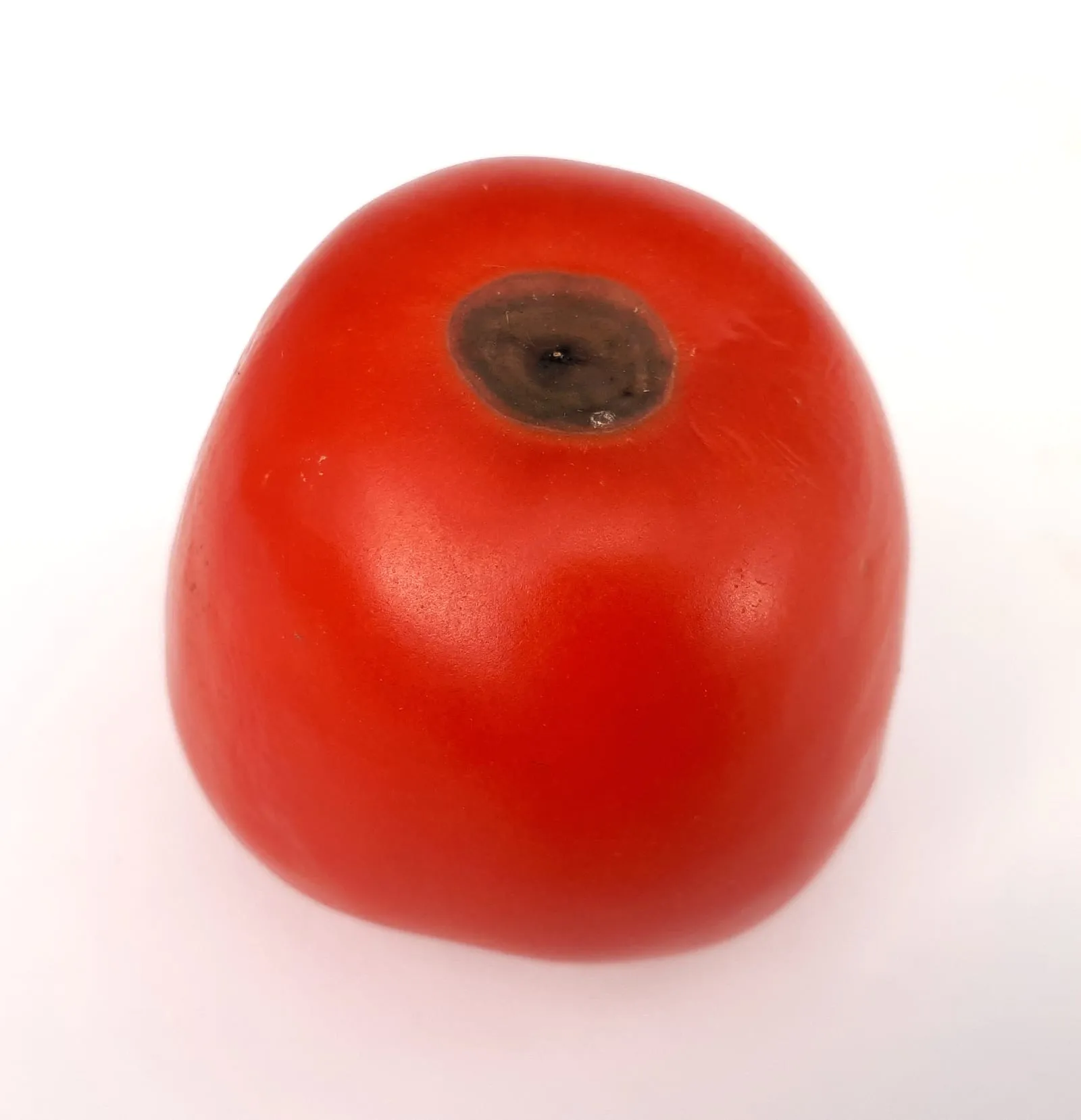
Calcium deficiency physiological disorder
Not a true disease but a calcium-uptake disorder caused by inconsistent soil moisture during fruit development. The dominant cause of damaged first-fruit on home tomato plantings.
Common pests
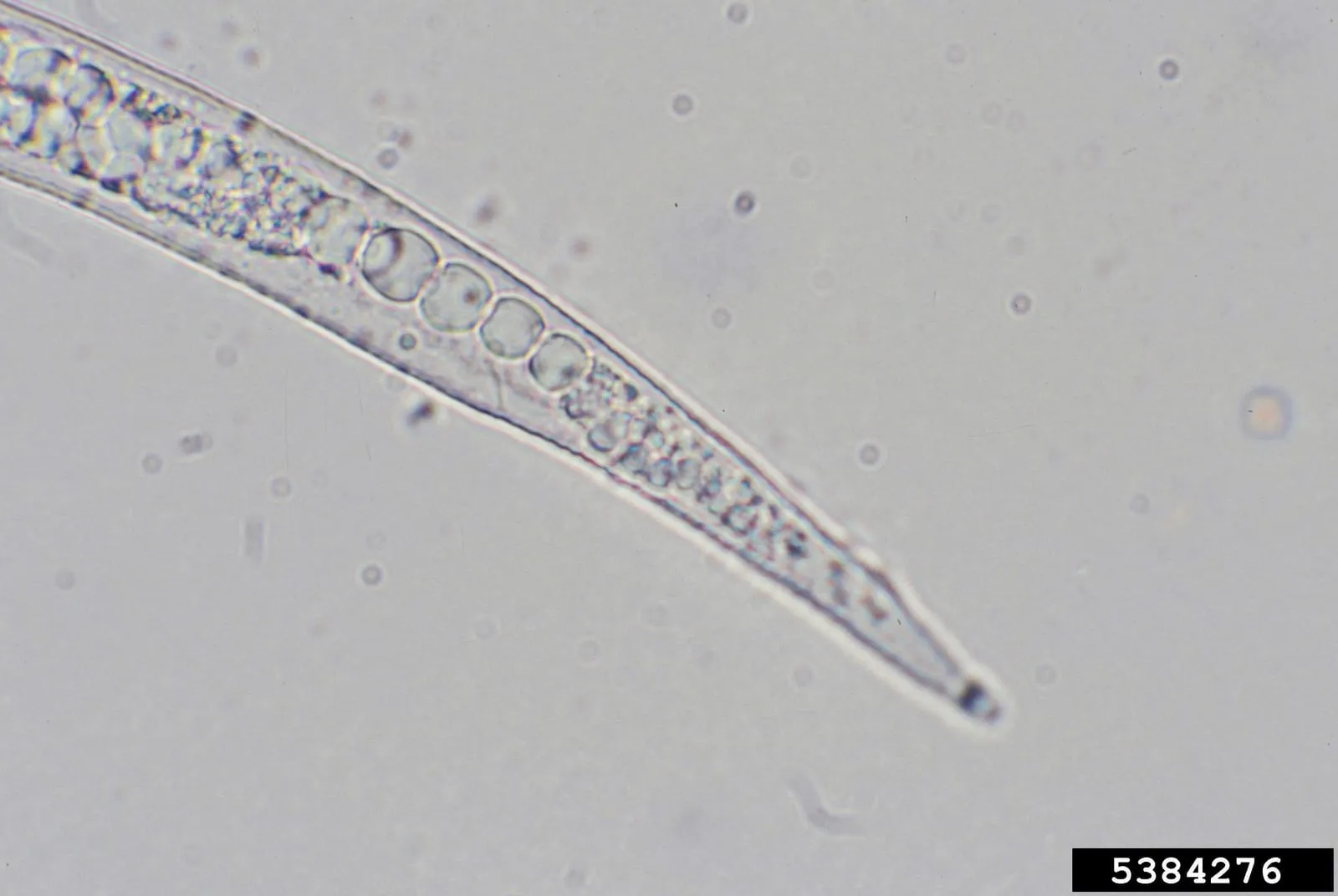
Meloidogyne species
Microscopic soil-dwelling worm that forms galls on roots, reducing vigor and yield.
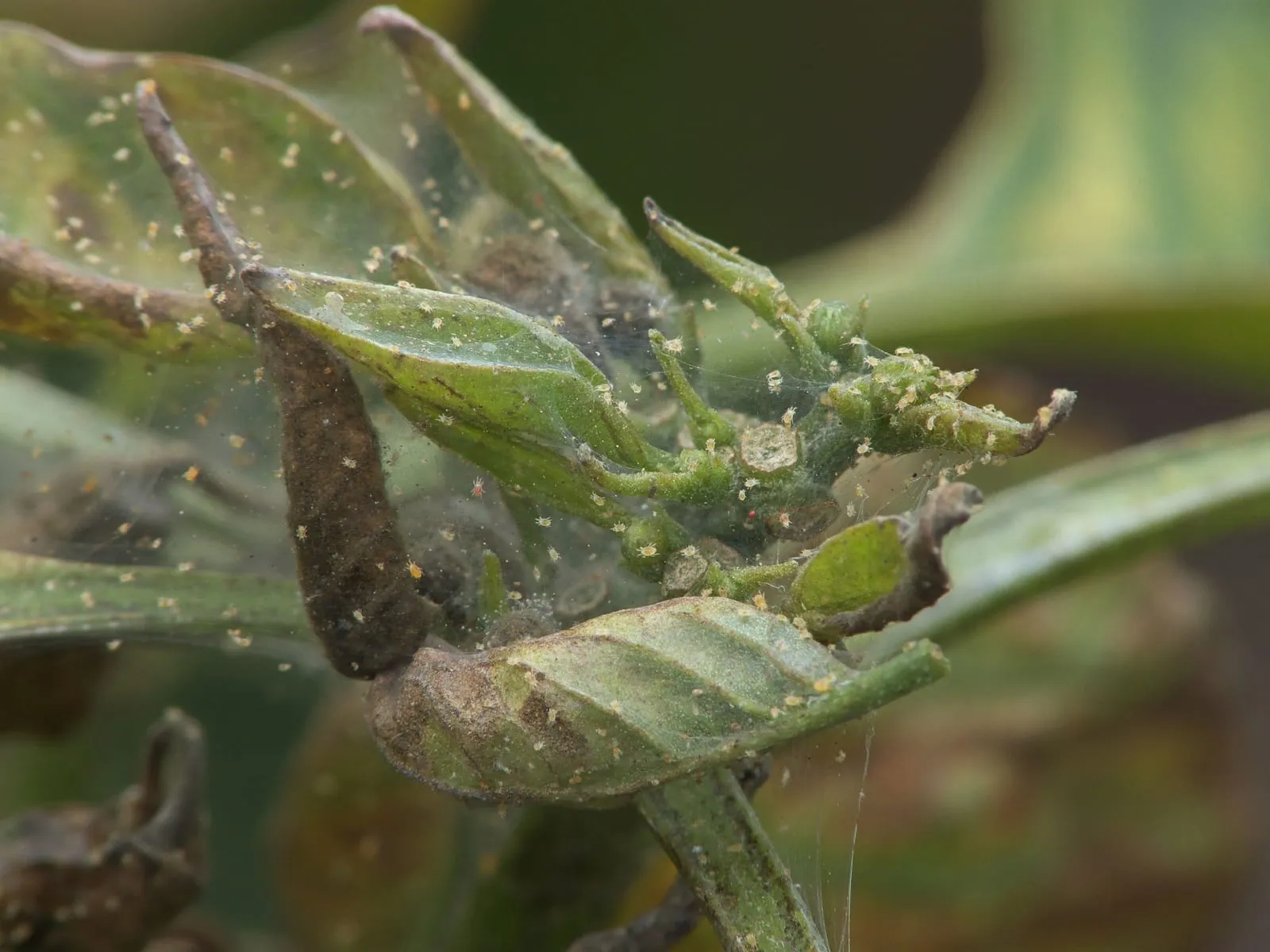
Tetranychus urticae
Tiny mite that feeds on leaf undersides, causing stippling and webbing during hot dry weather.
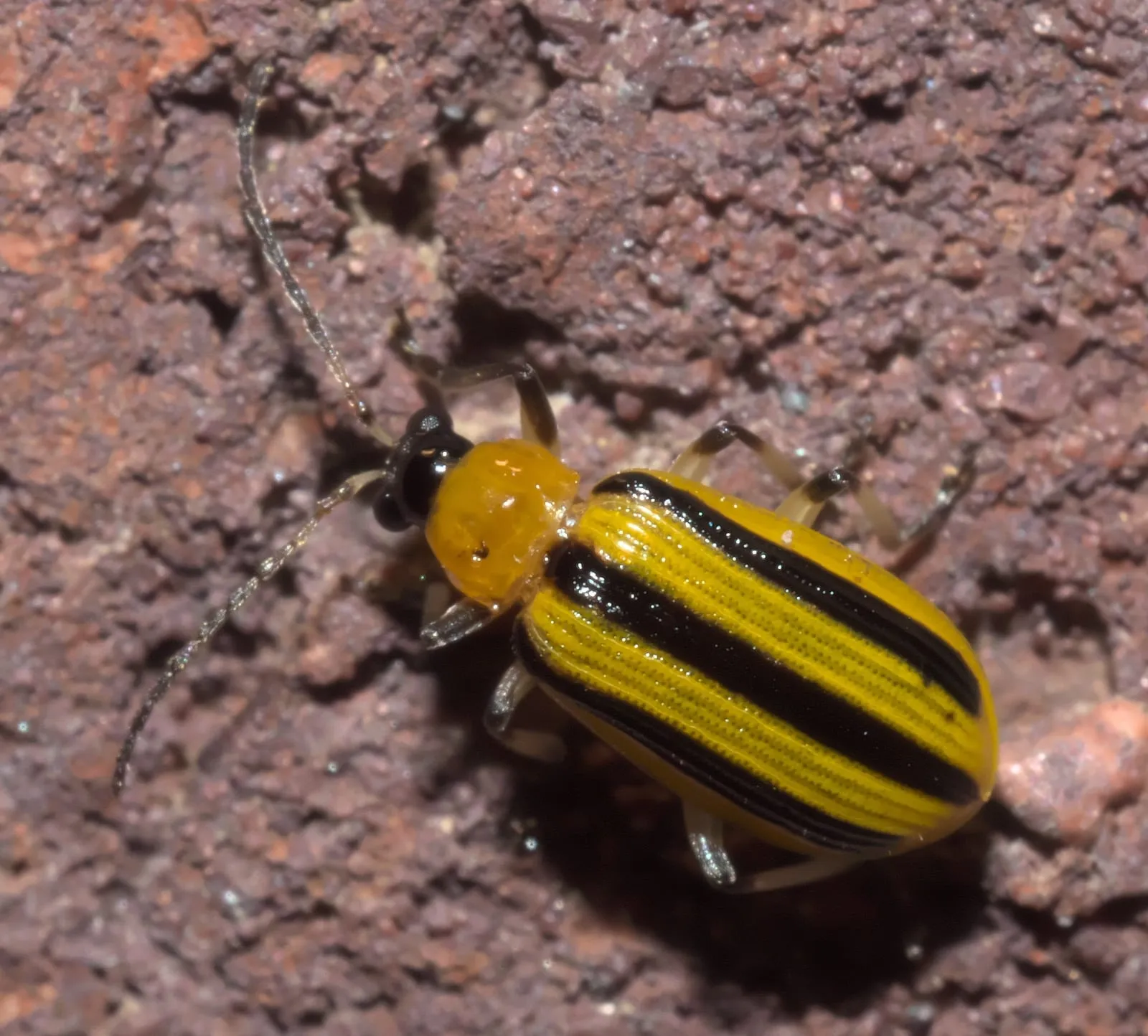
Acalymma vittatum (striped) and Diabrotica undecimpunctata (spotted)
Yellow-and-black beetles that feed on cucurbit foliage and flowers, but the bigger problem is that they vector bacterial wilt and cucumber mosaic virus.
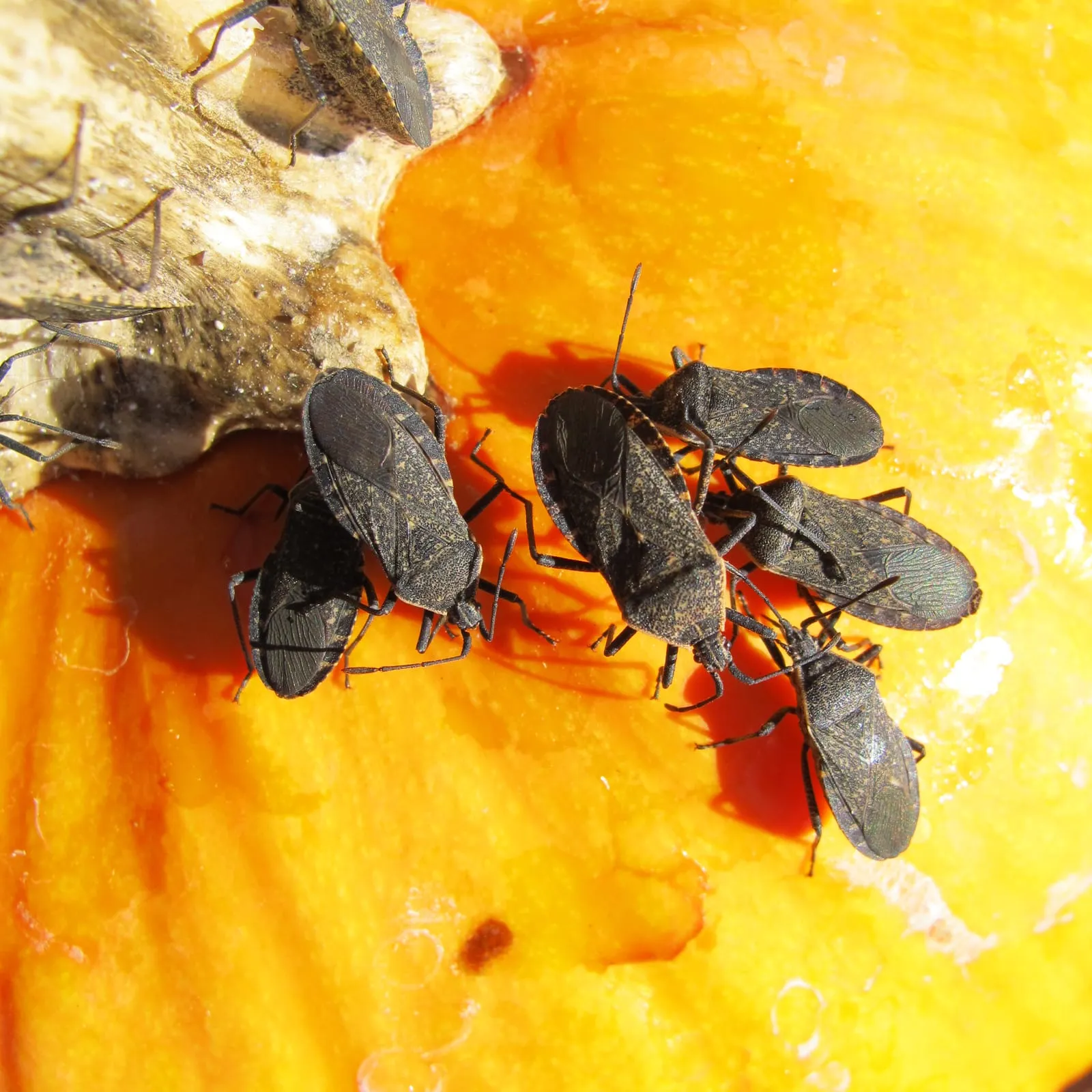
Anasa tristis
Brown shield-shaped bugs that feed on cucurbit foliage and fruit, causing wilting and fruit-quality damage. Transmit cucurbit yellow vine disease.
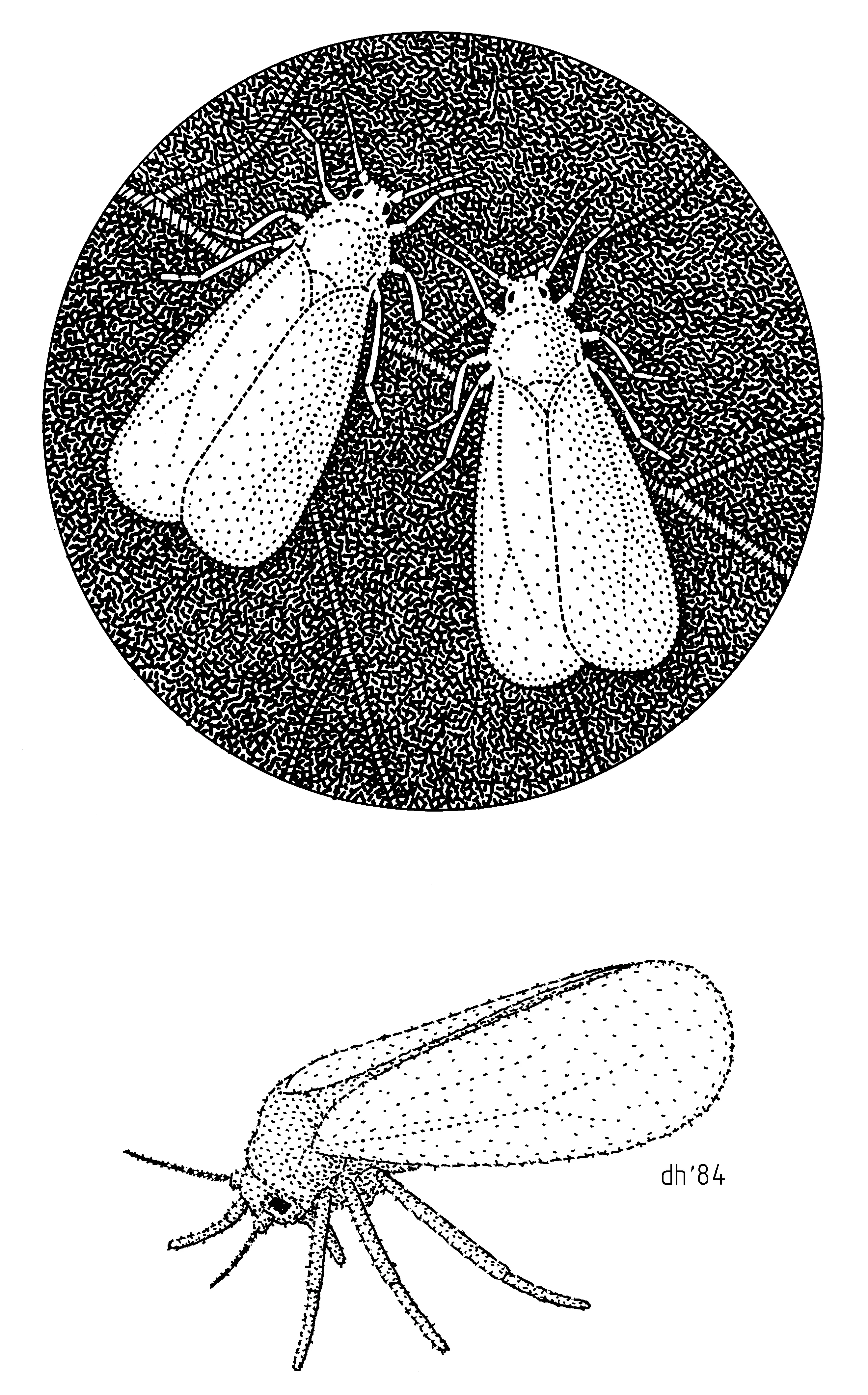
Multiple species (Aleyrodidae)
Tiny white moth-like flying insects that feed on plant sap and excrete honeydew. Transmit numerous viral diseases including tomato yellow leaf curl virus.
Common challenges
Cucumber beetle is the most consequential pest for melon growers in eastern North America, and not only because of direct feeding damage. Striped and spotted cucumber beetles are the primary vectors of bacterial wilt (Erwinia tracheiphila), a disease that colonizes vascular tissue and kills plants rapidly once symptoms appear. Infected plants wilt suddenly and do not recover; there is no effective curative treatment. Row covers over young transplants until flowering begins are the most reliable defense. Covers must be removed at flowering to allow pollinator access, but delaying that removal even briefly gives plants time to develop vigor before beetle pressure increases.
Insufficient heat is the binding failure in zones 5 and 6. Most home growers direct-sow too late, losing 2 to 3 weeks of growing season. Starting transplants indoors 3 to 4 weeks before the last frost date and setting them out under row covers is more reliable than direct seeding into cold soil. Short-season varieties in the 75 to 80 day range are the better fit for these zones; honeydew types, which often require 90 to 100 days at sustained heat, are a poor match for zone 5 conditions.
Harvest timing is a persistent source of disappointment. Melons signal ripeness through a combination of cues: full netting development on the rind, a hollow sound when tapped, and in cantaloupe types, a clean slip from the vine with light pressure. Cutting too early is irreversible, as Cornell Melon Production notes sugar accumulation stops at harvest.
Frequently asked questions
- Do melons have chill-hour requirements?
No. Melons are warm-season annuals with no chilling requirement. The relevant constraint is frost-free season length (75 to 100 days, depending on variety) and accumulated heat, not winter cold exposure.
- How many days do melons take to ripen?
Most varieties mature in 75 to 100 days from transplanting. Shorter-season cantaloupe types like Hale's Best finish closer to 75 to 80 days. Honeydew and late-season types often need 90 to 100 days of warm weather and are better suited to zones 7 and warmer.
- Which USDA zones can grow melons successfully?
Melons are supported across zones 5a through 10a. In zones 5 and 6, reliable production requires short-season variety selection, transplants rather than direct seeding, and season-extension tools such as black plastic mulch and row covers. Zones 7 through 10 offer conditions closest to what melons require.
- Do melons need pollinators to set fruit?
Yes. Melon plants bear separate male and female flowers on the same plant, and insects (primarily bees) must transfer pollen between them for fruit to develop. Poor pollinator activity during the flowering window, whether from rain, nearby pesticide applications, or habitat isolation, directly reduces fruit set even on otherwise healthy plants.
- What is the most common disease affecting melons?
Bacterial wilt, vectored by cucumber beetles, is the most economically significant disease in eastern growing regions. Infected plants wilt and collapse quickly with no curative option once symptomatic. Powdery mildew is widespread later in the season across most zones but rarely causes plant death.
- Can melons ripen after being picked?
No. Melons do not continue to ripen off the vine the way tomatoes do. Sugar content is fixed at harvest. Cantaloupe types are ready when the stem separates cleanly from the vine with light pressure (called full slip); picking before this point produces fruit that will not improve in flavor.
- How do I tell when a melon is ripe without cutting it open?
For netted cantaloupes, look for fully developed netting over the rind, a faint hollow sound when tapped, a noticeable sweet fragrance at the blossom end, and clean separation from the vine with light pressure. Honeydew types turn from greenish to creamy yellow and soften slightly at the blossom end. Color change and aroma are more reliable than calendar days alone.
+−
+−
+−
+−
+−
+−
+−
Sources
Image: "Cucumis melo 34", by Wilfredor, via Wikimedia Commons, licensed under CC0. Source.

Melon by zone
Related