vegetable in zone 5a
Growing melon in zone 5a
Cucumis melo
- Zone
- 5a -20°F to -15°F
- Growing season
- 150 days
- Suitable varieties
- 1
- Days to harvest
- 75 to 100
The verdict
Zone 5a sits at the cold edge of viable melon territory. The 150-day growing season is technically sufficient on paper, but melons require sustained heat accumulation that zone 5a does not reliably deliver. Last frost typically falls in late May, and first frost returns in mid to late September, leaving a frost-free window of roughly 110 to 120 days. Melon vines need soil temperatures above 65 to 70°F before transplanting, and warm nights to set and ripen fruit. In most zone 5a locations, those conditions do not materialize until late June, compressing the effective growing window considerably.
Hale's Best, which matures in approximately 75 to 85 days from transplant, is one of the more tolerant choices for this zone, but success is not guaranteed in cooler summers. Heat-trapping techniques (black plastic mulch, row covers, south-facing slopes) shift the odds meaningfully. Treat melons in zone 5a as a conditionally productive crop rather than a dependable annual harvest.
Recommended varieties for zone 5a
1 cultivar suited to this zone, with disease-resistance and zone-fit annotations.
| Variety | Notes | Zone fit | Disease resistance |
|---|---|---|---|
| Hale's Best fits zone 5a | Sweet, perfumed, deep cantaloupe flavor; classic salmon-fleshed netted melon. Fresh slicing, fruit salads. Heritage variety, productive, the home-garden cantaloupe standard. | | none noted |
Critical timing for zone 5a
Start melon seeds indoors 3 to 4 weeks before the last expected frost, typically early to mid-May in zone 5a. Transplant outdoors no earlier than late May, once soil temperature at 4-inch depth reads at or above 65°F. Planting into cold soil stalls establishment and increases susceptibility to soilborne pathogens.
With Hale's Best at 75 to 85 days to maturity from transplant, ripe fruit is expected in mid to late August under average conditions. That timing allows a buffer before the typical first frost in late September, but a cool or overcast August can delay ripening enough that early frosts catch the crop unprepared. Watch nighttime lows beginning in late August and have row covers ready for any sub-50°F nights.
Common challenges in zone 5a
- ▸ Fire blight in pears
- ▸ Cedar-apple rust
- ▸ Late spring frosts
Disease pressure to watch for
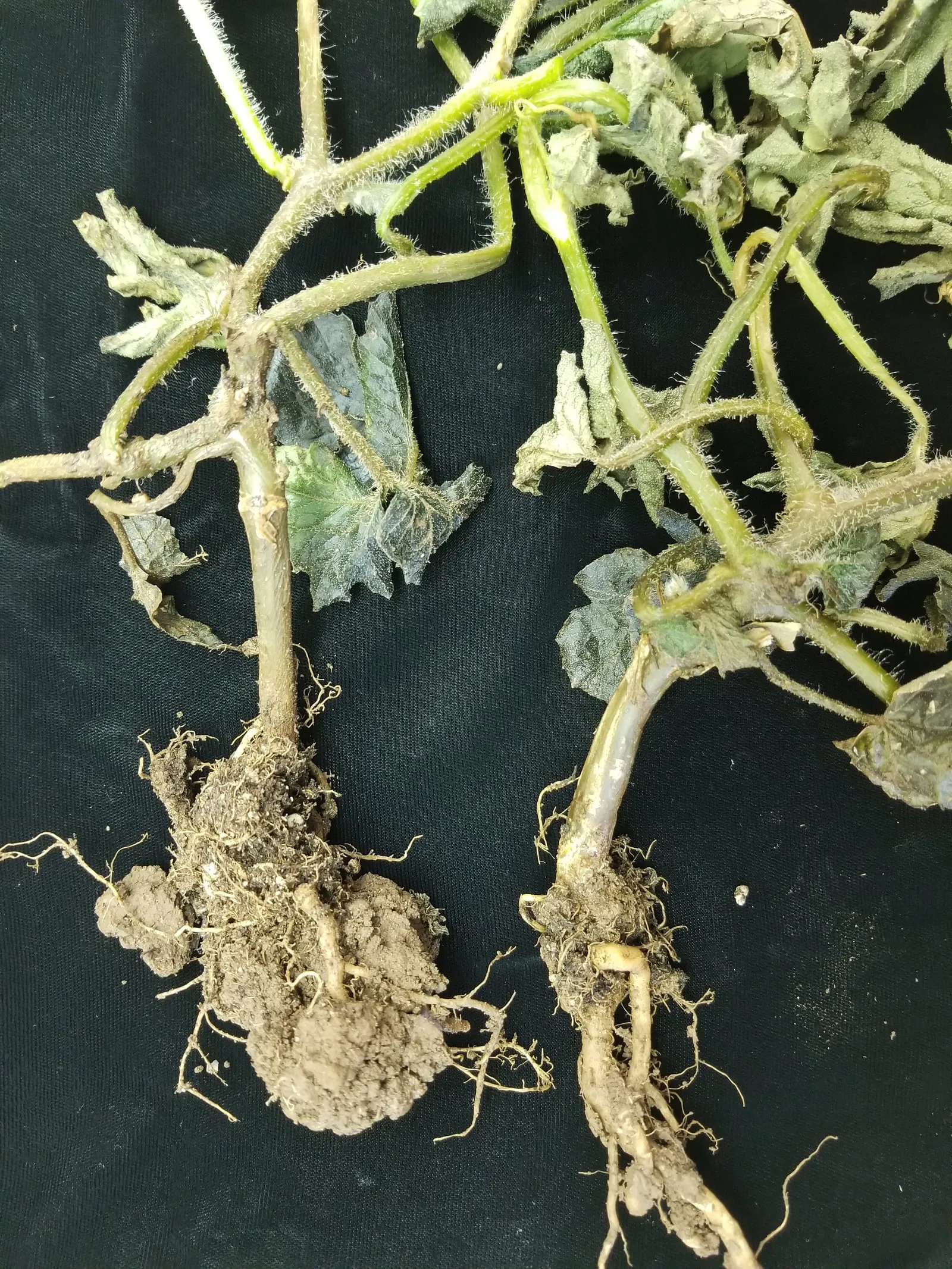
Erwinia tracheiphila
Bacterial disease vectored exclusively by cucumber beetles. Once a plant is infected there is no recovery; whole-plant collapse follows.
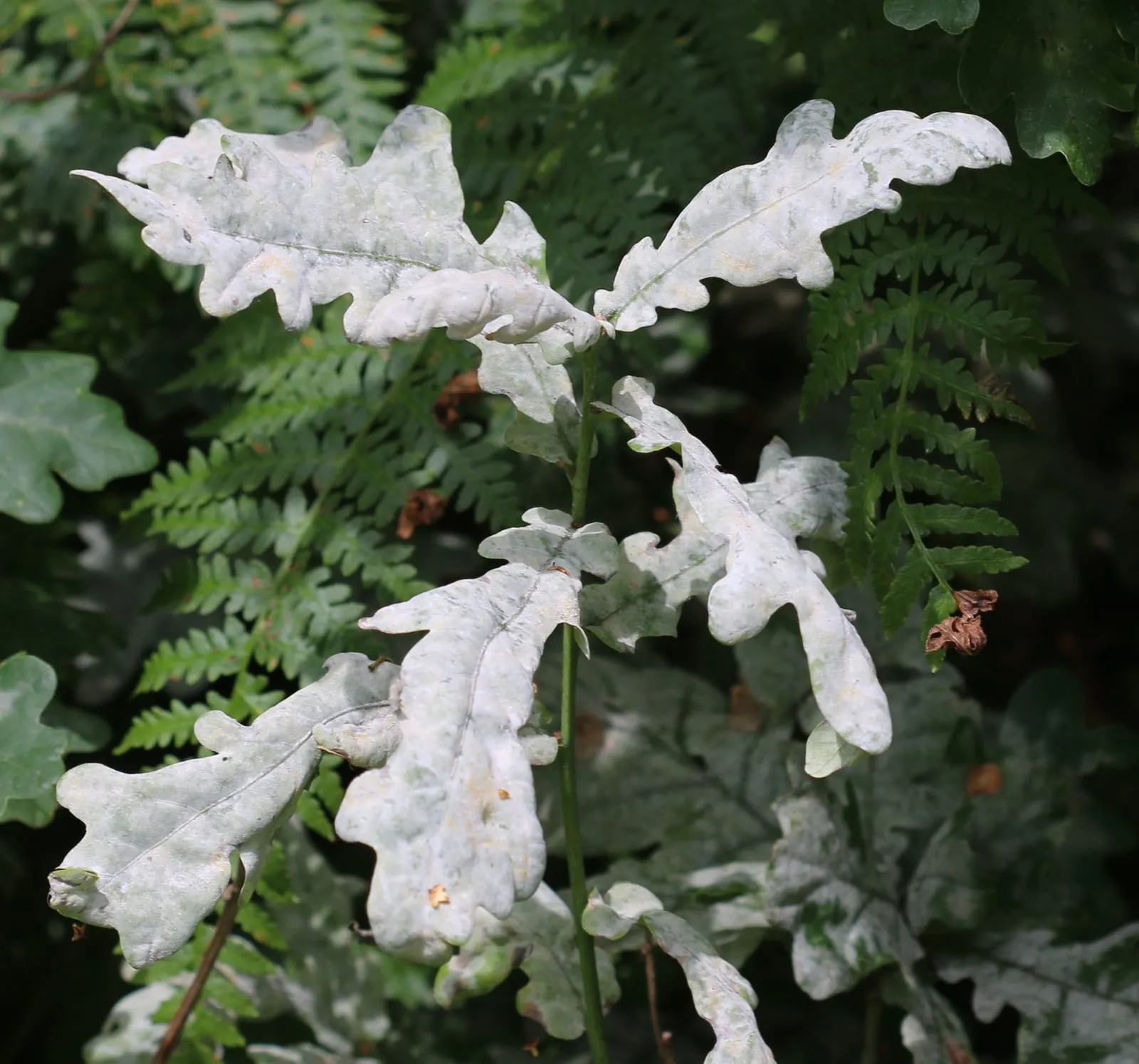
Multiple species (Erysiphales)
Surface-feeding fungal disease producing white powdery growth on leaves and stems. Reduces yield by stealing photosynthate and accelerating senescence.
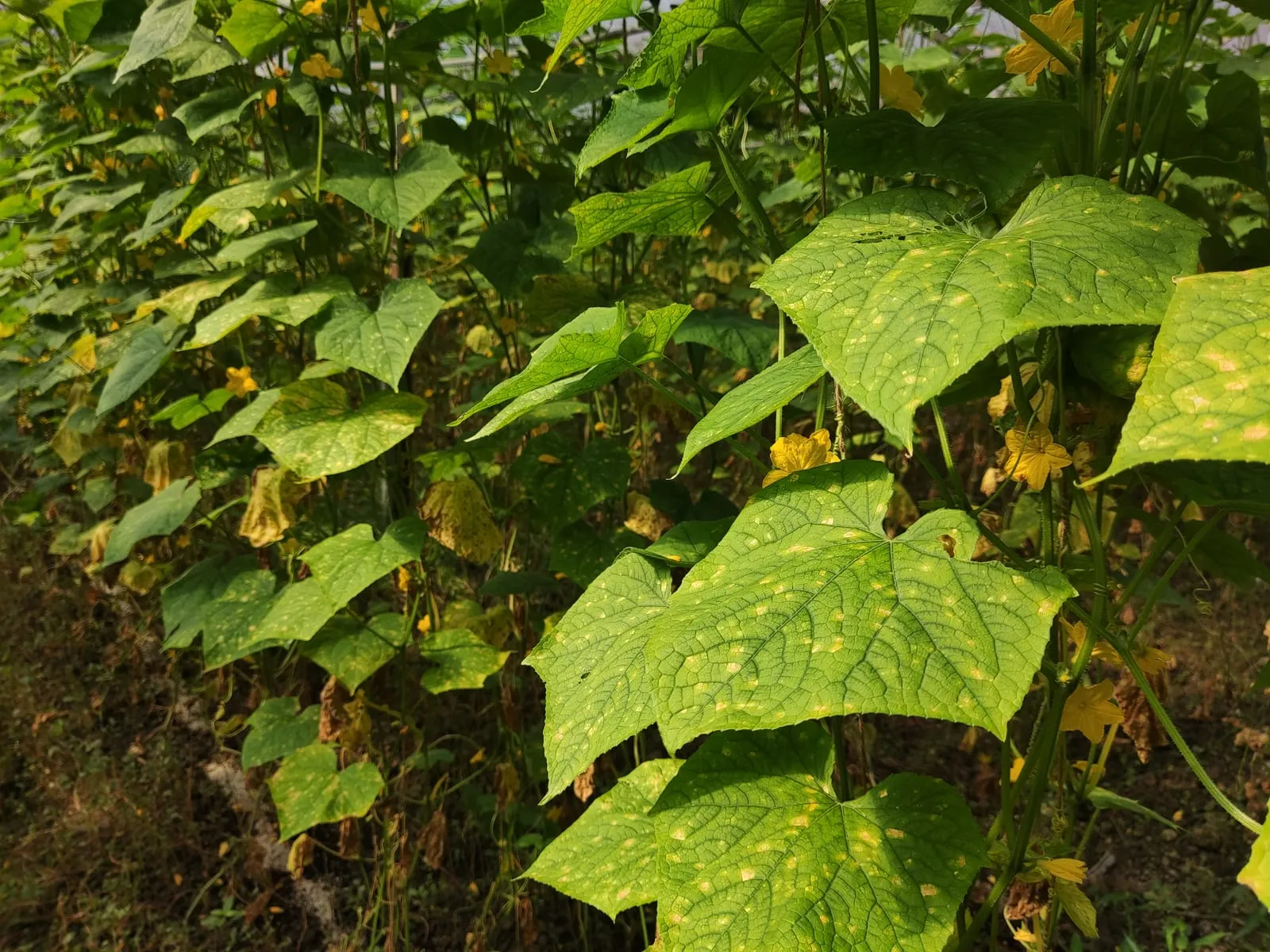
Pseudoperonospora cubensis (cucurbits) and others
Water mold (oomycete, not a true fungus) that thrives in cool damp conditions. Spreads rapidly through cucurbit and brassica plantings on wind-borne spores.
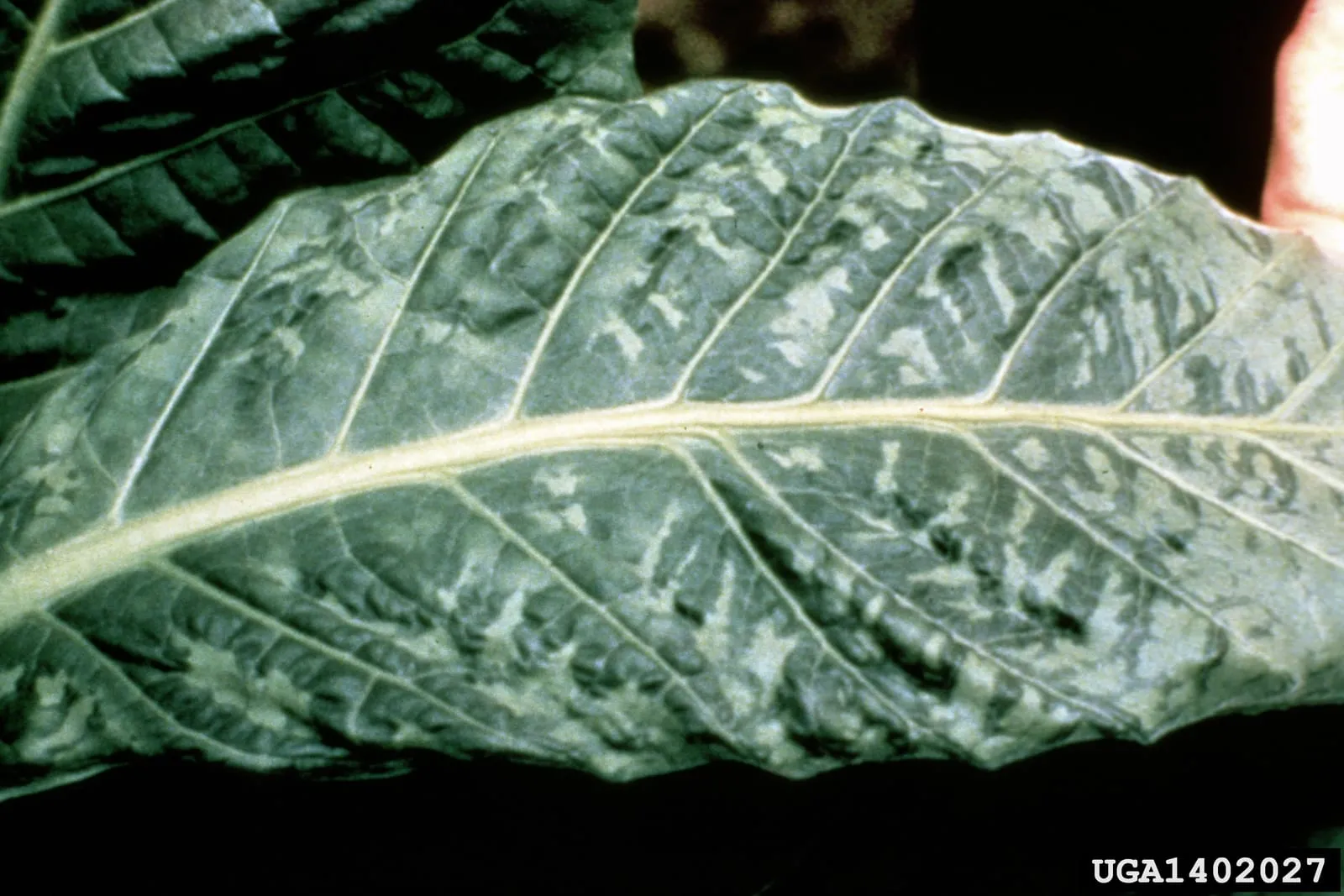
Cucumber mosaic virus, Tobacco mosaic virus, and others
Family of plant viruses producing mottled yellow-and-green leaf patterns. Vectored primarily by aphids; some are seed-transmitted or spread by handling tools and tobacco products.
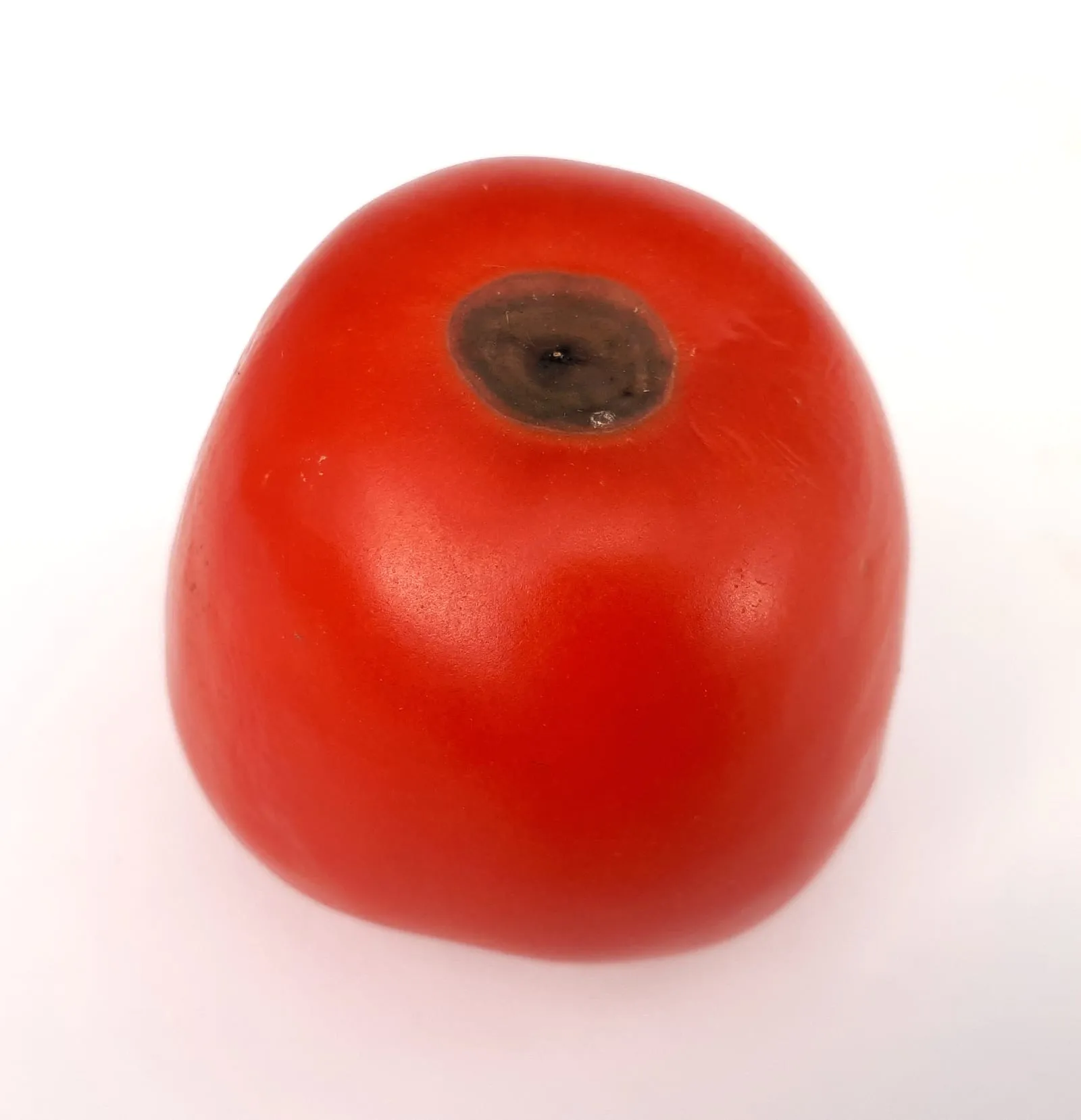
Calcium deficiency physiological disorder
Not a true disease but a calcium-uptake disorder caused by inconsistent soil moisture during fruit development. The dominant cause of damaged first-fruit on home tomato plantings.
Modified care for zone 5a
Black plastic mulch is close to essential in zone 5a. It raises soil temperature 5 to 10°F above bare-ground level, extends the effective growing season at both ends, and suppresses competition from weeds.
Row covers protect transplants from late spring frosts and retain daytime heat through June. Remove them once vines begin to flower to allow pollinator access. Bacterial wilt of cucurbits spreads through cucumber beetle feeding; managing beetle populations with floating row covers or targeted controls early in the season reduces infection risk significantly, since there is no cure once a plant is infected.
Powdery mildew and downy mildew pressure intensifies during humid stretches common in zone 5a summers. Space plants at 3 to 4 feet to maximize air circulation, and shift to drip or ground-level irrigation once vines are established. In a compressed growing season, any substantial foliage loss to disease directly shortens the ripening window.
Melon in adjacent zones
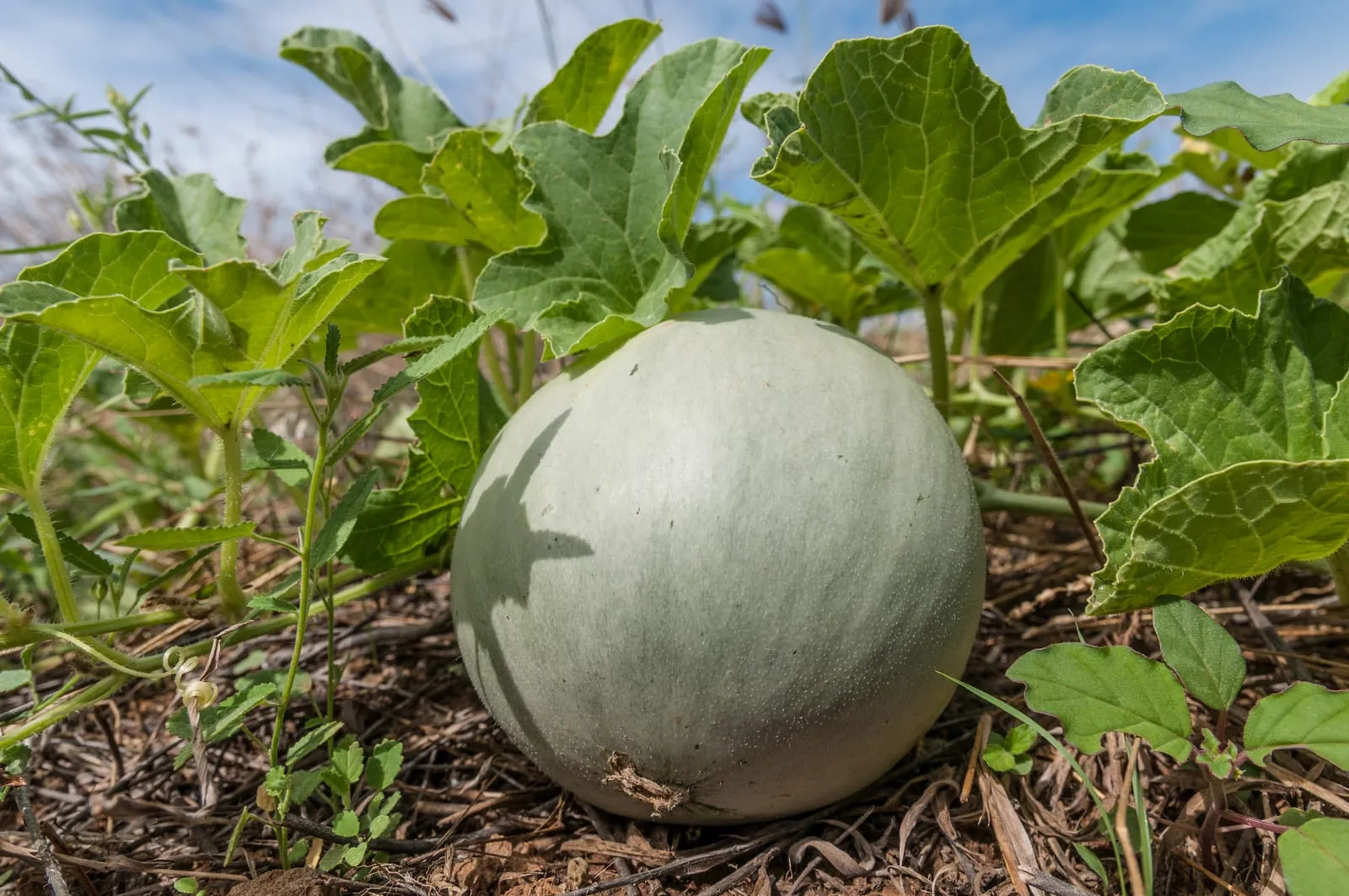
Image: "Cucumis melo 34", by Wilfredor, via Wikimedia Commons, licensed under CC0 Source.

Related