vegetable in zone 5b
Growing melon in zone 5b
Cucumis melo
- Zone
- 5b -15°F to -10°F
- Growing season
- 165 days
- Suitable varieties
- 1
- Days to harvest
- 75 to 100
The verdict
Melon is a warm-season annual, so the zone 5b winter temperature range of -15 to -10°F is not a direct limiting factor. Chill-hour accumulation is irrelevant here; what constrains melon production in zone 5b is the length of the warm season and the pace at which soils warm in spring. The 165-day frost-free window is workable, but it leaves little margin. Hale's Best, the variety with documented zone 5b compatibility in this dataset, matures in roughly 85 to 90 days from transplant, which fits within that window if transplants go in promptly after last frost and soil temperatures have reached at least 60°F. Zone 5b is the northern edge of reliable melon production, not a sweet spot. Gardeners in the cooler microclimates within this zone (low-lying areas with late frost, or sites with limited sun exposure) will find consistent success harder to achieve than those on south-facing slopes with good drainage and heat retention.
Recommended varieties for zone 5b
1 cultivar suited to this zone, with disease-resistance and zone-fit annotations.
| Variety | Notes | Zone fit | Disease resistance |
|---|---|---|---|
| Hale's Best fits zone 5b | Sweet, perfumed, deep cantaloupe flavor; classic salmon-fleshed netted melon. Fresh slicing, fruit salads. Heritage variety, productive, the home-garden cantaloupe standard. | | none noted |
Critical timing for zone 5b
Last frost in zone 5b falls roughly between late April and mid-May depending on site and year. Melon seeds should not go into the ground until after that date and until soil temperatures are consistently at 65°F or above. Starting transplants indoors 3 to 4 weeks before the anticipated last frost date is the standard approach for this zone. Transplanting typically occurs in late May to early June. From transplant, Hale's Best reaches harvest in 85 to 90 days, placing the main harvest window in late August through mid-September. First fall frost in zone 5b arrives in early to mid-October on average, so there is adequate time to ripen a single crop, but succession planting is not practical at this latitude.
Common challenges in zone 5b
- ▸ Plum curculio
- ▸ Codling moth
- ▸ Cedar-apple rust
Disease pressure to watch for
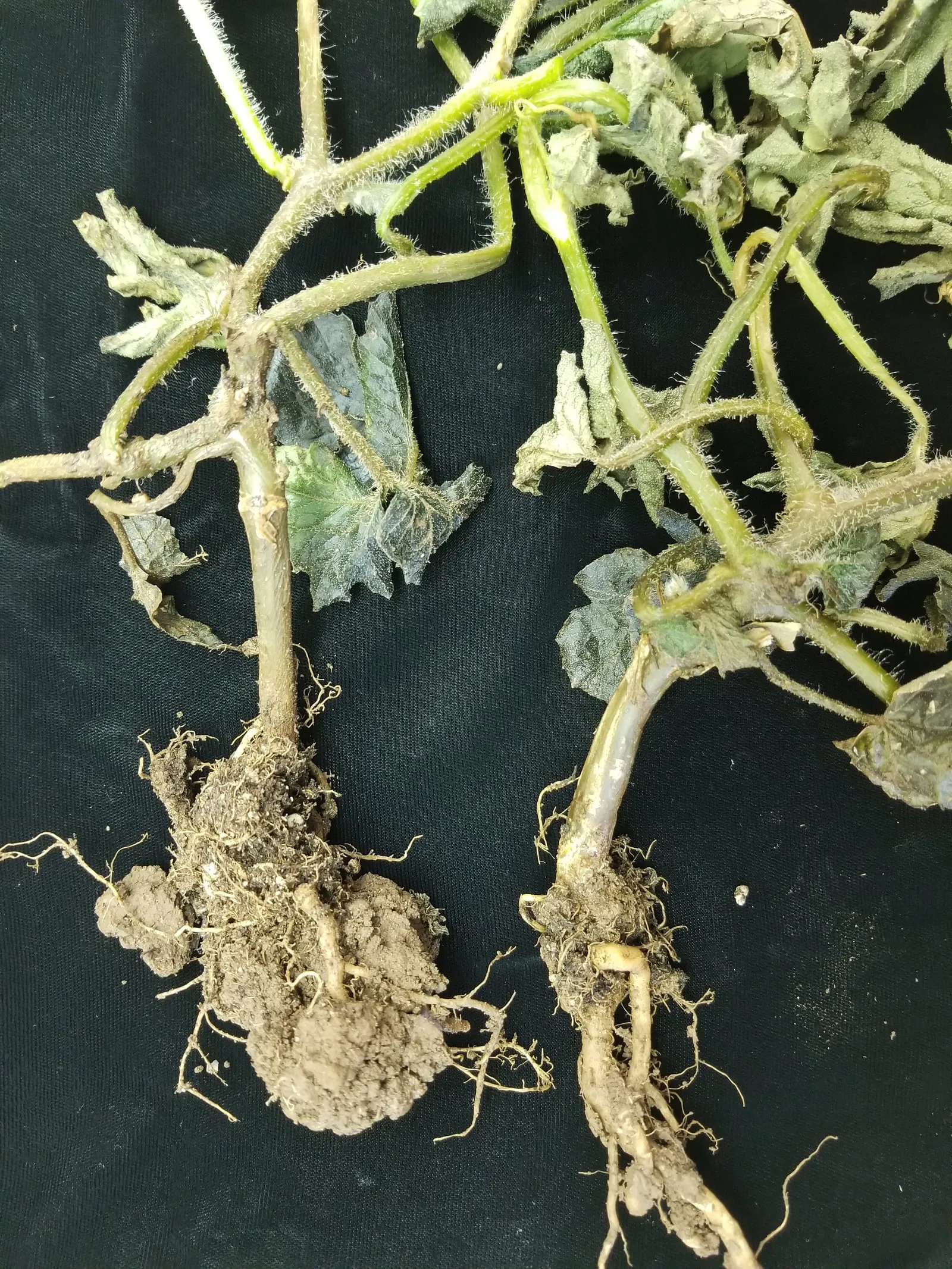
Erwinia tracheiphila
Bacterial disease vectored exclusively by cucumber beetles. Once a plant is infected there is no recovery; whole-plant collapse follows.
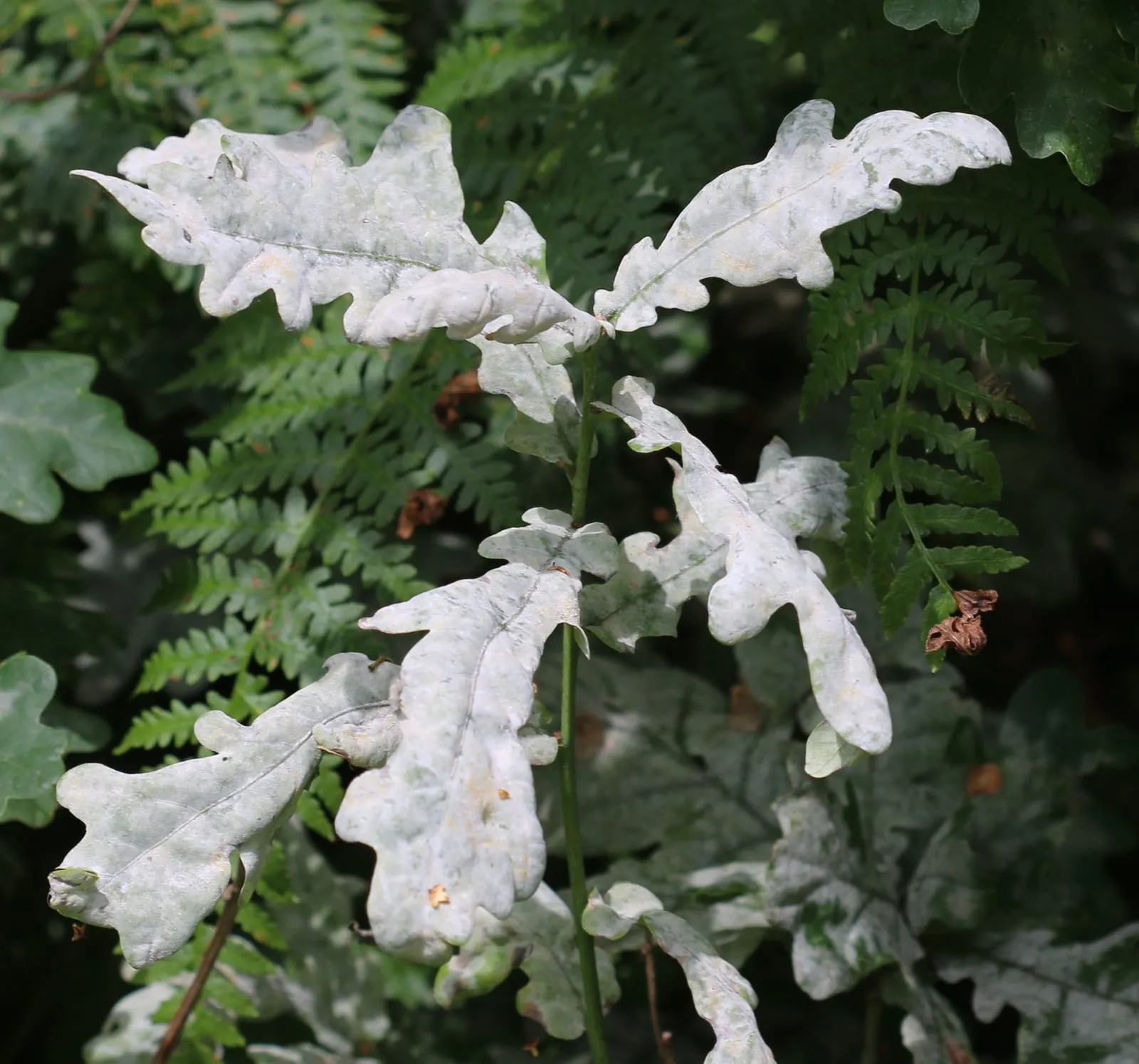
Multiple species (Erysiphales)
Surface-feeding fungal disease producing white powdery growth on leaves and stems. Reduces yield by stealing photosynthate and accelerating senescence.
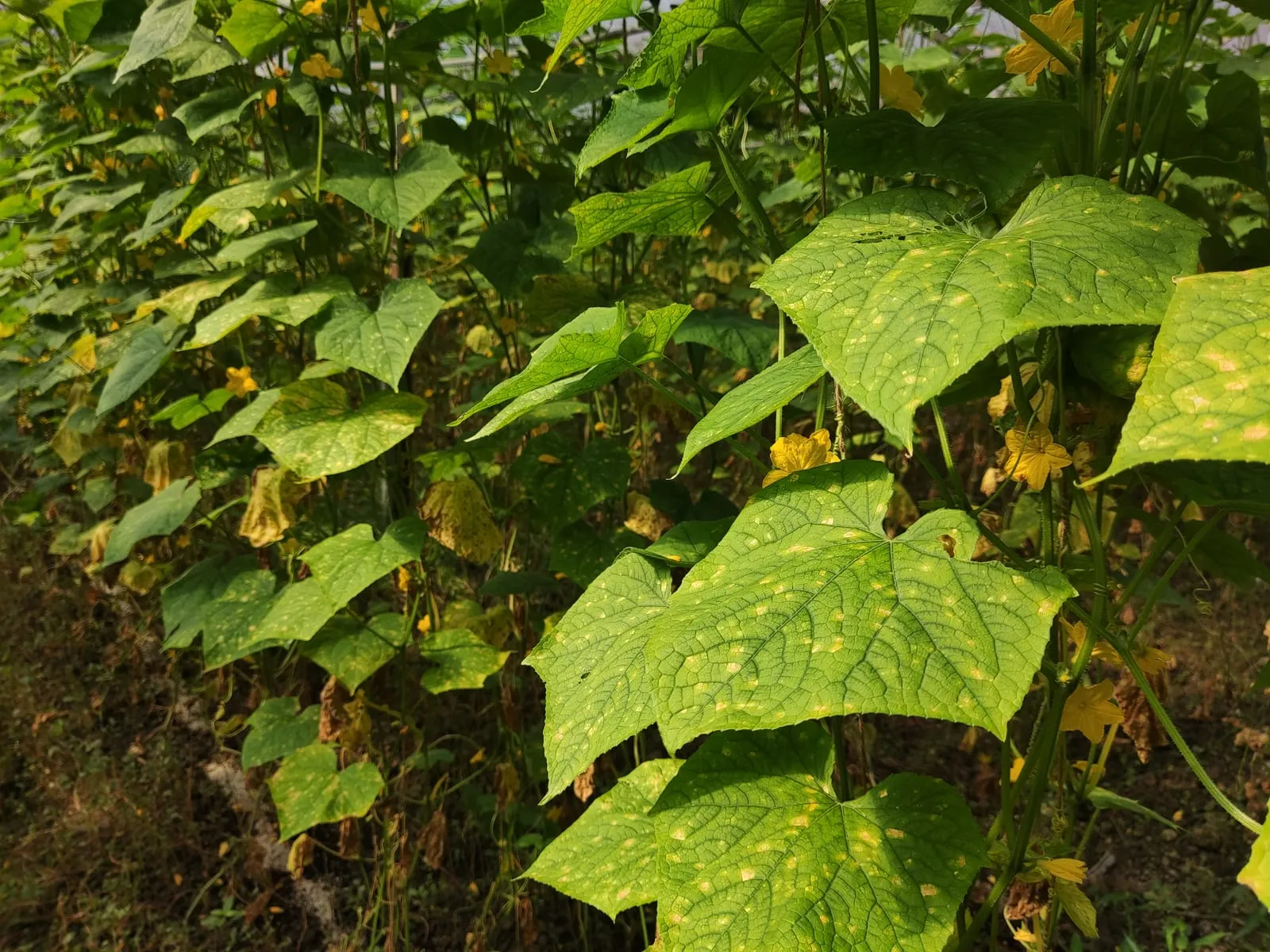
Pseudoperonospora cubensis (cucurbits) and others
Water mold (oomycete, not a true fungus) that thrives in cool damp conditions. Spreads rapidly through cucurbit and brassica plantings on wind-borne spores.
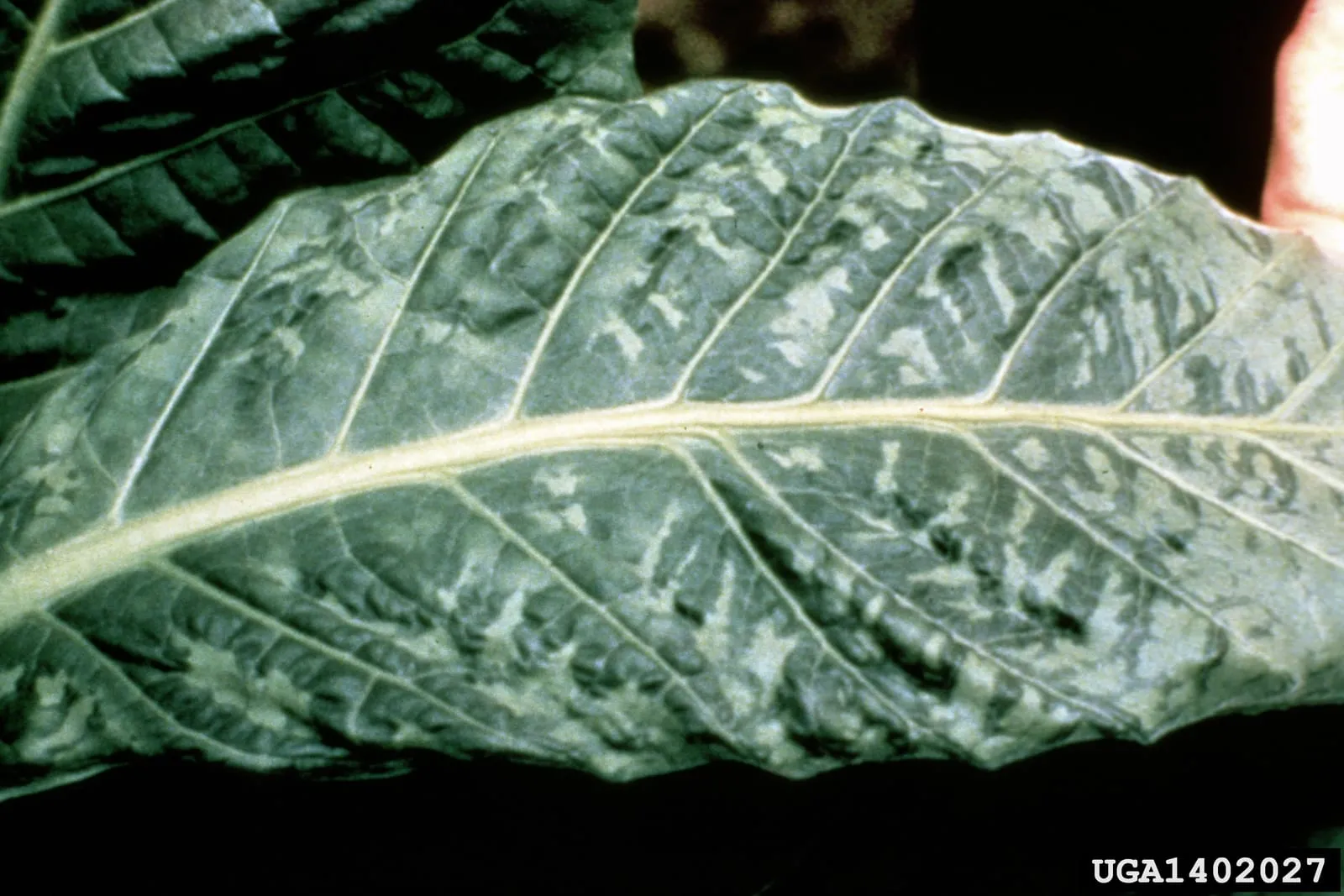
Cucumber mosaic virus, Tobacco mosaic virus, and others
Family of plant viruses producing mottled yellow-and-green leaf patterns. Vectored primarily by aphids; some are seed-transmitted or spread by handling tools and tobacco products.
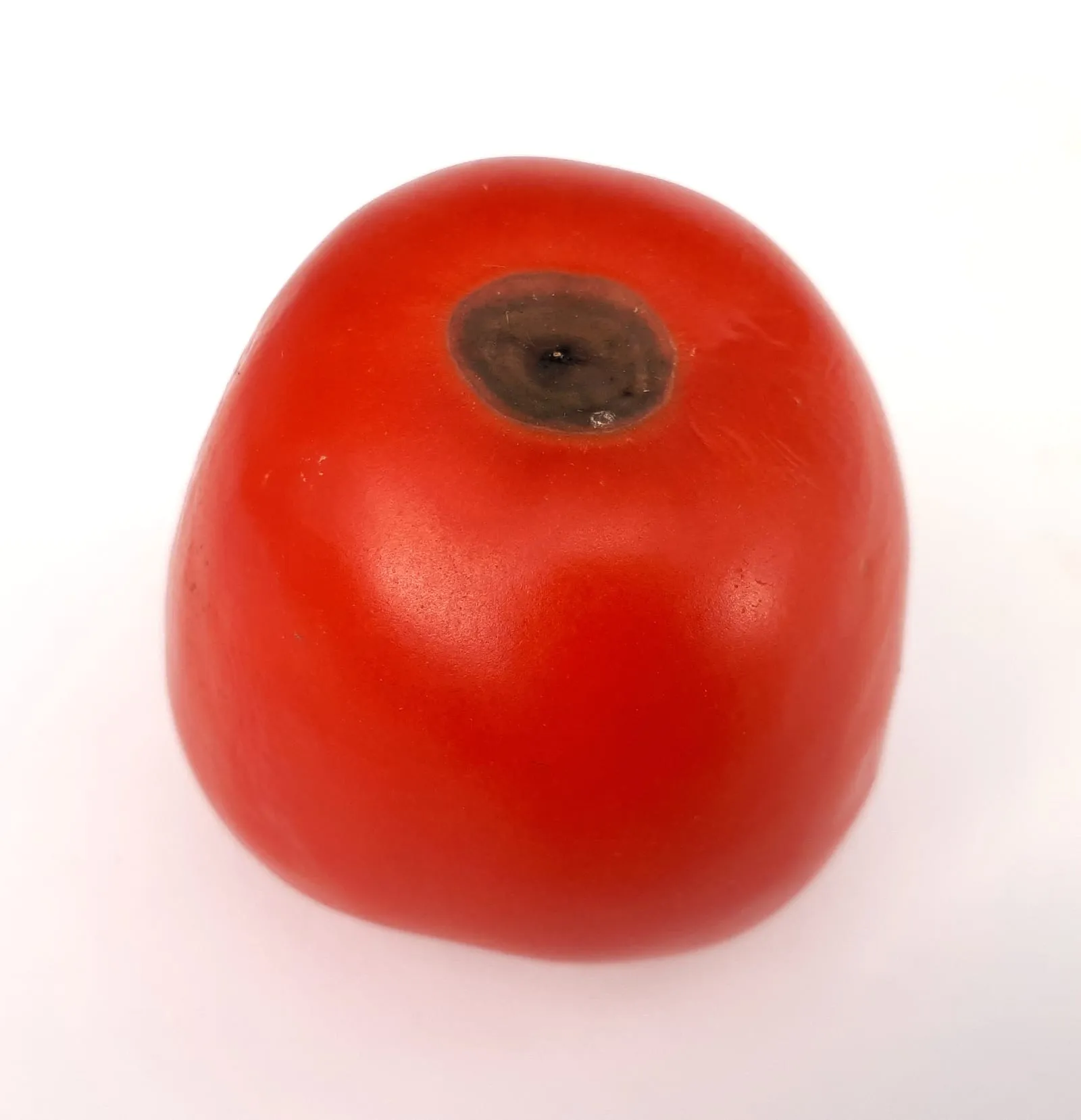
Calcium deficiency physiological disorder
Not a true disease but a calcium-uptake disorder caused by inconsistent soil moisture during fruit development. The dominant cause of damaged first-fruit on home tomato plantings.
Modified care for zone 5b
Growing melons successfully in zone 5b requires actively extending the effective warm season. Black plastic mulch applied before transplanting accelerates soil warming by 5 to 10°F compared to bare ground and suppresses weeds without the moisture competition that organic mulches can cause early in the season. Row covers over transplants during the first 3 to 4 weeks provide additional warmth and offer partial protection from cucumber beetles, which are the primary vector for Bacterial Wilt of Cucurbits. Once plants begin flowering, covers must be removed to allow pollinator access. Powdery mildew and downy mildew become more problematic in years with cool, humid summers, which are common in zone 5b. Adequate plant spacing for air circulation (at least 36 inches in all directions) reduces both diseases without chemical intervention. Selecting sites with full sun exposure and good air drainage is more effective in this zone than it would be in warmer climates, where the crop has more tolerance for suboptimal placement.
Frequently asked questions
- Can melons actually ripen in zone 5b?
Yes, with shorter-season varieties like Hale's Best (85 to 90 days from transplant) and prompt planting after last frost, melons can ripen before fall frost. The key constraints are soil temperature at transplant time and choosing a site with full sun and good heat retention.
- What is the main disease risk for melons in zone 5b?
Bacterial Wilt of Cucurbits is the most consequential disease because it can kill plants before harvest and has no cure once established. It spreads through cucumber beetle feeding. Controlling beetle populations early, using row covers before flowering, and removing infected plants promptly are the primary management strategies.
- Should melon seeds be direct-sown or started as transplants in zone 5b?
Transplants are strongly preferred in zone 5b. Starting seedlings indoors 3 to 4 weeks before last frost and transplanting after soil warms to 65°F recaptures 3 to 4 weeks of the growing season compared to direct sowing, which matters considerably at this latitude.
+−
+−
+−
Melon in adjacent zones
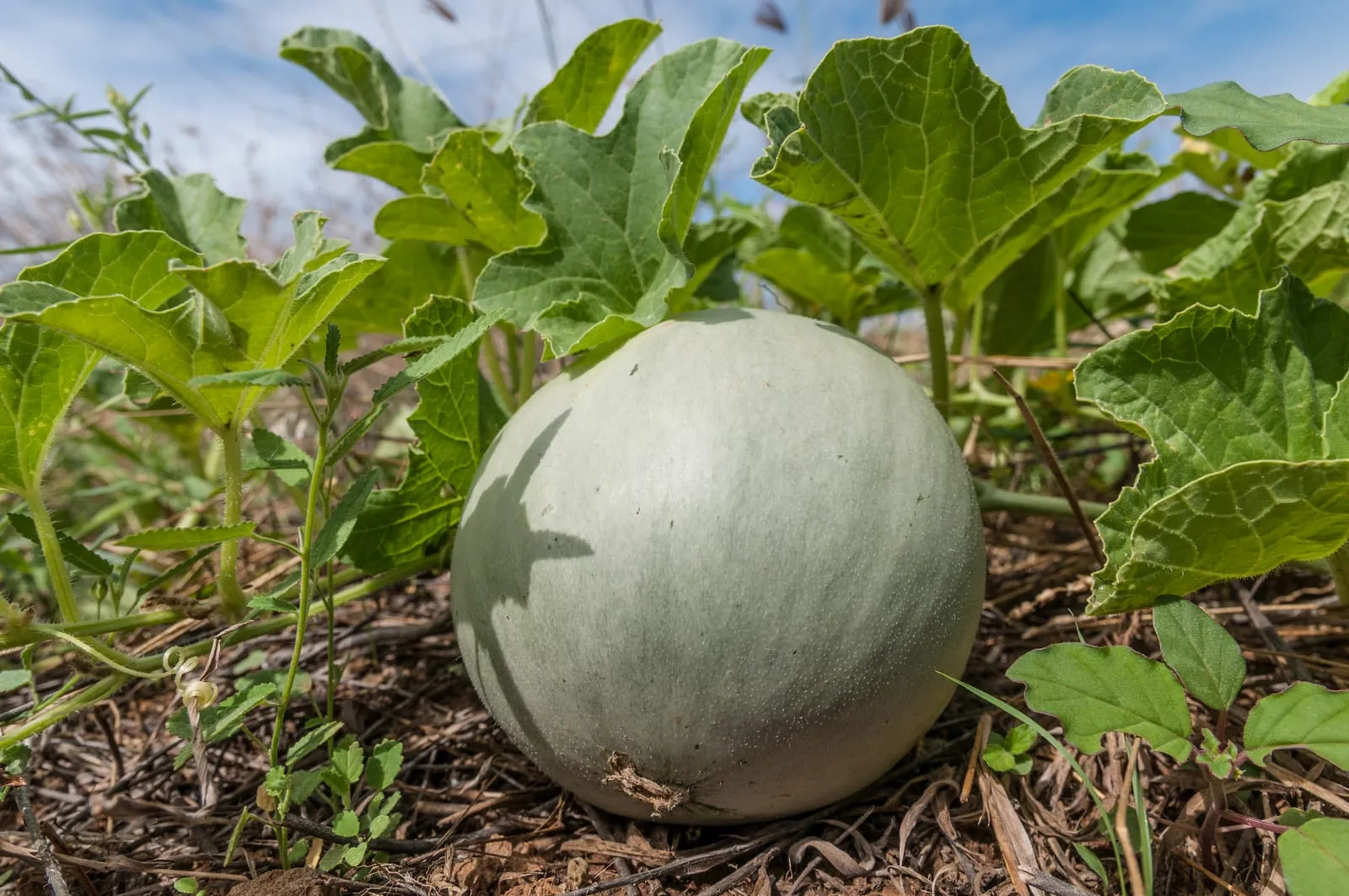
Image: "Cucumis melo 34", by Wilfredor, via Wikimedia Commons, licensed under CC0 Source.

Related