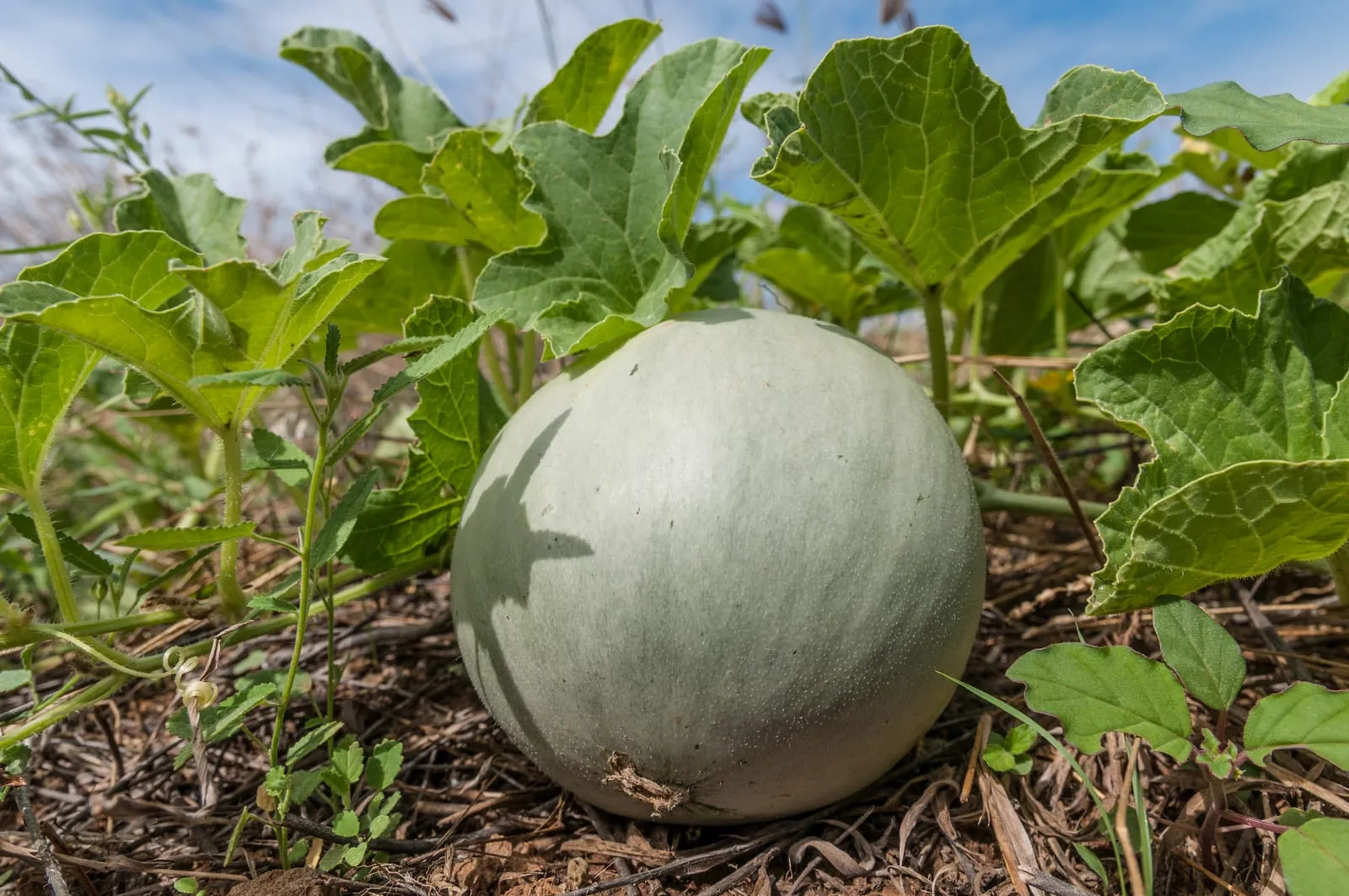
vegetable in zone 6a
Growing melon in zone 6a
Cucumis melo
- Zone
- 6a -10°F to -5°F
- Growing season
- 180 days
- Suitable varieties
- 4
- Days to harvest
- 75 to 100
The verdict
Zone 6a is workable for melons, but not a sweet spot. The 180-day growing season is long enough for shorter-season varieties, and last frost timing aligns reasonably with a late-May transplant window. The real constraint is heat accumulation, not calendar length. Melons need sustained warmth to build sugar, and zone 6a summers deliver that only on favorable sites. A south-facing slope, well-drained raised bed, or black plastic mulch can tip the balance toward a successful crop.
Hale's Best and Galia, both in the 75 to 80 day range, are the most reliable choices for this zone. Honeydew is a harder ask; its longer season and higher heat demand make consistently sweet fruit unlikely without ideal conditions. Charentais can succeed but is more temperamental about heat and moisture consistency. Growers in warmer pockets of zone 6a, sheltered from cold air drainage, will have more reliable results than those in low-lying or north-facing sites.
Recommended varieties for zone 6a
4 cultivars suited to this zone, with disease-resistance and zone-fit annotations.
| Variety | Notes | Zone fit | Disease resistance |
|---|---|---|---|
| Hale's Best fits zone 6a | Sweet, perfumed, deep cantaloupe flavor; classic salmon-fleshed netted melon. Fresh slicing, fruit salads. Heritage variety, productive, the home-garden cantaloupe standard. | | none noted |
| Charentais fits zone 6a | Intensely sweet, perfumed, complex; small French green-fleshed melon. Fresh out of hand, with prosciutto. Connoisseur's choice, picky about ripening but unmatched in flavor. | | none noted |
| Honeydew fits zone 6a | Sweet, cool, mild; smooth pale-skinned green-fleshed melon. Fresh slicing, fruit salads. Late-ripening, needs warm climate, stores longer than cantaloupe. | | none noted |
| Galia fits zone 6a | Sweet, perfumed, complex banana-pineapple notes; pale green flesh under netted skin. Fresh slicing, salads. Israeli-bred, productive in warm gardens. | | none noted |
Critical timing for zone 6a
Last frost in zone 6a typically falls between April 15 and May 1, though low-lying sites can see frost well into May. Melons should not go into the ground until soil temperature reaches at least 65°F at 4-inch depth, which in zone 6a usually means the last week of May or early June. Starting transplants indoors 3 to 4 weeks before the anticipated outdoor date gives seedlings a useful head start without producing overgrown, root-bound plants.
Bloom occurs roughly 50 to 60 days after transplanting, placing it in mid-to-late July for most zone 6a locations. At 75 to 80 days from transplant, harvest falls in late August to early September. First fall frost arrives around October 1 to 15 across much of zone 6a, leaving a workable margin but little buffer if the season runs late.
Common challenges in zone 6a
- ▸ Brown rot in stone fruit
- ▸ Japanese beetles
- ▸ Spring frost damage to peach buds
Disease pressure to watch for
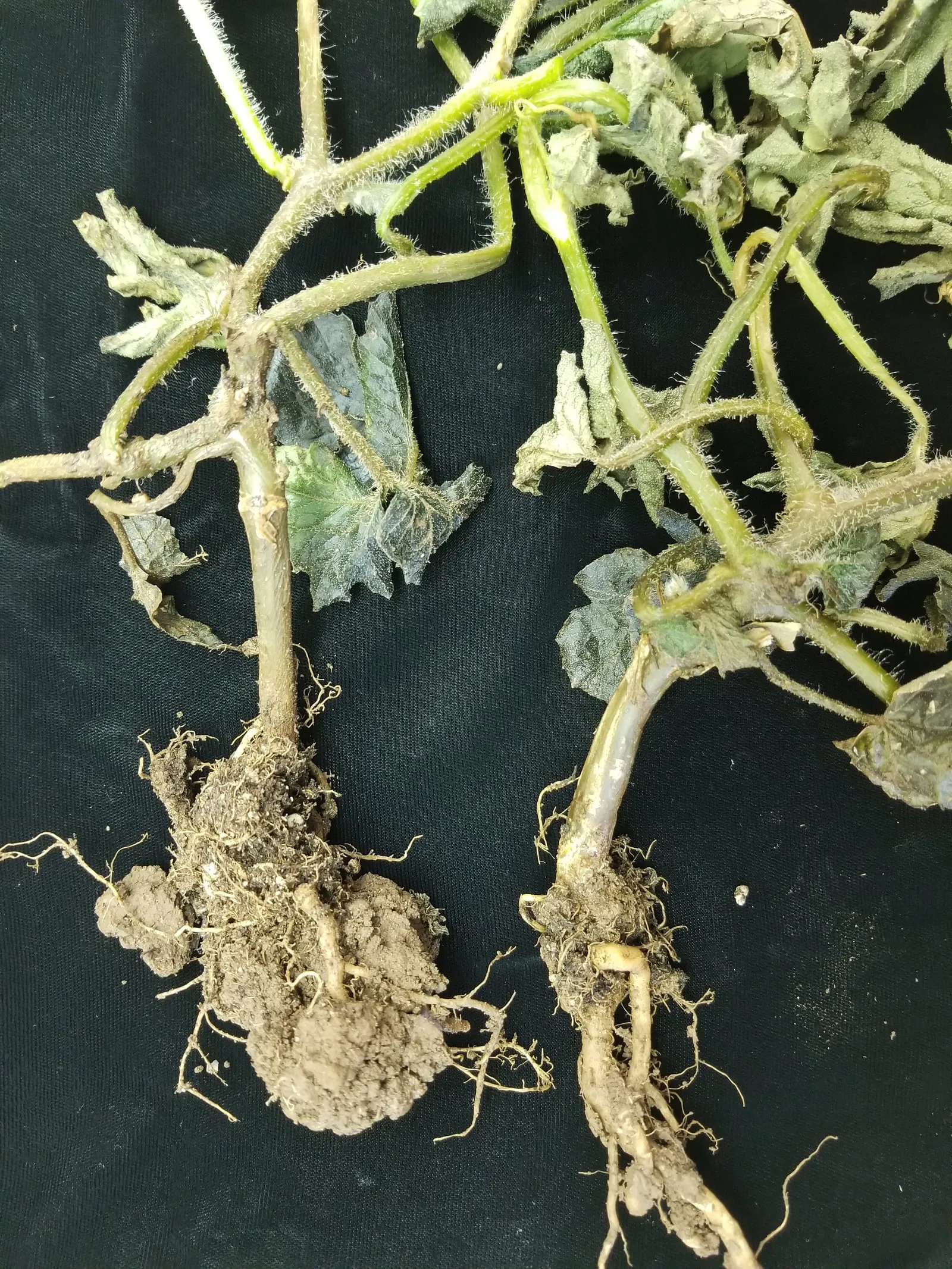
Erwinia tracheiphila
Bacterial disease vectored exclusively by cucumber beetles. Once a plant is infected there is no recovery; whole-plant collapse follows.
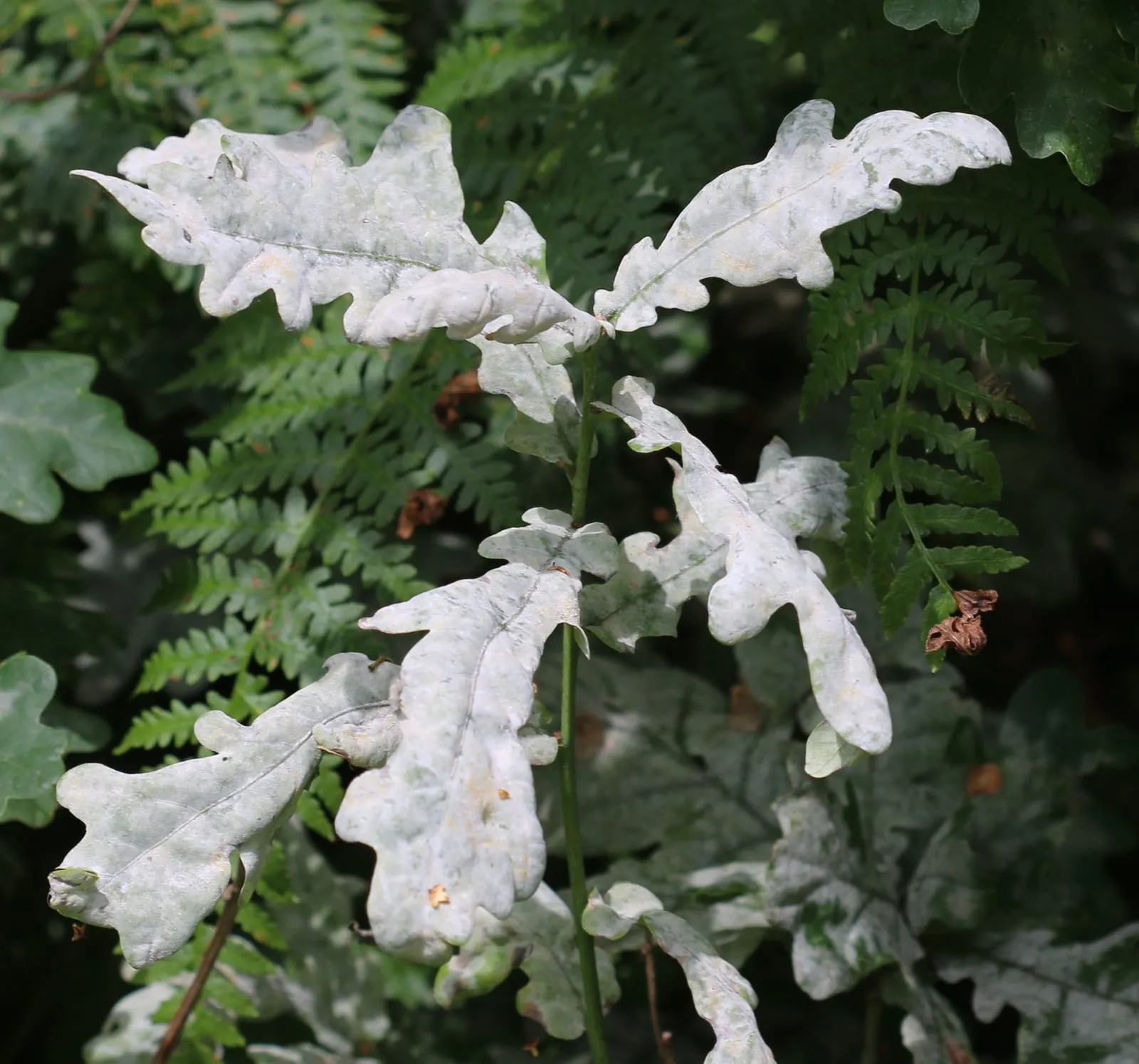
Multiple species (Erysiphales)
Surface-feeding fungal disease producing white powdery growth on leaves and stems. Reduces yield by stealing photosynthate and accelerating senescence.
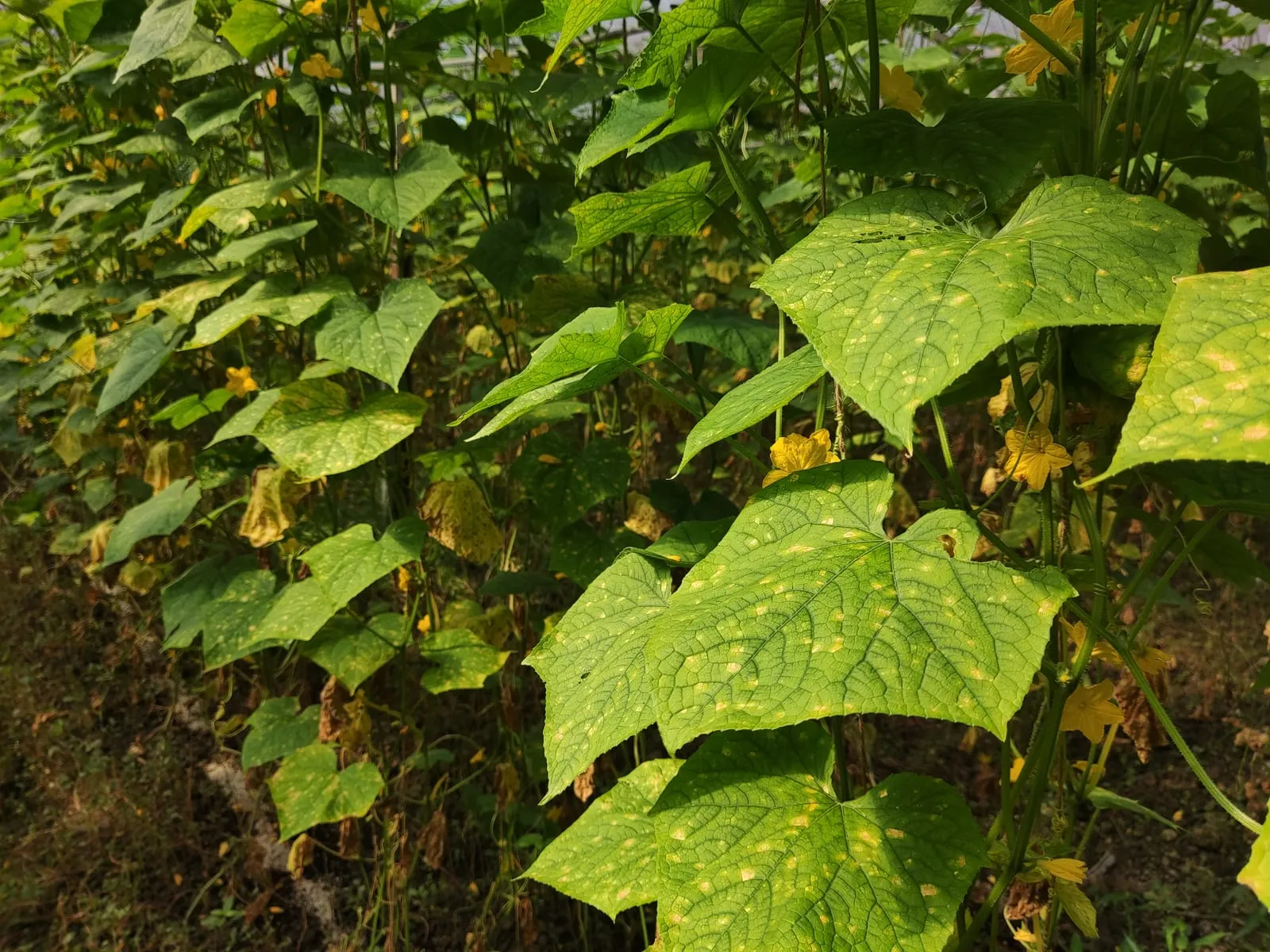
Pseudoperonospora cubensis (cucurbits) and others
Water mold (oomycete, not a true fungus) that thrives in cool damp conditions. Spreads rapidly through cucurbit and brassica plantings on wind-borne spores.
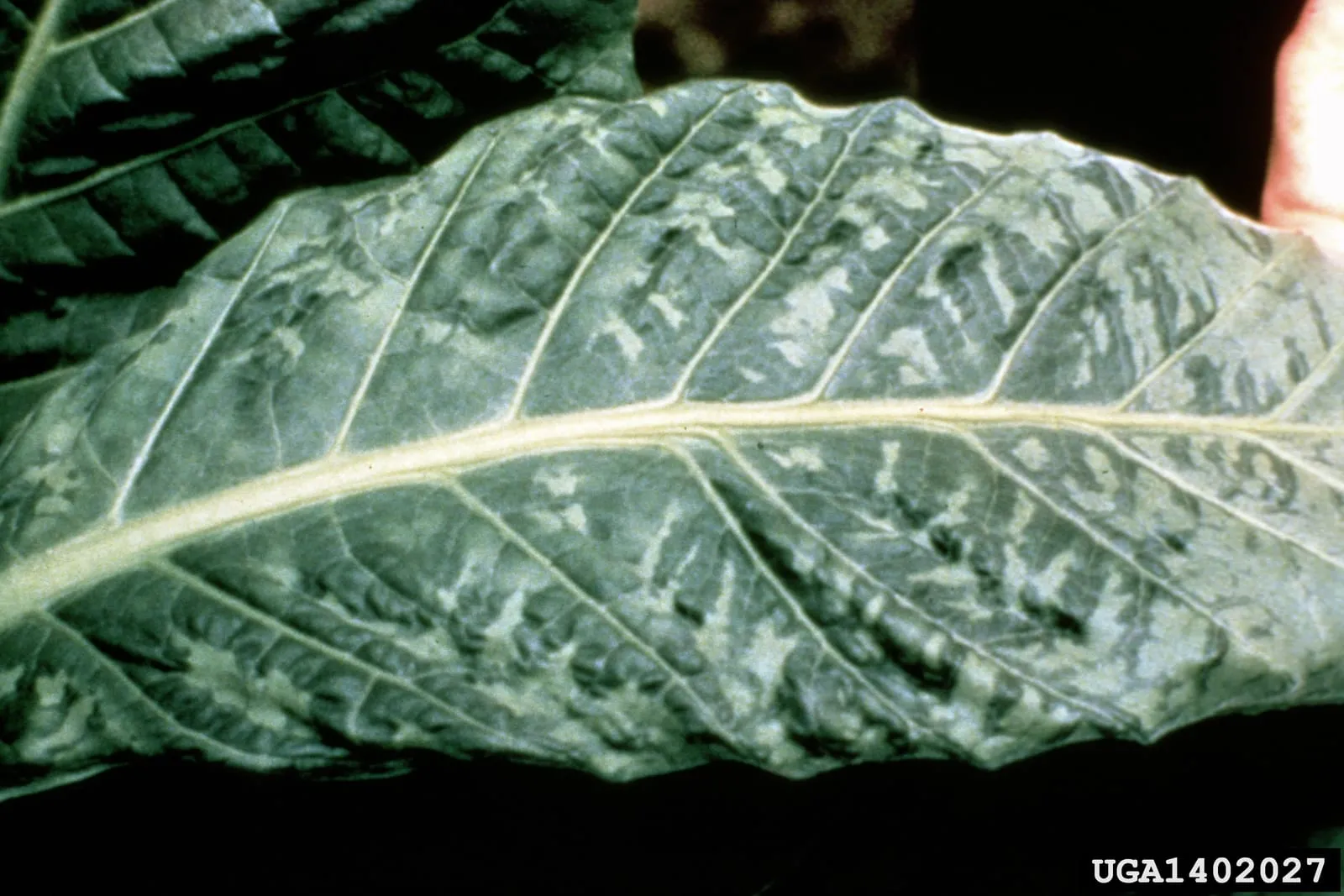
Cucumber mosaic virus, Tobacco mosaic virus, and others
Family of plant viruses producing mottled yellow-and-green leaf patterns. Vectored primarily by aphids; some are seed-transmitted or spread by handling tools and tobacco products.
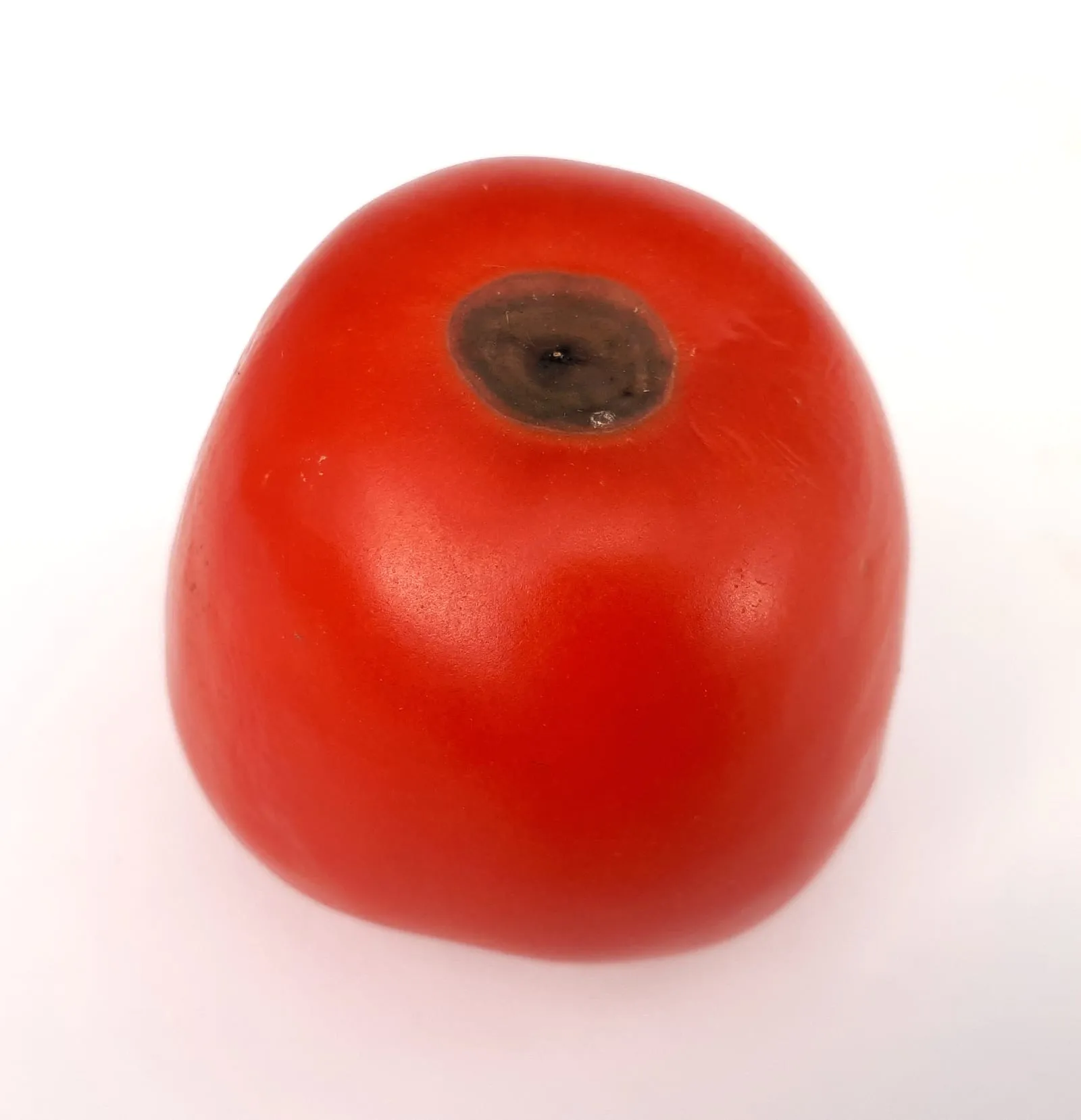
Calcium deficiency physiological disorder
Not a true disease but a calcium-uptake disorder caused by inconsistent soil moisture during fruit development. The dominant cause of damaged first-fruit on home tomato plantings.
Modified care for zone 6a
The most important zone 6a adjustment is soil warming. Black plastic mulch laid two weeks before transplanting raises soil temperature by 5 to 10°F and holds it through the season, meaningfully expanding the effective heat window. Raised beds amplify this effect and improve drainage, which matters for disease management.
Row covers from transplant through first bloom protect against cucumber beetles; covers must come off at bloom for pollination. Bacterial wilt, spread exclusively by cucumber beetles, is the most damaging disease risk in this climate. Controlling beetle populations early in the season is more effective than attempting to manage wilt after infection has taken hold. Powdery mildew and downy mildew appear later in summer; generous plant spacing and avoiding overhead irrigation reduce both. Japanese beetles feed on foliage but rarely threaten fruit set in melons; hand removal or a targeted application on heavily infested vines is generally sufficient.
Melon in adjacent zones
Image: "Cucumis melo 34", by Wilfredor, via Wikimedia Commons, licensed under CC0 Source.

Related