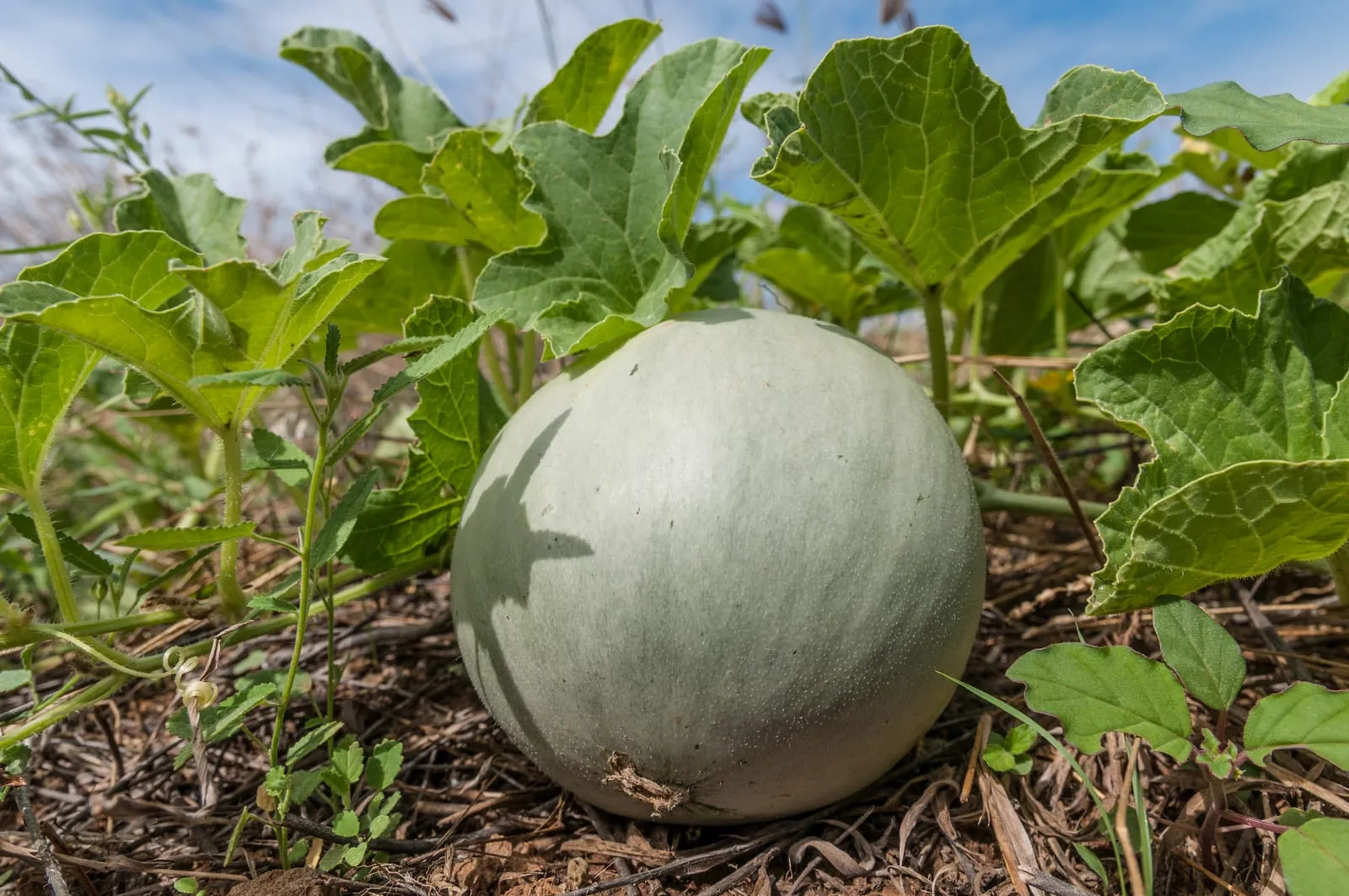
vegetable in zone 6b
Growing melon in zone 6b
Cucumis melo
- Zone
- 6b -5°F to 0°F
- Growing season
- 190 days
- Suitable varieties
- 4
- Days to harvest
- 75 to 100
The verdict
Zone 6b sits at the northern fringe of reliable melon production. The 190-day frost-free season is workable, but heat accumulation rather than winter cold is the real constraint. Unlike deciduous tree fruits, melons have no chill-hour requirement; the -5 to 0°F winter lows are irrelevant to an annual crop. What matters is sustained warmth from transplant through fruit maturation.
Variety choice largely determines success here. Galia (70 to 85 days) and Charentais (75 to 80 days) reach harvest well before fall temperatures drop. Honeydew, which often needs 95 to 100 days of warm conditions to develop full sweetness, is marginal; even with a good season it frequently comes in flat-flavored in zone 6b. Hale's Best at 85 to 90 days is feasible with an early start.
Overall, zone 6b is not a sweet spot for melons, but it is not a write-off either. Growers who start transplants indoors, warm the soil before planting, and select short-season varieties get consistent results.
Recommended varieties for zone 6b
4 cultivars suited to this zone, with disease-resistance and zone-fit annotations.
| Variety | Notes | Zone fit | Disease resistance |
|---|---|---|---|
| Hale's Best fits zone 6b | Sweet, perfumed, deep cantaloupe flavor; classic salmon-fleshed netted melon. Fresh slicing, fruit salads. Heritage variety, productive, the home-garden cantaloupe standard. | | none noted |
| Charentais fits zone 6b | Intensely sweet, perfumed, complex; small French green-fleshed melon. Fresh out of hand, with prosciutto. Connoisseur's choice, picky about ripening but unmatched in flavor. | | none noted |
| Honeydew fits zone 6b | Sweet, cool, mild; smooth pale-skinned green-fleshed melon. Fresh slicing, fruit salads. Late-ripening, needs warm climate, stores longer than cantaloupe. | | none noted |
| Galia fits zone 6b | Sweet, perfumed, complex banana-pineapple notes; pale green flesh under netted skin. Fresh slicing, salads. Israeli-bred, productive in warm gardens. | | none noted |
Critical timing for zone 6b
The last spring frost in zone 6b typically falls between April 15 and May 1, but melon transplants should not go out until soil temperatures are reliably at 65°F or above, which generally pushes outdoor planting to mid-May. Starting transplants indoors 3 to 4 weeks before the anticipated transplant date is standard practice at this latitude.
Flowering begins in late June to early July for early-started plants. Fruit set follows within 2 to 3 weeks of pollination. Charentais and Galia growers can expect harvest in mid to late August. Honeydew and longer-season types may not reach full maturity until mid-September, which leaves thin margin against the first fall frost, typically arriving in late October in zone 6b. Any delay in spring planting or a cool July compresses that window further.
Common challenges in zone 6b
- ▸ Cedar-apple rust
- ▸ Fire blight
- ▸ Stink bugs
Disease pressure to watch for
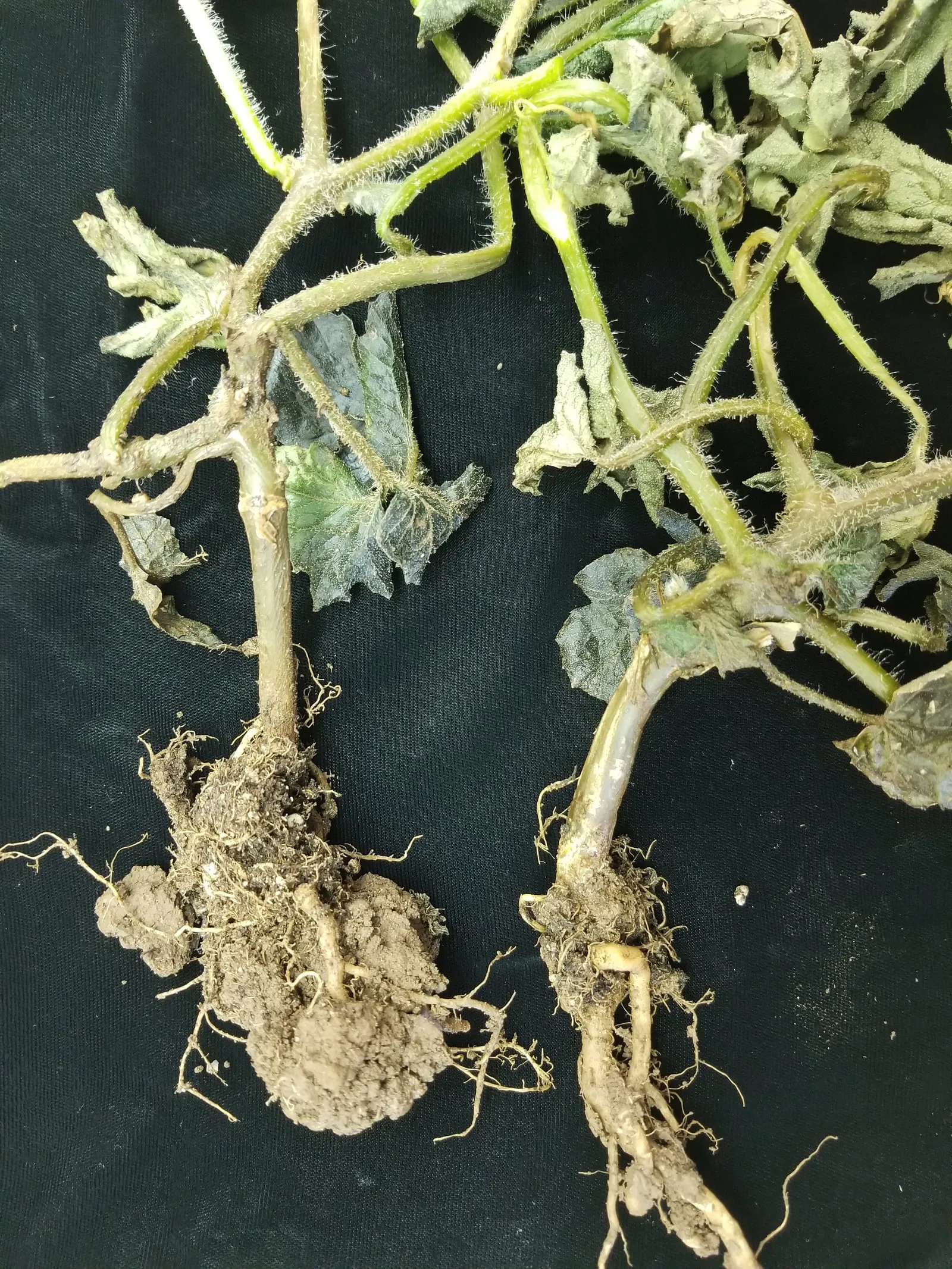
Erwinia tracheiphila
Bacterial disease vectored exclusively by cucumber beetles. Once a plant is infected there is no recovery; whole-plant collapse follows.
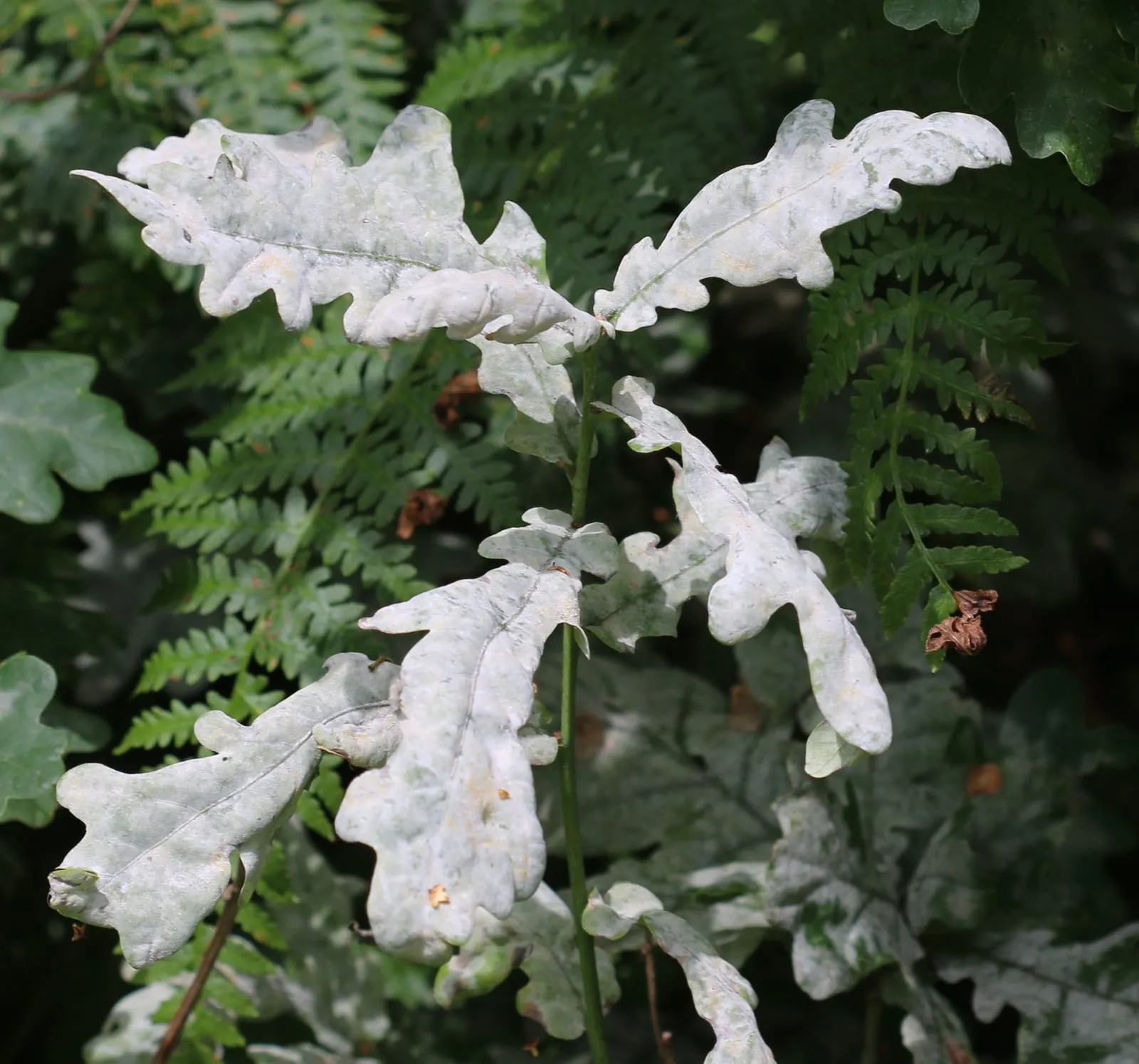
Multiple species (Erysiphales)
Surface-feeding fungal disease producing white powdery growth on leaves and stems. Reduces yield by stealing photosynthate and accelerating senescence.
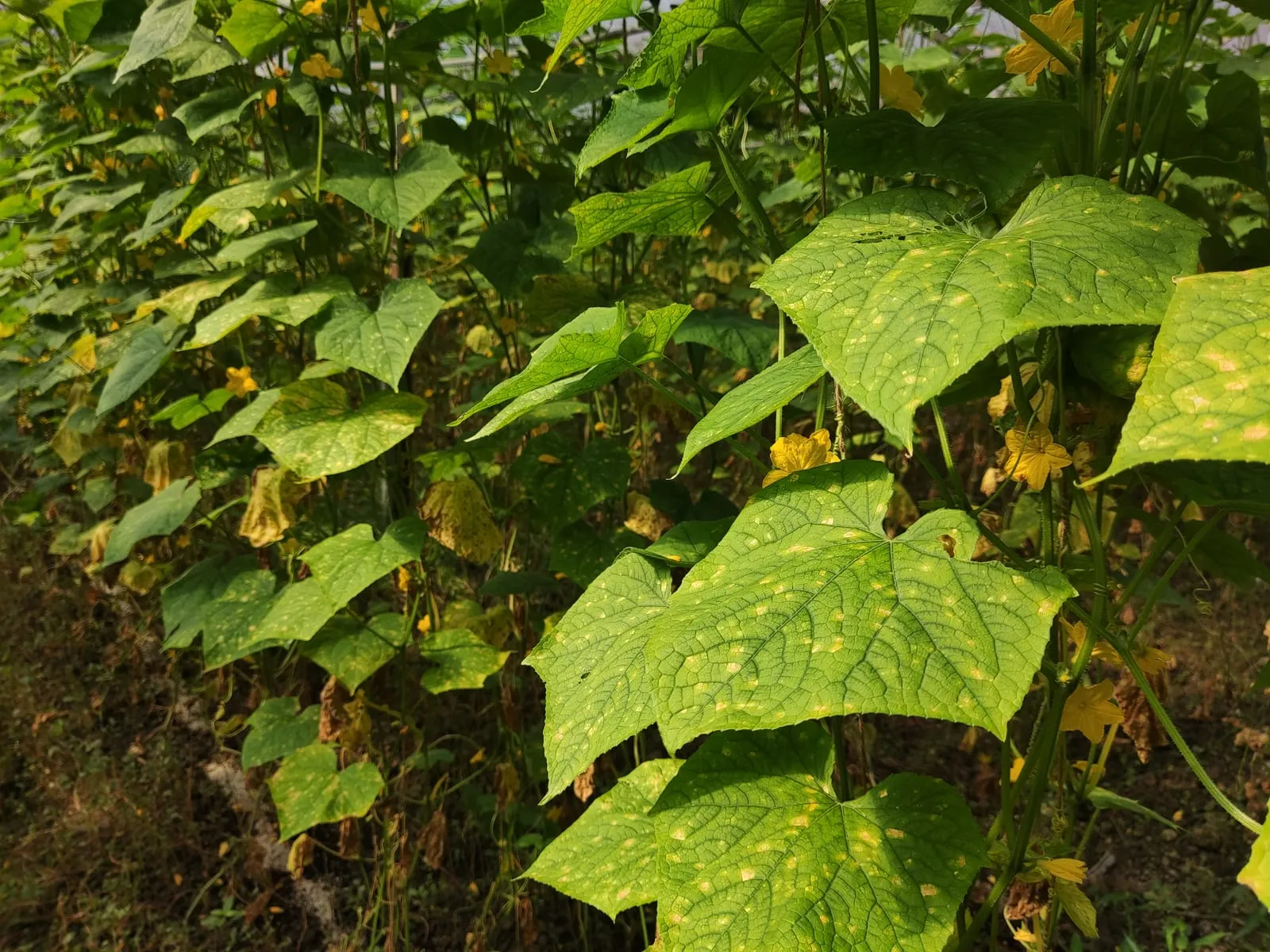
Pseudoperonospora cubensis (cucurbits) and others
Water mold (oomycete, not a true fungus) that thrives in cool damp conditions. Spreads rapidly through cucurbit and brassica plantings on wind-borne spores.
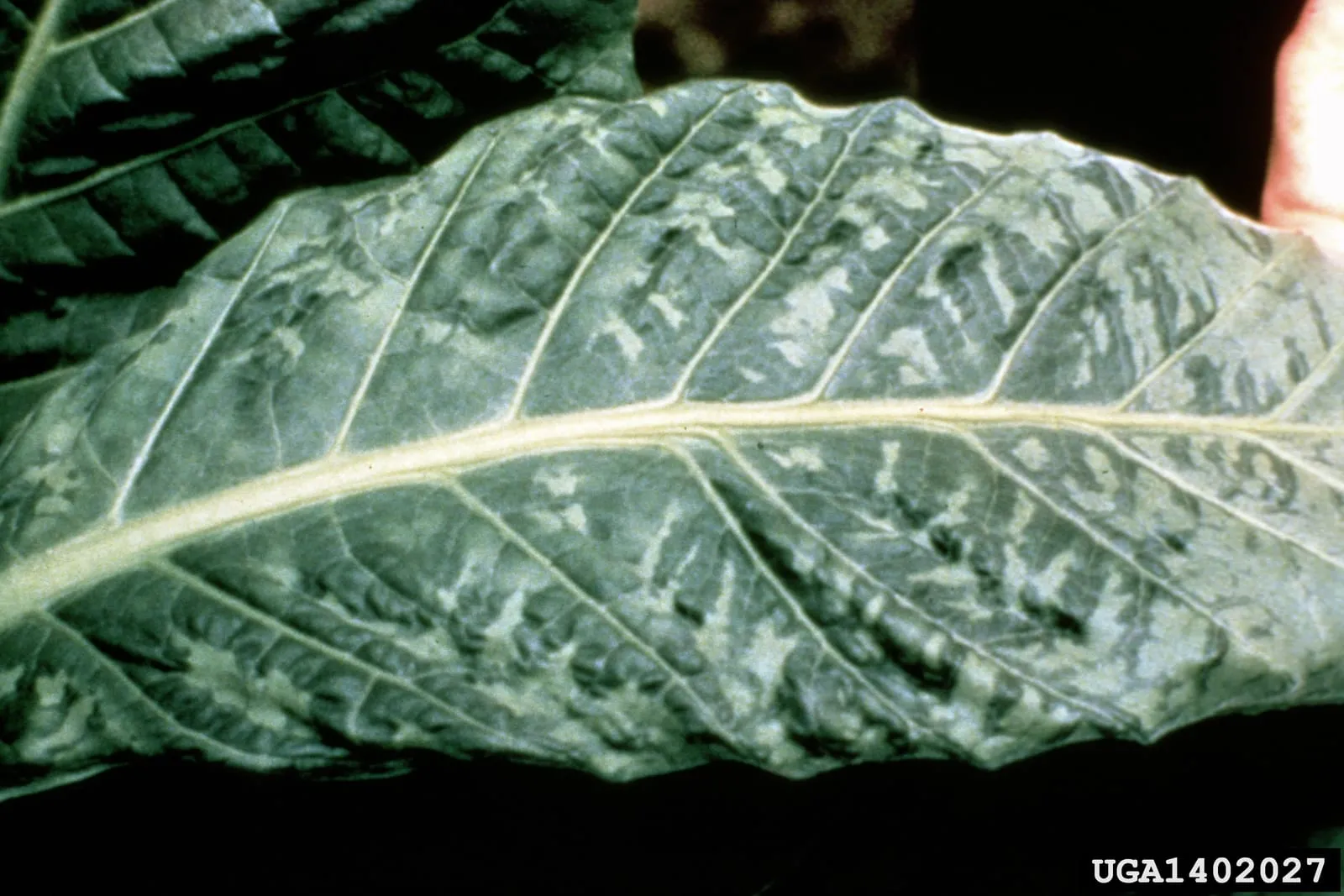
Cucumber mosaic virus, Tobacco mosaic virus, and others
Family of plant viruses producing mottled yellow-and-green leaf patterns. Vectored primarily by aphids; some are seed-transmitted or spread by handling tools and tobacco products.
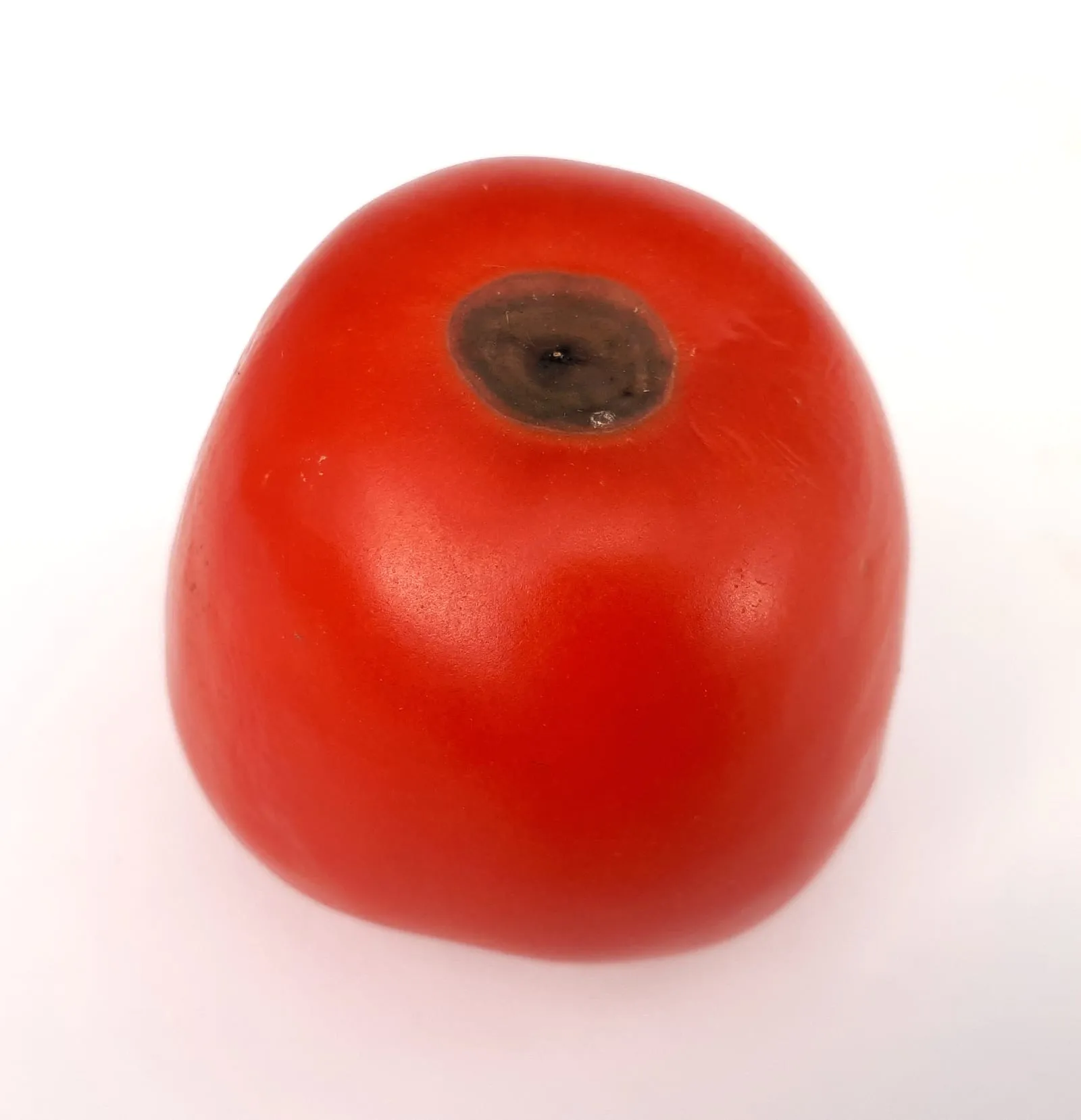
Calcium deficiency physiological disorder
Not a true disease but a calcium-uptake disorder caused by inconsistent soil moisture during fruit development. The dominant cause of damaged first-fruit on home tomato plantings.
Modified care for zone 6b
Three adjustments matter most in zone 6b. First, start transplants indoors 3 to 4 weeks before the last frost date and lay black plastic mulch before planting to push soil temperatures up quickly. Melons transplanted into soil below 65°F stall and become more susceptible to disease, regardless of air temperature.
Second, select varieties with 80 days or fewer to maturity. Charentais and Galia offer the best buffer against early fall frost; Honeydew carries real risk of a marginal harvest in a short or cool season.
Third, manage cucumber beetles from transplant through first bloom, because they are the primary vector for Bacterial Wilt of Cucurbits. A wilt infection in a zone 6b garden leaves no time to replant. Row covers applied at transplanting and removed when flowers open for pollination are the most reliable non-chemical option. Powdery mildew and downy mildew intensify in humid late-August conditions common across much of zone 6b; prioritize resistant varieties and maintain canopy airflow by pruning crowded secondary vines.
Frequently asked questions
- Can melons be direct-seeded outdoors in zone 6b?
Technically yes, but the risk is high. Direct seeding delays outdoor establishment by 3 to 4 weeks compared to transplants, which can push harvest for longer-season varieties past the first fall frost. Starting transplants indoors is the standard approach for zone 6b and colder.
- Which melon variety performs most reliably in zone 6b?
Charentais and Galia consistently perform well at this latitude. Both mature in 75 to 85 days and produce intensely flavored fruit that does not depend on an extended warm fall to finish. Hale's Best is a reasonable second choice at 85 to 90 days.
- Does Bacterial Wilt of Cucurbits overwinter in zone 6b soil?
No. The bacterium that causes bacterial wilt does not persist in soil; it overwinters inside cucumber beetles. Controlling the beetle population is the only effective prevention. Crop rotation does not protect against wilt the way it does against soilborne pathogens.
+−
+−
+−
Melon in adjacent zones
Image: "Cucumis melo 34", by Wilfredor, via Wikimedia Commons, licensed under CC0 Source.

Related