vegetable in zone 7a
Growing melon in zone 7a
Cucumis melo
- Zone
- 7a 0°F to 5°F
- Growing season
- 210 days
- Suitable varieties
- 4
- Days to harvest
- 75 to 100
The verdict
Zone 7a sits on the warmer edge of what most melon growers would call adequate territory. With a 210-day growing season and summers that routinely push into the upper 80s and 90s, heat accumulation is sufficient for most muskmelon and specialty melon varieties. Unlike fruit trees, melons have no chill-hour requirement; the relevant metrics are heat units and frost-free days. Zone 7a's frost-free window of roughly 170 to 180 days comfortably exceeds what most varieties need.
Hale's Best and Galia, both shorter-season types, finish reliably here. Honeydew and Charentais, which want extended heat for full sugar development, are workable but benefit from black plastic mulch to boost soil temperatures during establishment. The zone's high humidity is the real limiting variable: downy mildew and powdery mildew can shorten effective growing seasons in wet years, making disease management more consequential than any cold-hardiness concern.
Recommended varieties for zone 7a
4 cultivars suited to this zone, with disease-resistance and zone-fit annotations.
| Variety | Notes | Zone fit | Disease resistance |
|---|---|---|---|
| Hale's Best fits zone 7a | Sweet, perfumed, deep cantaloupe flavor; classic salmon-fleshed netted melon. Fresh slicing, fruit salads. Heritage variety, productive, the home-garden cantaloupe standard. | | none noted |
| Charentais fits zone 7a | Intensely sweet, perfumed, complex; small French green-fleshed melon. Fresh out of hand, with prosciutto. Connoisseur's choice, picky about ripening but unmatched in flavor. | | none noted |
| Honeydew fits zone 7a | Sweet, cool, mild; smooth pale-skinned green-fleshed melon. Fresh slicing, fruit salads. Late-ripening, needs warm climate, stores longer than cantaloupe. | | none noted |
| Galia fits zone 7a | Sweet, perfumed, complex banana-pineapple notes; pale green flesh under netted skin. Fresh slicing, salads. Israeli-bred, productive in warm gardens. | | none noted |
Critical timing for zone 7a
Zone 7a's last spring frost typically falls between late March and mid-April, averaging around April 10 to 15 depending on location within the zone. Transplants go out after that window closes, usually in early to mid-May. Direct seeding is viable once soil temperatures reach 65°F, which occurs around the same period. Flowering begins 40 to 50 days after transplanting, placing bloom for most zone 7a plantings between mid-June and mid-July.
Fruit set and ripening follow 35 to 45 days after pollination. Hale's Best and Galia reach harvest by mid-August; Honeydew and Charentais typically mature late August into September. The first fall frost arrives in late October to early November, leaving a comfortable buffer for most varieties to finish even in a slow season.
Common challenges in zone 7a
- ▸ Cedar-apple rust
- ▸ Brown rot
- ▸ Fire blight
- ▸ High humidity disease pressure
Disease pressure to watch for
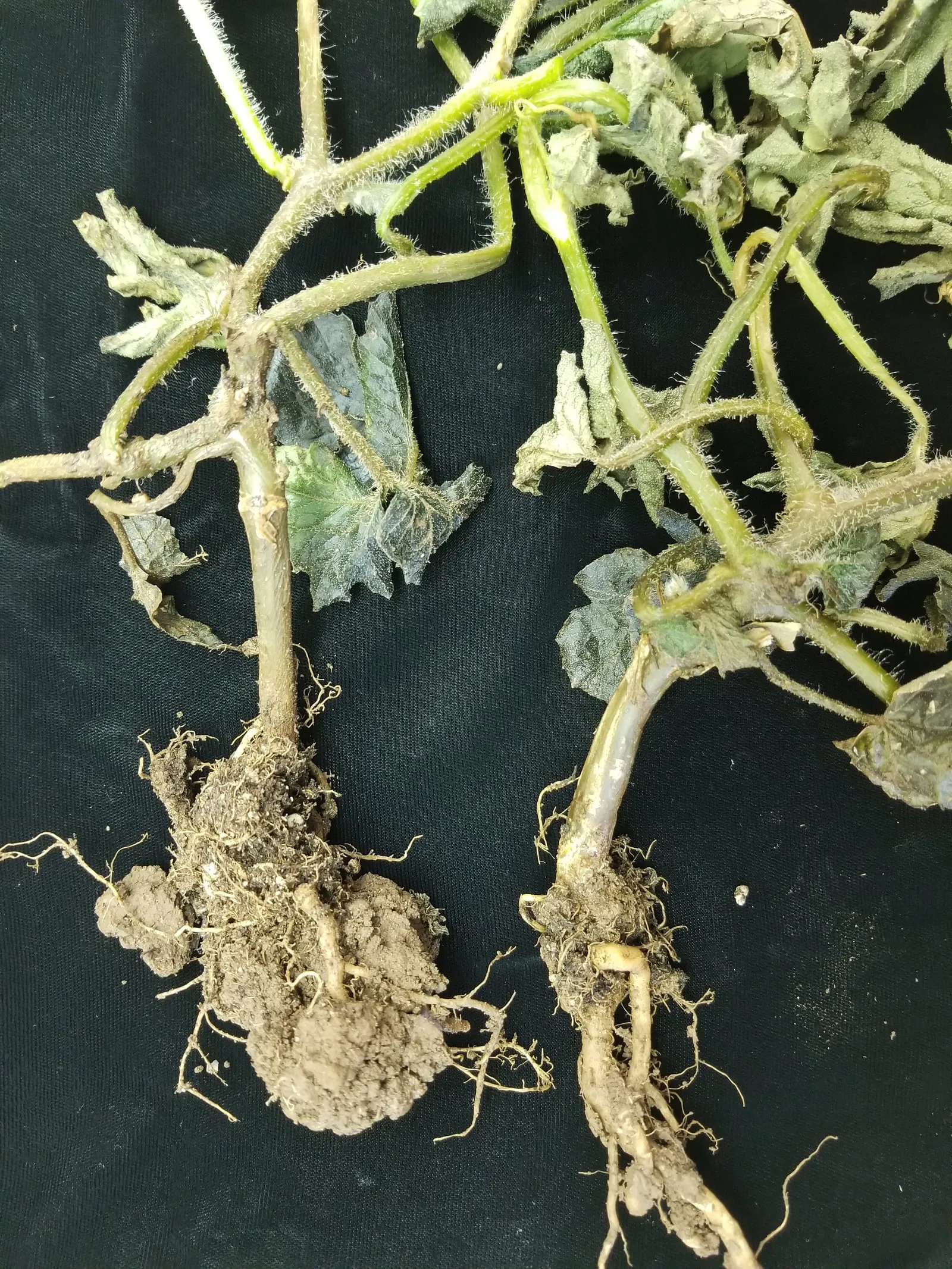
Erwinia tracheiphila
Bacterial disease vectored exclusively by cucumber beetles. Once a plant is infected there is no recovery; whole-plant collapse follows.
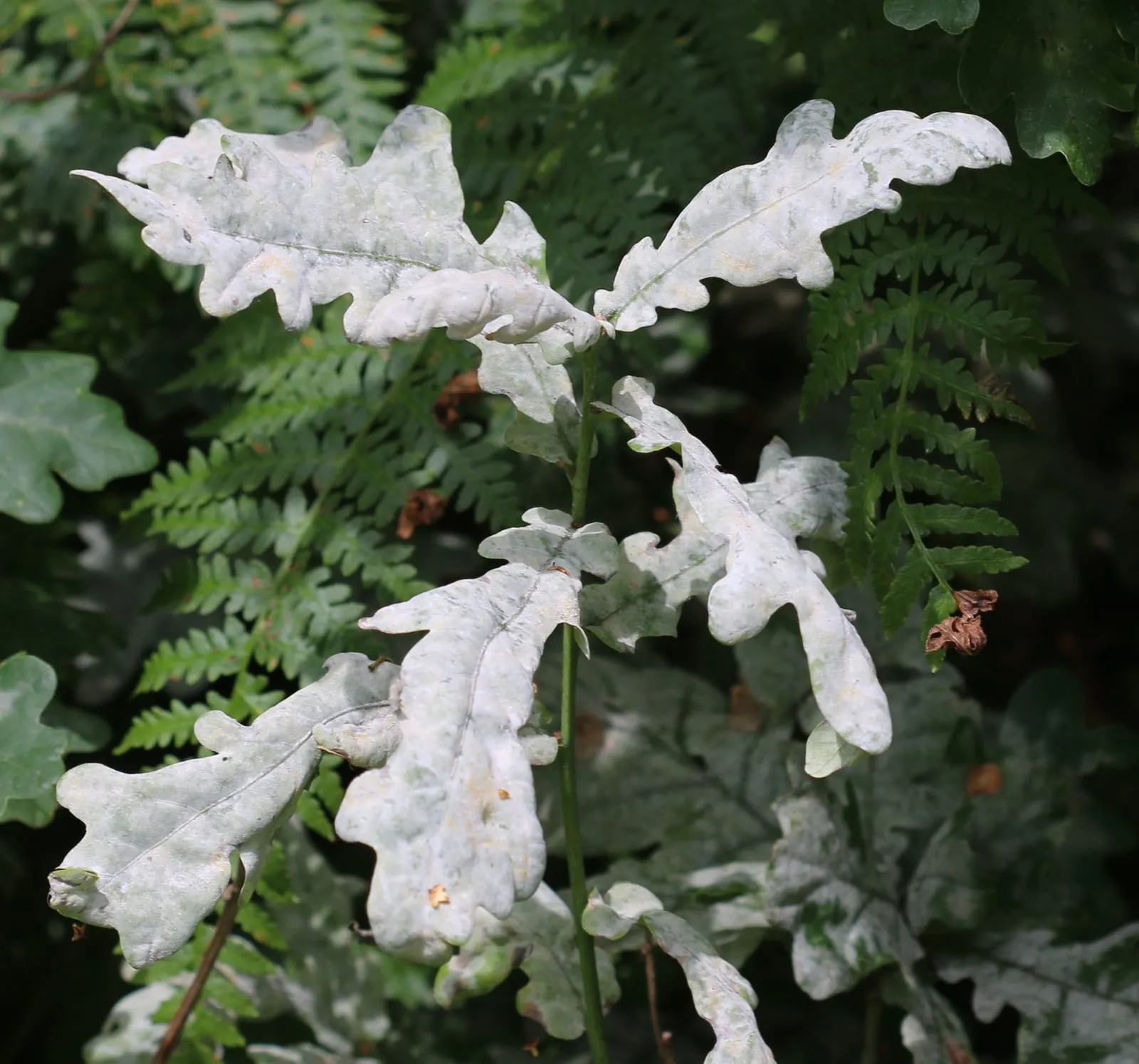
Multiple species (Erysiphales)
Surface-feeding fungal disease producing white powdery growth on leaves and stems. Reduces yield by stealing photosynthate and accelerating senescence.
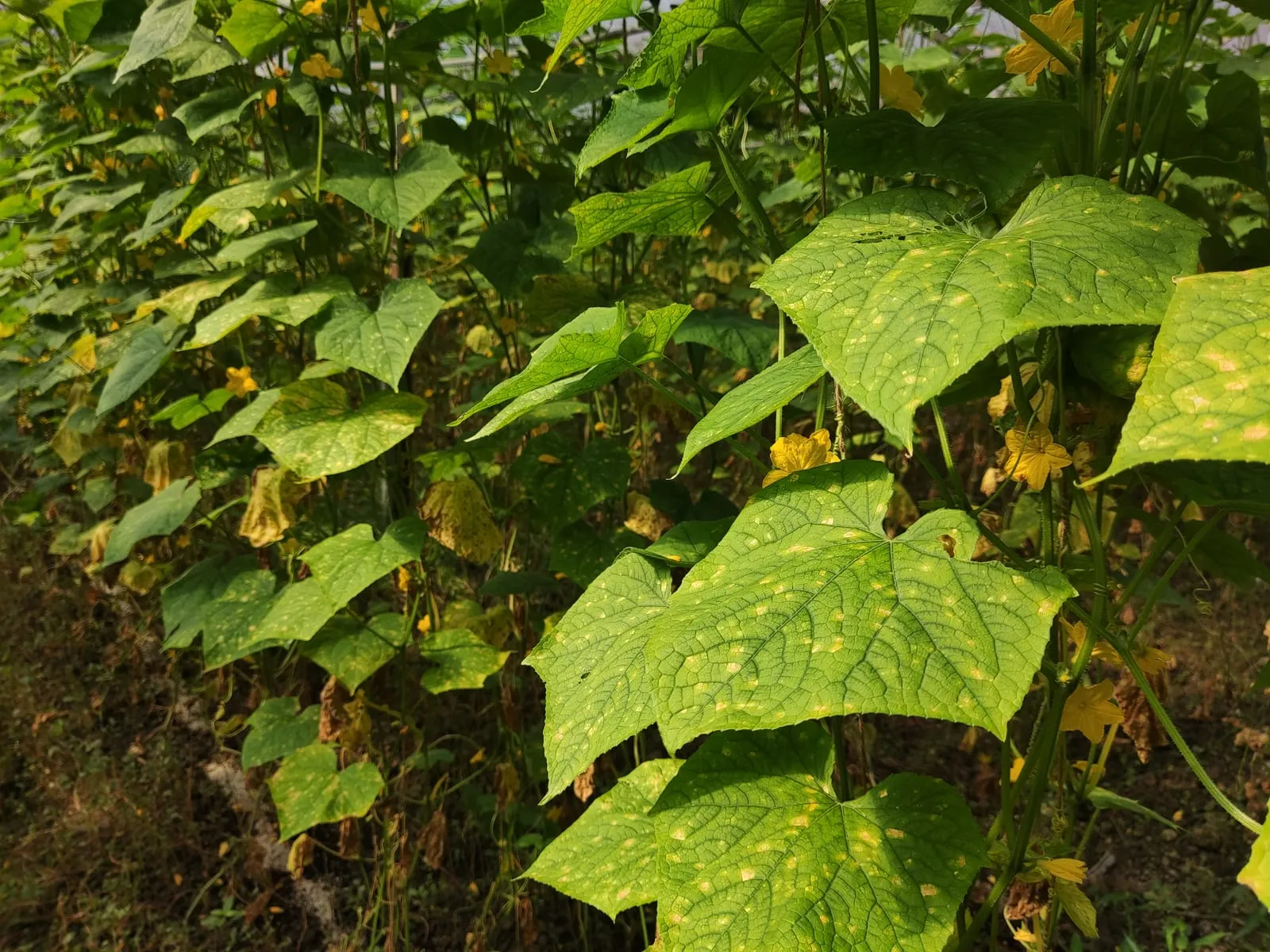
Pseudoperonospora cubensis (cucurbits) and others
Water mold (oomycete, not a true fungus) that thrives in cool damp conditions. Spreads rapidly through cucurbit and brassica plantings on wind-borne spores.
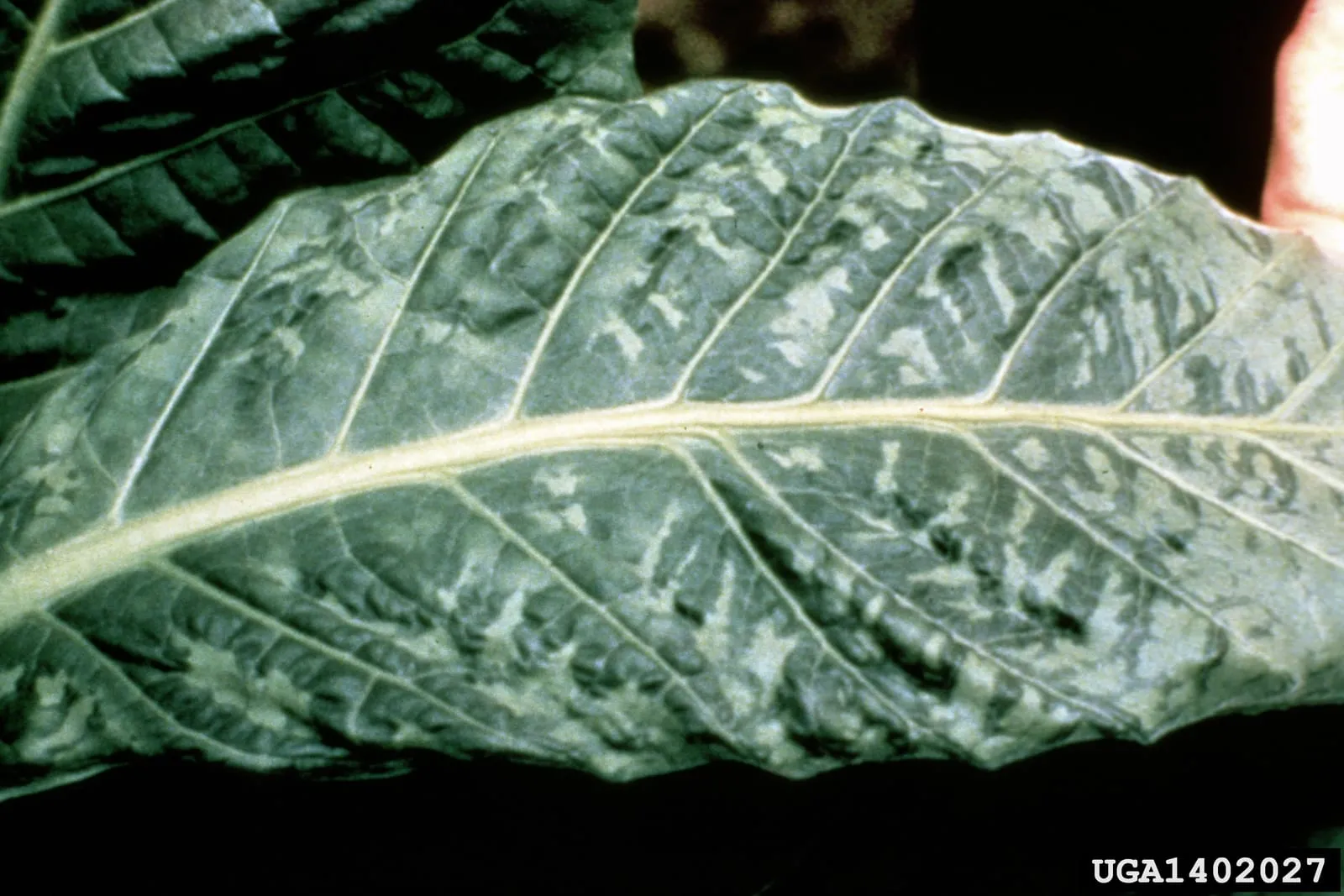
Cucumber mosaic virus, Tobacco mosaic virus, and others
Family of plant viruses producing mottled yellow-and-green leaf patterns. Vectored primarily by aphids; some are seed-transmitted or spread by handling tools and tobacco products.
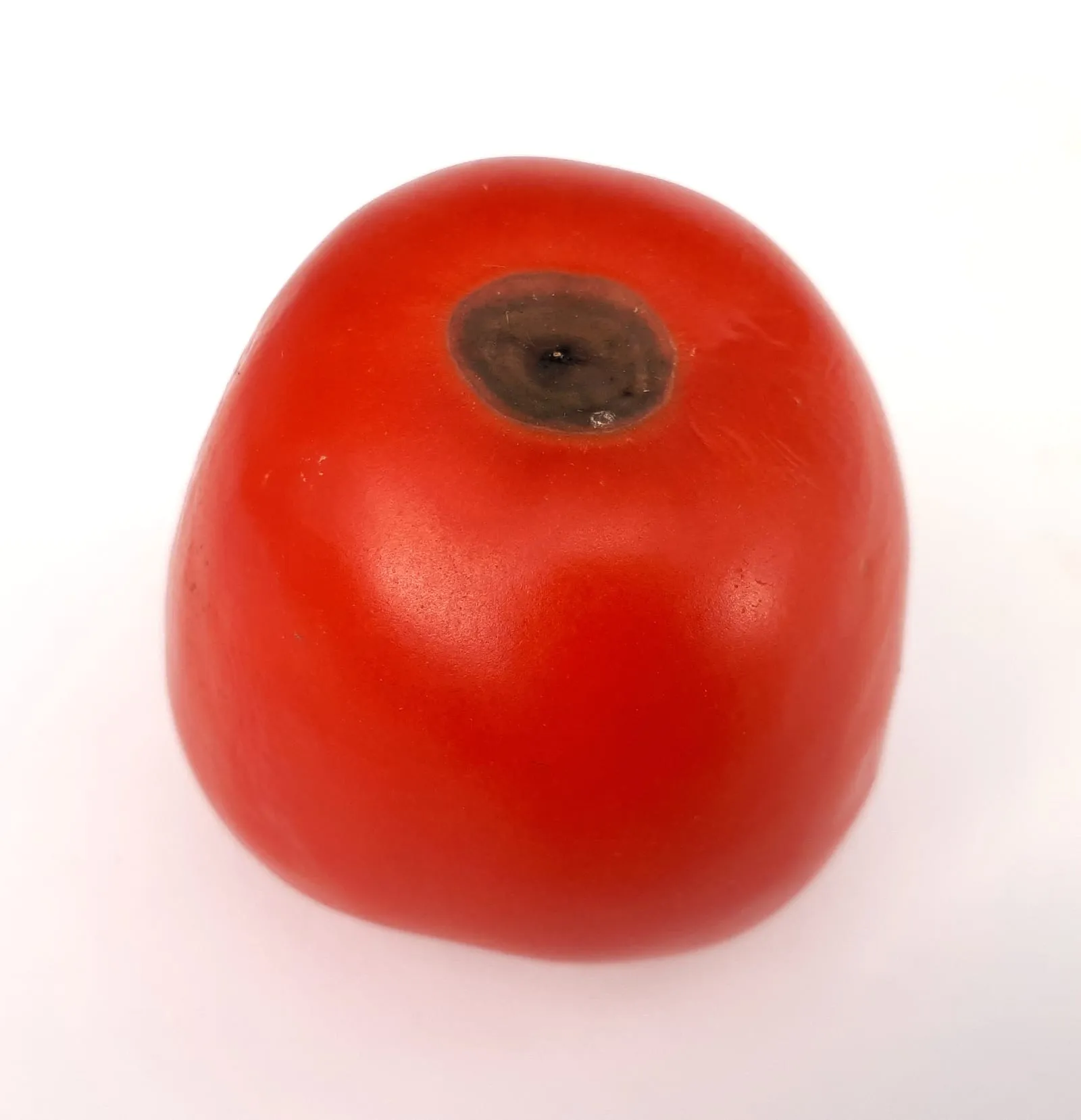
Calcium deficiency physiological disorder
Not a true disease but a calcium-uptake disorder caused by inconsistent soil moisture during fruit development. The dominant cause of damaged first-fruit on home tomato plantings.
Modified care for zone 7a
Zone 7a's disease profile differs sharply from drier melon-growing regions like the central California coast or the high-desert Southwest. Downy mildew and powdery mildew thrive in the zone's humid summers and can defoliate vines before fruit matures. Preventive fungicide applications starting at the first true leaf are standard practice here, not a last resort. Bacterial wilt, vectored by cucumber beetles, is a persistent threat; row covers through early flowering, removed at bloom for pollination, are the most reliable cultural control.
Black plastic mulch addresses two zone-specific problems simultaneously: it accelerates soil warming for faster establishment and reduces soil splash that spreads fungal spores. Raised beds with well-drained soil are strongly preferred over flat planting in heavier clay soils common across parts of zone 7a. Spacing vines generously to improve air circulation between rows provides measurable reduction in foliar disease incidence.
Melon in adjacent zones
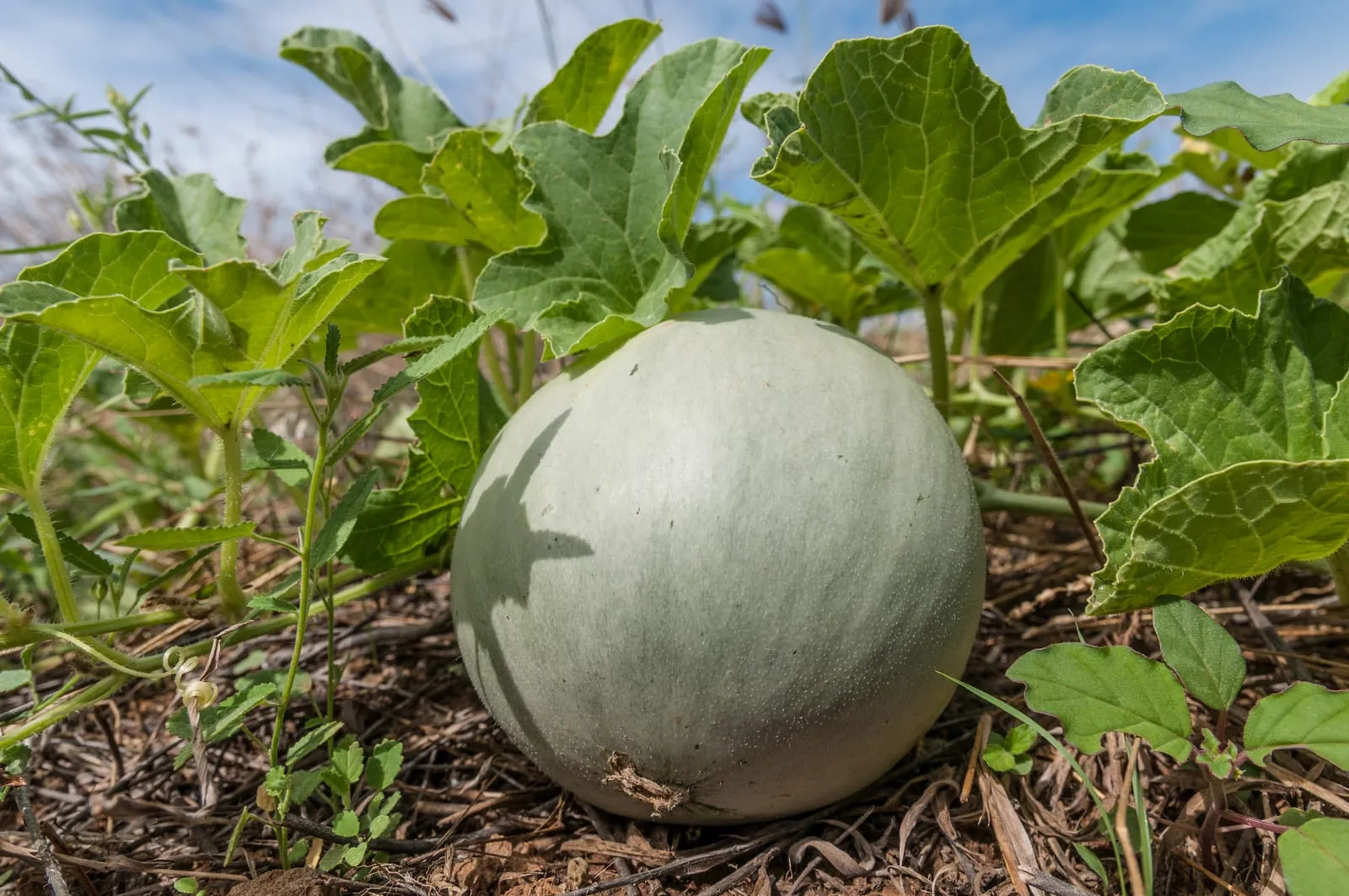
Image: "Cucumis melo 34", by Wilfredor, via Wikimedia Commons, licensed under CC0 Source.

Related