vegetable in zone 8a
Growing melon in zone 8a
Cucumis melo
- Zone
- 8a 10°F to 15°F
- Growing season
- 240 days
- Suitable varieties
- 4
- Days to harvest
- 75 to 100
The verdict
Zone 8a is a reliable sweet spot for melons, not a marginal case. Melons are warm-season annuals with no chill-hour requirement, so the zone challenges that complicate apple and grape production here are irrelevant for this crop. What matters is soil warmth, a long frost-free window, and sustained summer heat, and zone 8a delivers all three. A 240-day growing season comfortably accommodates even longer-maturing varieties; most melons need 70 to 90 frost-free days from transplant to harvest.
The varieties well-suited here confirm the fit. Hale's Best and Galia ripen reliably under the sustained heat of a zone 8a summer. Charentais, a French muskmelon type that requires consistent warmth to develop its characteristic fragrance, performs better in zone 8a than in cooler northern zones where heat accumulation is unpredictable. The primary limitations are not temperature-related but pest and disease pressure, which intensifies under the long, warm growing season.
Recommended varieties for zone 8a
4 cultivars suited to this zone, with disease-resistance and zone-fit annotations.
| Variety | Notes | Zone fit | Disease resistance |
|---|---|---|---|
| Hale's Best fits zone 8a | Sweet, perfumed, deep cantaloupe flavor; classic salmon-fleshed netted melon. Fresh slicing, fruit salads. Heritage variety, productive, the home-garden cantaloupe standard. | | none noted |
| Charentais fits zone 8a | Intensely sweet, perfumed, complex; small French green-fleshed melon. Fresh out of hand, with prosciutto. Connoisseur's choice, picky about ripening but unmatched in flavor. | | none noted |
| Honeydew fits zone 8a | Sweet, cool, mild; smooth pale-skinned green-fleshed melon. Fresh slicing, fruit salads. Late-ripening, needs warm climate, stores longer than cantaloupe. | | none noted |
| Galia fits zone 8a | Sweet, perfumed, complex banana-pineapple notes; pale green flesh under netted skin. Fresh slicing, salads. Israeli-bred, productive in warm gardens. | | none noted |
Critical timing for zone 8a
Last frost in zone 8a typically falls between late February and mid-March depending on exact location within the zone. Melon transplants go into the ground after the last frost date when soil has warmed to at least 65 degrees Fahrenheit, generally late March to mid-April. Direct seeding is viable but adds two to three weeks before establishment, making transplants the more efficient choice for maximizing the season.
Bloom typically begins 45 to 60 days after transplanting, with harvest following 20 to 35 days after successful pollination, placing peak harvest for most varieties in July and August. Zone 8a's first fall frost arrives in mid to late November, leaving a wide buffer. Succession planting a second crop in late May is feasible in most of the zone.
Common challenges in zone 8a
- ▸ Insufficient chill hours for some apple varieties
- ▸ Pierce's disease in grapes
- ▸ Heat stress on cool-season crops
Disease pressure to watch for
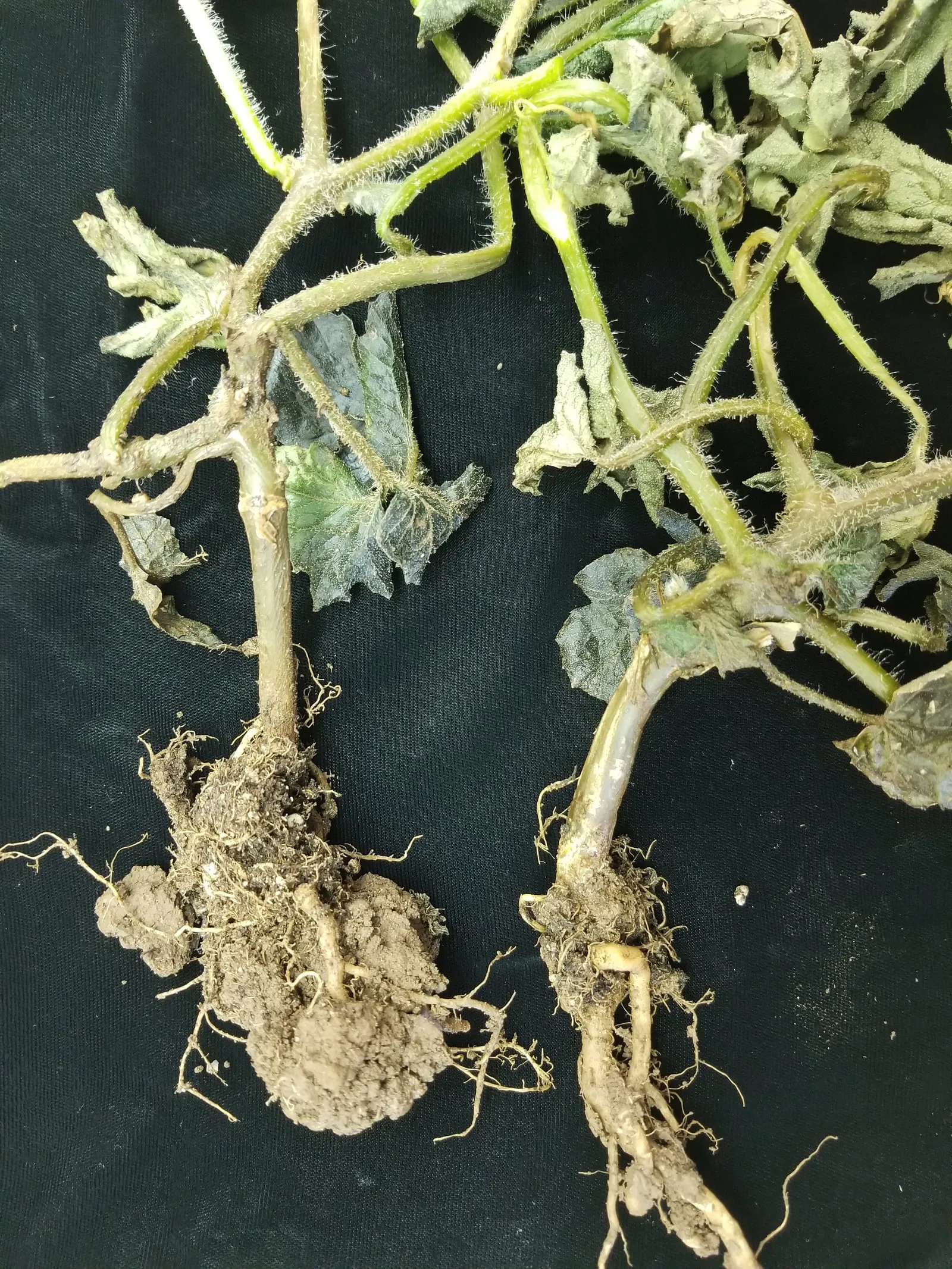
Erwinia tracheiphila
Bacterial disease vectored exclusively by cucumber beetles. Once a plant is infected there is no recovery; whole-plant collapse follows.
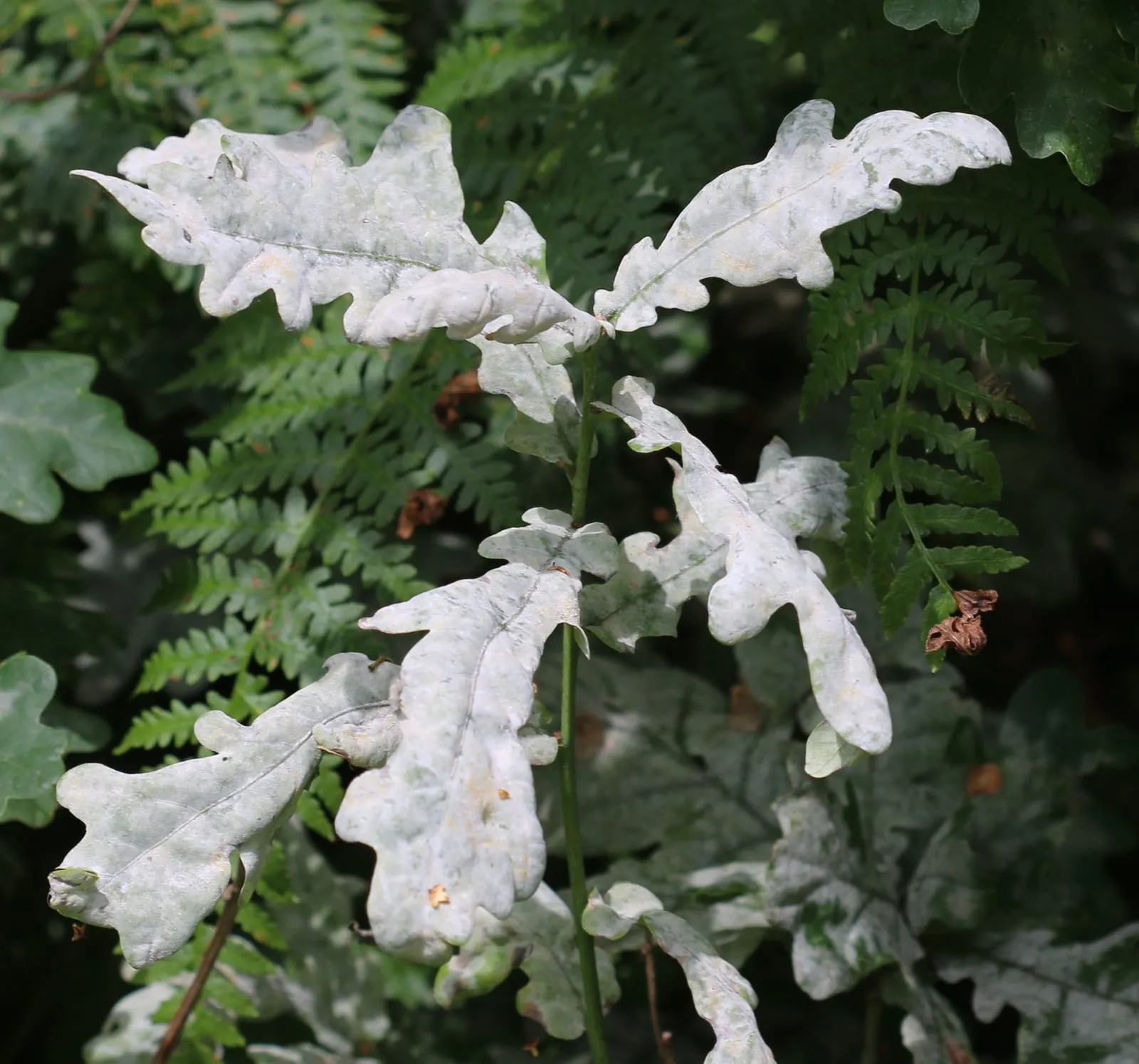
Multiple species (Erysiphales)
Surface-feeding fungal disease producing white powdery growth on leaves and stems. Reduces yield by stealing photosynthate and accelerating senescence.
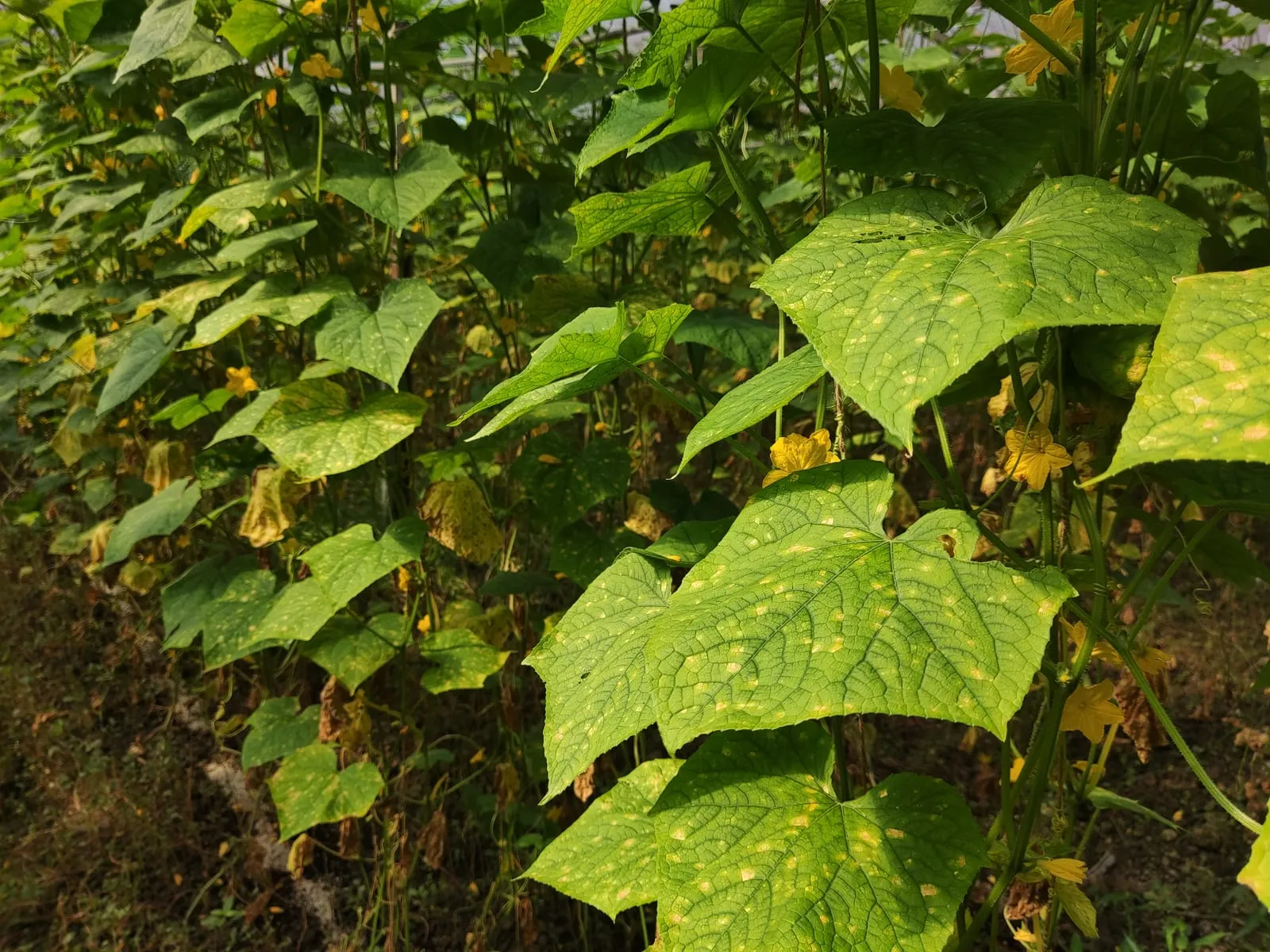
Pseudoperonospora cubensis (cucurbits) and others
Water mold (oomycete, not a true fungus) that thrives in cool damp conditions. Spreads rapidly through cucurbit and brassica plantings on wind-borne spores.
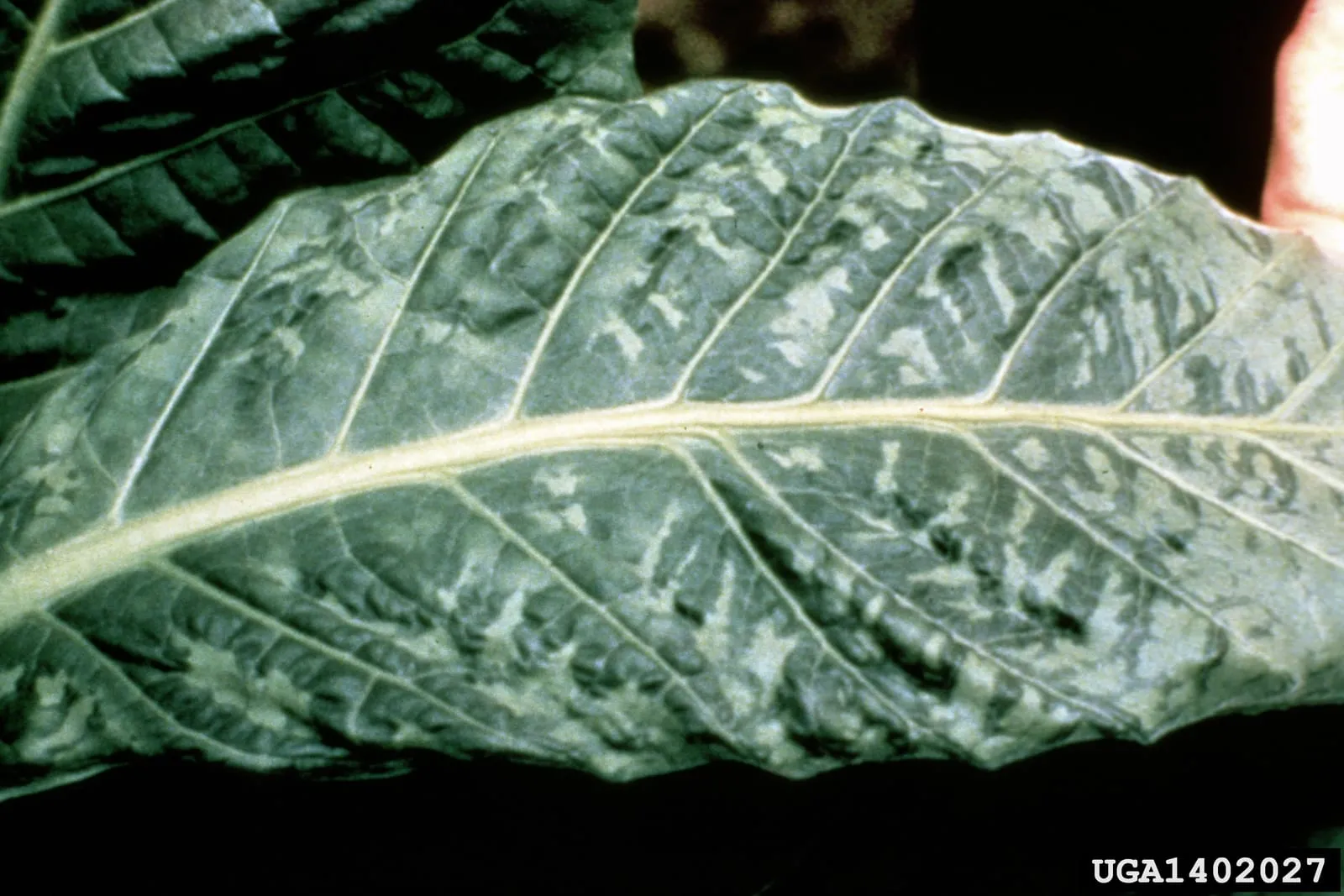
Cucumber mosaic virus, Tobacco mosaic virus, and others
Family of plant viruses producing mottled yellow-and-green leaf patterns. Vectored primarily by aphids; some are seed-transmitted or spread by handling tools and tobacco products.
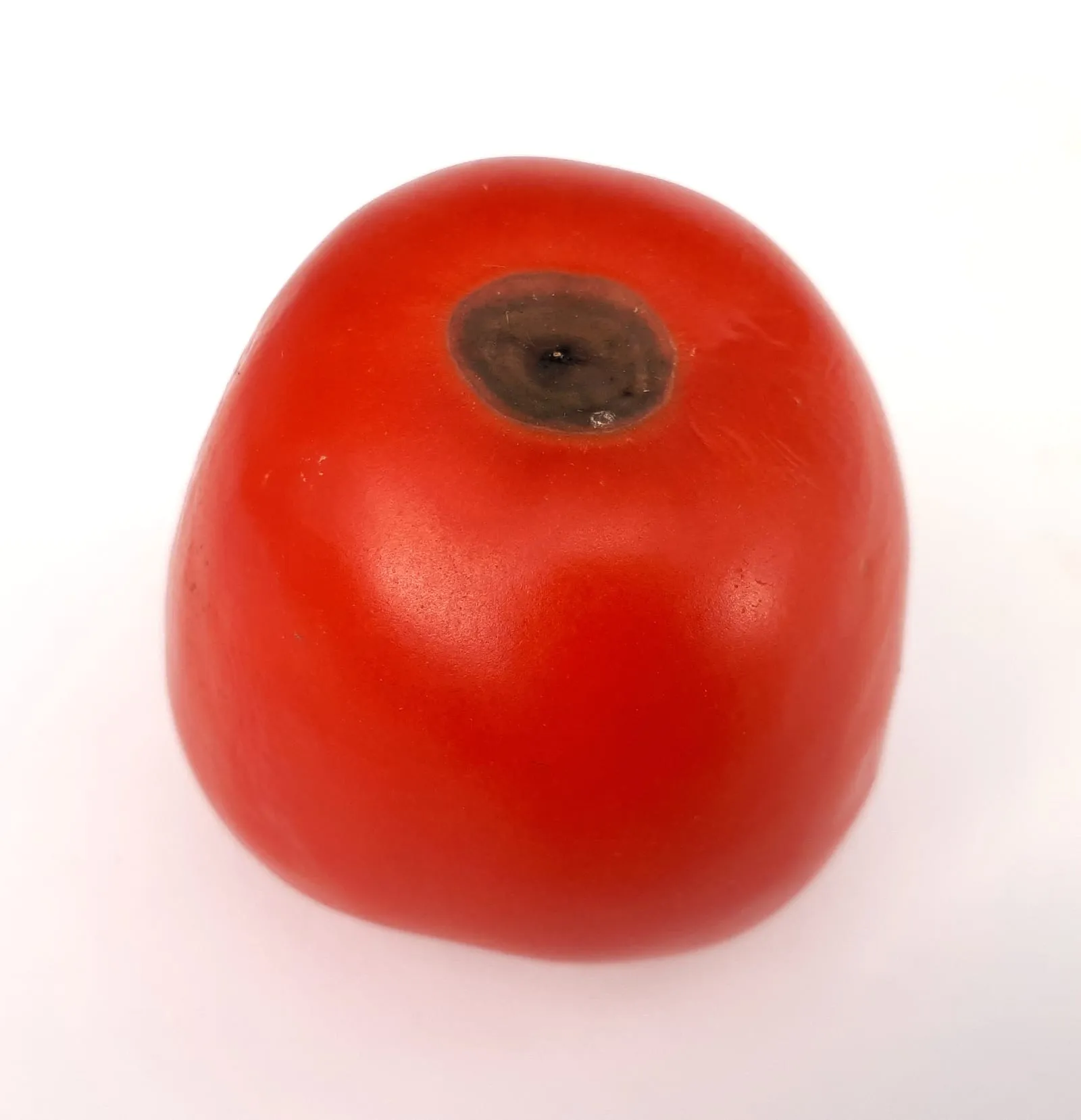
Calcium deficiency physiological disorder
Not a true disease but a calcium-uptake disorder caused by inconsistent soil moisture during fruit development. The dominant cause of damaged first-fruit on home tomato plantings.
Modified care for zone 8a
The primary care adjustment in zone 8a is managing disease and pest pressure that builds as the season lengthens. Cucumber beetles, the vector for Bacterial Wilt of Cucurbits, are active through much of the long growing season. Row covers at transplanting, removed at first bloom for pollinator access, reduce early-season beetle exposure. Once bacterial wilt appears in a plant, there is no recovery; removal and disposal are the only response.
Powdery and downy mildew both escalate in late summer under zone 8a humidity cycles. Selecting resistant varieties where available and maintaining good air circulation through adequate plant spacing reduce pressure. Heavy mulch, 3 to 4 inches of straw or wood chips, is worth the labor here: it conserves soil moisture during July and August heat, moderates soil temperature, and limits soil-splash transmission of fungal spores onto foliage.
Frequently asked questions
- Can melons be direct-seeded in zone 8a or do transplants work better?
Both work in zone 8a given its long season, but transplants started indoors 3 to 4 weeks before the last frost give a meaningful head start and allow a second planting later in spring. Direct seeding is viable once soil temperatures reach 65 degrees Fahrenheit consistently.
- Which melon varieties perform best in zone 8a heat?
Hale's Best and Galia handle prolonged summer heat well and ripen reliably. Charentais benefits from zone 8a's sustained warmth, which is necessary for the flavor development that cooler zones struggle to produce. Honeydew also performs well but requires a longer season than muskmelon types.
- How do I prevent bacterial wilt in zone 8a melons?
Bacterial wilt spreads through cucumber beetles, so beetle management is the primary lever. Floating row covers over transplants until first bloom reduce early feeding; hand-pollinate or remove covers at bloom for bee access. There is no treatment once a plant is infected.
+−
+−
+−
Melon in adjacent zones
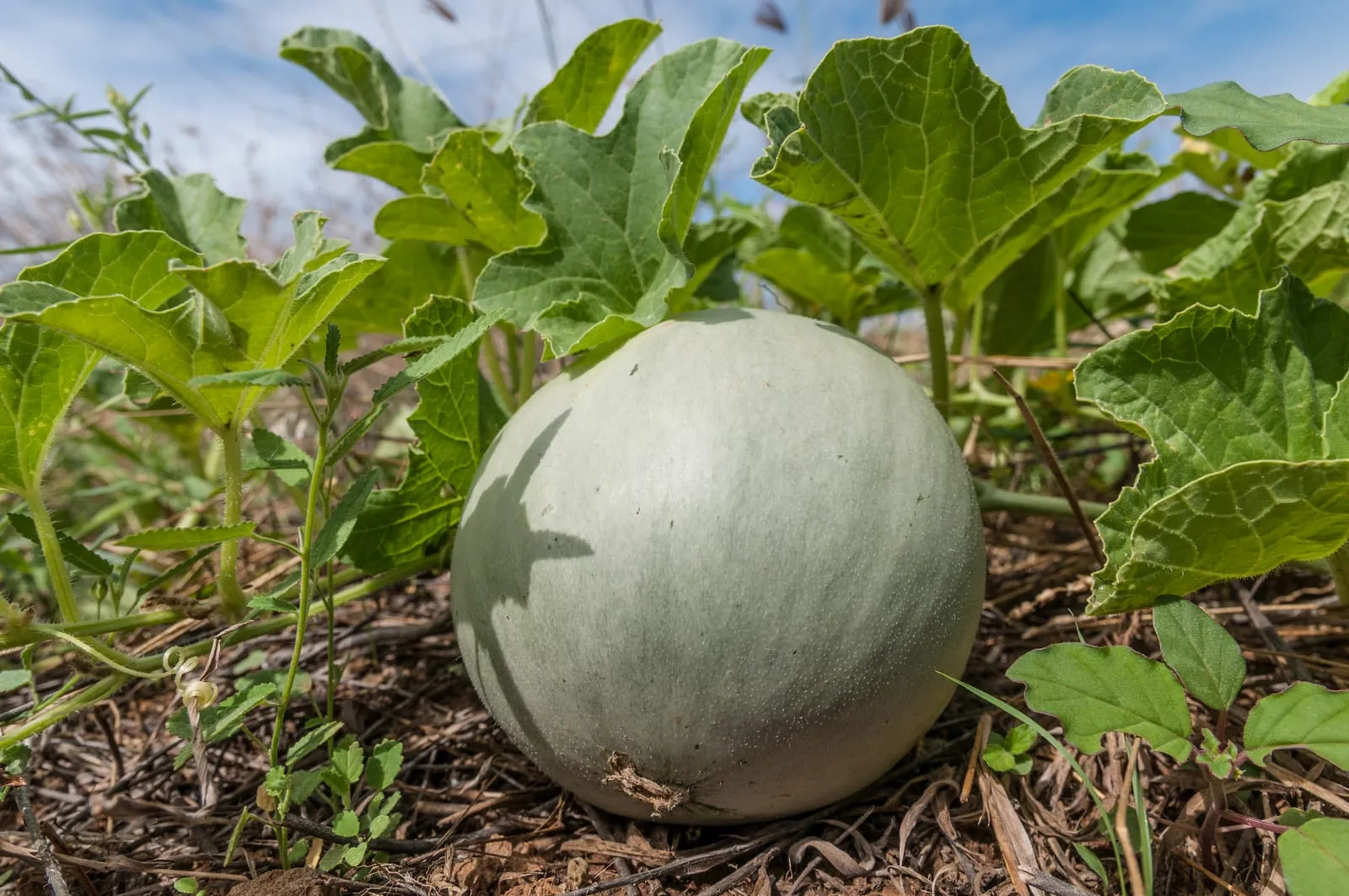
Image: "Cucumis melo 34", by Wilfredor, via Wikimedia Commons, licensed under CC0 Source.

Related