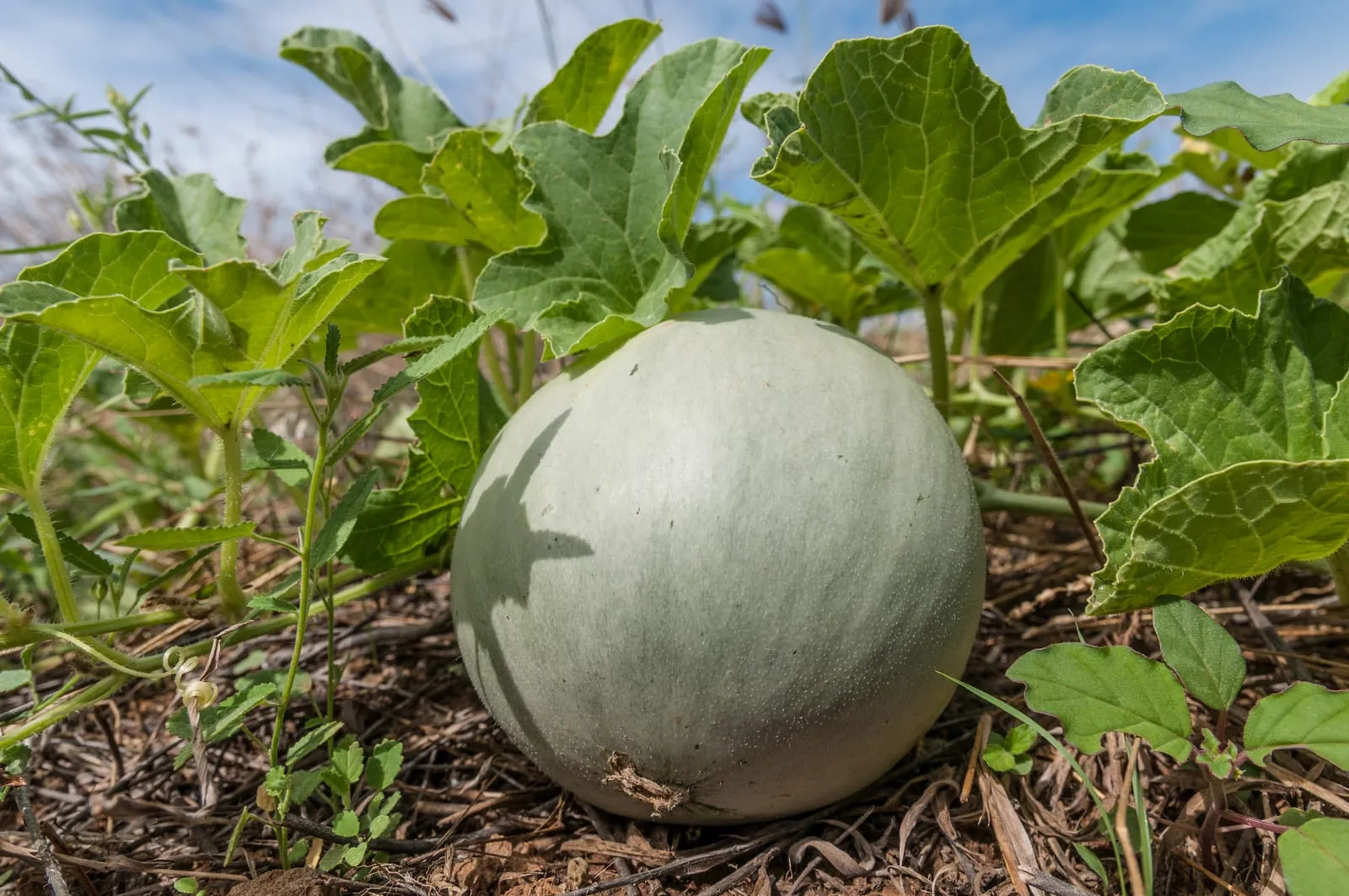
vegetable in zone 8b
Growing melon in zone 8b
Cucumis melo
- Zone
- 8b 15°F to 20°F
- Growing season
- 260 days
- Suitable varieties
- 4
- Days to harvest
- 75 to 100
The verdict
Zone 8b is a genuine sweet spot for melon production. The 260-day growing season provides ample warm weather for even the slowest-maturing varieties, and the minimum winter temperatures of 15 to 20°F are irrelevant to an annual crop that completes its life cycle within a single season. Unlike tree fruits, melons have no chill-hour requirement; that zone challenge applies to crops like apples and is not a factor here.
The real limiting factors in 8b are not cold but biological: nematode pressure in sandy soils can devastate root systems before fruit sets, and the warm, humid summers that make melons thrive also accelerate the spread of downy mildew and powdery mildew. Bacterial wilt, vectored by cucumber beetles, is a persistent threat across the region. Growers who manage these pressures reliably should expect consistent yields from Hale's Best, Honeydew, Galia, and Charentais.
Recommended varieties for zone 8b
4 cultivars suited to this zone, with disease-resistance and zone-fit annotations.
| Variety | Notes | Zone fit | Disease resistance |
|---|---|---|---|
| Hale's Best fits zone 8b | Sweet, perfumed, deep cantaloupe flavor; classic salmon-fleshed netted melon. Fresh slicing, fruit salads. Heritage variety, productive, the home-garden cantaloupe standard. | | none noted |
| Charentais fits zone 8b | Intensely sweet, perfumed, complex; small French green-fleshed melon. Fresh out of hand, with prosciutto. Connoisseur's choice, picky about ripening but unmatched in flavor. | | none noted |
| Honeydew fits zone 8b | Sweet, cool, mild; smooth pale-skinned green-fleshed melon. Fresh slicing, fruit salads. Late-ripening, needs warm climate, stores longer than cantaloupe. | | none noted |
| Galia fits zone 8b | Sweet, perfumed, complex banana-pineapple notes; pale green flesh under netted skin. Fresh slicing, salads. Israeli-bred, productive in warm gardens. | | none noted |
Critical timing for zone 8b
In zone 8b, the last spring frost typically falls between late February and mid-March depending on specific location. Melons go into the ground after soil temperatures reach a sustained 65°F, usually in late March to mid-April. Most varieties reach harvest 75 to 100 days after transplanting, placing peak harvest in July through early August for spring-started crops.
A second planting in late June or early July can target a September to October harvest, though late-season crops carry higher downy mildew risk as humidity remains elevated. The first fall frost in 8b generally arrives in November, so late plantings have adequate time to mature if disease is controlled. There is no meaningful bloom window concern for melons; fruit development depends on heat accumulation rather than frost proximity.
Common challenges in zone 8b
- ▸ Low chill hours limit apple variety selection
- ▸ Citrus greening risk
- ▸ Nematodes in sandy soils
Disease pressure to watch for
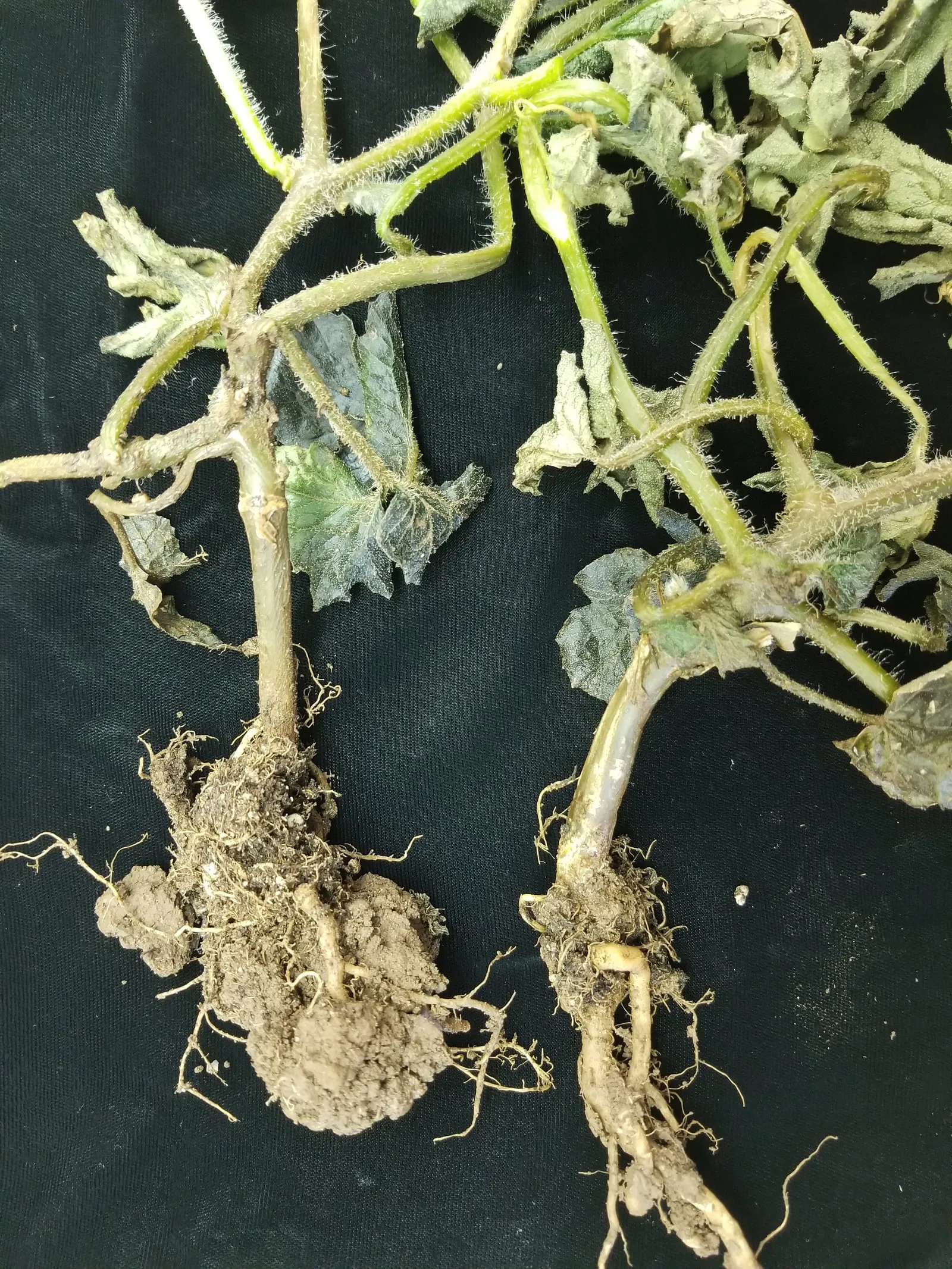
Erwinia tracheiphila
Bacterial disease vectored exclusively by cucumber beetles. Once a plant is infected there is no recovery; whole-plant collapse follows.
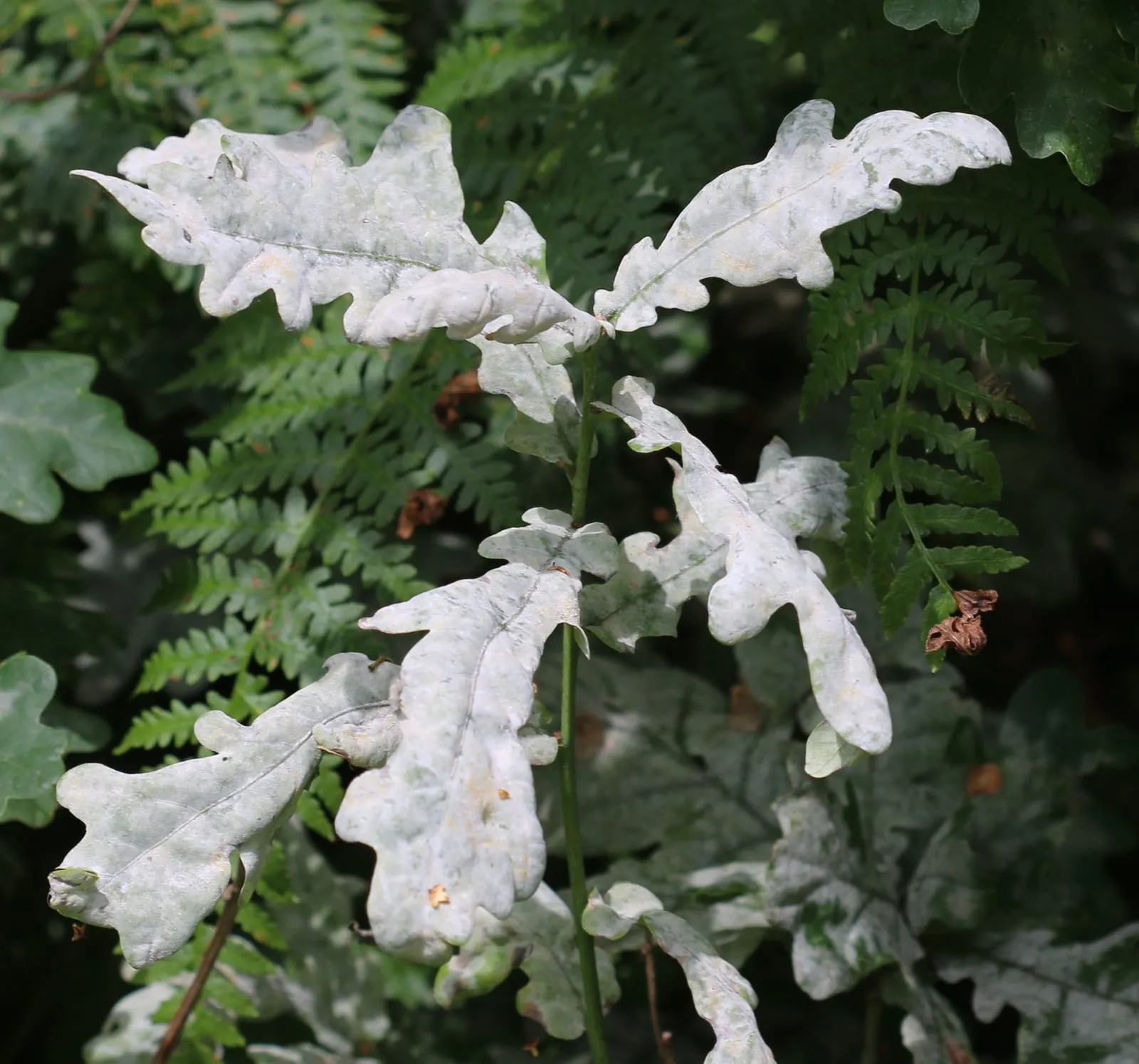
Multiple species (Erysiphales)
Surface-feeding fungal disease producing white powdery growth on leaves and stems. Reduces yield by stealing photosynthate and accelerating senescence.
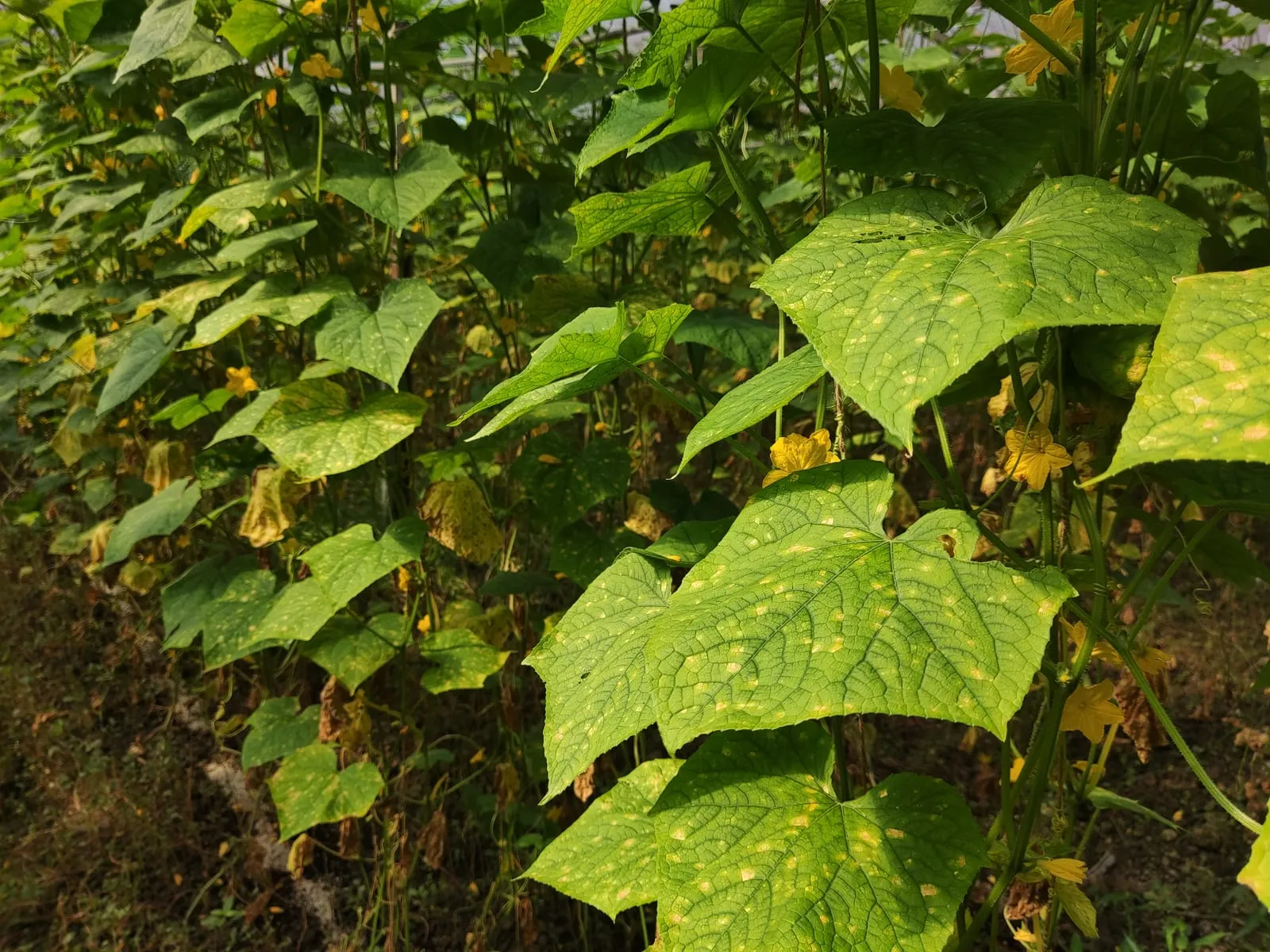
Pseudoperonospora cubensis (cucurbits) and others
Water mold (oomycete, not a true fungus) that thrives in cool damp conditions. Spreads rapidly through cucurbit and brassica plantings on wind-borne spores.
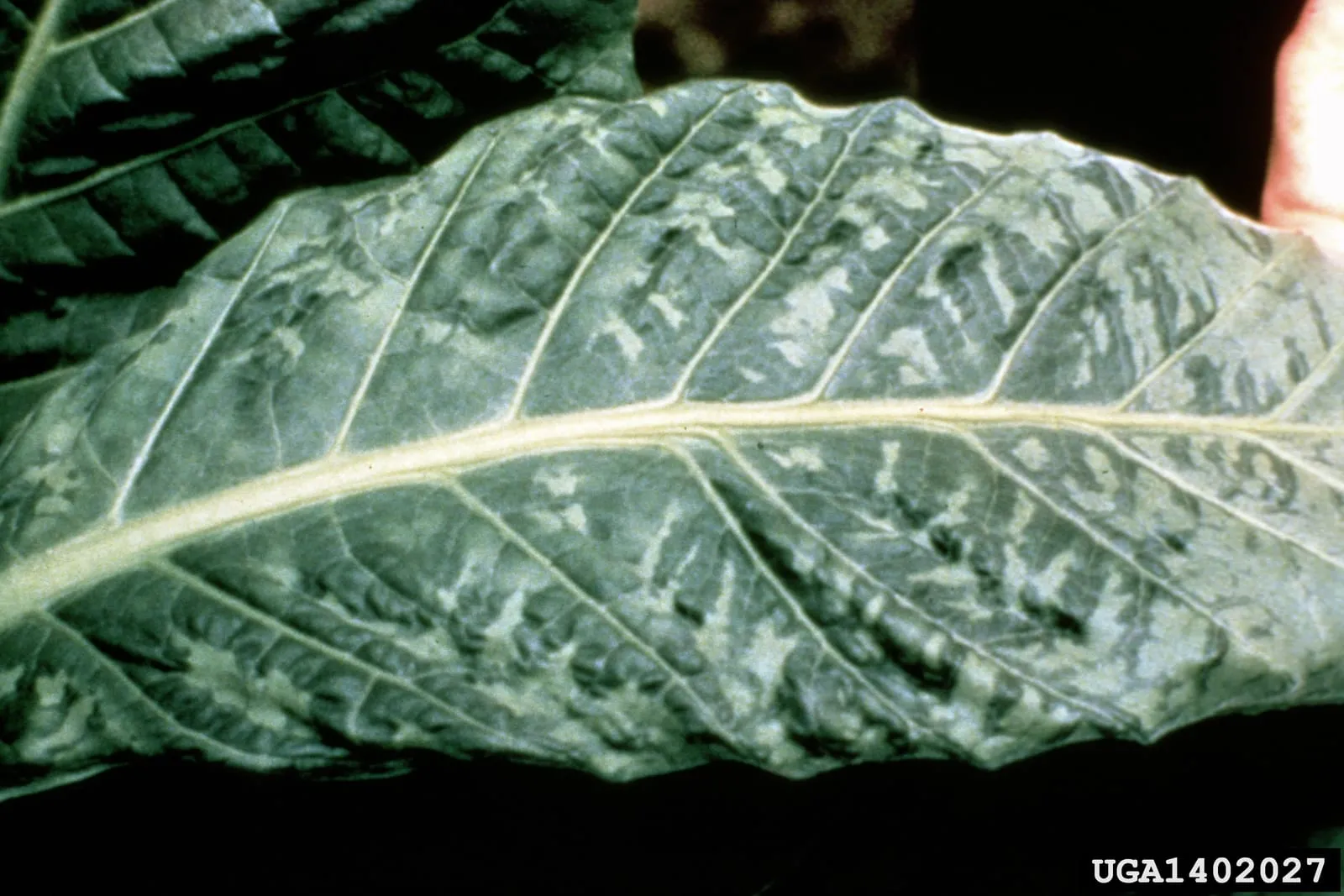
Cucumber mosaic virus, Tobacco mosaic virus, and others
Family of plant viruses producing mottled yellow-and-green leaf patterns. Vectored primarily by aphids; some are seed-transmitted or spread by handling tools and tobacco products.
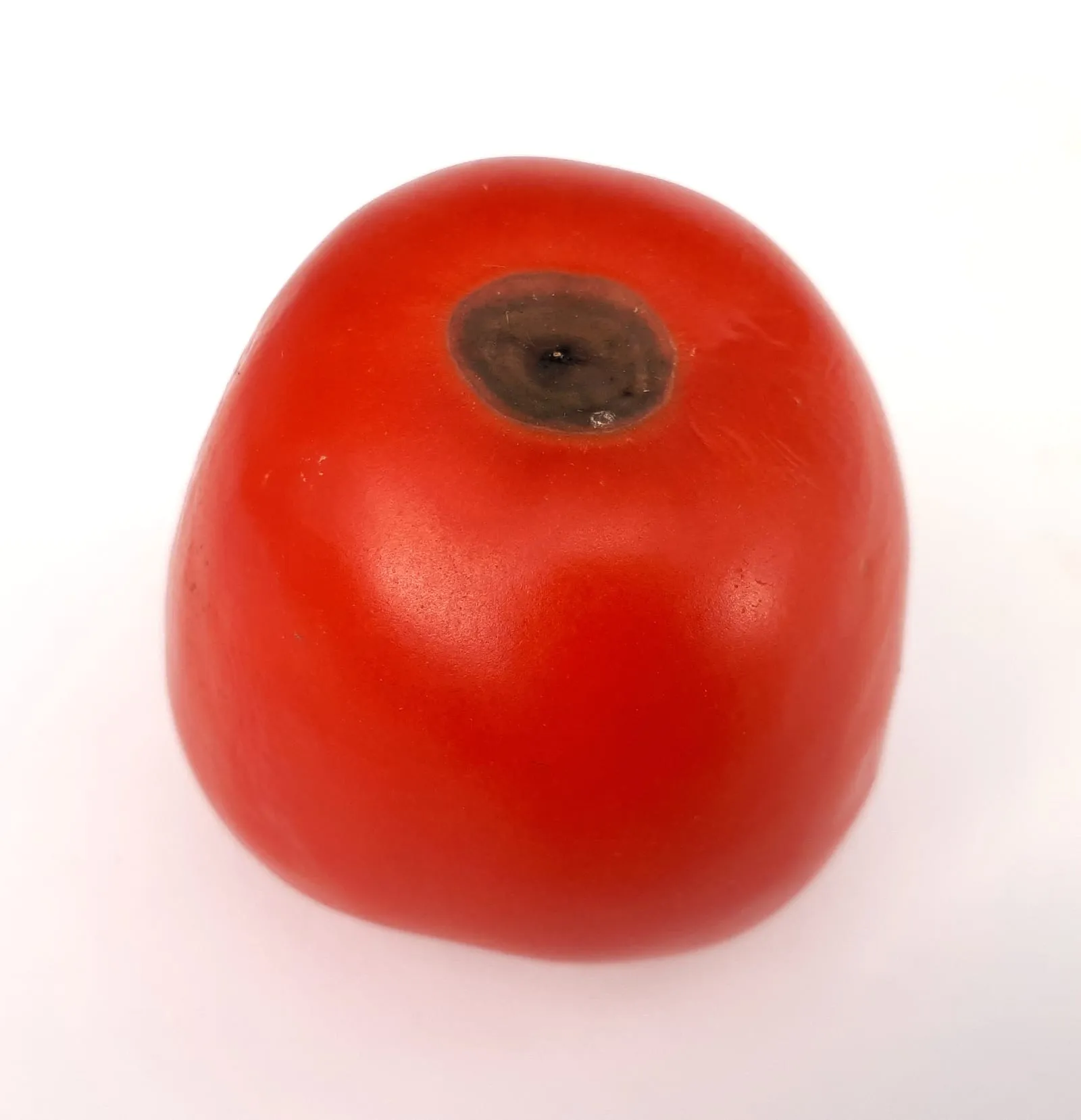
Calcium deficiency physiological disorder
Not a true disease but a calcium-uptake disorder caused by inconsistent soil moisture during fruit development. The dominant cause of damaged first-fruit on home tomato plantings.
Modified care for zone 8b
The primary adjustment in zone 8b is nematode management. Sandy, well-drained soils common in parts of this zone support high nematode populations that can stunt or kill plants before harvest. Rotating away from cucurbits for two to three seasons, incorporating organic matter, or soil solarization in the pre-plant period reduces populations noticeably. Grafted transplants onto resistant rootstocks are available commercially and worth considering in fields with a confirmed nematode history.
Bacterial wilt warrants consistent cucumber beetle monitoring from transplant through fruit set, since infected plants cannot be saved once symptoms appear. Row covers over young transplants exclude beetles during the most vulnerable stage and can be removed once flowers open for pollination. Powdery and downy mildew pressure typically intensifies after midsummer; selecting varieties with partial resistance and ensuring adequate plant spacing for airflow reduces severity without relying solely on fungicide applications.
Melon in adjacent zones
Image: "Cucumis melo 34", by Wilfredor, via Wikimedia Commons, licensed under CC0 Source.

Related