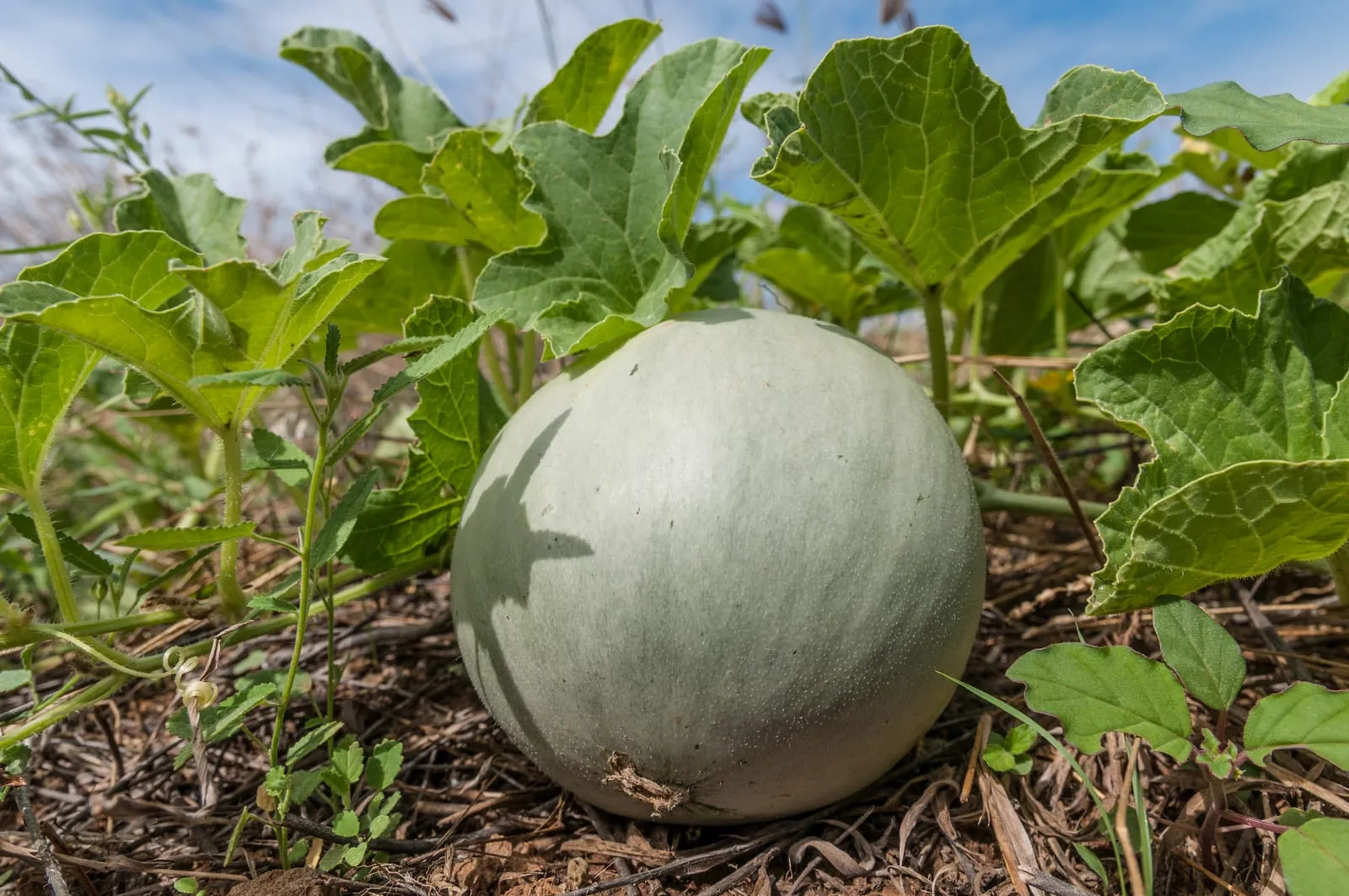
vegetable in zone 9a
Growing melon in zone 9a
Cucumis melo
- Zone
- 9a 20°F to 25°F
- Growing season
- 290 days
- Suitable varieties
- 1
- Days to harvest
- 75 to 100
The verdict
Zone 9a is a strong fit for melon production. Unlike stone fruits, melons carry no chill-hour requirement, so the zone's mild winters are irrelevant to crop performance. What matters is summer heat and a long frost-free window, and zone 9a delivers both: minimum winter temps of 20 to 25°F allow early spring establishment, and the 290-day growing season provides ample time for even the longest-maturing varieties to set and ripen fruit fully.
Honeydew is well-suited here, benefiting from the extended warm period that lets sugars develop properly before harvest. The primary limiting factors are not temperature-related but rather disease and storm pressure. Bacterial Wilt of Cucurbits, Powdery Mildew, and Downy Mildew all thrive in the humid conditions that often accompany zone 9a summers, particularly in Gulf Coast and inland Southeast locations. Growers in hurricane-prone areas also face the risk of late-season storm damage during peak fruit development.
Recommended varieties for zone 9a
1 cultivar suited to this zone, with disease-resistance and zone-fit annotations.
| Variety | Notes | Zone fit | Disease resistance |
|---|---|---|---|
| Honeydew fits zone 9a | Sweet, cool, mild; smooth pale-skinned green-fleshed melon. Fresh slicing, fruit salads. Late-ripening, needs warm climate, stores longer than cantaloupe. | | none noted |
Critical timing for zone 9a
In zone 9a, direct sowing or transplanting into the ground typically begins in late February to early March, once soil temperatures reliably reach 65°F or above. Last frost risk is generally past by late January in most of the zone, though northern fringes may see frost into February.
With 70 to 85 days to maturity for Honeydew, first harvests can arrive as early as late May or June. The long growing season often supports a second planting in late summer for fall harvest, provided growers account for pest and disease pressure that intensifies through the heat of July and August. Fruit set stalls when daytime temperatures exceed 95°F, so timing plantings to place pollination in the May through early June window generally yields better fruit set than mid-summer plantings.
Common challenges in zone 9a
- ▸ Limited stone fruit options due to insufficient chill
- ▸ Hurricane and tropical storm exposure
- ▸ Citrus disease pressure
Disease pressure to watch for
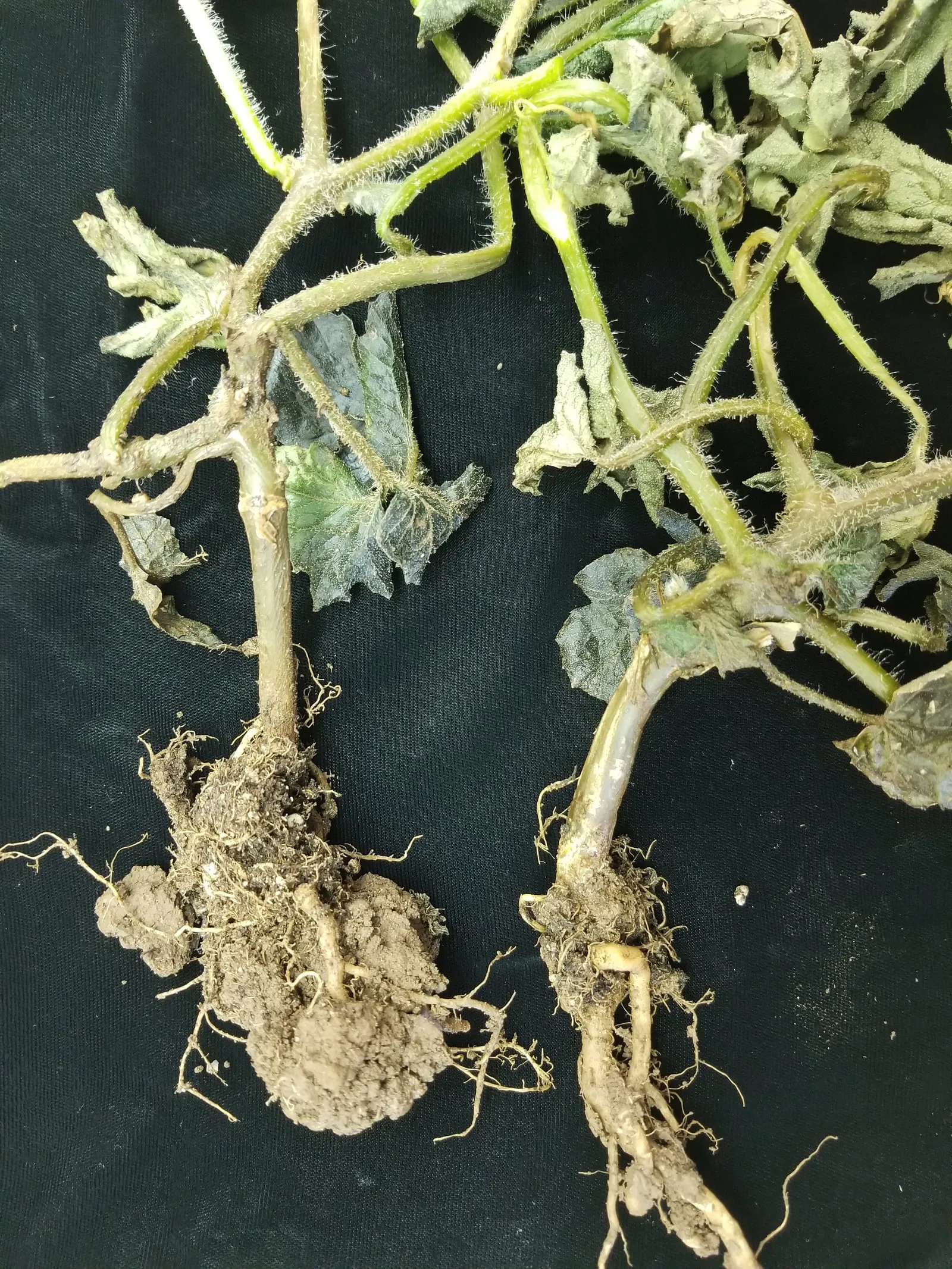
Erwinia tracheiphila
Bacterial disease vectored exclusively by cucumber beetles. Once a plant is infected there is no recovery; whole-plant collapse follows.
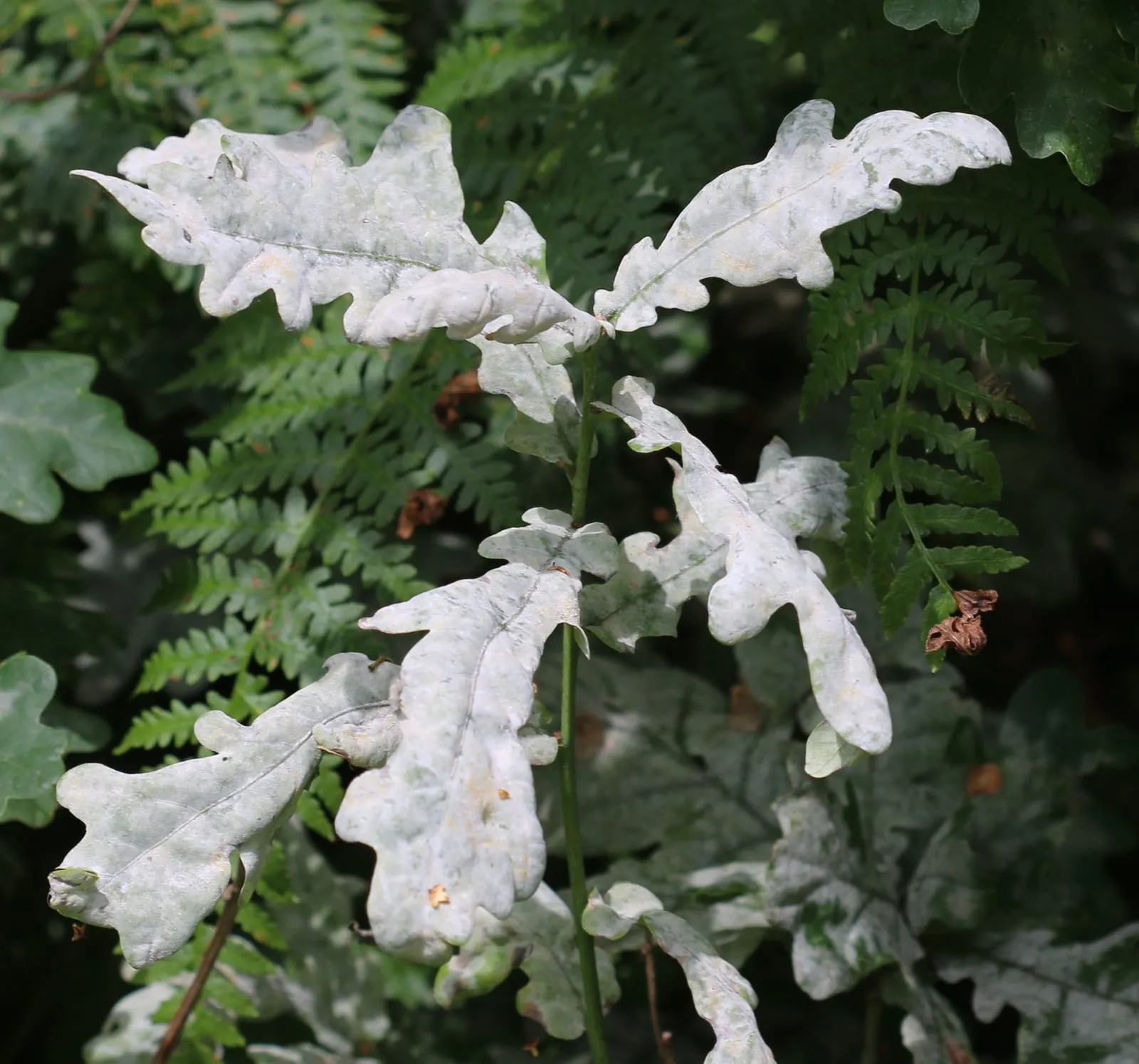
Multiple species (Erysiphales)
Surface-feeding fungal disease producing white powdery growth on leaves and stems. Reduces yield by stealing photosynthate and accelerating senescence.
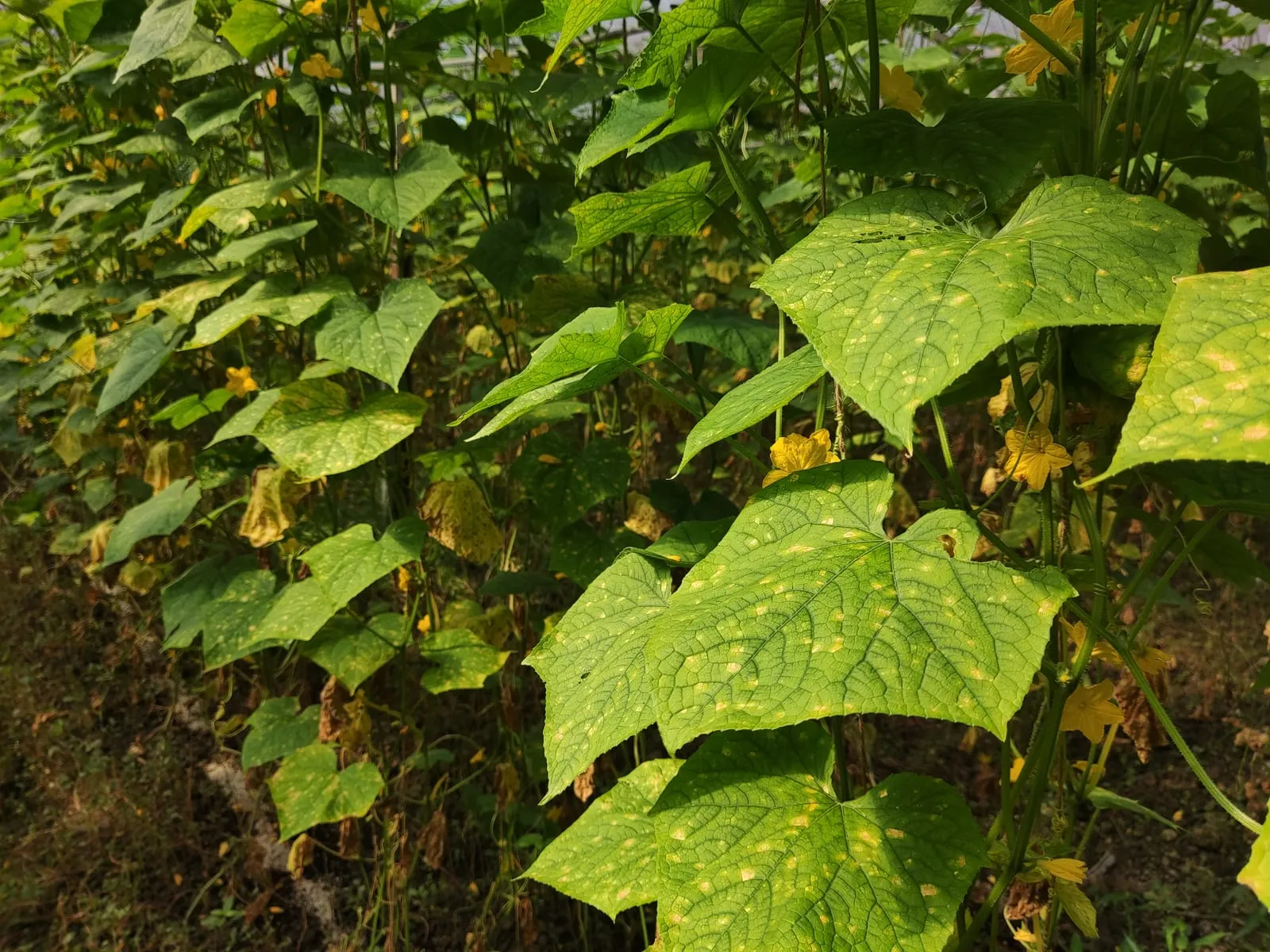
Pseudoperonospora cubensis (cucurbits) and others
Water mold (oomycete, not a true fungus) that thrives in cool damp conditions. Spreads rapidly through cucurbit and brassica plantings on wind-borne spores.
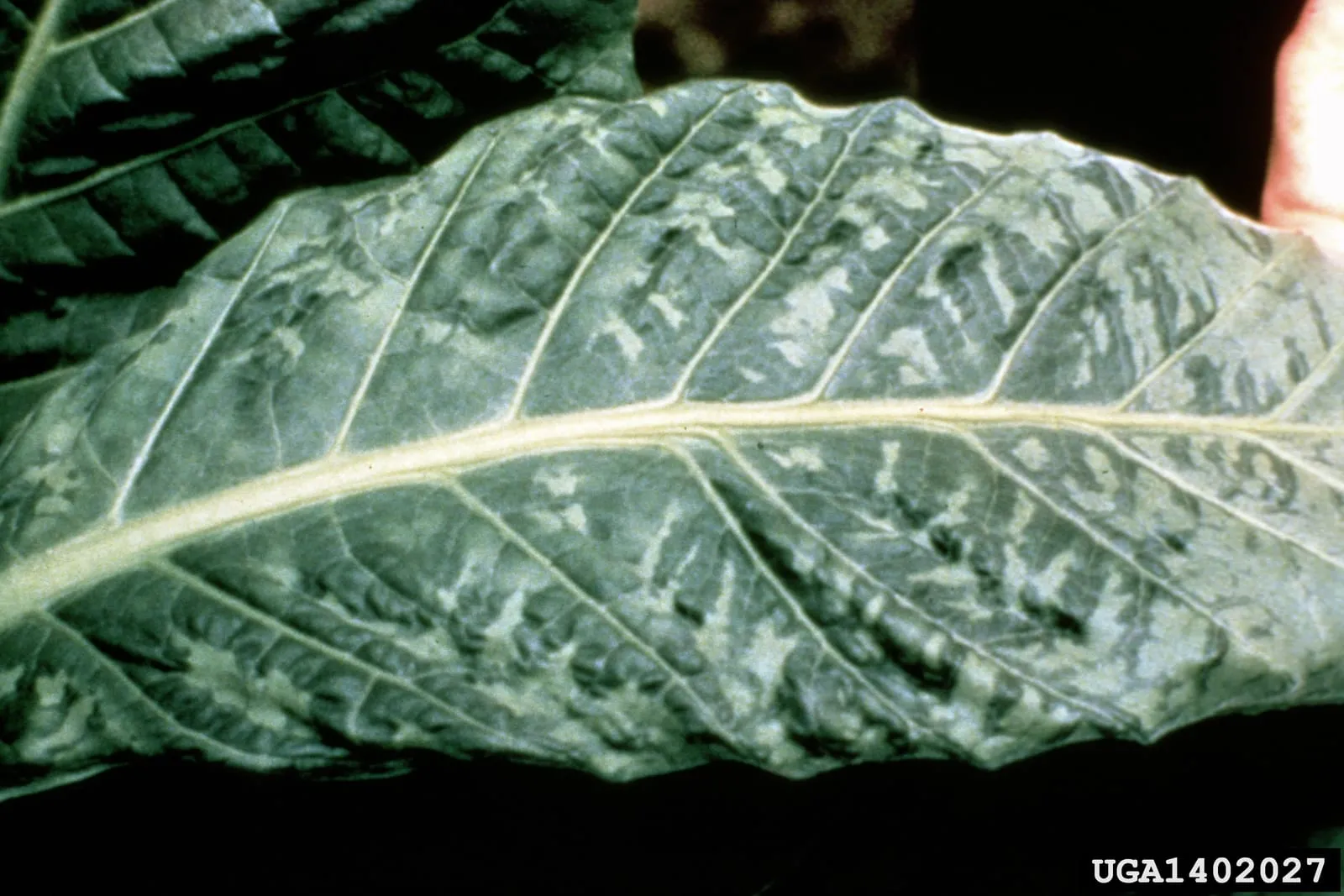
Cucumber mosaic virus, Tobacco mosaic virus, and others
Family of plant viruses producing mottled yellow-and-green leaf patterns. Vectored primarily by aphids; some are seed-transmitted or spread by handling tools and tobacco products.
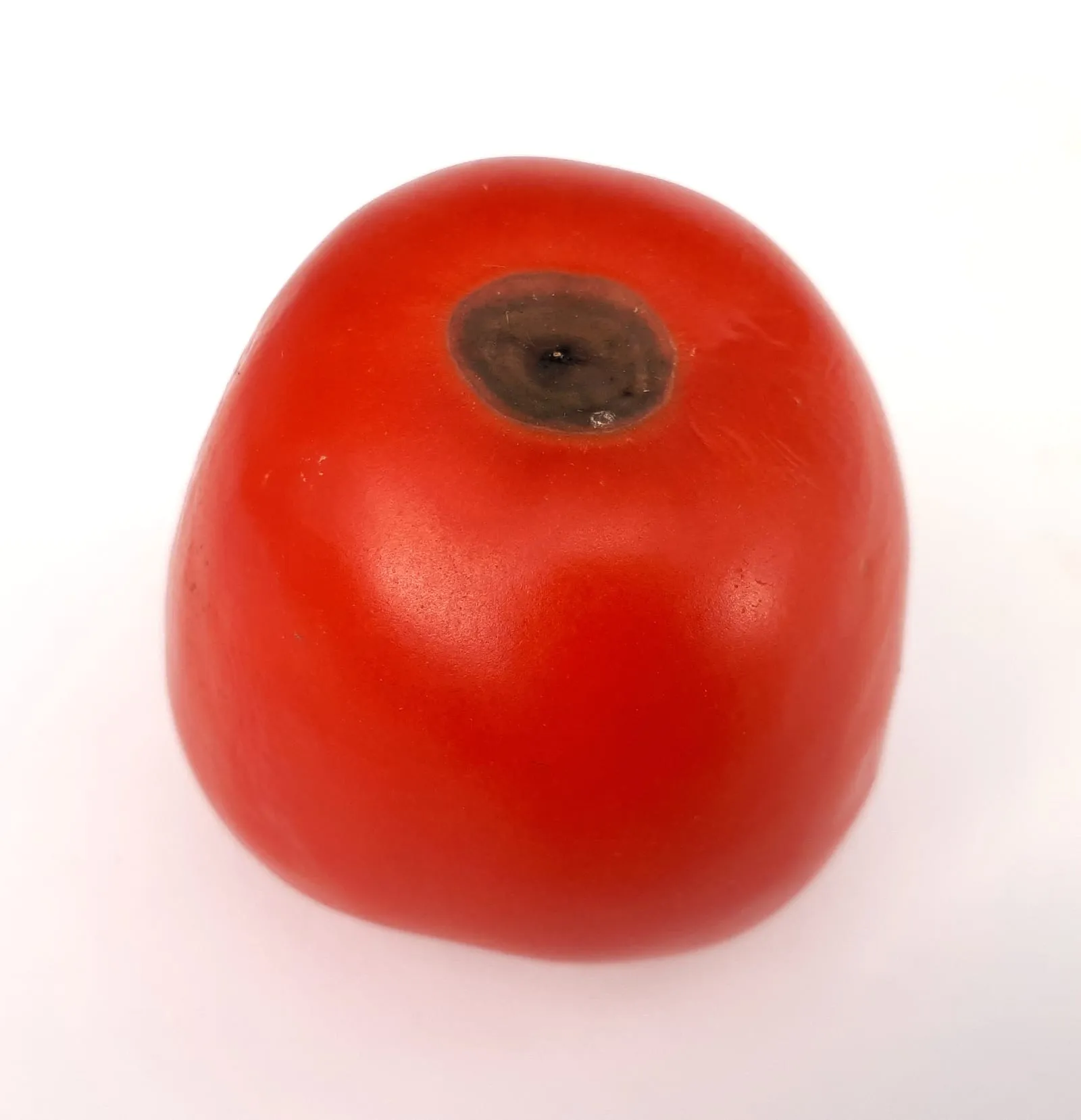
Calcium deficiency physiological disorder
Not a true disease but a calcium-uptake disorder caused by inconsistent soil moisture during fruit development. The dominant cause of damaged first-fruit on home tomato plantings.
Modified care for zone 9a
The most significant management adjustment in zone 9a is aggressive disease prevention rather than reactive treatment. Downy Mildew and Powdery Mildew spread rapidly under the combination of heat and summer humidity common across this zone. Selecting resistant varieties where available and maintaining canopy airflow through careful vine management reduces infection risk more reliably than fungicide applications alone.
Bacterial Wilt, vectored by cucumber beetles, is difficult to treat once established. Floating row covers during early vine growth exclude beetles during the vulnerable seedling stage; remove covers at flowering to allow pollination. In coastal and Gulf zones, anchoring or sheltering vines before tropical weather events reduces mechanical damage during peak fruit fill. Consistent soil moisture through drip irrigation and mulching limits the stress-related fruit cracking that becomes more common during the intense heat spikes typical of zone 9a summers.
Frequently asked questions
- Can melons be grown year-round in zone 9a?
No. Melon production in zone 9a is concentrated in spring and fall windows. Mid-summer heat above 95°F suppresses fruit set, and while frost rarely threatens, the combination of peak heat and disease pressure makes summer plantings unreliable. Two productive windows per year are typical.
- Is Honeydew the only melon variety worth growing in zone 9a?
Honeydew performs reliably here, but it is not the only option. Many cantaloupe and muskmelon varieties also succeed in zone 9a. The input data reflects what is documented for this zone combination. Local extension trial results are the best guide for variety selection in a specific county or microclimate.
- How serious is Bacterial Wilt of Cucurbits in zone 9a?
It can be severe. Cucumber beetles, which transmit the bacteria, are present across zone 9a and are difficult to eliminate. Infected vines wilt rapidly and do not recover. Exclusion via row covers during early growth and prompt removal of infected plants are the most effective responses.
+−
+−
+−
Melon in adjacent zones
Image: "Cucumis melo 34", by Wilfredor, via Wikimedia Commons, licensed under CC0 Source.

Related