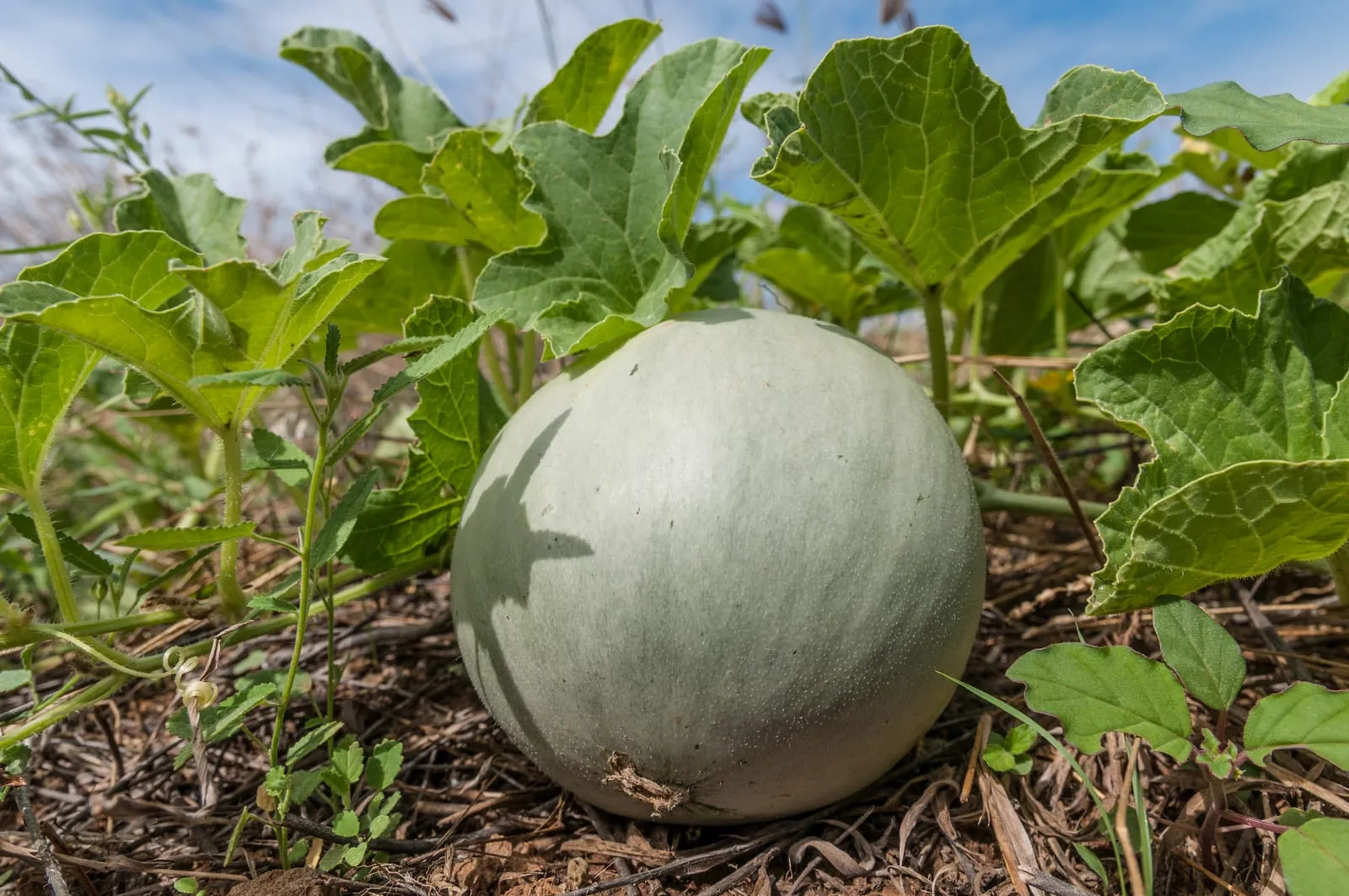
vegetable in zone 9b
Growing melon in zone 9b
Cucumis melo
- Zone
- 9b 25°F to 30°F
- Growing season
- 310 days
- Suitable varieties
- 0
- Days to harvest
- 75 to 100
The verdict
Zone 9b is a strong fit for melons. As a heat-demanding crop with no chill-hour requirement, melon benefits directly from the zone's 310-day growing season and reliable summer warmth. The mild winters pose no dormancy concern, and the long frost-free window easily accommodates maturity windows of 70 to 90 days for most varieties.
The primary complication is summer heat stress. Daytime highs that regularly exceed 100°F in inland 9b locations can suppress blossom set and reduce fruit sugar accumulation during peak heat. This makes timing the critical variable rather than zone suitability itself. Growers who time a spring crop to finish before July, or a fall crop to ripen through October, work with the zone's heat rather than against it. Coastal 9b locations with salt spray add minor foliar stress but generally see more moderate temperatures, which actually improves flavor development. On balance, zone 9b is a productive zone for melon rather than a marginal one.
Critical timing for zone 9b
In most of zone 9b, last frost falls between late January and mid-February. Soil temperatures reach the 65°F threshold melons need for healthy root establishment by late February to early March, allowing transplants to go out at that point. First bloom typically follows 40 to 55 days after transplant, putting flowers in April. At that pace, 80-day varieties come in for harvest in late May to mid-June, ahead of the harshest summer heat.
For a fall planting, direct seed in late July to mid-August. Plants bloom in September as temperatures ease below 95°F, and fruit ripens through October into November. Fall melons often develop better flavor in 9b because they ripen under gradually cooling conditions rather than sustained heat. The 310-day season makes both windows viable in a single year.
Common challenges in zone 9b
- ▸ Heat stress in summer
- ▸ Insufficient chill for most apples
- ▸ Salt spray near coasts
Disease pressure to watch for
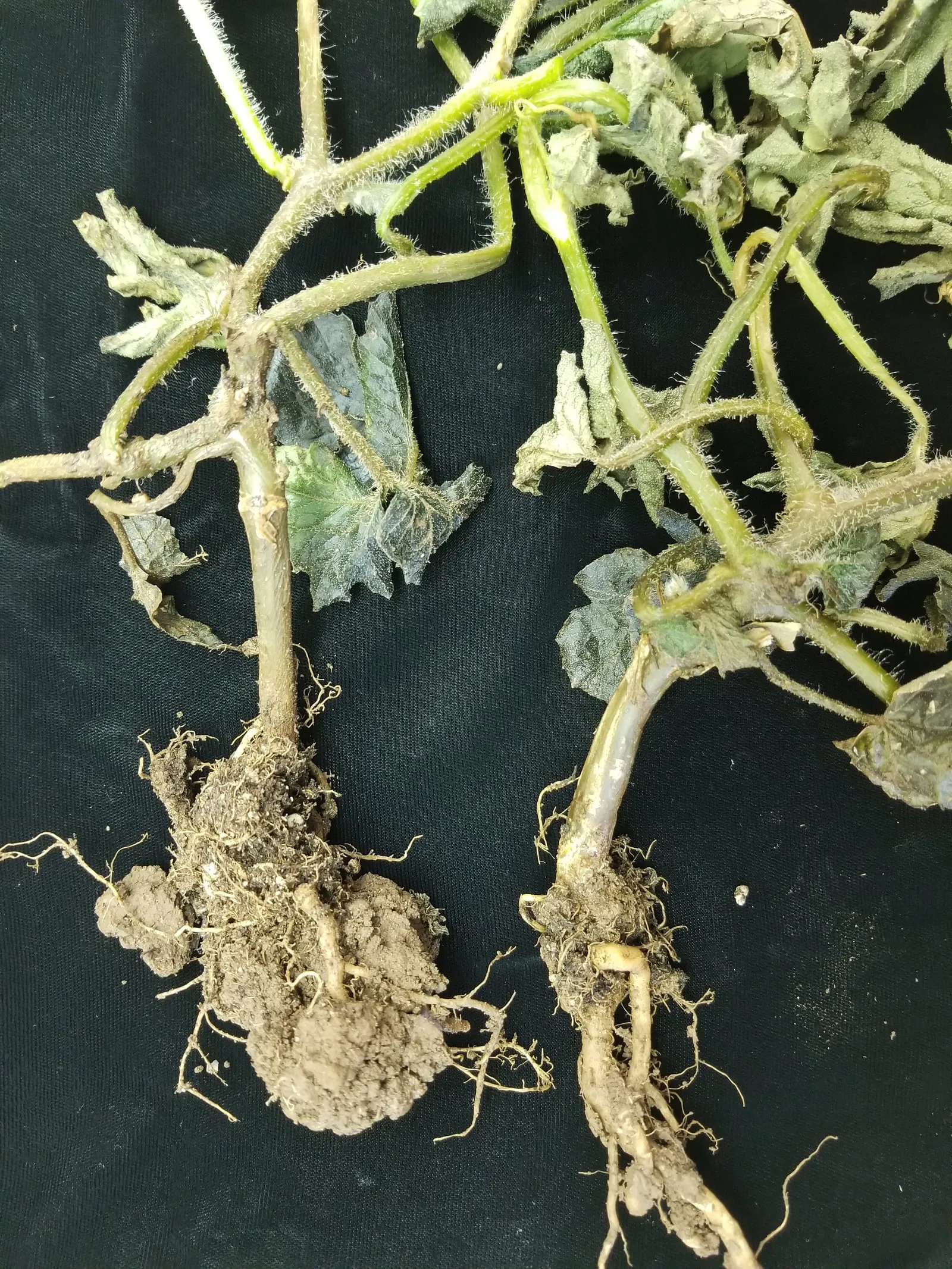
Erwinia tracheiphila
Bacterial disease vectored exclusively by cucumber beetles. Once a plant is infected there is no recovery; whole-plant collapse follows.
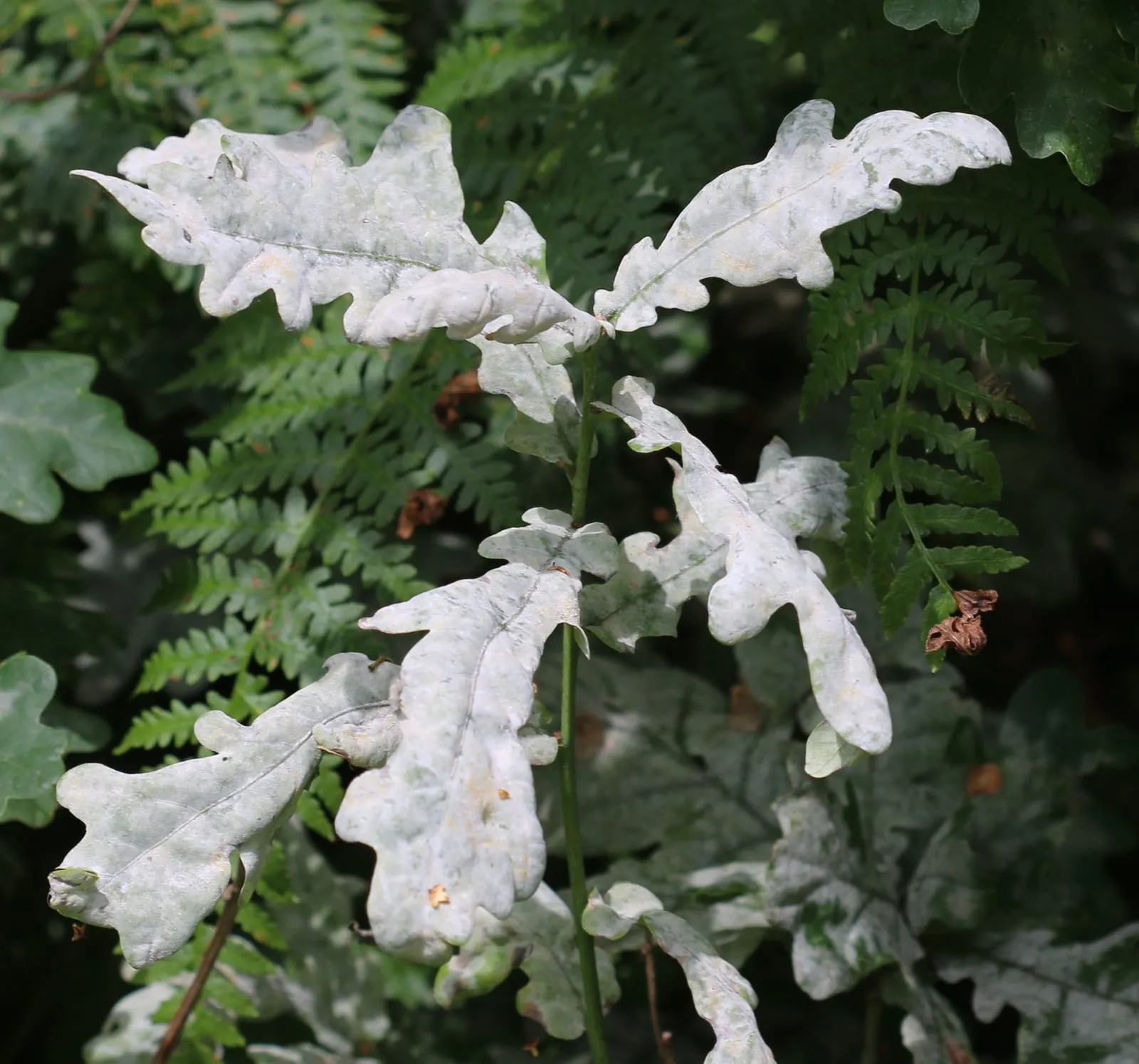
Multiple species (Erysiphales)
Surface-feeding fungal disease producing white powdery growth on leaves and stems. Reduces yield by stealing photosynthate and accelerating senescence.
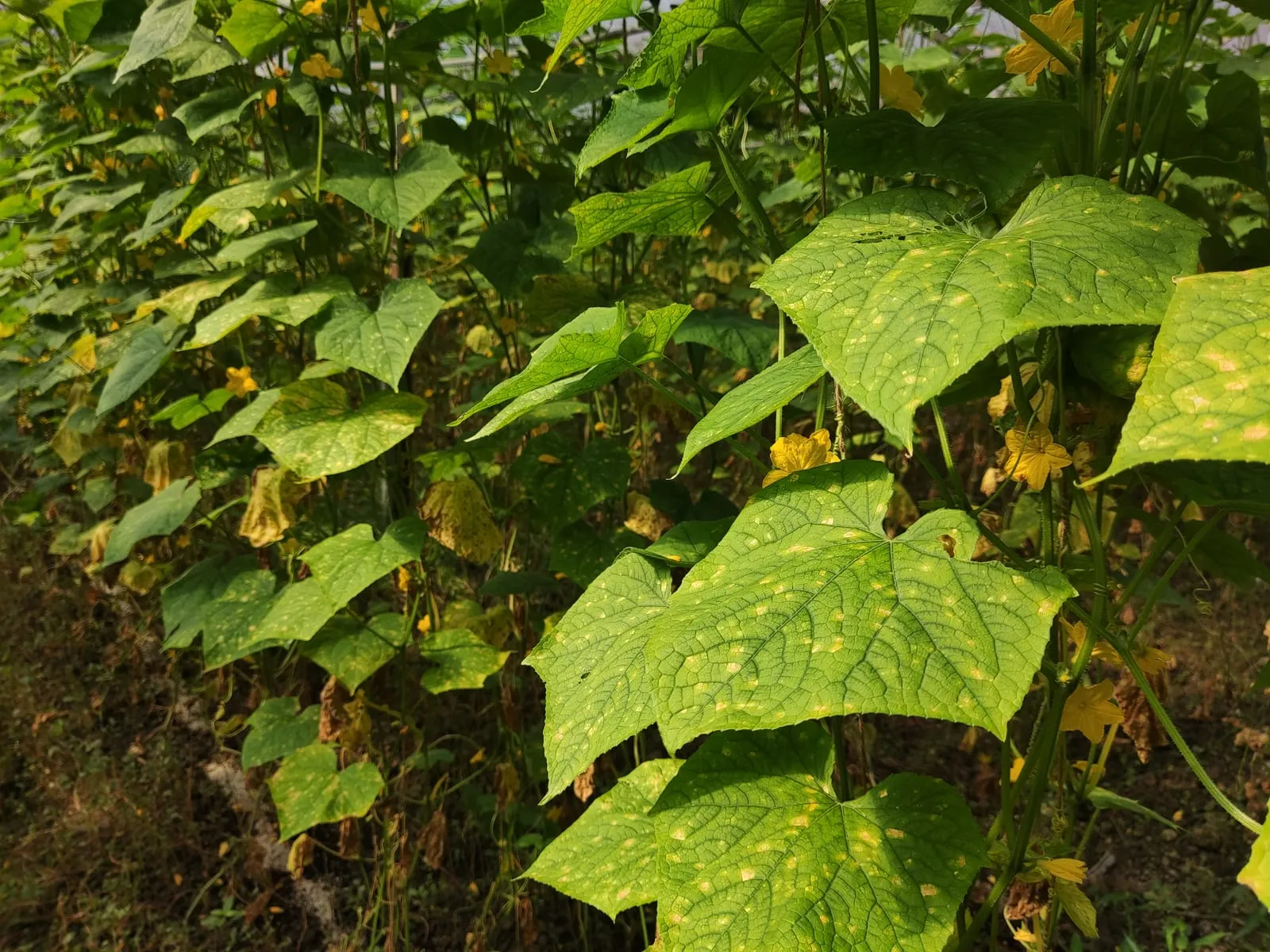
Pseudoperonospora cubensis (cucurbits) and others
Water mold (oomycete, not a true fungus) that thrives in cool damp conditions. Spreads rapidly through cucurbit and brassica plantings on wind-borne spores.
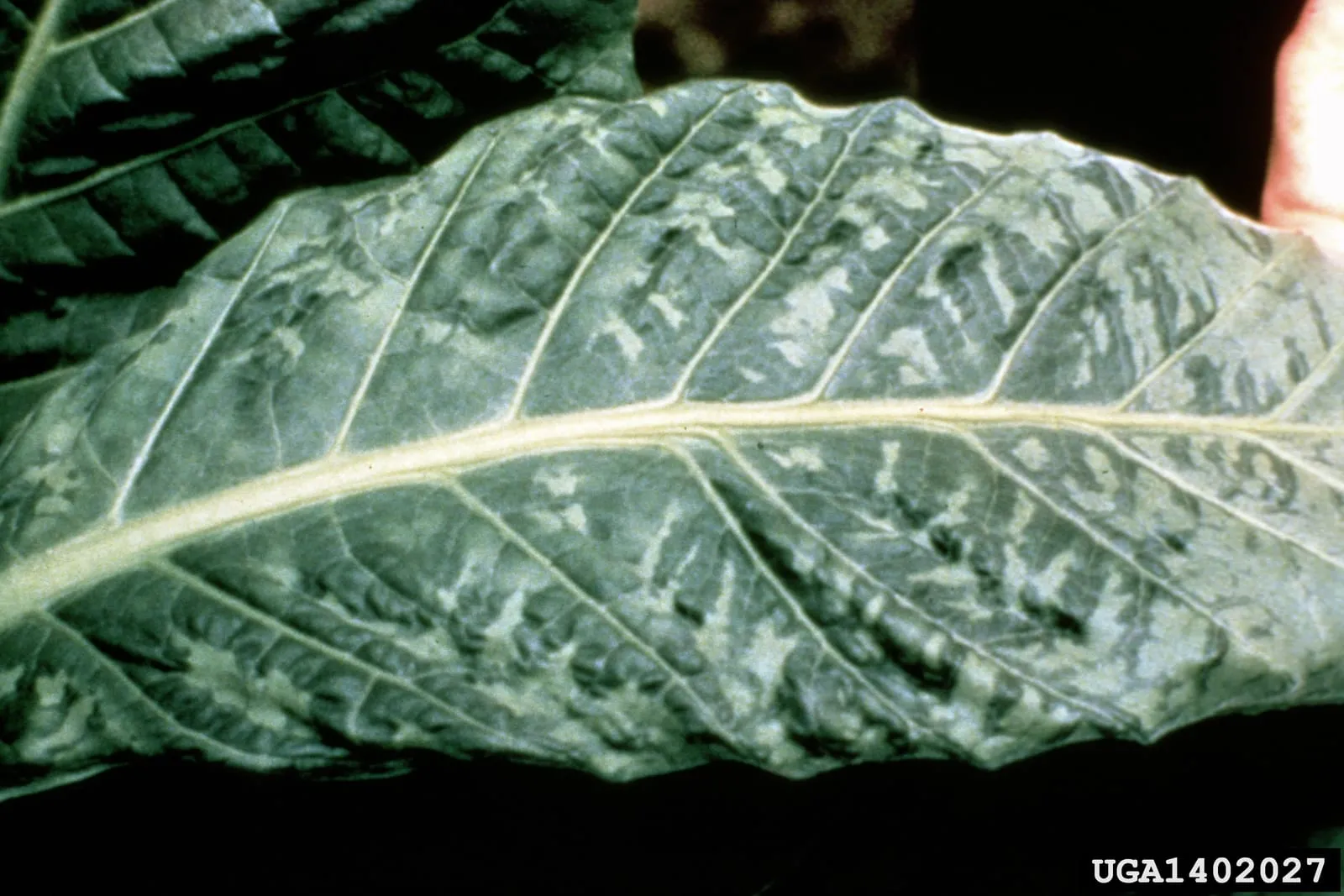
Cucumber mosaic virus, Tobacco mosaic virus, and others
Family of plant viruses producing mottled yellow-and-green leaf patterns. Vectored primarily by aphids; some are seed-transmitted or spread by handling tools and tobacco products.
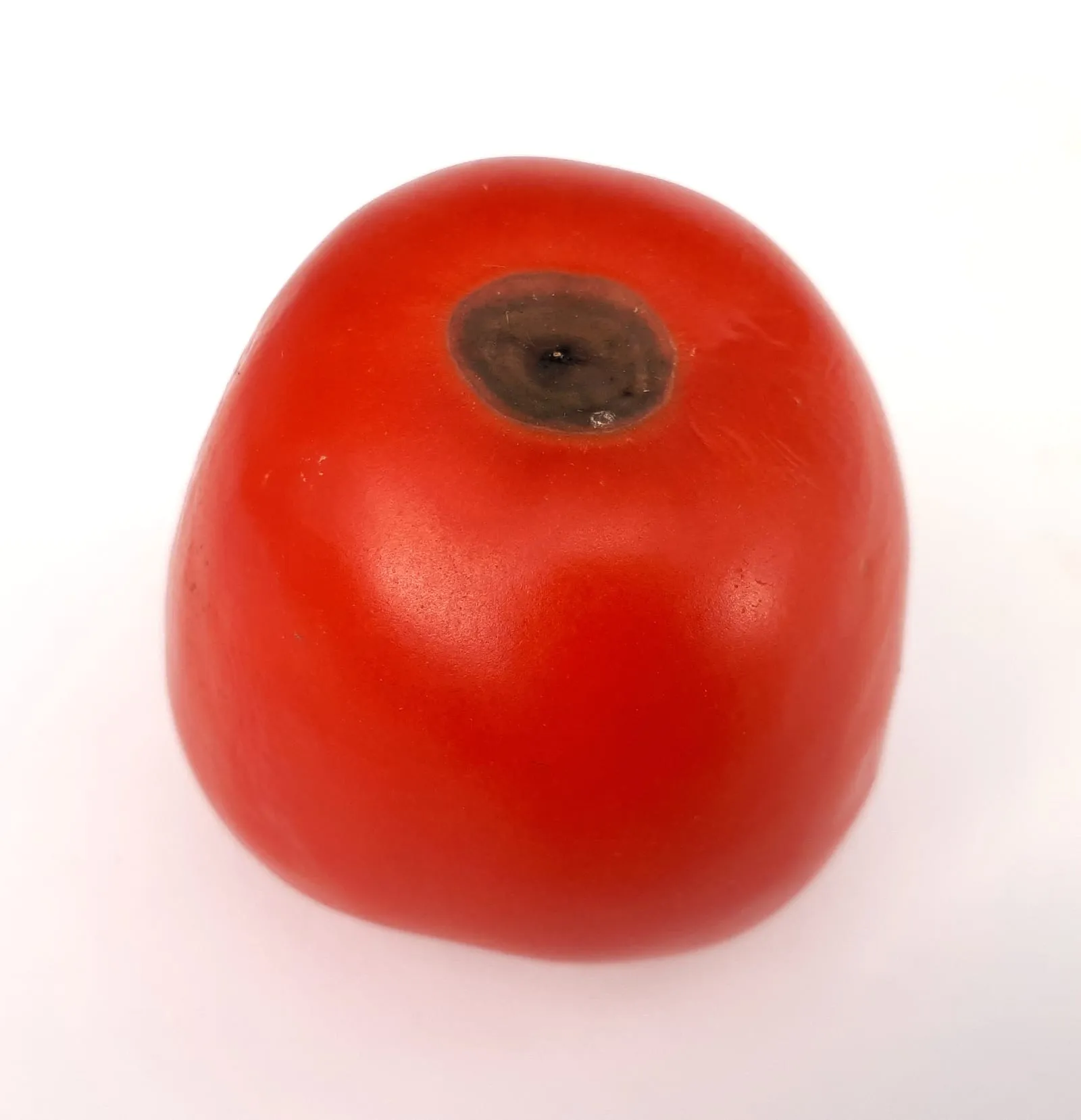
Calcium deficiency physiological disorder
Not a true disease but a calcium-uptake disorder caused by inconsistent soil moisture during fruit development. The dominant cause of damaged first-fruit on home tomato plantings.
Modified care for zone 9b
The most important adjustment in zone 9b is protecting pollination during heat events. When daytime temperatures exceed 95°F, melon pollen viability drops sharply. Hand-pollinating in the early morning, before 9 AM, improves fruit set during heat waves.
Bacterial wilt, vectored by cucumber beetles, is a persistent pressure throughout the zone's long season. Row covers at transplant time reduce early beetle exposure; remove covers once flowers open to allow pollinator access. Powdery mildew and downy mildew become active during humid periods, particularly in coastal areas and during fall crops when dew is heavier. Select mildew-tolerant varieties where the seed catalog lists them and avoid overhead irrigation.
Heavy mulch serves double duty: it conserves moisture and moderates soil temperature during summer peaks. Drip irrigation is strongly preferred over sprinklers. In coastal 9b locations, plant where windbreaks or structures offer some protection from salt-laden air during establishment, as salt spray can scorch foliage on young transplants.
Frequently asked questions
- Can melons be grown year-round in zone 9b?
Not quite year-round, but two crops per year is realistic. A spring planting (transplanted February to March, harvested May to June) and a fall planting (direct-seeded July to August, harvested October to November) fit comfortably within the 310-day growing season. Midsummer planting is not recommended because fruit set suffers when temperatures stay above 95°F for extended periods.
- Which diseases are most likely to affect melons in zone 9b?
Bacterial wilt (spread by cucumber beetles), powdery mildew, and downy mildew are the primary concerns in this zone. Row covers early in the season limit beetle pressure; avoiding overhead irrigation and selecting mildew-tolerant varieties reduces fungal risk, especially during the more humid fall window.
- Does zone 9b get enough heat for melons to develop full sweetness?
Yes. Melons need sustained warmth and long days to accumulate sugars, and zone 9b provides both in abundance. The risk is excess heat during fruit set rather than insufficient heat. Varieties with good heat tolerance and timing that targets a spring or fall harvest window consistently produce sweet fruit in this zone.
+−
+−
+−
Melon in adjacent zones
Image: "Cucumis melo 34", by Wilfredor, via Wikimedia Commons, licensed under CC0 Source.

Related