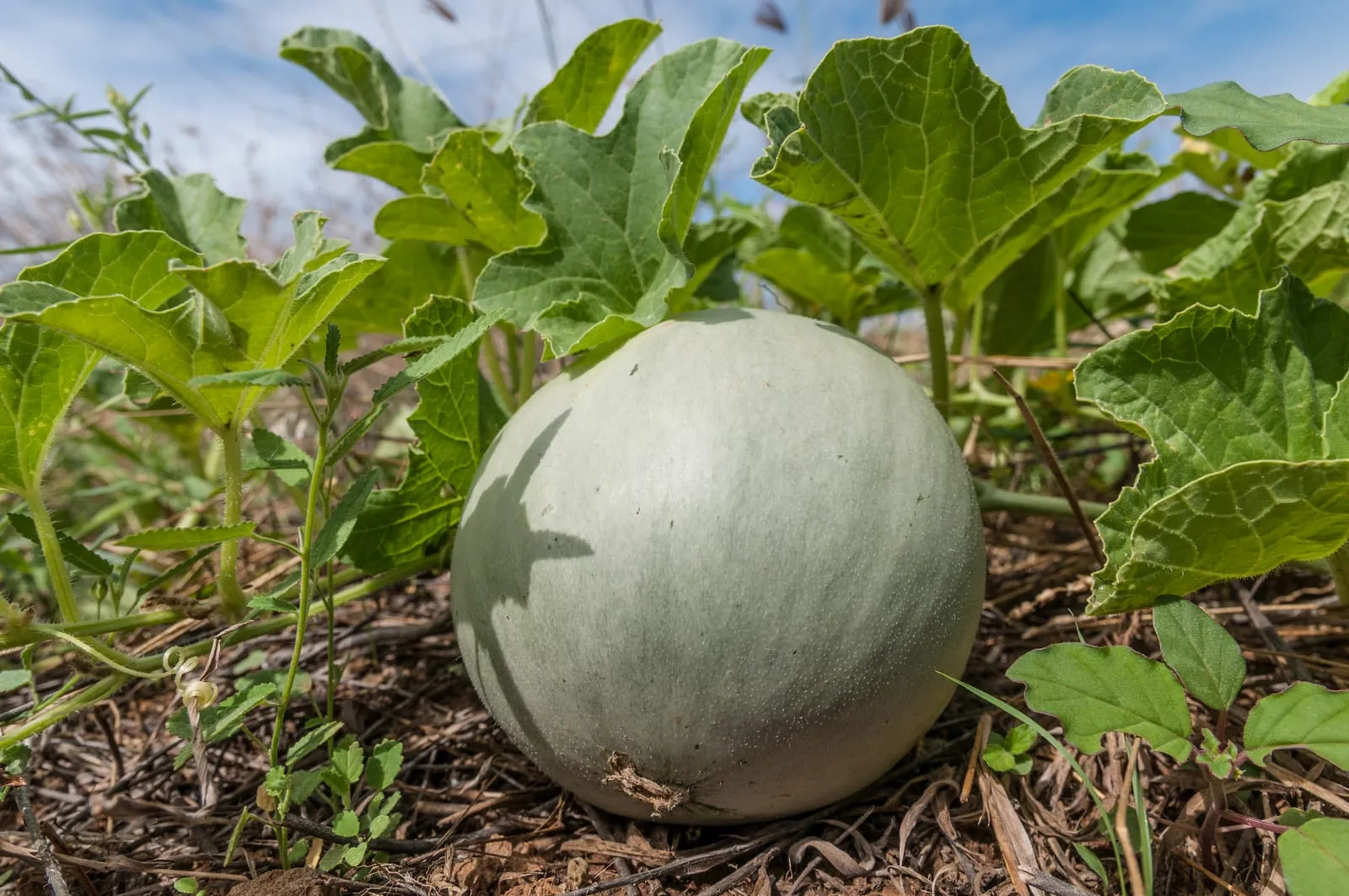
vegetable in zone 10a
Growing melon in zone 10a
Cucumis melo
- Zone
- 10a 30°F to 35°F
- Growing season
- 340 days
- Suitable varieties
- 0
- Days to harvest
- 75 to 100
The verdict
Melon is a warm-season cucurbit that requires no chilling period, so zone 10a's frost-free character is an asset rather than a limitation. The 340-day growing season allows multiple planting windows across fall, winter, and spring, with harvest possible in most months of the year. Peak summer heat above 95°F can stress fruit set and reduce sweetness, so zone 10a is less a sweet spot than a manageable challenge: timing matters more than in cooler zones.
The binding constraint in zone 10a is not cold but disease. Bacterial Wilt of Cucurbits, Powdery Mildew, and Downy Mildew all intensify under the warm, humid conditions that define the zone. Selecting varieties with documented disease tolerance and building rotations that interrupt inoculum cycles are more important here than anywhere in the melon's range. Given the input data lists no pre-screened compatible varieties, local trial experience and extension variety trials from University of Florida IFAS are the most reliable guides to what performs.
Critical timing for zone 10a
In zone 10a, the preferred planting windows are late August through October (for a fall-to-winter crop) and January through February (for a spring crop). Both windows allow fruit development during the cooler, lower-humidity months that favor sugar accumulation and reduce disease pressure. Transplants reach flowering in roughly 35 to 45 days, putting peak bloom in October-November or March-April depending on the cycle chosen.
Frost risk is negligible in zone 10a, so the conventional concern about bloom intersecting a late frost is not relevant. The more practical concern is setting fruit before daytime temperatures climb above 90°F consistently, since heat during fruit swell can reduce soluble solids. Summer plantings are possible but typically produce lower-quality fruit.
Common challenges in zone 10a
- ▸ No chilling for traditional temperate fruit
- ▸ Hurricane exposure
- ▸ Heat-tolerant cultivars only
Disease pressure to watch for
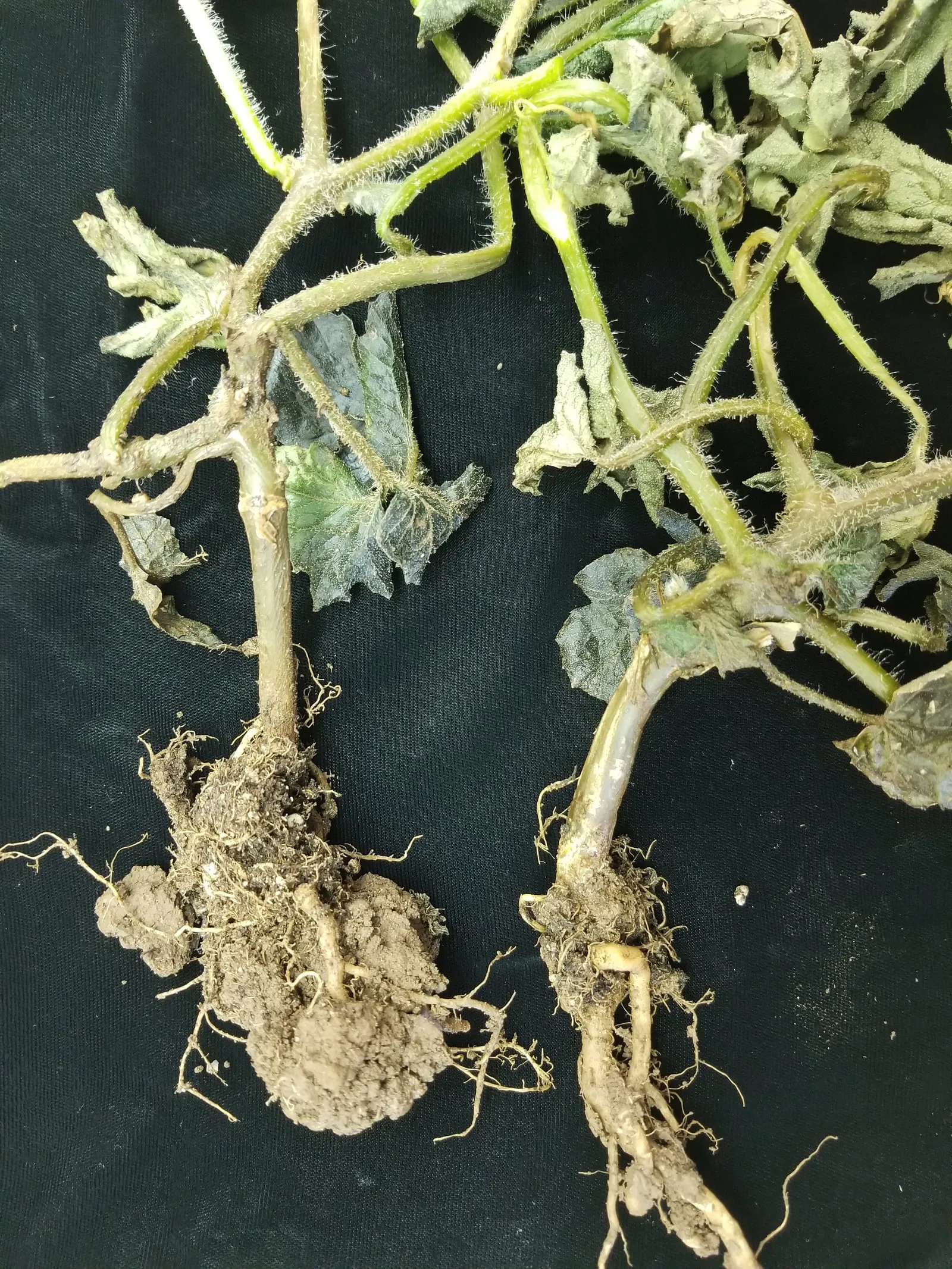
Erwinia tracheiphila
Bacterial disease vectored exclusively by cucumber beetles. Once a plant is infected there is no recovery; whole-plant collapse follows.
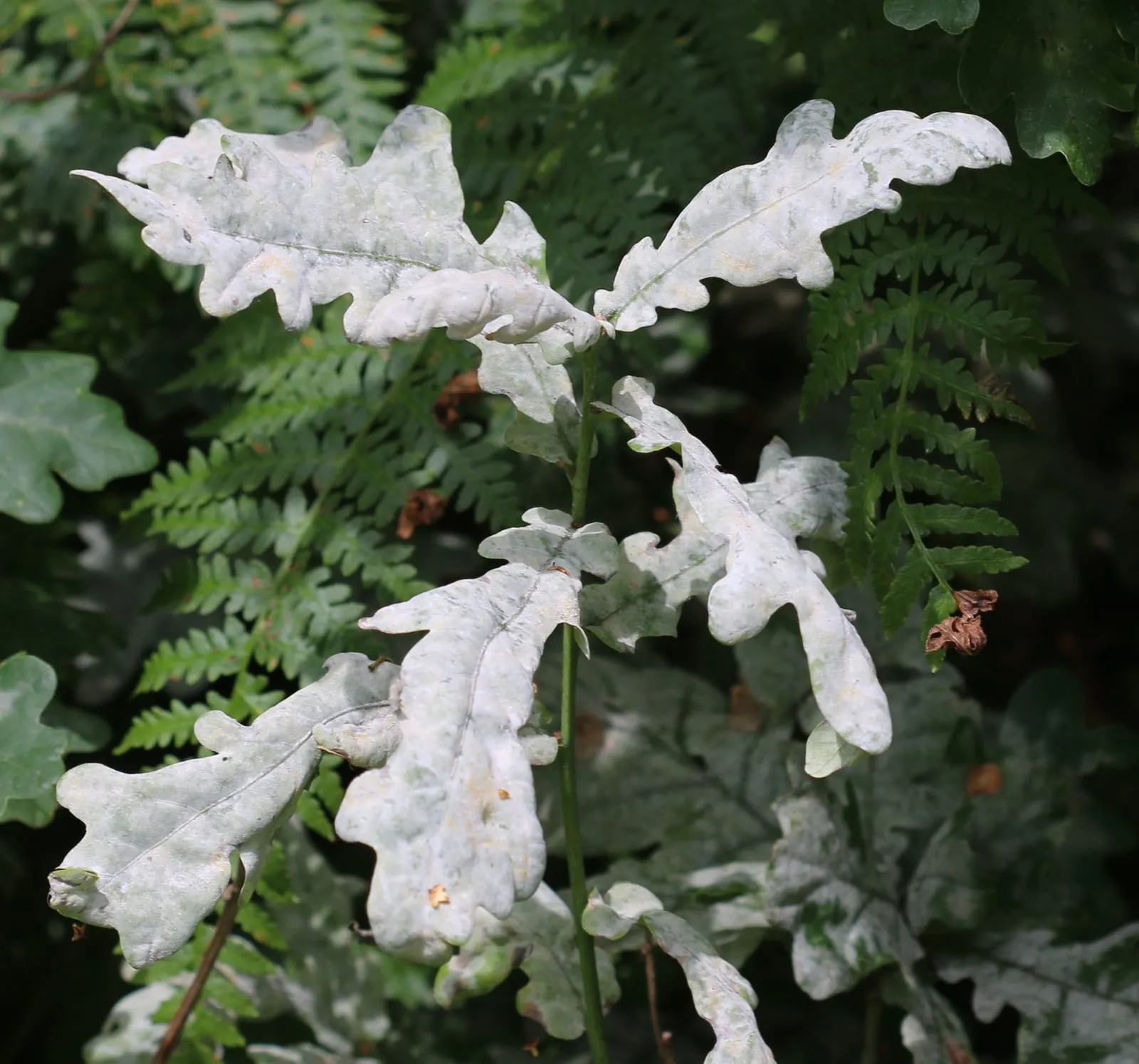
Multiple species (Erysiphales)
Surface-feeding fungal disease producing white powdery growth on leaves and stems. Reduces yield by stealing photosynthate and accelerating senescence.
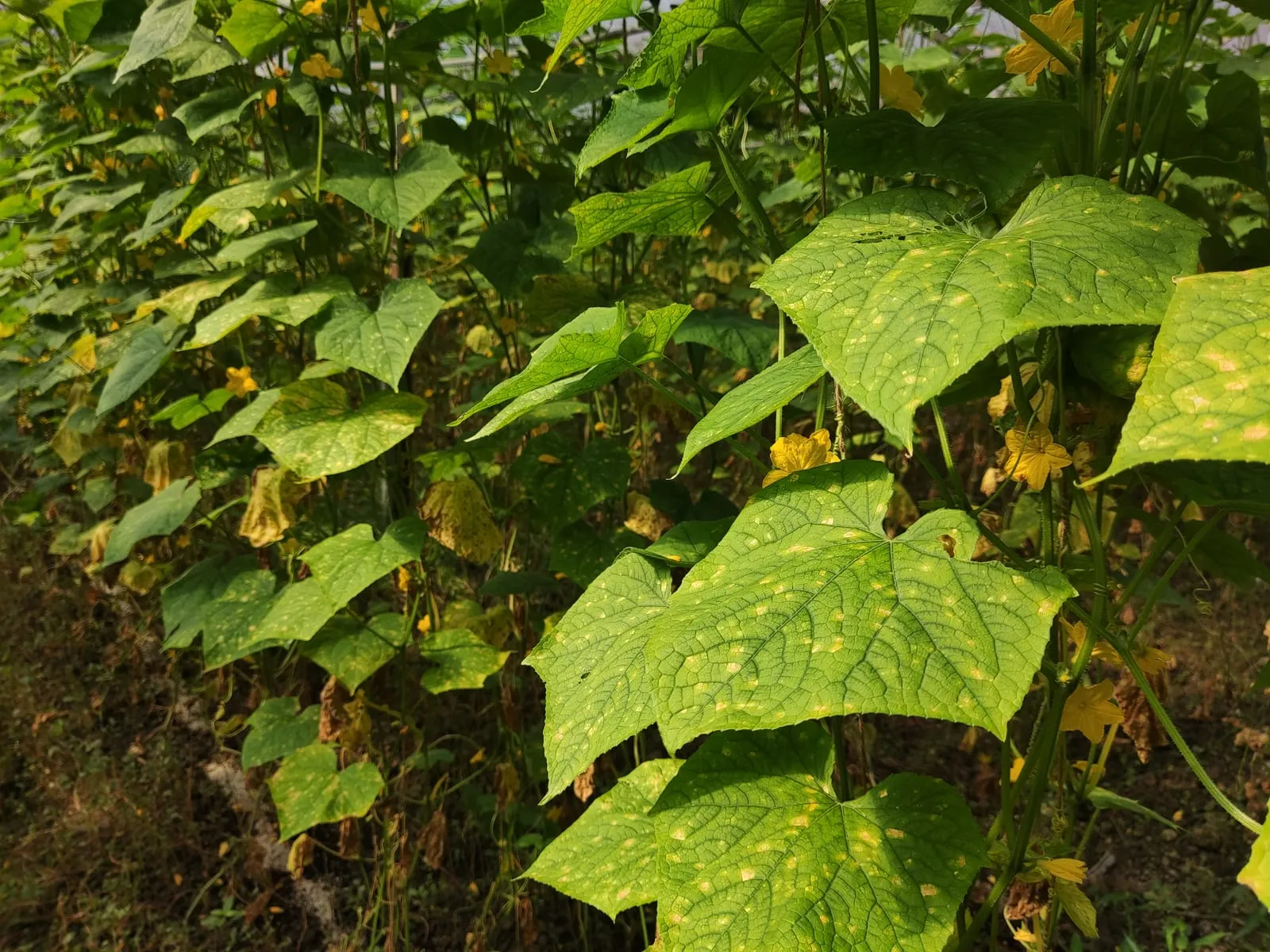
Pseudoperonospora cubensis (cucurbits) and others
Water mold (oomycete, not a true fungus) that thrives in cool damp conditions. Spreads rapidly through cucurbit and brassica plantings on wind-borne spores.
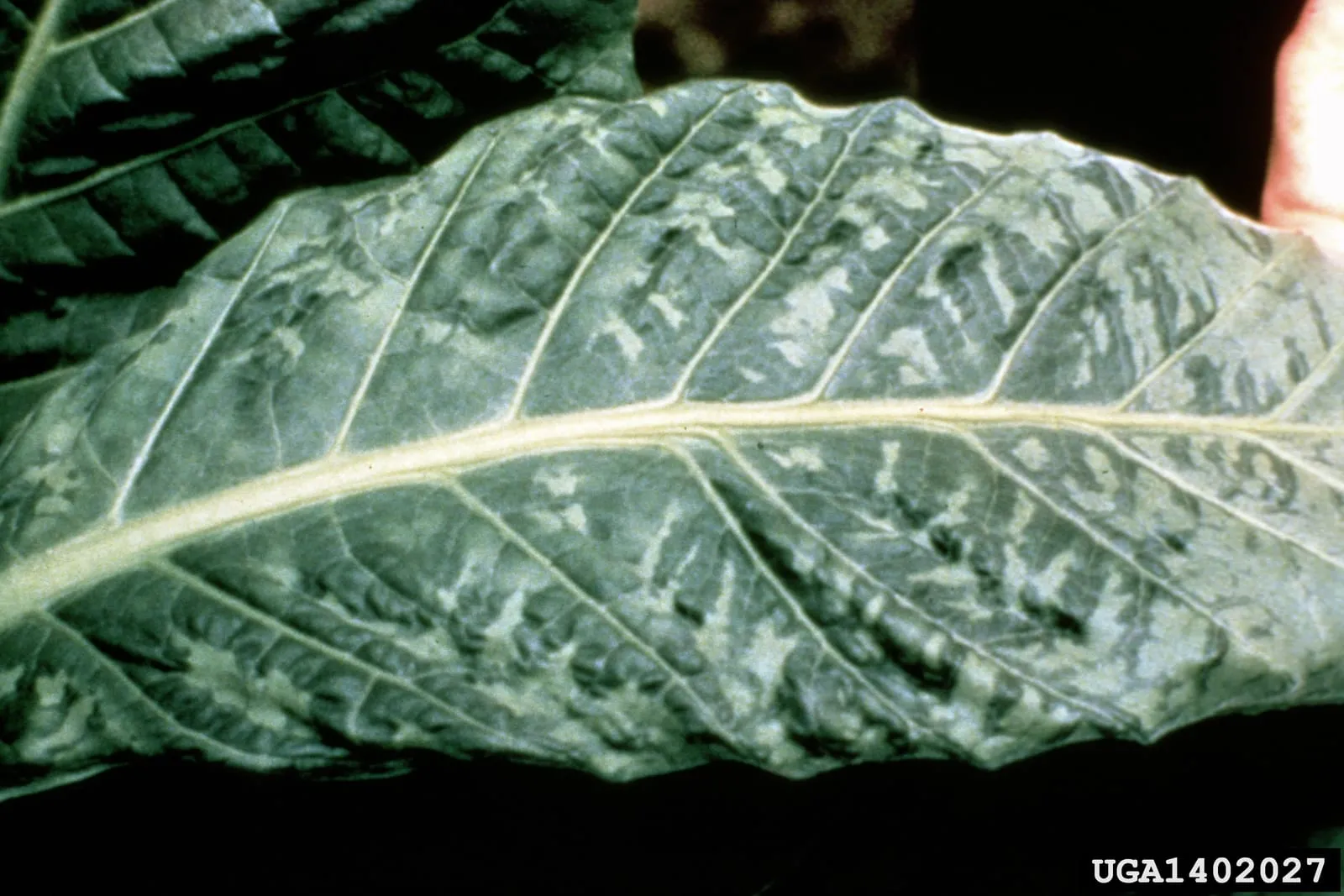
Cucumber mosaic virus, Tobacco mosaic virus, and others
Family of plant viruses producing mottled yellow-and-green leaf patterns. Vectored primarily by aphids; some are seed-transmitted or spread by handling tools and tobacco products.
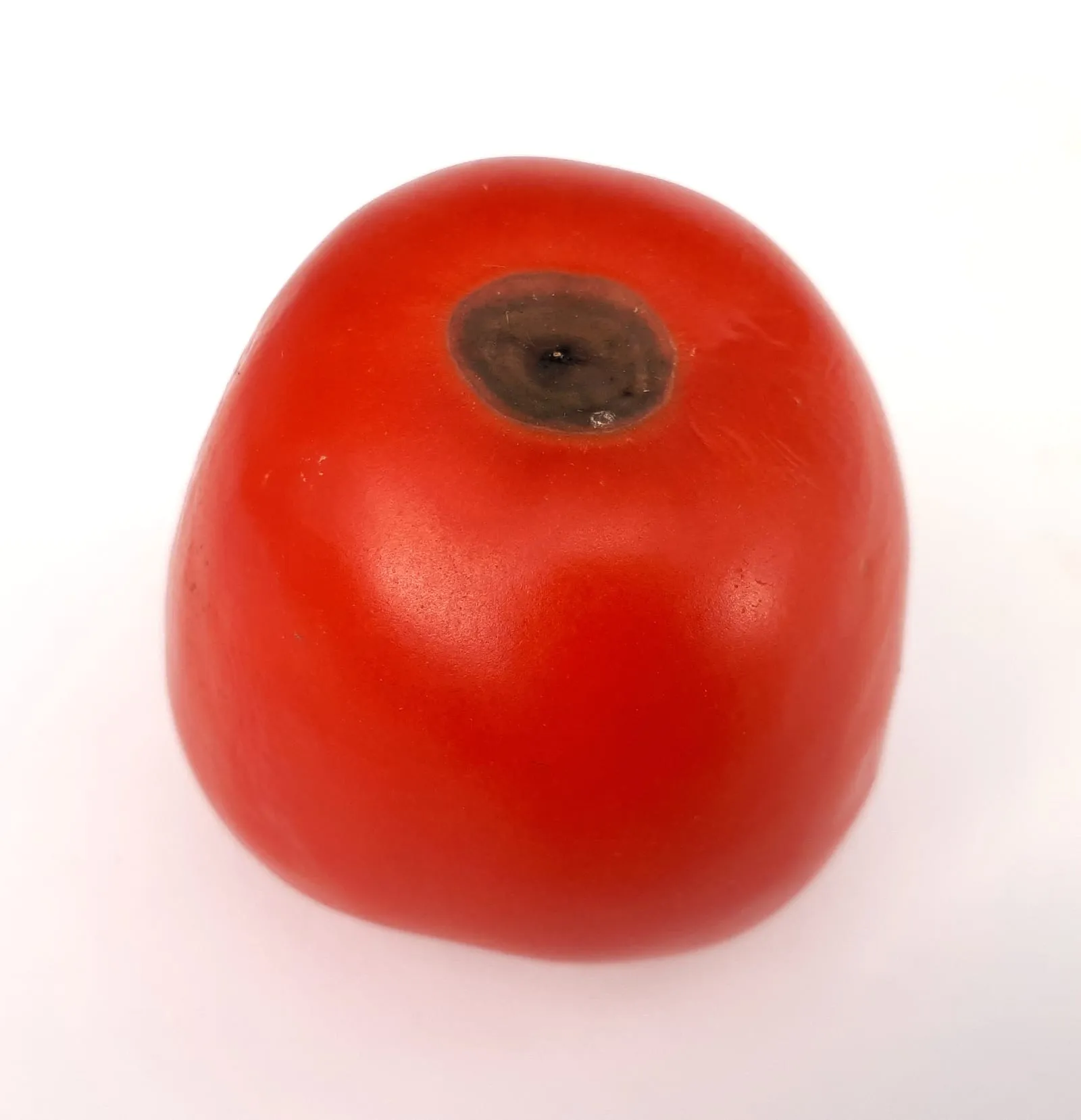
Calcium deficiency physiological disorder
Not a true disease but a calcium-uptake disorder caused by inconsistent soil moisture during fruit development. The dominant cause of damaged first-fruit on home tomato plantings.
Modified care for zone 10a
The primary adjustments in zone 10a are scheduling around heat and managing cucurbit diseases aggressively. Bacterial Wilt, transmitted by striped and spotted cucumber beetles, can collapse a planting quickly; row covers during the first three to four weeks after transplanting reduce beetle pressure substantially, and should be removed when flowers appear for pollination access.
Powdery Mildew and Downy Mildew both establish rapidly under zone 10a's humid nights. Scout leaf undersides weekly from first true-leaf stage. Preventive sulfur or potassium bicarbonate applications on a 7- to 10-day interval are more effective than reactive treatment once colonies are established. Irrigation management matters: drip irrigation that keeps foliage dry reduces infection rates compared to overhead watering. Hurricane exposure from late summer through October argues against planting into that window, reinforcing the fall planting start of late August to allow harvest before peak hurricane season extends into November.
Frequently asked questions
- Can melon be grown year-round in zone 10a?
Technically the growing season is long enough for multiple crops, but summer plantings typically underperform due to heat stress during fruit set and intensified disease pressure. Fall and spring windows produce better quality fruit with lower inputs.
- Do melons need any chill hours in zone 10a?
No. Melons are warm-season annuals with no chilling requirement. Unlike temperate tree fruits, they are not disadvantaged by zone 10a's mild winters. Heat tolerance during fruit development is the more relevant trait to select for.
- How serious is Bacterial Wilt for melons in zone 10a?
It is one of the most significant disease risks for cucurbits in warm southern zones. The pathogen (Erwinia tracheiphila) is beetle-vectored, and there is no curative treatment once a plant is infected. Row covers at establishment and prompt removal of infected plants are the main management tools.
+−
+−
+−
Melon in adjacent zones
Image: "Cucumis melo 34", by Wilfredor, via Wikimedia Commons, licensed under CC0 Source.

Related