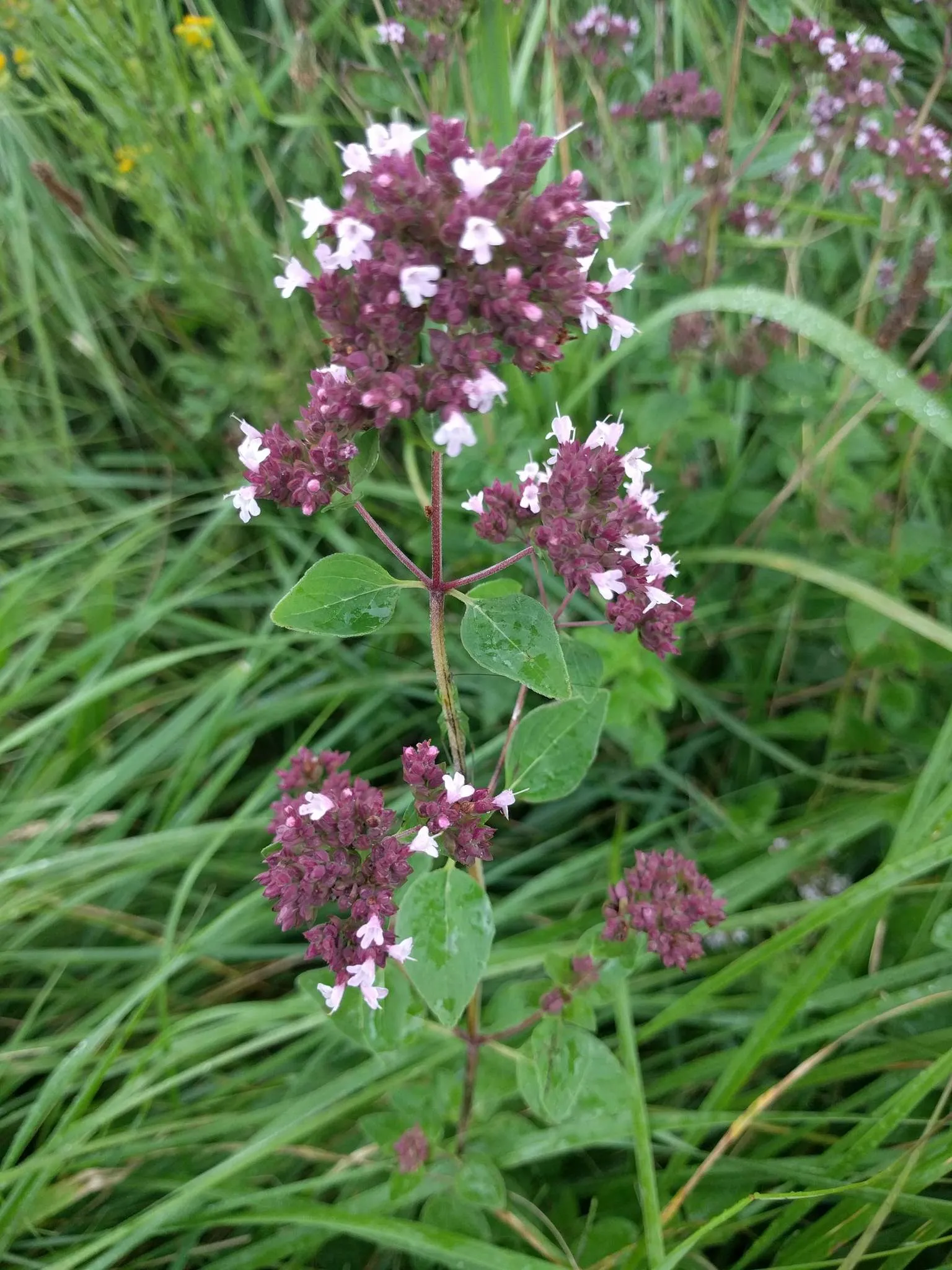
herb in zone 9a
Growing oregano in zone 9a
Origanum vulgare
- Zone
- 9a 20°F to 25°F
- Growing season
- 290 days
- Suitable varieties
- 0
- Days to harvest
- 80 to 110
The verdict
Zone 9a is a strong fit for oregano. The Mediterranean origin of this herb means it is adapted to long, warm growing seasons, and zone 9a's 290-day season and winter lows of 20 to 25°F align well with what oregano tolerates. Unlike stone fruits and many tree crops, oregano has no chill-hour requirement, so the zone's limited winter cold is not a liability.
In most of zone 9a, oregano behaves as a reliable perennial rather than an annual, returning each spring with minimal intervention. The primary constraints are not temperature-related but site-related: heavy clay soils, poor drainage, or persistently high humidity can shorten the plant's productive life significantly. On a well-drained site with good air circulation, oregano in zone 9a can remain vigorous and harvestable for five or more years.
Critical timing for zone 9a
Oregano can be established in zone 9a almost any time outside of peak summer. Early spring plantings (February through March) establish quickly ahead of heat. Fall plantings (September through October) root through the mild winter and are often the most productive in year one.
Flowering typically begins in late May and runs through July, depending on heat accumulation and variety. Flavor and essential oil concentration peak just as buds form but before flowers fully open, making late May through mid-June the prime harvest window for culinary use. Plants can be cut back after bloom, and a second flush of harvestable growth often follows by September. The zone's short frost window, typically confined to January and occasionally February, causes little interruption to this cycle.
Common challenges in zone 9a
- ▸ Limited stone fruit options due to insufficient chill
- ▸ Hurricane and tropical storm exposure
- ▸ Citrus disease pressure
Modified care for zone 9a
The main adjustment in zone 9a is managing heat and moisture rather than cold. Drainage is the single most important factor: roots sitting in wet soil through the warm months invite crown rot and fungal collapse. Raised beds or mounded rows improve drainage considerably in heavier soils.
During heat spikes above 100°F, which occur in the inland portions of zone 9a, light afternoon shade can prevent leaf scorch and premature bolting. Overhead irrigation should be avoided in favor of drip, since wet foliage in warm, humid conditions accelerates fungal problems. Plants that have become woody and unproductive typically respond better to full replacement than to hard pruning. Dividing clumps every two to three years and replanting into amended, well-drained soil is the most reliable way to maintain vigor across the long zone 9a season.
Frequently asked questions
- Does oregano come back every year in zone 9a?
Yes, oregano is reliably perennial in zone 9a. Winter lows of 20 to 25°F are well within the plant's cold tolerance, and the long growing season means established plants rarely experience significant dieback. Good drainage matters more than cold protection here.
- When should oregano be harvested in zone 9a for the best flavor?
The peak harvest window is late May through mid-June, just as flower buds form but before they open fully. Essential oil concentration is highest at this stage. A second, lighter harvest is possible after plants flush again in early fall.
- What is the biggest challenge for growing oregano in zone 9a?
Humidity and drainage are the primary concerns. Zone 9a's warm, sometimes humid summers favor crown rot and foliar fungal problems if soil stays wet. Planting in well-drained soil or raised beds and using drip irrigation instead of overhead watering reduces this risk substantially.
- Can oregano be planted year-round in zone 9a?
Nearly. Early spring and fall are the preferred establishment windows. Midsummer planting is possible but requires consistent moisture to prevent transplant stress during heat. Midwinter planting works in most of zone 9a but growth slows until temperatures rise in late February.
+−
+−
+−
+−
Oregano in adjacent zones
Image: "Origanum vulgare 149176132", by Michel Langeveld, via Wikimedia Commons, licensed under CC-BY Source.

Related