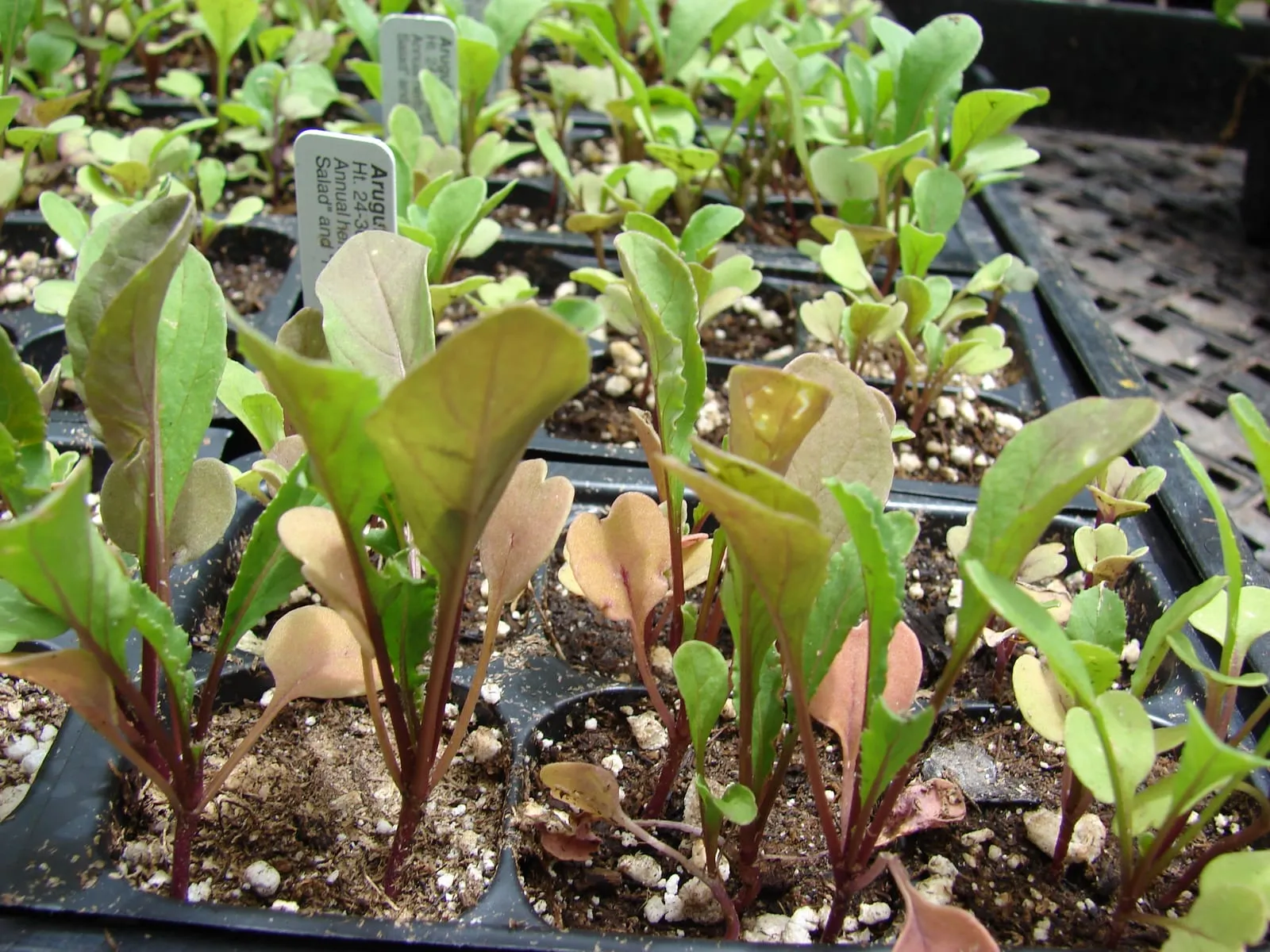
vegetable in zone 9a
Growing arugula in zone 9a
Eruca vesicaria
- Zone
- 9a 20°F to 25°F
- Growing season
- 290 days
- Suitable varieties
- 0
- Days to harvest
- 25 to 40
The verdict
Arugula is a cool-season annual with no chill-hour requirement, so the stone-fruit chill limitations that constrain zone 9a are irrelevant here. The binding constraint is heat, not cold. Zone 9a's minimum temperatures of 20 to 25°F rarely threaten established arugula, which tolerates light frost well and actually sweetens slightly after a frost event.
The 290-day growing season is an asset only in its cooler portion. Summers in zone 9a are too hot for arugula: plants bolt rapidly once daytime temperatures consistently exceed 75°F. The practical growing window runs fall through early spring, roughly October through April depending on local conditions.
Within that window, zone 9a is a genuine sweet spot. Mild winters allow continuous harvest through December and January without row cover in most years. Growers can run two full successions, one fall planting and one late-winter planting, where colder zones might squeeze in only one.
Critical timing for zone 9a
Fall planting is the primary window: direct sow from mid-September through November. Germination is reliable once soil temperatures drop below 75°F. Harvest from fall plantings typically begins 35 to 45 days after sowing and can continue through February or March before lengthening days trigger bolting.
Late-winter planting runs from late January through early March. These plantings yield into April, after which rising temperatures accelerate stem elongation and seed stalk development. Flower buds appearing at the growing tip signal the end of harvest quality.
Zone 9a's frost window is narrow. Hard freezes below 28°F occur infrequently and briefly. Arugula planted in October is unlikely to require protection; plants established before the coolest months handle the zone's typical cold events without significant damage.
Common challenges in zone 9a
- ▸ Limited stone fruit options due to insufficient chill
- ▸ Hurricane and tropical storm exposure
- ▸ Citrus disease pressure
Disease pressure to watch for
Modified care for zone 9a
The primary adaptation in zone 9a is a strict seasonal calendar. Summer planting is not viable, so seed-starting schedules that work in cooler zones need to be shifted entirely into the fall and late-winter windows.
In spring, 30 to 50 percent shade cloth can extend harvest by two to three weeks as temperatures climb. Remove shade once plants bolt regardless, as flavor quality declines quickly.
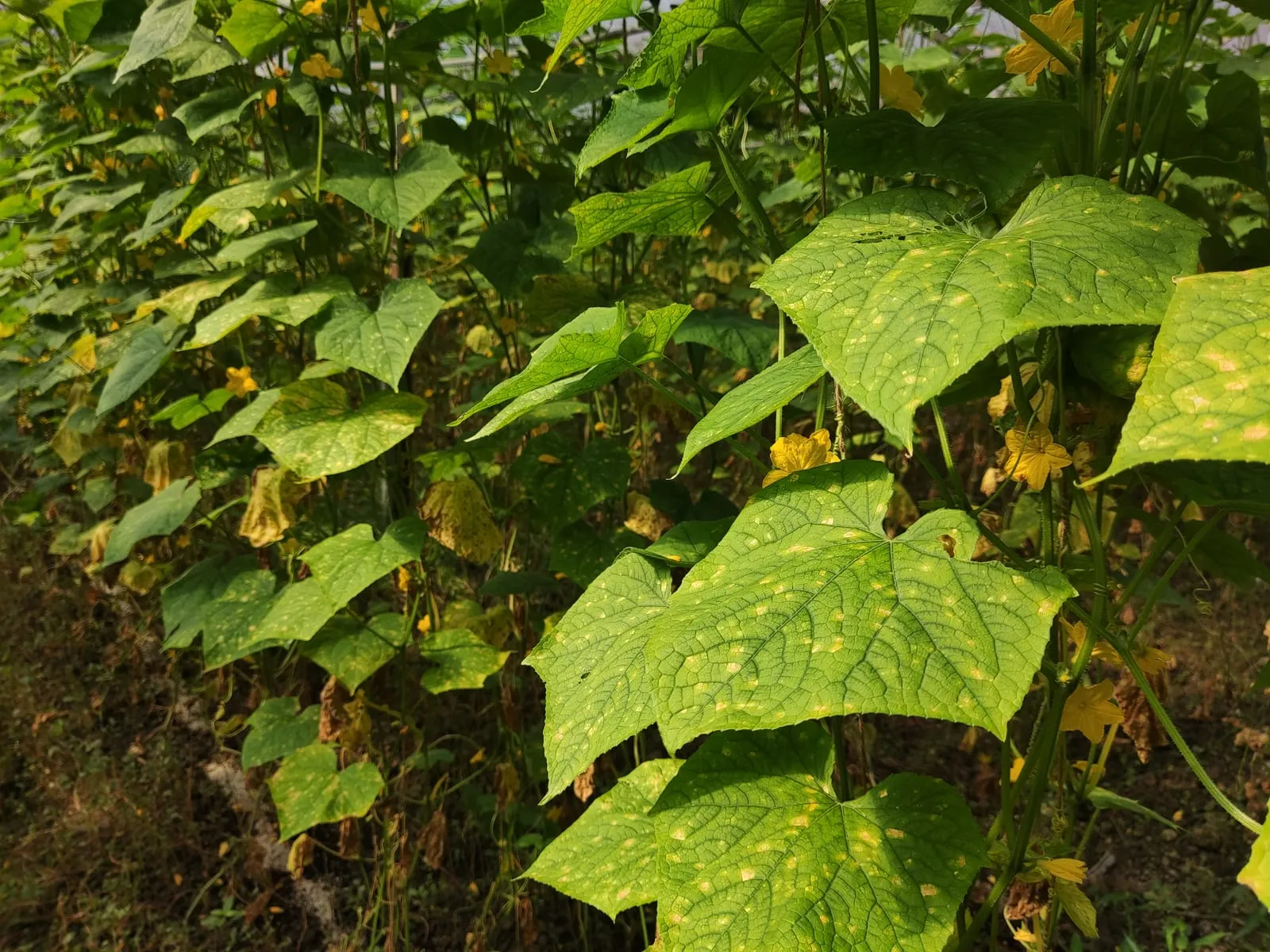
Downy mildew is the main disease concern in zone 9a, particularly in humid coastal areas and during wet fall periods. Adequate plant spacing (6 to 8 inches minimum), drip irrigation rather than overhead watering, and morning watering schedules reduce leaf wetness and slow spore spread. Severely infected leaves should be removed and discarded rather than composted. Growers in Gulf Coast and South Atlantic portions of zone 9a should also account for late-summer tropical weather when timing fall plantings; a storm event that floods or buries seedlings in September can wipe out an early-fall succession.
Frequently asked questions
- Can arugula survive zone 9a winters outdoors without protection?
In most zone 9a locations, yes. Arugula tolerates frost down to the mid-20s°F without significant damage. The 20 to 25°F minimum temperature range of zone 9a falls right at that threshold, so brief hard freezes may cause cosmetic damage to outer leaves but rarely kill established plants. A floating row cover on the coldest nights provides inexpensive insurance.
- Why does arugula bolt so fast in zone 9a springs?
Bolting in arugula is triggered by a combination of warming temperatures and lengthening days. Zone 9a springs arrive early and warm quickly, compressing the harvest window. Spring plantings made after mid-March face a short turnaround. Fall planting is generally more productive in this zone because the photoperiod is shortening rather than lengthening as temperatures moderate.
- How serious is downy mildew on arugula in zone 9a?
Downy mildew (caused by Hyaloperonospora camelinae) can spread rapidly during cool, wet fall periods that characterize early-season planting windows in zone 9a. It appears as pale yellow patches on upper leaf surfaces with grayish-white spore masses beneath. Managing air circulation, irrigation timing, and plant density limits spread. Severely affected crops grown in tight spacing may need to be pulled early.
- Is arugula worth growing in zone 9a given the short season?
The fall-through-spring window in zone 9a is actually longer than what many northern zones offer. Two succession plantings, one in fall and one in late winter, can yield fresh arugula from October through April. That is a substantial harvest period compared with the single compressed spring season available in zones 5 and 6.
+−
+−
+−
+−
Arugula in adjacent zones
Image: "Starr 070906-8899 Eruca vesicaria subsp. sativa", by Forest & Kim Starr, via Wikimedia Commons, licensed under CC-BY Source.

Related