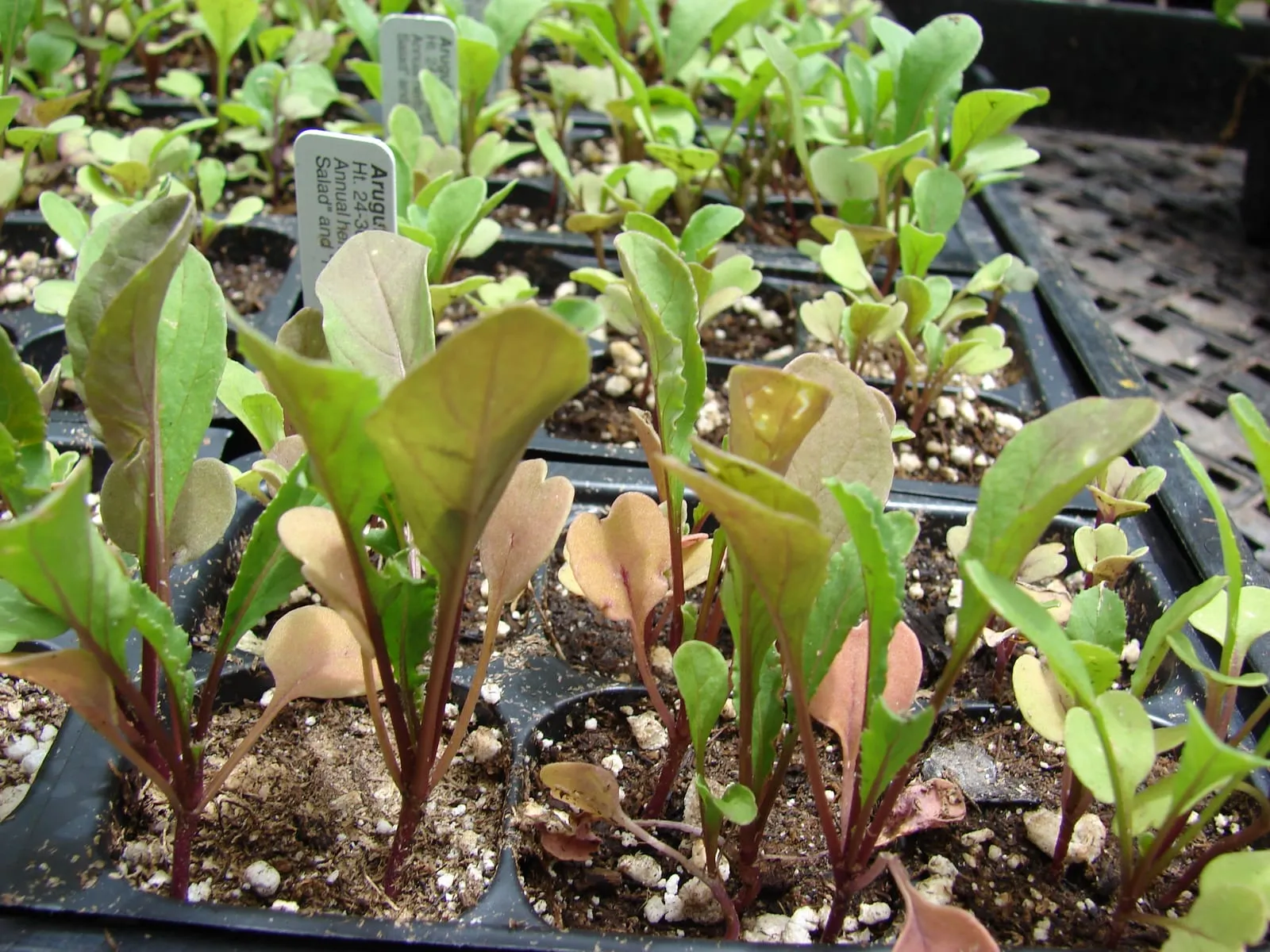
vegetable in zone 8b
Growing arugula in zone 8b
Eruca vesicaria
- Zone
- 8b 15°F to 20°F
- Growing season
- 260 days
- Suitable varieties
- 1
- Days to harvest
- 25 to 40
The verdict
Arugula is well-suited to zone 8b, though the long, hot summers mean the productive window is concentrated in fall, winter, and early spring rather than spread evenly across the year. Unlike fruit crops that require accumulated chill hours, arugula has no vernalization requirement, so the zone's mild winters are an asset rather than a limitation. The 260-day growing season gives growers a generous cool-season window, roughly September through April, during which arugula germinates reliably and produces before bolting pressure sets in.
Wild Rocket (Sylvetta) is a particularly good fit for the zone. Its slower bolt rate and more pungent flavor hold up better under fluctuating temperatures than standard varieties. Downy mildew can be a recurring problem in the humid subtropical conditions common to zone 8b, especially in dense plantings with limited airflow. This is not a marginal zone for arugula; it is a productive one, provided plantings are timed to avoid the peak heat months.
Recommended varieties for zone 8b
1 cultivar suited to this zone, with disease-resistance and zone-fit annotations.
| Variety | Notes | Zone fit | Disease resistance |
|---|---|---|---|
| Wild Rocket / Sylvetta fits zone 8b | Sharp, intense pepper bite, deeply lobed leaves; the connoisseur's arugula. Salads, pasta toss, pizza. Slow-growing perennial-style, holds longer in heat. | | none noted |
Critical timing for zone 8b
In zone 8b, the primary planting windows are late September through mid-November for fall crops, and again in late February through mid-March for spring crops before heat arrives. Germination is reliable when soil temperatures are between 45 and 65°F. First harvest comes roughly 35 to 45 days after sowing, depending on conditions.
Bolting is the critical timing constraint. Once daytime highs consistently reach the mid-70s°F, arugula sends up flower stalks and the leaves turn sharp and unpalatable quickly. In zone 8b, that threshold typically arrives in late April or early May. Fall plantings often provide the longest productive season, sometimes continuing through January and February with only minor frost protection during brief cold snaps.
Common challenges in zone 8b
- ▸ Low chill hours limit apple variety selection
- ▸ Citrus greening risk
- ▸ Nematodes in sandy soils
Disease pressure to watch for
Modified care for zone 8b
The main adjustment in zone 8b is accepting summer as a complete off-season for arugula and planning accordingly. Succession planting every two to three weeks through October and November extends the fall harvest window considerably. A light row cover during the occasional hard frost (temperatures dipping near 25°F) protects fall plantings without causing heat buildup.
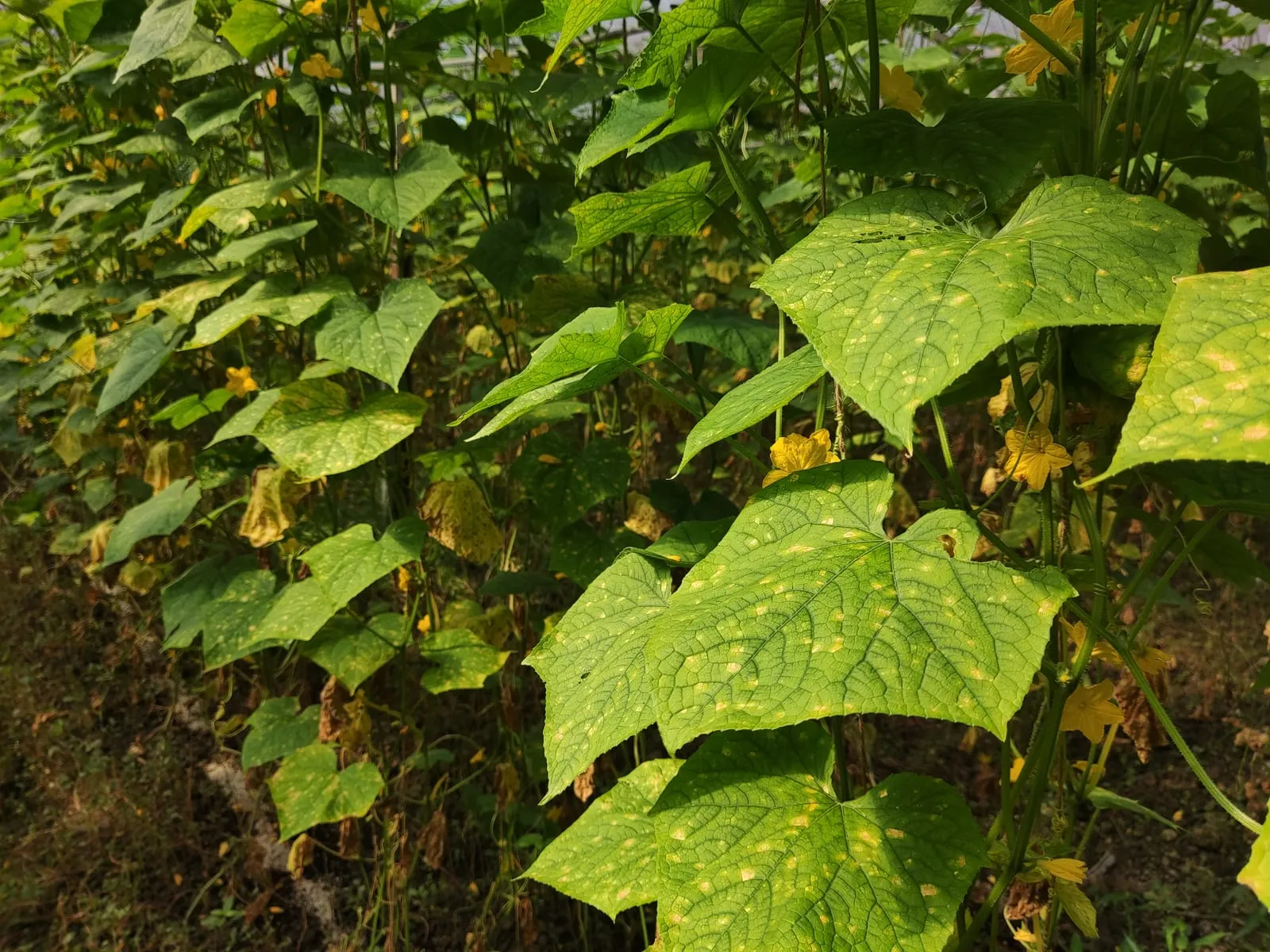
Downy mildew pressure increases in wet winters and crowded beds. Spacing plants at least six to eight inches apart and avoiding overhead irrigation reduces incidence. Remove affected leaves promptly rather than waiting for full plant collapse. In sandy soils common to parts of zone 8b, consistent moisture is more difficult to maintain; arugula stressed by drought bolts faster, so mulching and frequent light irrigation during dry spells extends the harvest window by several weeks.
Arugula in adjacent zones
Image: "Starr 070906-8899 Eruca vesicaria subsp. sativa", by Forest & Kim Starr, via Wikimedia Commons, licensed under CC-BY Source.

Related