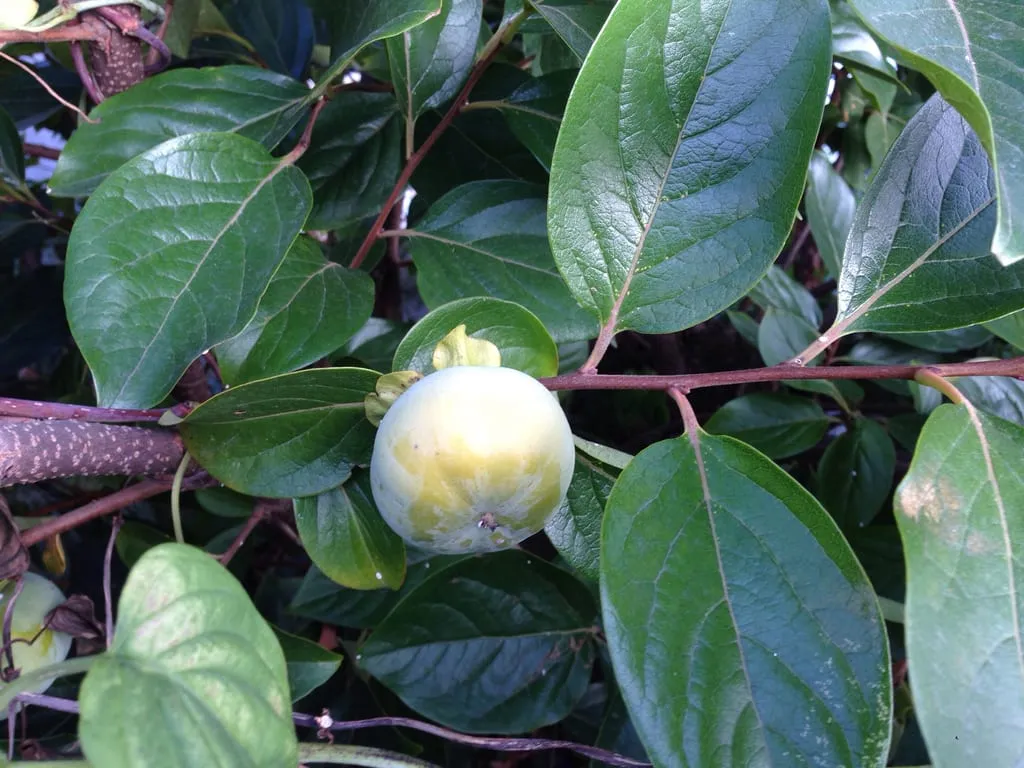
fruit tree in zone 9a
Growing asian persimmon in zone 9a
Diospyros kaki
- Zone
- 9a 20°F to 25°F
- Growing season
- 290 days
- Chill needed
- 100 to 400 below 45°F
- Suitable varieties
- 3
- Days to harvest
- 180 to 240
The verdict
Asian persimmon is well suited to zone 9a and represents one of the better tree fruit options in this part of the country. The crop's chill-hour requirement of 100 to 400 hours aligns comfortably with what zone 9a typically delivers across most winters, making this far less of a gamble than stone fruits, which are effectively ruled out in the region due to insufficient chill. Fuyu, Jiro, and Hachiya all fall within that low-to-moderate chill window, giving growers meaningful variety selection rather than a single marginal option.
Zone 9a is neither a marginal zone nor the absolute sweet spot for Asian persimmon, but it sits solidly in the workable range. The 290-day growing season provides ample time for fruit to reach full maturity, and the mild winters eliminate winter hardiness as a concern. Where growers in this zone need to pay attention is summer heat management and irrigation, not cold tolerance.
Recommended varieties for zone 9a
3 cultivars suited to this zone, with disease-resistance and zone-fit annotations.
| Variety | Notes | Zone fit | Disease resistance |
|---|---|---|---|
| Fuyu fits zone 9a | Mild, honey-sweet, crisp like an apple when firm; the friendly entry-level persimmon, no astringency. Slice into salads, eat out of hand. Most popular Asian persimmon in the US. | | none noted |
| Hachiya fits zone 9a | Intensely sweet, custard-soft, complex tropical-honey flavor when fully ripe; astringent and inedible until soft. Classic for baking persimmon pudding, cookies, and bread. | | none noted |
| Jiro fits zone 9a | Sweet, mild, crisp; non-astringent like Fuyu but with slightly larger fruit. Eats firm or soft. Productive and well-adapted. | | none noted |
Critical timing for zone 9a
In zone 9a, Asian persimmon typically blooms in April, well after the region's last frost threat has passed. The minimum winter temperatures of 20 to 25 degrees Fahrenheit are not cold enough to damage dormant wood, and late frost events rare enough in this zone that bloom-window frost damage is not a significant recurring risk.
Harvest timing depends on variety. Fuyu and Jiro, both non-astringent types, generally ripen September through October. Hachiya, an astringent variety that requires full softening before eating, typically follows in October and into November. The long, warm fall in zone 9a benefits fruit color and sugar development, though growers should monitor for early tropical weather in September that can coincide with the late-season ripening window.
Common challenges in zone 9a
- ▸ Limited stone fruit options due to insufficient chill
- ▸ Hurricane and tropical storm exposure
- ▸ Citrus disease pressure
Modified care for zone 9a
The primary care adjustment in zone 9a is water management during the summer. Asian persimmon tolerates drought reasonably well once established, but zone 9a summers can push trees into moisture stress that affects fruit size and triggers premature drop. Consistent deep irrigation through July and August, tapering off as fruit approaches maturity, reduces that risk.
The zone's hurricane and tropical storm exposure warrants attention for young trees. Staking during the first two to three years and avoiding exposed, unprotected planting sites gives the tree time to develop an anchored root system before facing significant wind load. Mature persimmon trees handle wind better than many fruit trees, but young specimens are vulnerable.
Winter protection is not necessary. The 20 to 25 degree minimum temperature range in zone 9a falls within the cold hardiness of all three recommended varieties.
Frequently asked questions
- How many chill hours does Asian persimmon need, and does zone 9a provide them?
Asian persimmon requires 100 to 400 chill hours depending on variety. Zone 9a typically accumulates enough winter cold hours to meet the lower end of that range, making Fuyu, Jiro, and Hachiya all viable options without the chill-hour shortfall that rules out most stone fruits in the region.
- Which Asian persimmon varieties perform best in zone 9a?
Fuyu and Jiro are the most reliable choices in zone 9a. Both are non-astringent and have modest chill requirements. Hachiya is also viable but requires patience, since it must soften fully before it is edible and benefits from the long warm fall that zone 9a provides.
- Is late frost a concern for persimmon bloom in zone 9a?
Late frost damage to persimmon bloom is uncommon in zone 9a. The trees bloom in April, after the region's typical last frost window, and the mild winters mean hard freezes that could damage open flowers occur infrequently. Tropical storm activity in late summer and fall is a more relevant weather risk than spring frost.
- How much irrigation does Asian persimmon need in zone 9a summers?
Established trees are drought-tolerant but benefit from deep irrigation every two to three weeks during July and August in zone 9a. Without supplemental water during the hottest months, fruit size decreases and premature drop becomes more likely. Reduce irrigation as harvest approaches to concentrate sugars.
+−
+−
+−
+−
Asian Persimmon in adjacent zones
Image: "Japanese Persimmon", by Kim, via iNaturalist, licensed under CC-BY Source.
Related