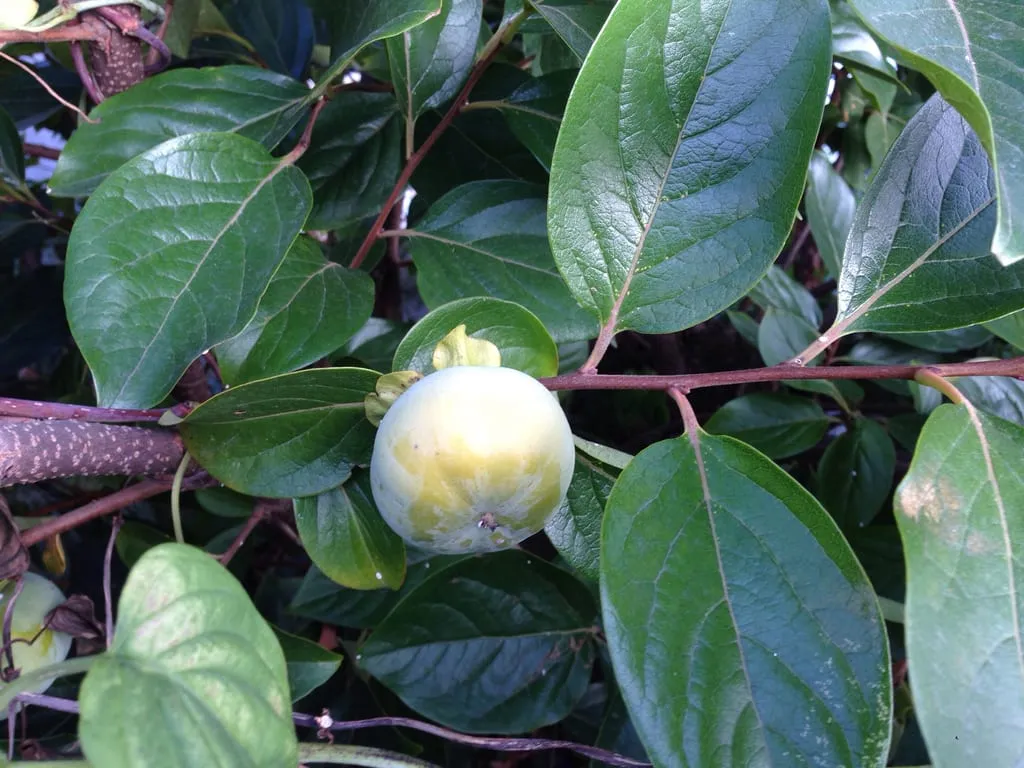
fruit tree in zone 9b
Growing asian persimmon in zone 9b
Diospyros kaki
- Zone
- 9b 25°F to 30°F
- Growing season
- 310 days
- Chill needed
- 100 to 400 below 45°F
- Suitable varieties
- 1
- Days to harvest
- 180 to 240
The verdict
Zone 9b sits comfortably within the chill-hour window for Asian persimmon. The crop requires between 100 and 400 hours below 45°F, and zone 9b winters typically deliver enough accumulation to satisfy even mid-range chill requirements, though totals vary by location. This is not a marginal zone for the crop; in most years dormancy is adequate and the risk of under-chilling is low compared to zones 10 and above.
Hachiya, the primary compatible variety for zone 9b, carries a relatively modest chill requirement that aligns well with the zone's mild winters. Coastal sites in zone 9b may accumulate fewer hours due to marine moderation, and growers in those locations should watch for irregular leafout or poor fruit set as early signs of borderline dormancy. Inland valley sites tend to accumulate more reliably and are generally a stronger fit for consistent annual crops.
The 310-day growing season is a genuine asset here. Persimmons need extended time to ripen fully, and zone 9b provides that without the shortened windows common in zones 7 and below.
Recommended varieties for zone 9b
1 cultivar suited to this zone, with disease-resistance and zone-fit annotations.
| Variety | Notes | Zone fit | Disease resistance |
|---|---|---|---|
| Hachiya fits zone 9b | Intensely sweet, custard-soft, complex tropical-honey flavor when fully ripe; astringent and inedible until soft. Classic for baking persimmon pudding, cookies, and bread. | | none noted |
Critical timing for zone 9b
Asian persimmon blooms late relative to most stone fruits, typically in April through early May in zone 9b. This delayed bloom is an advantage in a zone where late frost events are uncommon given minimum winter temperatures of 25 to 30°F. Bloom damage from frost is rarely a planning concern here.
Hachiya is an astringent variety that requires full softening before the fruit is palatable. In zone 9b, harvest typically runs from October through December, with fruit often hanging on the tree well into the season. The mild autumn extends the ripening window compared to colder zones, where early hard freezes force a compressed harvest. Coastal locations in 9b may see harvest shift slightly later than inland valley sites, where daytime heat in September and October accelerates sugar development.
Common challenges in zone 9b
- ▸ Heat stress in summer
- ▸ Insufficient chill for most apples
- ▸ Salt spray near coasts
Modified care for zone 9b
Heat stress in summer is the main management adjustment zone 9b demands. Deep, infrequent irrigation during July and August maintains root moisture without waterlogging; a 4-inch mulch layer over the root zone reduces soil temperature and slows moisture loss between waterings. Newly planted trees benefit from temporary shade cloth during their first two summers while root systems establish in hot ground.
Coastal growers face salt spray exposure, which causes leaf tip burn and can reduce photosynthesis over time. Rinsing foliage after storm events and siting trees with some wind buffer reduces salt accumulation. Where both heat and salt are factors, selecting a protected east-facing exposure can moderate both stresses.
Cold protection is not a routine concern in zone 9b. Temperatures in the 25 to 30°F range are within the crop's tolerance, and persimmons are notably more cold-hardy than most subtropical fruit. Standard dormant pruning in late winter is sufficient.
Frequently asked questions
- Does Asian persimmon get enough chill hours in zone 9b?
Yes. Asian persimmon requires 100 to 400 chill hours, and zone 9b winters typically deliver within that range in most years. Coastal sites may accumulate fewer hours than inland valley sites, so variety selection matters: low-chill options like Hachiya are the safer bet near the coast.
- When does Hachiya persimmon ripen in zone 9b?
Hachiya typically ripens from October through December in zone 9b. The fruit must soften completely before it is palatable, a process the mild zone 9b autumn supports well. Fruit often hangs on the tree longer than in colder zones, which extends the harvest window.
- How do you handle heat stress on persimmon trees in zone 9b?
Deep, infrequent irrigation during peak summer heat and a 4-inch mulch layer over the root zone are the two most effective measures. New plantings benefit from shade cloth during the first two summers. Established persimmons are relatively heat-tolerant once rooted, but consistent soil moisture remains important through August.
- Is frost protection needed for persimmon trees in zone 9b?
Rarely. Zone 9b minimum temperatures of 25 to 30°F are within the hardiness range of Asian persimmon, and the crop's late bloom timing means flowers are not exposed when occasional cold snaps occur. Growers in the coldest microclimates of 9b should monitor forecasts but generally do not need active frost protection measures.
+−
+−
+−
+−
Asian Persimmon in adjacent zones
Image: "Japanese Persimmon", by Kim, via iNaturalist, licensed under CC-BY Source.
Related