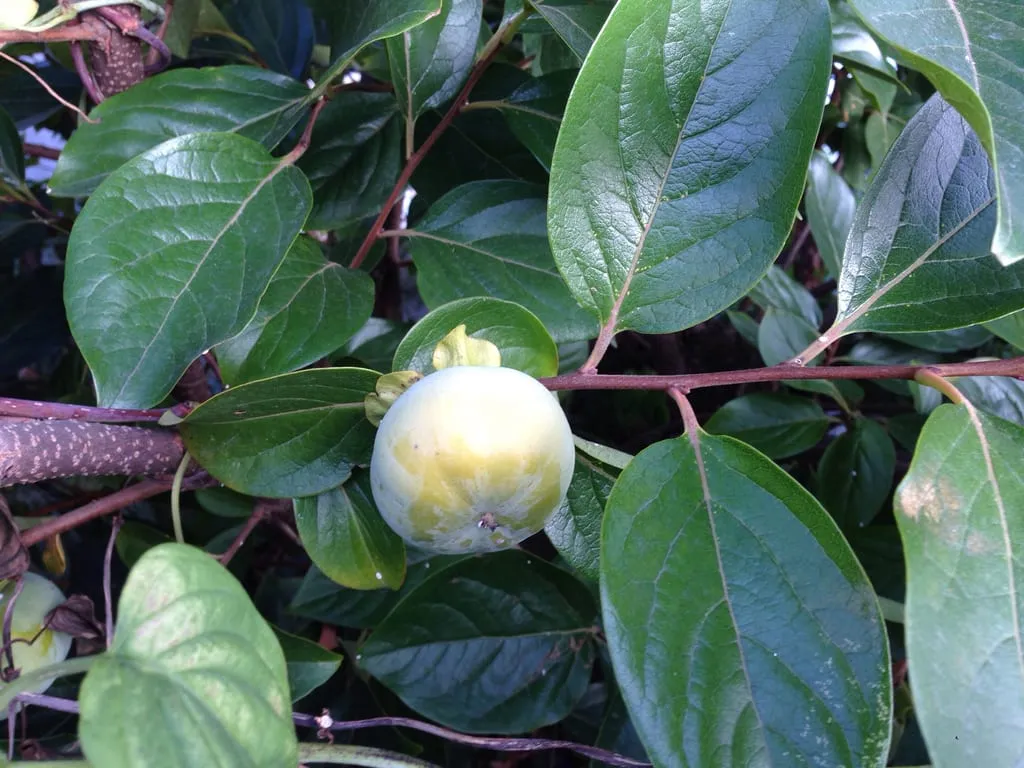
fruit tree in zone 10a
Growing asian persimmon in zone 10a
Diospyros kaki
- Zone
- 10a 30°F to 35°F
- Growing season
- 340 days
- Chill needed
- 100 to 400 below 45°F
- Suitable varieties
- 0
- Days to harvest
- 180 to 240
The verdict
Zone 10a sits at or beyond the warm margin for Asian persimmon. The crop requires 100 to 400 chill hours (hours below 45°F), and zone 10a winters, with minimum temperatures between 30 and 35°F, rarely accumulate even 100 hours in most locations. This makes zone 10a a marginal zone at best, not a sweet spot.
Results depend heavily on microclimate. Coastal sites with marine cooling or locations at the higher elevations within the zone may occasionally cross the 100-hour threshold in cooler winters. Low-elevation inland sites are the most problematic and will see inconsistent performance most years. Without sufficient chilling, trees may push foliage unevenly, bloom sporadically, or produce a reduced fruit set even when they otherwise appear healthy. Growers in zone 10a should treat Asian persimmon as an experimental planting rather than a reliable crop, and should select only varieties documented to perform at the lowest end of the chill-hour range.
Critical timing for zone 10a
In years when adequate chilling does accumulate, bloom in zone 10a typically occurs between late February and April. Without reliable chilling, however, bud break and flowering can stretch across several weeks or arrive in two separate flushes, which complicates fruit set and ripening uniformity.
Harvest generally falls between September and November depending on variety type. The 340-day growing season in zone 10a is not the limiting factor here; the trees face no meaningful frost risk on either end of the season. The practical constraint is whether chilling was sufficient to produce a synchronized bloom in the first place. In years with warm winters, fruit set may be sparse even when harvest timing would otherwise be ideal.
Common challenges in zone 10a
- ▸ No chilling for traditional temperate fruit
- ▸ Hurricane exposure
- ▸ Heat-tolerant cultivars only
Modified care for zone 10a
The primary management tool in zone 10a is induced dormancy. Withholding irrigation for six to eight weeks in late fall, typically November through December, stresses the tree into rest and may improve chilling response even when ambient temperatures stay mild. Resume normal watering once leaf drop is complete.
Hurricane exposure warrants attention that growers in other parts of this crop's range rarely consider. Stake young trees securely, and prune to an open canopy structure that reduces wind resistance before tropical storm season. Keep tree height manageable; a shorter canopy is easier to protect and less likely to sustain structural damage.
Fruit sunburn on exposed surfaces can occur during peak summer heat. Thinning the canopy selectively or applying light shade cloth to south-facing limbs during July and August may improve fruit finish without meaningfully affecting tree health.
Frequently asked questions
- Can Asian persimmon actually fruit in zone 10a?
It is possible in favorable microclimates and cooler winters, but zone 10a does not reliably accumulate the 100 to 400 chill hours the crop requires. Fruit set is inconsistent year to year. Most growers in this zone should expect occasional light crops rather than dependable harvests.
- Does Asian persimmon need frost to ripen properly in zone 10a?
No. Asian persimmon does not require frost to ripen, and the 340-day growing season in zone 10a is long enough to carry fruit to full maturity. The challenge is chilling in winter, not season length in summer or fall.
- What happens if the tree does not get enough chill hours in a given year?
Insufficient chilling typically produces delayed or uneven bud break, reduced flower count, and poor fruit set. The tree may appear healthy and leaf out eventually, but the harvest will be light or absent. Repeated years of inadequate chilling can weaken the tree over time.
+−
+−
+−
Asian Persimmon in adjacent zones
Image: "Japanese Persimmon", by Kim, via iNaturalist, licensed under CC-BY Source.
Related