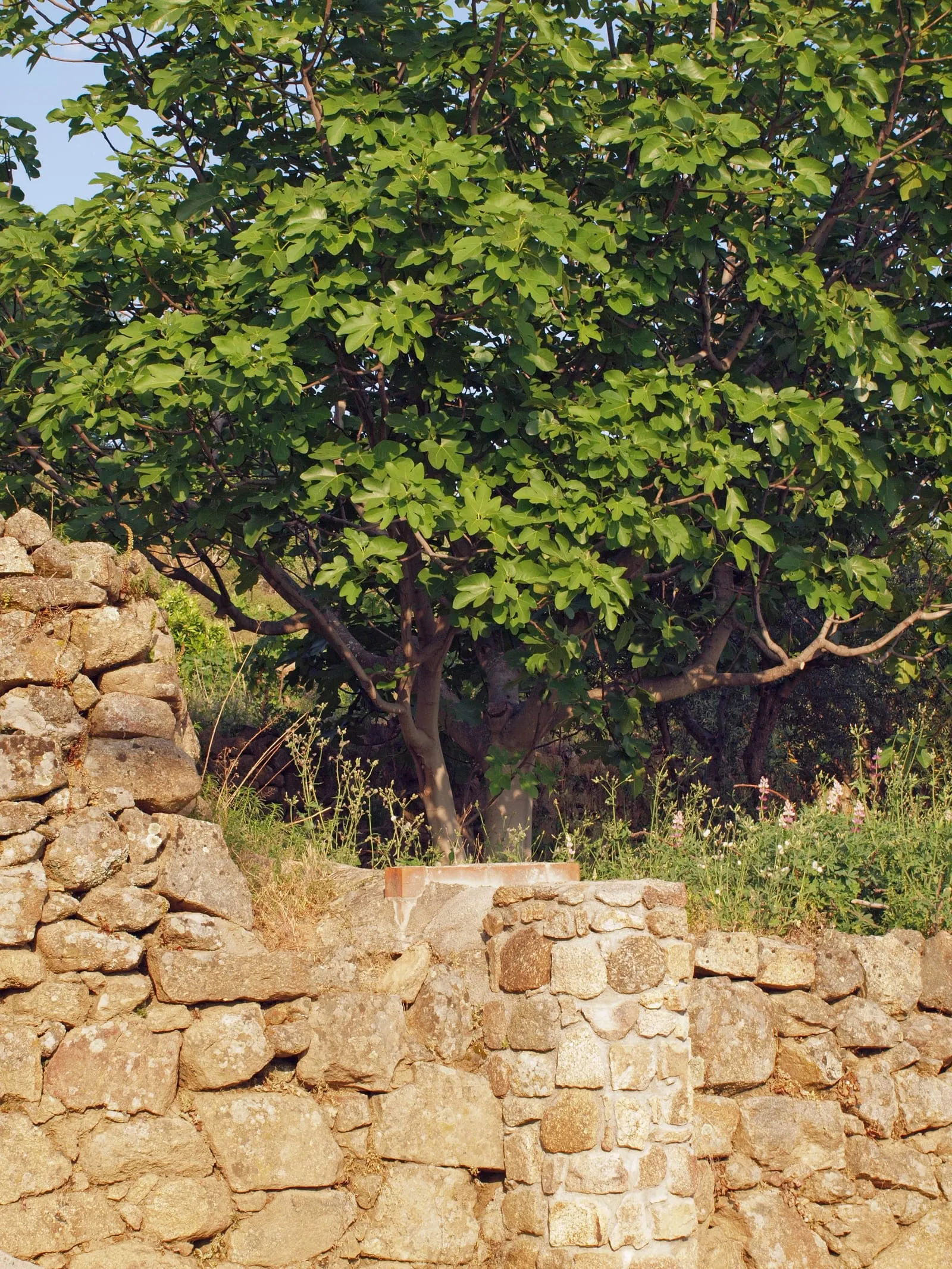
fruit tree in zone 9a
Growing fig in zone 9a
Ficus carica
- Zone
- 9a 20°F to 25°F
- Growing season
- 290 days
- Chill needed
- 100 to 300 below 45°F
- Suitable varieties
- 3
- Days to harvest
- 120 to 180
The verdict
Fig is essentially a perfect match for zone 9a. Mild winters keep the wood alive year-round, so trees produce both breba (early summer) and main (late summer/fall) crops every year. Chill hours are plentiful for fig's modest requirements (100 to 300 hours). Trees grow rapidly, often putting on 4 to 6 feet of growth per year.
The zone supports almost any fig cultivar. Black Mission and Brown Turkey are widely planted in California 9a, Celeste does well in southeastern 9a, and Italian heirloom varieties (Verdino, Negronne) thrive in coastal 9a microclimates.
Recommended varieties for zone 9a
3 cultivars suited to this zone, with disease-resistance and zone-fit annotations.
| Variety | Notes | Zone fit | Disease resistance |
|---|---|---|---|
| Celeste fits zone 9a | Very sweet, honey flavor, small purple-brown fruit with strawberry-pink flesh; the southern favorite. Excellent fresh, dries beautifully. Closed eye prevents souring in humidity. | |
|
| Brown Turkey fits zone 9a | Sweet, mild, large brown-purple fruit with red-pink flesh; reliable producer for fresh eating and jam. Less intense flavor than Celeste but heavier yields. | | none noted |
| Black Mission fits zone 9a | Rich, sweet, complex flavor with hints of berry; the classic California fig. Eats fresh and dries into the dark figs sold in stores. | | none noted |
Critical timing for zone 9a
Breba ripens late May through June from previous year's wood. Main crop runs August through October on current-year wood. In coastal 9a, harvest can extend into November in mild years. The two-crop cycle is one of the perks of growing fig in this zone.
Common challenges in zone 9a
- ▸ Limited stone fruit options due to insufficient chill
- ▸ Hurricane and tropical storm exposure
- ▸ Citrus disease pressure
Disease pressure to watch for
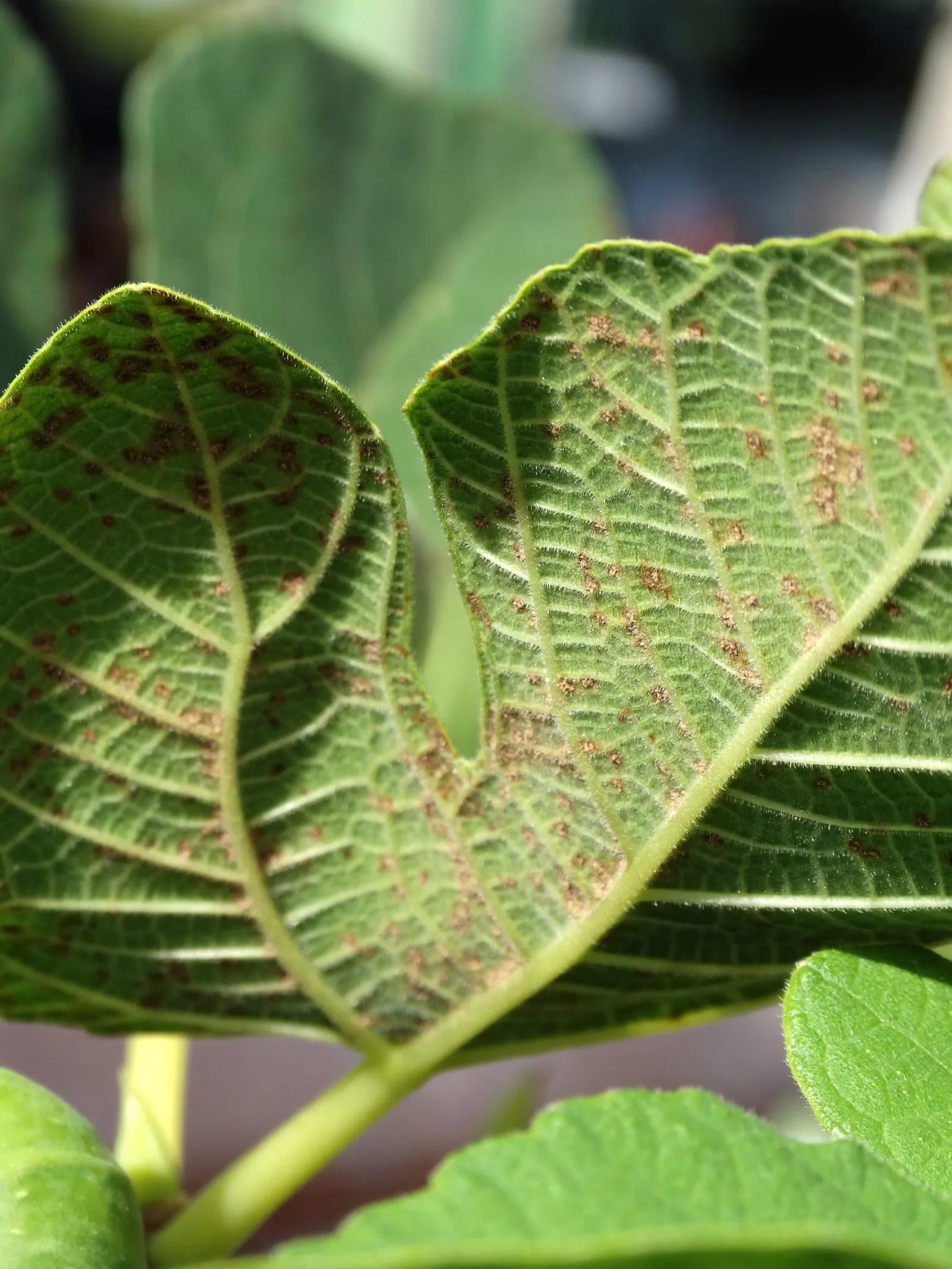
Modified care for zone 9a
Two adjustments for zone 9a. First, water management. Inland 9a (Phoenix, parts of California's Central Valley) is hot and dry; figs need consistent deep watering during fruit ripening or fruit splits. Drip irrigation on a regular schedule prevents this. Second, root-knot nematode in sandy soils. Marigold cover crops, soil organic matter, and rotation help. Resistant rootstock approaches are emerging but not yet standard for home growers.
Frequently asked questions
- Can I get two fig crops per year in zone 9a?
Yes, easily. Most fig cultivars in 9a produce breba in late spring and main crop in late summer. Total annual yield from a mature tree can reach 100 pounds.
+−
Fig in adjacent zones
Image: "Ficus-carica - bancal 20110416a", by Luis Fernández García, via Wikimedia Commons, licensed under CC-BY Source.

Related