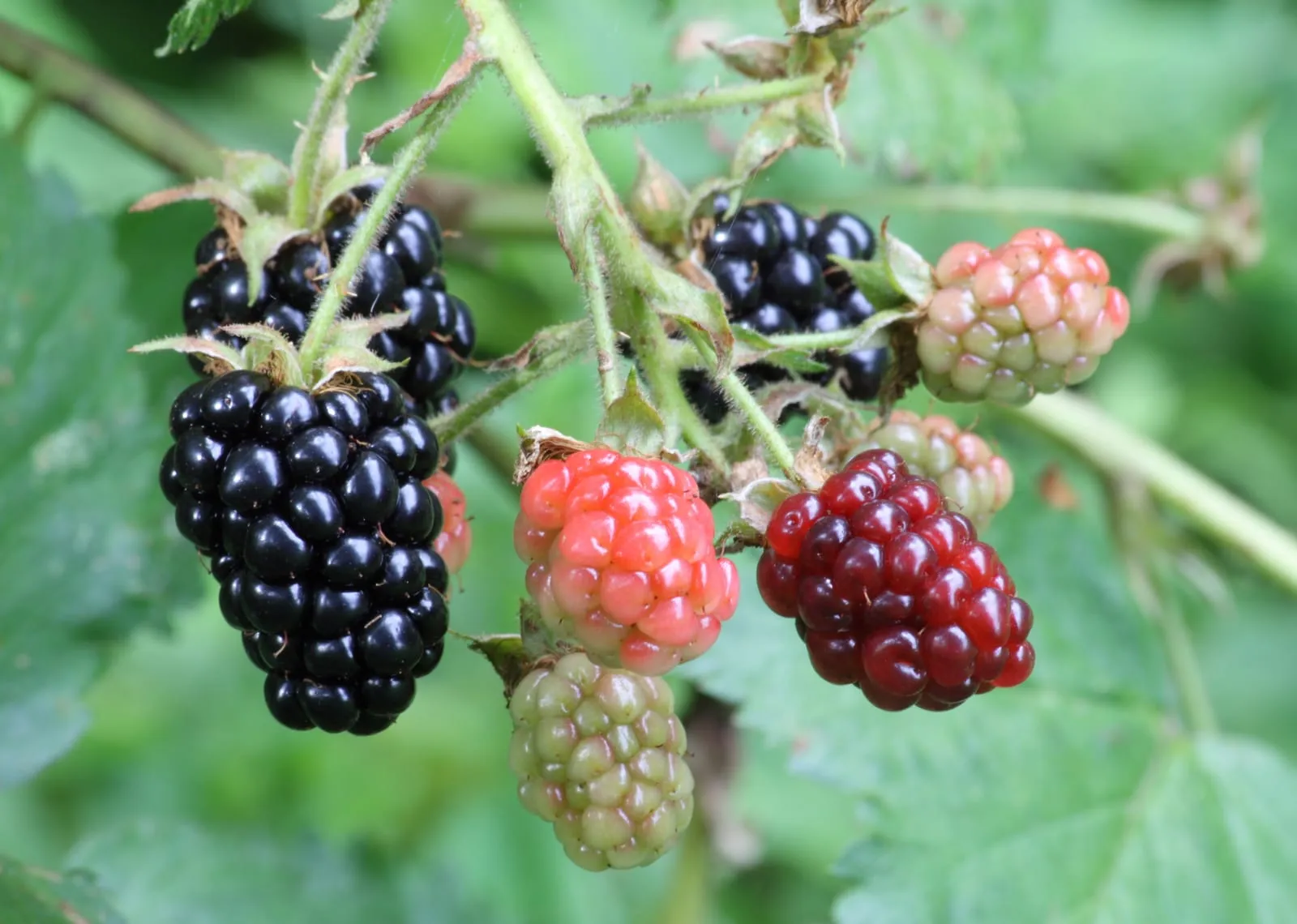
berry
Blackberry
Rubus subgenus Rubus
USDA hardiness range
- Zones
- 5a–9a
- Chill hours
- 200 to 800 below 45°F
- Days to harvest
- 60 to 90
- Sun
- Full
- Water
- Moderate
- Lifespan
- 10 to 15 years
Growing blackberry
Blackberry is one of the most productive small fruits a home grower can plant, but it rewards careful planning and punishes neglect quickly. The genus covers erect, semi-erect, and trailing types, and growth habit shapes nearly every management decision, from trellis design to winter hardiness.
The adapted zone range spans 5a through 9a, though cold hardiness and heat tolerance differ sharply by variety. Chill hour requirements range from roughly 200 to 800 hours below 45°F depending on cultivar, which means a variety suited to the mid-Atlantic will underperform in the Gulf South and vice versa. Matching chill hours to local averages is the single most important selection criterion before purchasing plants.
Where blackberry most often fails: inadequate drainage, shading from adjacent trees, and a mismatch between growth habit and available trellis support. Semi-erect and trailing types left unsupported produce a tangled mat that is nearly impossible to harvest cleanly and becomes a fungal disease reservoir. Erect types are more forgiving in small spaces but still benefit from seasonal tip-pruning to encourage lateral branching.
Blackberry plantings establish over two to three years before full production. Once settled in, a well-managed patch can bear reliably for 10 to 15 years. The investment in site preparation and variety selection pays long-term dividends; replanting after a failed start is costly in both time and soil disruption. Sources: NC State Blackberry Production, University of Arkansas Blackberry Cultivars.
Recommended varieties
See all 6 →6 cultivars for home growers, with notes on flavor, ripening, and disease resistance.
| Variety | Notes | Zone fit | Disease resistance |
|---|---|---|---|
| Triple Crown | Sweet, large, glossy black berries with rich balanced flavor; fresh, baking, jam. Semi-erect thornless, very productive. Outstanding home-garden choice. | | none noted |
| Navaho | Sweet, firm, small-medium berries with high sugar; fresh eating premium and shipping quality. Erect thornless, compact and self-supporting. | | none noted |
| Ouachita | Sweet, firm, large berries with classic flavor; fresh eating and shipping. Erect thornless, productive, disease-resistant. Heat-tolerant southern cultivar. | | none noted |
| Prime-Ark Freedom | Sweet, large, very high quality berries; fresh eating premium. Primocane-fruiting (bears on first-year canes), allows fall harvest plus floricane crop. Thornless. | | none noted |
| Chester Thornless | Sweet-tart, firm, glossy berries with full flavor; fresh and processing. Trailing thornless habit, very productive, cold-hardy for blackberries. | | none noted |
| Marionberry | Rich, complex, sweet-tart; the iconic Pacific Northwest blackberry, prized for pies and jam. Trailing habit, traditional thorny canes. Cold-tender (zone 7+). | | none noted |
Soil and site requirements
Blackberry performs best in well-drained loam or sandy loam with a soil pH between 5.5 and 6.5. Drainage is non-negotiable; standing water after rain events, even briefly, promotes root rot and sets the stage for cane disease. Raised beds or ridged rows are worth the extra preparation effort on sites with heavy clay or seasonally high water tables.
Full sun is the baseline requirement. Less than six hours of direct sun per day reduces fruit set and sugar development while increasing humidity around the canes, which favors fungal disease. South- or east-facing slopes warm earlier in spring and drain cold air away from the planting, reducing late-frost exposure during bloom.
Spacing depends on growth habit. Erect cultivars can be set 2 to 4 feet apart in the row, with rows spaced 8 to 10 feet. Semi-erect thornless types like Triple Crown are larger plants and benefit from 4 to 6 feet of in-row spacing. Trailing types typically require a trellis with at least two wire levels and generous row spacing of 10 to 12 feet.
Avoid planting where tomatoes, peppers, eggplant, or other Rubus species have grown in the past three to four years. These share soil pathogens, particularly Verticillium wilt and certain root rots, that persist long after the host crop is gone. Oregon State Blackberry notes that site history is an underappreciated risk factor in new plantings.
Common diseases
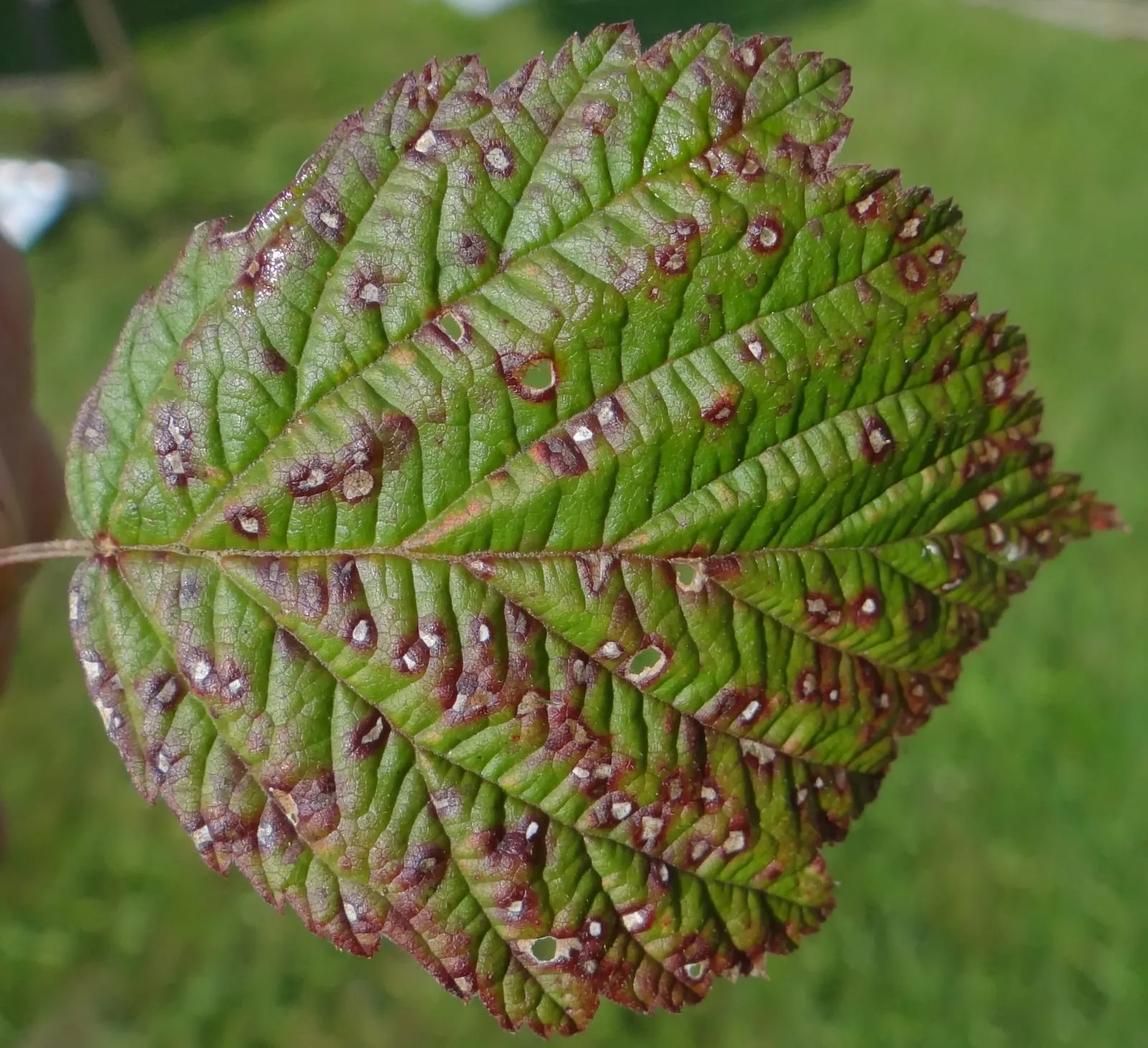
Elsinoe veneta
Fungal cane disease causing purple-bordered lesions that girdle and weaken bramble and Ribes canes, reducing yield over consecutive seasons.
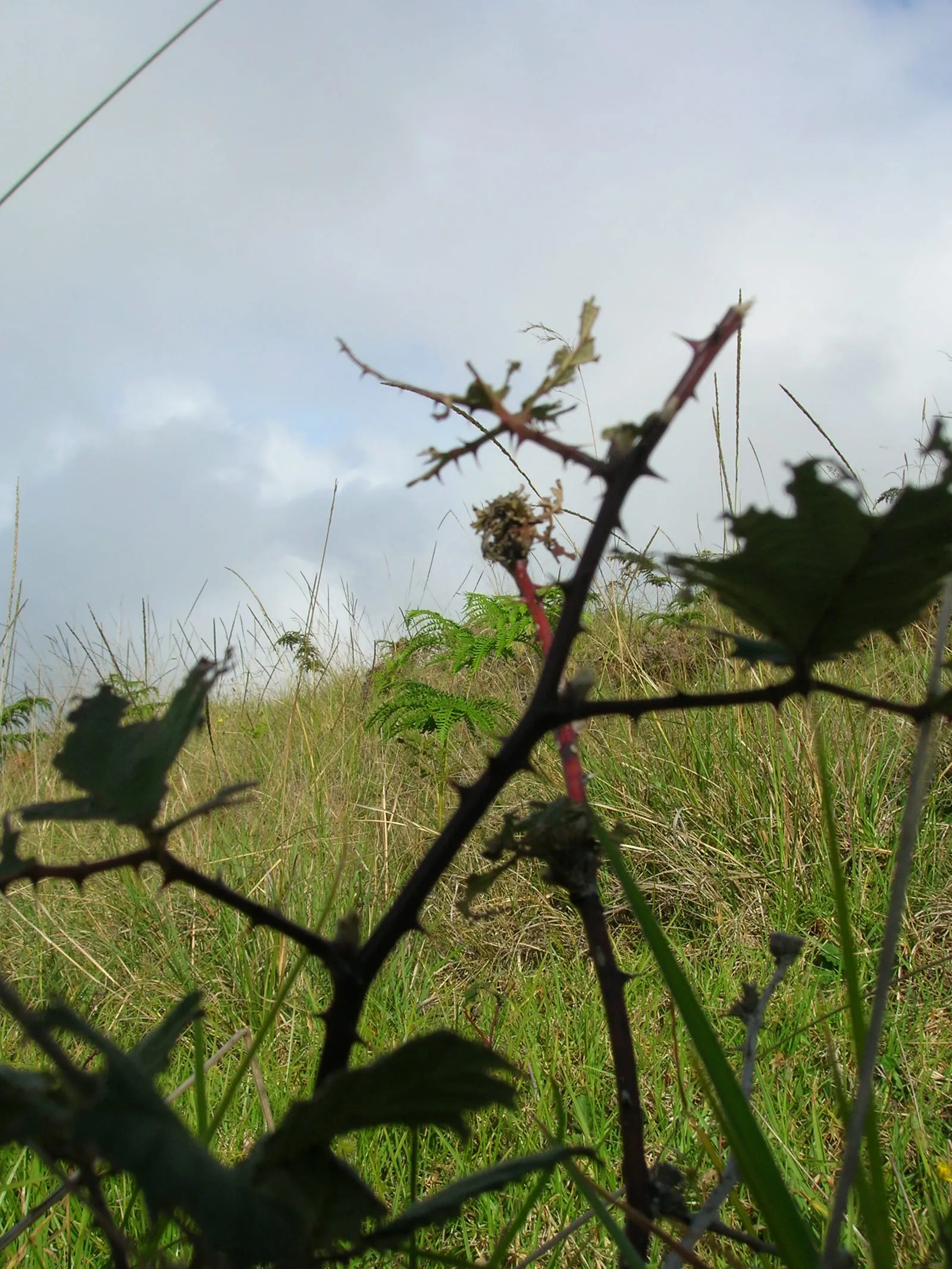
Leptosphaeria coniothyrium
Fungal disease that enters through wounds (often from cane-borer or pruning cuts) and causes dark cankers that wilt and kill canes.
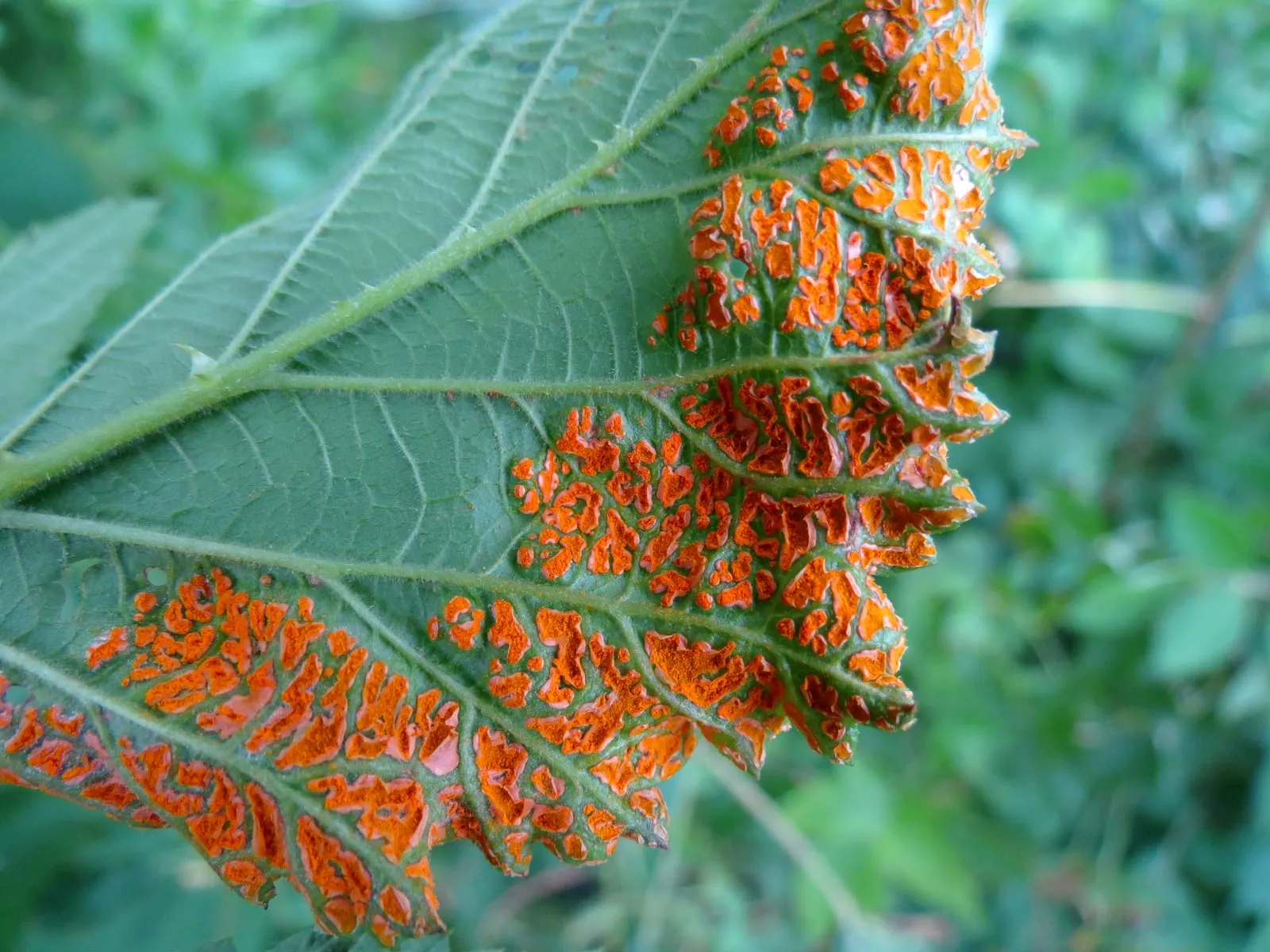
Arthuriomyces peckianus
Systemic fungal disease that permanently infects black raspberries and blackberries (not red raspberry); infected plants must be removed entirely.
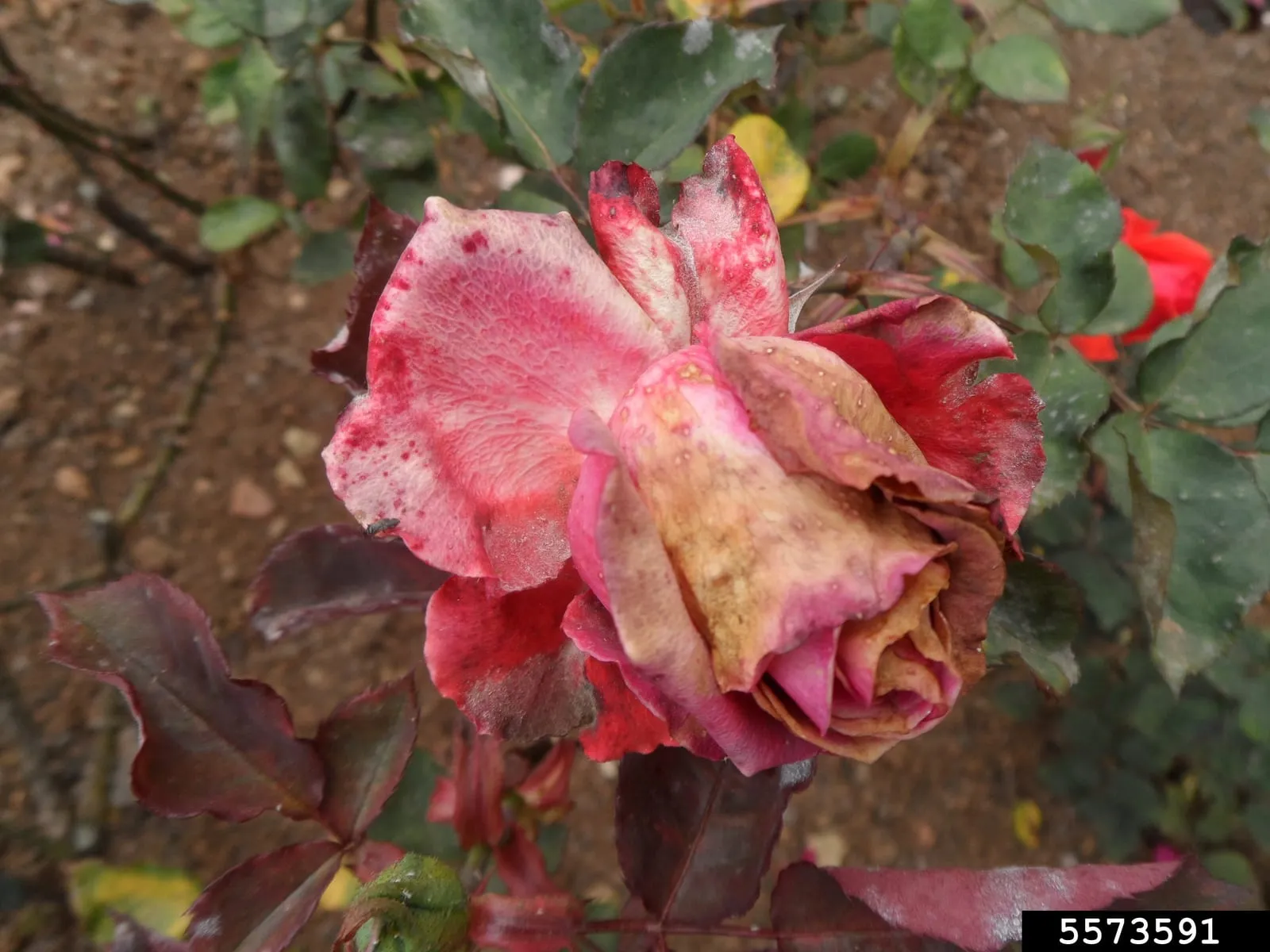
Botrytis cinerea
Ubiquitous fungal disease that causes fruit rot during cool wet weather, often the dominant berry disease in humid regions.
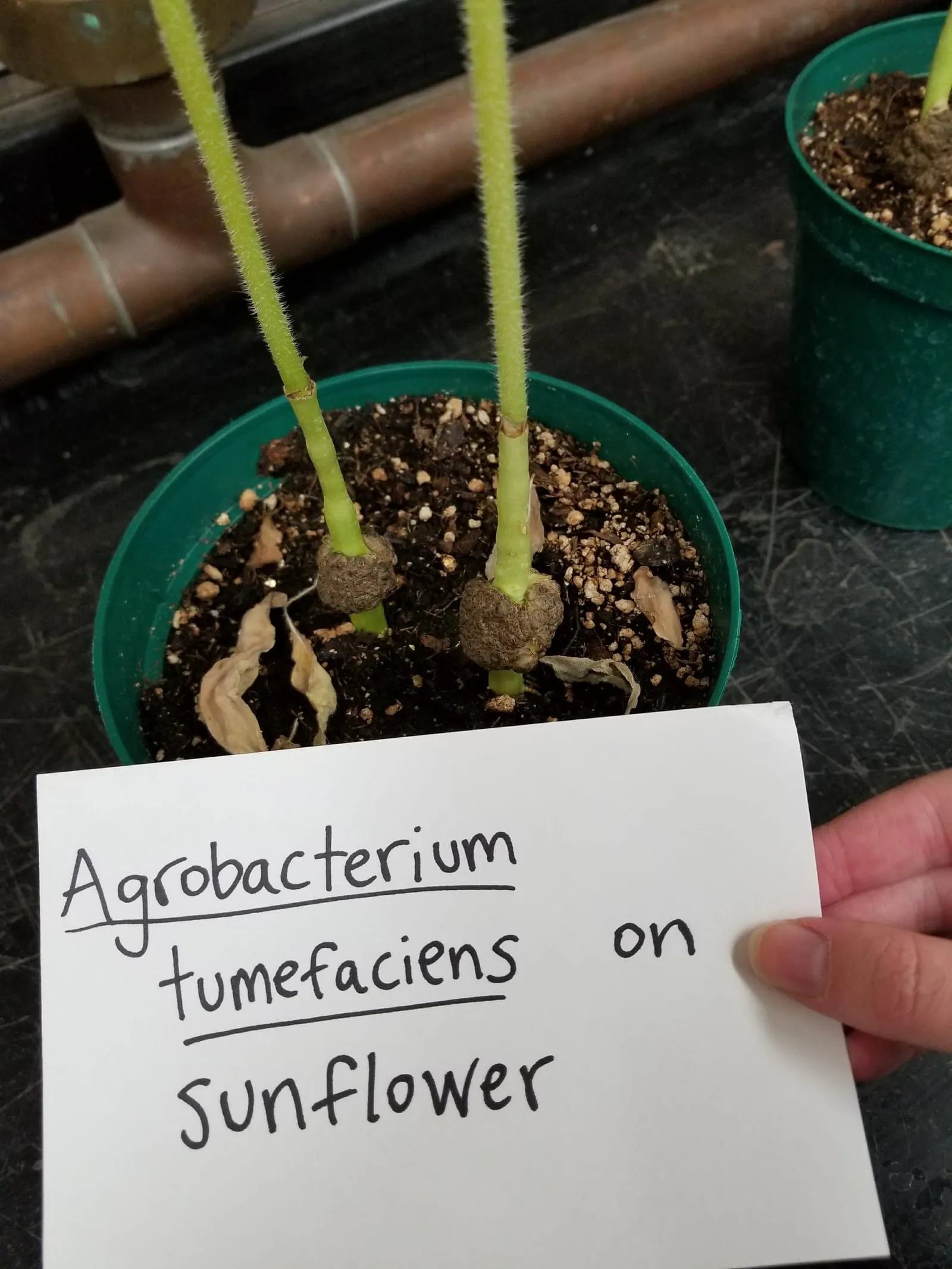
Agrobacterium tumefaciens
Soil-borne bacterium that enters plants through wounds and induces tumor-like galls on roots, crown, and lower stems. Galls reduce vigor and shorten plant lifespan; on Rubus the disease is often fatal.
Common pests
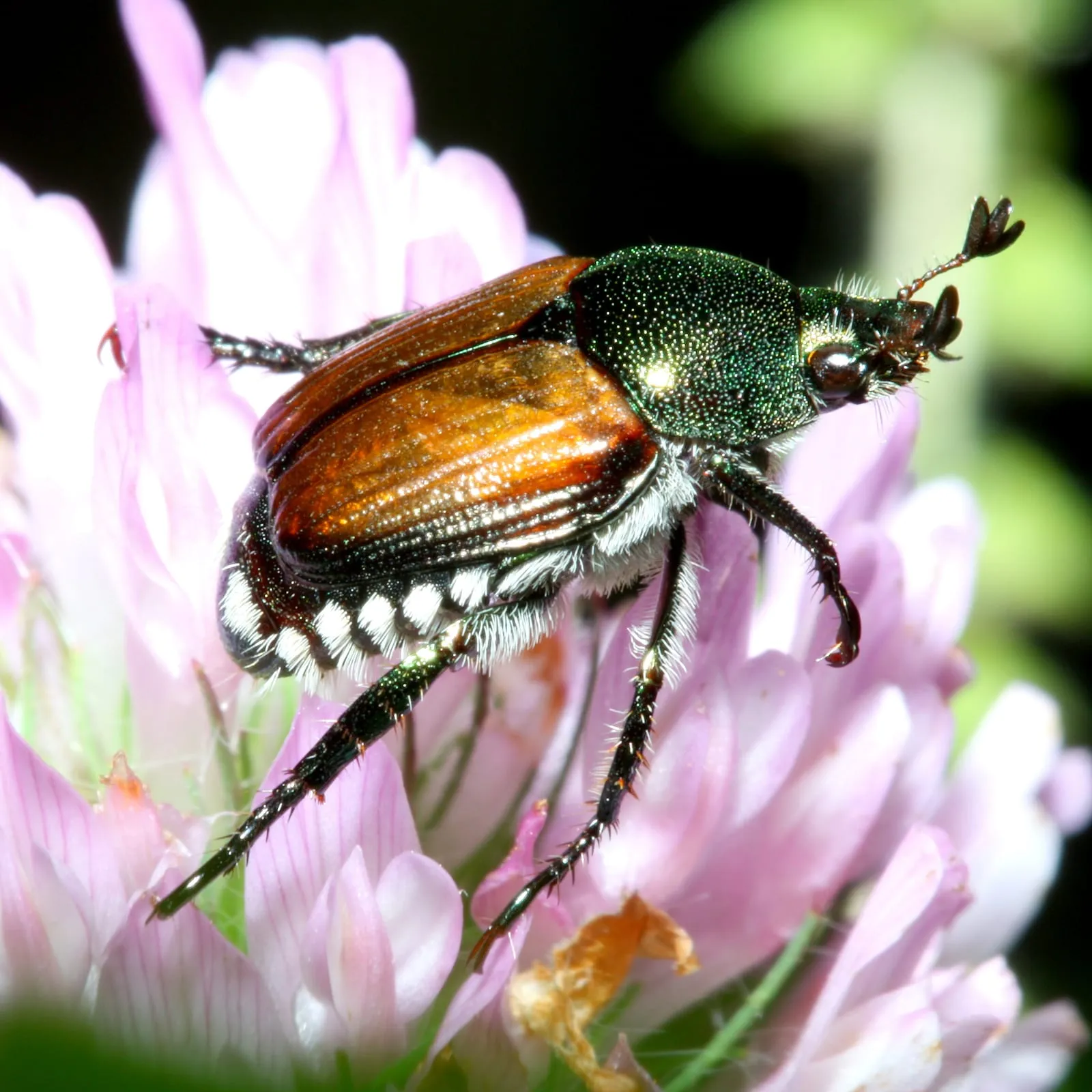
Popillia japonica
Defoliating beetle introduced to North America in 1916. Skeletonizes leaves of many fruit trees, berry canes, and pecan.
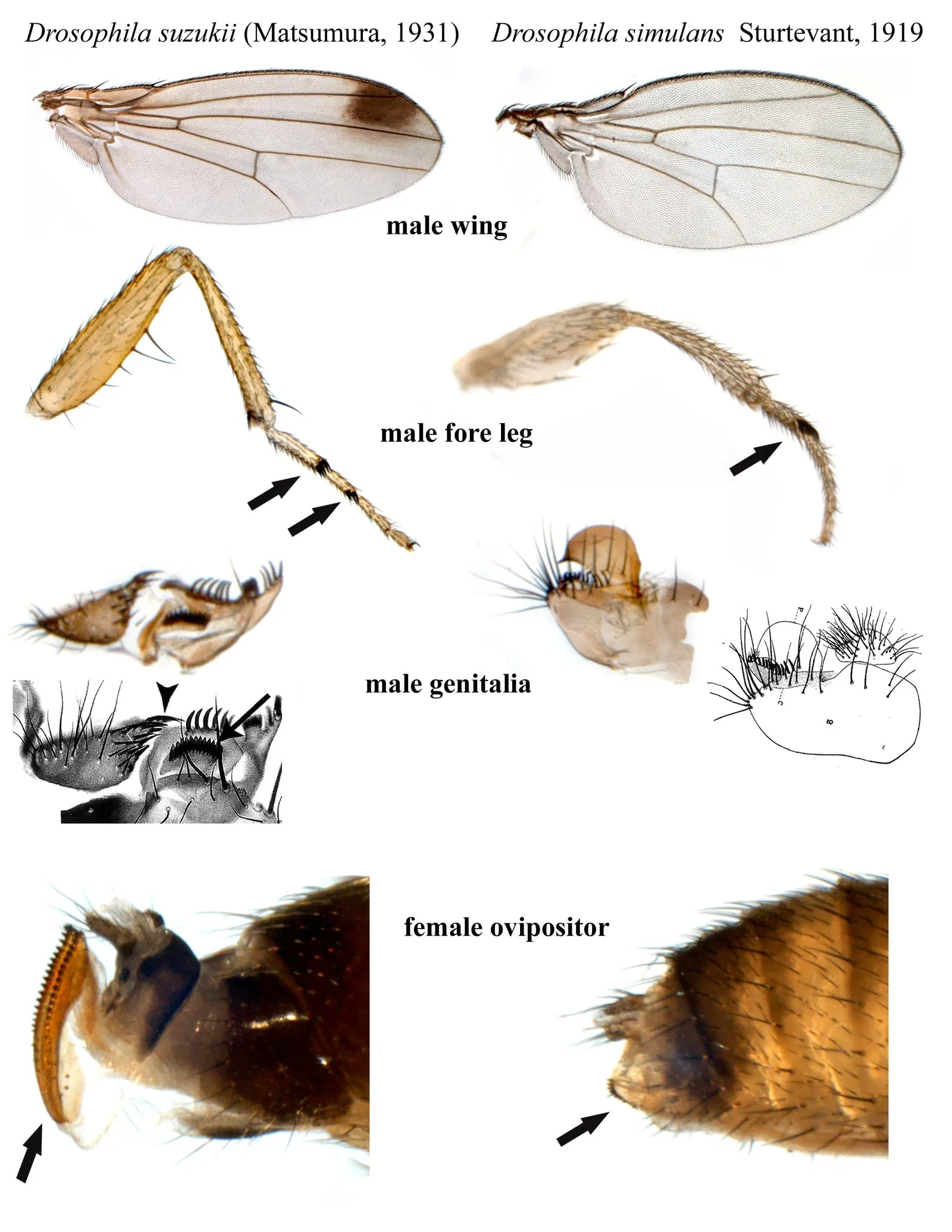
Drosophila suzukii
Invasive vinegar fly that attacks ripening soft fruit, unlike native Drosophila species which target overripe fruit. Now the dominant berry-and-cherry pest across the US.
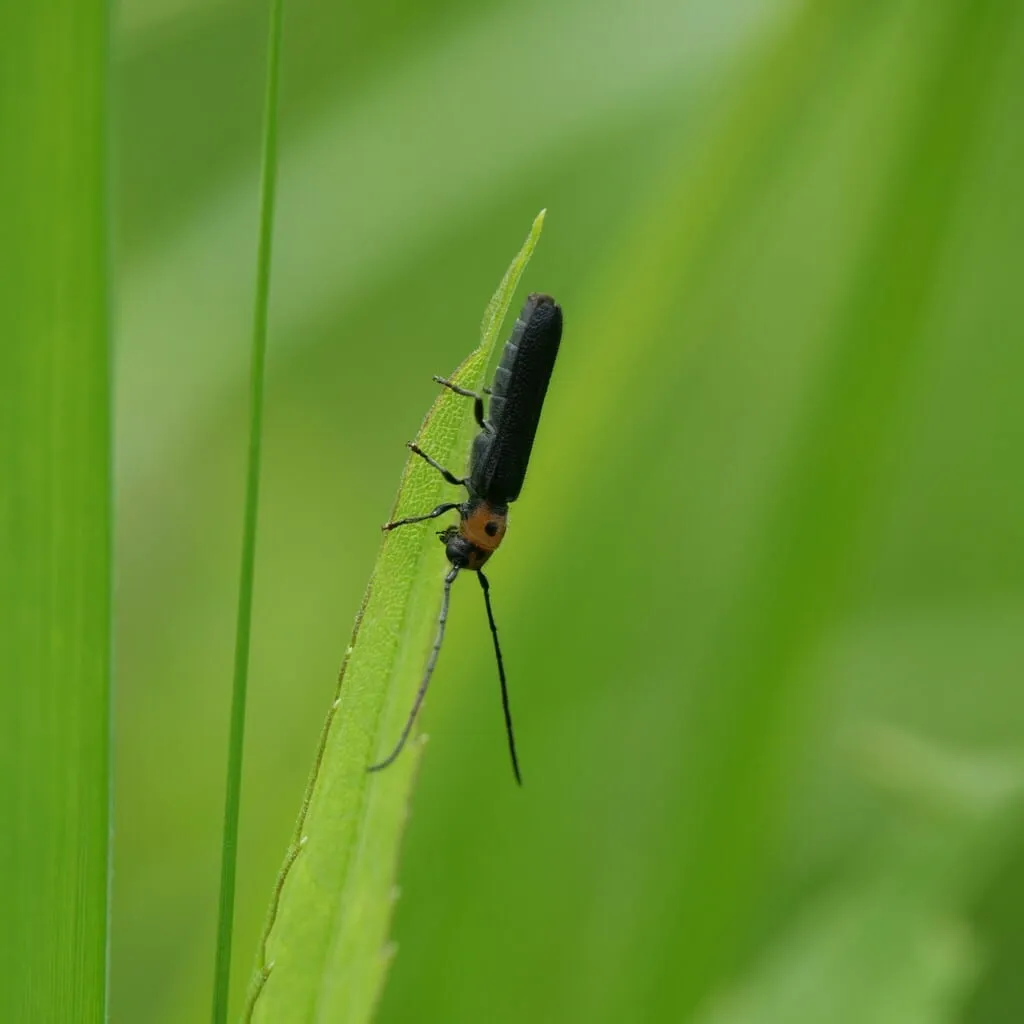
Oberea bimaculata
Long-horned beetle whose larvae girdle and tunnel into bramble canes, causing characteristic wilted shoot tips.
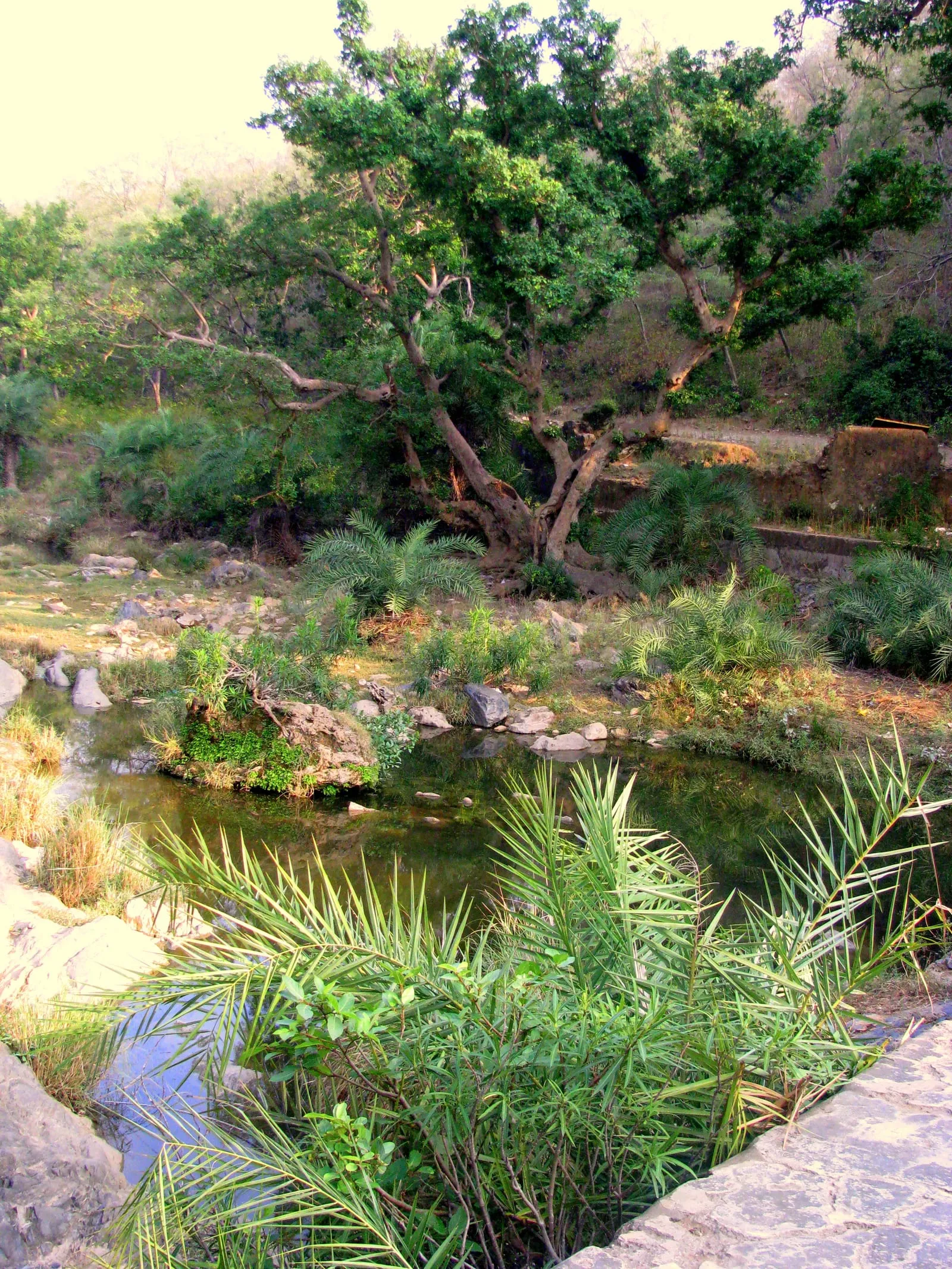
Multiple species
Robins, catbirds, mockingbirds, starlings, cedar waxwings and other songbirds can strip ripening berry and fruit crops in days. Crows and blackbirds also damage fresh sweet corn ears in milk stage. The single biggest yield-loss factor in unprotected home plantings.
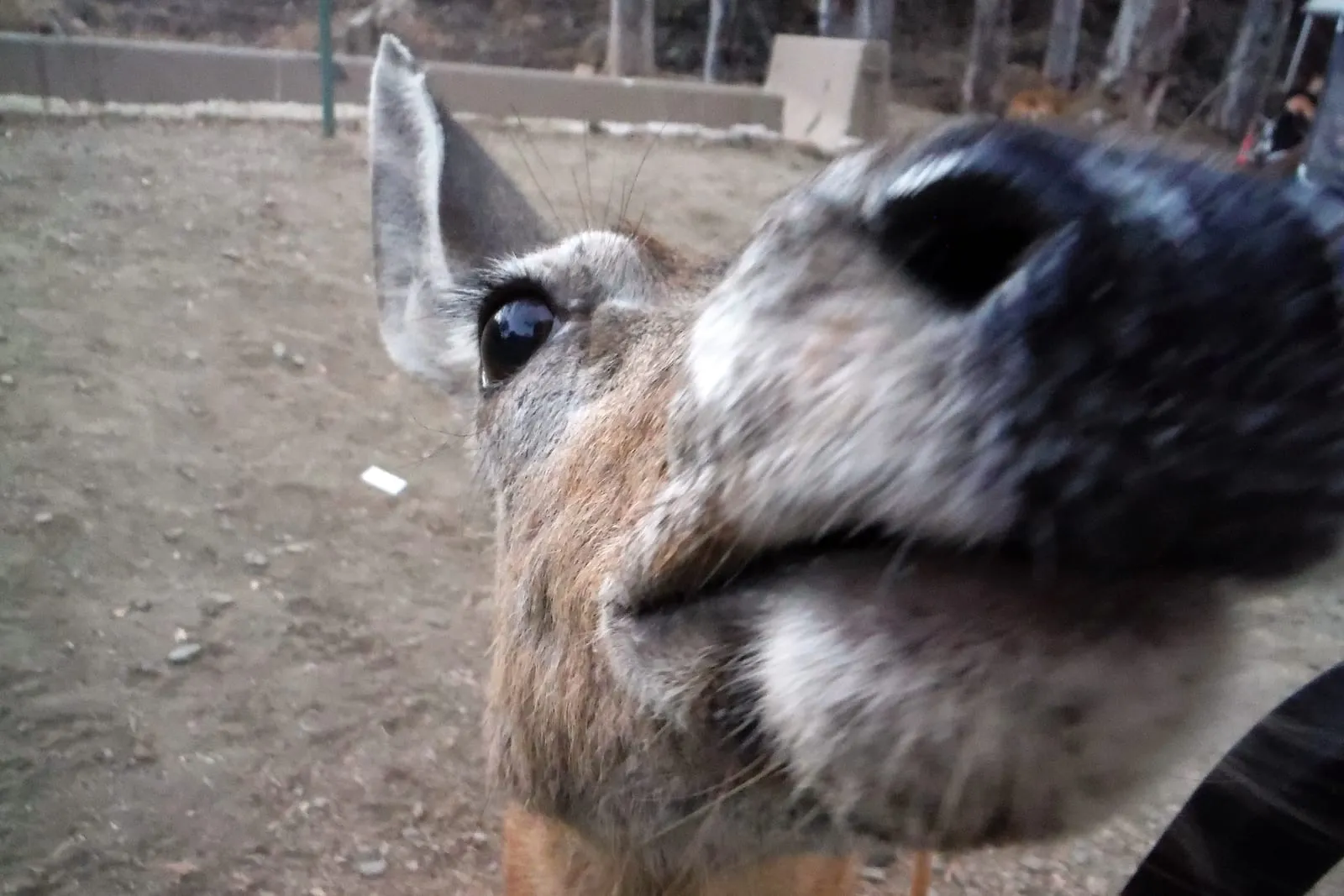
Odocoileus species
Whitetail and mule deer browse can devastate orchards and gardens, particularly in winter when food is scarce. Antler rub on young trunks kills saplings outright.
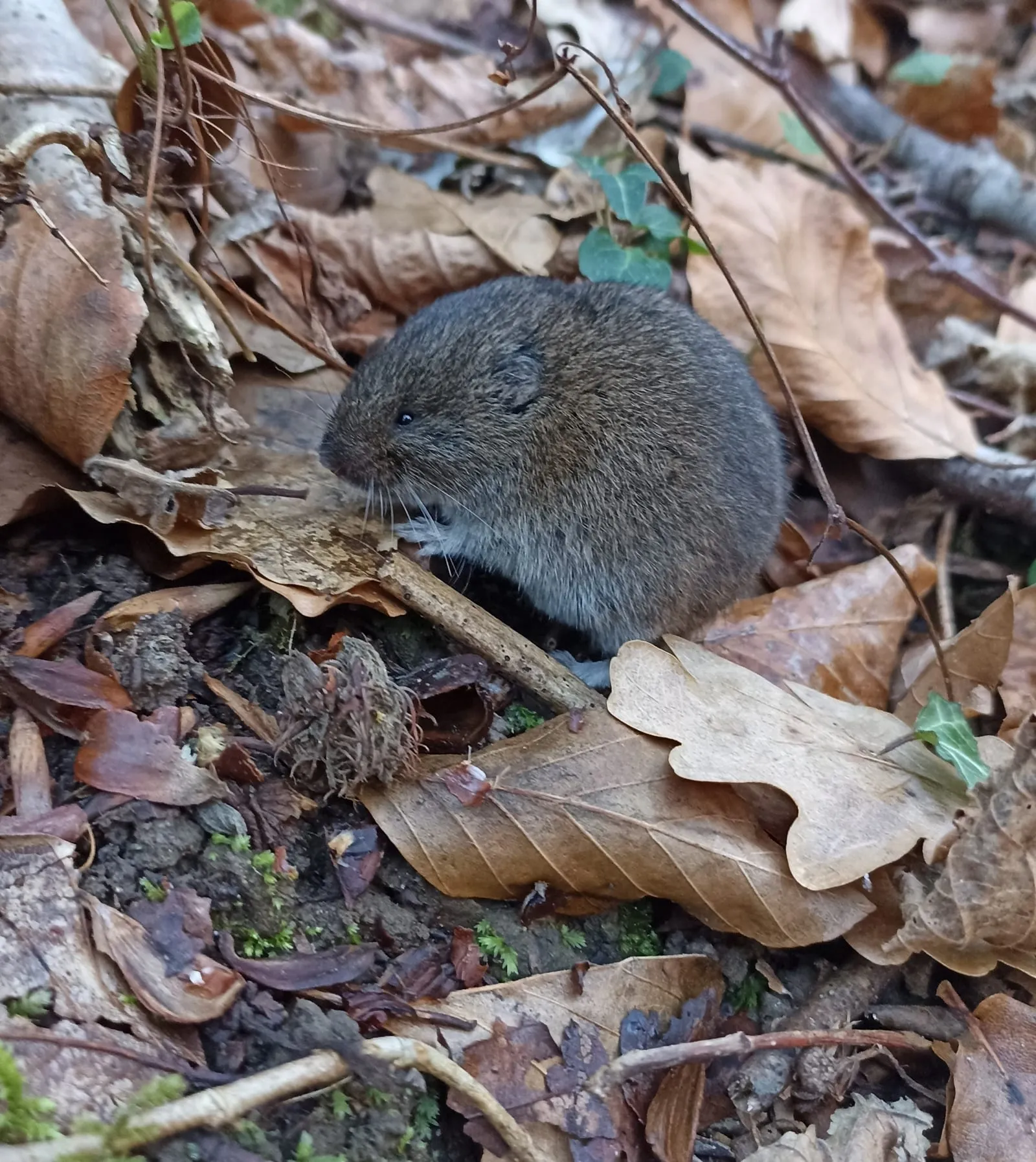
Microtus species
Field voles and meadow voles girdle young fruit-tree trunks under snow cover during winter and chew root crops. The leading cause of mysterious orchard losses.
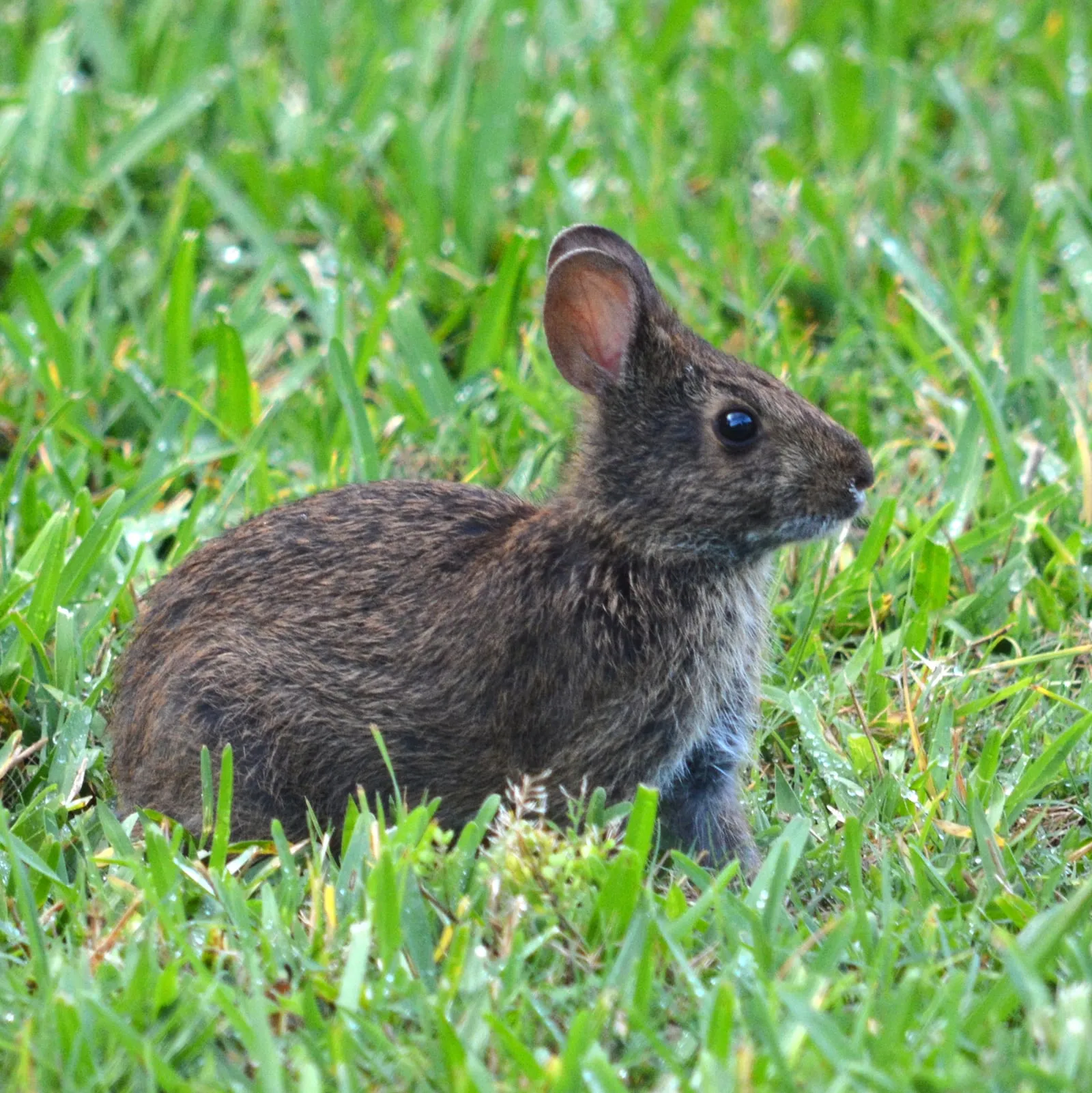
Sylvilagus and Lepus species
Cottontails and jackrabbits strip bark from young fruit trees in winter and graze tender garden vegetables year-round, especially seedlings.
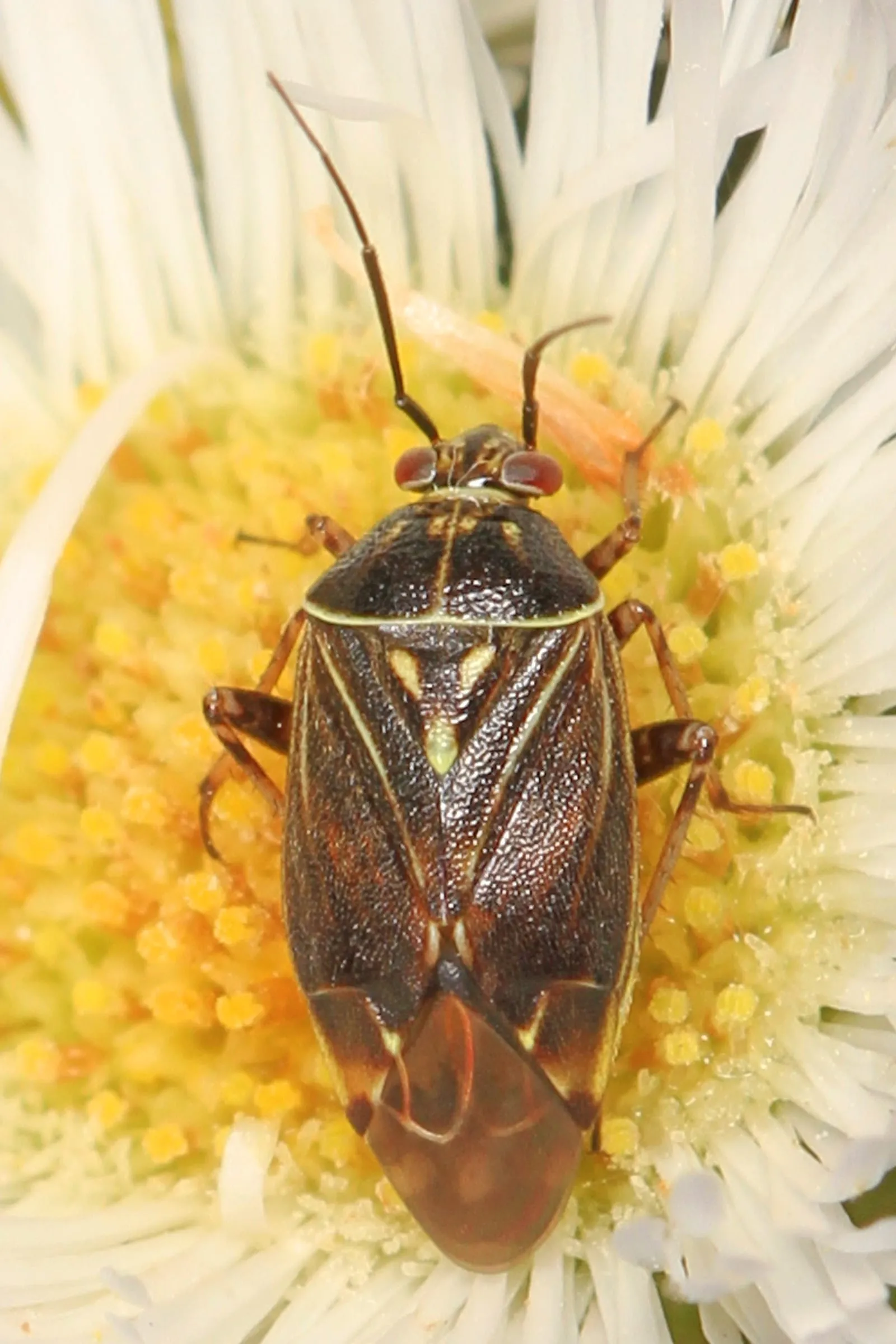
Lygus lineolaris
Mottled brown sucking bug that probes flower buds and developing fruit, causing 'cat-facing' deformities on tomato, peach, and strawberry. Wide host range and rapid generations.
Common challenges
Three problems account for most home planting failures with blackberry: orange rust, spotted wing drosophila, and cane management neglect.
Orange rust is a systemic fungal disease with no cure. Infected canes show bright orange spore pustules on the undersides of leaves in spring. Once a plant is infected, the entire plant must be removed and destroyed; no pruning or fungicide will clear the infection. The disease spreads by windborne spores. Purchasing certified disease-free planting stock and inspecting new plants carefully before introducing them to an established bed is the primary defense. NC State Blackberry Production recommends removing any symptomatic plants immediately, before spores mature.
Spotted wing drosophila (Drosophila suzukii) is a more recent and widespread pressure, particularly on late-season cultivars. Unlike native fruit flies that attack overripe fruit, SWD lays eggs in ripening fruit still on the cane. Harvesting on a short interval, every two to three days during peak season, and removing overripe fruit promptly are the most reliable deterrents for home growers without access to spray programs.
Cane management neglect is the slow failure mode. Floricanes (second-year canes that have fruited) must be removed at ground level after harvest. Leaving them in place creates habitat for cane blight and cane anthracnose while reducing air circulation. Tipping primocanes at 30 to 36 inches encourages lateral branching and improves the following year's fruit load.
Companion plants
Frequently asked questions
- What are the chill hour requirements for blackberry?
Chill hour requirements range from roughly 200 to 800 hours below 45°F, depending on cultivar. Heat-tolerant southern types like Ouachita need as few as 200 hours; northern-adapted varieties may require 700 to 800 hours. Matching cultivar chill requirements to local winter averages is more important than zone hardiness alone.
- How long does it take for blackberry to produce fruit after flowering?
Berries ripen 60 to 90 days after flowering, with exact timing shaped by cultivar and summer heat accumulation. Early-season varieties in warm zones may finish in 60 days; later cultivars in cooler zones typically run closer to 90. Most new plantings produce lightly in year two and reach full yield by year three.
- What USDA hardiness zones are suited to blackberry?
Most cultivars perform well in zones 5a through 9a. Cold hardiness and heat tolerance vary by type: erect thornless varieties generally handle zone 5 winters better than trailing types, while heat-tolerant cultivars such as Ouachita extend productive performance into zone 9. Variety selection within the zone range matters as much as the zone itself.
- Do blackberries need a pollinator variety to produce fruit?
Most modern blackberry cultivars are self-fertile and will set fruit without a second variety nearby. Cross-pollination from another cultivar can improve berry size and set, but is not required for a productive planting. Adequate pollinator insect activity during bloom is more important than multi-variety planting.
- What is the most damaging disease on blackberry?
Orange rust is considered the most serious disease because it is systemic and incurable. Infected plants show bright orange pustules on leaf undersides in spring. The entire plant must be removed and destroyed; no fungicide clears an existing infection. Buying certified disease-free stock and inspecting for symptoms before planting are the main preventive measures.
- How long does a blackberry planting remain productive?
A properly sited and maintained blackberry planting can produce reliably for 10 to 15 years. Consistent removal of spent floricanes after harvest, good drainage, and active disease management are the main factors that determine longevity. Neglected plantings decline much faster, often within five to seven years.
- Can blackberry tolerate partial shade?
Blackberry requires full sun for reliable fruit set and sugar development. Less than six hours of direct sun raises humidity around canes, increases disease pressure from gray mold and cane anthracnose, and reduces yield noticeably. Partial shade may keep the plant alive but will not support a productive fruiting planting.
+−
+−
+−
+−
+−
+−
+−
Sources
Image: "Ripe, ripening, and green blackberries", by Ragesoss, via Wikimedia Commons, licensed under CC-BY-SA 3.0. Source.

Blackberry by zone
Related