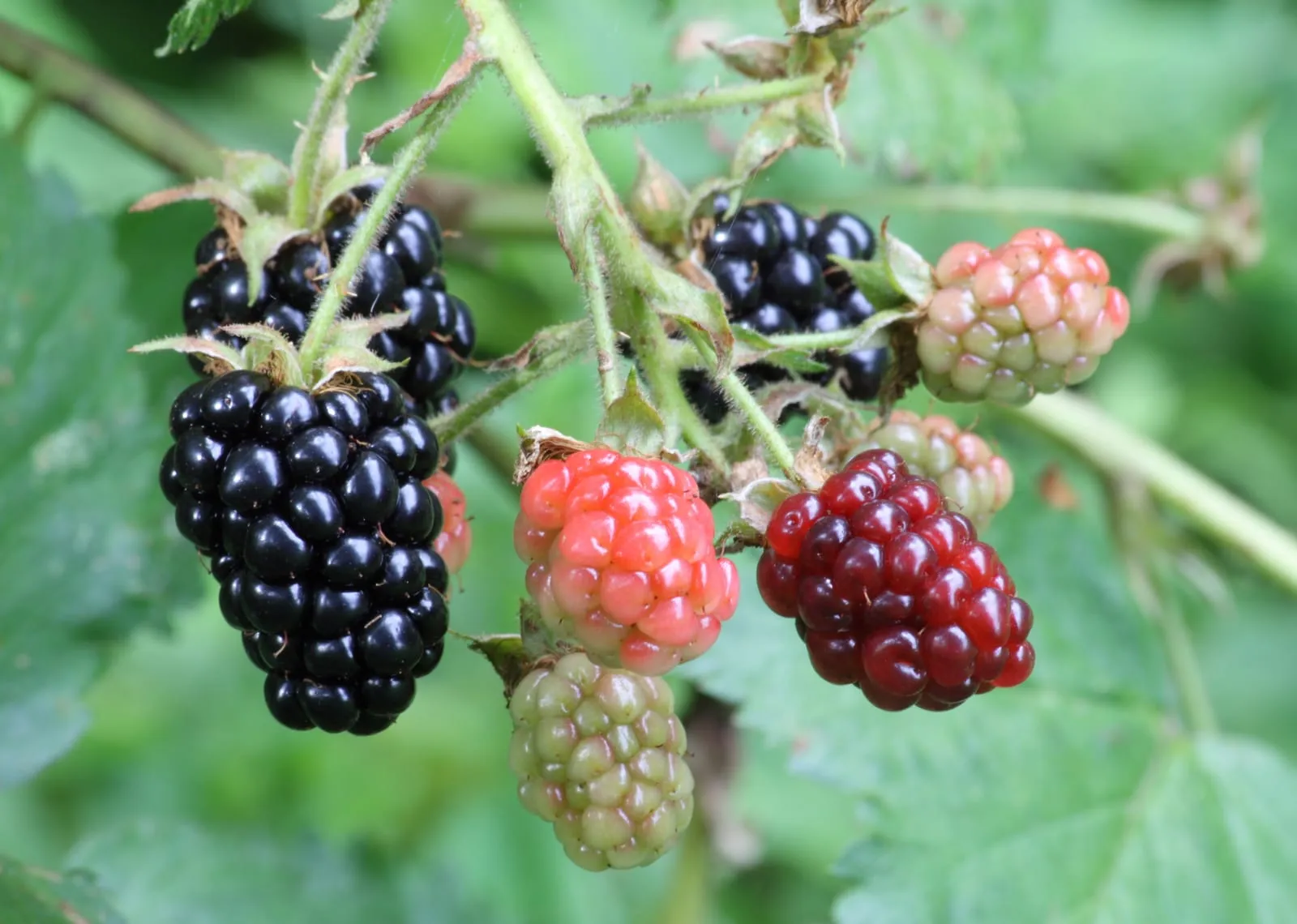
berry in zone 5a
Growing blackberry in zone 5a
Rubus subgenus Rubus
- Zone
- 5a -20°F to -15°F
- Growing season
- 150 days
- Chill needed
- 200 to 800 below 45°F
- Suitable varieties
- 1
- Days to harvest
- 60 to 90
The verdict
Zone 5a sits at the cold edge of reliable blackberry production. Winter temperatures regularly drop to -20 to -15°F, and most blackberry cultivars lack the hardiness to survive those extremes without assistance. The chill-hour requirement of 200 to 800 hours is met easily in zone 5a, so dormancy and flower initiation are not the limiting factor. Cane survival through winter is.
Chester Thornless is one of the better-tested selections for this zone, rated hardy to zone 5 and documented to survive typical zone 5a winters when canes are properly managed before the cold arrives. The 150-day growing season is sufficient to bring fruit to full ripeness before fall frost closes in. This is not a sweet spot for blackberry, but it is workable with disciplined variety selection and winter preparation. Growers in warmer pockets of zone 5a (south-facing slopes, urban sites with mild microclimates) will have a consistent edge over those on exposed or low-lying ground.
Recommended varieties for zone 5a
1 cultivar suited to this zone, with disease-resistance and zone-fit annotations.
| Variety | Notes | Zone fit | Disease resistance |
|---|---|---|---|
| Chester Thornless fits zone 5a | Sweet-tart, firm, glossy berries with full flavor; fresh and processing. Trailing thornless habit, very productive, cold-hardy for blackberries. | | none noted |
Critical timing for zone 5a
Blackberry floricanes bloom in late May to early June in zone 5a, a window that overlaps with the tail end of the zone's late spring frost risk. A hard frost in early June can damage open blossoms and reduce fruit set for that season without killing the plant outright. Primocanes emerge shortly after, putting on vegetative growth through the summer that will become next year's fruiting wood.
Harvest typically falls between late July and mid-August depending on season conditions. The 150-day growing season leaves adequate time for fruit to develop and ripen before the first fall frost, which arrives in late September to early October across most zone 5a locations. A warm May accelerates bloom and shifts harvest earlier; a cold, wet spring delays both.
Common challenges in zone 5a
- ▸ Fire blight in pears
- ▸ Cedar-apple rust
- ▸ Late spring frosts
Disease pressure to watch for
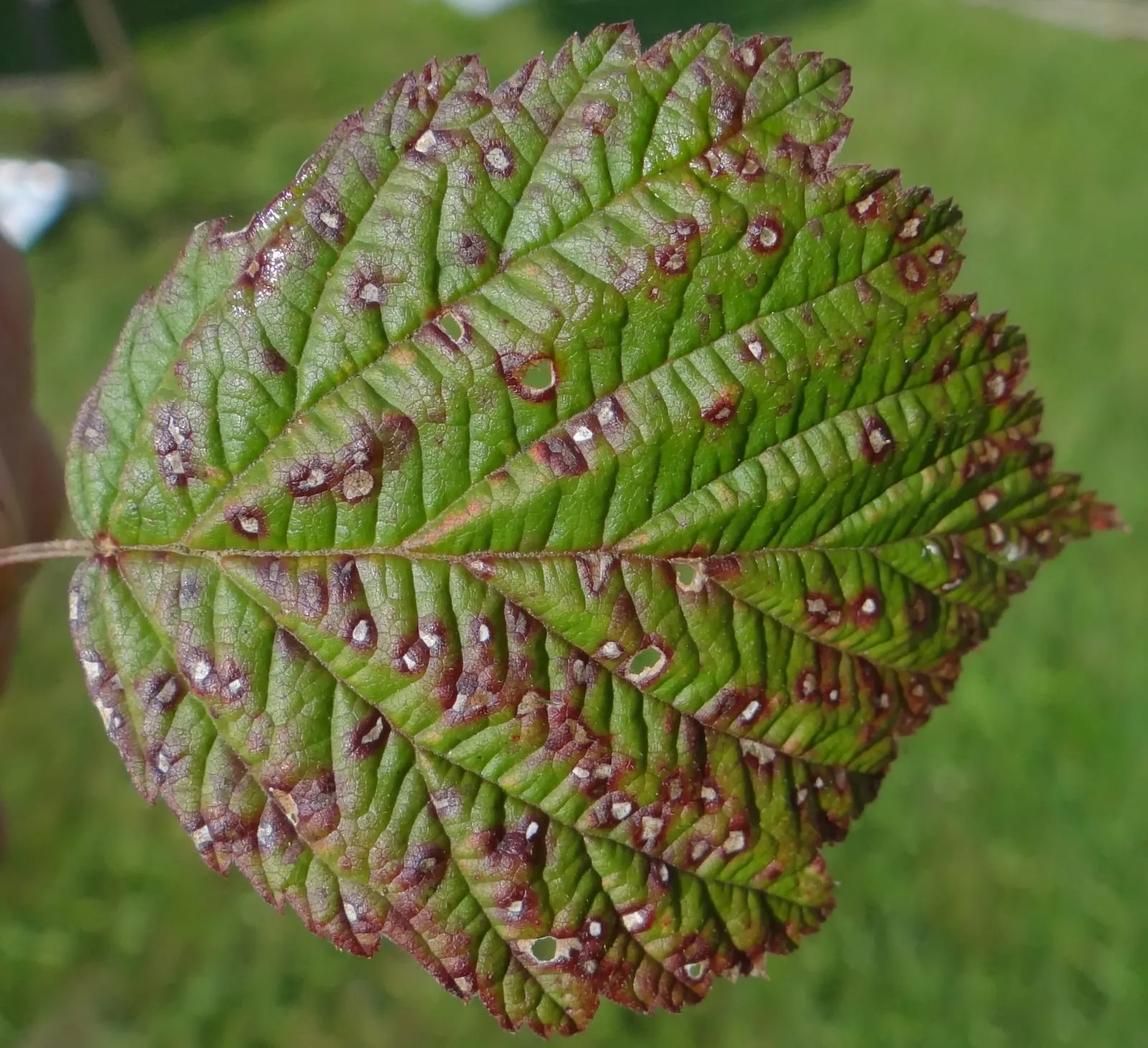
Elsinoe veneta
Fungal cane disease causing purple-bordered lesions that girdle and weaken bramble and Ribes canes, reducing yield over consecutive seasons.
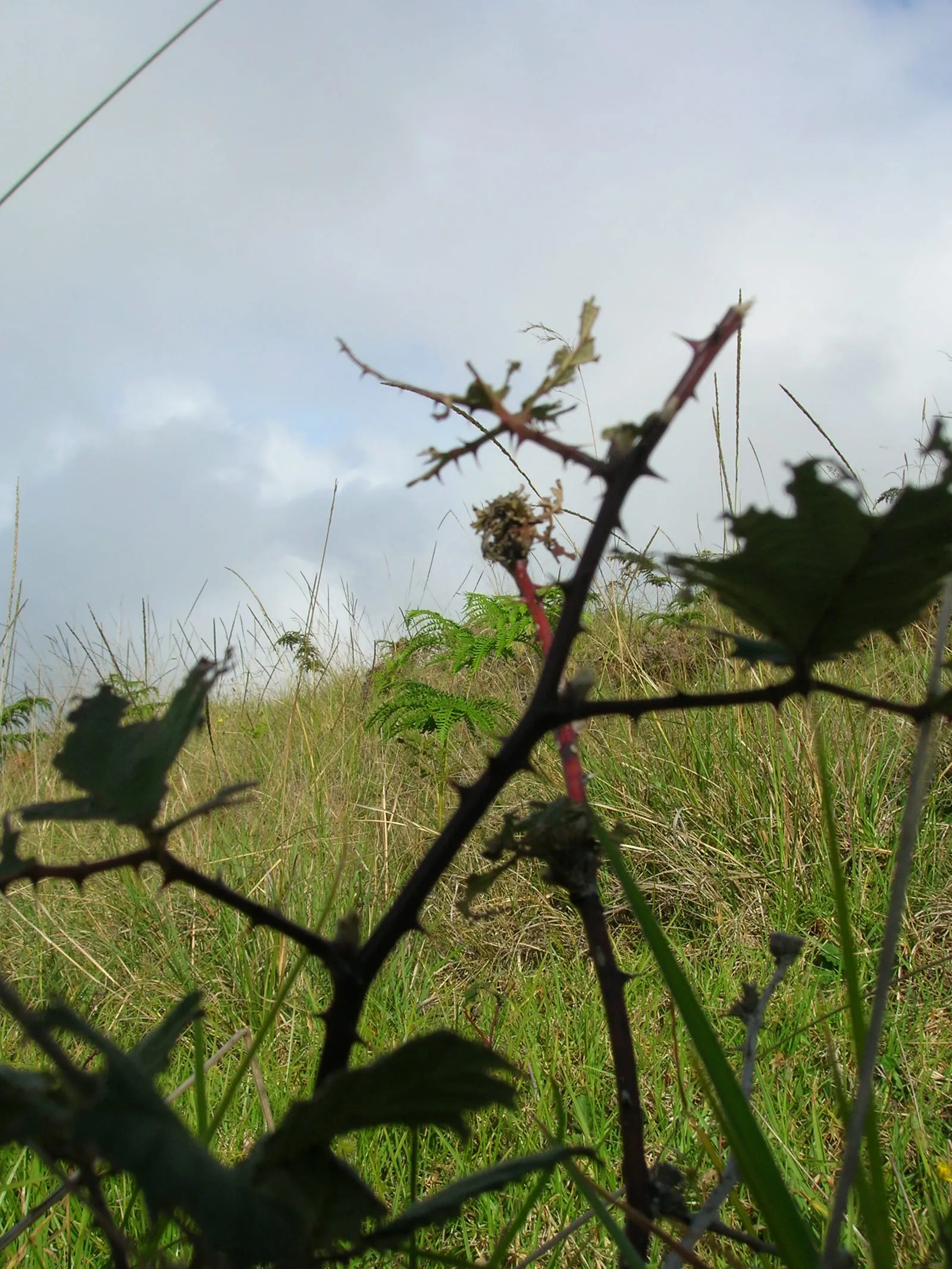
Leptosphaeria coniothyrium
Fungal disease that enters through wounds (often from cane-borer or pruning cuts) and causes dark cankers that wilt and kill canes.
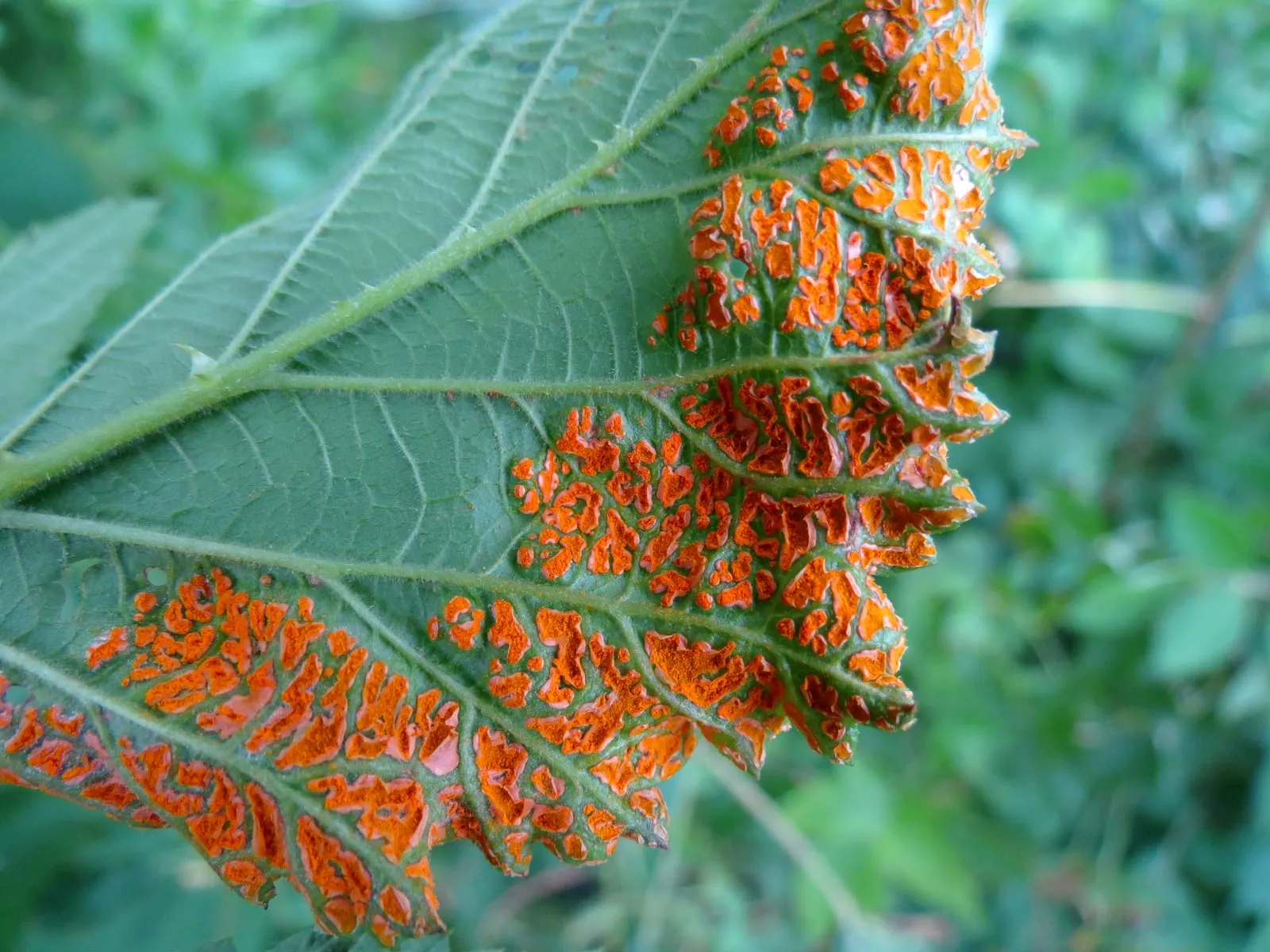
Arthuriomyces peckianus
Systemic fungal disease that permanently infects black raspberries and blackberries (not red raspberry); infected plants must be removed entirely.
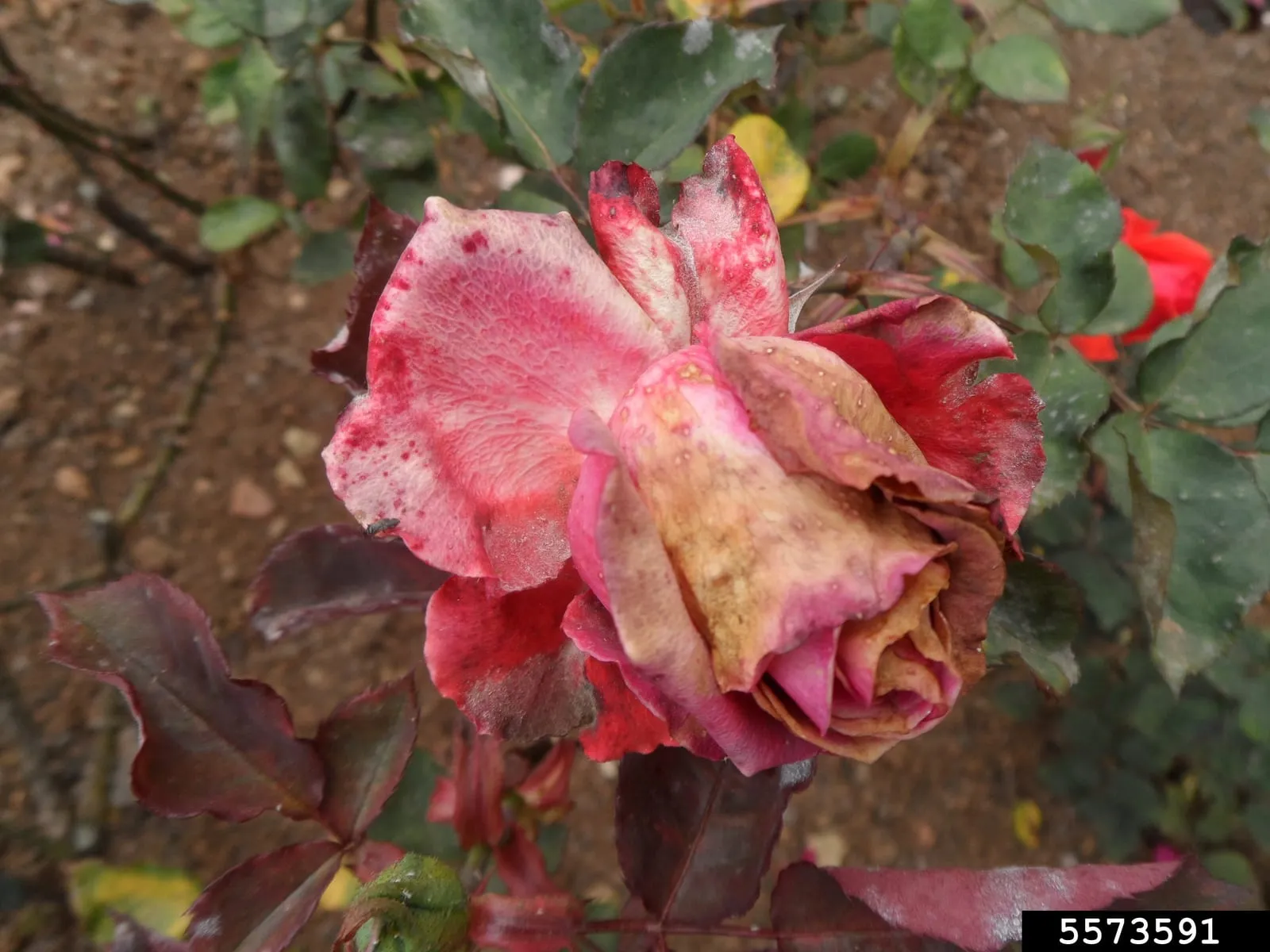
Botrytis cinerea
Ubiquitous fungal disease that causes fruit rot during cool wet weather, often the dominant berry disease in humid regions.
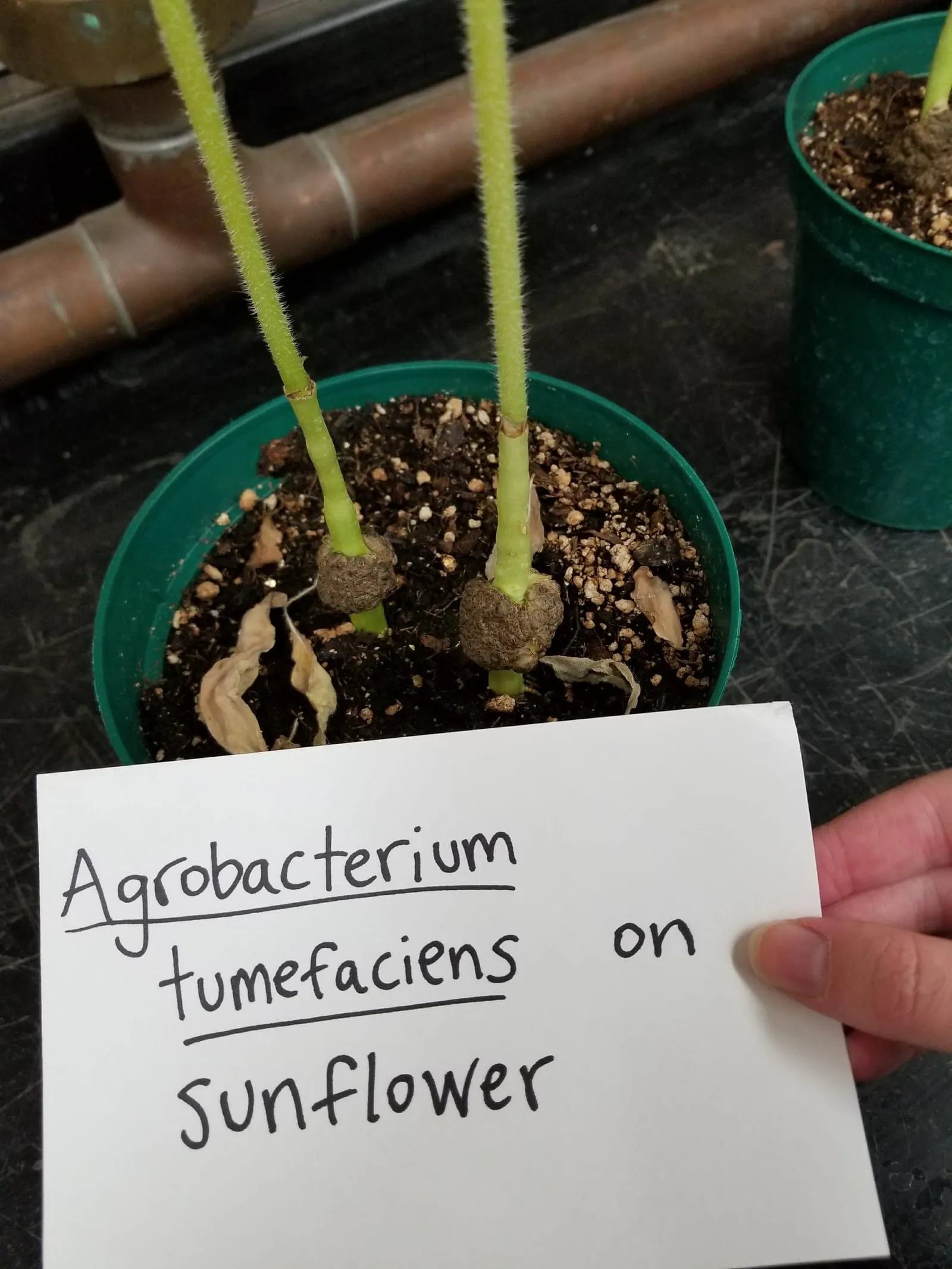
Agrobacterium tumefaciens
Soil-borne bacterium that enters plants through wounds and induces tumor-like galls on roots, crown, and lower stems. Galls reduce vigor and shorten plant lifespan; on Rubus the disease is often fatal.
Modified care for zone 5a
Cane winterization is the primary management adjustment in zone 5a. After the first killing frost, floricanes benefit from being carefully bent to the ground and covered with 4 to 6 inches of straw mulch or pinned beneath burlap. That layer of insulation can make the difference between dead cane tips and a productive second-year cane come July.
Disease pressure from Cane Anthracnose and Orange Rust intensifies during wet springs, which are common in zone 5a. Pruning out infected canes promptly and maintaining good airflow through the row are the primary defenses. Gray Mold (Botrytis) becomes a harvest-time problem in wet summers; remove infected fruit immediately and ease off irrigation in the final weeks before harvest. Orange Rust is systemic and has no cure. Any plant showing the characteristic orange spore masses on leaf undersides should be removed and discarded entirely to prevent spread to neighboring canes.
Blackberry in adjacent zones
Image: "Ripe, ripening, and green blackberries", by Ragesoss, via Wikimedia Commons, licensed under CC-BY-SA 3.0 Source.

Related