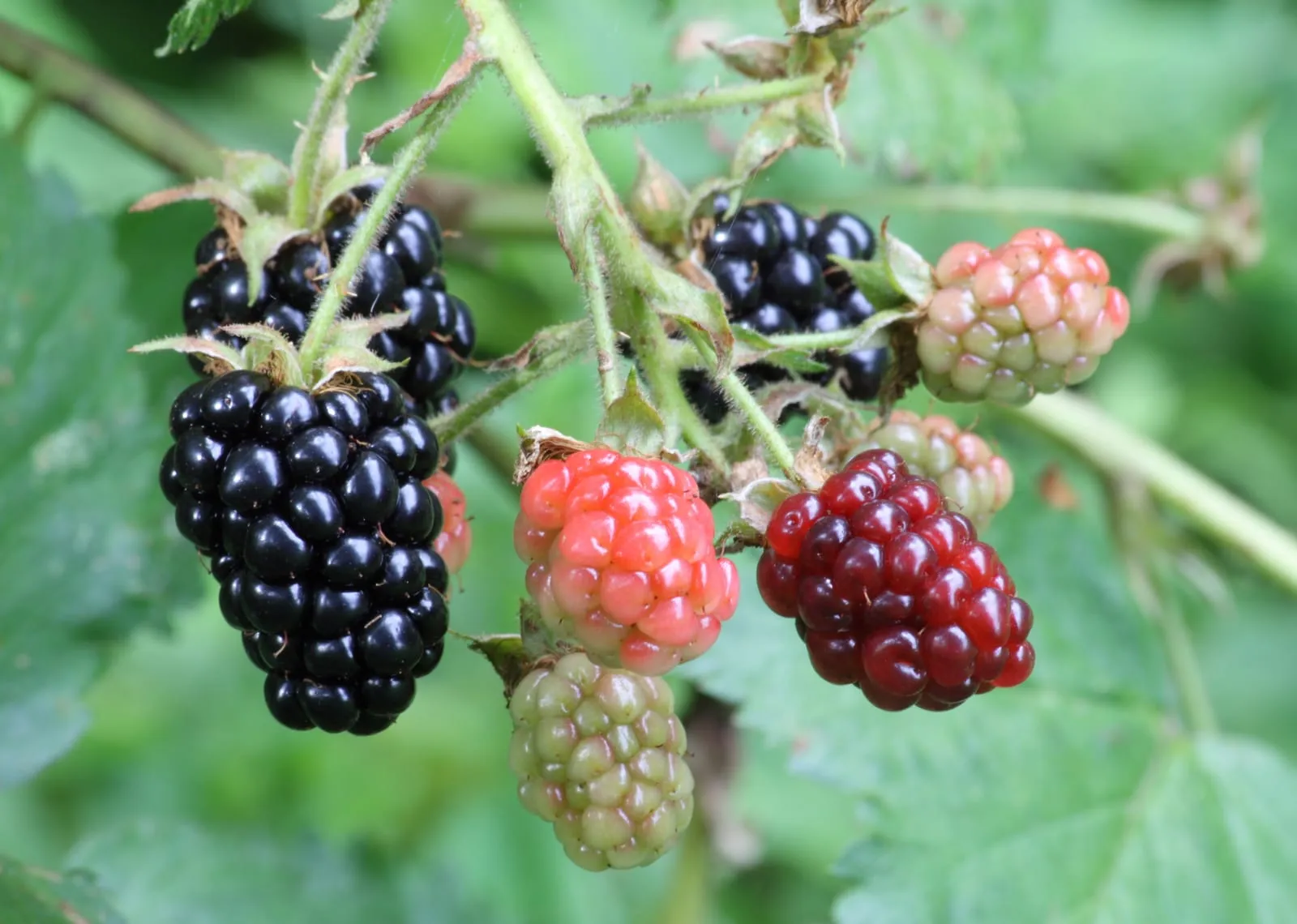
berry in zone 5b
Growing blackberry in zone 5b
Rubus subgenus Rubus
- Zone
- 5b -15°F to -10°F
- Growing season
- 165 days
- Chill needed
- 200 to 800 below 45°F
- Suitable varieties
- 1
- Days to harvest
- 60 to 90
The verdict
Zone 5b sits at the northern edge of reliable blackberry production. Winter lows of -15°F to -10°F push past the cold hardiness threshold of most trailing and semi-erect blackberry varieties, which typically survive to around -10°F under good snow cover but suffer significant cane dieback in open, exposed sites. Chester Thornless is the standout exception, bred specifically for cold tolerance in this range and consistently recommended for zones 5 and 6.
On the chill-hour side, zone 5b is not a concern. Blackberries require 200 to 800 hours below 45°F depending on variety, and zone 5b winters accumulate well above that range in most years. The growing season of 165 days is sufficient to carry fruit to maturity before fall frosts close in, provided canes survived the prior winter intact.
This is a workable zone for blackberries, not a sweet spot. Success depends heavily on variety selection and site choice. Chester Thornless on a south-facing, wind-sheltered site will outperform any non-hardy variety on an exposed slope.
Recommended varieties for zone 5b
1 cultivar suited to this zone, with disease-resistance and zone-fit annotations.
| Variety | Notes | Zone fit | Disease resistance |
|---|---|---|---|
| Chester Thornless fits zone 5b | Sweet-tart, firm, glossy berries with full flavor; fresh and processing. Trailing thornless habit, very productive, cold-hardy for blackberries. | | none noted |
Critical timing for zone 5b
In zone 5b, blackberry canes break dormancy and begin leafing out in late April. Bloom typically follows in late May to early June, which places flowering after the average last frost date in most of the zone. That timing reduces frost-damage risk to open flowers, though late cold snaps in early May can still damage emerging shoot tips.
Harvest runs from mid-July through late August depending on variety and the specific season. Chester Thornless tends toward the later end of that window. The 165-day growing season provides adequate heat accumulation for fruit to develop full sugar, assuming the summer is reasonably warm. Growers in the colder parts of zone 5b should track first fall frost dates carefully, as an early September freeze can catch late-ripening fruit before it finishes.
Common challenges in zone 5b
- ▸ Plum curculio
- ▸ Codling moth
- ▸ Cedar-apple rust
Disease pressure to watch for
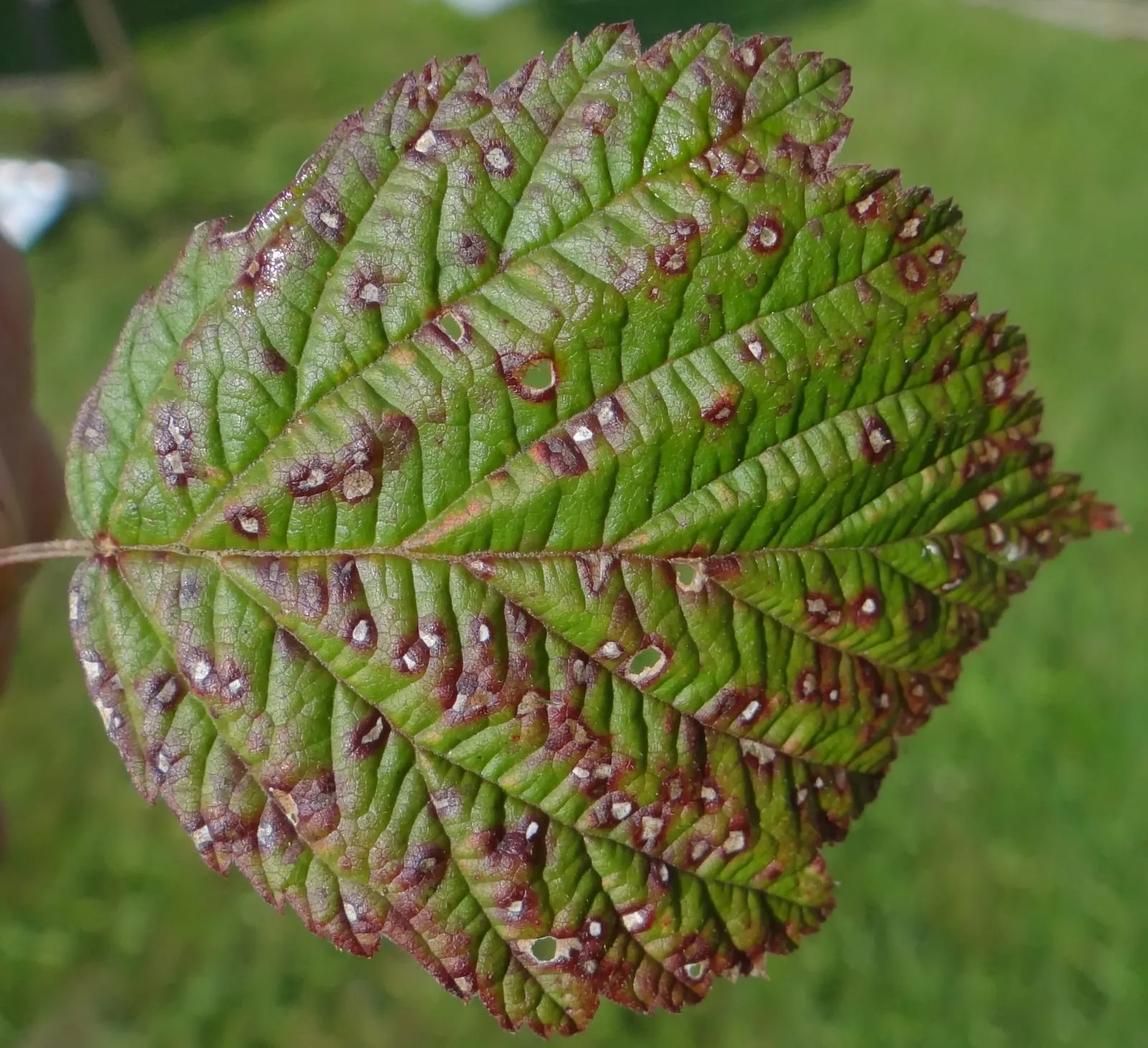
Elsinoe veneta
Fungal cane disease causing purple-bordered lesions that girdle and weaken bramble and Ribes canes, reducing yield over consecutive seasons.
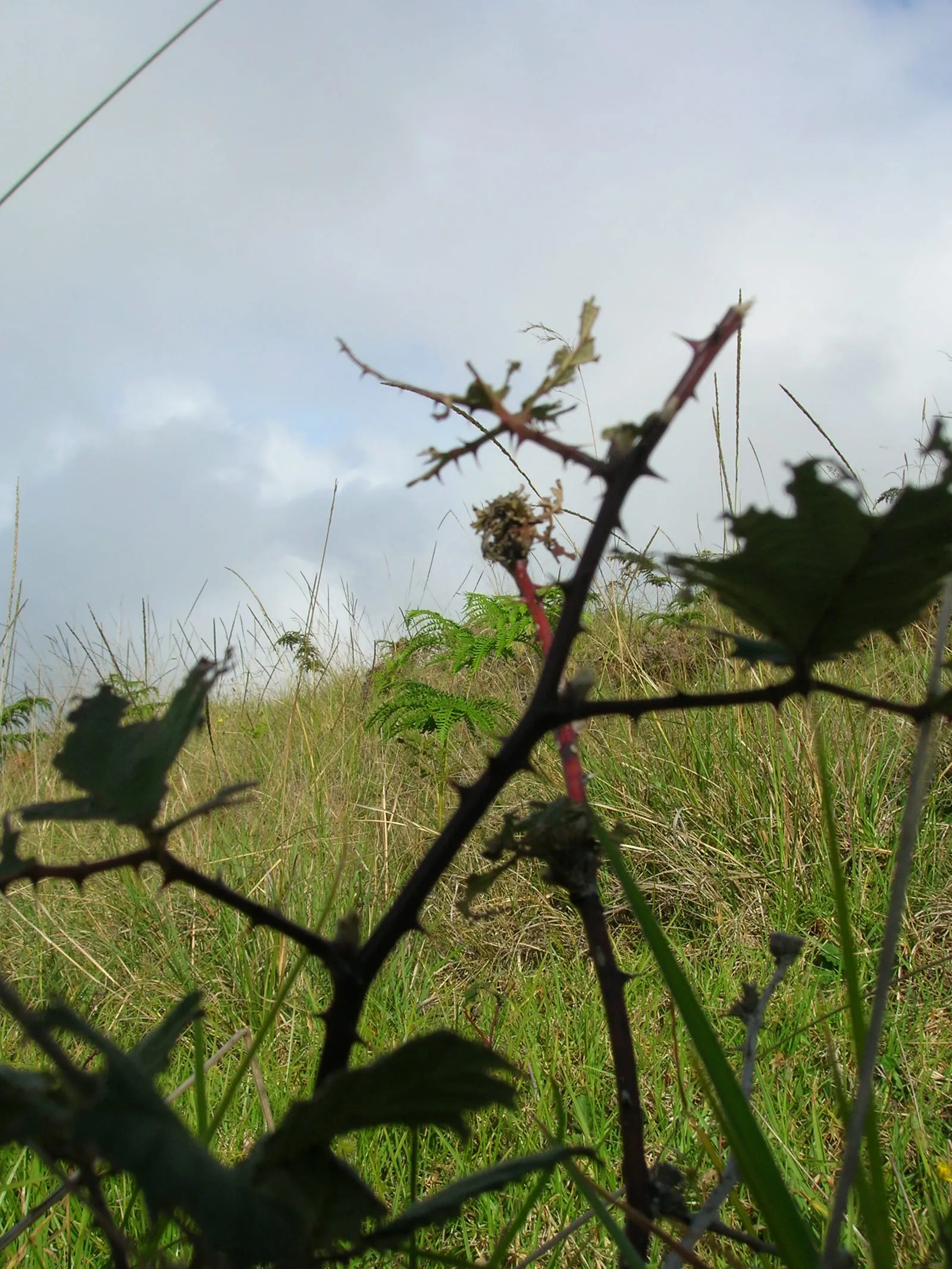
Leptosphaeria coniothyrium
Fungal disease that enters through wounds (often from cane-borer or pruning cuts) and causes dark cankers that wilt and kill canes.
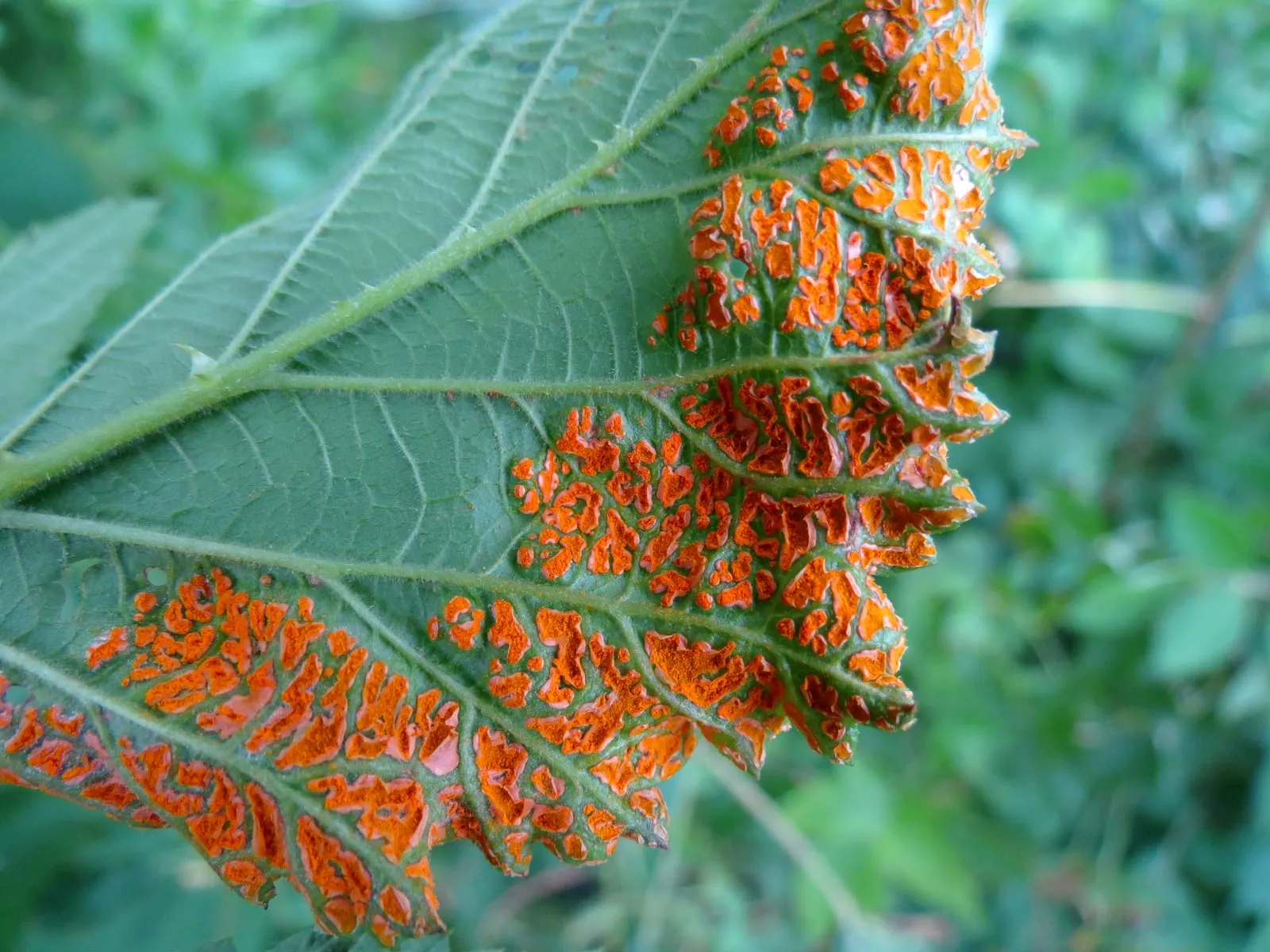
Arthuriomyces peckianus
Systemic fungal disease that permanently infects black raspberries and blackberries (not red raspberry); infected plants must be removed entirely.
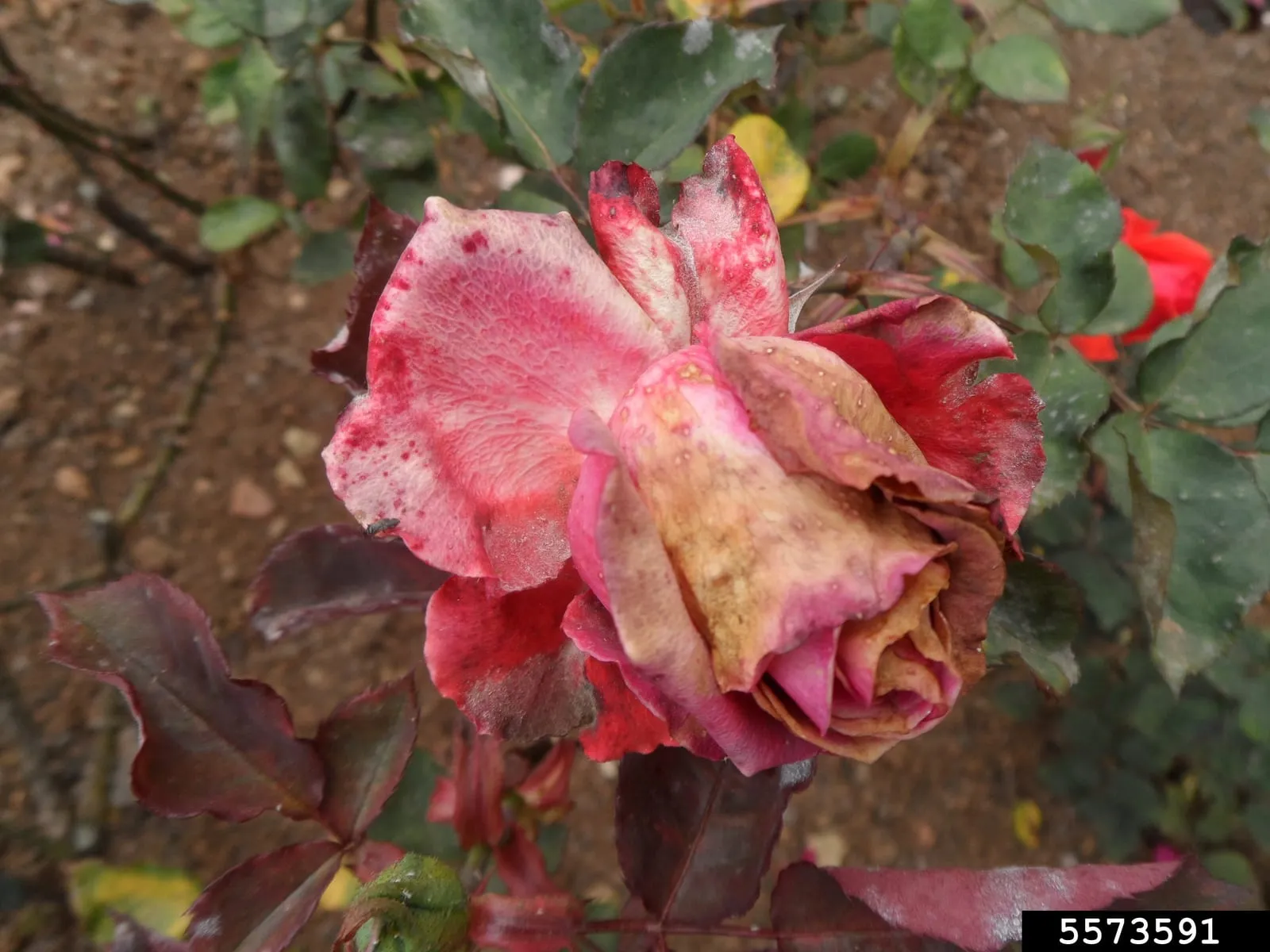
Botrytis cinerea
Ubiquitous fungal disease that causes fruit rot during cool wet weather, often the dominant berry disease in humid regions.
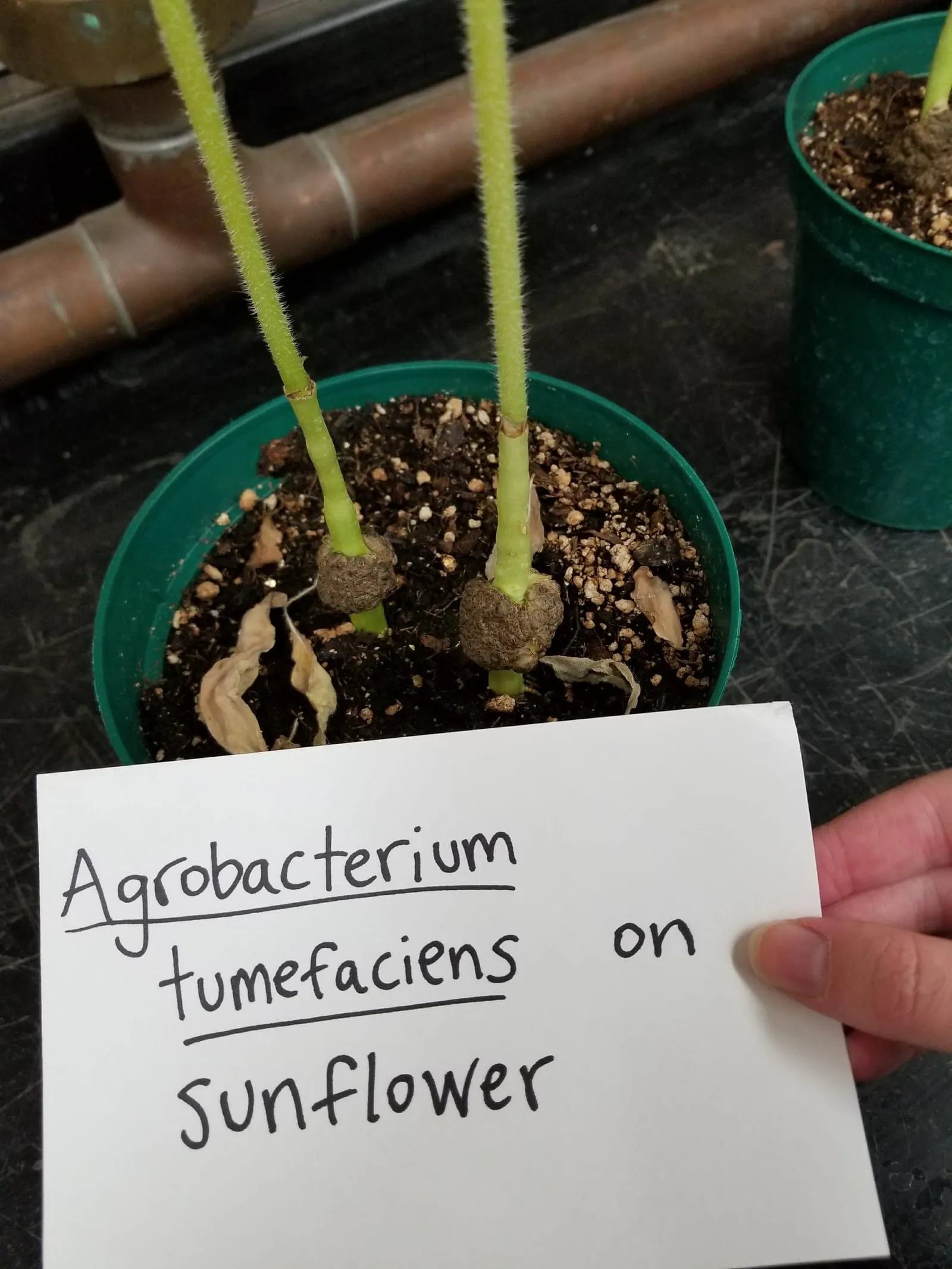
Agrobacterium tumefaciens
Soil-borne bacterium that enters plants through wounds and induces tumor-like galls on roots, crown, and lower stems. Galls reduce vigor and shorten plant lifespan; on Rubus the disease is often fatal.
Modified care for zone 5b
Cane protection is the primary management adjustment in zone 5b. After the first hard frost in fall, semi-erect canes like Chester Thornless can be bent to the ground and covered with straw mulch or pinned under row covers to reduce exposure to the coldest temperatures. Unprotected canes in exposed sites may survive winter but arrive in spring with significant tip dieback, reducing the fruiting wood available that season.
Disease pressure from Cane Anthracnose and Cane Blight increases in cool, wet springs, which are common in zone 5b. Pruning out dead and damaged canes promptly after winter, rather than waiting for full green-up, limits the window for fungal entry. Gray Mold (Botrytis) is a persistent risk during harvest if summer humidity is high; spacing canes for air circulation and harvesting fruit promptly reduces losses. Orange Rust, if it appears, has no curative treatment and requires removal of the entire affected plant.
Blackberry in adjacent zones
Image: "Ripe, ripening, and green blackberries", by Ragesoss, via Wikimedia Commons, licensed under CC-BY-SA 3.0 Source.

Related