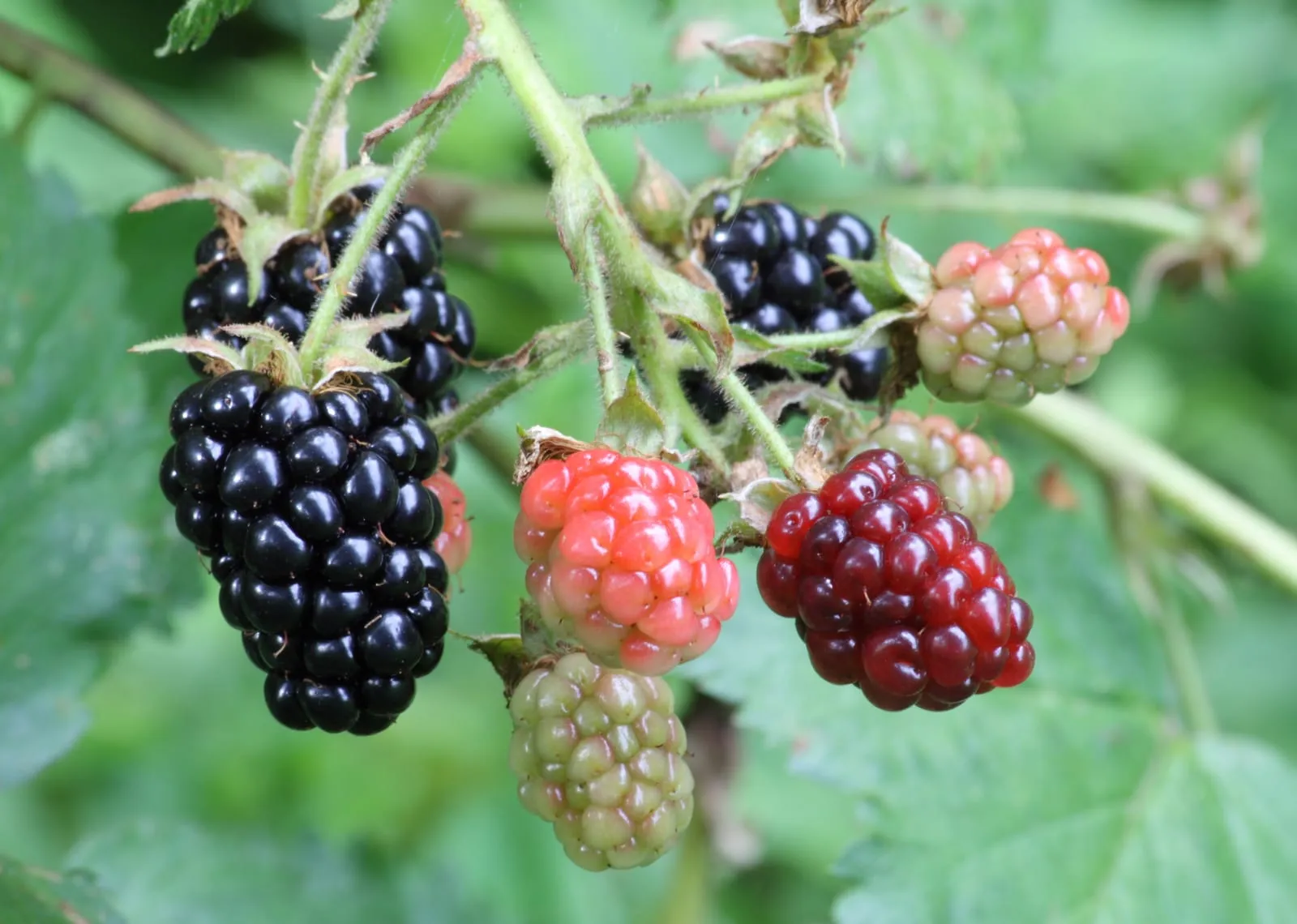
berry in zone 7b
Growing blackberry in zone 7b
Rubus subgenus Rubus
- Zone
- 7b 5°F to 10°F
- Growing season
- 220 days
- Chill needed
- 200 to 800 below 45°F
- Suitable varieties
- 6
- Days to harvest
- 60 to 90
The verdict
Zone 7b sits in the middle of the blackberry's chill-hour comfort zone, and that's a genuine advantage. Most blackberry varieties require somewhere between 200 and 800 chill hours; zone 7b reliably delivers 600 to 900 hours most winters, which covers the full range of commercially viable cultivars without the guesswork that comes with warmer zones. The 220-day growing season is more than sufficient for even late-ripening floricane varieties like Chester Thornless to fully mature a crop.
This is not a marginal zone for blackberries. The main constraints here are horticultural, not climatic: humid piedmont summers drive significant disease pressure, and a pest load that includes Japanese beetles and brown marmorated stink bugs can compromise fruit quality without active management. The crop itself handles zone 7b well; the challenge is managing what comes with the territory.
Recommended varieties for zone 7b
6 cultivars suited to this zone, with disease-resistance and zone-fit annotations.
| Variety | Notes | Zone fit | Disease resistance |
|---|---|---|---|
| Triple Crown fits zone 7b | Sweet, large, glossy black berries with rich balanced flavor; fresh, baking, jam. Semi-erect thornless, very productive. Outstanding home-garden choice. | | none noted |
| Navaho fits zone 7b | Sweet, firm, small-medium berries with high sugar; fresh eating premium and shipping quality. Erect thornless, compact and self-supporting. | | none noted |
| Ouachita fits zone 7b | Sweet, firm, large berries with classic flavor; fresh eating and shipping. Erect thornless, productive, disease-resistant. Heat-tolerant southern cultivar. | | none noted |
| Prime-Ark Freedom fits zone 7b | Sweet, large, very high quality berries; fresh eating premium. Primocane-fruiting (bears on first-year canes), allows fall harvest plus floricane crop. Thornless. | | none noted |
| Chester Thornless fits zone 7b | Sweet-tart, firm, glossy berries with full flavor; fresh and processing. Trailing thornless habit, very productive, cold-hardy for blackberries. | | none noted |
| Marionberry fits zone 7b | Rich, complex, sweet-tart; the iconic Pacific Northwest blackberry, prized for pies and jam. Trailing habit, traditional thorny canes. Cold-tender (zone 7+). | | none noted |
Critical timing for zone 7b
Blackberry canes in zone 7b typically push new growth in late February to early March and reach full bloom by mid-April, with some variation by cultivar and microclimate. Last frost in most zone 7b locations falls between late March and early April, which means late-blooming cold events are a real risk, particularly in low-lying sites with frost-pocket drainage.
Floricane varieties ripen from mid-June through late July. Primocane varieties like Prime-Ark Freedom extend harvest into September and October on the fall crop. That fall window is genuinely productive in zone 7b, where the 220-day season leaves enough warm weeks after August for primocanes to set and ripen fruit before first frost in mid-October to early November.
Common challenges in zone 7b
- ▸ Cedar-apple rust pressure heavy in piedmont
- ▸ Japanese beetles
- ▸ Brown marmorated stink bug
- ▸ Late summer disease pressure
Disease pressure to watch for
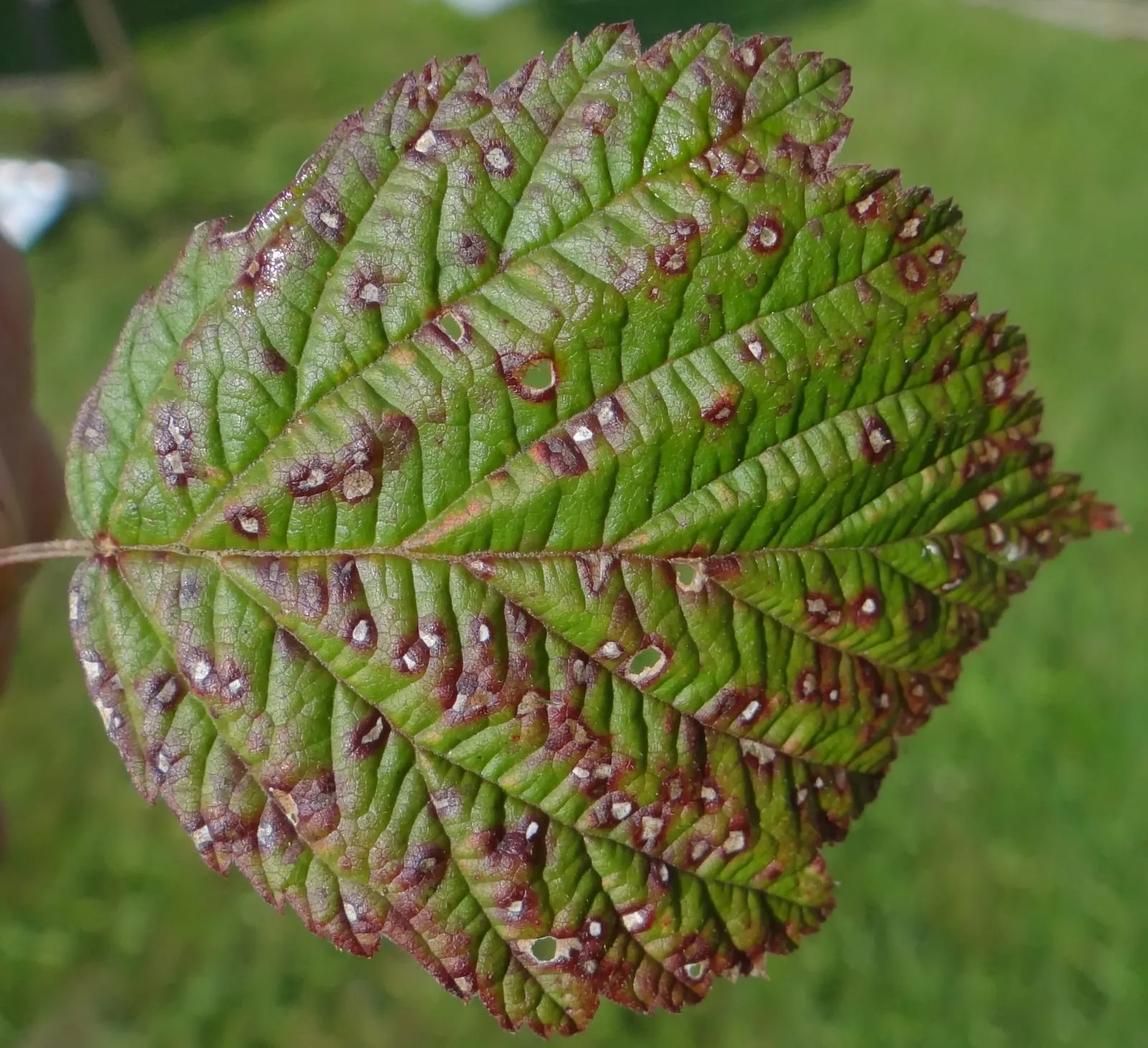
Elsinoe veneta
Fungal cane disease causing purple-bordered lesions that girdle and weaken bramble and Ribes canes, reducing yield over consecutive seasons.
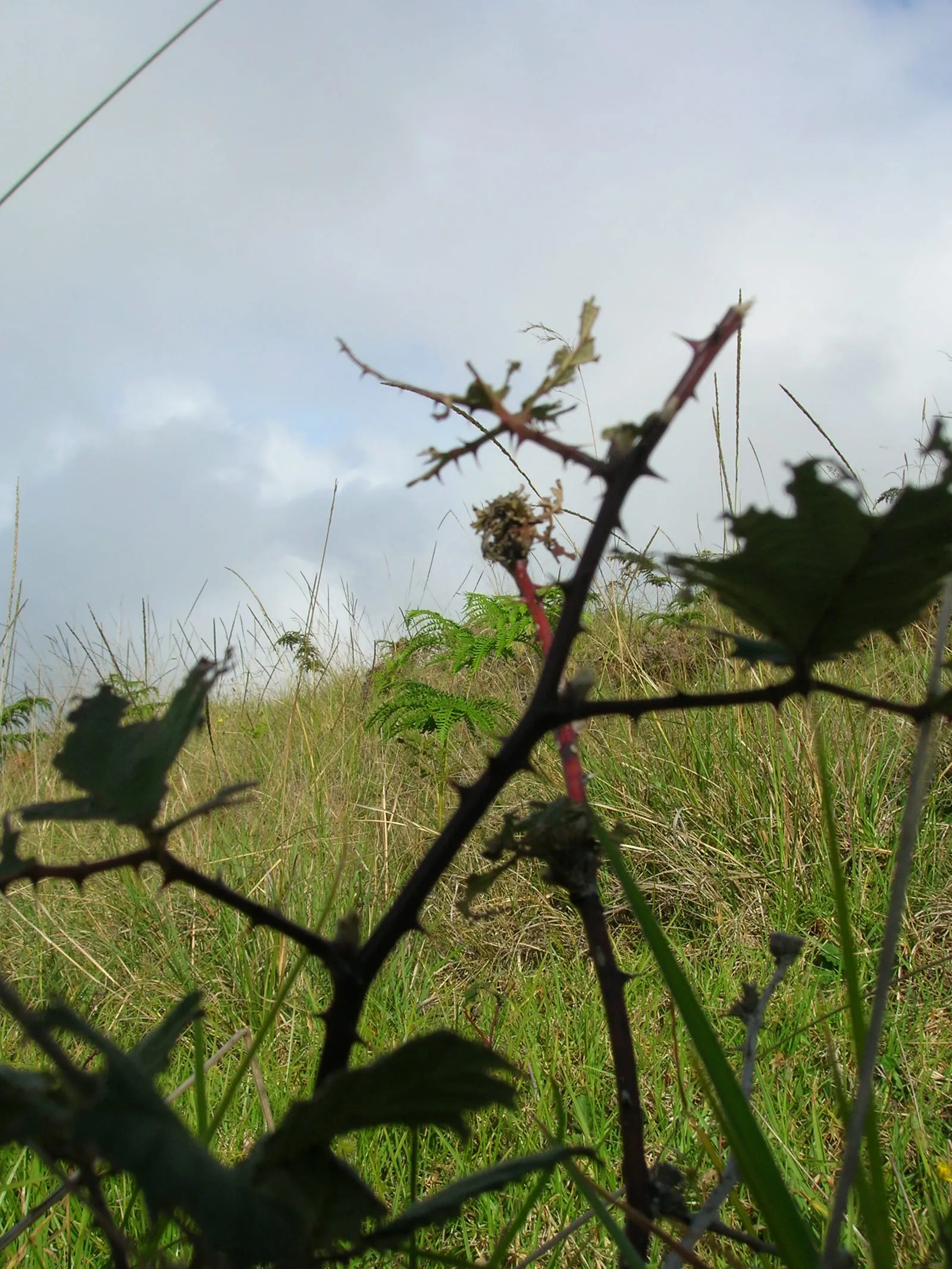
Leptosphaeria coniothyrium
Fungal disease that enters through wounds (often from cane-borer or pruning cuts) and causes dark cankers that wilt and kill canes.
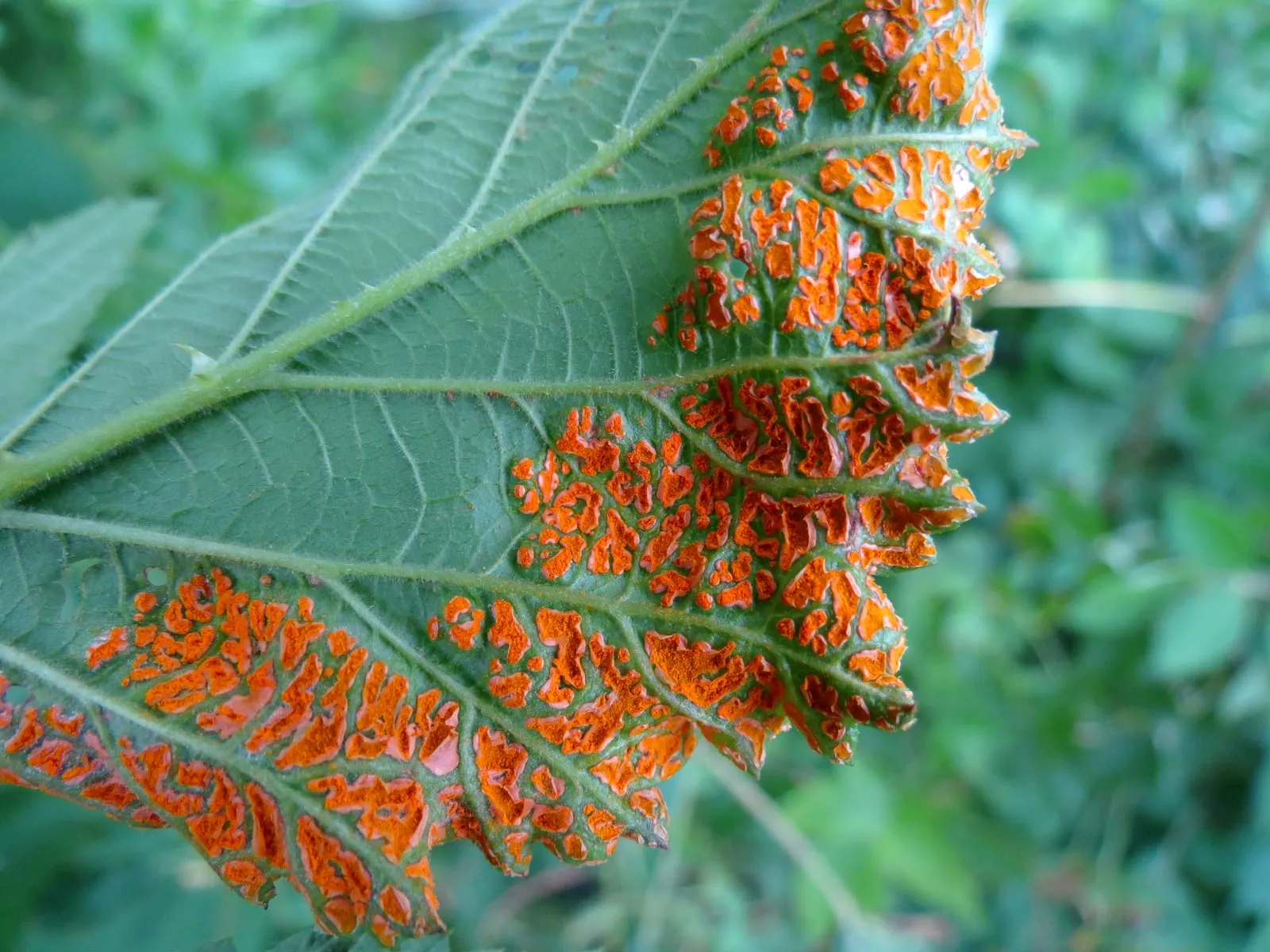
Arthuriomyces peckianus
Systemic fungal disease that permanently infects black raspberries and blackberries (not red raspberry); infected plants must be removed entirely.
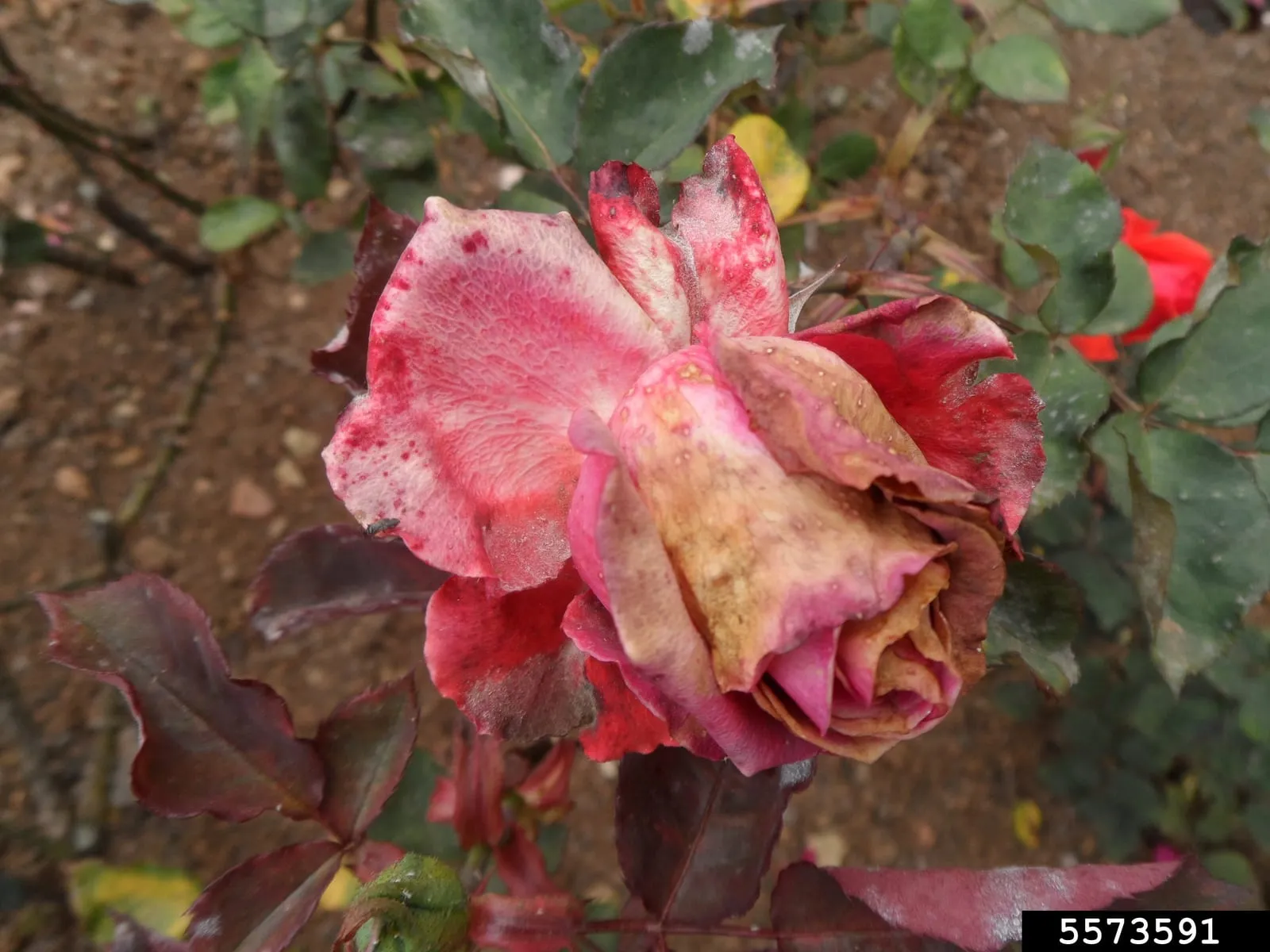
Botrytis cinerea
Ubiquitous fungal disease that causes fruit rot during cool wet weather, often the dominant berry disease in humid regions.
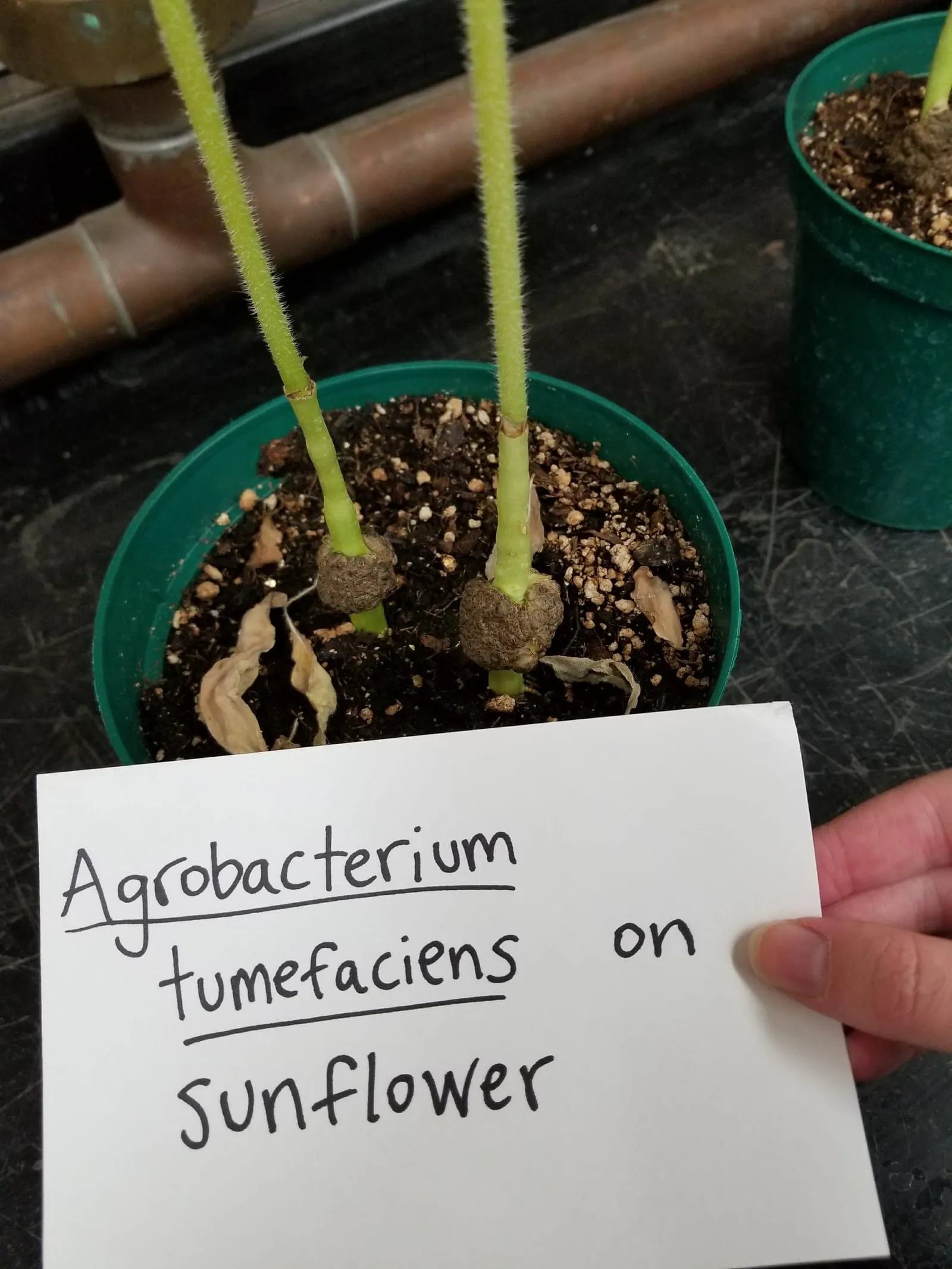
Agrobacterium tumefaciens
Soil-borne bacterium that enters plants through wounds and induces tumor-like galls on roots, crown, and lower stems. Galls reduce vigor and shorten plant lifespan; on Rubus the disease is often fatal.
Modified care for zone 7b
The adjustment most zone 7b growers need to make is toward more aggressive fungal management than is typical in drier climates. Cane Anthracnose and Orange Rust both thrive in the warm, humid summers common to the piedmont and upper South. Thinning primocanes to improve air circulation through the canopy is not optional here; it is the primary tool for reducing late-season Gray Mold (Botrytis) on ripening fruit.
Winter hardiness is generally not a concern for established plantings in zone 7b, but newly planted canes in their first season benefit from a light mulch layer to buffer the occasional dip toward the zone's lower limit of 5°F. Japanese beetle pressure peaks in late June and July, coinciding with peak harvest for floricane varieties; row covers are effective but impractical at scale, so hand removal or targeted insecticide applications timed to beetle emergence are the more common management tools.
Frequently asked questions
- Which blackberry varieties perform best in zone 7b?
Ouachita and Navaho are well-suited to zone 7b's disease environment and chill-hour profile. Triple Crown and Chester Thornless are productive choices where thornless handling matters. Prime-Ark Freedom is worth considering specifically for its primocane bearing habit, which extends the harvest season into fall.
- Is Orange Rust a serious problem for zone 7b blackberries?
Orange Rust is a systemic fungal disease that persists in infected plants permanently; there is no treatment once a plant is infected. In zone 7b's humid summers the disease spreads readily. Removing and destroying infected canes at first sign of the characteristic orange spore pustules on undersides of leaves is the only effective response.
- Can zone 7b growers get two crops from blackberries in one season?
Only from primocane-fruiting varieties like Prime-Ark Freedom, which produces fruit on first-year canes in fall in addition to the standard floricane crop in summer. The zone 7b growing season is long enough to support a meaningful fall crop before first frost in most years.
+−
+−
+−
Blackberry in adjacent zones
Image: "Ripe, ripening, and green blackberries", by Ragesoss, via Wikimedia Commons, licensed under CC-BY-SA 3.0 Source.

Related