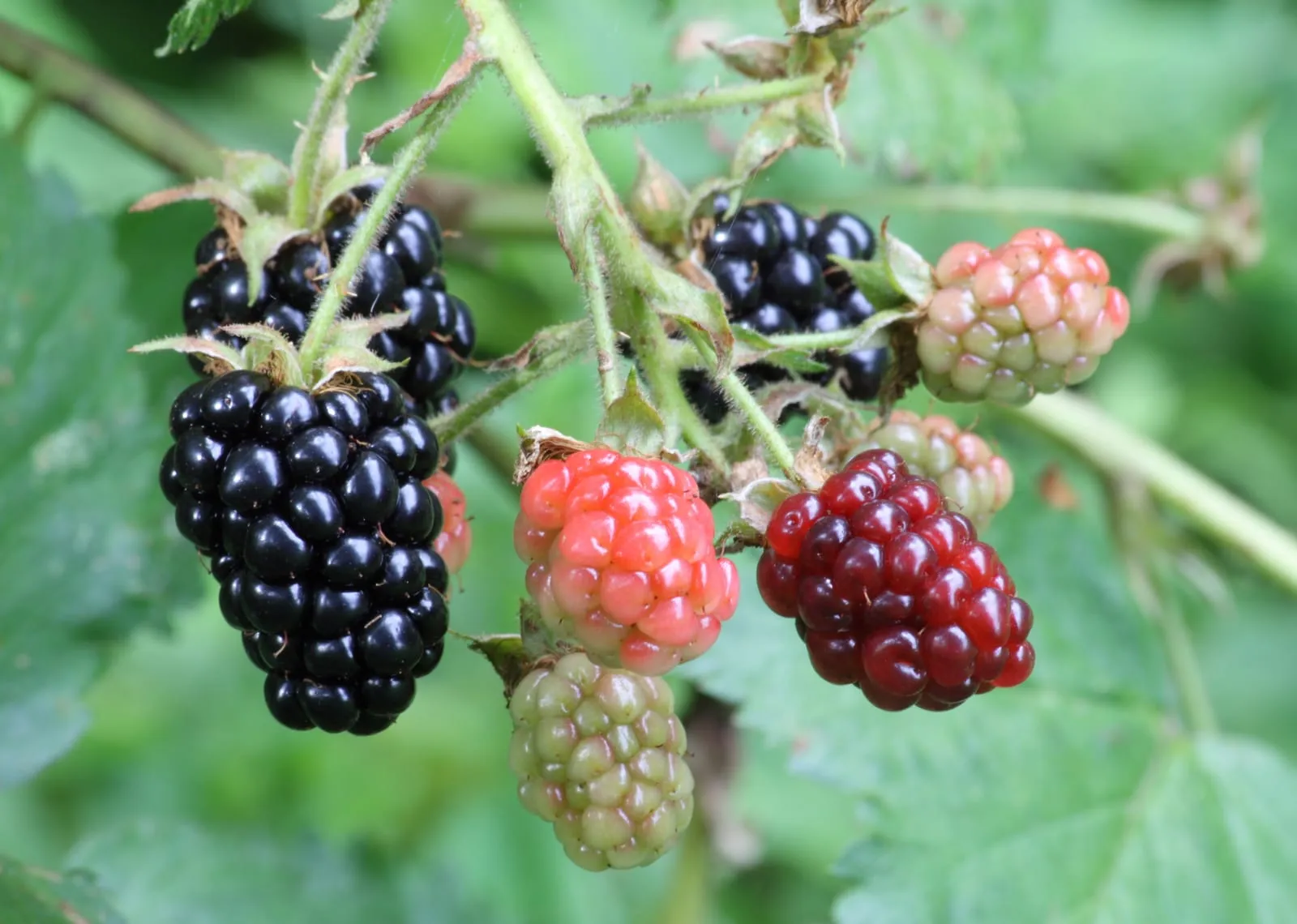
berry in zone 7a
Growing blackberry in zone 7a
Rubus subgenus Rubus
- Zone
- 7a 0°F to 5°F
- Growing season
- 210 days
- Chill needed
- 200 to 800 below 45°F
- Suitable varieties
- 6
- Days to harvest
- 60 to 90
The verdict
Zone 7a is a reliable fit for blackberries. The crop's wide chill-hour requirement of 200 to 800 hours maps well onto zone 7a winters, where most locations accumulate 700 to 900 hours below 45°F each season. That puts the majority of zone 7a growers in the upper half of the crop's ideal range, which promotes consistent dormancy and reliable fruiting rather than the erratic behavior seen when chill hours fall short.
Minimum winter temperatures of 0 to 5°F can damage exposed cane tips on the most cold-sensitive varieties, but the standard floricane and primocane selections listed for this zone, including Navaho, Ouachita, and Chester Thornless, are rated to zone 6 or colder. This is not a marginal zone for blackberries; it is close to the center of the crop's eastern U.S. performance range. The 210-day growing season leaves ample time for primocane development, overwintering, and full floricane production the following summer.
Recommended varieties for zone 7a
6 cultivars suited to this zone, with disease-resistance and zone-fit annotations.
| Variety | Notes | Zone fit | Disease resistance |
|---|---|---|---|
| Triple Crown fits zone 7a | Sweet, large, glossy black berries with rich balanced flavor; fresh, baking, jam. Semi-erect thornless, very productive. Outstanding home-garden choice. | | none noted |
| Navaho fits zone 7a | Sweet, firm, small-medium berries with high sugar; fresh eating premium and shipping quality. Erect thornless, compact and self-supporting. | | none noted |
| Ouachita fits zone 7a | Sweet, firm, large berries with classic flavor; fresh eating and shipping. Erect thornless, productive, disease-resistant. Heat-tolerant southern cultivar. | | none noted |
| Prime-Ark Freedom fits zone 7a | Sweet, large, very high quality berries; fresh eating premium. Primocane-fruiting (bears on first-year canes), allows fall harvest plus floricane crop. Thornless. | | none noted |
| Chester Thornless fits zone 7a | Sweet-tart, firm, glossy berries with full flavor; fresh and processing. Trailing thornless habit, very productive, cold-hardy for blackberries. | | none noted |
| Marionberry fits zone 7a | Rich, complex, sweet-tart; the iconic Pacific Northwest blackberry, prized for pies and jam. Trailing habit, traditional thorny canes. Cold-tender (zone 7+). | | none noted |
Critical timing for zone 7a
Blackberry bloom in zone 7a typically opens in mid-April to early May, depending on the variety and microsite. Zone 7a's average last frost falls between late March and mid-April, which means early-blooming selections occasionally catch a frost event at or just after petal opening. Prime-Ark Freedom and other primocane types blooming later in the season sidestep this risk, but floricane varieties warrant attention during April cold snaps.
Harvest for most floricane varieties runs from mid-June through late July. Primocane-fruiting types extend the window into September on the fall crop. The combination of a relatively early bloom and a long warm season means zone 7a blackberries typically ripen fully without the rushed finish that affects shorter-season climates.
Common challenges in zone 7a
- ▸ Cedar-apple rust
- ▸ Brown rot
- ▸ Fire blight
- ▸ High humidity disease pressure
Disease pressure to watch for
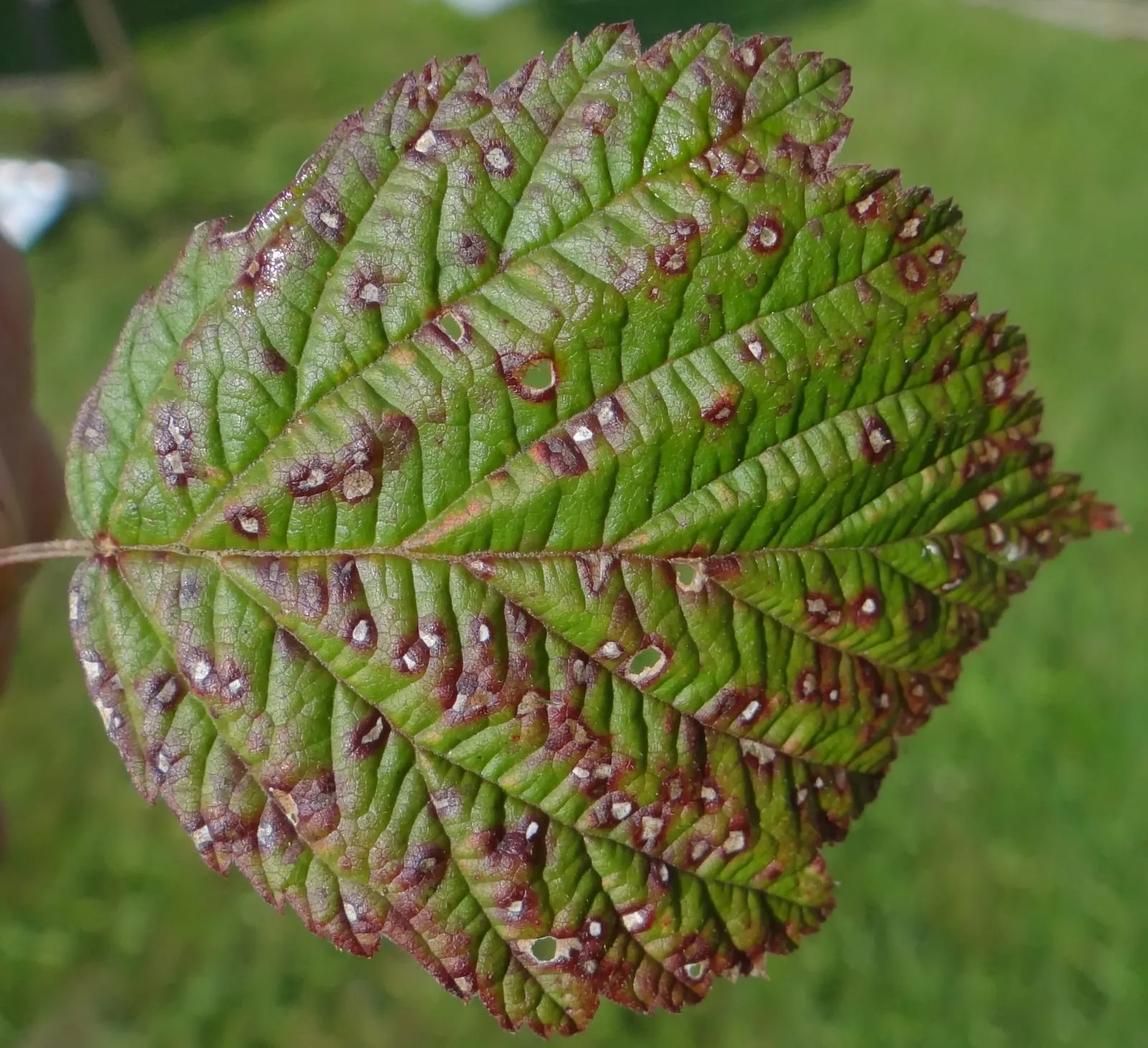
Elsinoe veneta
Fungal cane disease causing purple-bordered lesions that girdle and weaken bramble and Ribes canes, reducing yield over consecutive seasons.
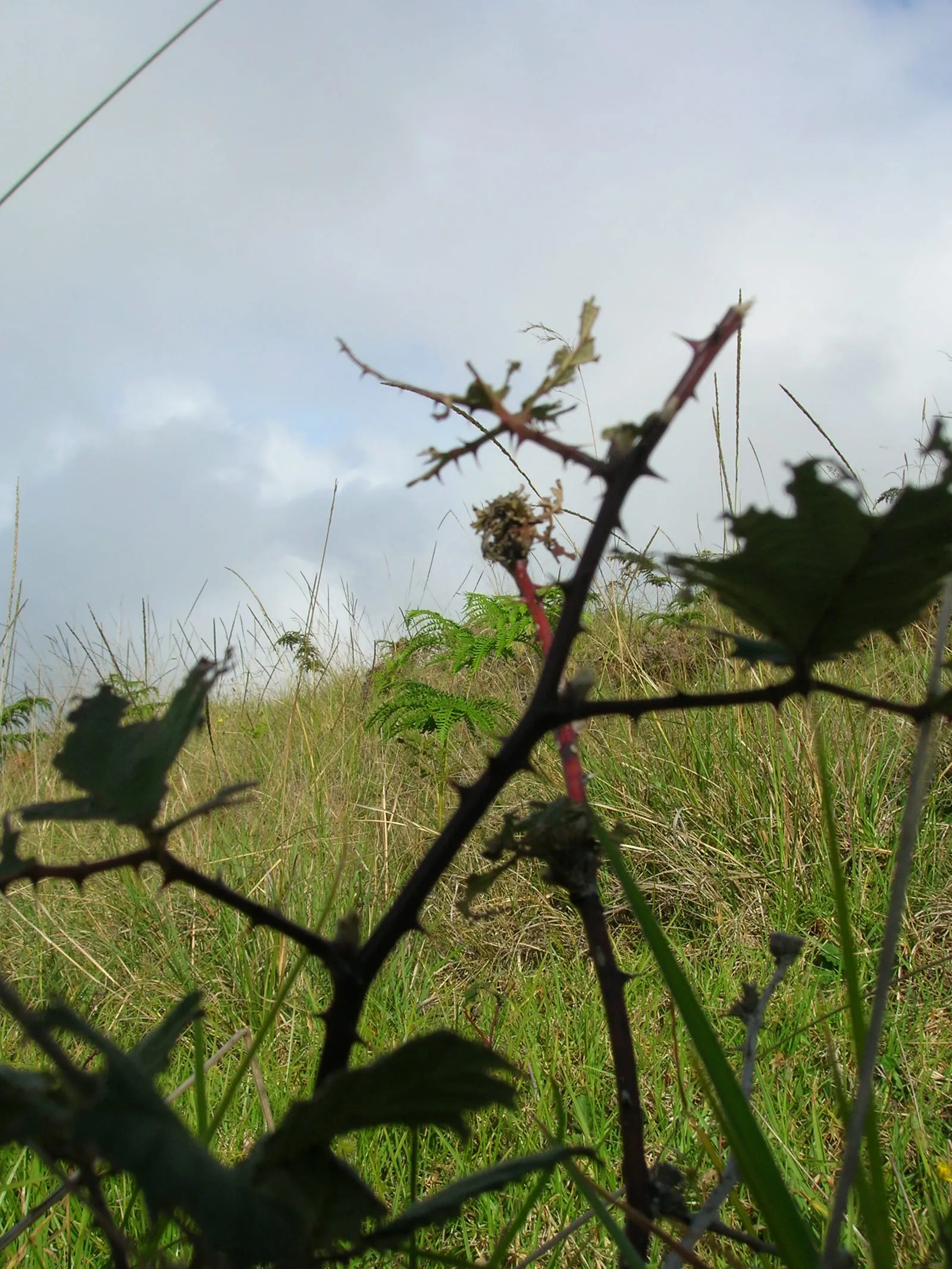
Leptosphaeria coniothyrium
Fungal disease that enters through wounds (often from cane-borer or pruning cuts) and causes dark cankers that wilt and kill canes.
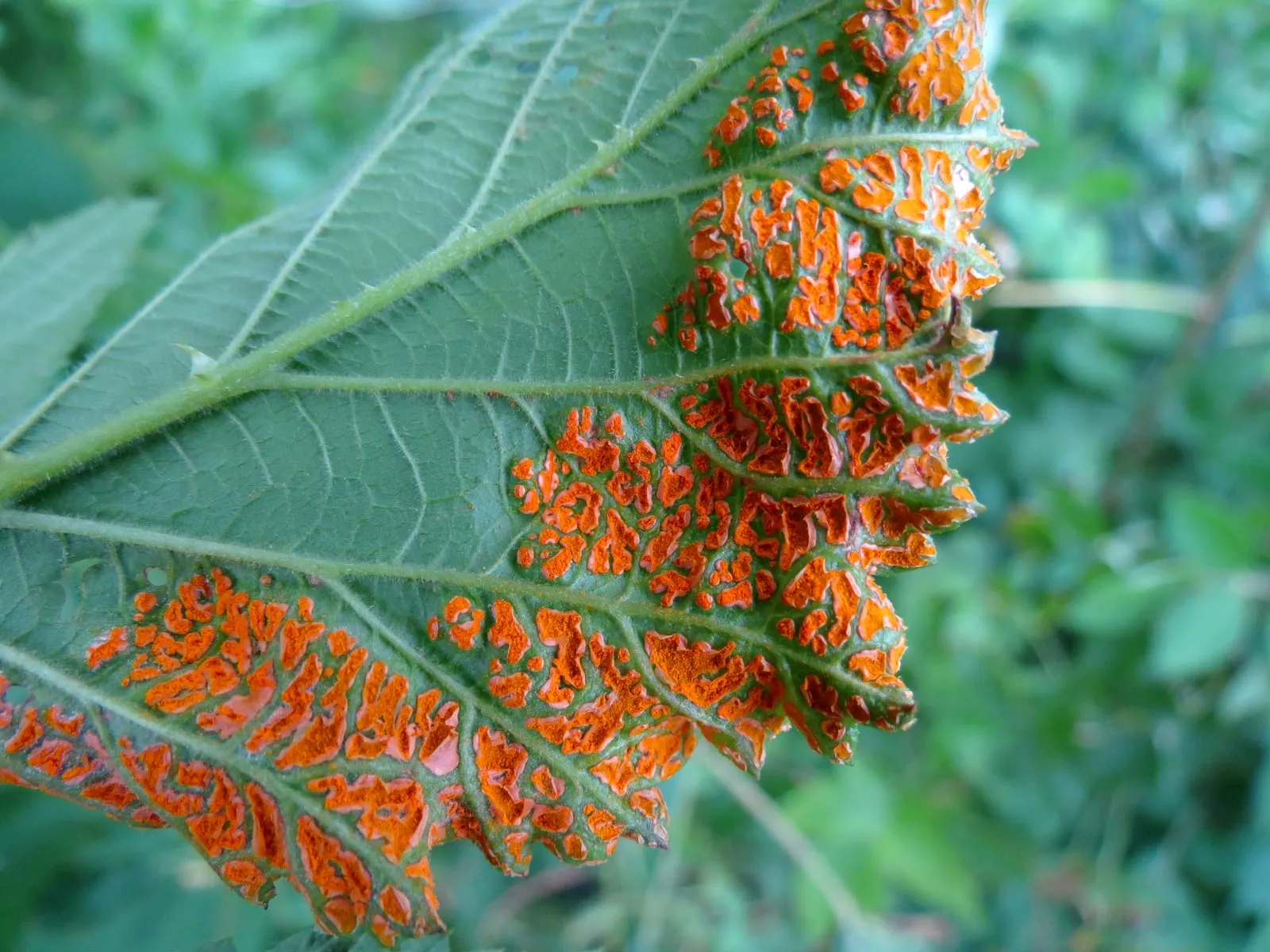
Arthuriomyces peckianus
Systemic fungal disease that permanently infects black raspberries and blackberries (not red raspberry); infected plants must be removed entirely.
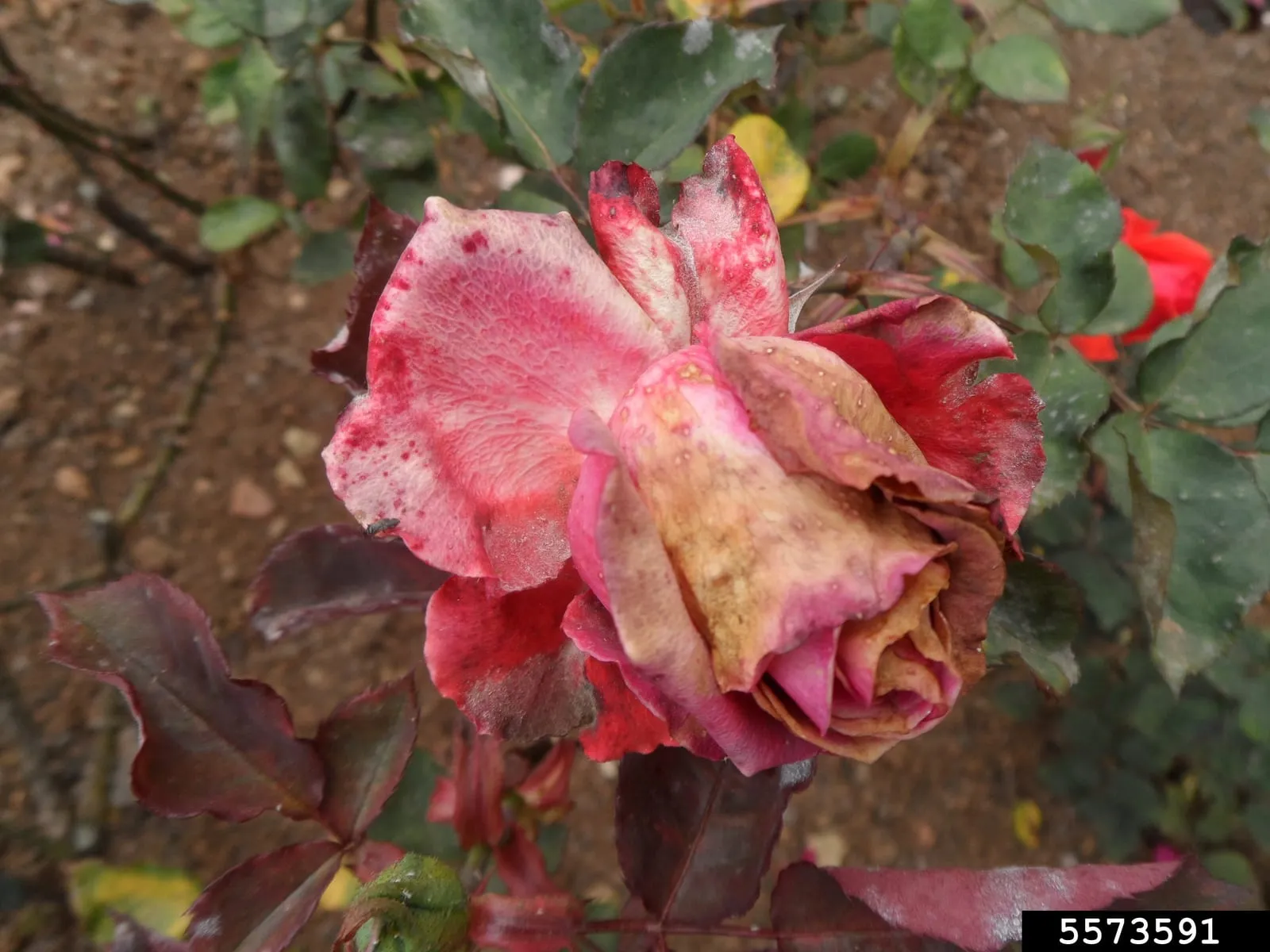
Botrytis cinerea
Ubiquitous fungal disease that causes fruit rot during cool wet weather, often the dominant berry disease in humid regions.
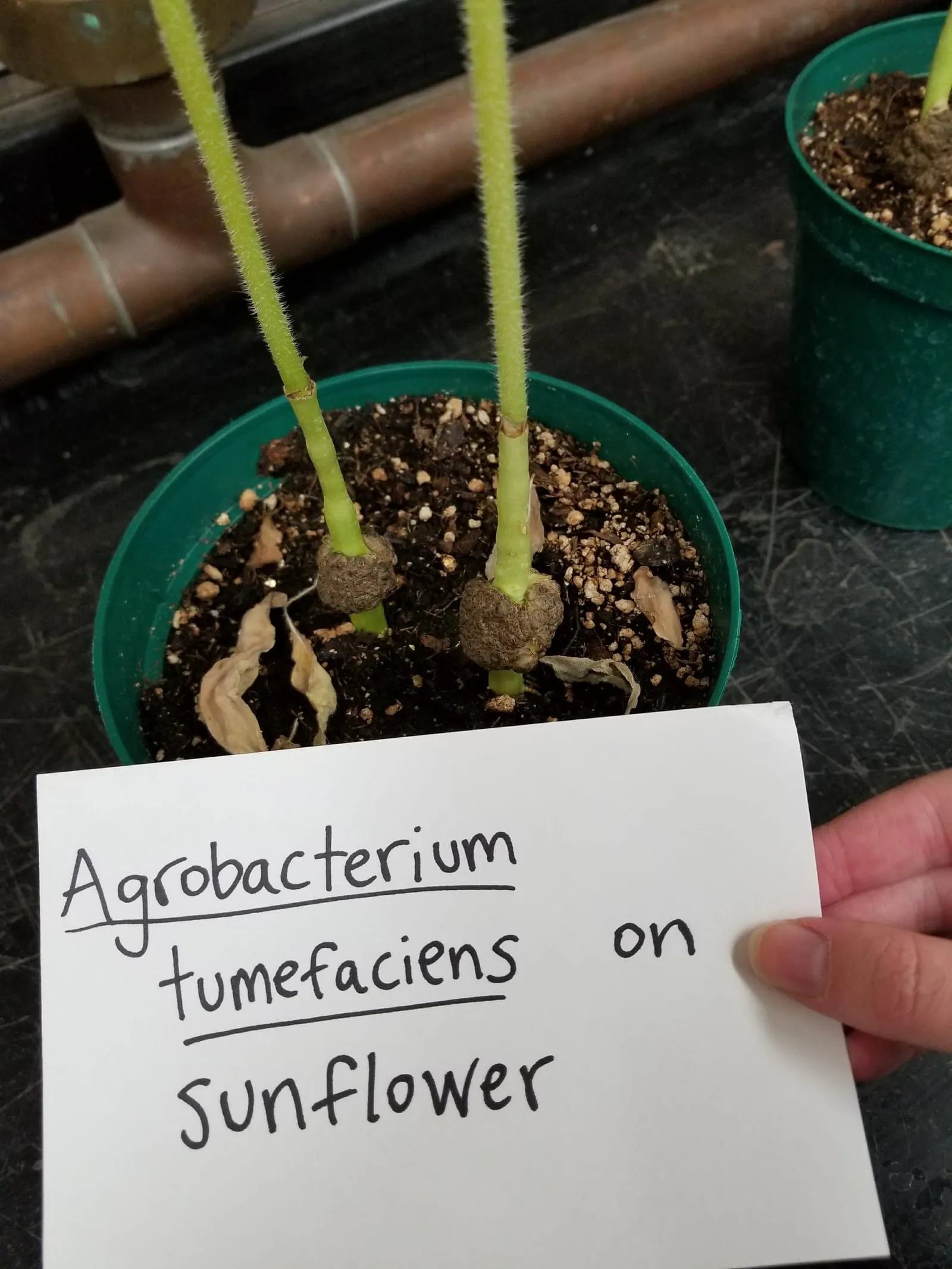
Agrobacterium tumefaciens
Soil-borne bacterium that enters plants through wounds and induces tumor-like galls on roots, crown, and lower stems. Galls reduce vigor and shorten plant lifespan; on Rubus the disease is often fatal.
Modified care for zone 7a
The main adjustment in zone 7a relative to drier or cooler parts of the blackberry range is managing disease pressure from high summer humidity. Cane Anthracnose, Orange Rust, and Gray Mold (Botrytis) all gain traction when canopy airflow is poor and foliage stays wet. Thinning floricanes to 4 to 6 per linear foot after harvest, rather than leaving a denser stand, meaningfully reduces the microclimate conditions that favor these pathogens.
Winter protection is rarely required for established plantings once canes are hardened, but newly planted canes in their first season benefit from a 3 to 4 inch mulch layer over the crown if temperatures are forecast below 5°F. Orange Rust, which is systemic and incurable once established, warrants scouting in spring when new growth emerges; infected canes show bright orange spore masses on the undersides of leaves and must be removed and destroyed before spores spread.
Frequently asked questions
- Which blackberry varieties perform best in zone 7a?
Navaho, Ouachita, and Chester Thornless are well-documented performers across the mid-Atlantic and upper South, the heart of zone 7a territory. Prime-Ark Freedom adds a primocane-fruiting option that extends the harvest window into fall and reduces frost-at-bloom risk.
- Do blackberries need a pollinator in zone 7a?
Most blackberry varieties are self-fertile, so a single planting will set fruit. Planting two or more varieties that overlap in bloom time can improve fruit size and yield, which is worth considering if space allows.
- How do I manage Orange Rust in zone 7a?
Orange Rust is a systemic fungal disease with no cure once a plant is infected. Rogue infected plants immediately, roots and all, before the bright orange spore masses on new growth in spring release and spread to neighboring canes. Purchasing certified disease-free planting stock reduces initial introduction risk.
- When should floricanes be removed after harvest in zone 7a?
Cut floricanes to the ground as soon as harvest is complete, typically by early August in zone 7a. Removing spent canes promptly reduces overwintering habitat for Cane Blight and Cane Anthracnose pathogens and improves light and airflow for the developing primocanes.
+−
+−
+−
+−
Blackberry in adjacent zones
Image: "Ripe, ripening, and green blackberries", by Ragesoss, via Wikimedia Commons, licensed under CC-BY-SA 3.0 Source.

Related