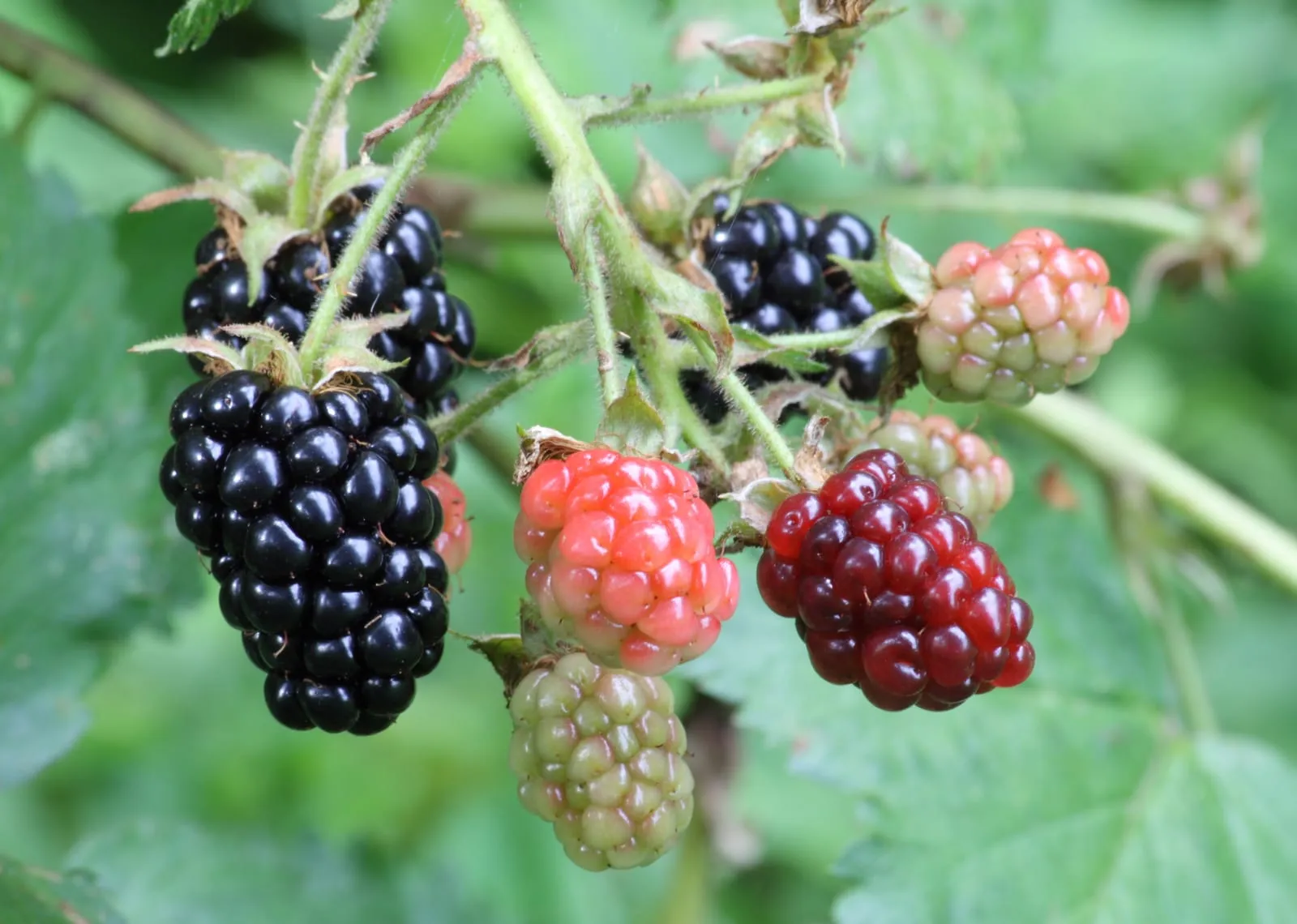
berry in zone 6b
Growing blackberry in zone 6b
Rubus subgenus Rubus
- Zone
- 6b -5°F to 0°F
- Growing season
- 190 days
- Chill needed
- 200 to 800 below 45°F
- Suitable varieties
- 5
- Days to harvest
- 60 to 90
The verdict
Zone 6b, with winter lows of -5 to 0°F and a 190-day growing season, sits firmly in the sweet spot for blackberries rather than at the margin. Blackberries require 200 to 800 chill hours depending on variety, and zone 6b reliably delivers well above that range in most winters, so insufficient chilling is not a concern. The greater risk runs the other direction: late spring freezes following dormancy break can damage emerging canes or open blossoms. The varieties listed for this zone, including Triple Crown, Ouachita, and Chester Thornless, all carry enough cold hardiness to handle the low end of zone 6b's temperature range without significant cane loss in average winters. Prime-Ark Freedom's erect, self-supporting habit improves airflow and reduces standing moisture, which matters given the cane disease pressure common in this zone. Navaho performs reliably but ripens later in the season, so confirming local last-frost dates before expecting an early harvest is worthwhile.
Recommended varieties for zone 6b
5 cultivars suited to this zone, with disease-resistance and zone-fit annotations.
| Variety | Notes | Zone fit | Disease resistance |
|---|---|---|---|
| Triple Crown fits zone 6b | Sweet, large, glossy black berries with rich balanced flavor; fresh, baking, jam. Semi-erect thornless, very productive. Outstanding home-garden choice. | | none noted |
| Navaho fits zone 6b | Sweet, firm, small-medium berries with high sugar; fresh eating premium and shipping quality. Erect thornless, compact and self-supporting. | | none noted |
| Ouachita fits zone 6b | Sweet, firm, large berries with classic flavor; fresh eating and shipping. Erect thornless, productive, disease-resistant. Heat-tolerant southern cultivar. | | none noted |
| Prime-Ark Freedom fits zone 6b | Sweet, large, very high quality berries; fresh eating premium. Primocane-fruiting (bears on first-year canes), allows fall harvest plus floricane crop. Thornless. | | none noted |
| Chester Thornless fits zone 6b | Sweet-tart, firm, glossy berries with full flavor; fresh and processing. Trailing thornless habit, very productive, cold-hardy for blackberries. | | none noted |
Critical timing for zone 6b
Blackberry canes in zone 6b typically break dormancy in late March to early April, with bloom following from late April through May. That window places open flowers within reach of late frosts, which can extend into early May in zone 6b's colder and lower-lying sites. Growers in frost pockets should track local last-frost dates rather than relying on zone averages. Harvest runs from late June through August depending on variety; Navaho and Ouachita tend toward the earlier end, while Chester Thornless extends into late August. The 190-day growing season gives all standard varieties enough time to ripen fully, without the late-season squeeze that zone 5 growers routinely manage.
Common challenges in zone 6b
- ▸ Cedar-apple rust
- ▸ Fire blight
- ▸ Stink bugs
Disease pressure to watch for
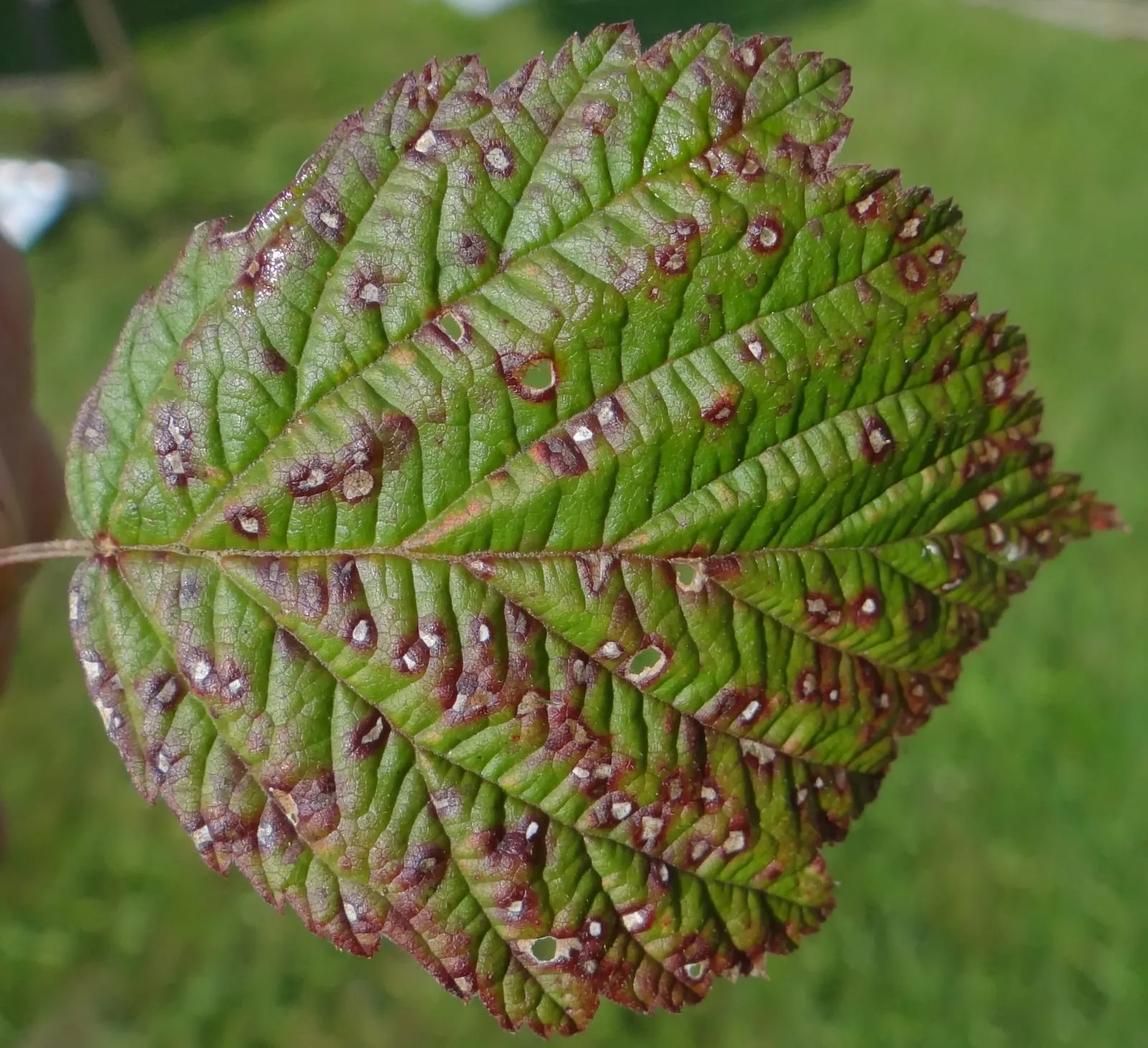
Elsinoe veneta
Fungal cane disease causing purple-bordered lesions that girdle and weaken bramble and Ribes canes, reducing yield over consecutive seasons.
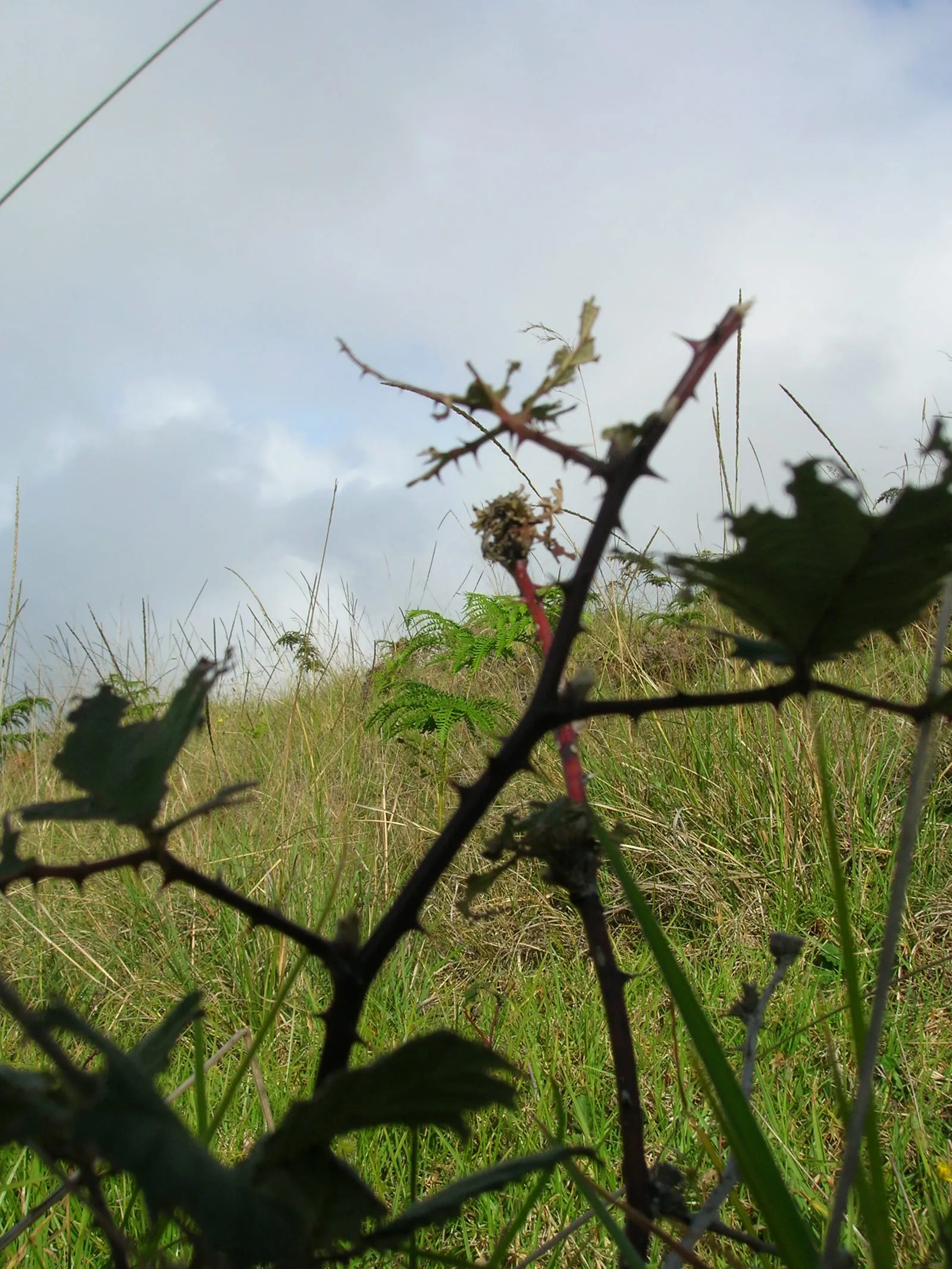
Leptosphaeria coniothyrium
Fungal disease that enters through wounds (often from cane-borer or pruning cuts) and causes dark cankers that wilt and kill canes.
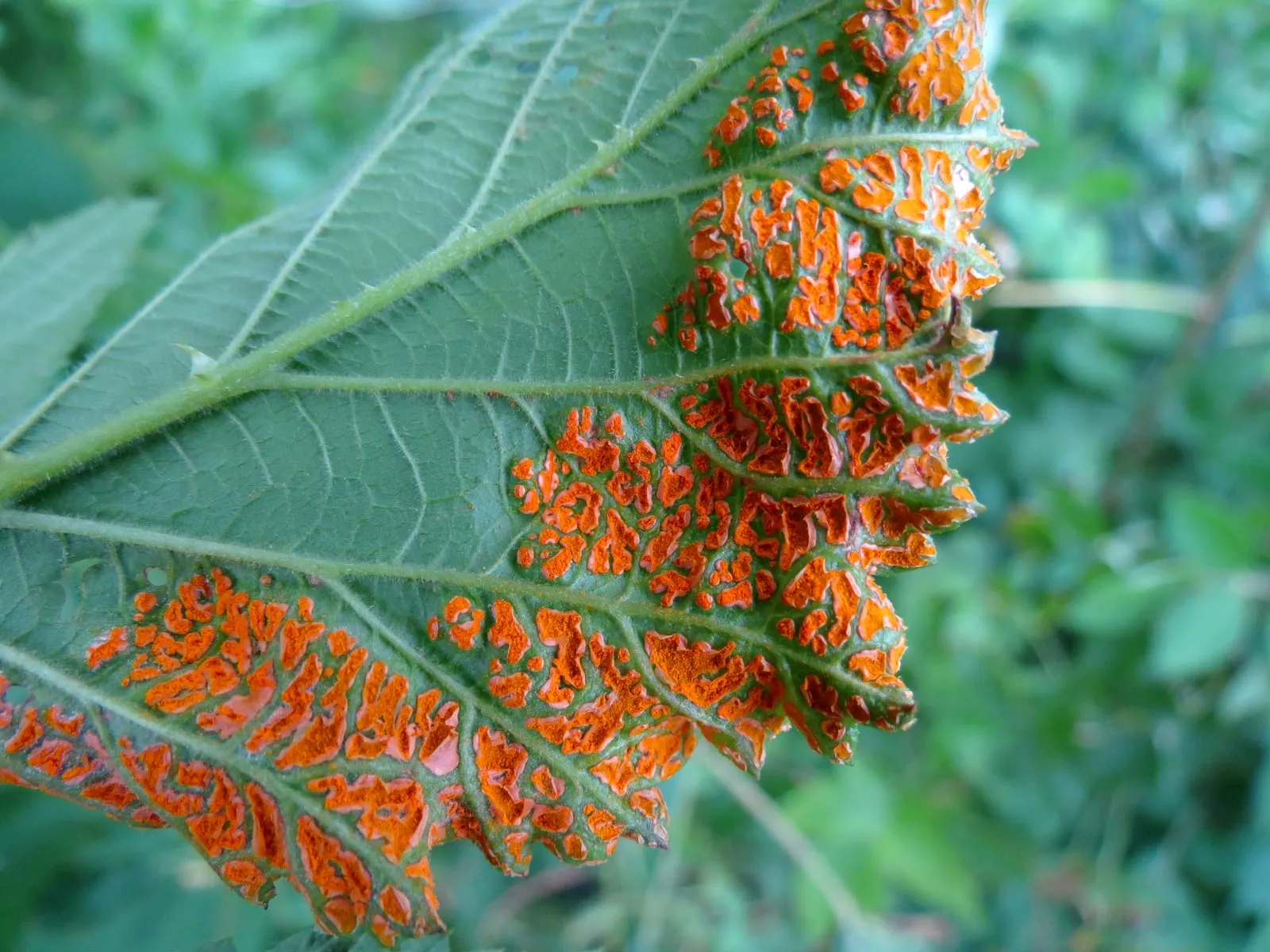
Arthuriomyces peckianus
Systemic fungal disease that permanently infects black raspberries and blackberries (not red raspberry); infected plants must be removed entirely.
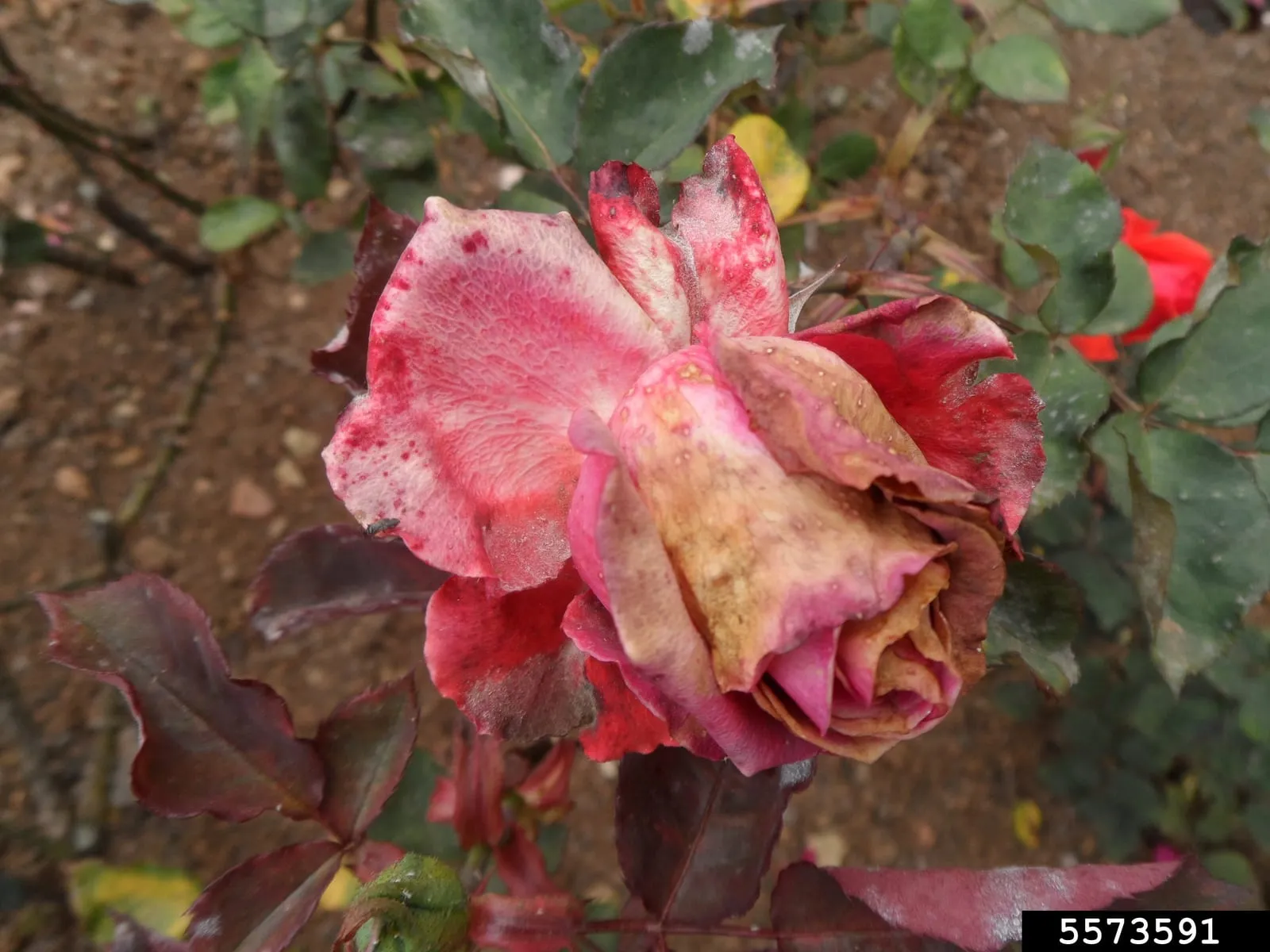
Botrytis cinerea
Ubiquitous fungal disease that causes fruit rot during cool wet weather, often the dominant berry disease in humid regions.
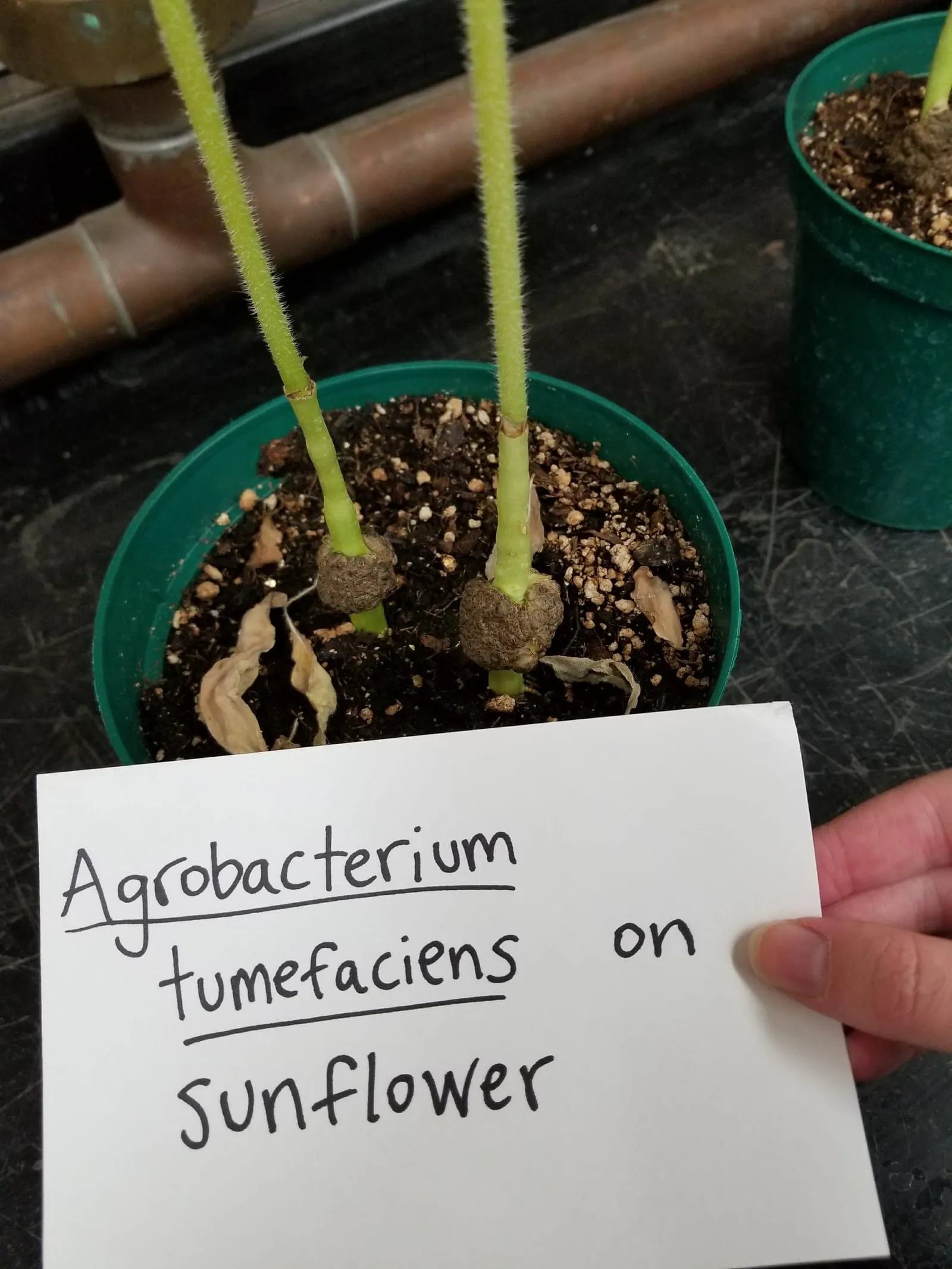
Agrobacterium tumefaciens
Soil-borne bacterium that enters plants through wounds and induces tumor-like galls on roots, crown, and lower stems. Galls reduce vigor and shorten plant lifespan; on Rubus the disease is often fatal.
Modified care for zone 6b
Winter cane protection matters most at the colder end of zone 6b's range, particularly for any trailing or semi-erect types grown in exposed sites. Applying a 3-inch layer of straw mulch over the root crown after the first hard freeze reduces dieback and supports earlier spring growth. Erect varieties like Ouachita and Triple Crown generally do not need canes laid down and covered, but mulching the crown remains worthwhile. Disease pressure from Cane Anthracnose and Orange Rust peaks during wet springs; maintaining at least 6 feet between rows and removing spent floricanes promptly after harvest significantly improves airflow. Gray Mold (Botrytis) can cause fruit loss during extended rain near harvest, and thinning dense cane clusters is the most practical preventive measure. Stink bugs, listed among zone 6b's challenges, can damage ripening fruit through July and August; scouting during that window and considering perimeter trap crops or netting for high-value plantings are options worth evaluating.
Blackberry in adjacent zones
Image: "Ripe, ripening, and green blackberries", by Ragesoss, via Wikimedia Commons, licensed under CC-BY-SA 3.0 Source.

Related