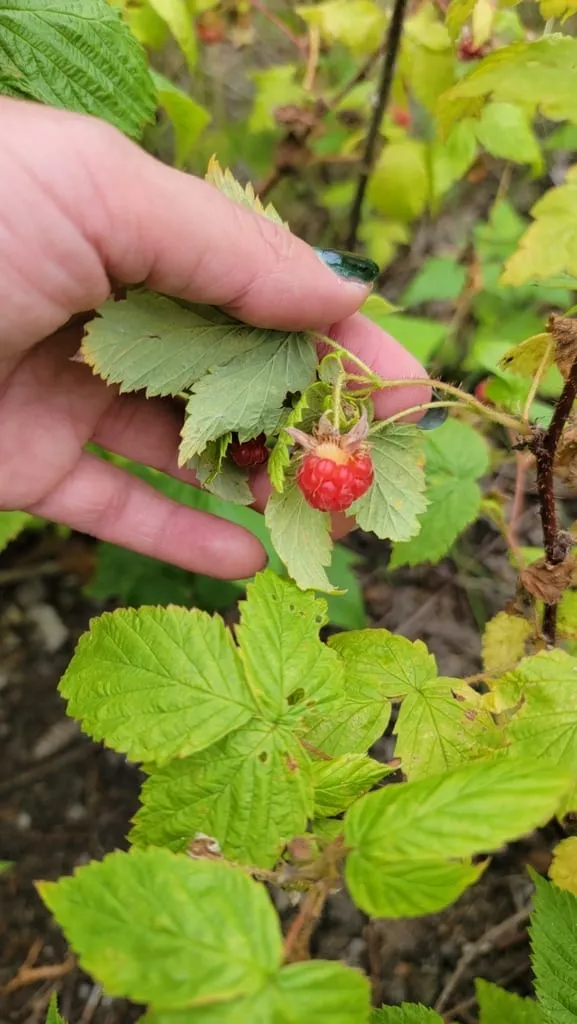
berry
Red Raspberry
Rubus idaeus
USDA hardiness range
- Zones
- 3b–8a
- Chill hours
- 800 to 1600 below 45°F
- Days to harvest
- 30 to 50
- Sun
- Full
- Water
- Moderate
- Lifespan
- 8 to 12 years
Growing red raspberry
Red raspberries are among the most reliably productive cane fruits for home gardens across a wide climatic range, performing well in zones 3b through 8a. The crop spans conditions from hardiness-challenged upper Midwest growing seasons to the upper South, where summer heat rather than winter cold becomes the limiting factor.
Chill-hour requirements of 800 to 1,600 hours give red raspberries a practical middle ground: cold enough to satisfy dormancy across most of the zone 4 through 7 range, yet within reach for zone 8a growers in favorable microclimates. Where plantings fail, the cause traces back not to cold but to wet feet, poor air circulation, and pressure from spotted wing drosophila.
The distinction between summer-bearing and everbearing (primocane-fruiting) varieties is the first decision that determines everything downstream. Summer-bearing varieties fruit once on second-year canes and require two-year cane management. Everbearing varieties produce a fall crop on first-year canes and can be managed by mowing all canes to the ground each spring, trading the summer crop for a single, clean fall harvest. For zone 7 and warmer, the fall harvest on everbearers often outproduces what summer-bearing varieties deliver, because heat limits July fruit development. The Cornell Raspberry Production Guide and NC State Raspberry Production are the two most practical references for managing this crop across different regions.
Recommended varieties
See all 6 →6 cultivars for home growers, with notes on flavor, ripening, and disease resistance.
| Variety | Notes | Zone fit | Disease resistance |
|---|---|---|---|
| Heritage | Sweet-tart, classic raspberry flavor, medium-firm; fresh, jam, freezing. The everbearing standard, primary fall crop on first-year canes; mow to ground each spring for clean fall-only harvest. | | none noted |
| Caroline | Rich, sweet, intensely flavored, soft texture; fresh eating premium. Everbearing, productive in southern raspberry range, heat-tolerant. | | none noted |
| Boyne | Sweet-tart, soft, classic raspberry flavor; fresh, jam, freezing. Summer-bearing, hardiest commercial red raspberry, reliable in zone 3. | | none noted |
| Latham | Tart, firm, traditional flavor; fresh, processing, freezing. Old reliable summer-bearing variety, very cold-hardy and disease-tolerant. | | none noted |
| Nova | Bright, sweet-tart, firm berries with clean flavor; fresh and processing. Summer-bearing, vigorous canes with reduced spine count. Disease-resistant. | | none noted |
| Joan J | Sweet, large, dark red berries with rich flavor; fresh eating premium. Spineless everbearing, easy to harvest, productive fall crop. | | none noted |
Soil and site requirements
Red raspberries tolerate a range of soils but have firm requirements on drainage and pH. Well-drained, loamy soils with a pH of 5.6 to 6.2 are the target range. Below 5.5, nutrient availability declines and root disease pressure increases. Above 6.5, chlorosis from manganese deficiency becomes common on heavier soils.
Poor drainage is the single biggest site disqualifier. Phytophthora root rot spreads quickly in waterlogged soils, and there is no effective chemical rescue once it establishes. Sites with a high water table or compaction that impedes drainage require either raised beds or a different crop.
Full sun is the practical minimum. Shaded plantings produce fewer fruit, develop weaker canes, and suffer more severe pressure from the cane fungi (anthracnose, blight, spur blight) that thrive where foliage stays wet.
Spacing matters for air circulation and management access. Plant rows 8 to 10 feet apart, with plants set 18 to 24 inches within the row; the row will fill in to a productive hedgerow within two seasons. Orient rows north-south where possible for even light exposure.
Avoid sites where Verticillium wilt hosts (tomatoes, peppers, eggplant, potatoes, strawberries) have grown in the past three years. Verticillium persists in soil and moves into raspberry roots without visible warning until canes collapse mid-summer.
Common diseases
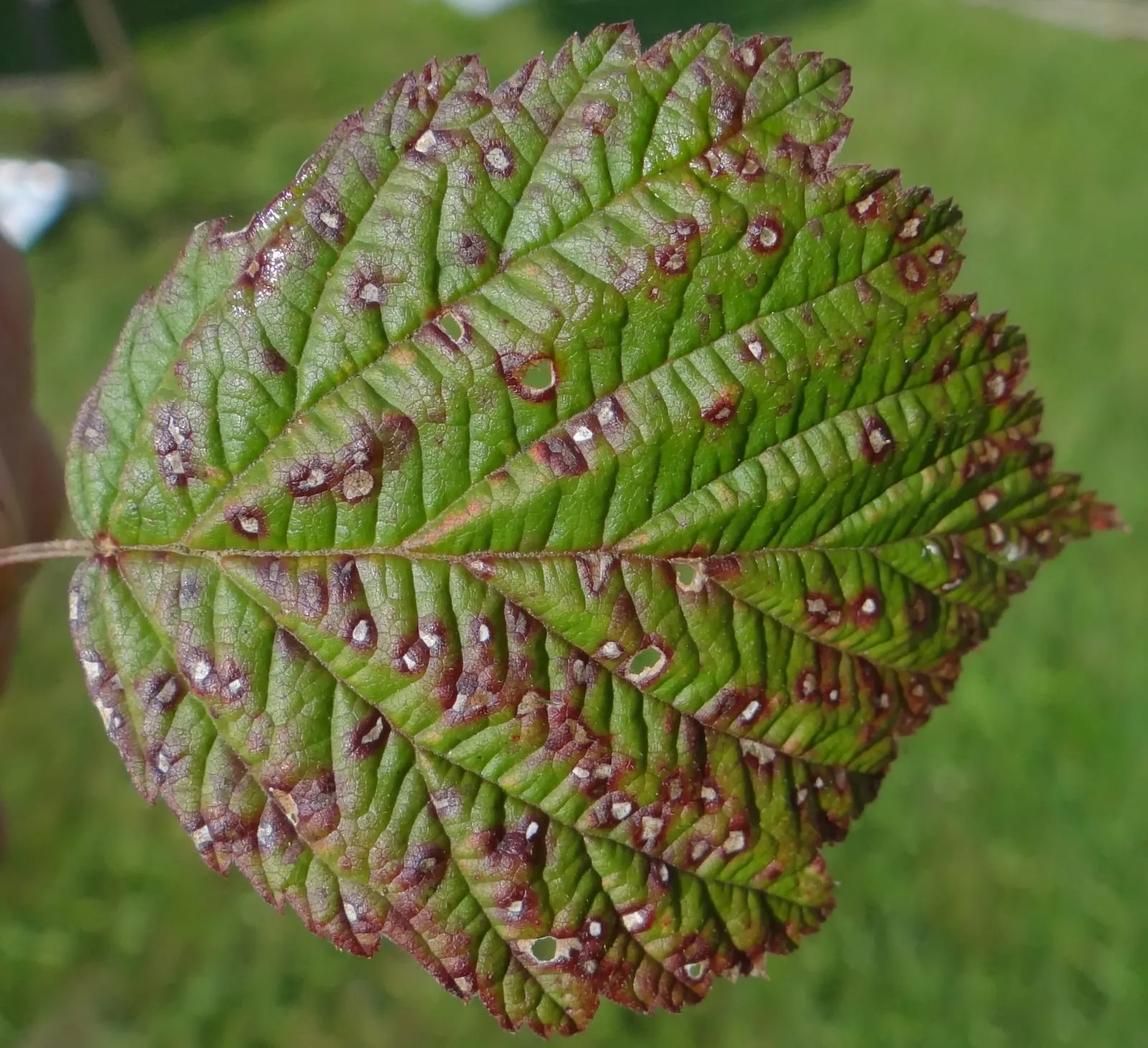
Elsinoe veneta
Fungal cane disease causing purple-bordered lesions that girdle and weaken bramble and Ribes canes, reducing yield over consecutive seasons.
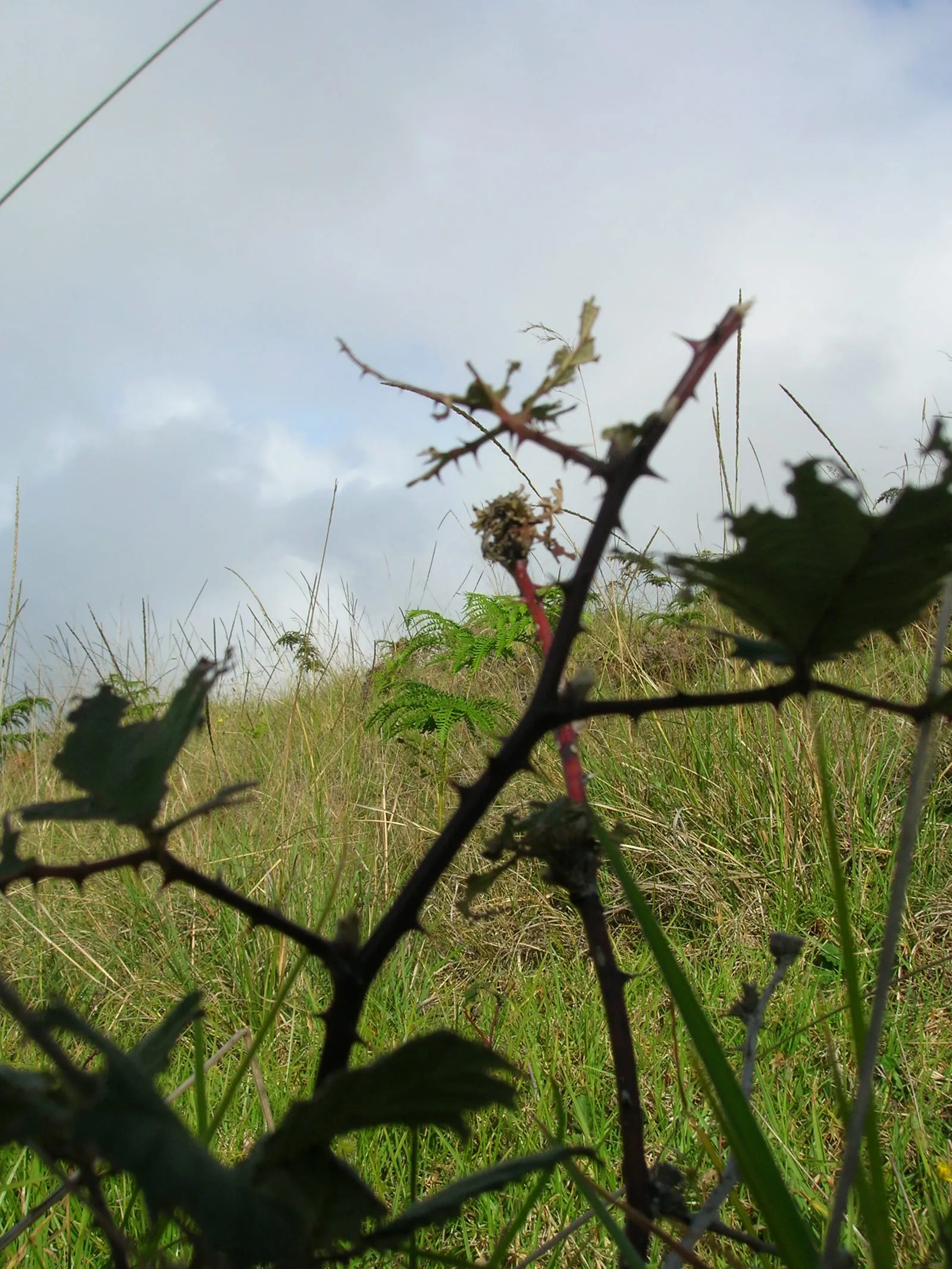
Leptosphaeria coniothyrium
Fungal disease that enters through wounds (often from cane-borer or pruning cuts) and causes dark cankers that wilt and kill canes.
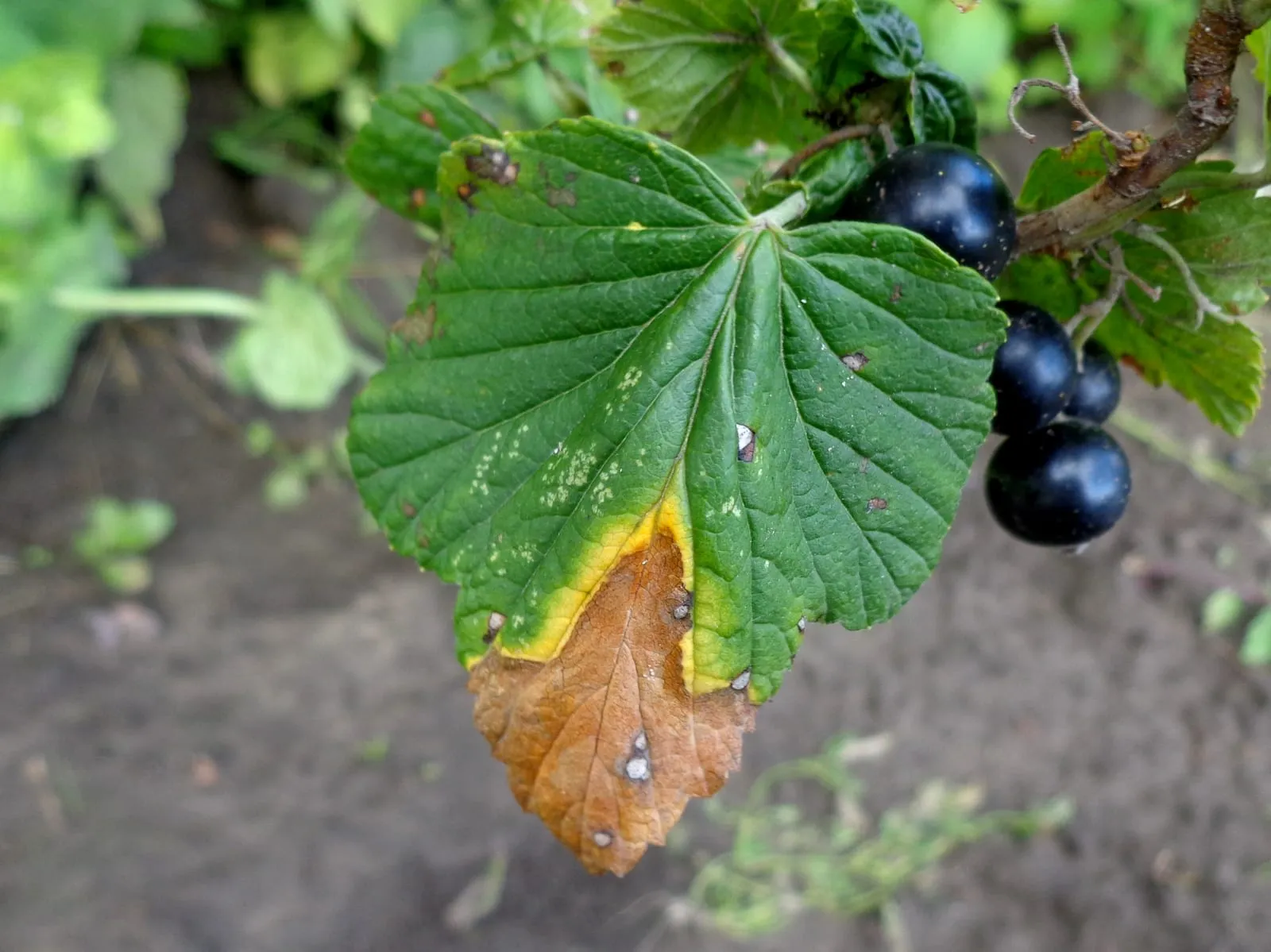
Didymella applanata
Fungal disease that produces purple-brown lesions at leaf nodes on red and yellow raspberry canes, weakening fruiting laterals.
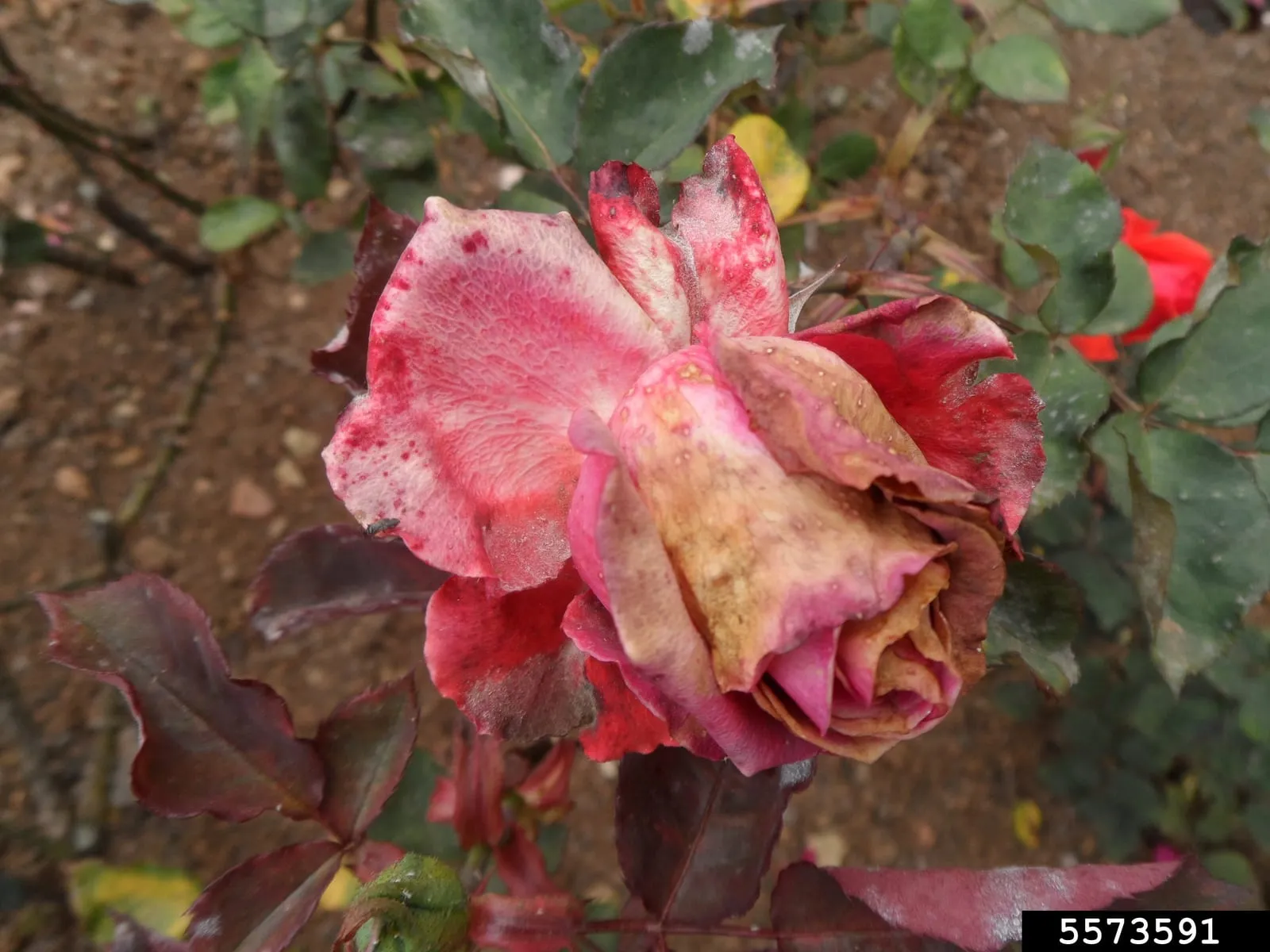
Botrytis cinerea
Ubiquitous fungal disease that causes fruit rot during cool wet weather, often the dominant berry disease in humid regions.
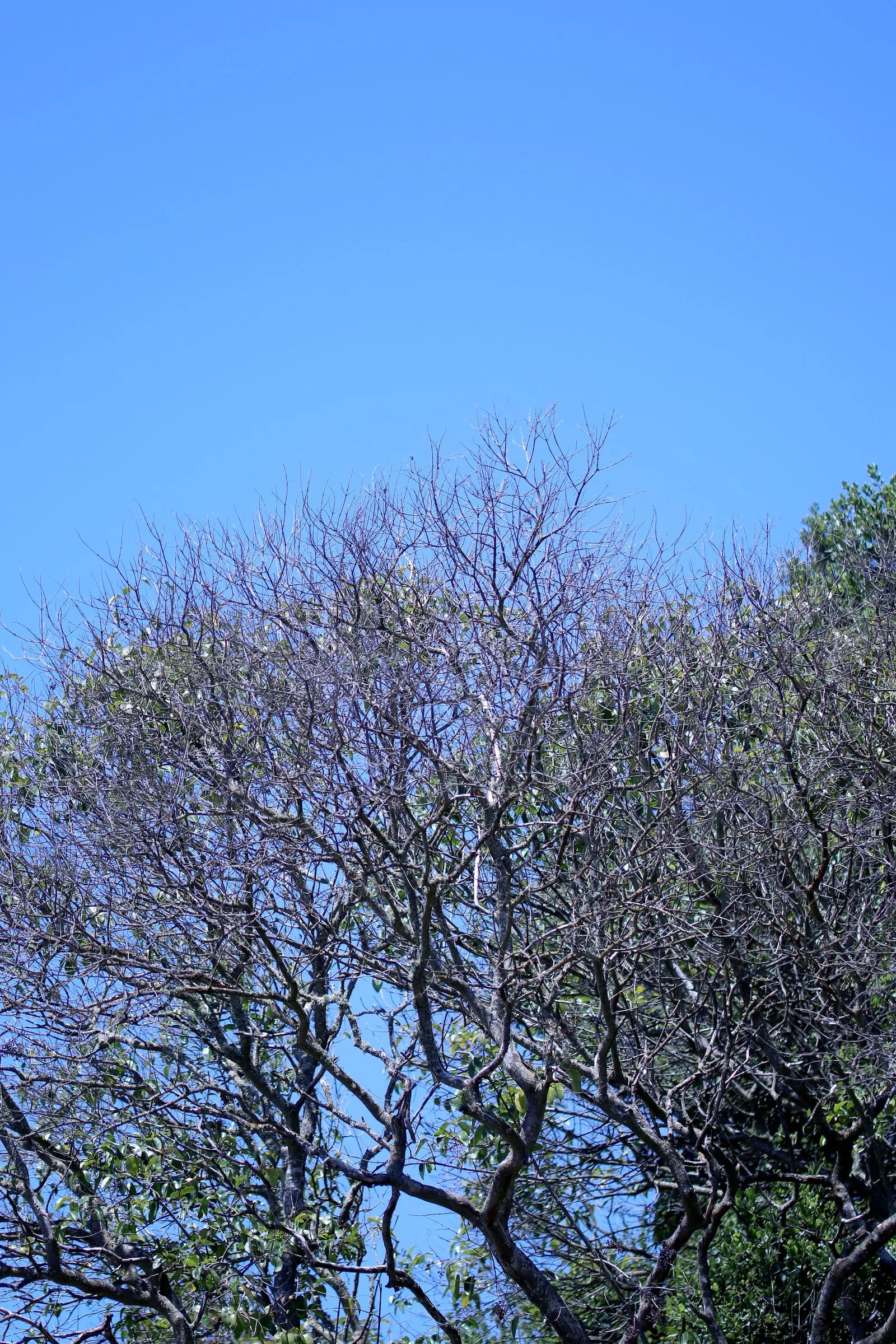
Phytophthora species
Soil-borne water mold that destroys roots in waterlogged soils, the leading cause of blueberry decline in poorly drained sites.
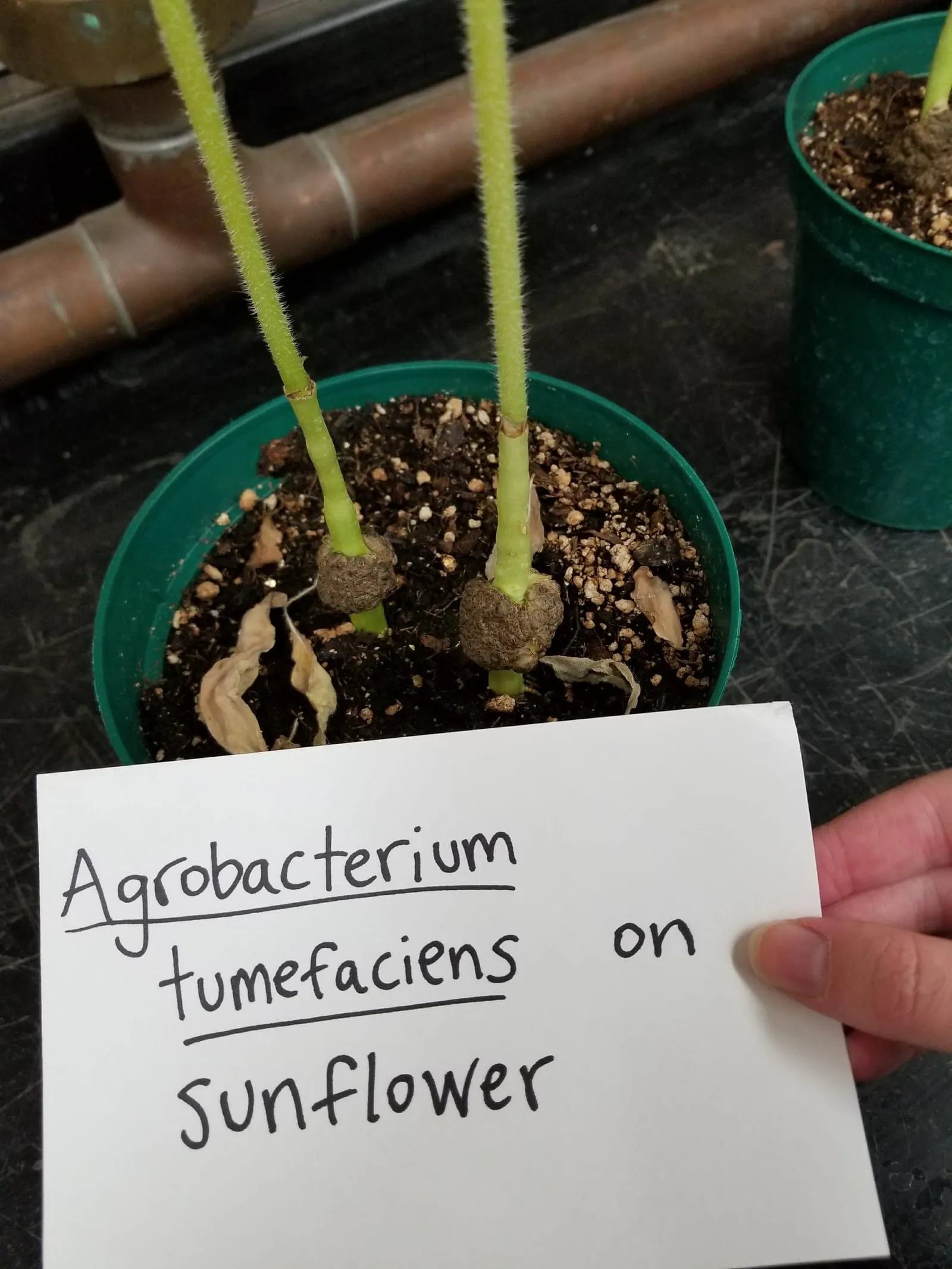
Agrobacterium tumefaciens
Soil-borne bacterium that enters plants through wounds and induces tumor-like galls on roots, crown, and lower stems. Galls reduce vigor and shorten plant lifespan; on Rubus the disease is often fatal.
Common pests
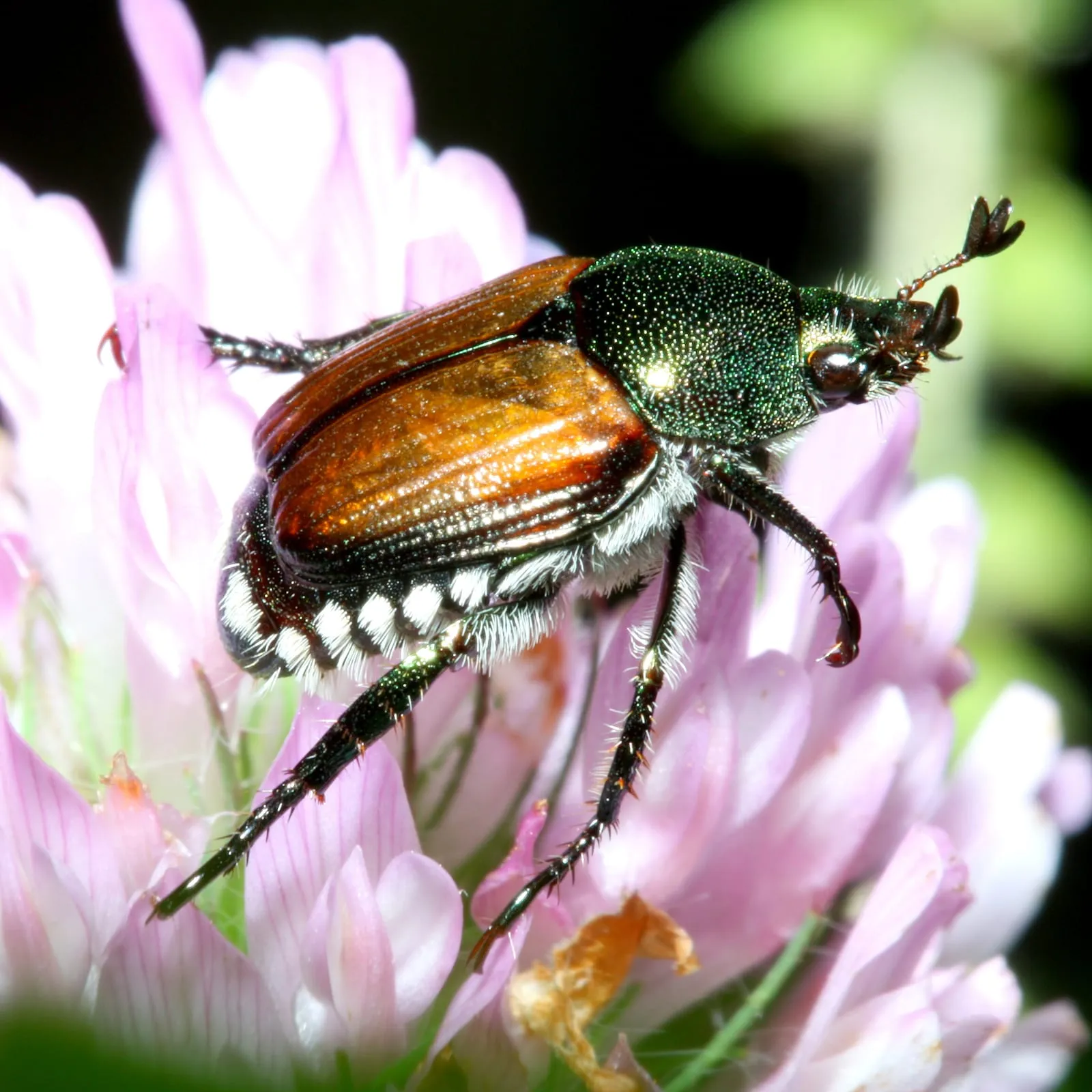
Popillia japonica
Defoliating beetle introduced to North America in 1916. Skeletonizes leaves of many fruit trees, berry canes, and pecan.
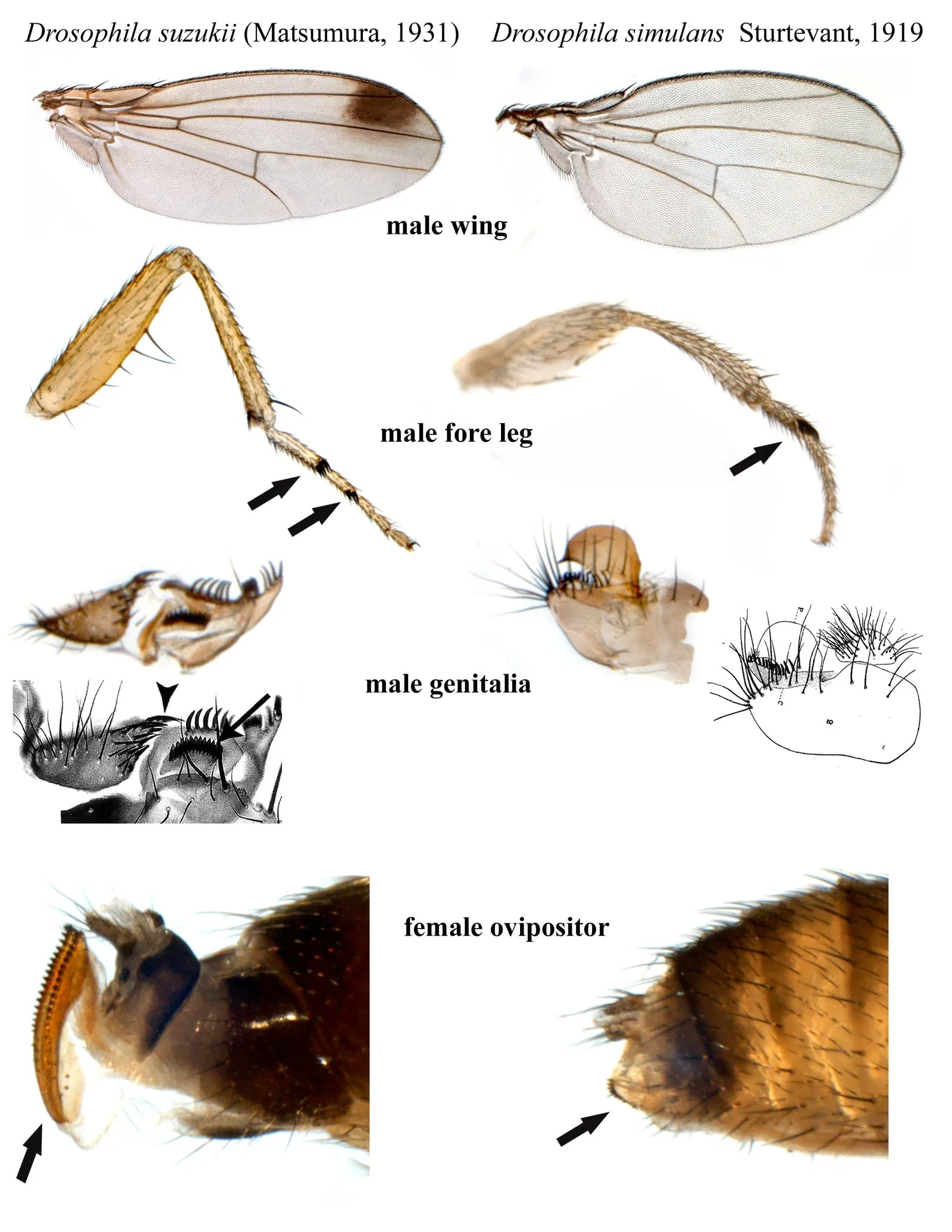
Drosophila suzukii
Invasive vinegar fly that attacks ripening soft fruit, unlike native Drosophila species which target overripe fruit. Now the dominant berry-and-cherry pest across the US.
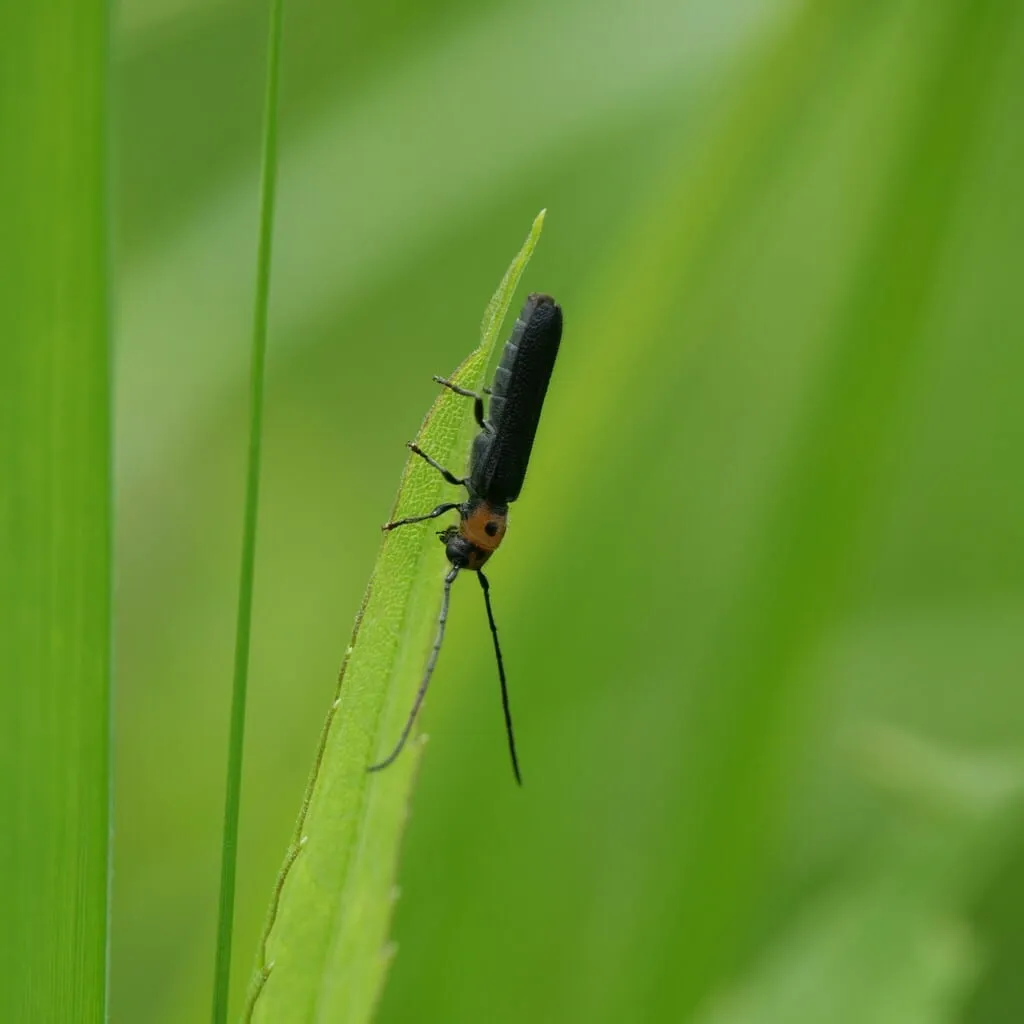
Oberea bimaculata
Long-horned beetle whose larvae girdle and tunnel into bramble canes, causing characteristic wilted shoot tips.
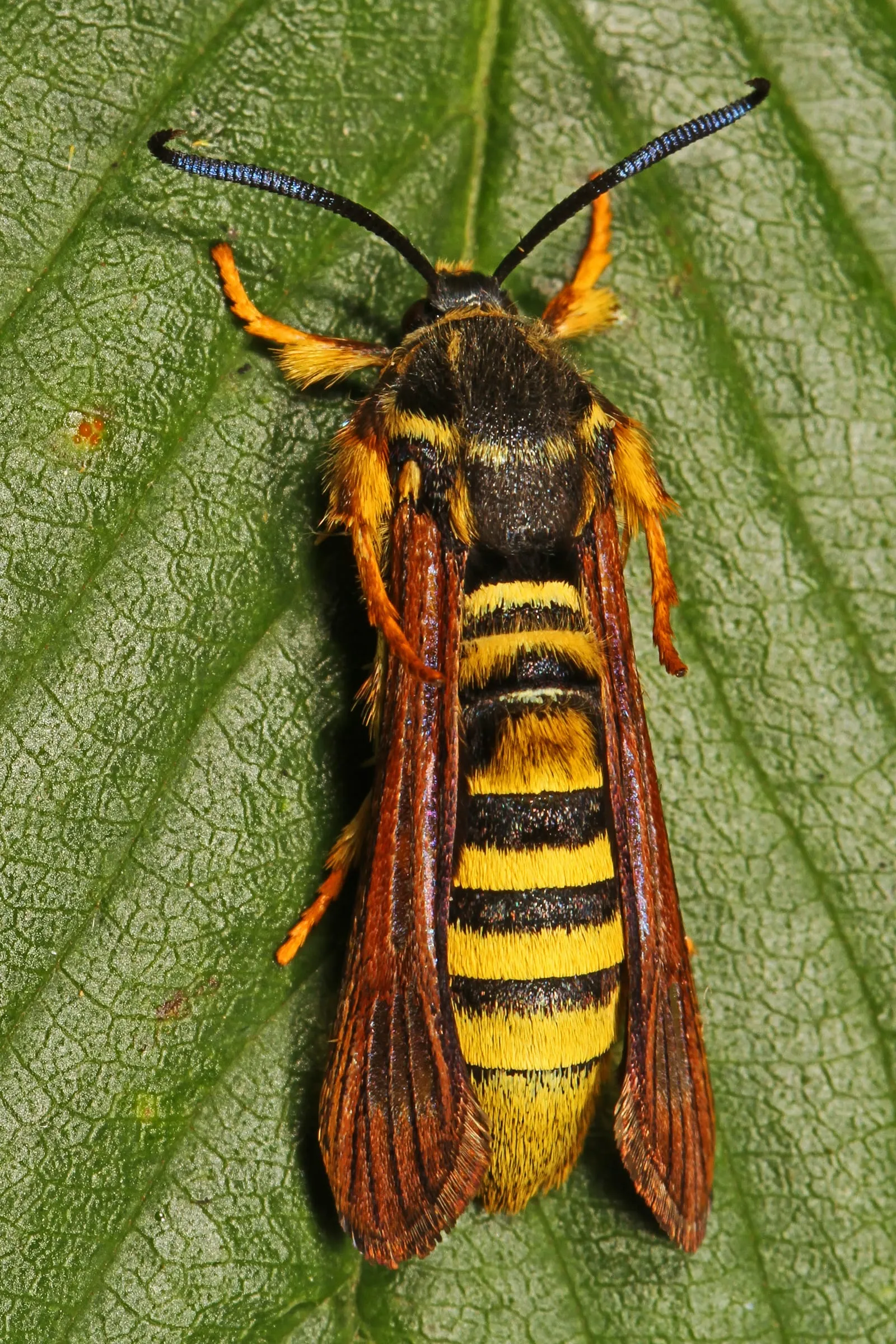
Pennisetia marginata
Clearwing moth whose larvae feed in the crown and lower canes of raspberries, often killing entire plants over two years.
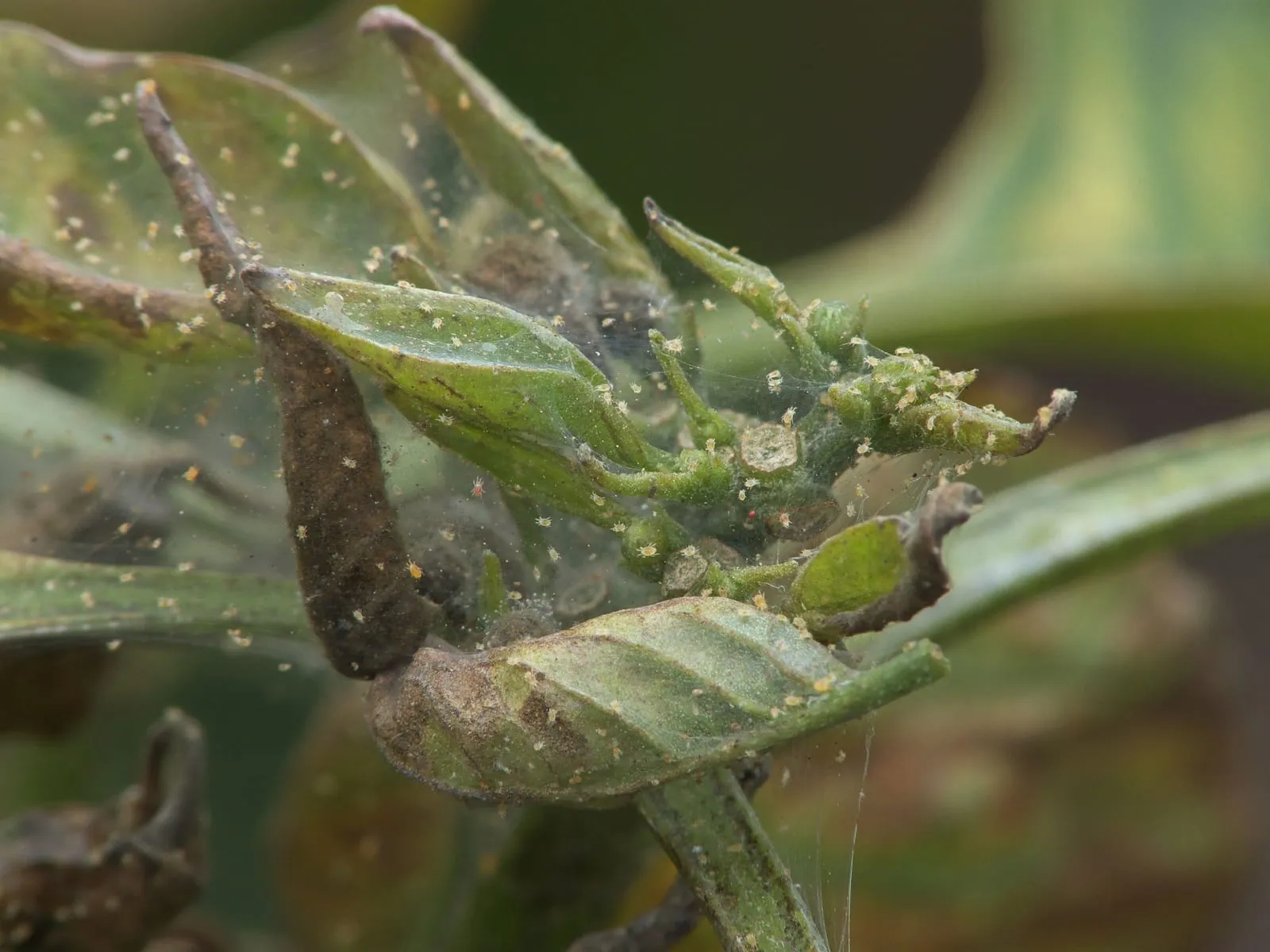
Tetranychus urticae
Tiny mite that feeds on leaf undersides, causing stippling and webbing during hot dry weather.
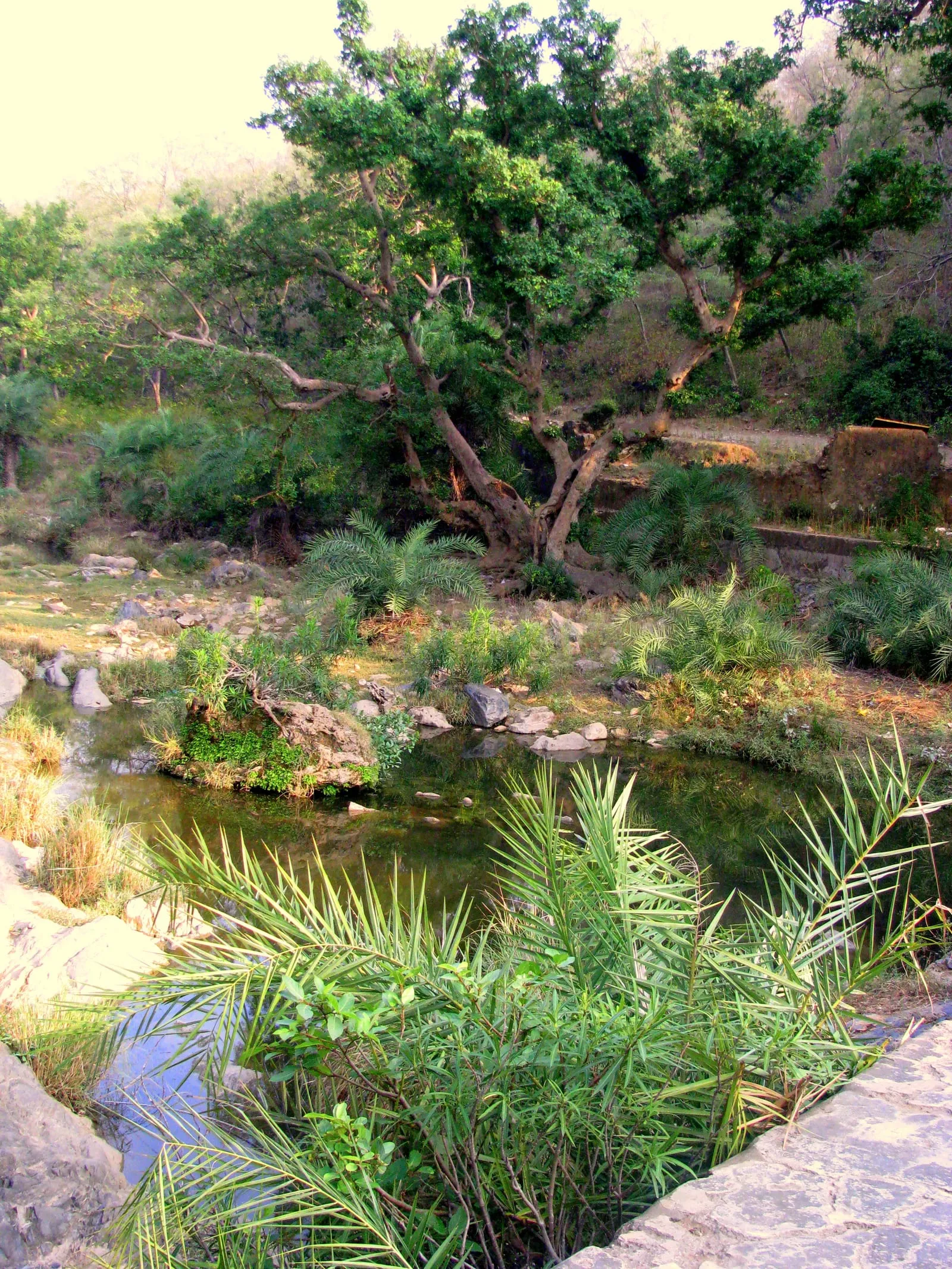
Multiple species
Robins, catbirds, mockingbirds, starlings, cedar waxwings and other songbirds can strip ripening berry and fruit crops in days. Crows and blackbirds also damage fresh sweet corn ears in milk stage. The single biggest yield-loss factor in unprotected home plantings.
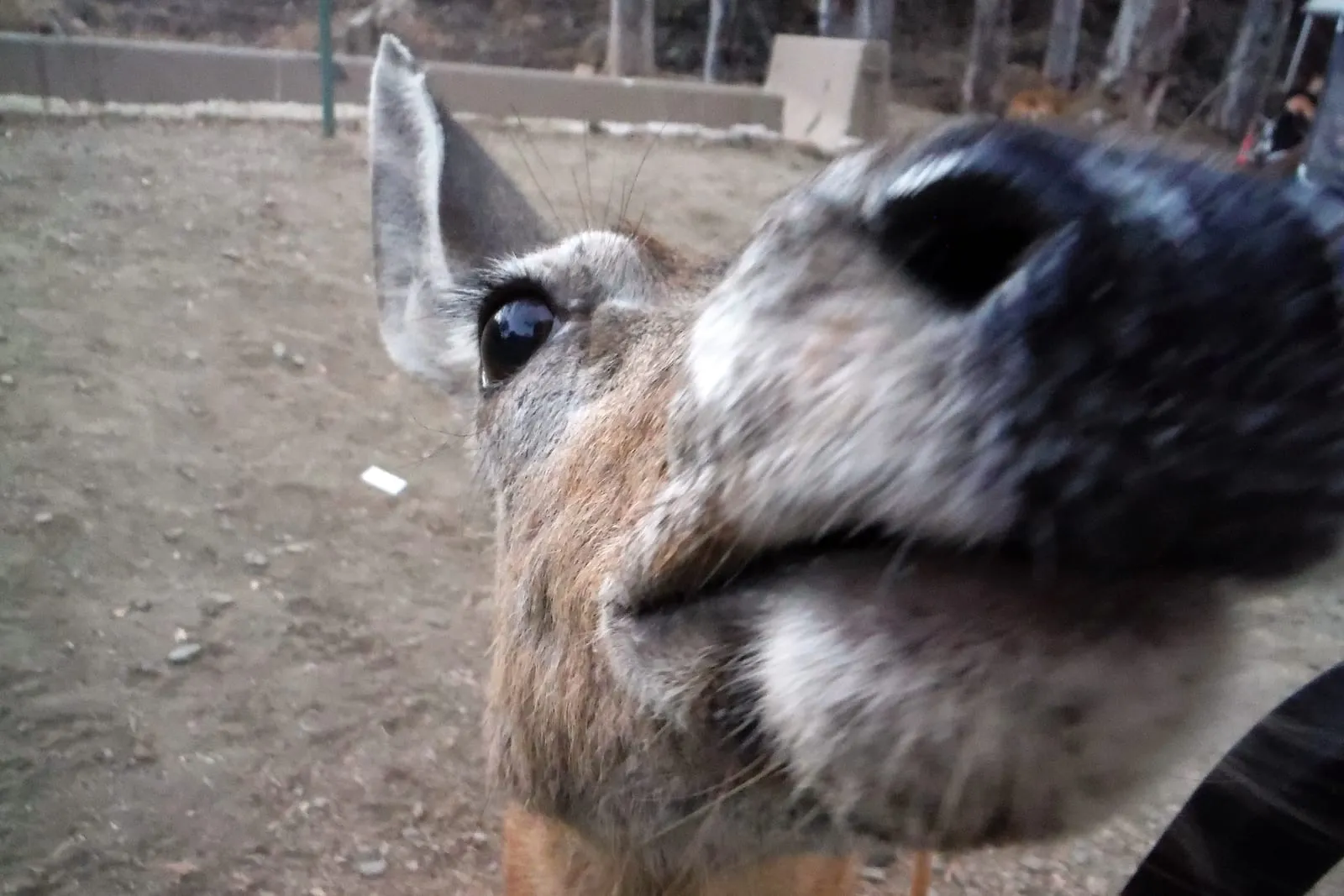
Odocoileus species
Whitetail and mule deer browse can devastate orchards and gardens, particularly in winter when food is scarce. Antler rub on young trunks kills saplings outright.
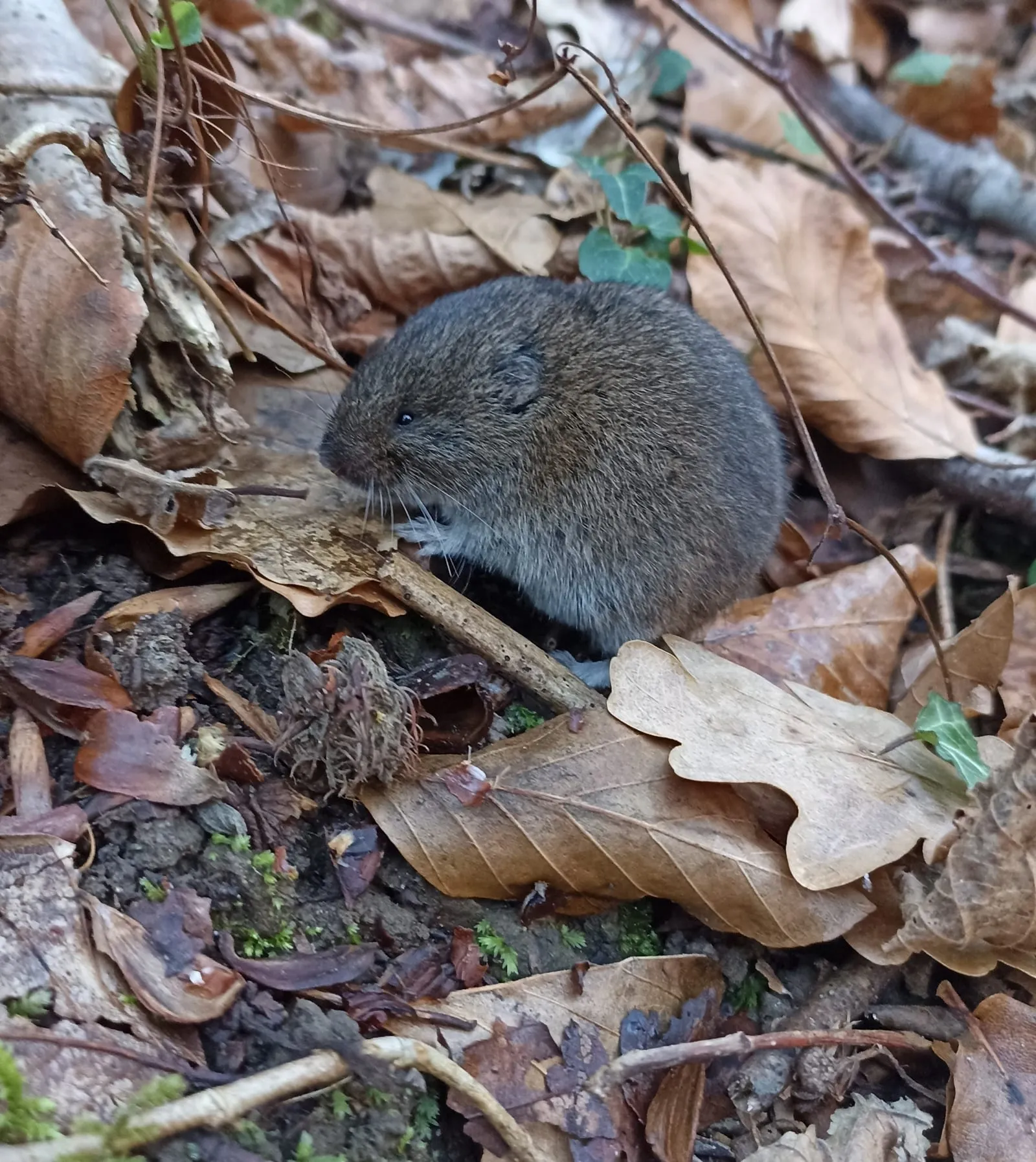
Microtus species
Field voles and meadow voles girdle young fruit-tree trunks under snow cover during winter and chew root crops. The leading cause of mysterious orchard losses.
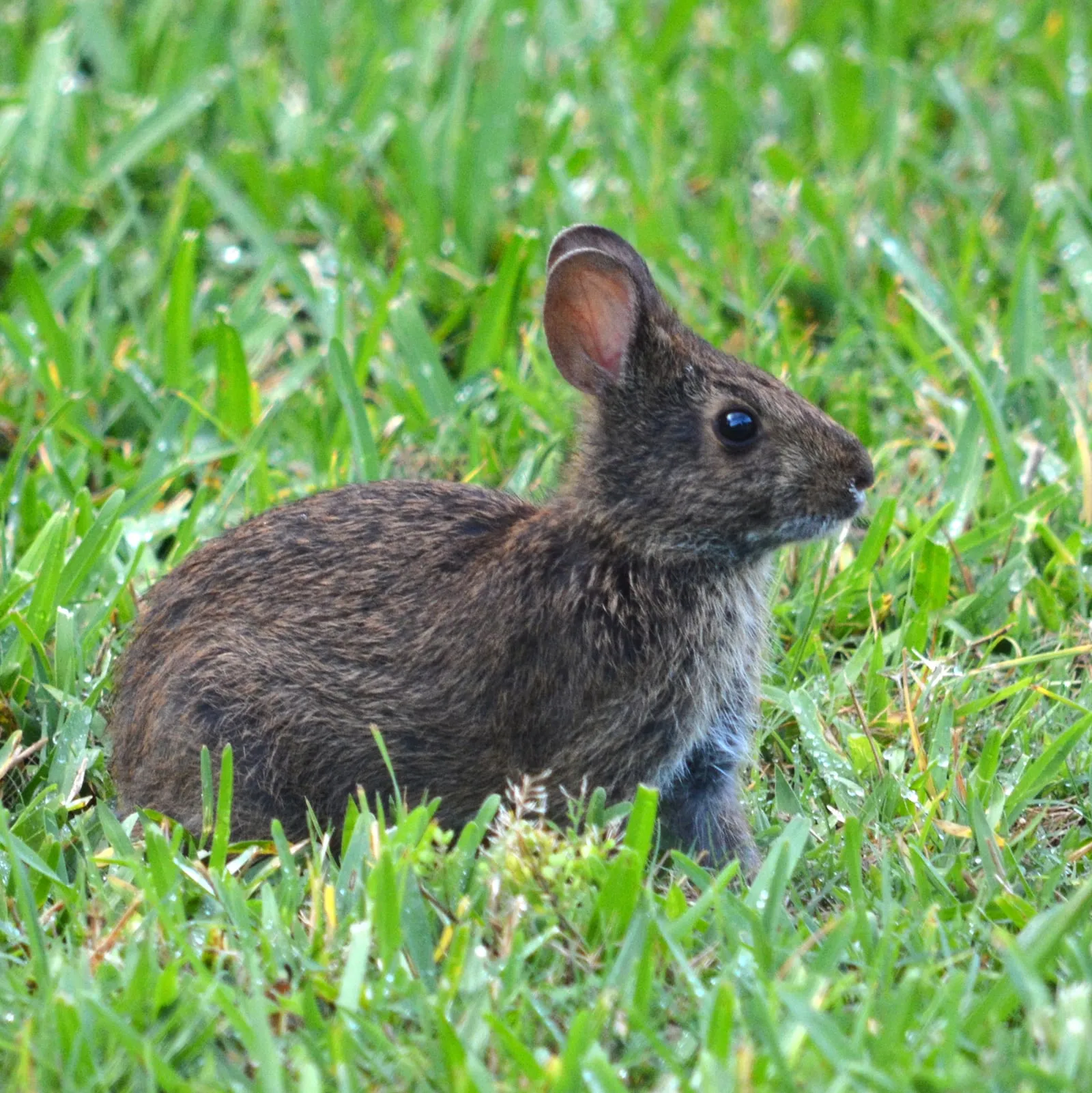
Sylvilagus and Lepus species
Cottontails and jackrabbits strip bark from young fruit trees in winter and graze tender garden vegetables year-round, especially seedlings.
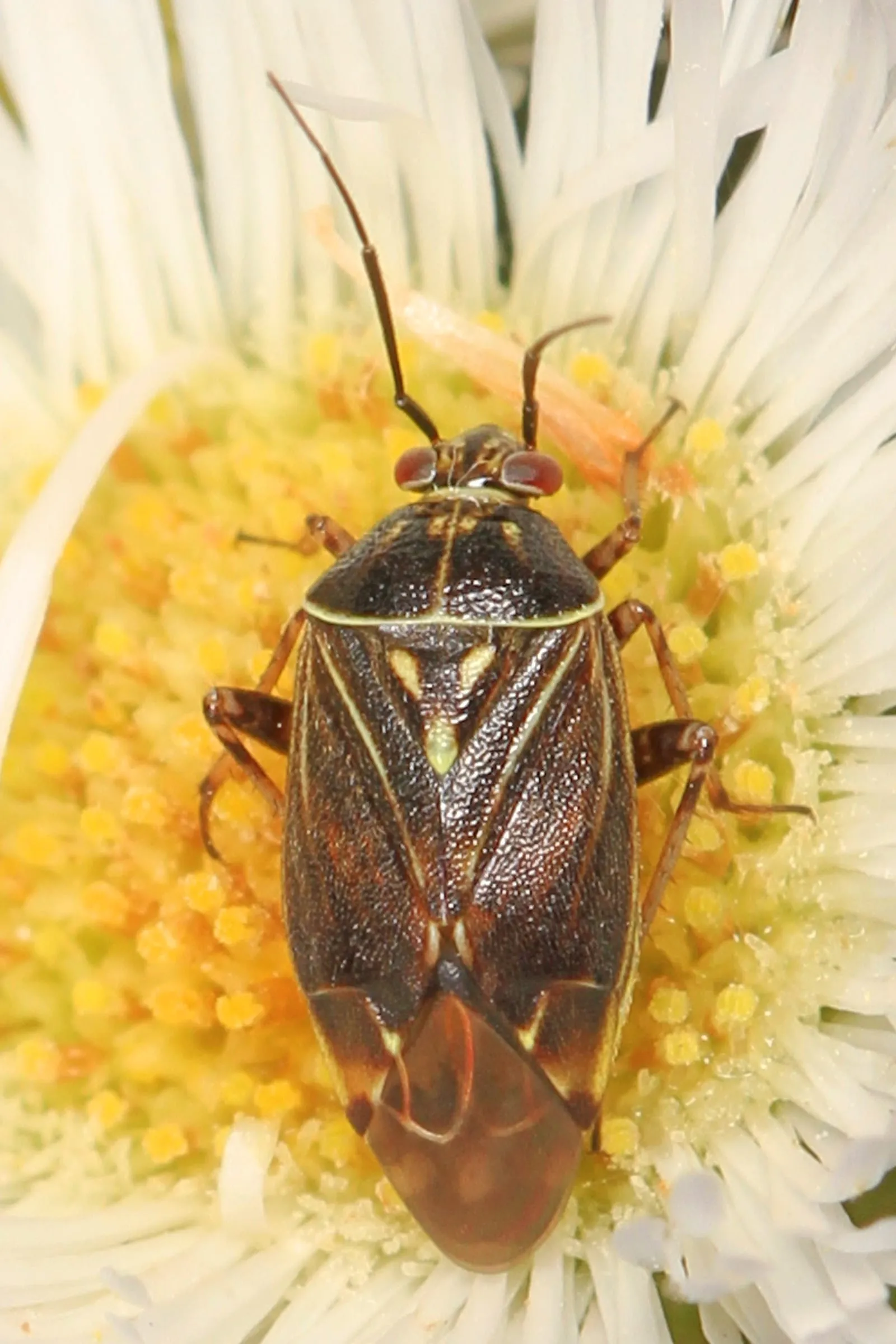
Lygus lineolaris
Mottled brown sucking bug that probes flower buds and developing fruit, causing 'cat-facing' deformities on tomato, peach, and strawberry. Wide host range and rapid generations.
Common challenges
Three problems end most home raspberry plantings prematurely: spotted wing drosophila, Phytophthora root rot, and cane disease buildup from inadequate pruning.
Spotted wing drosophila (SWD) has become the dominant pest concern across most of the US since its spread in the early 2010s. Unlike other fruit flies, SWD females lay eggs in intact, ripening fruit. Infested berries appear normal at harvest but develop larvae within 24 to 48 hours. In zones 6 and warmer, populations build through summer and peak during the fall harvest window, making everbearing varieties particularly vulnerable. Monitoring traps and timed insecticide applications during the ripening window are the current management standard; Michigan State Bramble Production offers practical intervention thresholds.
Phytophthora root rot follows poor site selection. Soggy soils after heavy rain, or sites that hold water after irrigation, create the anaerobic conditions this pathogen requires. The only reliable management is prevention: choose well-drained sites, plant on raised beds if drainage is questionable, and select resistant varieties where available.
Cane disease buildup (anthracnose, cane blight, spur blight) accelerates when spent canes are not removed promptly after harvest. Leaving floricanes standing through winter allows overwintering inoculum to persist near new canes. Remove and dispose of spent canes as soon as harvest ends; do not compost them.
Companion plants
Frequently asked questions
- How many chill hours do red raspberries require?
Red raspberries require 800 to 1,600 chill hours (hours below 45°F during dormancy), depending on variety. Summer-bearing varieties generally sit at the higher end of that range. Everbearing varieties like Heritage have lower requirements, making them more suitable for zone 7b and 8a where chill accumulation is less reliable.
- How long does it take from transplanting to first harvest?
Once established, red raspberries produce fruit 30 to 50 days after bloom. First-year everbearing plants in zones 6 through 8a often yield a modest fall crop in the planting year. Summer-bearing varieties on new canes do not fruit until the second season, since the fruiting canes must overwinter before they bloom.
- What USDA zones support red raspberry production?
Red raspberries grow reliably in zones 3b through 8a. Hardy varieties like Boyne perform well in zone 3. In zone 8a, summer heat makes production unreliable unless fall-bearing varieties are grown for their fall-only crop. The most consistent summer-bearing production occurs in zones 4 through 7a, where winters are cold enough without being extreme.
- Do red raspberries need a separate pollinator variety?
Red raspberries are self-fertile; a single planting of one variety will set fruit without a separate pollinator. Pollinator visits from bees still improve fruit set and berry size noticeably. In cool or wet weather that reduces bee activity during bloom, expect reduced yields even in self-fertile plantings.
- What is the most commonly encountered disease in red raspberries?
Gray mold (Botrytis cinerea) is the most frequently seen disease at harvest, particularly during wet summers or seasons with high humidity at ripening time. It spreads rapidly through packed containers and affects ripe and overripe fruit. Prompt harvest, good row air circulation, and avoiding overhead irrigation during the ripening window reduce incidence substantially.
- What is the difference between summer-bearing and everbearing red raspberries?
Summer-bearing varieties produce one crop in early to midsummer on second-year (floricane) canes. Everbearing varieties produce a smaller summer crop on second-year canes and a larger fall crop on first-year (primocane) canes. Most growers in zone 6 and warmer manage everbearers for fall-only production by mowing all canes to ground level each spring, which simplifies pruning considerably at the cost of the summer harvest.
- How long does a red raspberry planting remain productive?
With proper cane management and site maintenance, a red raspberry planting typically produces well for 8 to 12 years. Plantings decline earlier when cane diseases accumulate unchecked, drainage problems develop over time, or raspberry crown borer pressure goes unmanaged for multiple seasons.
+−
+−
+−
+−
+−
+−
+−
Sources
Image: "American red raspberry", by Lauren Markewicz, via iNaturalist, licensed under CC-BY. Source.
Red Raspberry by zone
Related