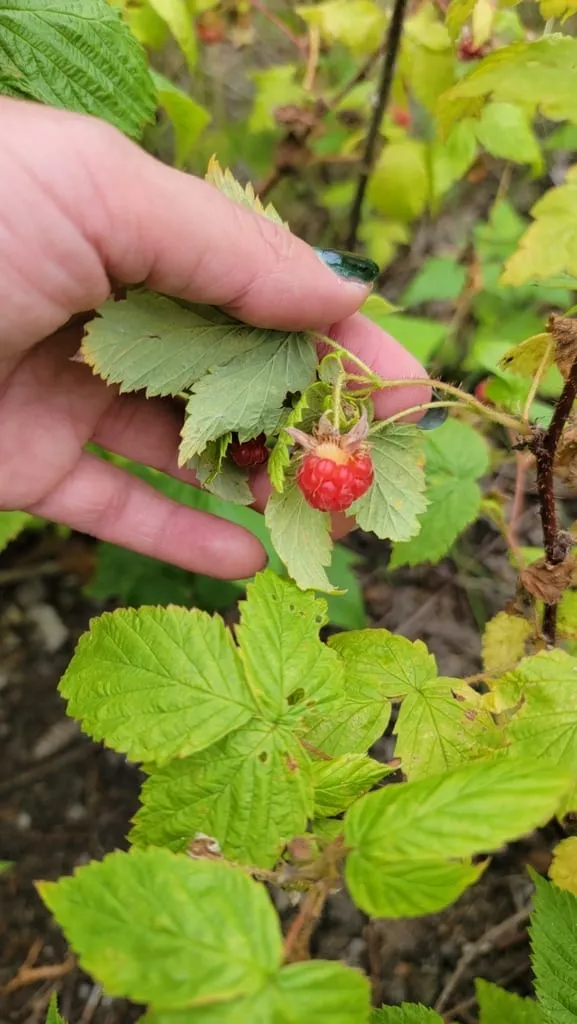
berry in zone 5a
Growing red raspberry in zone 5a
Rubus idaeus
- Zone
- 5a -20°F to -15°F
- Growing season
- 150 days
- Chill needed
- 800 to 1600 below 45°F
- Suitable varieties
- 6
- Days to harvest
- 30 to 50
The verdict
Zone 5a is well within the natural range for red raspberry, not a marginal case. With minimum temperatures between -20 and -15°F and roughly 150 frost-free days, the zone delivers the deep dormancy and accumulated chill hours this crop requires. Red raspberry needs 800 to 1,600 chill hours, and zone 5a routinely exceeds 1,000 in most winters, satisfying even the upper end of that range.
The genuine risk is not insufficient cold, but excessive cold arriving at the wrong time. A hard freeze before canes have fully hardened off in fall, or a late cold snap after spring growth has pushed, can cause significant dieback. Varieties bred for northern climates handle this best: Boyne and Latham were developed specifically for the upper Midwest and remain reliable performers through zone 5a winters. Heritage and Caroline, both everbearing types, are somewhat less cold-hardy than Boyne but still perform adequately across most zone 5a sites with normal snowpack.
Recommended varieties for zone 5a
6 cultivars suited to this zone, with disease-resistance and zone-fit annotations.
| Variety | Notes | Zone fit | Disease resistance |
|---|---|---|---|
| Heritage fits zone 5a | Sweet-tart, classic raspberry flavor, medium-firm; fresh, jam, freezing. The everbearing standard, primary fall crop on first-year canes; mow to ground each spring for clean fall-only harvest. | | none noted |
| Caroline fits zone 5a | Rich, sweet, intensely flavored, soft texture; fresh eating premium. Everbearing, productive in southern raspberry range, heat-tolerant. | | none noted |
| Boyne fits zone 5a | Sweet-tart, soft, classic raspberry flavor; fresh, jam, freezing. Summer-bearing, hardiest commercial red raspberry, reliable in zone 3. | | none noted |
| Latham fits zone 5a | Tart, firm, traditional flavor; fresh, processing, freezing. Old reliable summer-bearing variety, very cold-hardy and disease-tolerant. | | none noted |
| Nova fits zone 5a | Bright, sweet-tart, firm berries with clean flavor; fresh and processing. Summer-bearing, vigorous canes with reduced spine count. Disease-resistant. | | none noted |
| Joan J fits zone 5a | Sweet, large, dark red berries with rich flavor; fresh eating premium. Spineless everbearing, easy to harvest, productive fall crop. | | none noted |
Critical timing for zone 5a
Last spring frost in zone 5a typically falls between late April and mid-May, varying by elevation and local topography. Red raspberry bloom follows in May through early June, after the majority of frost events have passed. Floricane flower buds emerging late in that window are more vulnerable than newly emerging primocane shoots, which tolerate light frost reasonably well.
Summer-bearing varieties (floricanes) ripen in July through early August. Everbearing varieties like Heritage and Caroline produce a modest summer crop on floricanes, then a larger primocane crop from late August through first fall frost, which in zone 5a arrives roughly late September to mid-October. That fall window is sufficient for a full everbearing harvest in most years, though an early hard freeze can cut the tail of the primocane crop short.
Common challenges in zone 5a
- ▸ Fire blight in pears
- ▸ Cedar-apple rust
- ▸ Late spring frosts
Disease pressure to watch for
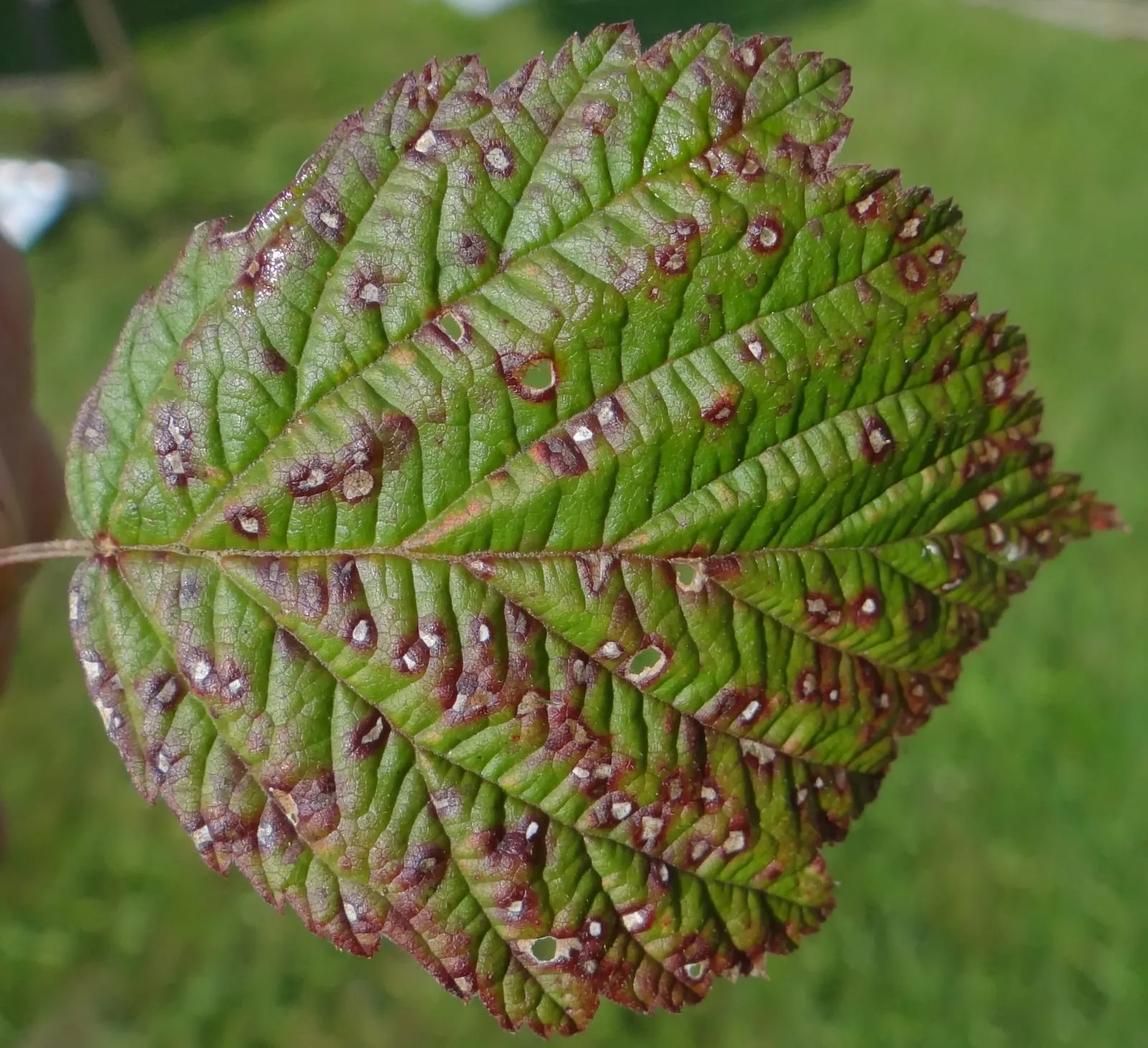
Elsinoe veneta
Fungal cane disease causing purple-bordered lesions that girdle and weaken bramble and Ribes canes, reducing yield over consecutive seasons.
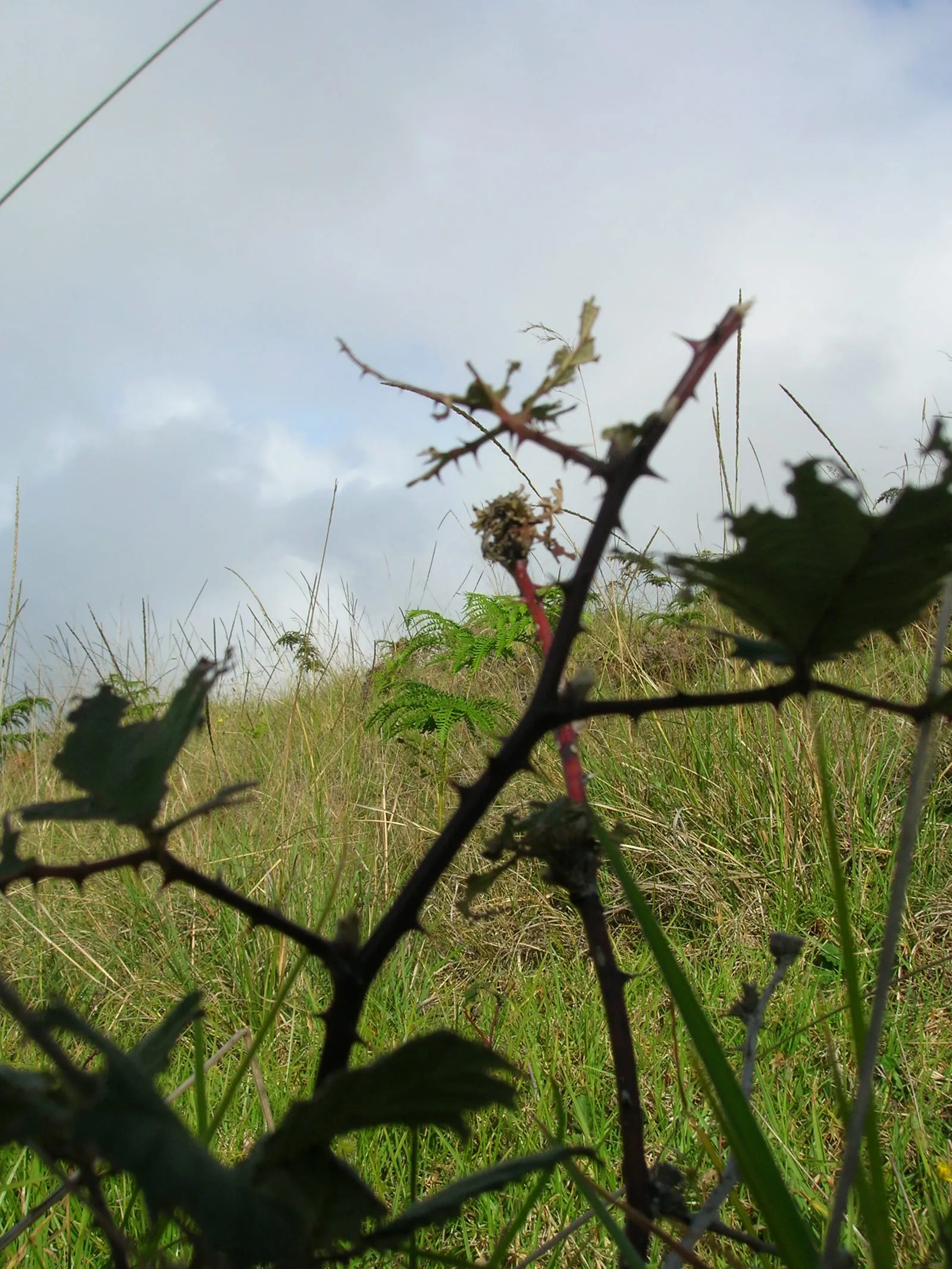
Leptosphaeria coniothyrium
Fungal disease that enters through wounds (often from cane-borer or pruning cuts) and causes dark cankers that wilt and kill canes.
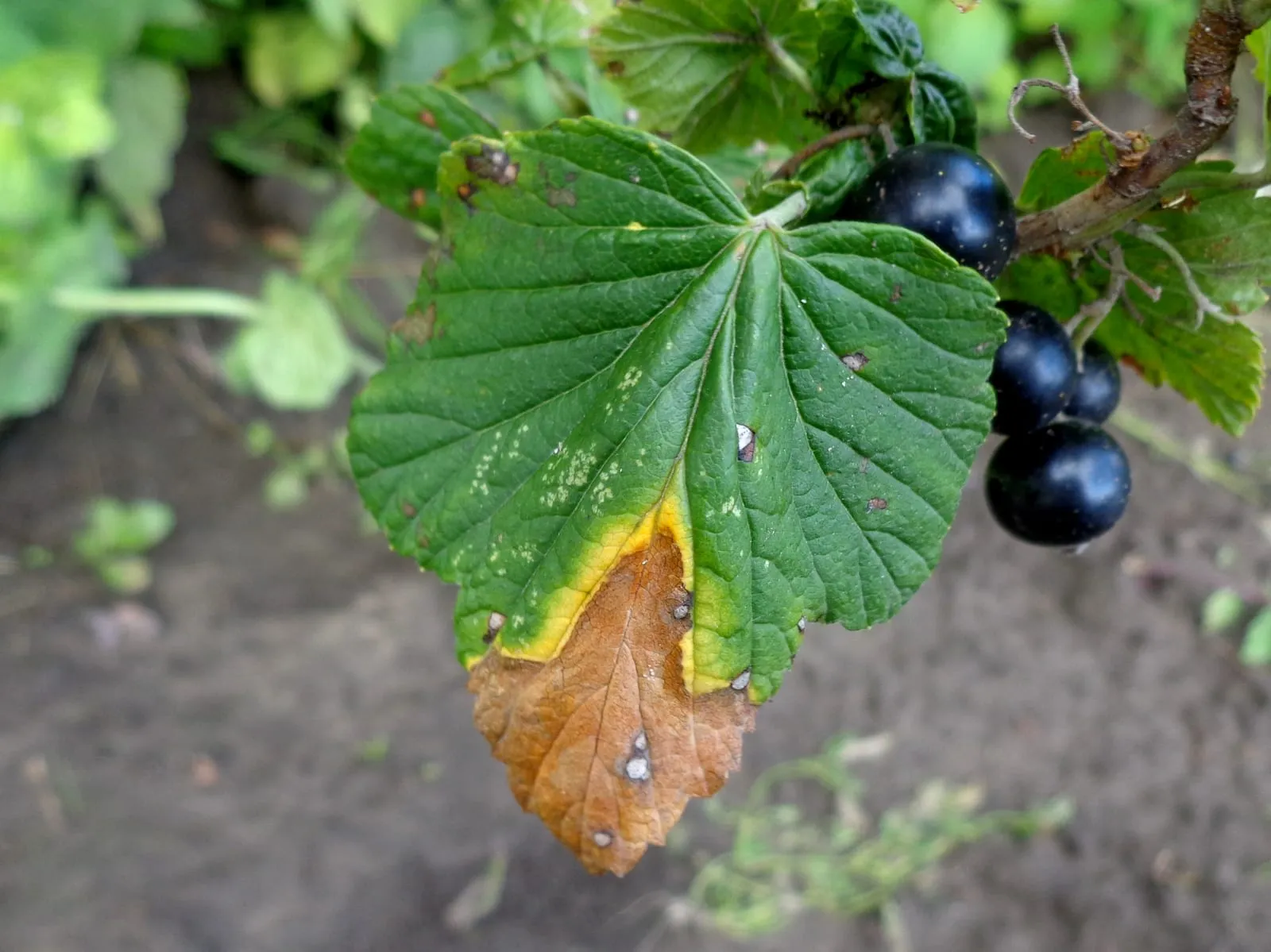
Didymella applanata
Fungal disease that produces purple-brown lesions at leaf nodes on red and yellow raspberry canes, weakening fruiting laterals.
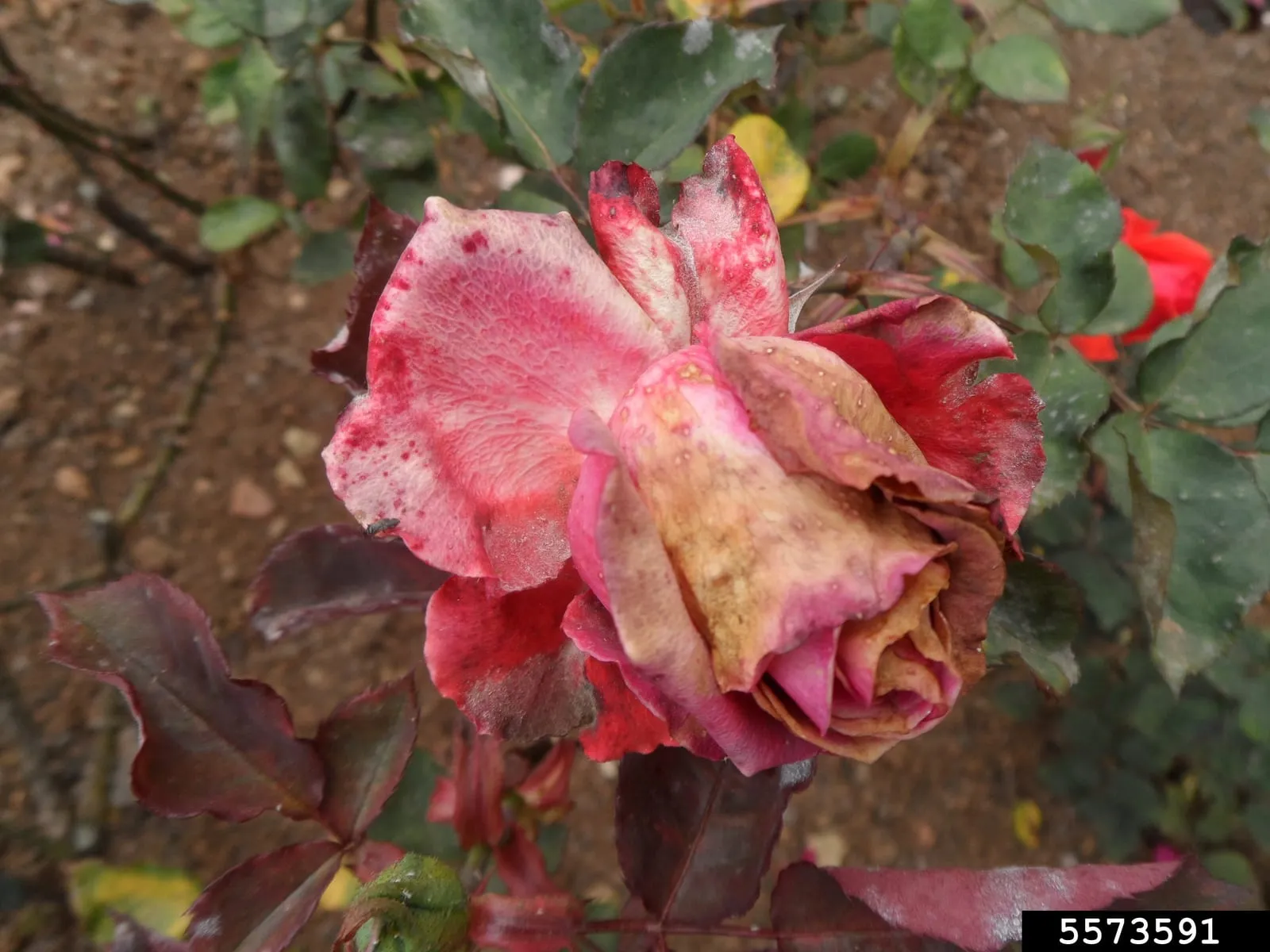
Botrytis cinerea
Ubiquitous fungal disease that causes fruit rot during cool wet weather, often the dominant berry disease in humid regions.
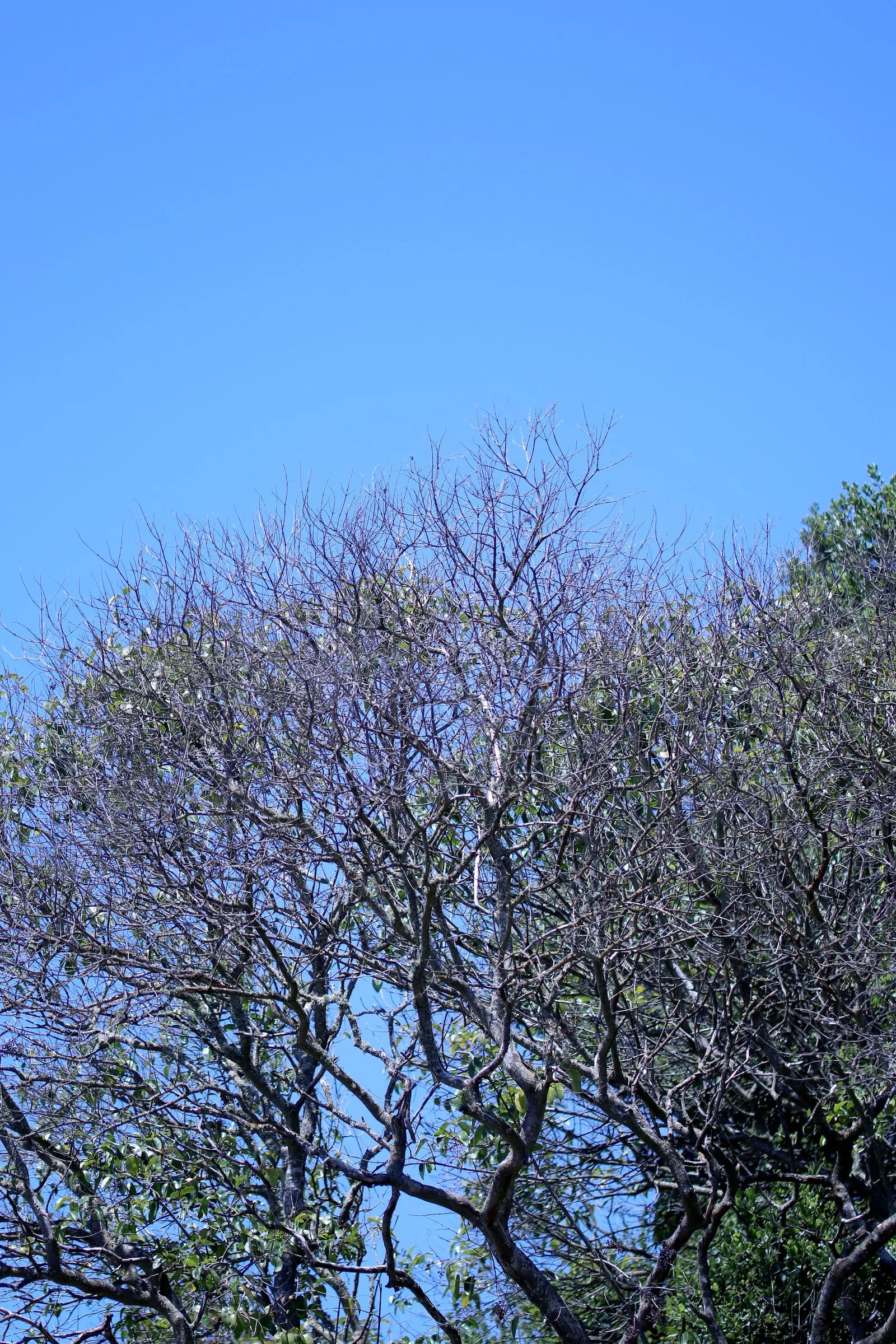
Phytophthora species
Soil-borne water mold that destroys roots in waterlogged soils, the leading cause of blueberry decline in poorly drained sites.
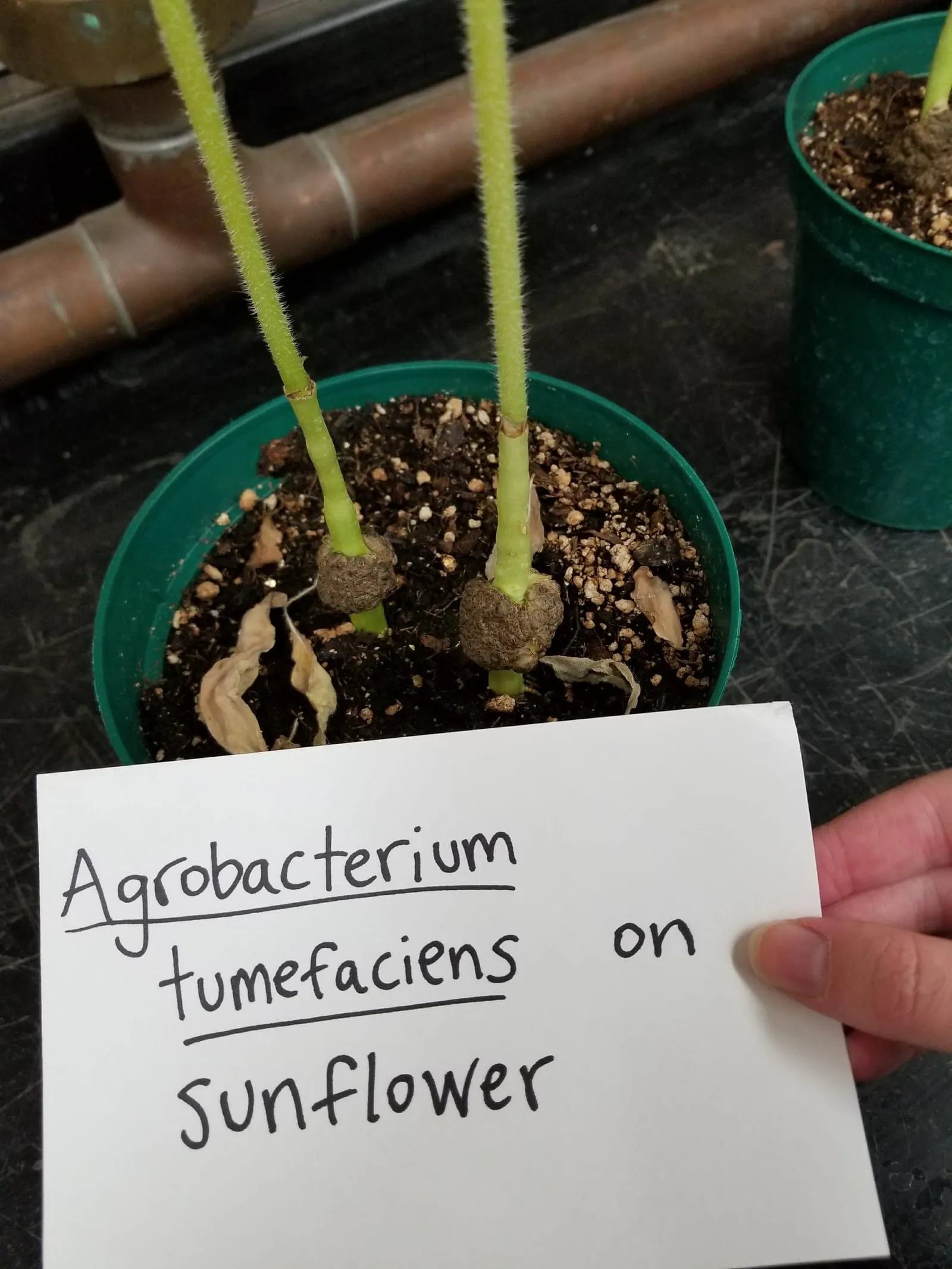
Agrobacterium tumefaciens
Soil-borne bacterium that enters plants through wounds and induces tumor-like galls on roots, crown, and lower stems. Galls reduce vigor and shorten plant lifespan; on Rubus the disease is often fatal.
Modified care for zone 5a
The primary zone 5a adjustment is winter cane management. In exposed or windswept plantings, bending floricanes to the ground and covering them with straw or soil before hard freezes arrives reduces cold injury significantly. Hardy varieties like Boyne and Latham generally overwinter without this step under normal snowpack, but the technique is worth applying in sites without reliable snow cover or in years forecast for extended open winters below -15°F.
Pruning spent floricanes promptly after harvest improves airflow and reduces the inoculum load for Cane Anthracnose, Cane Blight, and Gray Mold (Botrytis), all of which are common in zone 5a's humid continental summers. Phytophthora Root Rot is site-dependent rather than zone-dependent; plantings in low-lying areas or heavy clay soils need raised beds or amended drainage more than plantings on slopes with good natural runoff. Remove and destroy diseased canes rather than composting them.
Frequently asked questions
- Which red raspberry varieties are most reliable in zone 5a?
Boyne and Latham are the most cold-hardy summer-bearing options, bred specifically for northern climates. For everbearing production, Heritage and Joan J perform well across most zone 5a sites. Nova is a good mid-season choice where Cane Blight pressure is high, as it carries better disease resistance than Boyne.
- Do red raspberry canes need to be buried for winter in zone 5a?
Not always. Hardy varieties like Boyne and Latham typically survive zone 5a winters standing, especially where snowpack is consistent. In windswept or exposed sites with unreliable snow cover, bending canes and covering them with mulch before the ground freezes reduces the risk of tip dieback in severe winters.
- Can everbearing raspberries complete their fall crop before frost in zone 5a?
In most years, yes. Everbearing primocane crops begin ripening in late August and the main harvest runs through September. Zone 5a's first fall frost typically arrives in late September to mid-October, which leaves an adequate window. Early frost years can cut the tail of the harvest short.
+−
+−
+−
Red Raspberry in adjacent zones
Image: "American red raspberry", by Lauren Markewicz, via iNaturalist, licensed under CC-BY Source.
Related