berry in zone 5b
Growing red raspberry in zone 5b
Rubus idaeus
- Zone
- 5b -15°F to -10°F
- Growing season
- 165 days
- Chill needed
- 800 to 1600 below 45°F
- Suitable varieties
- 6
- Days to harvest
- 30 to 50
The verdict
Zone 5b is a reliable production zone for red raspberry, not a marginal one. Winter lows between -15 and -10°F are cold enough to break dormancy thoroughly, and most zone 5b locations accumulate 1,000 to 1,400 chill hours per season, comfortably within the crop's 800 to 1,600 hour requirement. The 165-day growing season supports both summer-bearing and everbearing types through full production cycles.
The main caveat is that the same cold winters satisfying chill-hour requirements can damage exposed cane tips if mulching and trellis management are inadequate. Boyne and Latham were bred specifically for northern climates and handle zone 5b winters reliably. Heritage and Caroline, both everbearing, also perform well here, though late fall crops on everbearing types can be shortened by an early first frost. Variety selection is the most effective lever for reducing winter kill risk in this zone.
Recommended varieties for zone 5b
6 cultivars suited to this zone, with disease-resistance and zone-fit annotations.
| Variety | Notes | Zone fit | Disease resistance |
|---|---|---|---|
| Heritage fits zone 5b | Sweet-tart, classic raspberry flavor, medium-firm; fresh, jam, freezing. The everbearing standard, primary fall crop on first-year canes; mow to ground each spring for clean fall-only harvest. | | none noted |
| Caroline fits zone 5b | Rich, sweet, intensely flavored, soft texture; fresh eating premium. Everbearing, productive in southern raspberry range, heat-tolerant. | | none noted |
| Boyne fits zone 5b | Sweet-tart, soft, classic raspberry flavor; fresh, jam, freezing. Summer-bearing, hardiest commercial red raspberry, reliable in zone 3. | | none noted |
| Latham fits zone 5b | Tart, firm, traditional flavor; fresh, processing, freezing. Old reliable summer-bearing variety, very cold-hardy and disease-tolerant. | | none noted |
| Nova fits zone 5b | Bright, sweet-tart, firm berries with clean flavor; fresh and processing. Summer-bearing, vigorous canes with reduced spine count. Disease-resistant. | | none noted |
| Joan J fits zone 5b | Sweet, large, dark red berries with rich flavor; fresh eating premium. Spineless everbearing, easy to harvest, productive fall crop. | | none noted |
Critical timing for zone 5b
Last spring frost in zone 5b typically falls between late April and mid-May, depending on elevation and local topography. Summer-bearing varieties bloom shortly after, generally in May, with harvest arriving in late June through July. Everbearing varieties like Heritage and Caroline produce a primocane crop in September and October, which fits within the 165-day season in most zone 5b locations, though an early October frost can clip the tail end of the fall harvest.
The spring bloom window in zone 5b rarely intersects with damaging frosts because raspberries bloom relatively late, after peak frost risk has passed. Growers in low-lying sites or frost pockets should monitor conditions through May, as late frosts at or below -2°C (28°F) can damage open flowers and reduce early-summer set.
Common challenges in zone 5b
- ▸ Plum curculio
- ▸ Codling moth
- ▸ Cedar-apple rust
Disease pressure to watch for
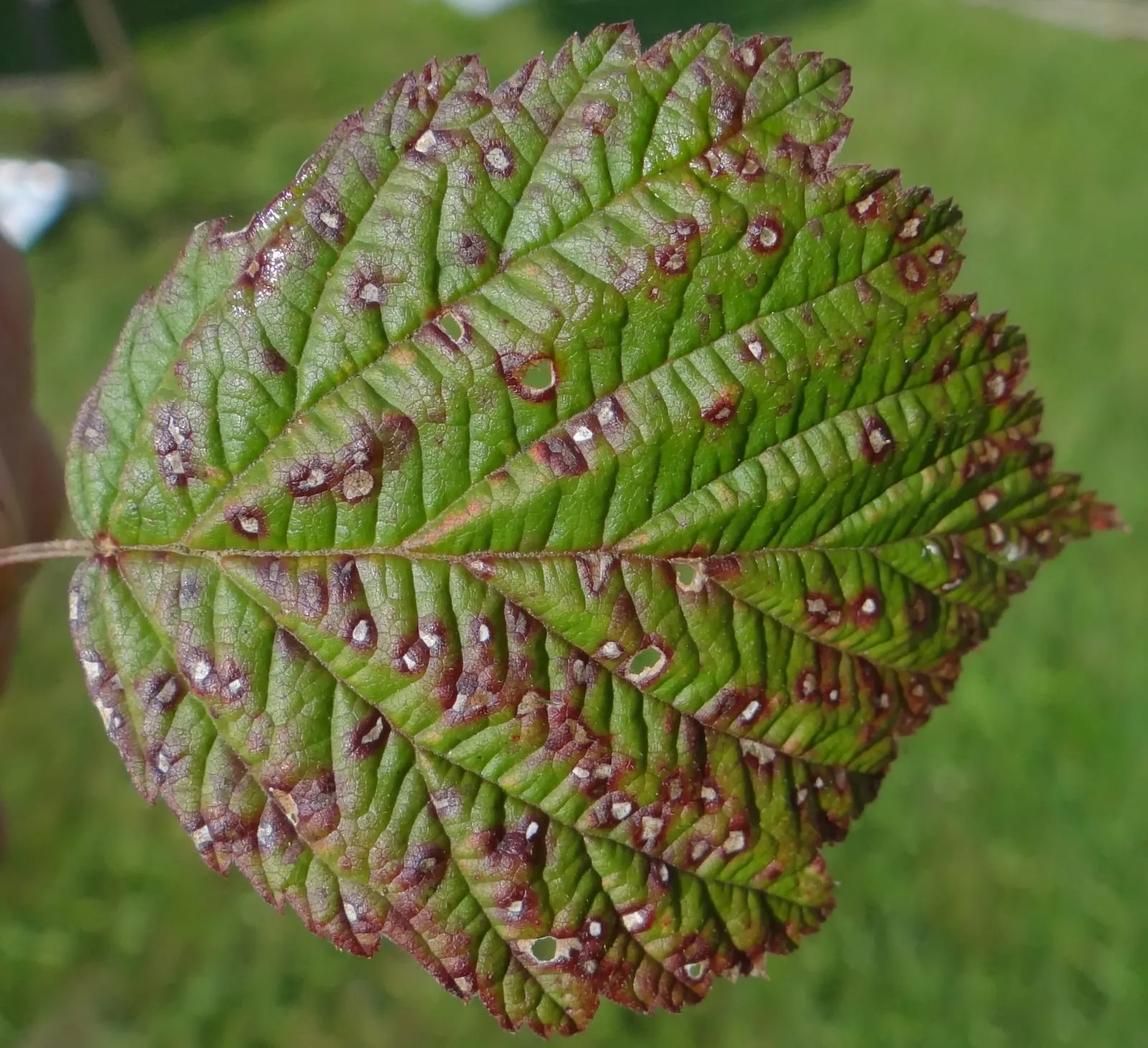
Elsinoe veneta
Fungal cane disease causing purple-bordered lesions that girdle and weaken bramble and Ribes canes, reducing yield over consecutive seasons.
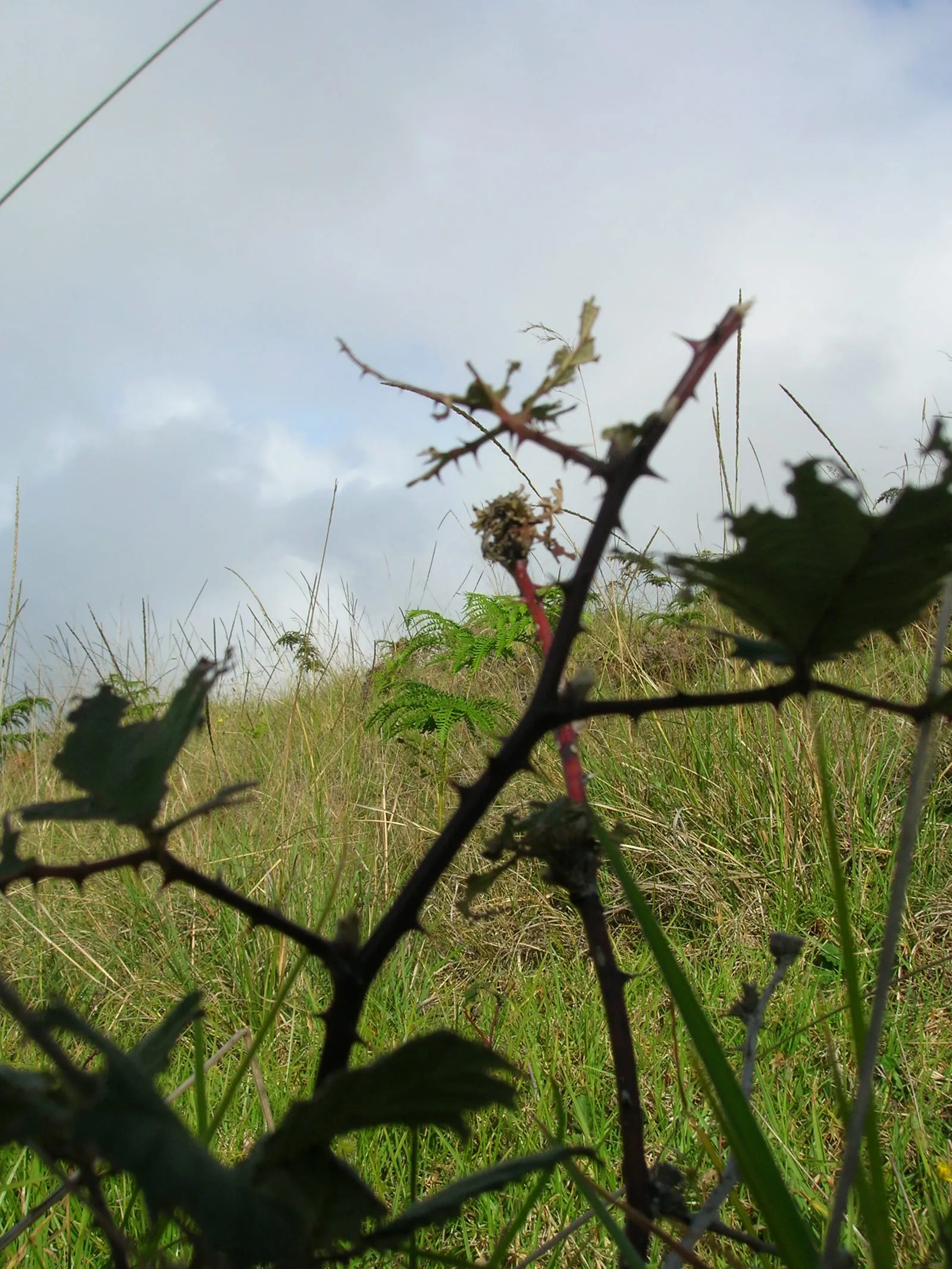
Leptosphaeria coniothyrium
Fungal disease that enters through wounds (often from cane-borer or pruning cuts) and causes dark cankers that wilt and kill canes.
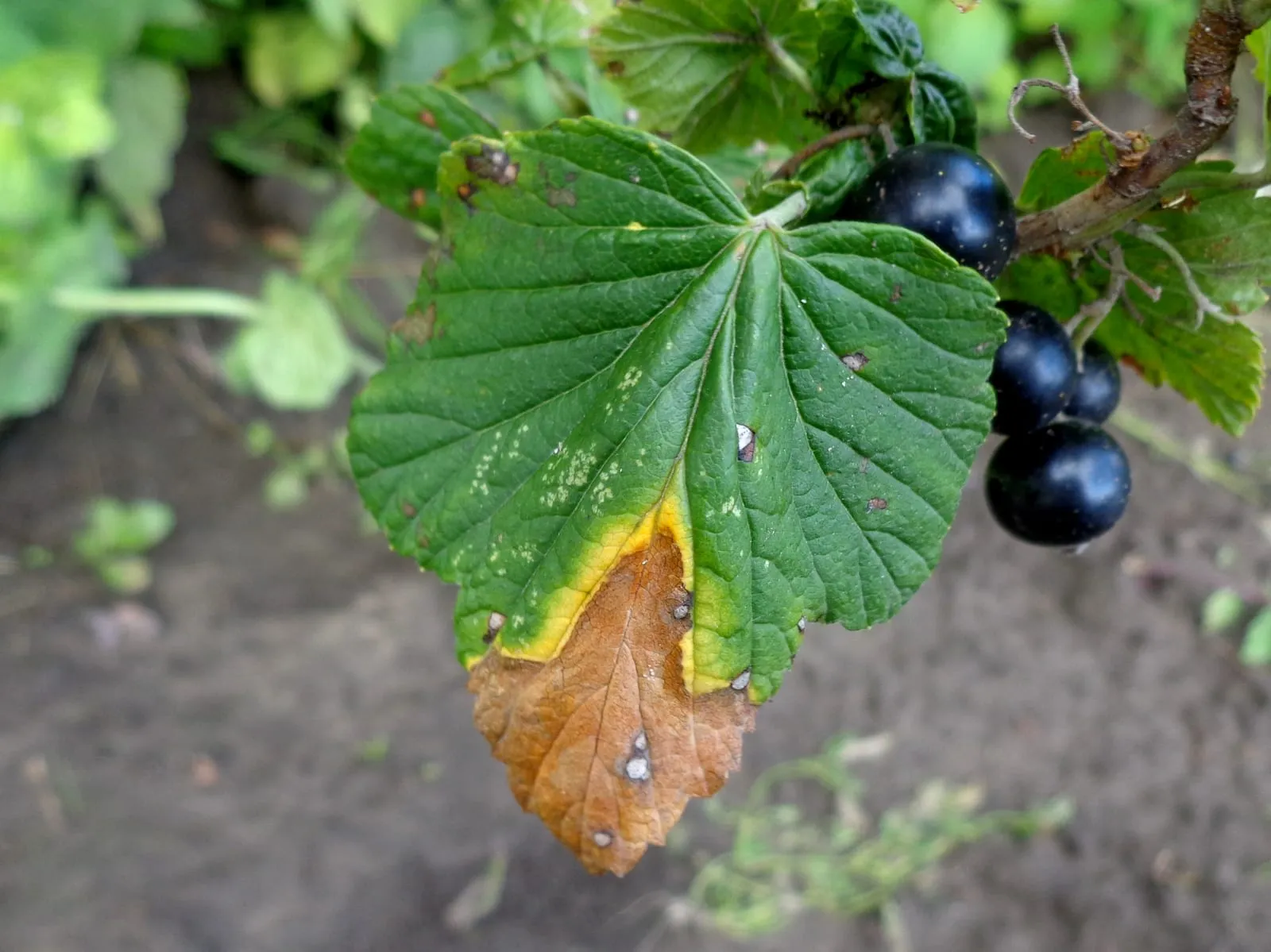
Didymella applanata
Fungal disease that produces purple-brown lesions at leaf nodes on red and yellow raspberry canes, weakening fruiting laterals.
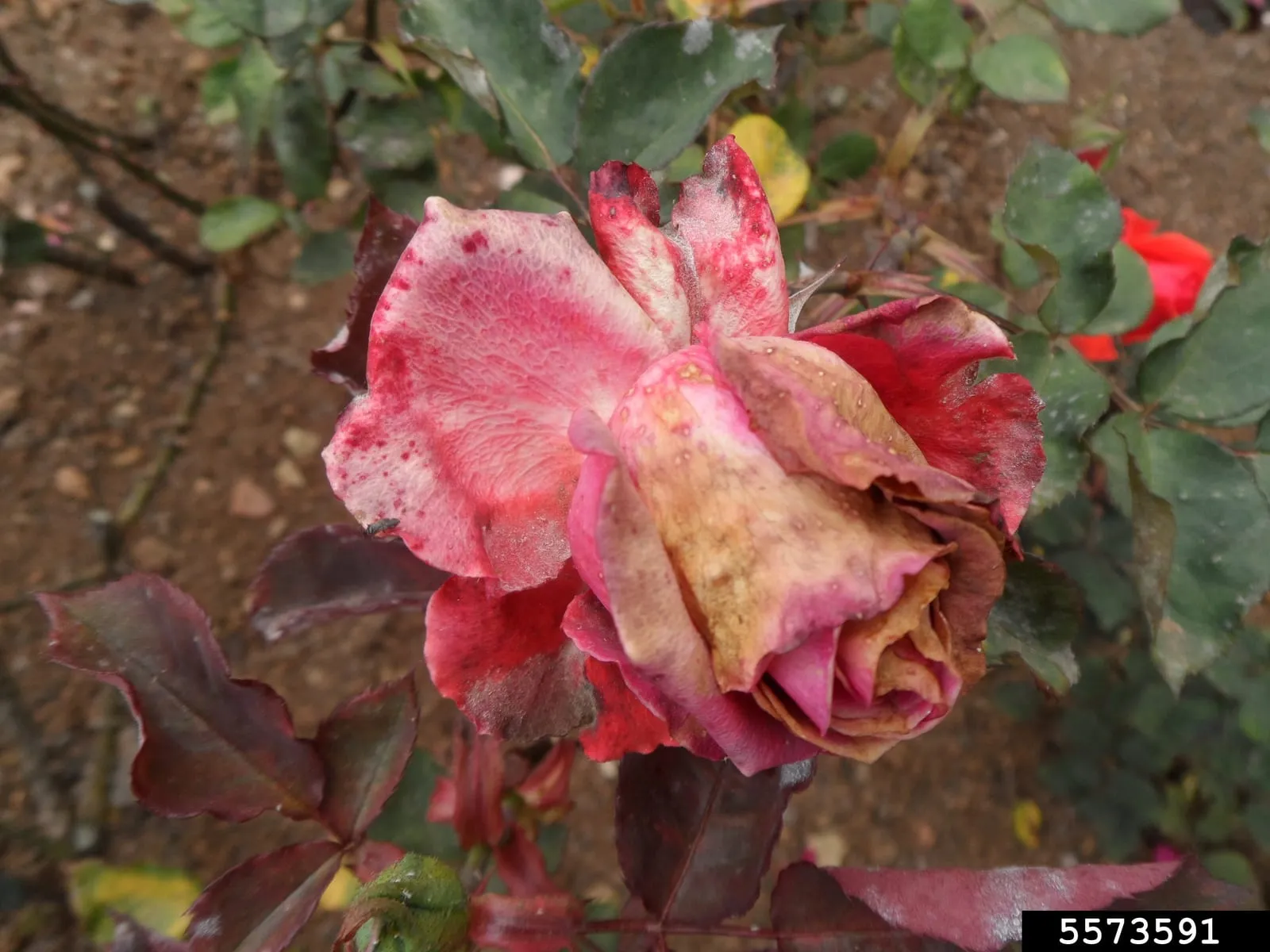
Botrytis cinerea
Ubiquitous fungal disease that causes fruit rot during cool wet weather, often the dominant berry disease in humid regions.
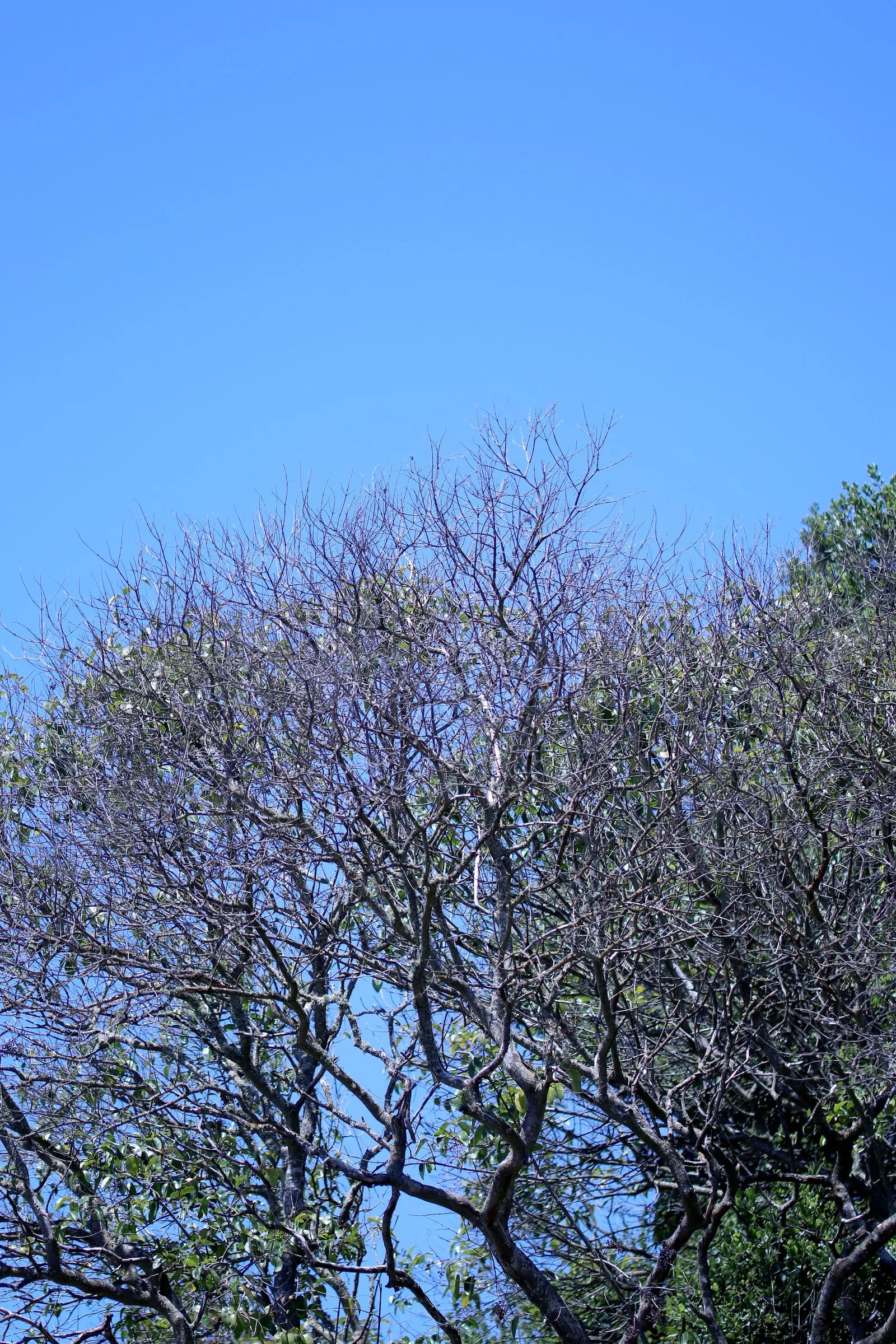
Phytophthora species
Soil-borne water mold that destroys roots in waterlogged soils, the leading cause of blueberry decline in poorly drained sites.
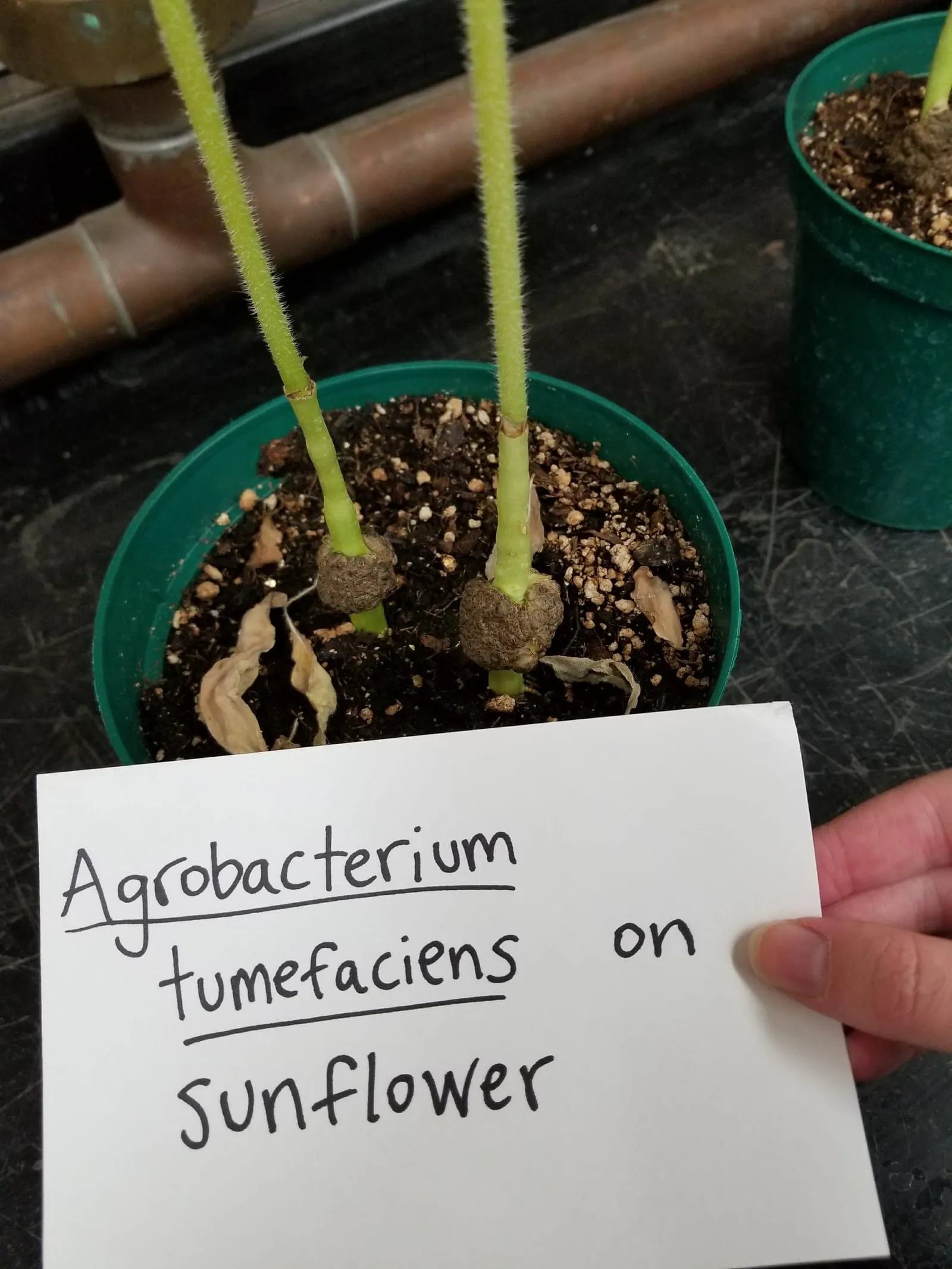
Agrobacterium tumefaciens
Soil-borne bacterium that enters plants through wounds and induces tumor-like galls on roots, crown, and lower stems. Galls reduce vigor and shorten plant lifespan; on Rubus the disease is often fatal.
Modified care for zone 5b
Winter cane protection is the primary care adjustment in zone 5b. Mulching the crown with 3 to 4 inches of straw after the ground freezes prevents heaving and protects against the coldest temperature extremes. Floricane tips extending above the snow line can desiccate or die back; tipping long canes to 4 to 5 feet before winter reduces that exposure.
Disease management deserves consistent attention in humid zone 5b summers. Cane Anthracnose, Cane Blight, and Spur Blight thrive in wet spring conditions; open canopy spacing and prompt removal of infected canes after harvest limit inoculum buildup. Phytophthora Root Rot is a real risk on heavy or poorly drained soils. Planting in raised rows or beds improves drainage and meaningfully reduces crown rot pressure. Gray Mold on fruit increases in cool, wet harvest seasons and is best managed by harvesting promptly and not leaving overripe fruit on the canes.
Red Raspberry in adjacent zones
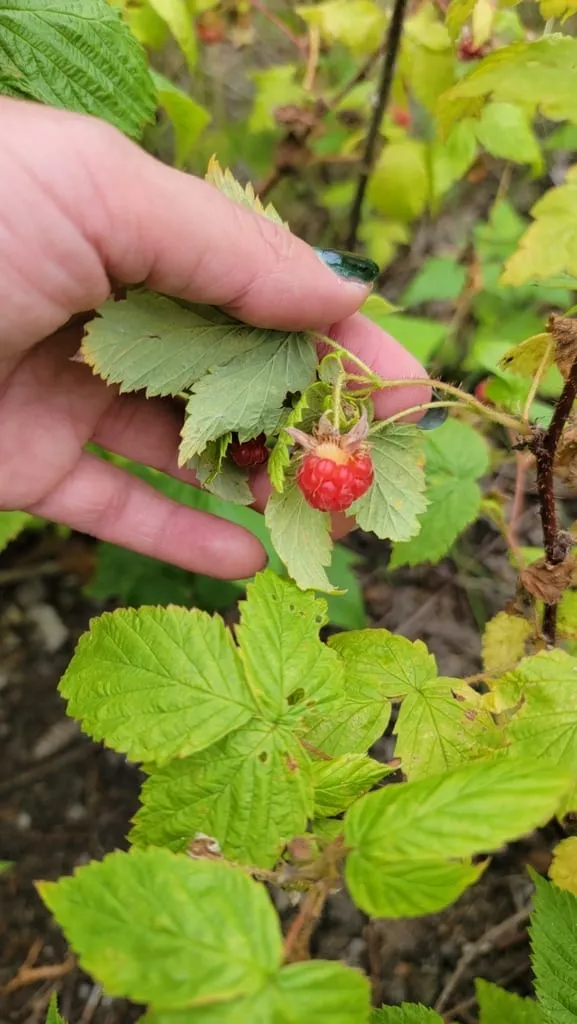
Image: "American red raspberry", by Lauren Markewicz, via iNaturalist, licensed under CC-BY Source.
Related