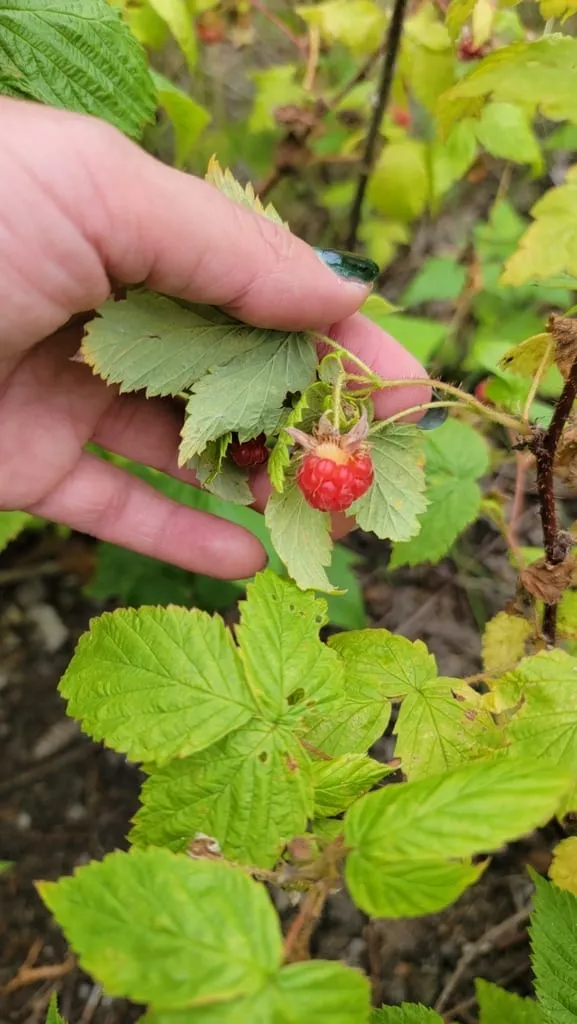
berry in zone 6a
Growing red raspberry in zone 6a
Rubus idaeus
- Zone
- 6a -10°F to -5°F
- Growing season
- 180 days
- Chill needed
- 800 to 1600 below 45°F
- Suitable varieties
- 6
- Days to harvest
- 30 to 50
The verdict
Zone 6a is a genuine sweet spot for red raspberries, not a marginal case. Most cultivated red raspberry varieties are rated cold-hardy to zones 3 or 4, meaning the zone 6a winter minimum of -10 to -5°F poses little threat to established canes. The larger factor is chill-hour accumulation, and zone 6a delivers reliably. The crop requires 800 to 1,600 chill hours depending on variety; zone 6a winters consistently produce well above that floor, ensuring strong dormancy break and even budding in spring.
Varieties like Boyne and Latham were bred for colder continental climates and may actually break dormancy earlier than ideal in zone 6a's warmer springs, though this is rarely a production problem. Caroline and Heritage, developed farther south, match zone 6a conditions closely and produce well without special handling. The 180-day growing season is more than sufficient for summer-bearing types and leaves adequate time for a fall flush on everbearing varieties.
Recommended varieties for zone 6a
6 cultivars suited to this zone, with disease-resistance and zone-fit annotations.
| Variety | Notes | Zone fit | Disease resistance |
|---|---|---|---|
| Heritage fits zone 6a | Sweet-tart, classic raspberry flavor, medium-firm; fresh, jam, freezing. The everbearing standard, primary fall crop on first-year canes; mow to ground each spring for clean fall-only harvest. | | none noted |
| Caroline fits zone 6a | Rich, sweet, intensely flavored, soft texture; fresh eating premium. Everbearing, productive in southern raspberry range, heat-tolerant. | | none noted |
| Boyne fits zone 6a | Sweet-tart, soft, classic raspberry flavor; fresh, jam, freezing. Summer-bearing, hardiest commercial red raspberry, reliable in zone 3. | | none noted |
| Latham fits zone 6a | Tart, firm, traditional flavor; fresh, processing, freezing. Old reliable summer-bearing variety, very cold-hardy and disease-tolerant. | | none noted |
| Nova fits zone 6a | Bright, sweet-tart, firm berries with clean flavor; fresh and processing. Summer-bearing, vigorous canes with reduced spine count. Disease-resistant. | | none noted |
| Joan J fits zone 6a | Sweet, large, dark red berries with rich flavor; fresh eating premium. Spineless everbearing, easy to harvest, productive fall crop. | | none noted |
Critical timing for zone 6a
In zone 6a, the last spring frost typically falls in early to mid-April, varying by elevation and local topography. Red raspberry canes begin flowering in late April through May, after the primary frost window has closed. This timing generally keeps blooms out of danger, though late cold snaps in low-lying sites can clip the first-flush flowers of early-breaking varieties.
Summer-bearing cultivars such as Latham and Nova ripen from late June through mid-July. Everbearing types like Heritage and Caroline produce a heavier fall crop, typically ripening from late August through October, well ahead of zone 6a's first fall frost in late October to early November. Growers who tip everbearing canes in late spring can shift more energy into the fall crop, which tends to have better flavor in the cooler temperatures of September.
Common challenges in zone 6a
- ▸ Brown rot in stone fruit
- ▸ Japanese beetles
- ▸ Spring frost damage to peach buds
Disease pressure to watch for
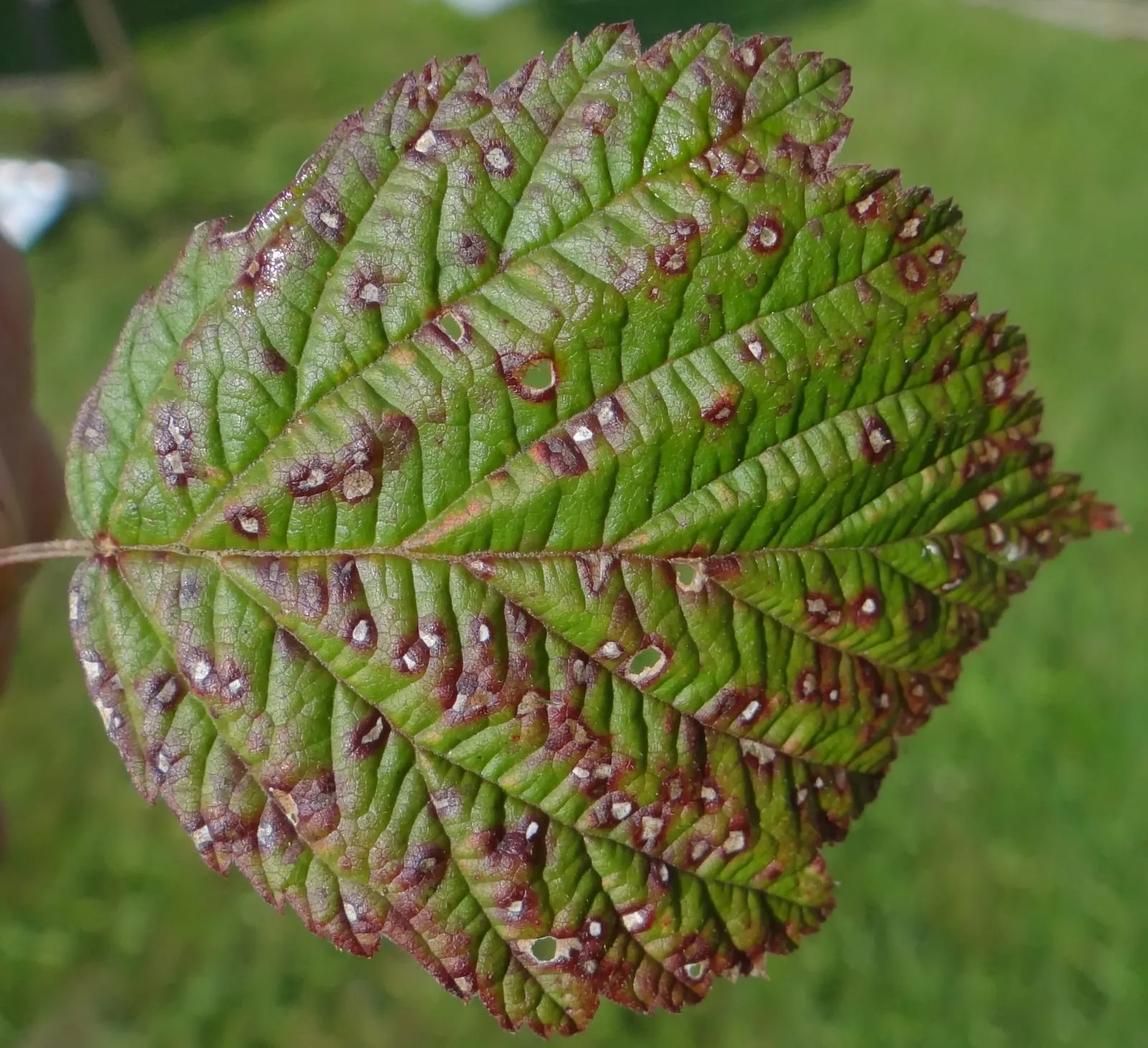
Elsinoe veneta
Fungal cane disease causing purple-bordered lesions that girdle and weaken bramble and Ribes canes, reducing yield over consecutive seasons.
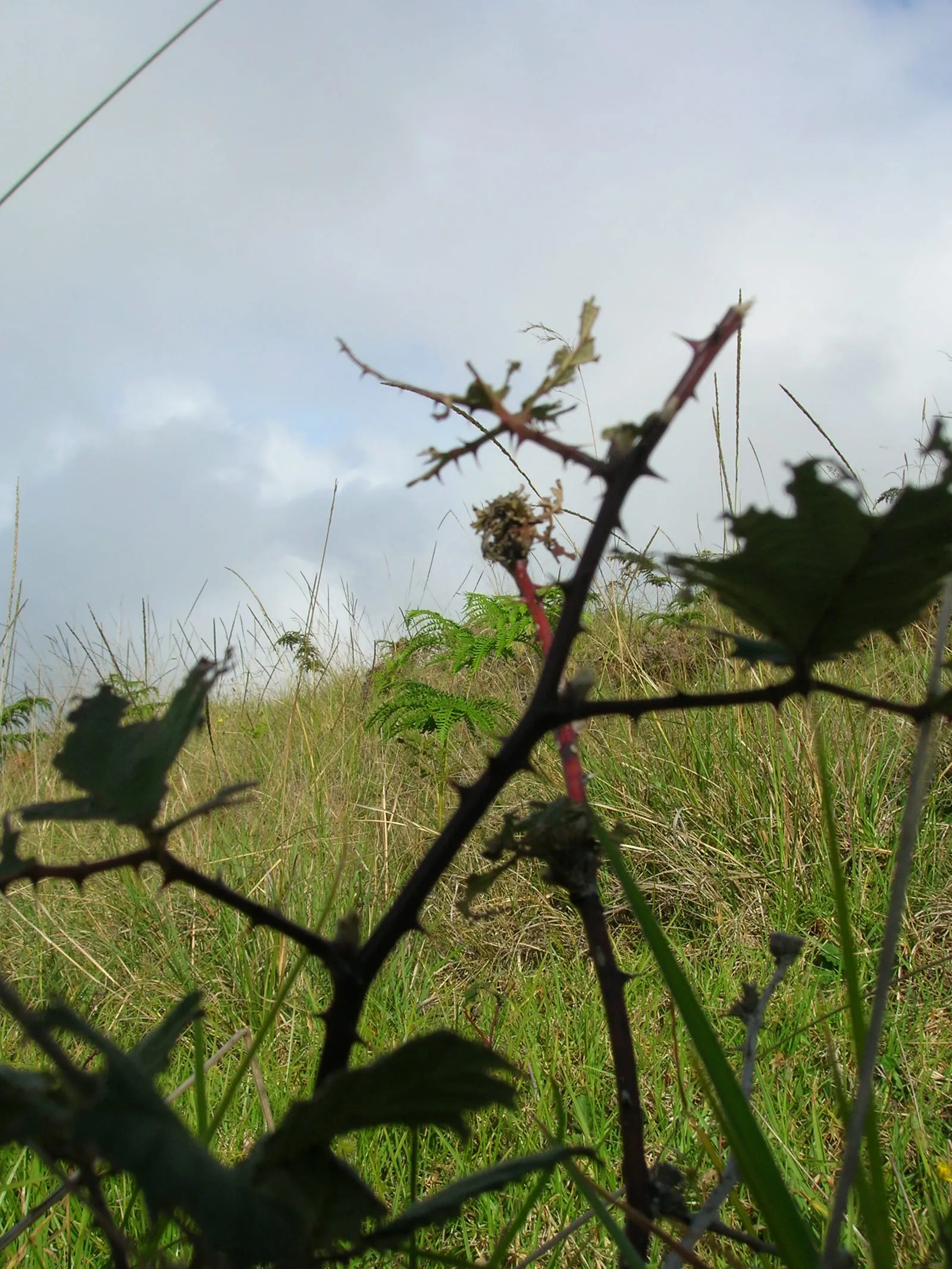
Leptosphaeria coniothyrium
Fungal disease that enters through wounds (often from cane-borer or pruning cuts) and causes dark cankers that wilt and kill canes.
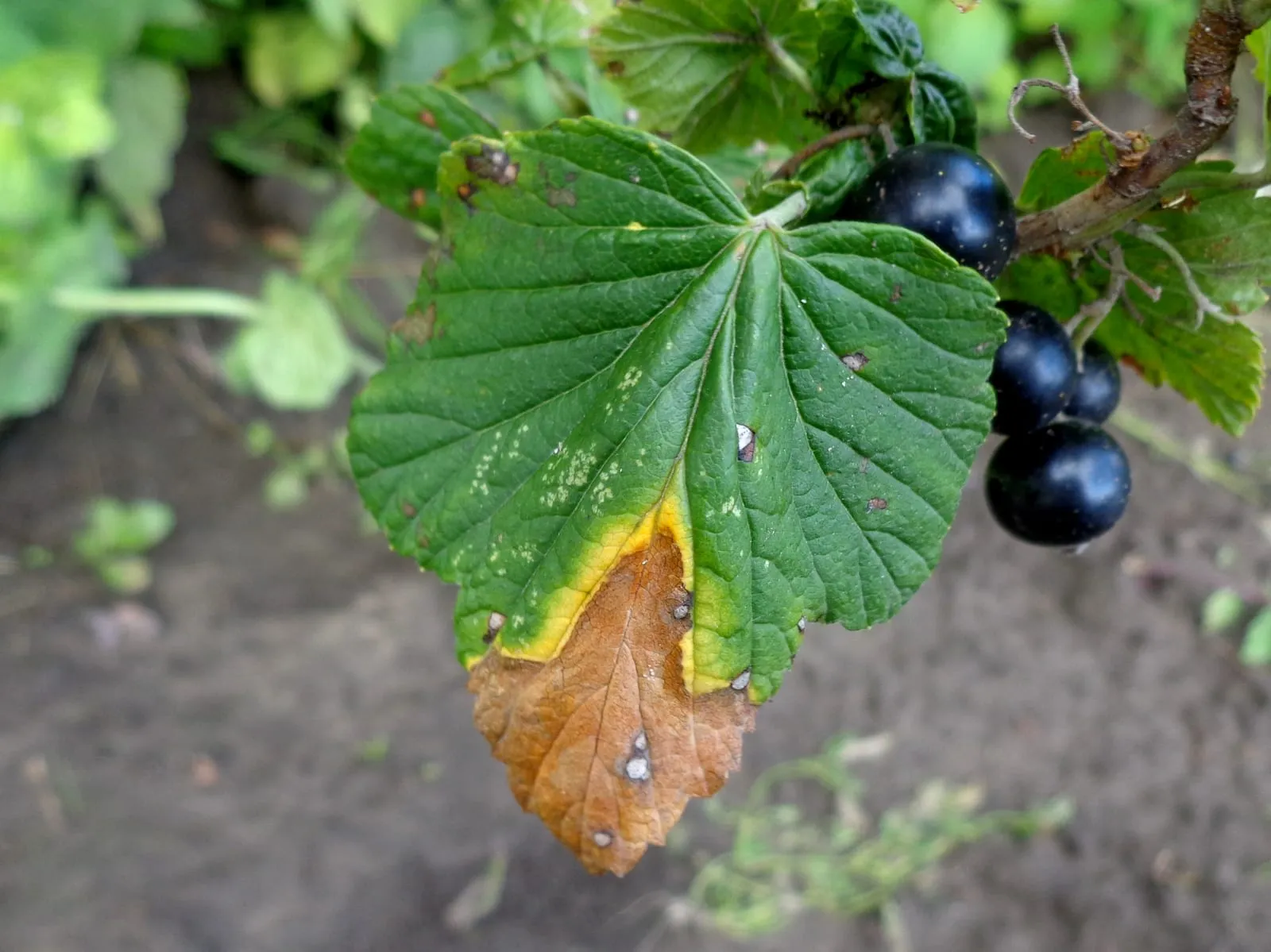
Didymella applanata
Fungal disease that produces purple-brown lesions at leaf nodes on red and yellow raspberry canes, weakening fruiting laterals.
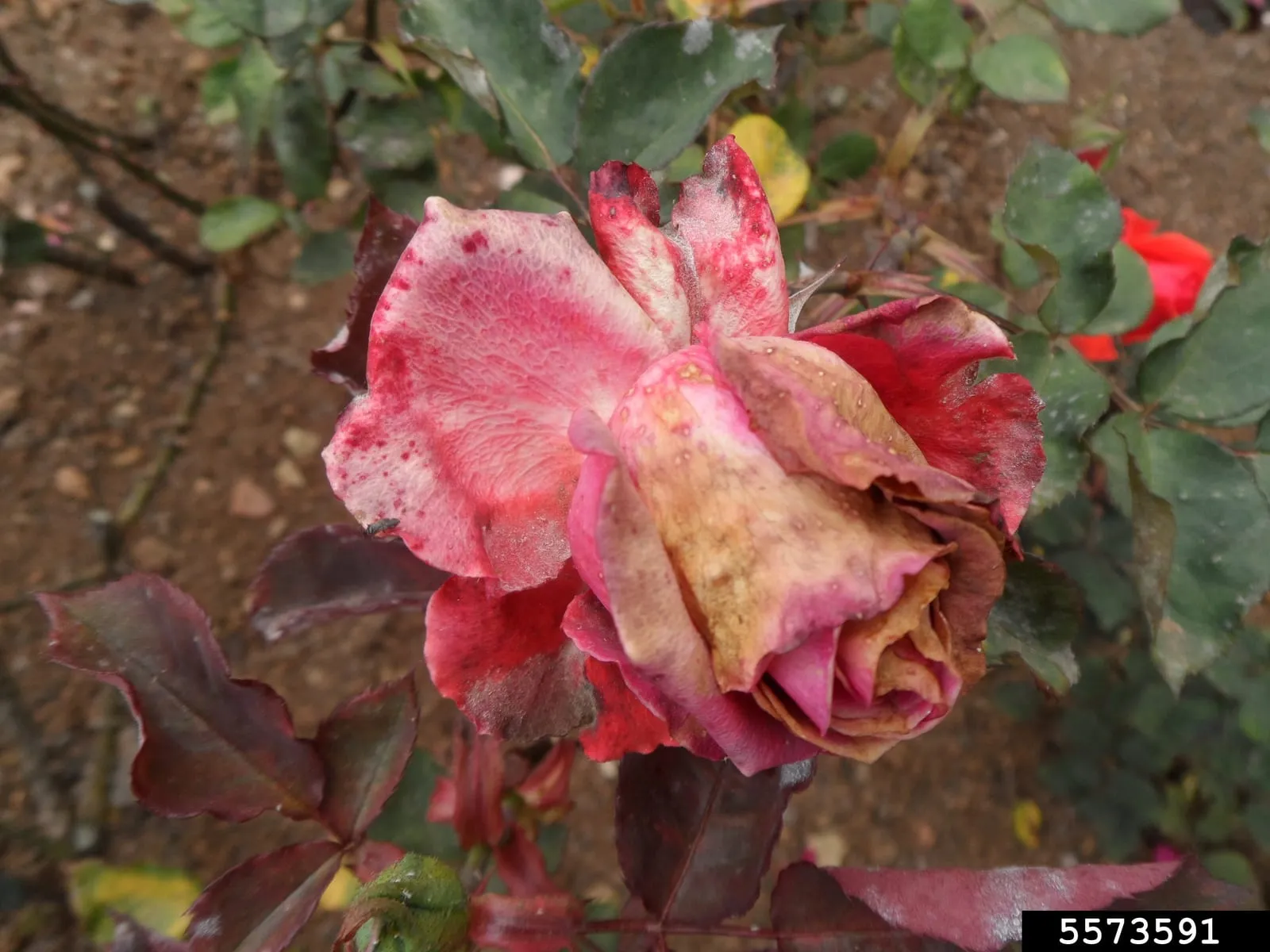
Botrytis cinerea
Ubiquitous fungal disease that causes fruit rot during cool wet weather, often the dominant berry disease in humid regions.
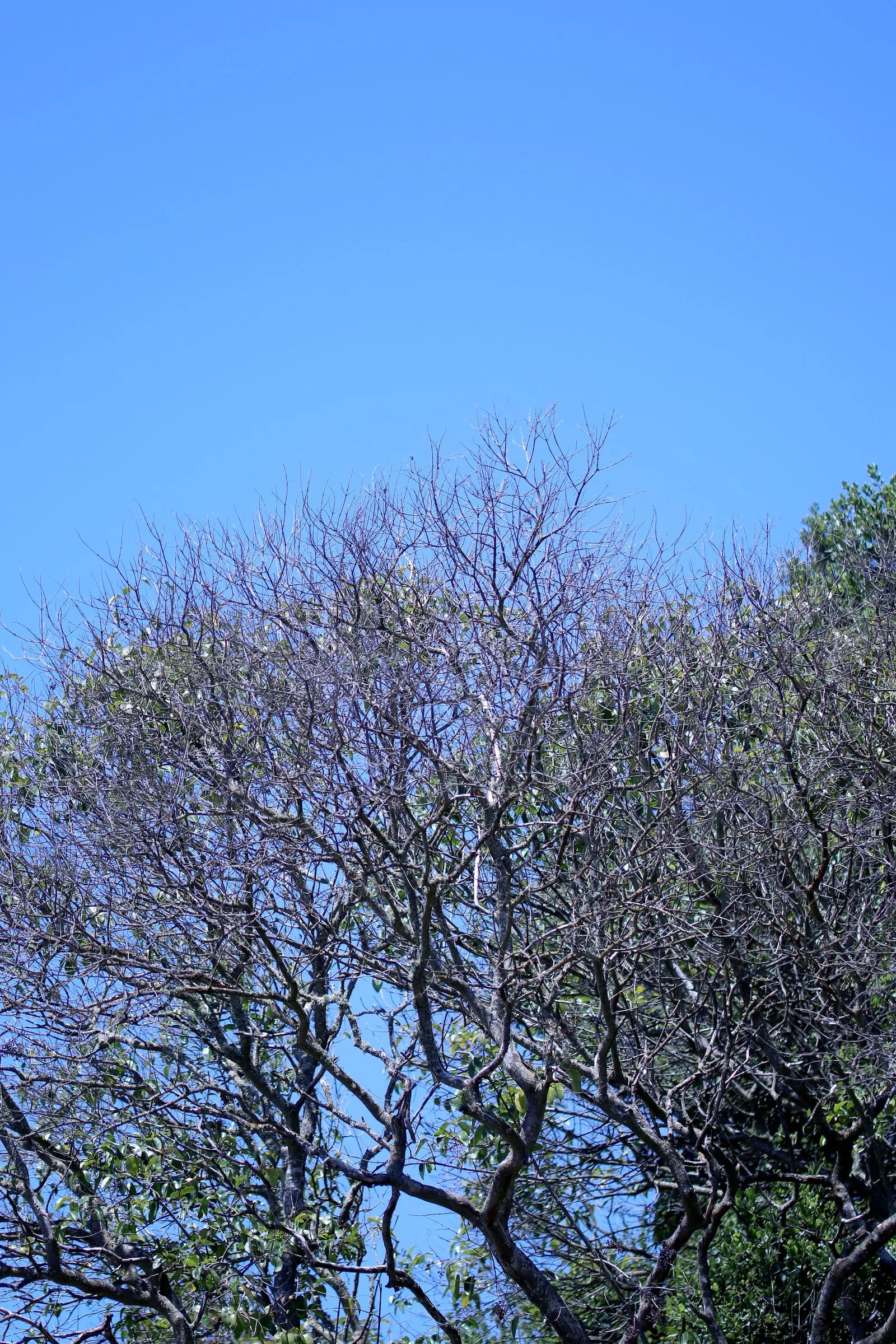
Phytophthora species
Soil-borne water mold that destroys roots in waterlogged soils, the leading cause of blueberry decline in poorly drained sites.
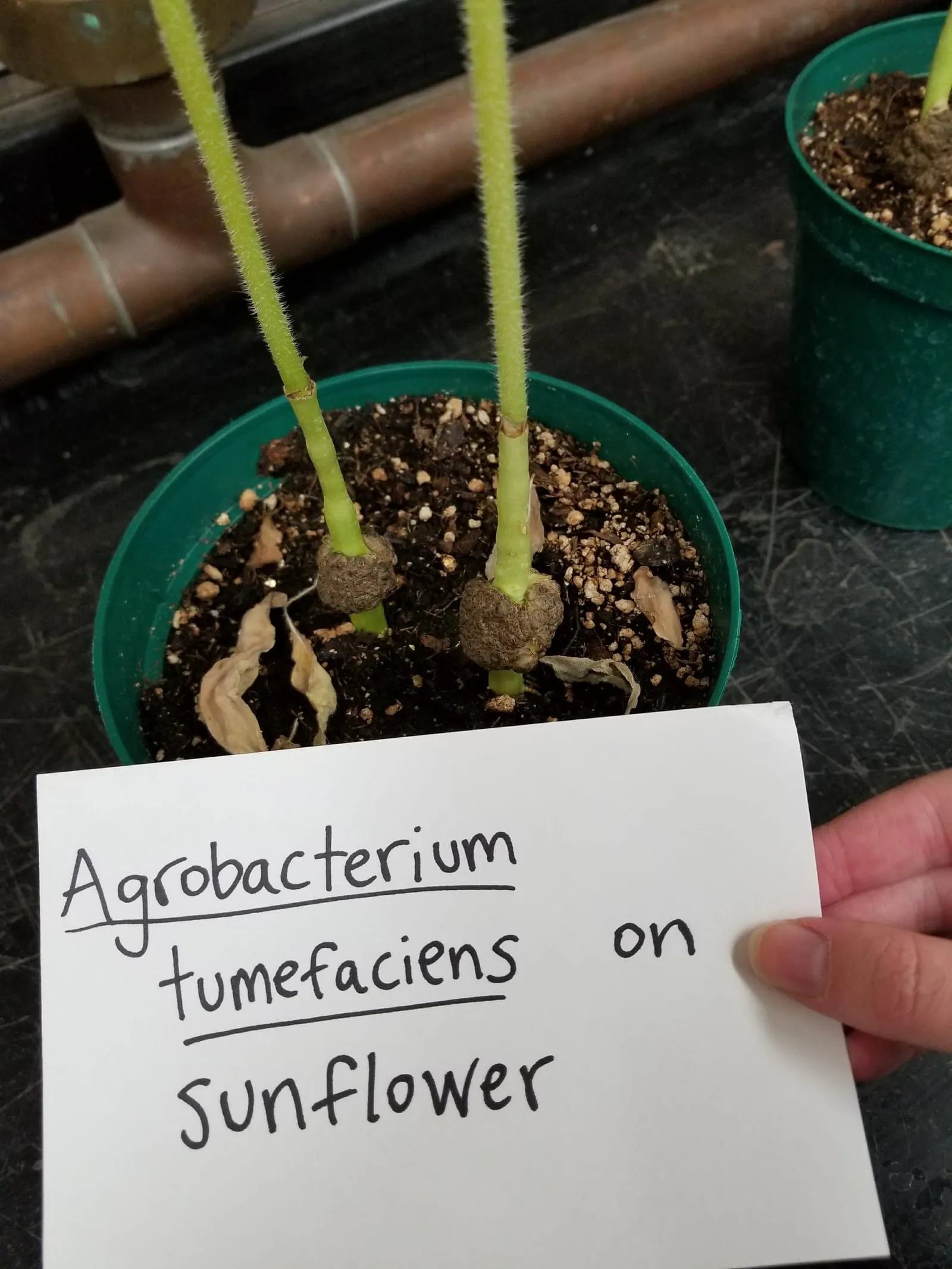
Agrobacterium tumefaciens
Soil-borne bacterium that enters plants through wounds and induces tumor-like galls on roots, crown, and lower stems. Galls reduce vigor and shorten plant lifespan; on Rubus the disease is often fatal.
Modified care for zone 6a
Zone 6a growers face moderate but consistent pressure from Japanese beetles, which arrive in July and can strip foliage and damage ripening fruit. Row covers or kaolin clay applications before peak beetle emergence (typically late June) reduce damage without residual chemical risk during harvest.
The disease list for red raspberry in this zone warrants attention to air circulation. Cane anthracnose, spur blight, and gray mold all thrive when humidity lingers around cane foliage, a common condition in zone 6a's summer weather patterns. Thinning canes to four to five per running foot at dormant pruning, removing all spent floricanes promptly after harvest, and avoiding overhead irrigation during fruiting will do more to suppress these diseases than fungicide timing alone.
Winter mulching is generally not necessary for the listed varieties in zone 6a, but a 3- to 4-inch layer of straw applied after the ground freezes helps stabilize soil temperature and reduces frost heaving on shallow roots in sites with marginal drainage.
Frequently asked questions
- Do red raspberries need a pollination partner in zone 6a?
No. Red raspberries are self-fertile and produce well as single-variety plantings. Planting multiple varieties does not hurt and can extend the harvest window, but a single row of Heritage or Latham will set fruit without a companion.
- Which red raspberry variety is best for zone 6a?
Caroline and Heritage are reliable all-around choices for zone 6a, offering strong disease tolerance and a productive fall crop. Latham and Nova suit growers who want a concentrated summer harvest or who garden in a cooler microclimate within the zone.
- When should red raspberry canes be pruned in zone 6a?
Remove spent floricanes (the canes that fruited that summer) immediately after harvest, cutting them to ground level. Thin remaining primocanes in late winter, just before bud swell in late February to early March, keeping the strongest four to five canes per foot of row.
- Is Phytophthora root rot a serious risk in zone 6a?
It can be on poorly drained or heavy clay soils. Raised beds or berms that keep crown and root tissue above standing water eliminate most of the risk. Avoid replanting raspberries in a site that has had root rot; the pathogen persists in soil for years.
+−
+−
+−
+−
Red Raspberry in adjacent zones
Image: "American red raspberry", by Lauren Markewicz, via iNaturalist, licensed under CC-BY Source.
Related