berry in zone 6b
Growing red raspberry in zone 6b
Rubus idaeus
- Zone
- 6b -5°F to 0°F
- Growing season
- 190 days
- Chill needed
- 800 to 1600 below 45°F
- Suitable varieties
- 4
- Days to harvest
- 30 to 50
The verdict
Zone 6b sits near the middle of red raspberry's preferred range, not at its margins. The crop requires 800 to 1,600 chill hours to break dormancy and set a reliable crop; zone 6b typically accumulates 1,000 to 1,400 chill hours across a winter, depending on site elevation and local cold-air drainage. That overlap is solid. The 190-day growing season gives summer-bearing varieties enough time to complete two full cycles of cane growth before hard frost, and everbearing varieties like Heritage and Caroline can ripen a substantial fall crop before the first killing freeze.
The main limiting factor is winter minimum temperature. Zone 6b lows of -5 to 0°F can kill less-acclimated cane tips and, in fast-dropping cold snaps without adequate snow cover, may reach into the crown. Established plantings with proper dormancy generally come through intact, but anything that delays hardening off in late fall raises injury risk considerably. Overall, zone 6b is a productive zone for red raspberry with attentive siting.
Recommended varieties for zone 6b
4 cultivars suited to this zone, with disease-resistance and zone-fit annotations.
| Variety | Notes | Zone fit | Disease resistance |
|---|---|---|---|
| Heritage fits zone 6b | Sweet-tart, classic raspberry flavor, medium-firm; fresh, jam, freezing. The everbearing standard, primary fall crop on first-year canes; mow to ground each spring for clean fall-only harvest. | | none noted |
| Caroline fits zone 6b | Rich, sweet, intensely flavored, soft texture; fresh eating premium. Everbearing, productive in southern raspberry range, heat-tolerant. | | none noted |
| Nova fits zone 6b | Bright, sweet-tart, firm berries with clean flavor; fresh and processing. Summer-bearing, vigorous canes with reduced spine count. Disease-resistant. | | none noted |
| Joan J fits zone 6b | Sweet, large, dark red berries with rich flavor; fresh eating premium. Spineless everbearing, easy to harvest, productive fall crop. | | none noted |
Critical timing for zone 6b
Red raspberries bloom in zone 6b from late April through mid-May, depending on variety and site. Zone 6b's average last frost typically falls between April 15 and May 1, which puts open bloom squarely in the frost-risk window. A late frost event during peak bloom can reduce fruit set significantly, particularly in low-lying sites where cold air pools.
Summer-bearing varieties (Nova, Joan J) concentrate harvest in June and early July. Everbearing varieties (Heritage, Caroline) produce a lighter primary crop in late June, then a more substantial fall flush from mid-August through October. Zone 6b's first fall frost generally arrives between October 15 and November 1, which is enough time for a full everbearing fall crop in most years.
Common challenges in zone 6b
- ▸ Cedar-apple rust
- ▸ Fire blight
- ▸ Stink bugs
Disease pressure to watch for
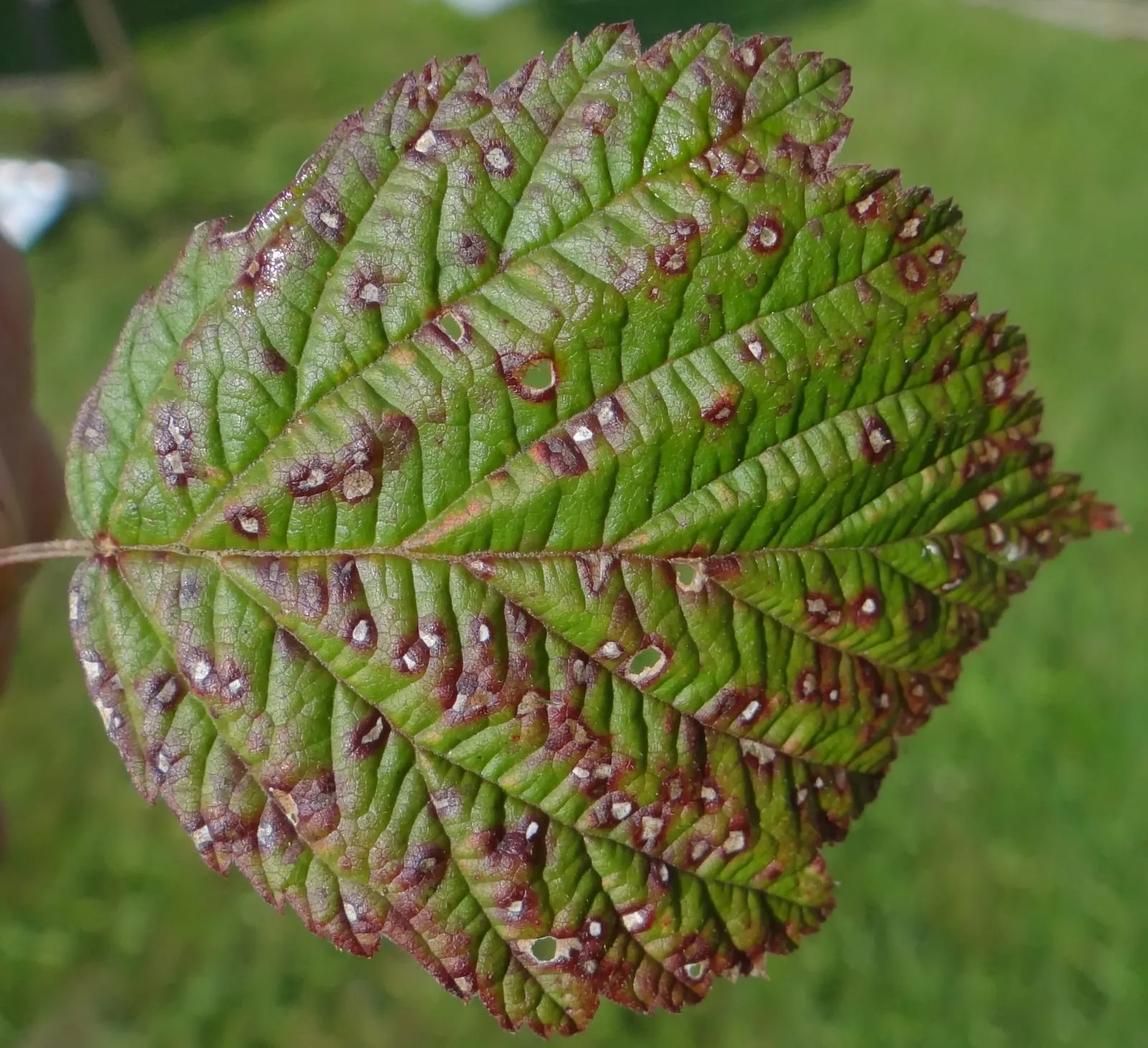
Elsinoe veneta
Fungal cane disease causing purple-bordered lesions that girdle and weaken bramble and Ribes canes, reducing yield over consecutive seasons.
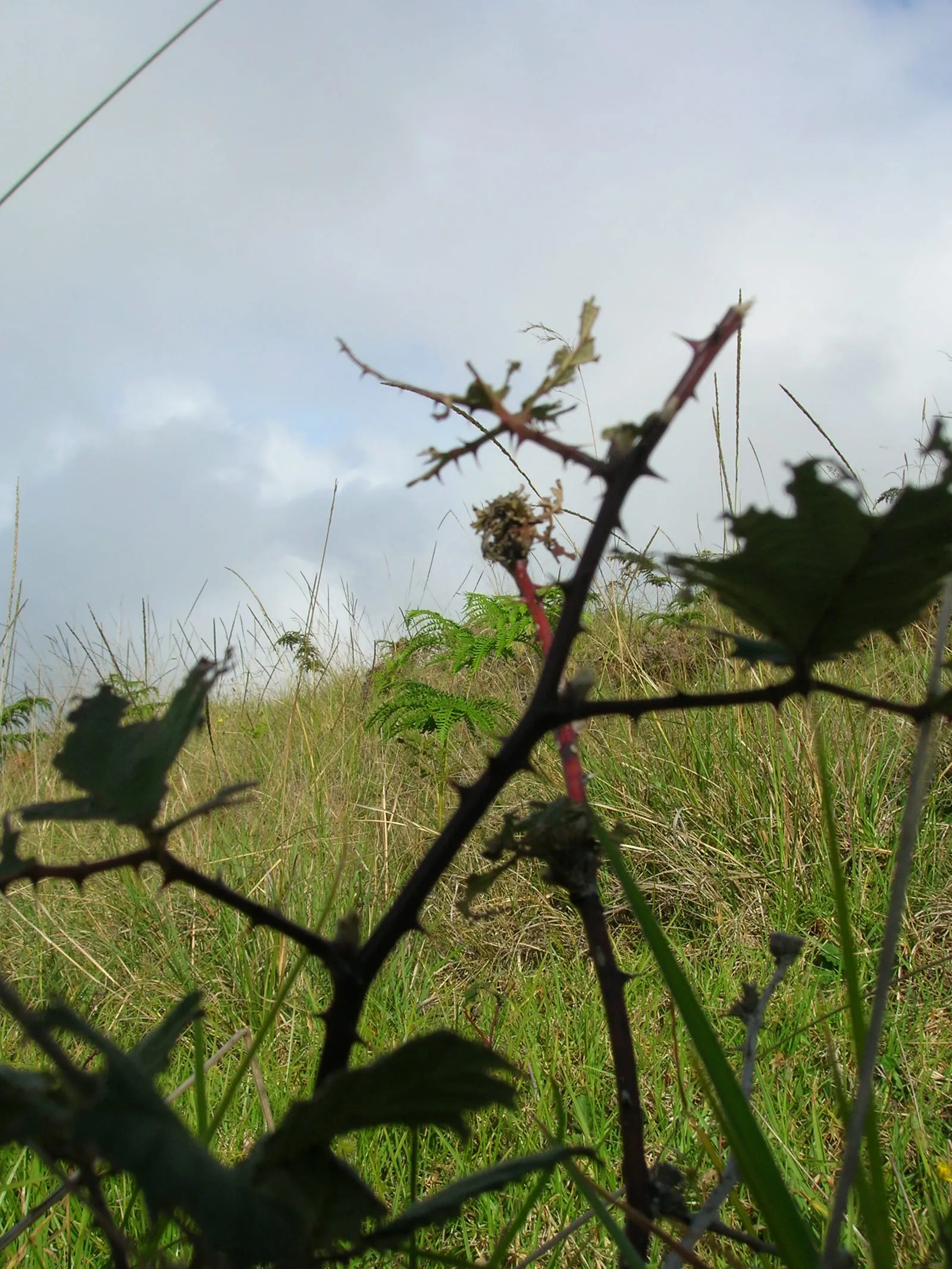
Leptosphaeria coniothyrium
Fungal disease that enters through wounds (often from cane-borer or pruning cuts) and causes dark cankers that wilt and kill canes.
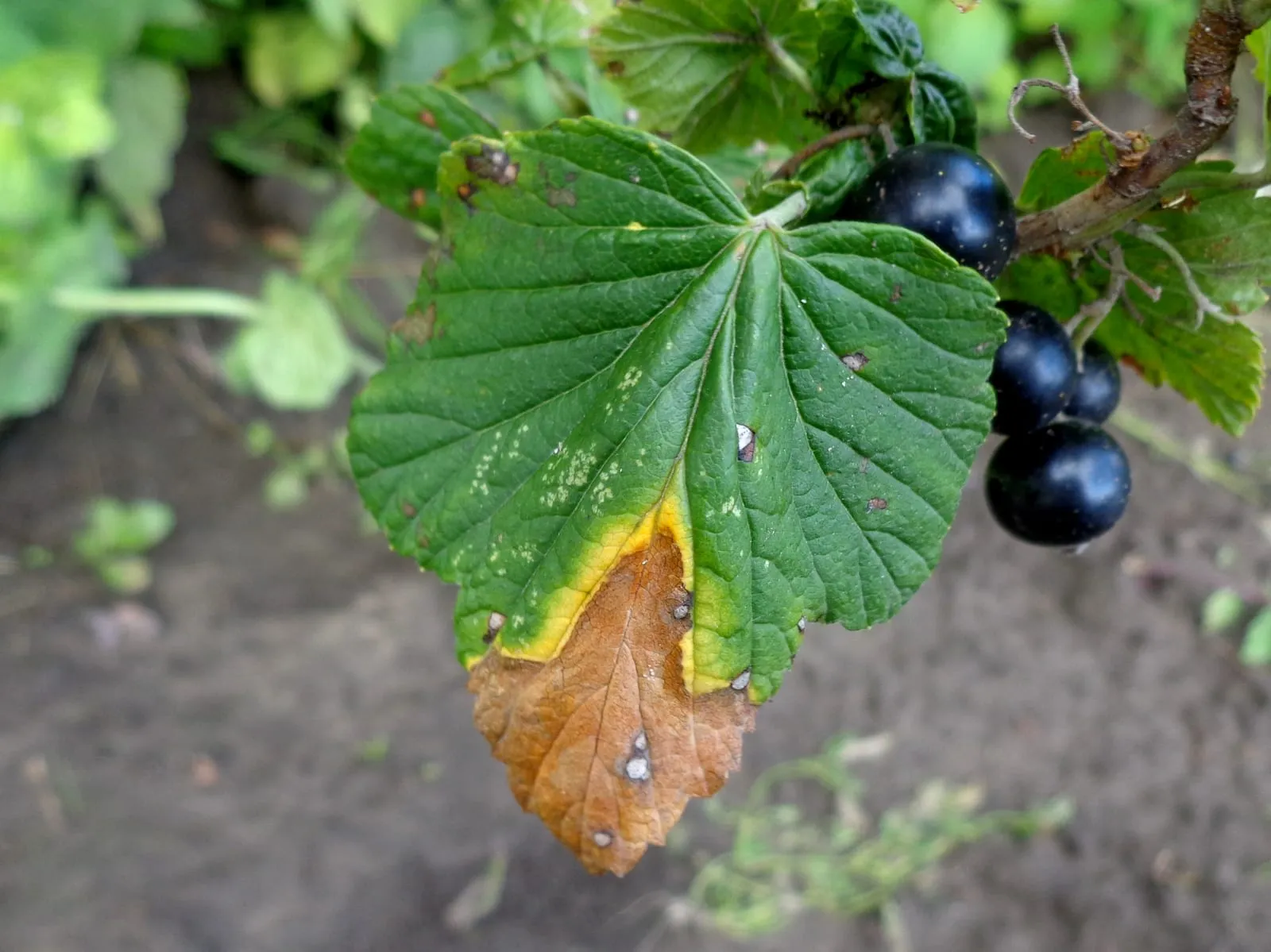
Didymella applanata
Fungal disease that produces purple-brown lesions at leaf nodes on red and yellow raspberry canes, weakening fruiting laterals.
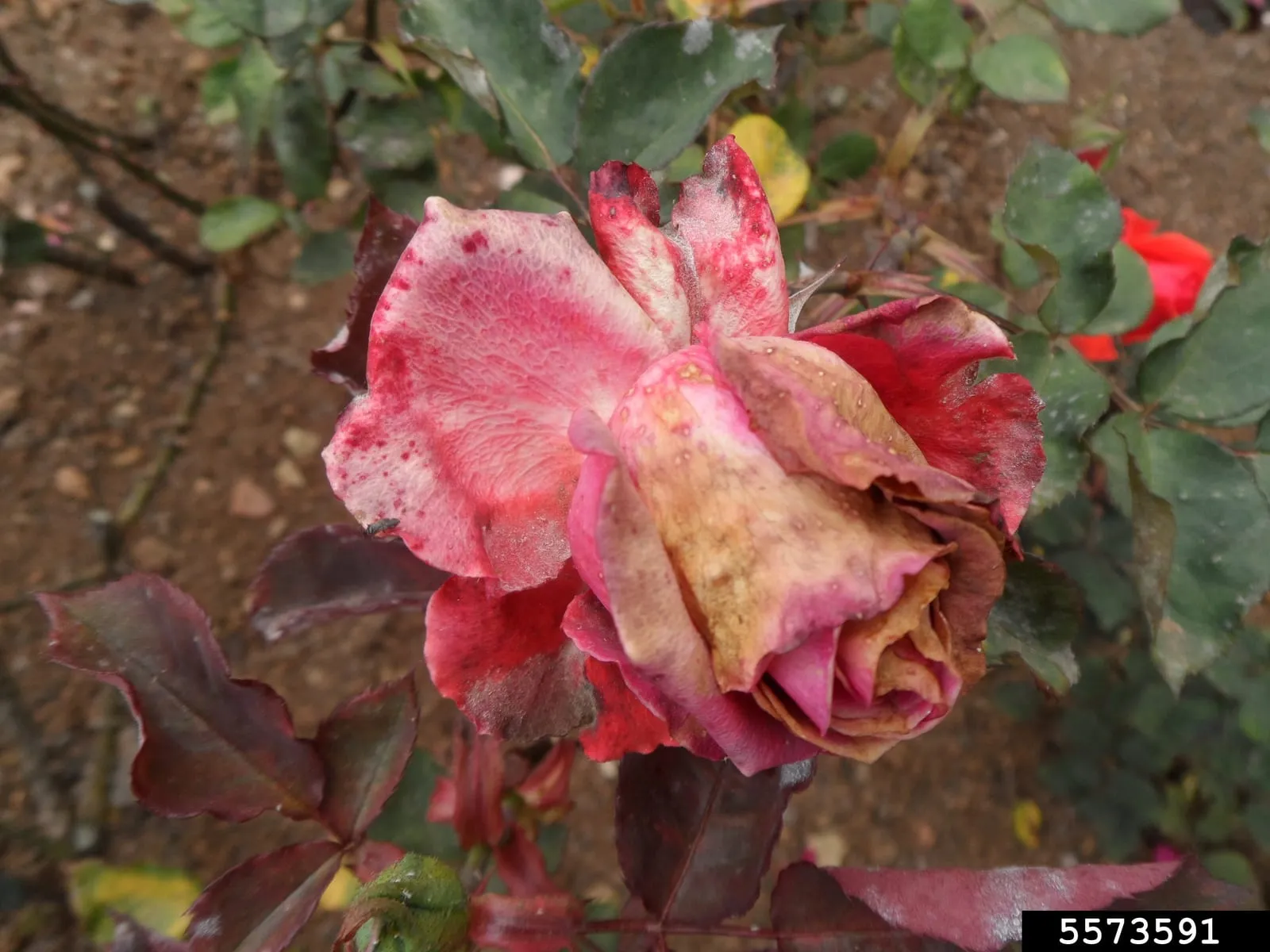
Botrytis cinerea
Ubiquitous fungal disease that causes fruit rot during cool wet weather, often the dominant berry disease in humid regions.
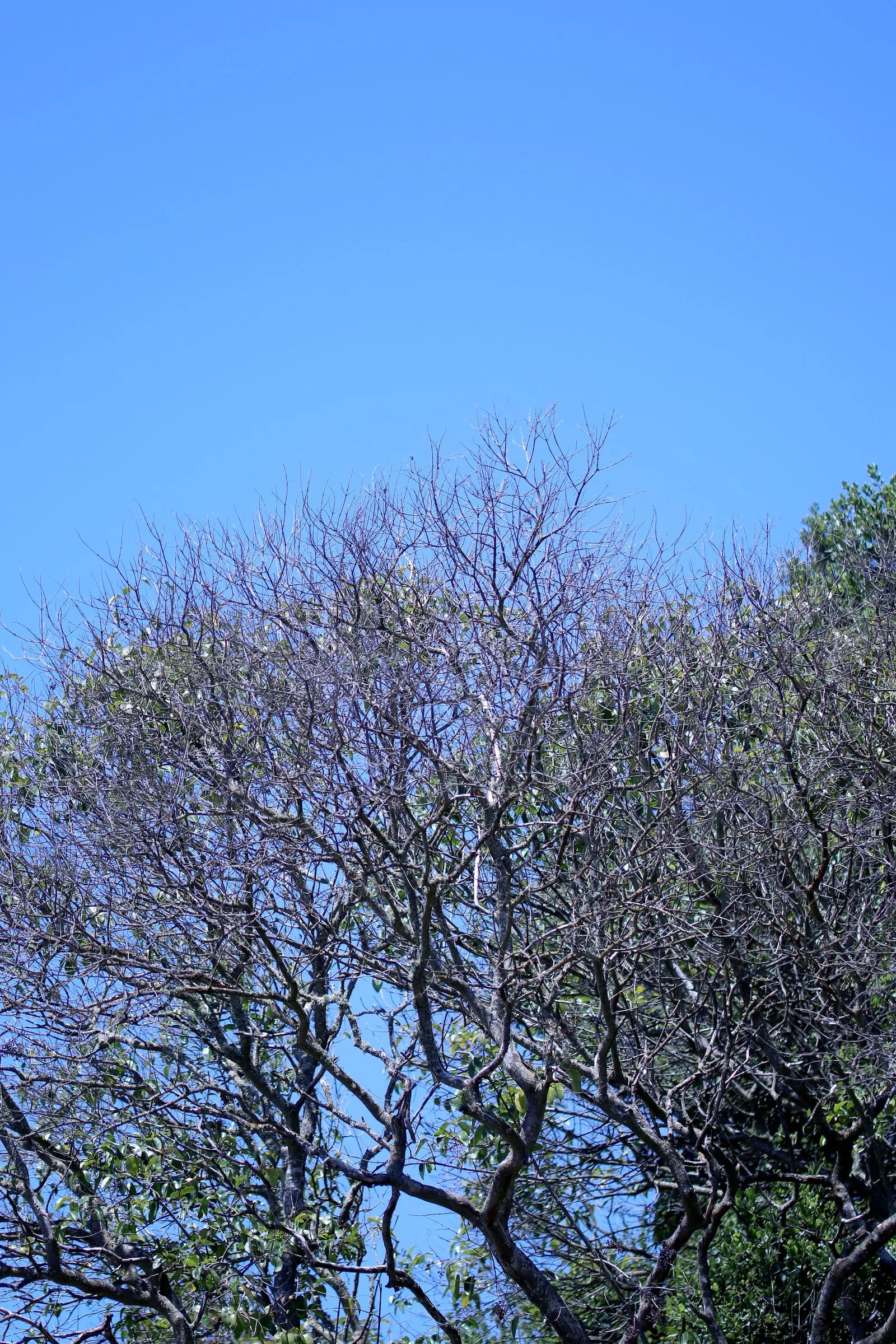
Phytophthora species
Soil-borne water mold that destroys roots in waterlogged soils, the leading cause of blueberry decline in poorly drained sites.
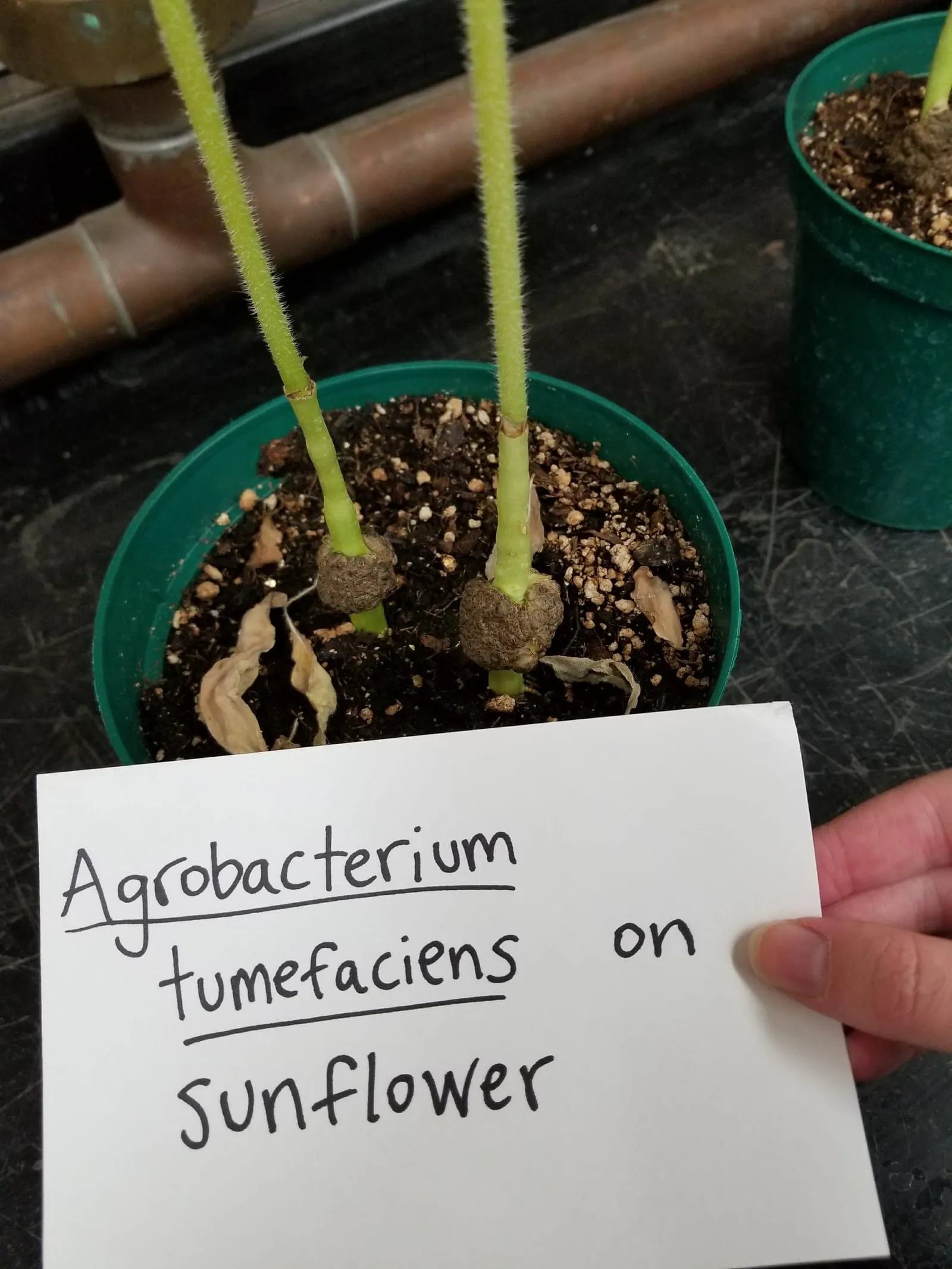
Agrobacterium tumefaciens
Soil-borne bacterium that enters plants through wounds and induces tumor-like galls on roots, crown, and lower stems. Galls reduce vigor and shorten plant lifespan; on Rubus the disease is often fatal.
Modified care for zone 6b
Zone 6b growers face a few pressures that are less acute in warmer zones. Winter cane damage is the primary structural concern: cane tips can suffer dieback when temperatures drop sharply to the lower end of the zone's range, particularly on exposed sites or in frost pockets where cold air settles. Tipping canes at 4 to 5 feet in late summer reduces wind-whipping damage and concentrates the plant's energy into the lower, better-protected wood.
Disease management deserves consistent attention. Cane Anthracnose, Cane Blight, and Gray Mold (Botrytis) are the most reliable threats in zone 6b's humid summers; all three intensify during wet periods around bloom and early fruit development. Phytophthora Root Rot is worth monitoring on heavier soils with poor drainage. Spacing rows for air circulation and removing old floricanes promptly after harvest address multiple disease vectors at once, reducing reliance on fungicide applications.
Frequently asked questions
- Is zone 6b cold enough to damage red raspberry canes in winter?
Zone 6b lows of -5 to 0°F can injure cane tips, especially on exposed sites or in years with little snow cover. The crown typically survives. Tipping canes at 4 to 5 feet in late summer and avoiding late-season nitrogen fertilizing are the two most effective preventive measures.
- Which red raspberry varieties perform best in zone 6b?
Heritage, Caroline, Nova, and Joan J are well-documented performers in zone 6b. Heritage and Caroline are everbearing types that produce a reliable fall crop. Nova and Joan J are summer-bearing with strong disease resistance, which matters in zone 6b's humid conditions.
- Can late spring frosts in zone 6b damage the raspberry crop?
Yes. Red raspberries bloom in late April through mid-May in zone 6b, overlapping with the average last frost window of April 15 to May 1. A hard frost during open bloom reduces fruit set. Everbearing varieties offset this risk because the fall crop is unaffected by spring frost events.
- What diseases should zone 6b raspberry growers watch most closely?
Cane Anthracnose, Cane Blight, and Gray Mold (Botrytis) are the most consistent threats in zone 6b's humid summers. Phytophthora Root Rot is a concern on poorly drained soils. Good row spacing, prompt floricane removal after harvest, and avoiding overhead irrigation during bloom reduce pressure from all of these.
+−
+−
+−
+−
Red Raspberry in adjacent zones
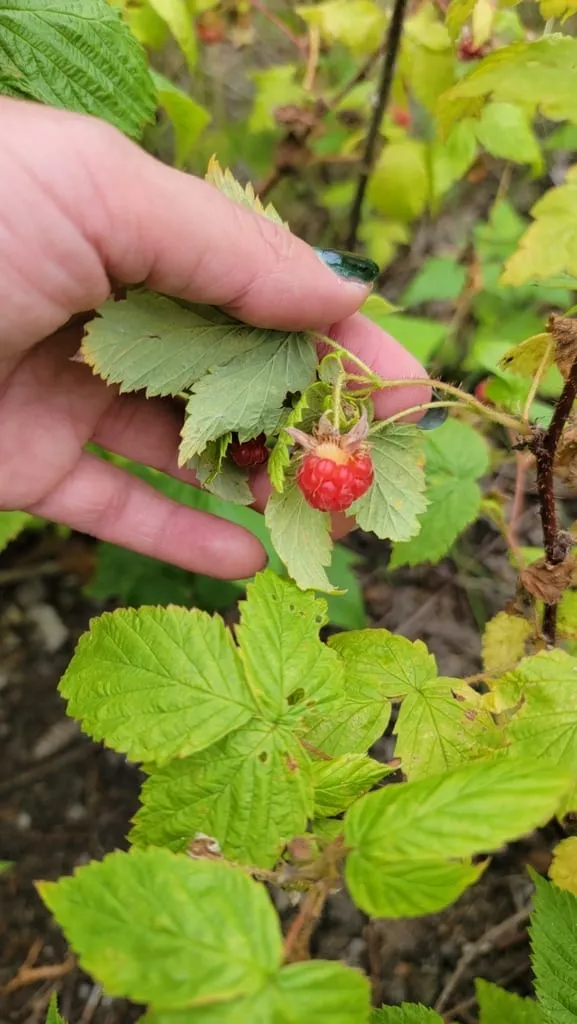
Image: "American red raspberry", by Lauren Markewicz, via iNaturalist, licensed under CC-BY Source.
Related