berry in zone 7a
Growing red raspberry in zone 7a
Rubus idaeus
- Zone
- 7a 0°F to 5°F
- Growing season
- 210 days
- Chill needed
- 800 to 1600 below 45°F
- Suitable varieties
- 3
- Days to harvest
- 30 to 50
The verdict
Zone 7a sits at the warm edge of red raspberry's native range. Minimum temperatures of 0 to 5°F are cold enough to satisfy most varieties' chill-hour requirements, which run 800 to 1,600 hours depending on selection. Heritage and Caroline fall comfortably within that window in most zone 7a winters. Joan J, a primocane type, is forgiving on the lower end of the chill requirement and is worth prioritizing in this zone.
The concern in zone 7a is not cold hardiness but summer heat. Raspberries struggle when sustained temperatures exceed 85°F, and zone 7a summers regularly deliver that. The 210-day growing season is longer than raspberries strictly need, which extends both the bloom window and the period of disease exposure. This is a workable zone for red raspberry, not a sweet spot. Site selection, variety choice, and disease management matter considerably more here than in cooler parts of the crop's range.
Recommended varieties for zone 7a
3 cultivars suited to this zone, with disease-resistance and zone-fit annotations.
| Variety | Notes | Zone fit | Disease resistance |
|---|---|---|---|
| Heritage fits zone 7a | Sweet-tart, classic raspberry flavor, medium-firm; fresh, jam, freezing. The everbearing standard, primary fall crop on first-year canes; mow to ground each spring for clean fall-only harvest. | | none noted |
| Caroline fits zone 7a | Rich, sweet, intensely flavored, soft texture; fresh eating premium. Everbearing, productive in southern raspberry range, heat-tolerant. | | none noted |
| Joan J fits zone 7a | Sweet, large, dark red berries with rich flavor; fresh eating premium. Spineless everbearing, easy to harvest, productive fall crop. | | none noted |
Critical timing for zone 7a
In zone 7a, floricane raspberries typically bloom from mid-April into early May. Last frost dates across much of the zone fall between late March and mid-April, meaning late frosts can clip early blossoms in a bad year. Primocane varieties like Heritage and Joan J bloom in summer on first-year canes, sidestepping the spring frost risk entirely.
Summer-crop harvest from floricanes runs June into early July. The fall crop from primocanes follows in September through October, often extending until the first killing frost. The long zone 7a season suits primocane types particularly well, as the fall harvest window can stretch six to eight weeks before temperatures shut down production.
Common challenges in zone 7a
- ▸ Cedar-apple rust
- ▸ Brown rot
- ▸ Fire blight
- ▸ High humidity disease pressure
Disease pressure to watch for
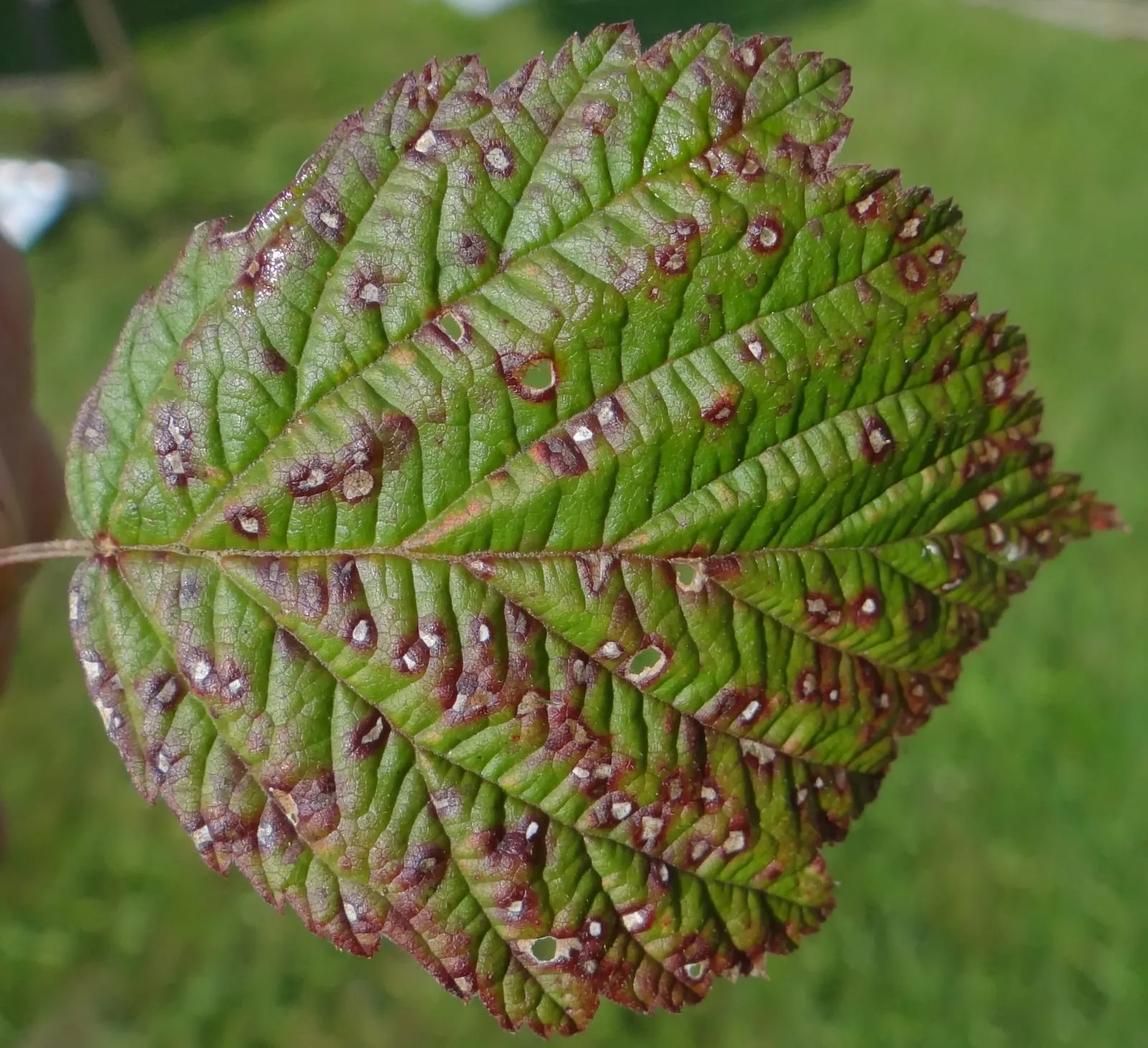
Elsinoe veneta
Fungal cane disease causing purple-bordered lesions that girdle and weaken bramble and Ribes canes, reducing yield over consecutive seasons.
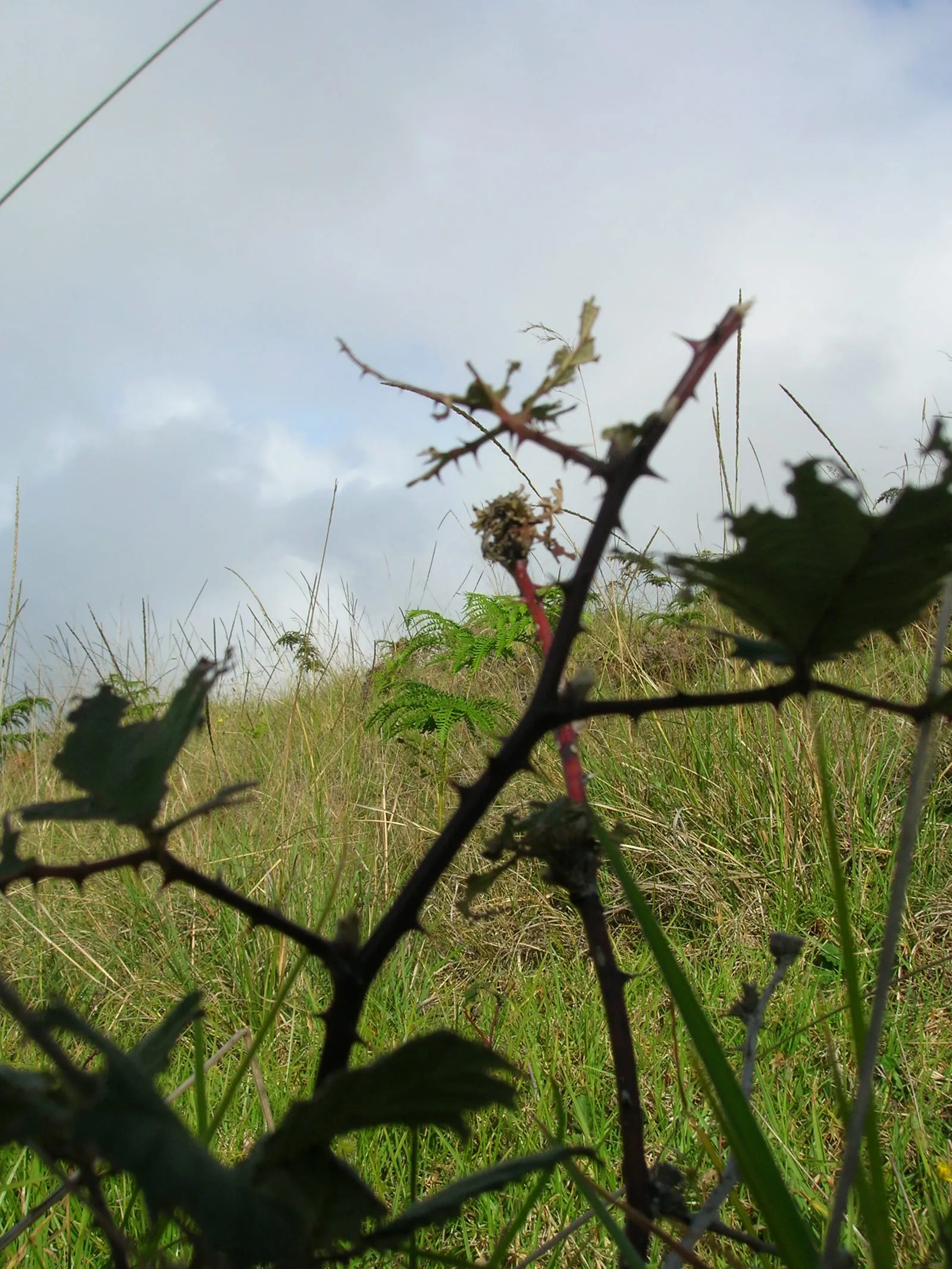
Leptosphaeria coniothyrium
Fungal disease that enters through wounds (often from cane-borer or pruning cuts) and causes dark cankers that wilt and kill canes.
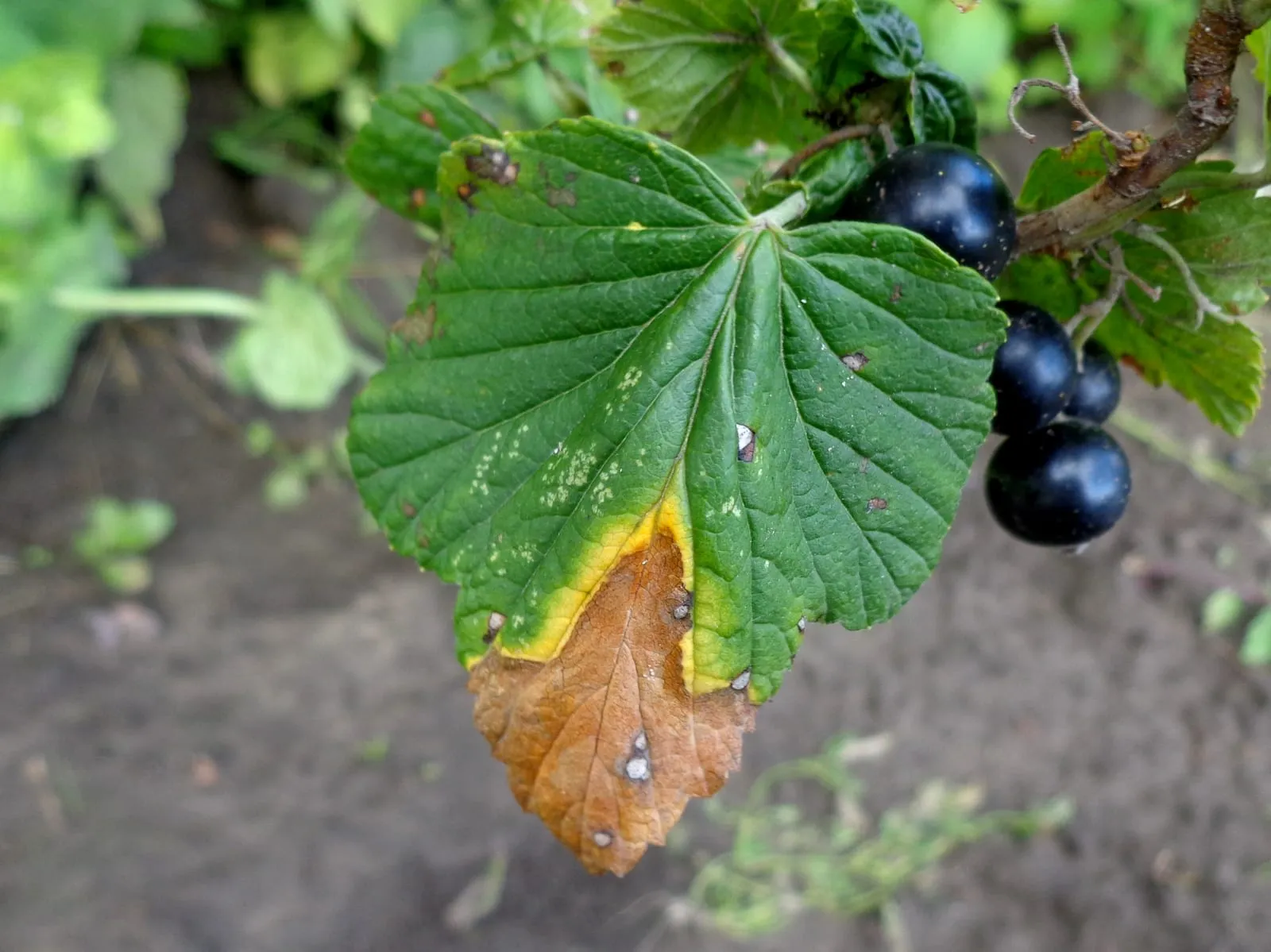
Didymella applanata
Fungal disease that produces purple-brown lesions at leaf nodes on red and yellow raspberry canes, weakening fruiting laterals.
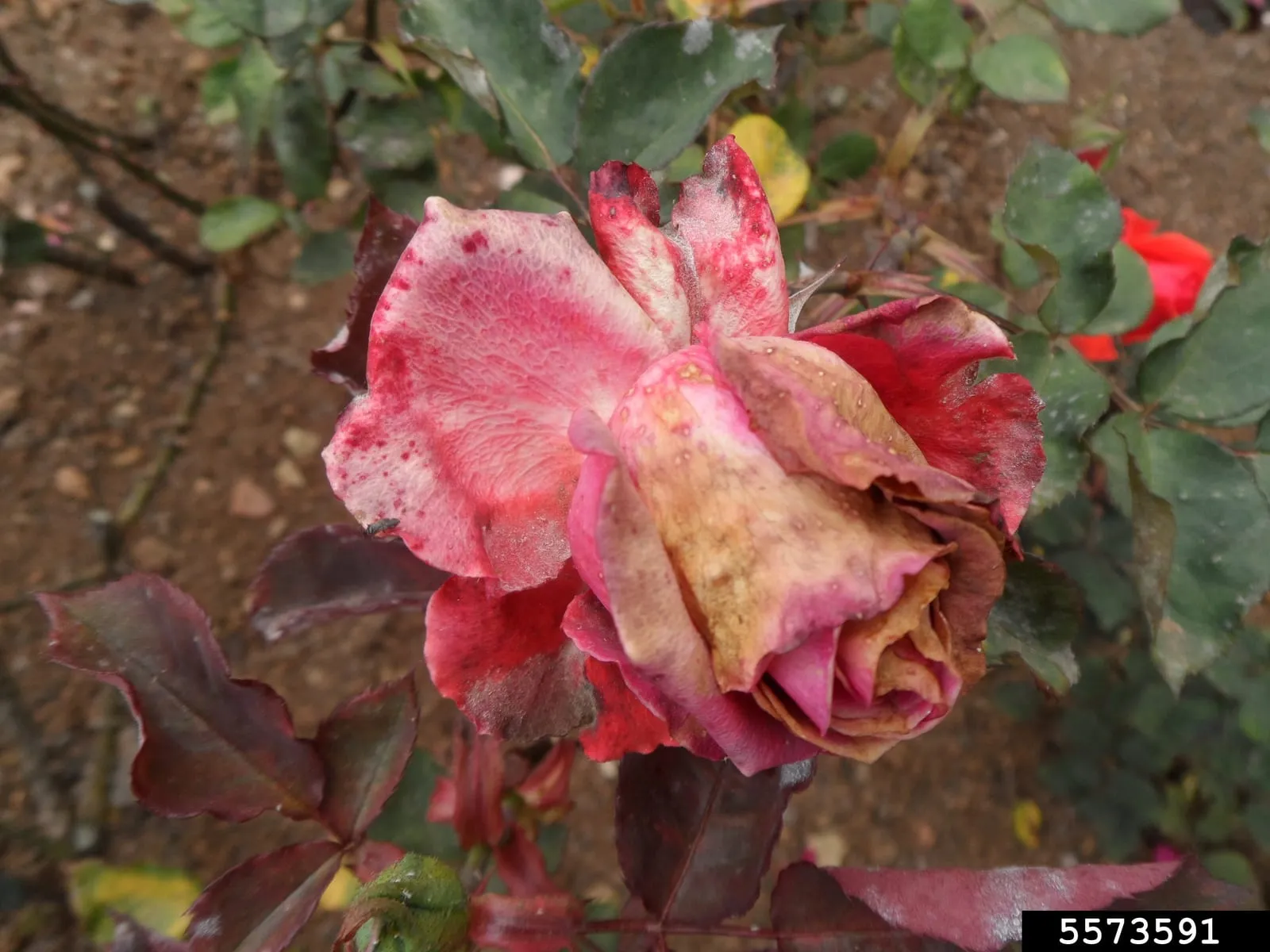
Botrytis cinerea
Ubiquitous fungal disease that causes fruit rot during cool wet weather, often the dominant berry disease in humid regions.
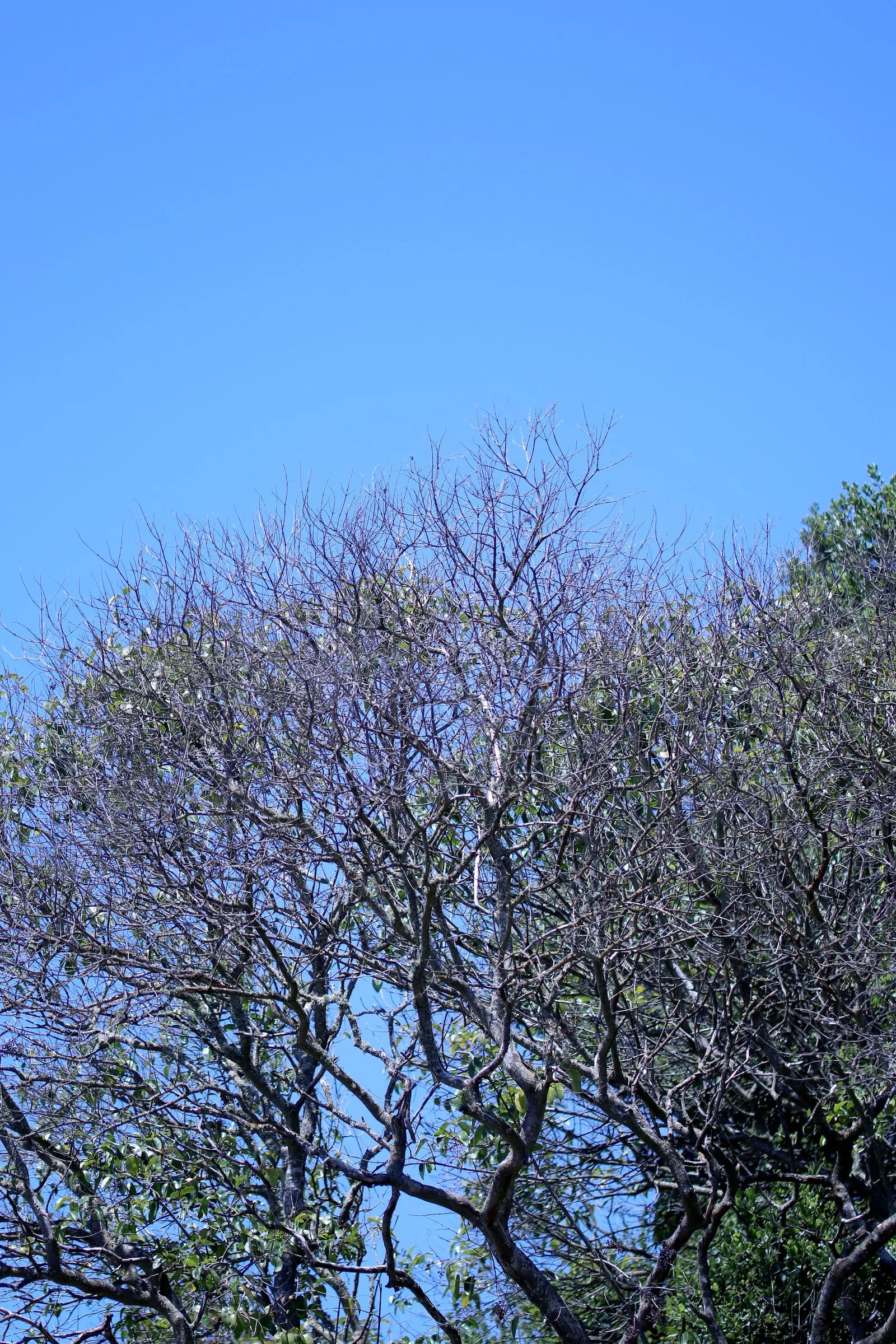
Phytophthora species
Soil-borne water mold that destroys roots in waterlogged soils, the leading cause of blueberry decline in poorly drained sites.
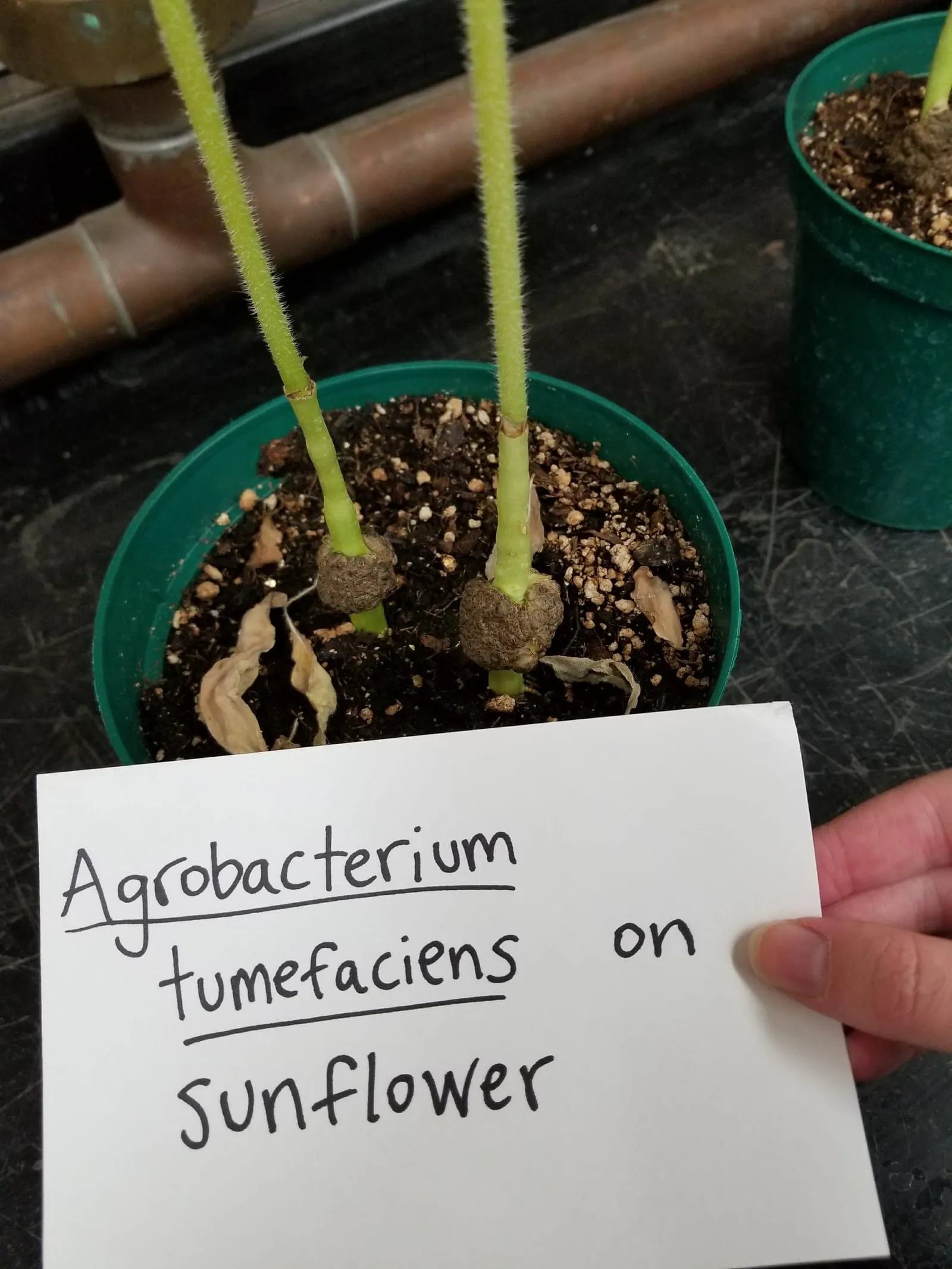
Agrobacterium tumefaciens
Soil-borne bacterium that enters plants through wounds and induces tumor-like galls on roots, crown, and lower stems. Galls reduce vigor and shorten plant lifespan; on Rubus the disease is often fatal.
Modified care for zone 7a
The biggest adjustment in zone 7a is managing disease pressure through the humid growing season. Cane Anthracnose, Spur Blight, and Gray Mold (Botrytis) all thrive in the warm, wet conditions typical of zone 7a springs. Pruning for open canopy airflow is the primary tool for keeping those diseases in check. Spent floricanes should come out immediately after harvest rather than waiting until fall.
Mulch heavily to suppress Phytophthora Root Rot risk, but keep mulch away from cane bases to reduce fungal inoculum at the crown. Orange Rust cannot be managed with fungicides once established; infected canes must be removed and destroyed. Summer heat stress is best offset with consistent drip irrigation, especially during fruit set. Overhead watering should be avoided entirely in this zone.
Red Raspberry in adjacent zones
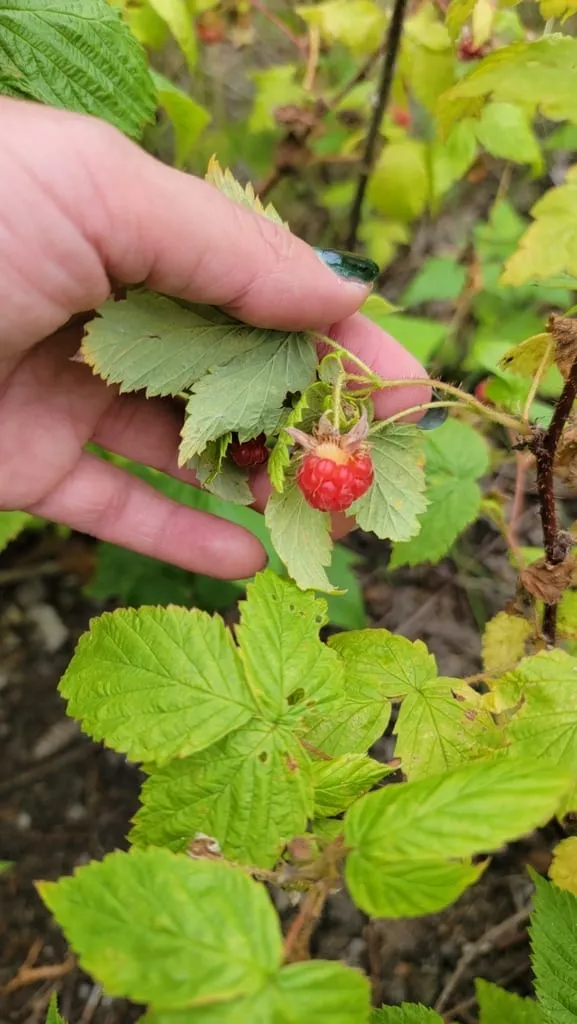
Image: "American red raspberry", by Lauren Markewicz, via iNaturalist, licensed under CC-BY Source.
Related