berry in zone 7b
Growing red raspberry in zone 7b
Rubus idaeus
- Zone
- 7b 5°F to 10°F
- Growing season
- 220 days
- Chill needed
- 800 to 1600 below 45°F
- Suitable varieties
- 3
- Days to harvest
- 30 to 50
The verdict
Zone 7b sits near the warm edge of red raspberry's viable range. The crop typically requires 800 to 1,600 chill hours depending on variety, and zone 7b accumulates roughly 700 to 1,100 chill hours in most years, enough for lower-threshold varieties but unreliable for those needing the upper end of that range. Heritage, Caroline, and Joan J are the practical choices here; all three tolerate the heat and humidity of the piedmont and upper South better than older northern varieties.
This is not a sweet spot for red raspberries. It is a workable zone if variety selection is disciplined and disease management is active. Growers at higher elevations in the western part of the zone, where chill accumulation is more consistent, will have more predictable results than those at low-elevation coastal plain sites. Marginal chill years will show up as poor cane vigor and uneven fruiting, particularly in summer-bearing types.
Recommended varieties for zone 7b
3 cultivars suited to this zone, with disease-resistance and zone-fit annotations.
| Variety | Notes | Zone fit | Disease resistance |
|---|---|---|---|
| Heritage fits zone 7b | Sweet-tart, classic raspberry flavor, medium-firm; fresh, jam, freezing. The everbearing standard, primary fall crop on first-year canes; mow to ground each spring for clean fall-only harvest. | | none noted |
| Caroline fits zone 7b | Rich, sweet, intensely flavored, soft texture; fresh eating premium. Everbearing, productive in southern raspberry range, heat-tolerant. | | none noted |
| Joan J fits zone 7b | Sweet, large, dark red berries with rich flavor; fresh eating premium. Spineless everbearing, easy to harvest, productive fall crop. | | none noted |
Critical timing for zone 7b
Red raspberry canes in zone 7b typically bloom between late March and mid-April, putting blossoms at real risk from late freezes that can push into early April. Last frost in much of the zone falls between March 25 and April 10 depending on site and elevation.
Summer-bearing types produce a single crop in June through early July. Everbearing varieties such as Heritage and Caroline carry a late-summer to fall crop beginning in late August and running through October, well inside the zone's 220-day season. The fall crop is often more reliable in zone 7b than the summer crop: it avoids the peak of Japanese beetle pressure and produces fruit before late-season disease pressure reaches its highest intensity in August and September.
Common challenges in zone 7b
- ▸ Cedar-apple rust pressure heavy in piedmont
- ▸ Japanese beetles
- ▸ Brown marmorated stink bug
- ▸ Late summer disease pressure
Disease pressure to watch for
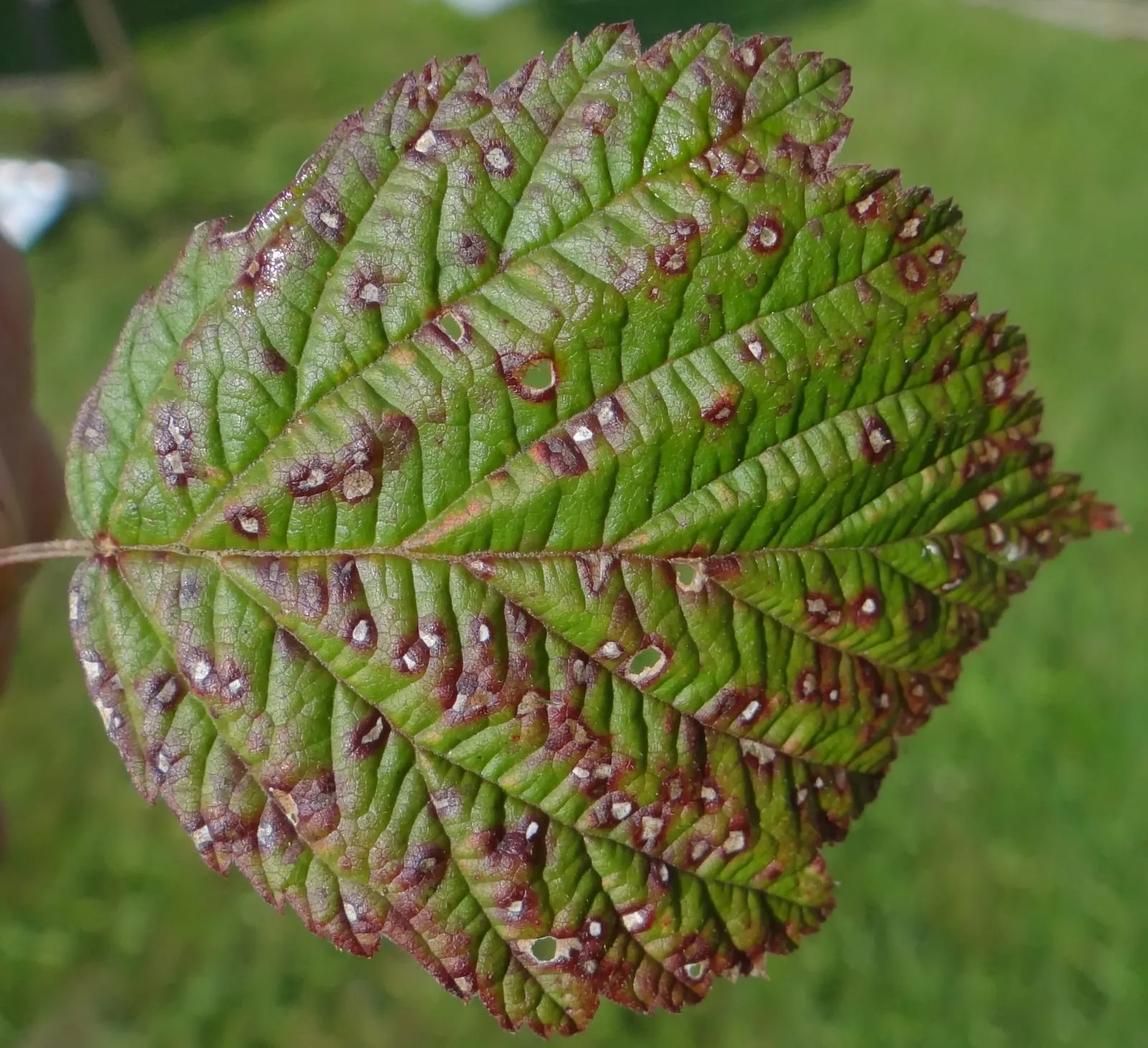
Elsinoe veneta
Fungal cane disease causing purple-bordered lesions that girdle and weaken bramble and Ribes canes, reducing yield over consecutive seasons.
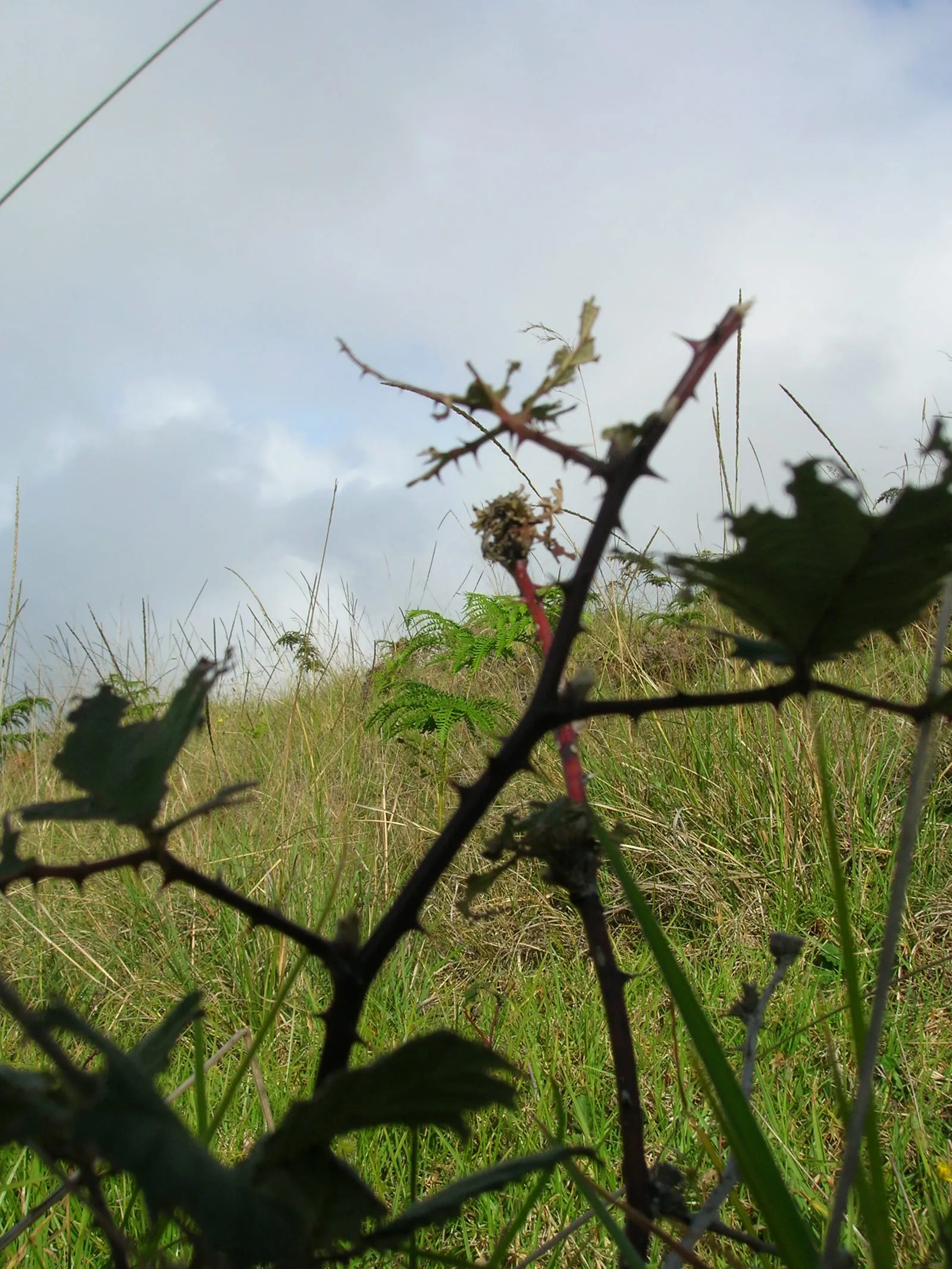
Leptosphaeria coniothyrium
Fungal disease that enters through wounds (often from cane-borer or pruning cuts) and causes dark cankers that wilt and kill canes.
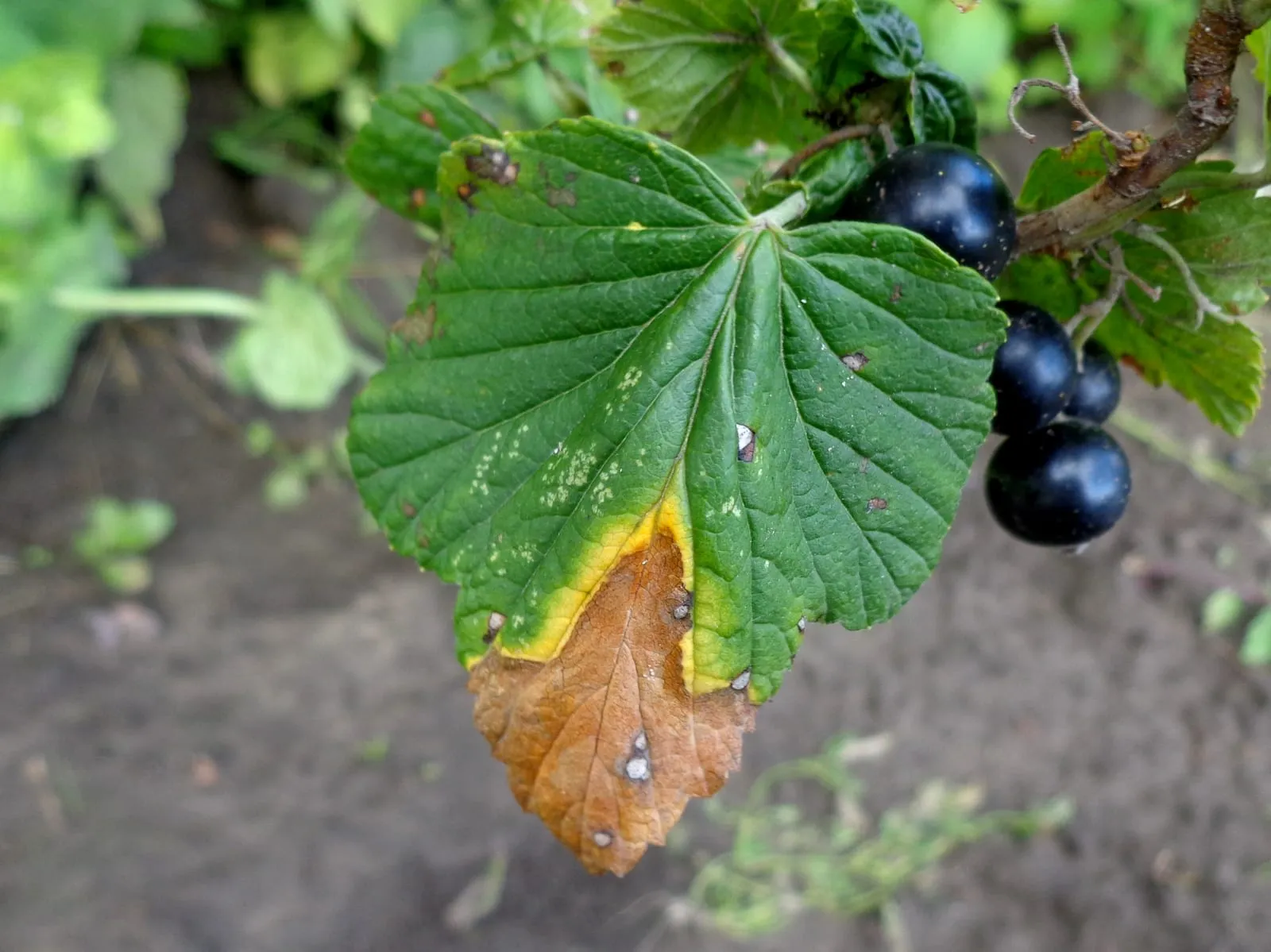
Didymella applanata
Fungal disease that produces purple-brown lesions at leaf nodes on red and yellow raspberry canes, weakening fruiting laterals.
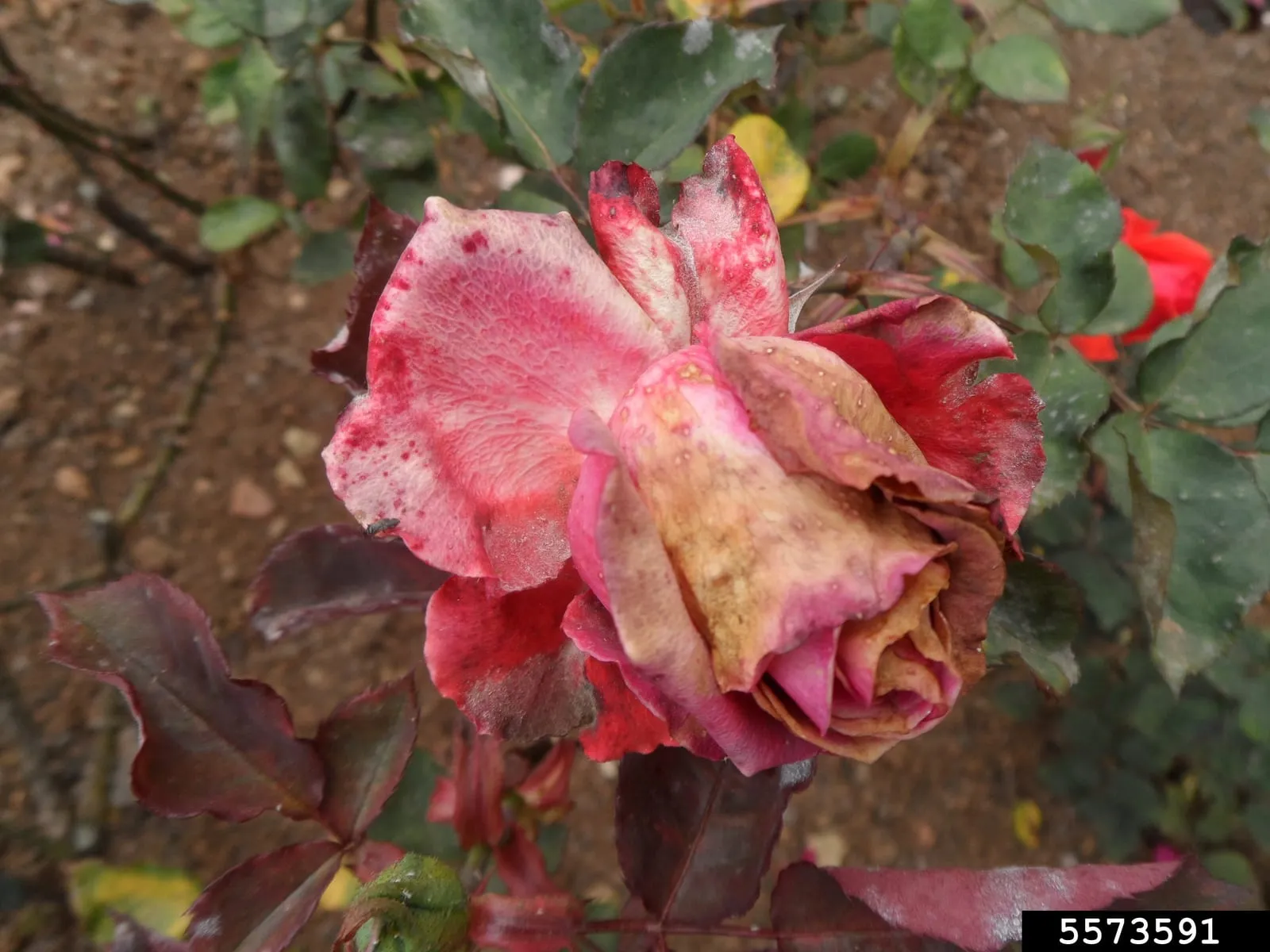
Botrytis cinerea
Ubiquitous fungal disease that causes fruit rot during cool wet weather, often the dominant berry disease in humid regions.
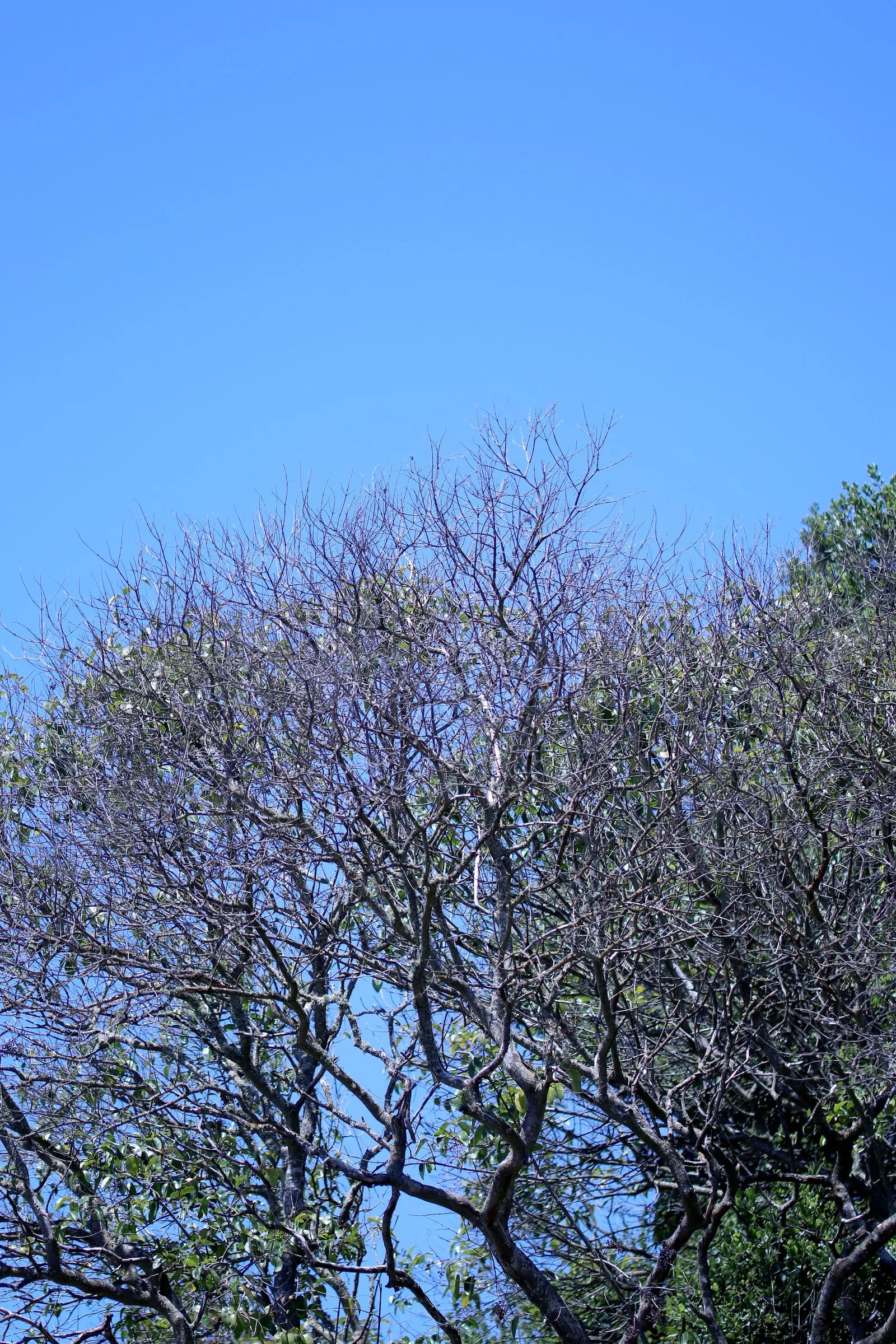
Phytophthora species
Soil-borne water mold that destroys roots in waterlogged soils, the leading cause of blueberry decline in poorly drained sites.
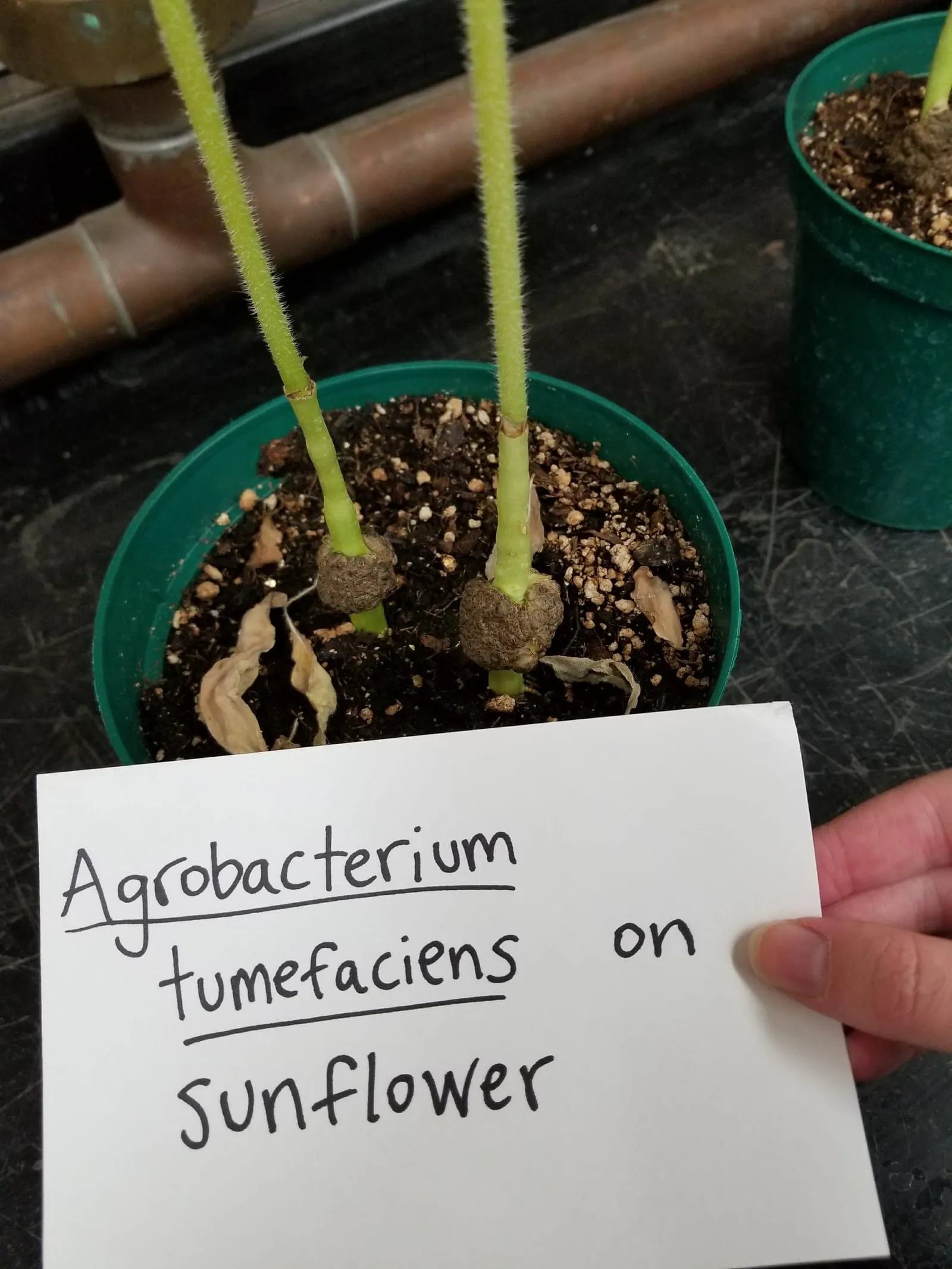
Agrobacterium tumefaciens
Soil-borne bacterium that enters plants through wounds and induces tumor-like galls on roots, crown, and lower stems. Galls reduce vigor and shorten plant lifespan; on Rubus the disease is often fatal.
Modified care for zone 7b
Two pressures distinguish zone 7b from cooler parts of red raspberry's range: heat stress in July and August, and persistent cane disease fueled by summer humidity.
Raised beds with sharp drainage are strongly recommended. Clay-heavy piedmont soils hold moisture long enough to trigger Phytophthora root rot even without excessive irrigation. Gray mold and cane anthracnose both accelerate under warm, humid conditions; removing spent floricanes immediately after harvest, rather than waiting until dormancy, disrupts the overwintering disease cycle. Drip irrigation instead of overhead watering keeps foliage dry and slows the spread of spur blight and orange rust.
Japanese beetles and brown marmorated stink bug peak in July during active fruit development and require either row covers or daily scouting. Heavy mulching moderates root-zone temperatures, which can climb high enough during prolonged heat to reduce cane productivity in exposed beds.
Red Raspberry in adjacent zones
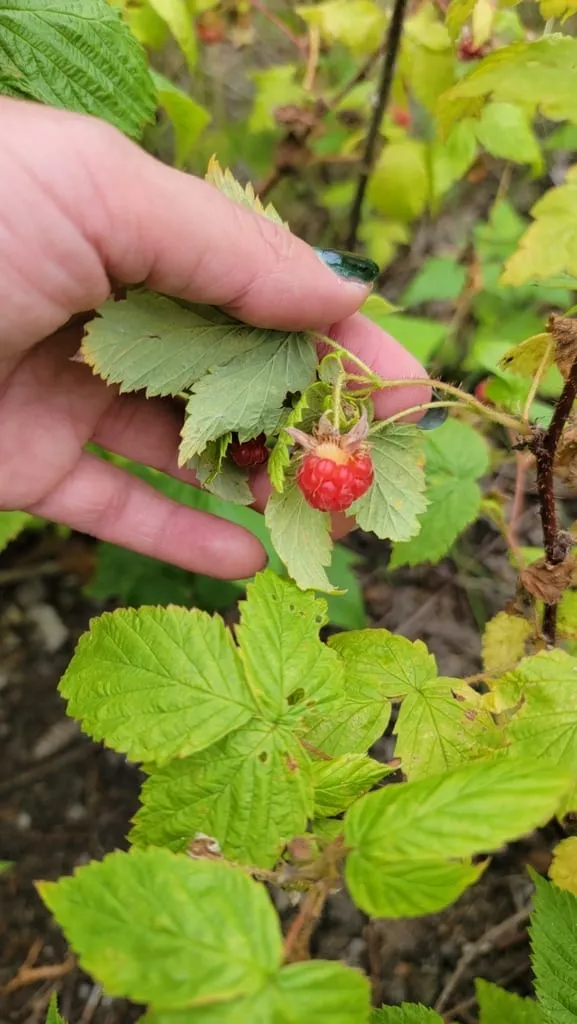
Image: "American red raspberry", by Lauren Markewicz, via iNaturalist, licensed under CC-BY Source.
Related