berry in zone 8a
Growing red raspberry in zone 8a
Rubus idaeus
- Zone
- 8a 10°F to 15°F
- Growing season
- 240 days
- Chill needed
- 800 to 1600 below 45°F
- Suitable varieties
- 1
- Days to harvest
- 30 to 50
The verdict
Zone 8a sits at the warm edge of red raspberry's viable range. Standard red raspberry varieties require 800 to 1,600 chill hours to break dormancy and fruit reliably, and zone 8a often falls short of that floor in mild winters. The result is erratic fruiting, reduced yield, or outright failure with most northern-bred cultivars.
Caroline, an everbearing variety developed with southern performance in mind, is the practical exception. It tolerates chill-hour deficits better than most red raspberries and produces a fall crop that typically outperforms its summer flush in warmer climates. That said, even Caroline will underperform in the hotter inland portions of zone 8a where summer heat compounds the chill-hour shortfall.
This is a marginal zone for red raspberry, not a sweet spot. Growers should set realistic expectations: smaller yields, shorter productive windows, and higher crop loss risk compared to zones 5 through 7. Success depends heavily on microclimate, specifically cooler north-facing slopes or low-lying areas with reliable winter chill.
Recommended varieties for zone 8a
1 cultivar suited to this zone, with disease-resistance and zone-fit annotations.
| Variety | Notes | Zone fit | Disease resistance |
|---|---|---|---|
| Caroline fits zone 8a | Rich, sweet, intensely flavored, soft texture; fresh eating premium. Everbearing, productive in southern raspberry range, heat-tolerant. | | none noted |
Critical timing for zone 8a
In zone 8a, red raspberry canes begin breaking dormancy and leafing out in late February to early March, earlier than in most of the crop's primary range. Bloom follows in March. The zone's final hard freeze risk typically extends into late February, meaning a late cold snap can damage open flowers and reduce summer crop set.
Caroline's everbearing habit produces two flushes: a summer crop from overwintered floricanes in June, and a fall crop from new primocanes starting in August and running through October. In zone 8a heat, the fall crop is usually the more productive of the two. Harvest of the fall flush benefits from cooling temperatures and tends to produce better flavor and firmness than berries ripened in peak summer.
Growers who cut all canes to the ground in late winter can skip the summer crop entirely and focus the plant's energy on the fall harvest, a common approach in the South.
Common challenges in zone 8a
- ▸ Insufficient chill hours for some apple varieties
- ▸ Pierce's disease in grapes
- ▸ Heat stress on cool-season crops
Disease pressure to watch for
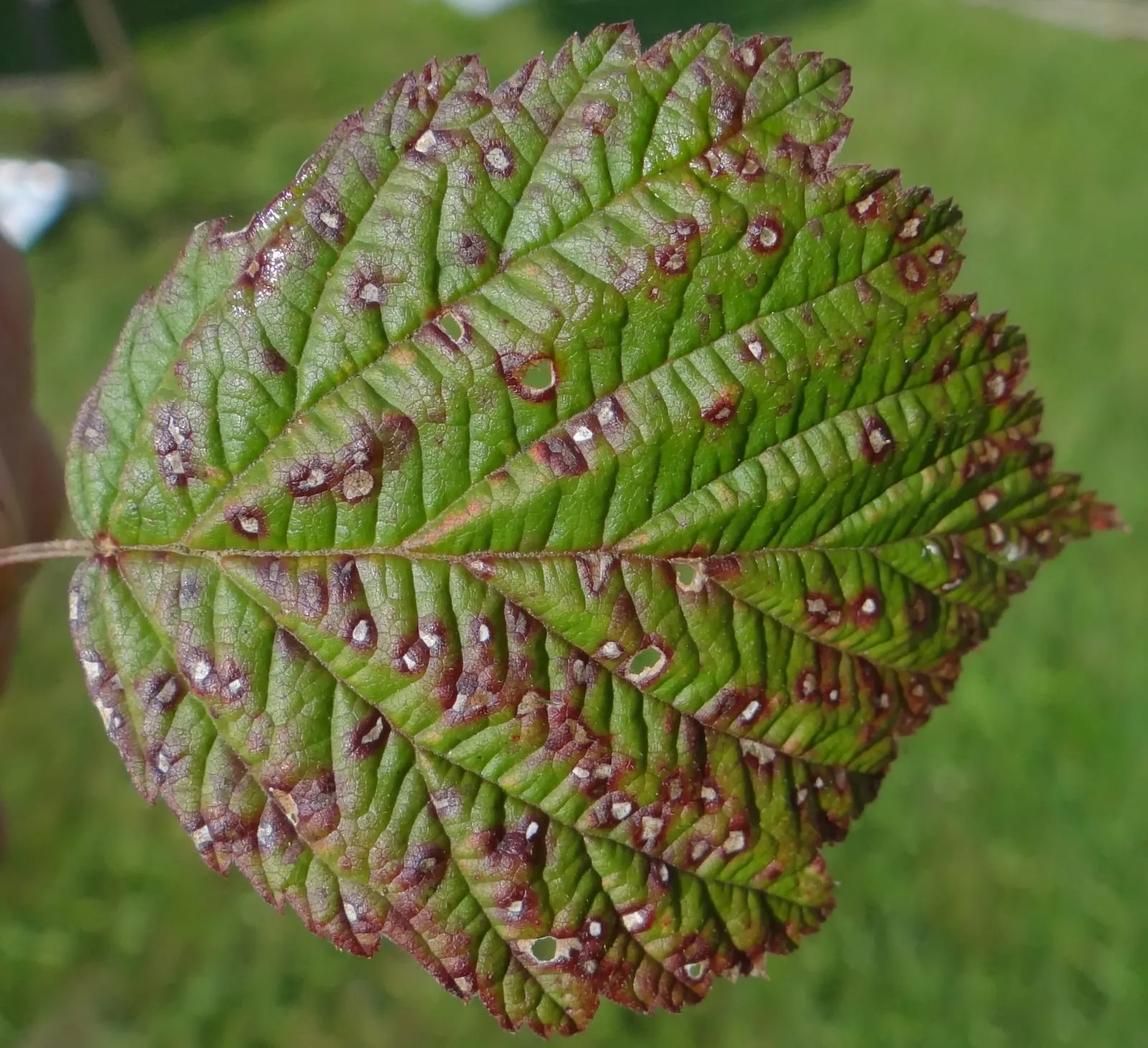
Elsinoe veneta
Fungal cane disease causing purple-bordered lesions that girdle and weaken bramble and Ribes canes, reducing yield over consecutive seasons.
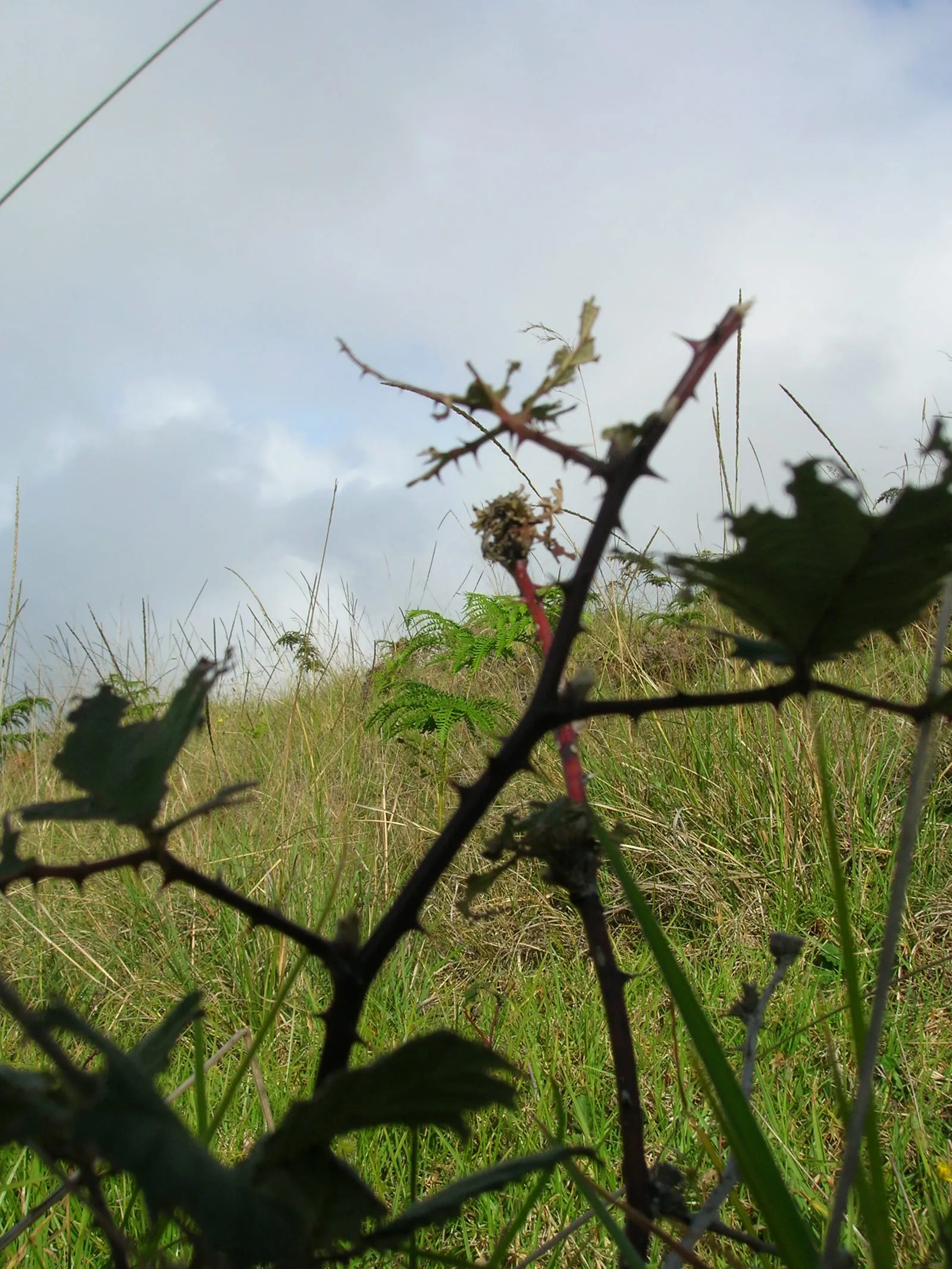
Leptosphaeria coniothyrium
Fungal disease that enters through wounds (often from cane-borer or pruning cuts) and causes dark cankers that wilt and kill canes.
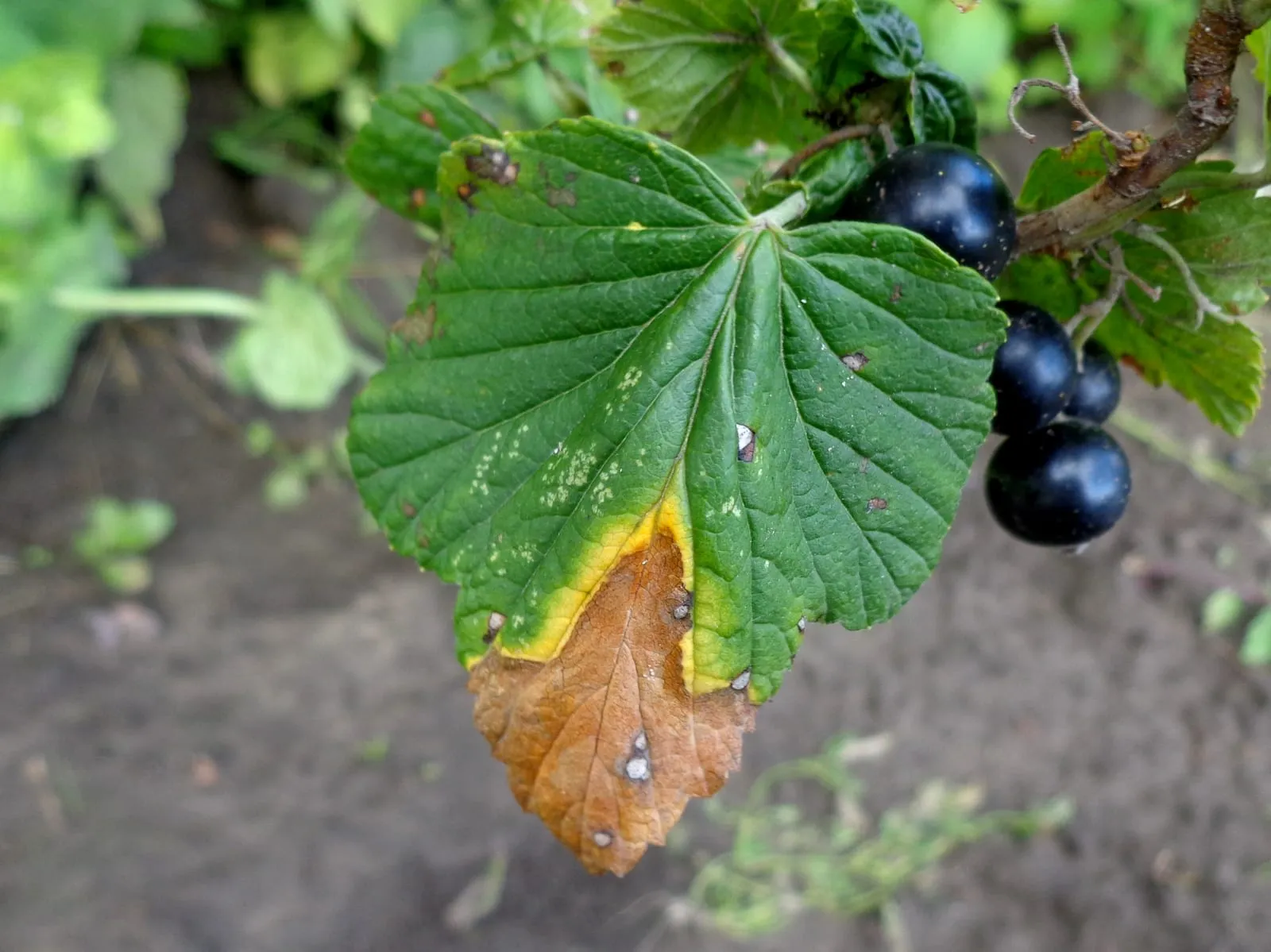
Didymella applanata
Fungal disease that produces purple-brown lesions at leaf nodes on red and yellow raspberry canes, weakening fruiting laterals.
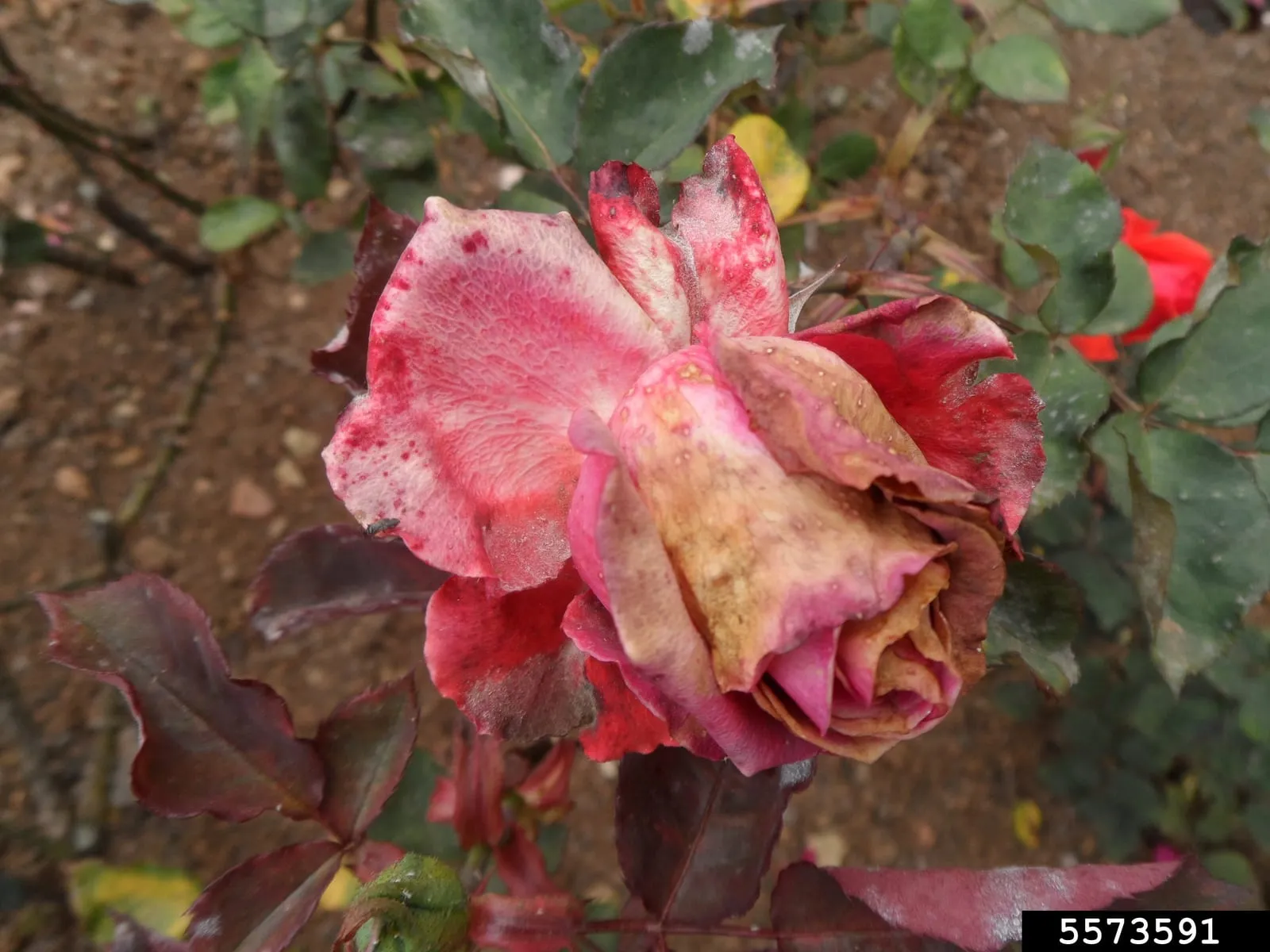
Botrytis cinerea
Ubiquitous fungal disease that causes fruit rot during cool wet weather, often the dominant berry disease in humid regions.
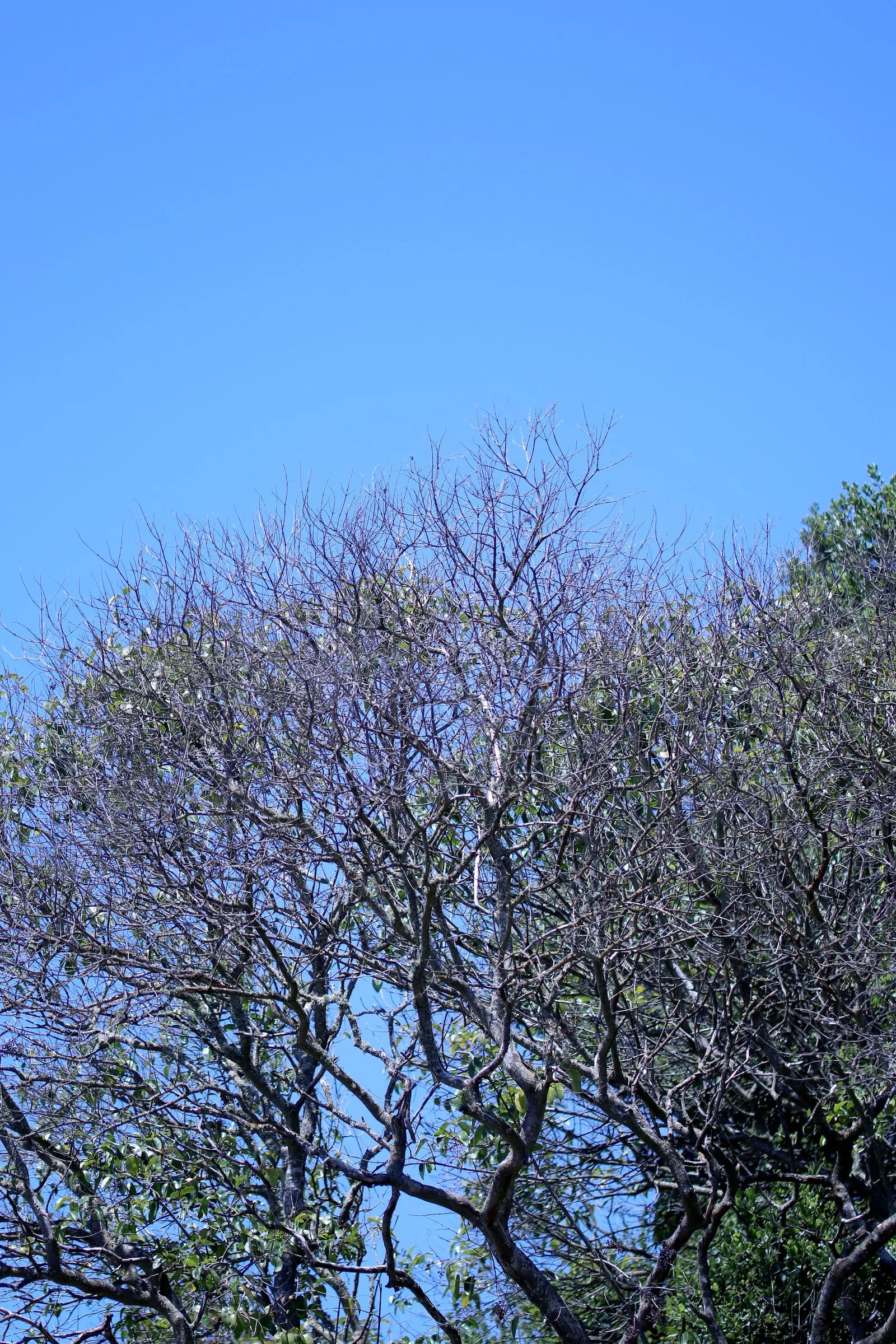
Phytophthora species
Soil-borne water mold that destroys roots in waterlogged soils, the leading cause of blueberry decline in poorly drained sites.
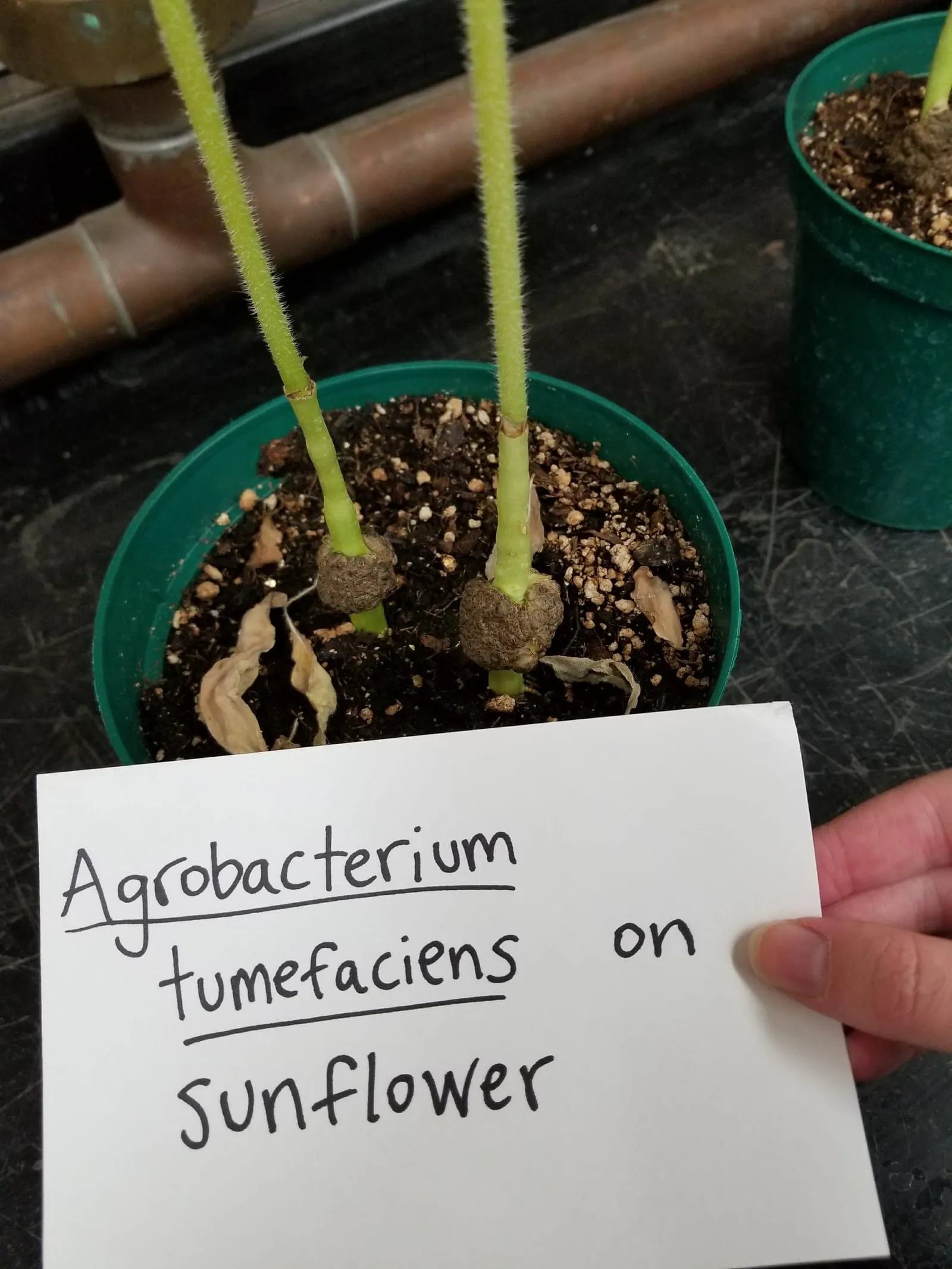
Agrobacterium tumefaciens
Soil-borne bacterium that enters plants through wounds and induces tumor-like galls on roots, crown, and lower stems. Galls reduce vigor and shorten plant lifespan; on Rubus the disease is often fatal.
Modified care for zone 8a
Heat and humidity are the defining management challenges in zone 8a. Raspberries prefer cool root zones; a 3 to 4 inch layer of organic mulch over the root area is not optional here, it is the difference between stressed and productive plants through summer.
Disease management requires more active attention than in cooler zones. The warm, wet conditions common across zone 8a amplify pressure from Cane Anthracnose, Cane Blight, Spur Blight, and Gray Mold. Sanitation matters: remove and dispose of spent floricanes promptly after harvest rather than leaving them in the row. Improving air circulation through aggressive thinning reduces Botrytis risk on ripening fruit.
Phytophthora Root Rot is a serious threat on heavy or poorly drained soils. Raised rows or raised beds are strongly advisable if drainage is uncertain. No amount of fungicide management compensates for waterlogged roots. Site selection with this in mind is more effective than any reactive treatment.
Frequently asked questions
- Can red raspberries survive zone 8a winters?
Yes, winter cold is not the limiting factor in zone 8a. The challenge is insufficient chill hours to break dormancy reliably. Zone 8a minimums of 10 to 15°F are well within the crop's cold hardiness range; the problem is warm winters that don't accumulate the 800 or more chill hours most varieties require.
- Which red raspberry variety is best suited for zone 8a?
Caroline is the most commonly recommended variety for zone 8a. It is an everbearing type with better heat tolerance and lower effective chill-hour requirements than most standard red raspberries. It performs best when managed for the fall crop rather than the summer flush.
- Why does the fall crop outperform the summer crop in zone 8a?
Summer heat in zone 8a stresses the plants during peak fruit development, reducing berry size and flavor. The fall crop on new primocanes ripens as temperatures moderate in September and October, resulting in better fruit quality and often higher yield from the same planting.
- How do I manage Phytophthora Root Rot in zone 8a?
Site selection and drainage are the primary controls. Plant in raised rows or raised beds on well-drained soil. Avoid planting in low spots or areas with a history of standing water. Once established, fungicide drenches offer limited benefit if drainage is not first corrected.
+−
+−
+−
+−
Red Raspberry in adjacent zones
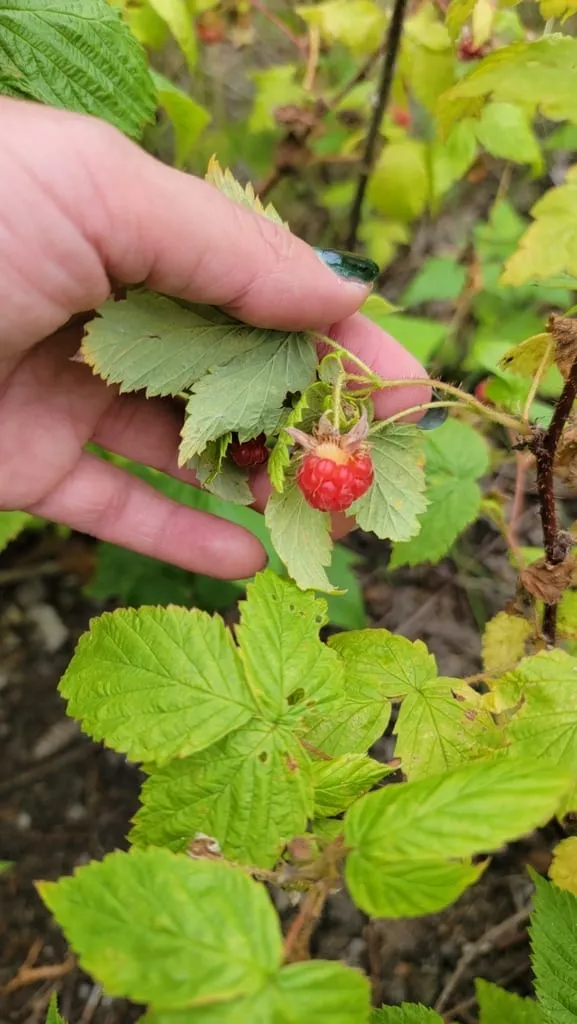
Image: "American red raspberry", by Lauren Markewicz, via iNaturalist, licensed under CC-BY Source.
Related