berry in zone 3b
Growing red raspberry in zone 3b
Rubus idaeus
- Zone
- 3b -35°F to -30°F
- Growing season
- 100 days
- Chill needed
- 800 to 1600 below 45°F
- Suitable varieties
- 2
- Days to harvest
- 30 to 50
The verdict
Red raspberry is genuinely well-suited to zone 3b, making this a sweet spot rather than a marginal growing environment. The crop's chill-hour requirement of 800 to 1,600 hours is reliably satisfied in a zone where winter temperatures reach -35 to -30 degrees F. The 100-day growing season is short but adequate for early-ripening varieties bred specifically for northern climates, particularly Boyne and Latham.
The primary limiting factor in zone 3b is not cold temperatures but winter desiccation. Fully dormant canes tolerate the zone's lows without difficulty; damage typically occurs at exposed cane tips that lose moisture during cold, dry periods when snow cover is absent or inconsistent. Where snow accumulation is reliable, zone 3b raspberry plantings can be highly productive. Where winters are cold and dry with variable snowfall, dieback above the snow line becomes the main yield constraint rather than any fundamental incompatibility between the crop and the zone.
Recommended varieties for zone 3b
2 cultivars suited to this zone, with disease-resistance and zone-fit annotations.
| Variety | Notes | Zone fit | Disease resistance |
|---|---|---|---|
| Boyne fits zone 3b | Sweet-tart, soft, classic raspberry flavor; fresh, jam, freezing. Summer-bearing, hardiest commercial red raspberry, reliable in zone 3. | | none noted |
| Latham fits zone 3b | Tart, firm, traditional flavor; fresh, processing, freezing. Old reliable summer-bearing variety, very cold-hardy and disease-tolerant. | | none noted |
Critical timing for zone 3b
In zone 3b, red raspberry canes typically break dormancy in late April to early May, with bloom following in late May or early June depending on spring conditions. The 100-day growing season places fruit ripening in July through early August for summer-bearing varieties. Bloom in zone 3b generally clears the last frost dates, but late May frosts remain a risk and can damage open flowers, which are substantially more cold-sensitive than dormant canes. Growers in frost pockets or low-elevation sites face more exposure than those on sloped ground with good cold-air drainage. Harvest typically wraps by mid-August, well ahead of the first fall frost, leaving adequate time for new primocane development before dormancy sets in.
Common challenges in zone 3b
- ▸ Short season
- ▸ Winter desiccation
- ▸ Site selection critical for fruit trees
Disease pressure to watch for
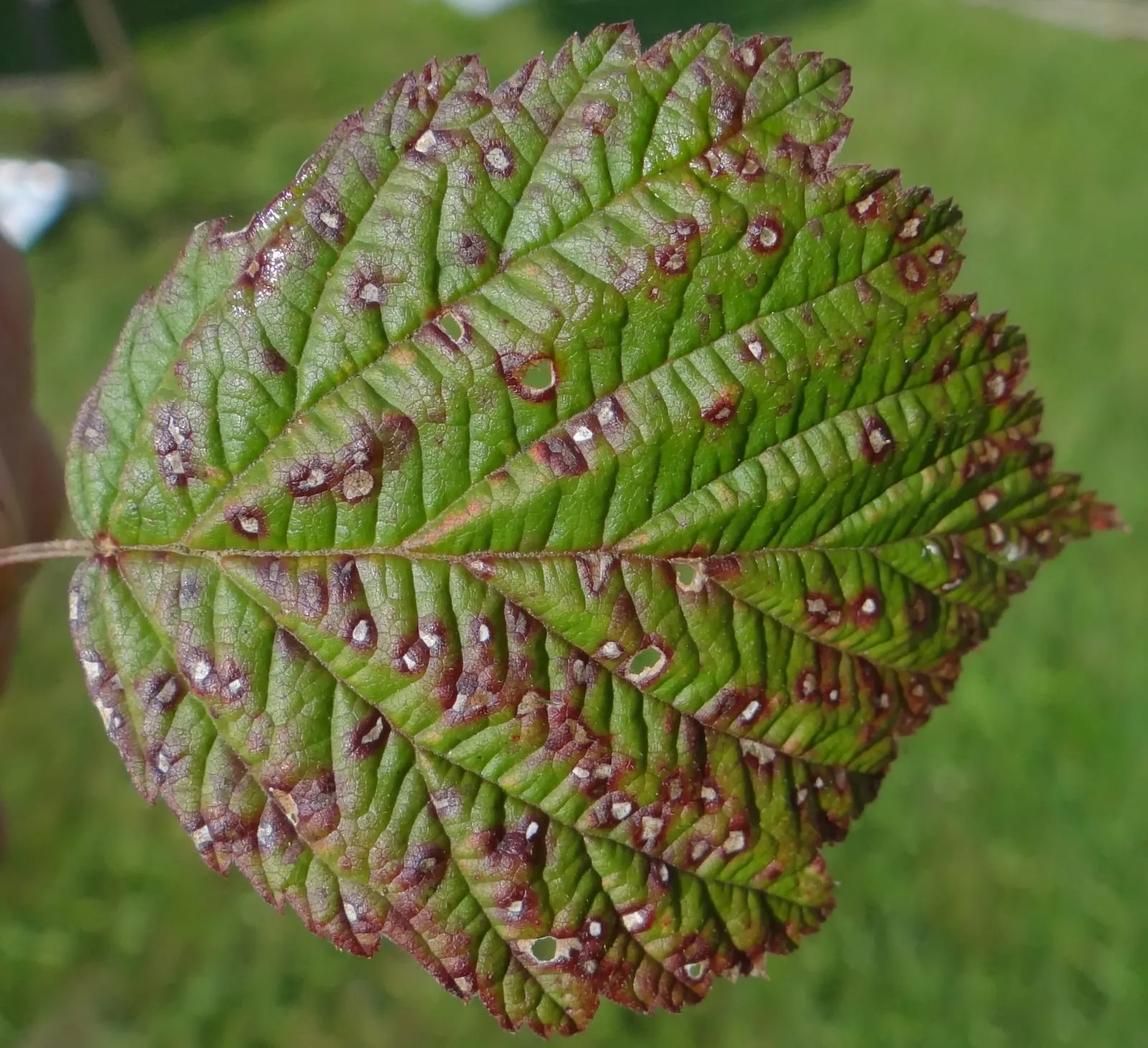
Elsinoe veneta
Fungal cane disease causing purple-bordered lesions that girdle and weaken bramble and Ribes canes, reducing yield over consecutive seasons.
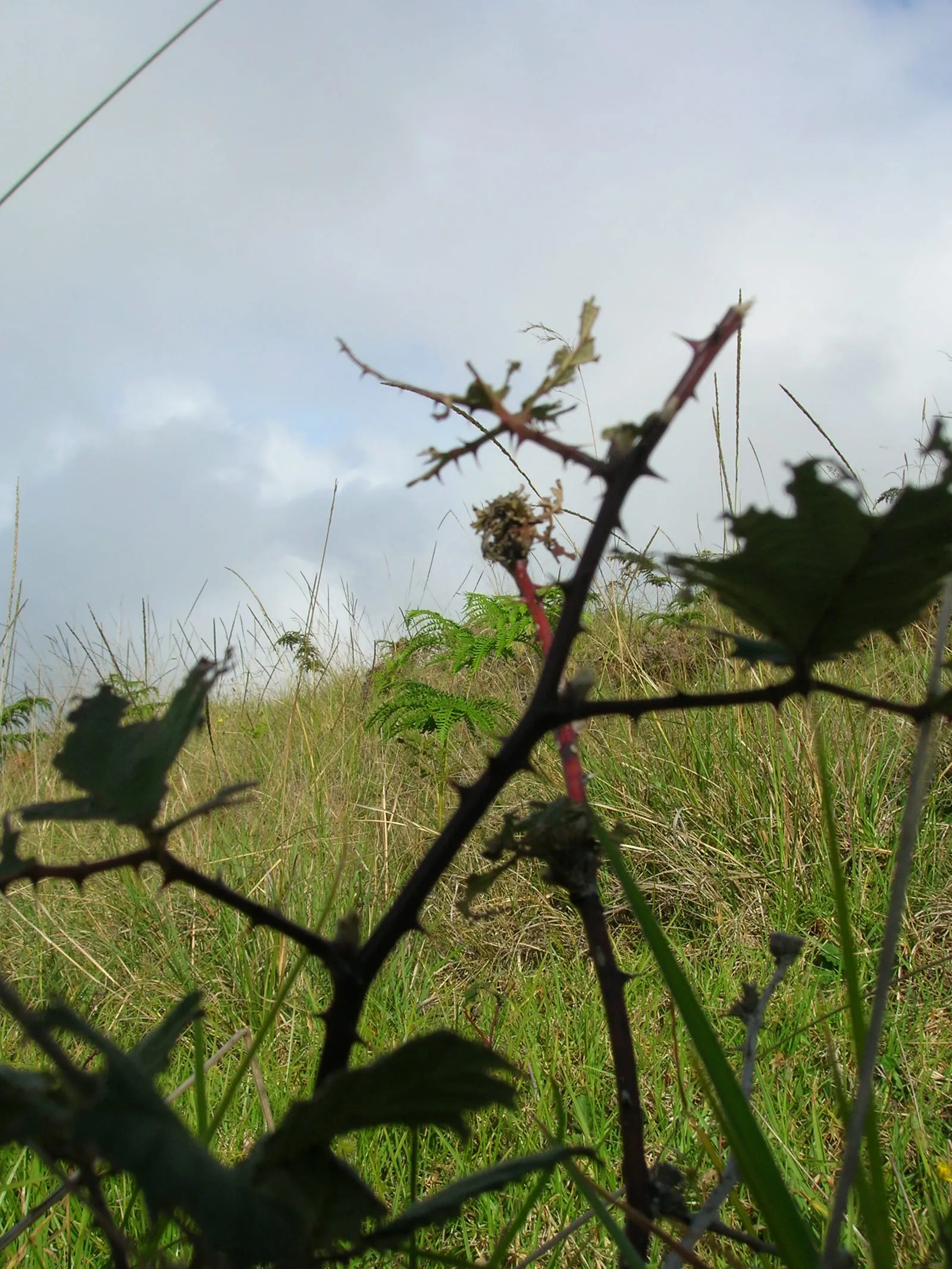
Leptosphaeria coniothyrium
Fungal disease that enters through wounds (often from cane-borer or pruning cuts) and causes dark cankers that wilt and kill canes.
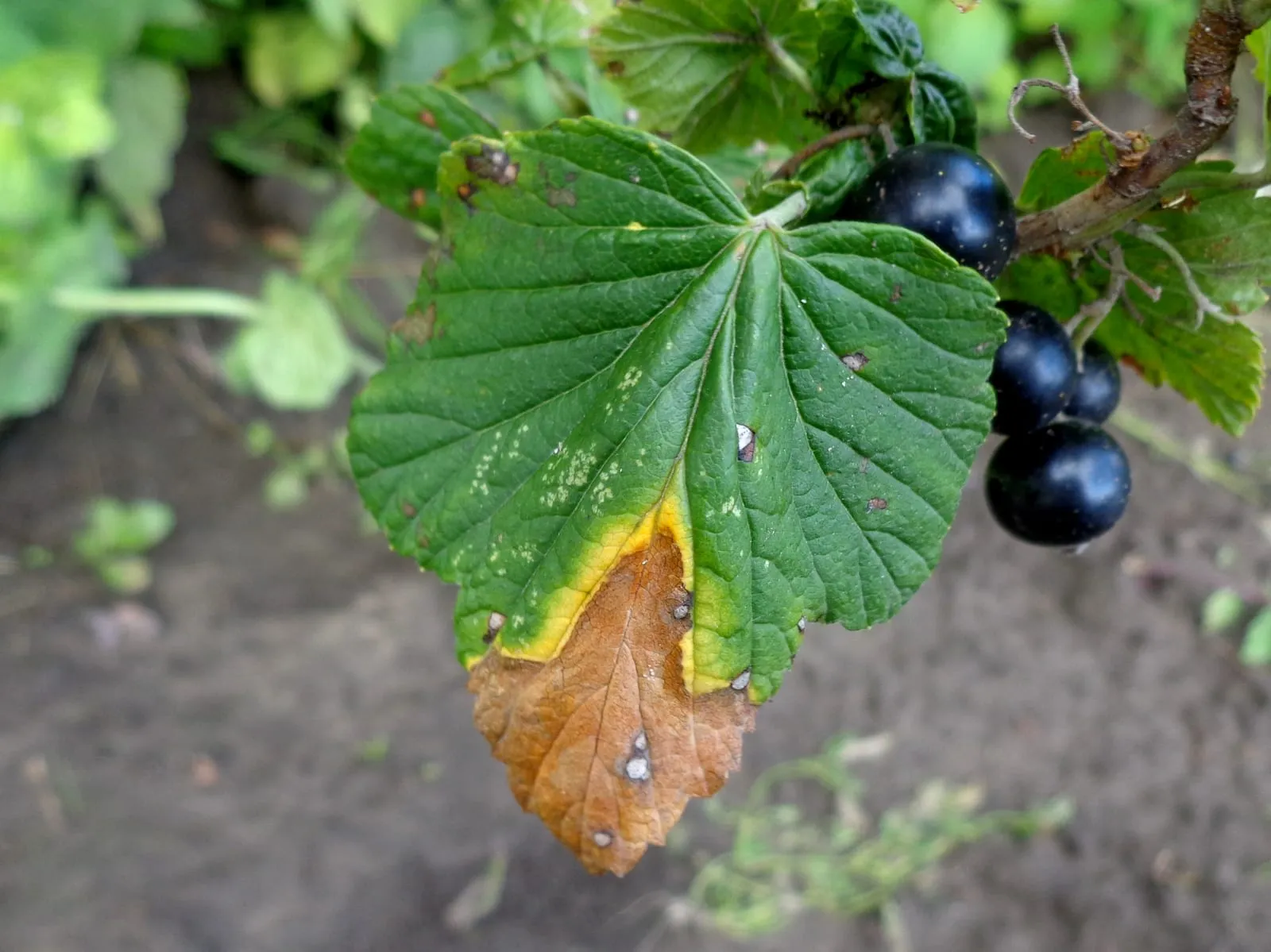
Didymella applanata
Fungal disease that produces purple-brown lesions at leaf nodes on red and yellow raspberry canes, weakening fruiting laterals.
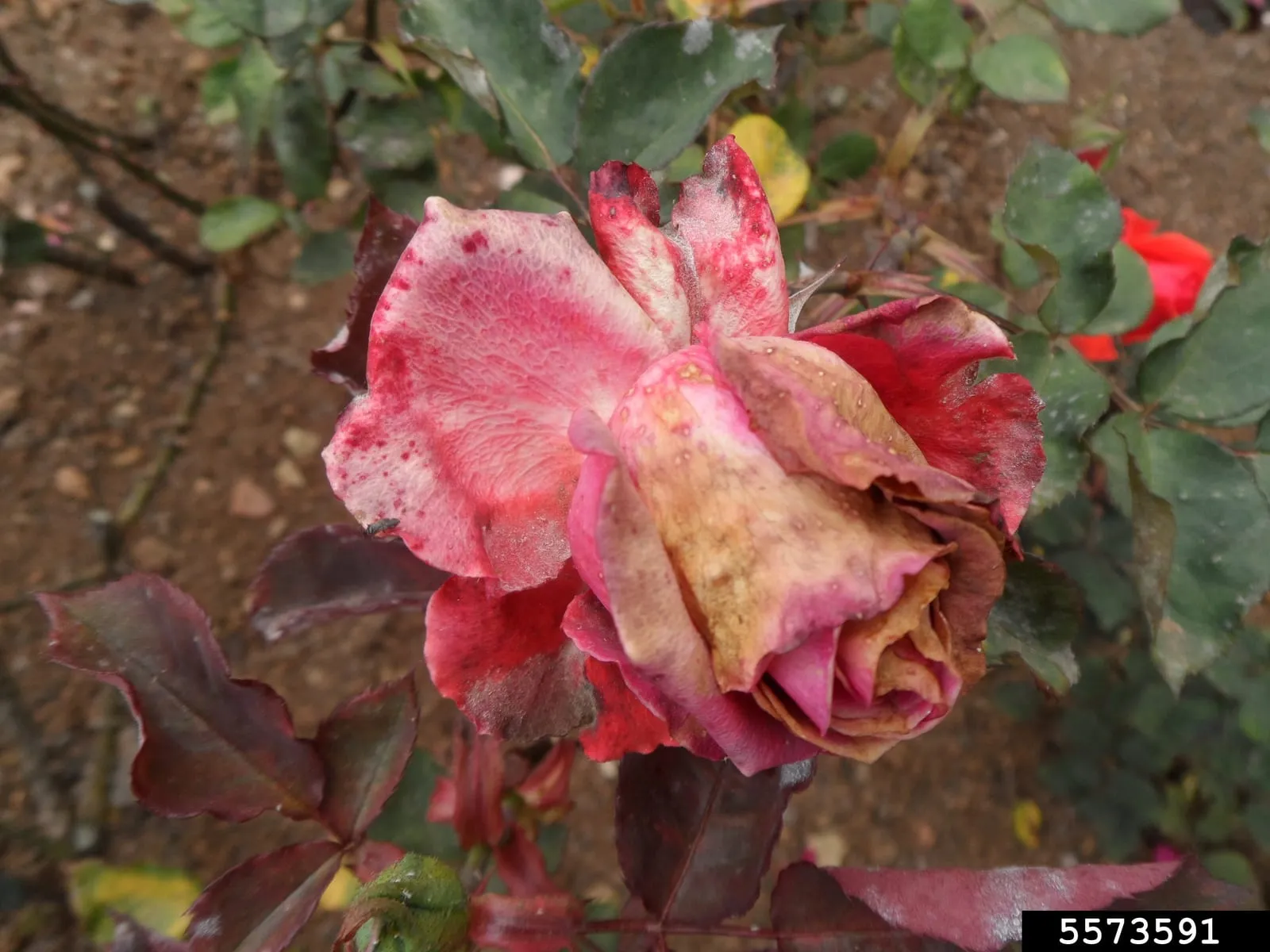
Botrytis cinerea
Ubiquitous fungal disease that causes fruit rot during cool wet weather, often the dominant berry disease in humid regions.
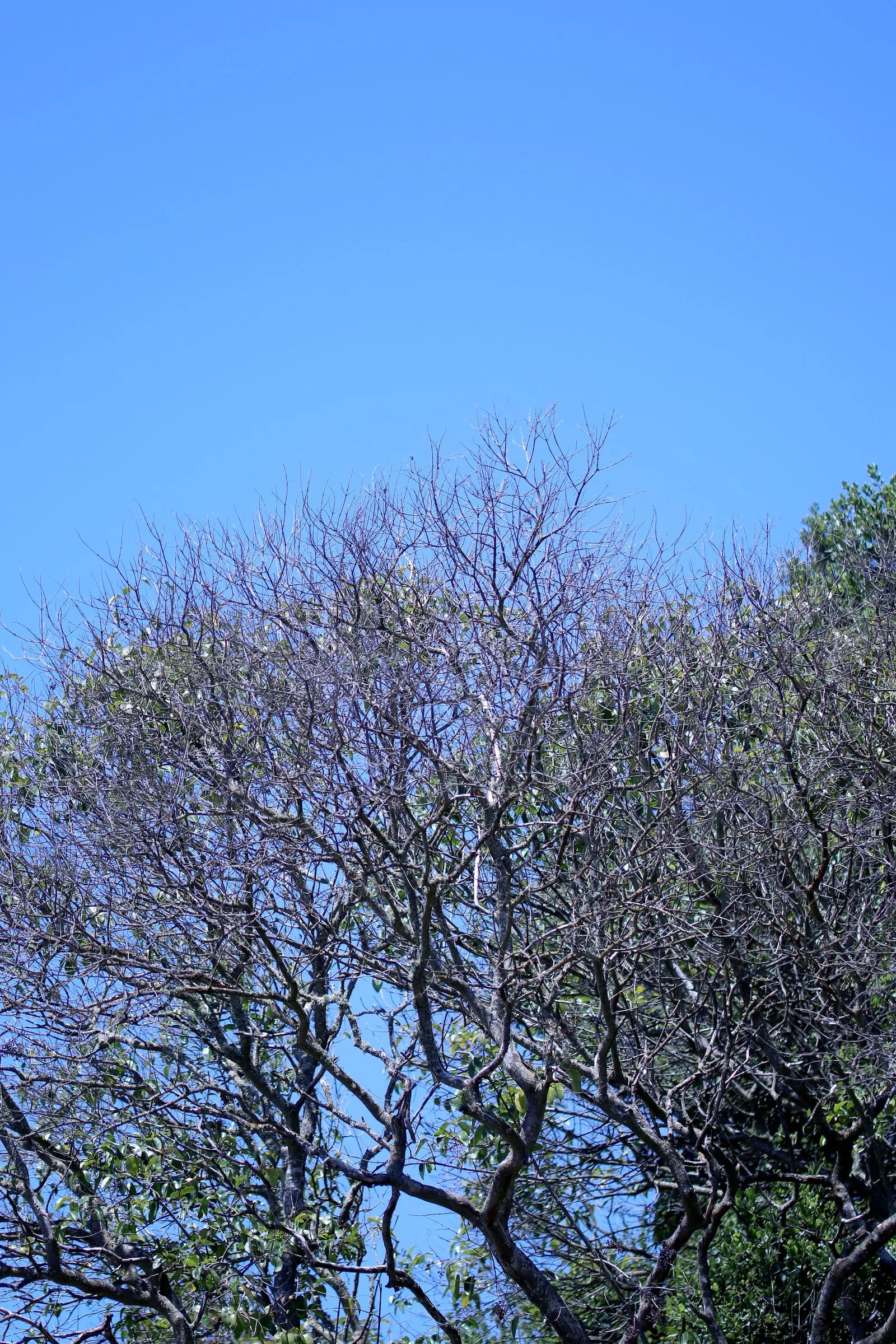
Phytophthora species
Soil-borne water mold that destroys roots in waterlogged soils, the leading cause of blueberry decline in poorly drained sites.
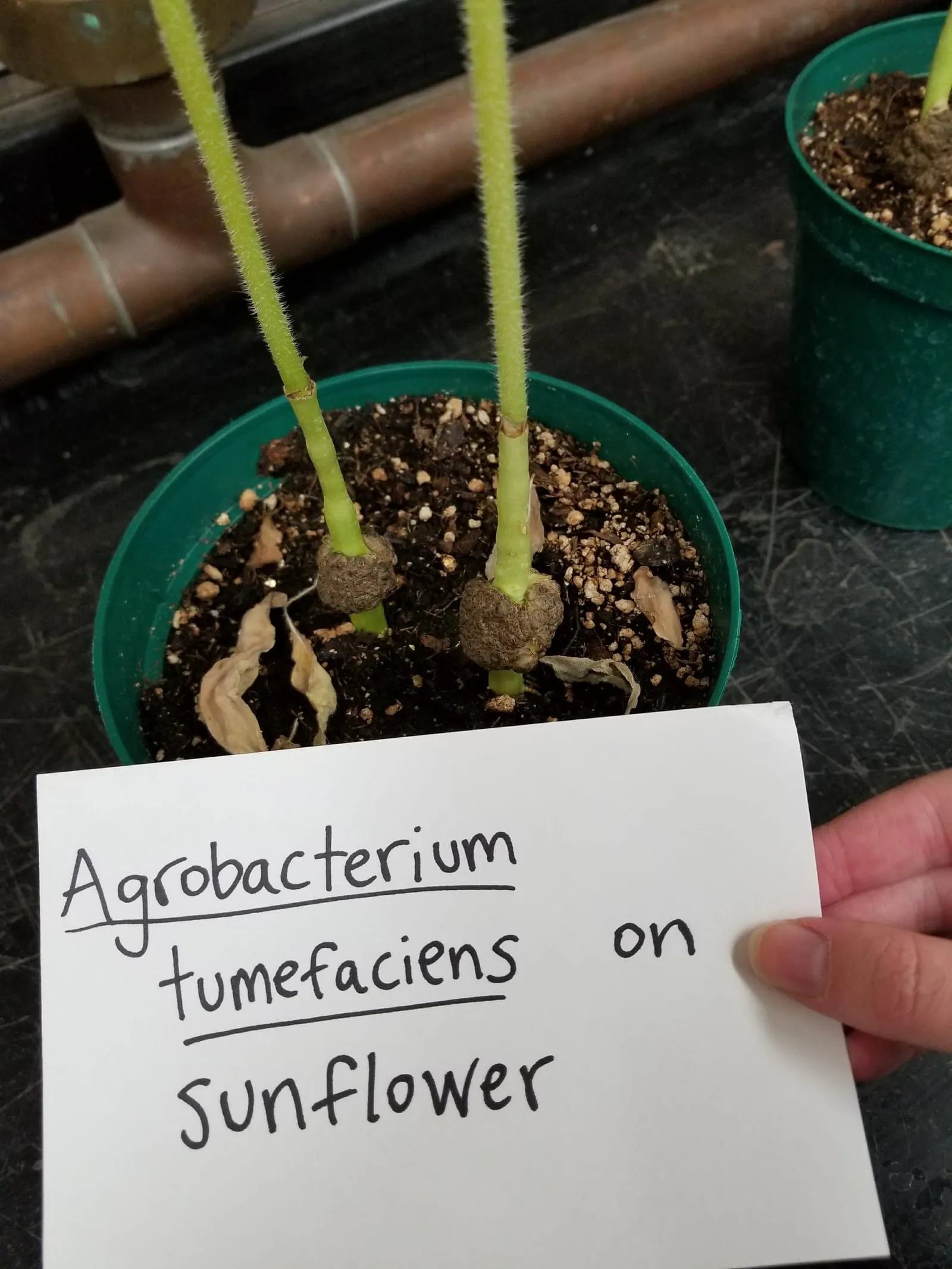
Agrobacterium tumefaciens
Soil-borne bacterium that enters plants through wounds and induces tumor-like galls on roots, crown, and lower stems. Galls reduce vigor and shorten plant lifespan; on Rubus the disease is often fatal.
Modified care for zone 3b
The primary management adjustment in zone 3b is protecting canes against winter desiccation rather than low temperatures per se. Bending or layering canes under snow before freeze-up, mulching the crown with straw, and selecting sheltered sites with reliable snow accumulation all reduce desiccation risk meaningfully. Exposed or windy locations that drain snow away from canes produce consistently worse results.
Disease pressure shifts somewhat in short-season climates. Gray mold (Botrytis) can be more problematic when cool summers slow fruit drying. Cane anthracnose and spur blight favor humid, dense canopies; spacing canes for airflow is the primary mitigation. Phytophthora root rot is a risk on low-lying, poorly drained sites, which also tend to be frost pockets in spring. Avoiding such sites addresses both hazards simultaneously.
Red Raspberry in adjacent zones
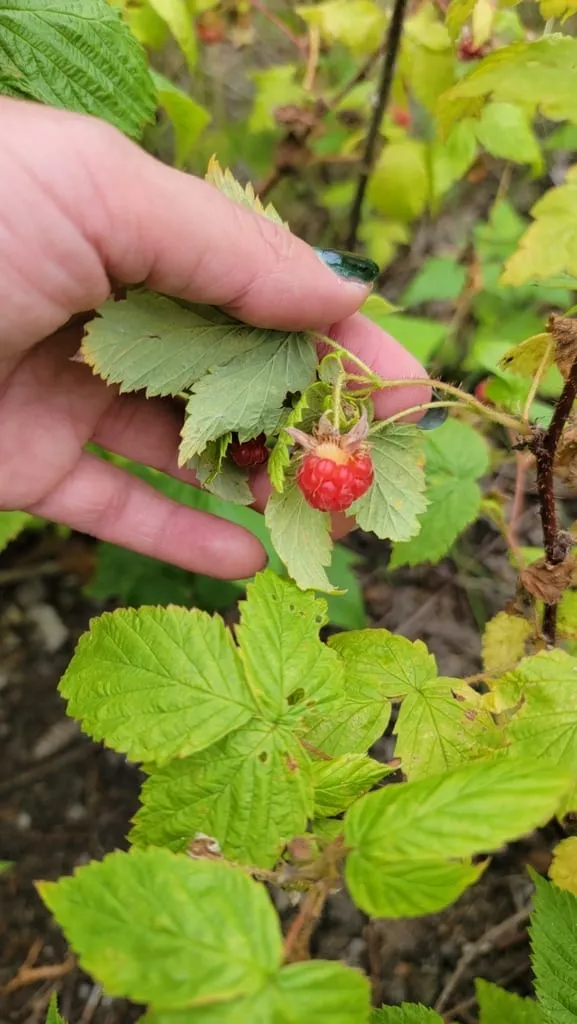
Image: "American red raspberry", by Lauren Markewicz, via iNaturalist, licensed under CC-BY Source.
Related